2027 Entry-Level Jobs That Lead to BCBA Certification

Co-Founder and Chief Data Scientist
Changing careers into applied behavior analysis is possible even if your bachelor’s degree is in another field, but the path is easier when you choose entry-level work intentionally. The best early jobs do more than provide employment; they expose you to behavior plans, client data, supervision, ethics, and real service settings that matter later for BCBA certification.
This guide explains which entry-level roles can help you build toward Board Certified Behavior Analyst certification, what education and supervised fieldwork are required, how online and campus programs compare, and what salary and career outcomes may follow. It is written for career changers, recent graduates, paraprofessionals, educators, direct support workers, and anyone trying to decide whether the BCBA pathway is a practical next step.
Key Things You Should Know
- Entry-level jobs like Registered Behavior Technician (RBT) roles provide essential hands-on experience required for BCBA certification, with over 60% of candidates starting their careers as technicians in 2025.
- Most states and the BACB require candidates to complete supervised fieldwork, typically 1,500-2,000 hours, often achievable through full-time assistant positions in clinical or educational settings.
- Competitive entry-level salaries in 2026 range from $40,000 to $55,000, with increased demand due to a 15% projected job growth in behavior analysis fields through 2030.
What are entry-level jobs leading to BCBA certification?
Entry-level jobs that lead toward BCBA certification usually place you close to clients, behavior plans, data collection, and BCBA supervision. The most direct starting point is often a Registered Behavior Technician (RBT) role because RBTs implement behavior-analytic services under the supervision of BCBAs and gain daily practice with intervention procedures, documentation, and client support.
RBT positions are common in ABA clinics, schools, early intervention programs, and home-based services. They are also accessible for many career changers because the certification requirements are moderate compared with graduate-level BCBA requirements. RBT salaries range from $35,000 to $50,000 annually, which can make the role a practical bridge while completing coursework and preparing for supervised fieldwork.
Other job titles can also support a BCBA pathway, although the quality of experience varies by employer. Look closely at whether the role includes behavior data, treatment-plan implementation, and access to a qualified supervisor.
| Entry-level role | How it supports BCBA preparation | What to verify before accepting |
| Registered Behavior Technician | Provides direct client contact, intervention practice, and structured supervision from behavior analysts. | Confirm whether a BCBA supervises the work and whether the setting uses ABA-based treatment plans. |
| ABA technician or behavior technician | Builds skill in session delivery, data recording, prompting, reinforcement, and behavior reduction procedures. | Ask whether the job qualifies for supervised fieldwork and whether training is competency-based. |
| Behavioral aide or therapy assistant | Offers exposure to client support, classroom or clinic routines, and team-based behavior services. | Clarify whether duties are ABA-specific or primarily general caregiving or classroom assistance. |
| Paraeducator or special education aide | Develops observation, communication, and student-support skills in school settings. | Find out whether you will collaborate with a BCBA, behavior specialist, or special education team. |
The strongest entry-level jobs are not always the ones with the most impressive titles. A basic technician role with consistent BCBA supervision may be more valuable than a broader human services role with little behavior-analytic practice. Before accepting a position, ask how data are collected, who reviews treatment decisions, whether supervision can count toward certification requirements, and how often you receive feedback.
If you are still comparing education routes, reviewing affordable BCBA master’s programs can help you connect your employment plan with the graduate coursework required later.
How does BCBA certification work and who qualifies?
BCBA certification is a professional credential for practitioners who meet graduate education, supervised fieldwork, and examination requirements set by the Behavior Analyst Certification Board (BACB). In general, candidates need a qualifying graduate-level degree, approved behavior analysis coursework, supervised experience, and a passing score on the BCBA exam.
The supervised fieldwork requirement is substantial. Applicants must complete between 1,500 and 2,000 hours of supervised fieldwork, depending on the experience pathway. These hours are meant to show that candidates can apply behavior-analytic principles responsibly, not just understand them in theory.
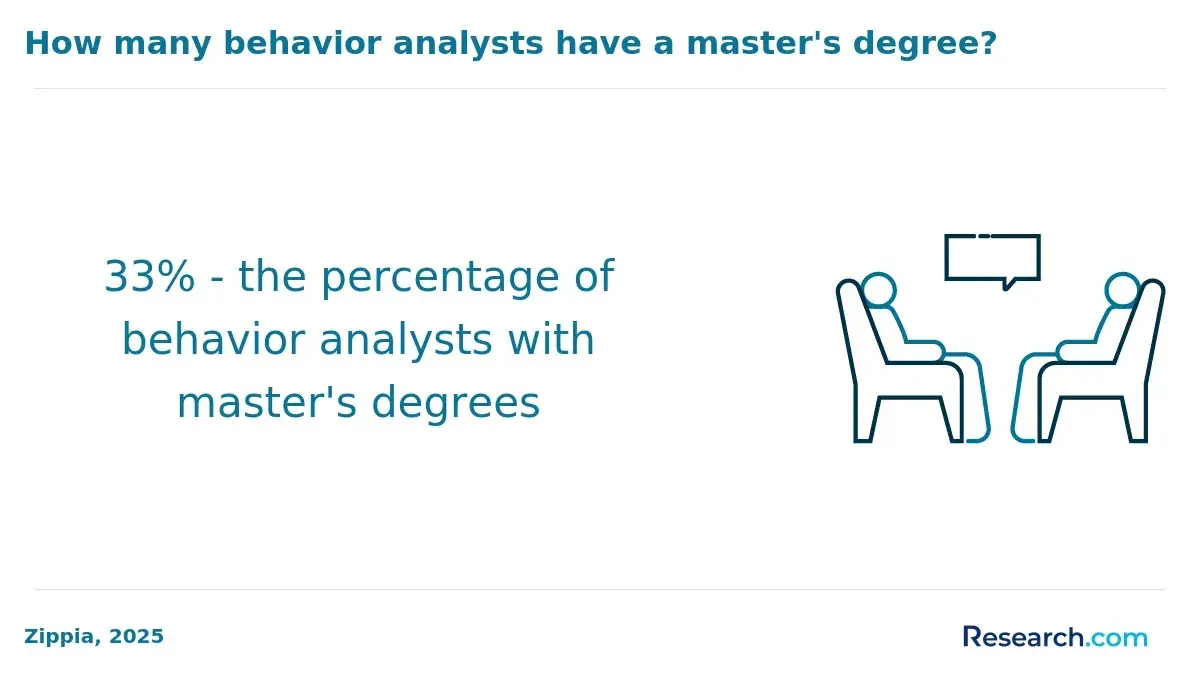
BCBA preparation typically includes coursework in behavior assessment, intervention design, measurement, research methods, ethics, and professional conduct. A master's degree in psychology or a related field may qualify when combined with BACB-approved coursework and supervised experience, but candidates should confirm current requirements directly before enrolling or changing jobs.
Entry-level positions matter because they create the work context in which many candidates learn the field and begin building supervision relationships. Roles such as RBT, ABA technician, direct support professional, therapy assistant, or school-based behavioral aide can help candidates decide whether the day-to-day work fits their goals before committing to graduate study.
Access to qualified behavior analysts remains uneven. Approximately 46% of U.S. counties lack any BCBA as of 2026, which makes workforce development and supervised training opportunities especially important in underserved areas.
For structured education options, compare BCBA and BCaBA program pathways that are designed to support certification preparation.
What education is required for BCBA certification?
BCBA certification requires graduate-level education in behavior analysis or a closely related area that satisfies BACB standards. Candidates in the United States must hold at least a master's degree in a relevant field such as psychology, education, behavior analysis, or related areas. They must also complete a minimum of 270 hours of graduate-level coursework aligned with BACB’s Verified Course Sequence standards.
Required coursework commonly covers ethics, research methods, behavioral assessment, measurement, intervention strategies, and behavior-change procedures. This academic foundation is important because BCBAs are responsible for assessment, treatment design, supervision, and ethical decision-making rather than only implementing plans created by others.
Education alone is not enough. Candidates must also complete supervised fieldwork: either 1,500 hours of supervised independent fieldwork or 2,000 hours of supervised practicum experience. These hours help candidates develop practical competence in real service environments such as clinics, schools, homes, hospitals, and community programs.
If you already have a relevant graduate degree but did not complete the required behavior analysis coursework, a postgraduate certificate may be the most efficient route. These programs are designed for people who need the verified coursework without earning another full master’s degree.
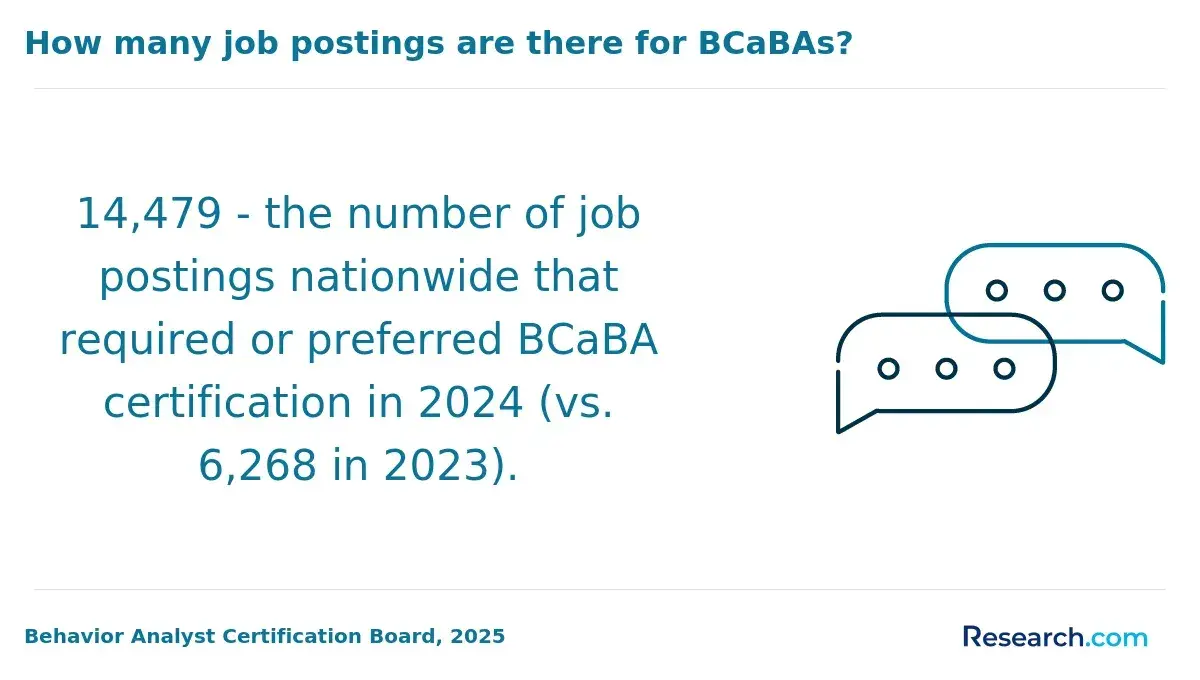
Demand signals continue to appear in state-level job markets. For example, ABA Classroom Aide Oregon reported a 291% increase in BCBA job postings between 2023 and 2024. That growth does not remove the need to choose carefully, however. Before enrolling, confirm that the program’s coursework aligns with BACB requirements and that you have a realistic plan for supervision.
Students looking for flexible graduate options can compare online BCBA programs that combine coursework with planning for fieldwork requirements.
Programs that prepare students for BCBA certification are usually graduate degrees or post-master’s certificates in applied behavior analysis, behavior analysis, psychology, education, special education, or a related discipline. The key issue is not the title alone; it is whether the coursework satisfies current BACB requirements and whether the program helps students plan supervised fieldwork.
Many qualifying programs use coursework recognized through the Association for Behavior Analysis International (ABAI) Verified Course Sequences (VCS). A VCS helps indicate that required topics such as ethics, measurement, assessment, and behavior-change procedures are covered. However, students should always verify a program’s current status before enrolling because requirements and approvals can change.
Accredited and well-structured programs usually offer more than lectures. Strong options provide faculty with behavior analysis expertise, exam preparation support, clear fieldwork guidance, and connections to clinics, schools, or agencies where students can apply what they learn.
| Program type | Best fit | Important caution |
| Master’s in applied behavior analysis | Students who need both a graduate degree and BCBA-aligned coursework. | Check whether supervised fieldwork is embedded, coordinated, or left entirely to the student. |
| Master’s in psychology, education, or special education with ABA coursework | Students who want broader training while meeting behavior analysis coursework requirements. | Do not assume the degree title alone meets BACB coursework standards. |
| Post-master’s certificate in behavior analysis | Professionals who already hold a relevant graduate degree but need BCBA coursework. | Confirm that your prior degree and the certificate together support eligibility. |
| Online or hybrid ABA program | Working adults, career changers, and students without nearby campus options. | Ask how the program supports local supervised fieldwork and supervisor selection. |
Job-market growth can make technician and assistant roles attractive stepping stones. Behavioral Health Technician roles are growing rapidly, with a 228% increase in BCBA-related job postings in Kansas from 2023 to 2024. Still, employment growth should not be the only factor in choosing a program. Accreditation, curriculum fit, supervision access, cost, and completion support matter just as much.
Students comparing distance-based options can start with online applied behavior analysis programs and then verify each school’s current certification alignment.
Online and campus BCBA pathway programs can both prepare students for certification if they meet BACB coursework requirements and support appropriate supervised fieldwork. The better choice depends on your schedule, location, learning style, budget, and access to practicum or employment settings.
Online programs are often the better fit for working professionals, parents, rural students, and career changers who cannot relocate. Many use asynchronous coursework, recorded lectures, digital libraries, discussion boards, and remote faculty meetings. The main advantage is flexibility. The main risk is fieldwork planning: students must make sure they can secure local supervision that meets certification requirements.
Campus programs provide more face-to-face interaction, structured schedules, and immediate access to faculty, classmates, and university services. Some campus programs also maintain relationships with local clinics, schools, or research labs. The trade-off is that campus study may require commuting, relocation, or schedule changes that are difficult for working adults.
| Factor | Online pathway | Campus pathway |
| Schedule flexibility | Usually stronger for working adults and students with family obligations. | Usually more structured, with set meeting times and on-campus expectations. |
| Faculty and peer interaction | Often virtual through discussion forums, video meetings, and online feedback. | Often immediate through in-person classes, office hours, and campus events. |
| Fieldwork access | May require students to find local practicum or employment sites. | May include nearby partnerships, but availability varies by program. |
| Cost considerations | May reduce commuting or relocation expenses. | May involve campus fees, commuting, or relocation costs. |
Both formats can lead to the same certification goal when the coursework and supervision are appropriate. Do not choose based only on convenience. Ask each program how it tracks BACB requirements, how students arrange fieldwork, how faculty support exam preparation, and what happens if a supervision site becomes unavailable.
Career outcomes can be strong for students who pair education with relevant experience. Entry-level Autism Support Specialist BCBA salaries start near $65,120 annually, indicating that early ABA-related roles may provide a foundation for advancement when combined with the right credentialing plan.
BCBA certification coursework is designed to prepare future behavior analysts to assess behavior, design interventions, use data, supervise others, and practice ethically. The curriculum is technical because BCBAs are expected to make evidence-informed decisions that affect clients, families, schools, and treatment teams.
Core coursework typically includes:
- Ethics and professional conduct in behavior analysis
- Measurement, data collection, and data interpretation
- Experimental design and single-subject research methodology
- Behavioral assessment, including functional behavior assessments
- Skill acquisition and behavior reduction strategies
- Behavior-change procedures and implementation planning
- Supervision, consultation, and professional collaboration
Students also learn key behavior principles such as reinforcement, punishment, stimulus control, prompting, generalization, and maintenance. These concepts are not abstract vocabulary; they are used to design teaching programs, evaluate progress, reduce harmful behavior, and adjust interventions when data show that a plan is not working.
Strong programs require students to apply coursework to realistic cases. Case studies, role-play, treatment-plan reviews, graphing assignments, and supervised practice help connect classroom learning to clinical and educational settings. This is especially important for students who begin in entry-level roles and want to move from implementation to assessment and program design.
Before enrolling, verify that the coursework is BACB-approved or otherwise aligned with current certification standards. Also ask how the program prepares students for the exam and whether instructors have current professional experience in applied behavior analysis.
The investment can support long-term career growth. Mid-career BCBAs with 1-5 years of experience earn around $71,675 annually, although actual pay depends on setting, region, responsibilities, and employer type.
BCBA program admission requirements depend on the credential level. A master’s program usually evaluates whether applicants are prepared for graduate study, while a post-master’s certificate generally requires applicants to already hold a qualifying graduate degree. For BCBA certification itself, candidates must ultimately meet the Behavior Analyst Certification Board’s education, coursework, supervised fieldwork, and exam requirements.
For 2026 applicants, programs commonly look for academic preparation in behavior analysis, education, psychology, or a related discipline from an accredited institution. Coursework should meet the Behavior Analyst Certification Board’s (BACB) Verified Course Sequence (VCS) standards, covering topics such as ethics, behavioral assessment, measurement, and intervention methods. Students who do not have VCS-compliant coursework may need post-master’s coursework to fill the gap.
Supervised fieldwork is also central to the pathway. Candidates complete either 1,500 hours of supervised independent fieldwork or 2,000 practicum hours under a BCBA-certified supervisor. Programs may help students locate fieldwork, but applicants should not assume supervision is automatically included unless the school clearly states that it is.
Relevant work experience can strengthen an application and help students understand the field before committing to graduate study. Experience as a Direct Support Professional (DSP), RBT, behavior technician, special education aide, or therapy assistant can show readiness for client-facing work. Individuals with DSP backgrounds often advance to clinical director roles, earning from $85,000 to $100,000 annually (CertifyNDABA, 2026).
Common admission or pathway requirements include:
- A relevant academic background, depending on whether the applicant is entering a master’s or post-master’s route
- BACB-aligned coursework in behavior analysis or a related field
- A plan for completing 1,500-2,000 hours of supervised fieldwork
- Relevant professional experience, especially in direct service or behavior support roles
- Preparation to pass the BCBA certification exam
Applicants should read admissions pages carefully and ask direct questions about prerequisites, fieldwork support, faculty credentials, exam preparation, and whether the program’s coursework currently meets BACB expectations.
BCBA pathway programs usually take 1.5 to 3 years to complete, depending on whether the student is pursuing a full master’s degree, a graduate certificate, full-time study, or part-time study. Many programs include 30 to 45 credit hours in areas such as behavior assessment, ethics, intervention strategies, research methods, and supervision.
The timeline is shaped by more than coursework. Candidates must also complete 1,500 to 2,000 hours of supervised fieldwork, and that requirement can extend the overall path if a student works part time, changes employers, or has difficulty finding a qualified supervisor.
Program costs range from $10,000 to $25,000 per program. Online options may be more affordable for some students because they can reduce commuting or relocation costs, but total cost depends on tuition, fees, books, technology, supervision arrangements, and exam preparation. Extra expenses include the BCBA exam fee, averaging $245, and potential supervision or study material costs if they are not included in the program.
Paid fieldwork can make the pathway more manageable. Some students work in roles such as behavior technician, RBT, therapy assistant, school aide, or Youth Mentor while completing requirements. Positions such as Youth Mentor provide paid supervised experience, helping build the required hours. These roles offer salaries between $75,000 and $125,000 annually, and can lead to mobile and higher-paid BCBA jobs.
When comparing programs, look beyond the advertised tuition. Ask these questions before enrolling:
- Is the program a full degree or a certificate?
- Are supervision costs included or separate?
- Can your current job count toward supervised fieldwork?
- Does the school help students find qualified supervisors?
- Is the schedule realistic if you are working full time?
- What support is available for exam preparation?
The most affordable program is not always the best value if it leaves you without fieldwork support. A slightly higher-cost program with reliable advising and supervision connections may reduce delays and help you finish more efficiently.
Entry-level BCBA pathway jobs can lead to several clinical, educational, and supervisory careers in applied behavior analysis. The usual progression begins with direct-service roles, moves into advanced case support or supervision, and may eventually lead to independent BCBA-level practice after certification requirements are met.
Common starting roles include ABA therapist, behavioral technician, RBT, ABA data collector, direct support professional, and school-based behavioral aide. These positions teach practical skills that are difficult to learn from coursework alone: how to run sessions, document behavior, respond to challenging situations, communicate with families and teachers, and follow a treatment plan with fidelity.
Data collection deserves special attention. Accurate data are the basis for treatment decisions, progress monitoring, and ethical practice. A candidate who has only observed ABA services but has not collected and interpreted data may be less prepared for advanced coursework, supervision, and the BCBA exam. The ABA data collector BCBA exam first-time pass rate fell to 51% in 2025, highlighting the challenge for candidates lacking direct data collection experience.
After gaining experience, candidates may move into roles such as lead technician, case manager, early intervention specialist, behavior specialist, assistant supervisor, or parent-training support role. These jobs can deepen exposure to assessment, treatment planning, staff training, and interdisciplinary collaboration.
When choosing an entry-level job, prioritize roles that offer:
- Regular supervision from a qualified BCBA
- Hands-on practice with data collection and graph review
- Exposure to assessment and intervention planning
- Training in ethics, client dignity, and professional boundaries
- Opportunities to work across clients, settings, and behavior goals
The best pathway job is one that helps you build competence, not just hours. If a position does not provide meaningful feedback, ethical supervision, or behavior-analytic work, it may be less useful for long-term BCBA preparation.
What is BCBA salary, job outlook, and demand?
BCBA salary and demand are strong compared with many entry-level human services roles, but outcomes vary widely by location, employer, experience, and responsibility level. The average BCBA salary in 2026 ranges from $60,000 to $80,000 annually. Entry-level positions typically start near $60,000, while BCBAs with advanced skills, supervisory duties, or specialized responsibilities can surpass $90,000.
Employer type also matters. Private healthcare and clinic-based organizations may offer higher wages than some school-based or public-sector roles, while schools may provide different advantages such as predictable calendars, benefits, and team-based educational work. Urban centers often have more openings, but rural and underserved areas may have significant need and fewer qualified providers.
Demand remains high because the number of qualified BCBAs does not match service needs. About 30,000 BCBAs currently provide direct clinical service, while the nationwide need exceeds 100,000. This gap creates opportunities for well-prepared candidates, but it also places importance on ethical training, adequate supervision, and careful workload management.
Key factors affecting BCBA salary and demand include:
- Geographic location: States with broad autism insurance mandates often offer higher pay and more job openings.
- Specialization area: Experience in behavioral disorders, developmental disabilities, or organizational behavior management impacts compensation.
- Employer type: Private clinics tend to provide more competitive wages than public school districts.
- Supervisory responsibilities: Roles that include staff training, program oversight, or clinical leadership may pay more than direct-service positions.
- Experience quality: Candidates with strong data, assessment, and supervision experience are often better positioned for advancement.
For someone starting from an unrelated undergraduate background, the most practical strategy is to enter a role that provides real ABA exposure, confirm the education requirements before enrolling, and choose supervision carefully. A deliberate entry-level job can become the foundation for a sustainable BCBA career rather than just a temporary position.
Other Things You Should Know About Applied Behavior Analysis
Candidates must complete either 2,000 supervised fieldwork hours or 1,500 concentrated supervised fieldwork hours under the BACB. The hours must be documented, supervised by an approved BCBA or qualified supervisor, and completed within the BACB’s fieldwork rules before taking the BCBA exam.
Entry-level jobs seeking BCBA certification in 2027 typically require gaining 1,500 to 2,000 supervised hours of practical experience in applied behavior analysis. This experience is essential before taking the BCBA examination, which is administered by the Behavior Analyst Certification Board (BACB).
To qualify for entry-level jobs that lead to BCBA certification in 2027, candidates typically need a bachelor's degree in psychology, education, or a related field. Additionally, they must enroll in a verified course sequence approved by the Behavior Analyst Certification Board (BACB).
- Choosing Excellence: Discover the Best BCBA Programs Online | Brighter Strides ABA https://www.brighterstridesaba.com/blog/bcba-programs-online/
- Is Becoming a BCBA a Good Career in 2026? Salary, Growth, and What to Expect https://mindfulsproutsaba.com/blog/is-becoming-a-bcba-a-good-career-in-2026-salary-growth-and-what-to-expect/
- 11 Best BCBA Programs & Schools (In-Person & Online) https://www.crossrivertherapy.com/behavioral-analysts/best-bcba-programs
- BCBA Job Outlook 2026 | Demand, Growth & Career Data https://certifyndaba.com/blog/career-development/bcba-job-outlook-2026
- BCBA Job Openings and Career Opportunities 2025 | Blossom https://blossomabatherapy.com/blog/bcba-job-openings
- BCBA® Certification Prep – Online ABA Certificate | PCOM https://www.pcom.edu/academics/programs-and-degrees/applied-behavior-analysis/aba-certificate/bcba-certification.html
- Behavior Analyst Entry Level Jobs | ABA Career Guide https://www.appliedbehavioranalysisedu.org/behavior-analyst-entry-level-jobs/
- Certification Pathways, VCSs, & Accreditation: A Student's Guide https://www.abatechnologies.com/blog/certification-pathways-vcss-accreditation-a-students-guide
- BCBA Career Path To Take For A Rewarding Future https://kidsclubaba.com/bcba-career-path-to-take-for-a-rewarding-future/
- BCBA Jobs: Requirements & Opportunities in Behavior Analysis https://koalaaba.com/careers-opportunities/bcba-jobs-requirements-in-behavior-analysis/