2027 BCBA Careers Working With Autism: Salary & Programs

Co-Founder and Chief Data Scientist
Becoming a Board-Certified Behavior Analyst (BCBA) with a focus on autism is a career decision that requires planning: graduate school, supervised fieldwork, certification, and, in many states or workplaces, additional compliance requirements. The payoff can be significant for professionals who want a direct role in improving communication, learning, daily living, and behavior outcomes for individuals with autism spectrum disorder.
The field is also expanding. Many BCBA roles serve children, adolescents, and adults with autism, and demand is being shaped by higher diagnosis rates, school and healthcare needs, insurance coverage for ABA services, and the continued use of evidence-based intervention models. In the United States, the average annual salary for a Board-Certified Behavior Analyst (BCBA) is now around $89,075.
This guide explains what a BCBA autism career involves in 2027, why demand is rising, how to qualify, how long the process usually takes, what programs may cost, where BCBAs work, and what salary and job outlook data suggest for aspiring professionals.
What are the benefits of pursuing BCBA careers working with autism?
- BCBAs specializing in autism often command salaries in the $70,000–$90,000 range due to niche demand.
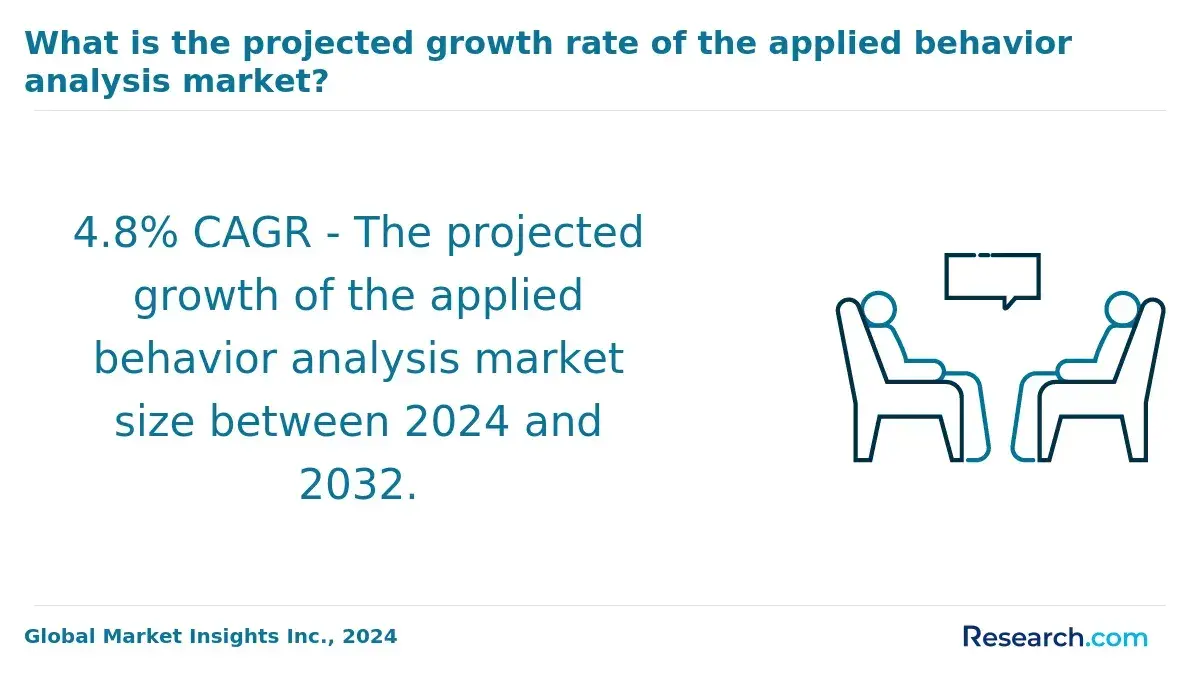
- The field of behavior analysis is projected to grow by about 22% over the next decade.
- Professionals can work in schools, clinics, home‑based services, and private practice, offering flexibility in career paths.
Why is the BCBA career with autism increasing in demand?
The demand for BCBAs who work with autism is rising because families, schools, clinics, and healthcare systems need professionals who can design individualized, evidence-based behavior intervention plans. About 1 in 31 children in the U.S. is now diagnosed with autism, which increases the need for qualified providers who understand assessment, skill-building, behavior reduction, family training, and progress monitoring.
BCBAs are also in demand because autism services increasingly require measurable outcomes. A BCBA does more than deliver support; they assess behavior, identify environmental factors, create data-based plans, train caregivers or staff, supervise implementation, and adjust treatment when progress stalls. That level of accountability is especially important in settings where services are funded by schools, agencies, or insurers.
Employment signals point in the same direction. In 2024, job postings for graduates of BCBA programs increased 58% year over year. Legislative changes and insurance mandates affect ABA services, and many organizations now rely on BCBAs to meet clinical, documentation, and quality standards.
The growth is not only about more autism diagnoses. It reflects a broader shift toward specialized, coordinated, and evidence-informed autism support. For students considering this path, that means strong opportunity—but also a need for rigorous preparation, ethical practice, and comfort working with families, educators, technicians, and interdisciplinary teams.
How do I become a BCBA specializing in autism in 2027?
To become a BCBA specializing in autism in 2027, you generally need a qualifying graduate degree, approved behavior-analytic coursework, supervised fieldwork, and a passing score on the BCBA certification examination. Autism specialization is usually developed through practicum placements, employment settings, continuing education, and supervised experience with autistic clients rather than through a separate BCBA credential.
According to the Behavior Analyst Certification Board (BACB), there were 8,164 new BCBA certificants in 2024, bringing the total to 74,125 active certificants. This growth helps explain the popularity of BCBA online programs, but it also means candidates should choose programs carefully and plan their fieldwork early.
Steps to become a BCBA specializing in autism
- Earn a qualifying graduate degree: Prospective BCBAs must complete a master’s or higher degree in behavior analysis or a related field. The BACB recognizes two pathways, Pathway 1 and Pathway 2, for meeting eligibility requirements.
- Complete behavior-analytic coursework: If the degree program is not ABAI/APBA accredited under Pathway 1, the candidate must complete coursework under Pathway 2 that satisfies BACB content standards. Many students look for a Verified Course Sequence (VCS) or a program that clearly maps courses to BACB requirements.
- Plan supervised fieldwork before enrolling: Candidates are required to complete approximately 2,000 hours of supervised fieldwork or 1,500 hours under the concentrated option, depending on the chosen pathway. Ask programs whether they help students secure supervision, whether supervision is included in tuition, and whether placements include autism-focused clients.
- Build autism-specific clinical experience: The BACB does not require autism-only hours, but specialization usually comes from working in autism service settings. Strong experience may include functional behavior assessment, skill acquisition programming, communication goals, caregiver training, school consultation, and data-based treatment decisions.
- Apply for and pass the BCBA exam: After meeting eligibility requirements, candidates must apply for and pass the 4-hour BCBA exam. The first-time pass rate is approximately 54%, so exam preparation should be treated as a serious part of the timeline rather than an afterthought.
- Start in a setting that strengthens autism expertise: Newly certified BCBAs often develop faster in early intervention programs, autism clinics, home-based ABA agencies, school consultation roles, or multidisciplinary settings where they can receive mentorship and handle varied cases.
- Maintain certification: BCBAs must complete 32 continuing education units (CEUs) every two years, including ethics training, to maintain active certification.
- Track requirement changes: Candidates and certificants should monitor upcoming BACB changes effective January 1, 2027, to stay aligned with evolving eligibility pathways.
Before choosing a program, confirm accreditation status, coursework alignment, fieldwork support, faculty expertise in autism, exam preparation resources, and whether the program’s schedule fits your work and supervision hours. These factors can affect both your eligibility and your readiness for autism intervention roles.
How long does it typically take to become a BCBA working in autism intervention?
The typical pathway to becoming a BCBA working in autism intervention takes approximately 3 to 5 years after completing a bachelor’s degree. The timeline includes graduate coursework, supervised fieldwork, the certification application process, and exam preparation.
Most students complete their ABA graduate programs in 2 to 3 years. Fieldwork often overlaps with graduate study, which can shorten the total timeline if the student has access to qualified supervision and enough client hours. Candidates must complete 1,500-2,000 supervised fieldwork hours, depending on the supervision option they use.
Exam preparation can add several months. First-time exam pass rates are around 54%, so candidates should plan for the possibility of additional study time or another testing attempt. A realistic timeline also depends on whether the student attends full time or part time, whether supervision is built into the program, and how quickly they can obtain autism-focused fieldwork placements.
Factors that can shorten or lengthen the timeline
- Program format: Full-time programs may move faster, while part-time and online options may better fit working adults.
- Fieldwork access: Students who already work in an ABA or autism service setting may accumulate hours more steadily.
- Supervision quality: Reliable supervision helps prevent delays caused by documentation errors, insufficient contacts, or unclear fieldwork expectations.
- Exam readiness: Because the first-time pass rate is around 54%, structured review and practice testing can be important.
- Autism specialization goals: Candidates seeking deeper autism experience may choose placements that build stronger skills even if they take longer to complete.
A BCBA specializing in autism can work in direct clinical care, school systems, supervision, consulting, leadership, training, or research. Over 70% of BCBAs identify ASD as their primary area of emphasis, so autism expertise is one of the most common and marketable applications of behavior analysis.
Common career paths include:
- Clinical Case Manager: Designs, monitors, and updates treatment plans for children, adolescents, or adults with autism in clinic-based, home-based, or community programs. This role often includes supervising behavior technicians and communicating with families.
- School District Behavior Specialist: Supports students with autism in public or private school settings, collaborates with special education teams, develops behavior intervention plans, and trains teachers or paraprofessionals.
- Clinical Supervisor in an Autism Service Organization: Oversees junior analysts and technicians, reviews clinical documentation, manages caseload quality, and helps ensure treatment plans are implemented consistently.
- Private Practice Owner: Operates an autism-focused ABA practice or consulting business for families, schools, or agencies. This path may offer autonomy but also requires business, billing, staffing, compliance, and risk-management knowledge.
- Researcher in Autism and Behavior Analysis: Conducts studies, publishes findings, teaches in universities, or trains future BCBAs with a focus on autism assessment, intervention strategies, and outcomes.
How to choose a BCBA autism career path
The best path depends on the population you want to serve, your tolerance for travel, your interest in supervision, and your preferred work environment. Clinic and home-based roles may offer intensive autism intervention experience. School roles may fit professionals who enjoy collaboration with educators and special education teams. Leadership or private practice may appeal to experienced BCBAs who want to shape service delivery, but these roles usually require stronger administrative and compliance skills.
BCBAs who work with autism practice in several settings, and each one changes the daily work. Some roles are highly clinical and data-intensive, while others focus more on consultation, caregiver training, staff coaching, or school-based support. Understanding the setting matters because it affects schedule, caseload, compensation, collaboration, and the types of autism needs you will encounter.
Common work settings include:
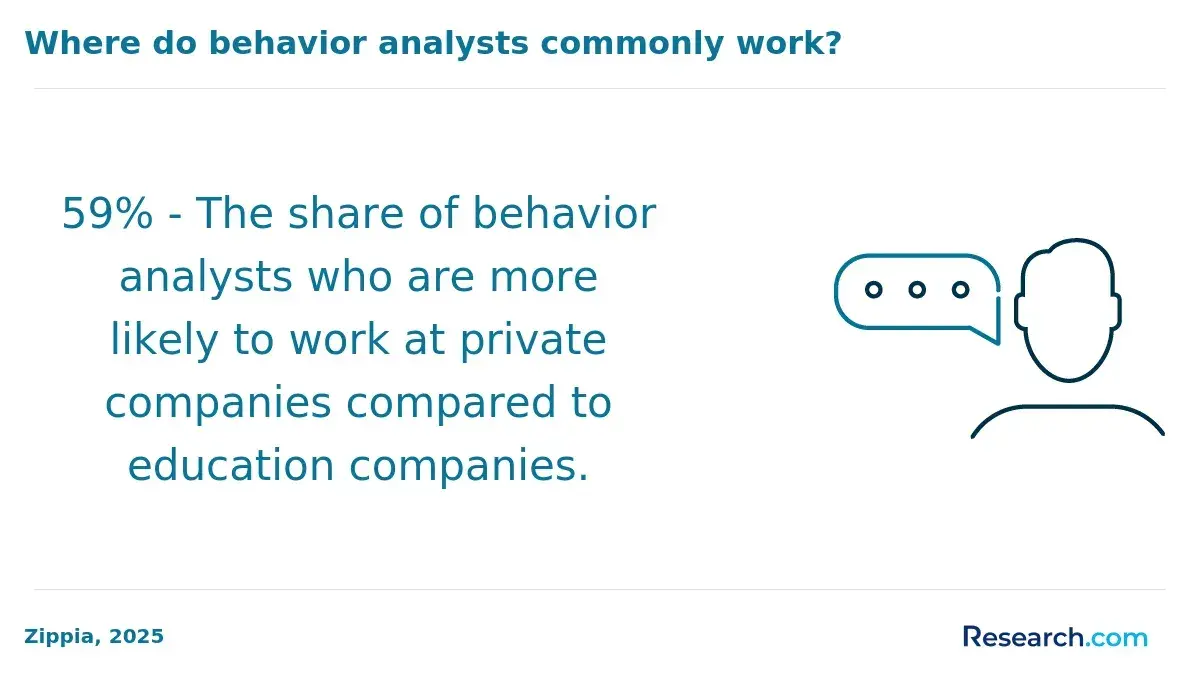
- Clinics and private ABA centers: Many BCBAs work in centers that specialize in autism intervention. A survey found that roughly 35% of BCBA positions are in private ABA clinics. These settings often provide structured therapy, team supervision, and frequent data review.
- Home-based and community programs: BCBAs may provide services in clients’ homes or community locations to help skills generalize beyond the clinic. This can involve caregiver training, natural-environment teaching, and coordination across daily routines.
- Schools and educational settings: School districts and special education programs hire BCBAs to design behavior supports, train staff, support individualized education plans, and help teams respond to challenging behavior. Around 12% of BCBAs hold school-based roles.
- Hospitals, mental health, and healthcare settings: Some BCBAs work in hospital or mental health environments with older children, adolescents, or adults with autism and co-occurring needs. These roles may require closer collaboration with medical, psychiatric, or interdisciplinary teams.
- Private practice and consultancy: Some BCBAs operate independent practices or consult with families, schools, agencies, or organizations. This route can provide flexibility but also requires careful attention to ethics, scope of competence, documentation, billing, and local requirements.
Setting fit: what to consider
- If you want intensive autism intervention: Clinics and home-based ABA agencies may offer the most direct treatment experience.
- If you enjoy education systems: School-based roles may be a better fit, especially for professionals comfortable with meetings, staff training, and classroom realities.
- If you want interdisciplinary work: Hospitals and healthcare settings may offer exposure to complex cases and co-occurring concerns.
- If you want autonomy: Consulting or private practice can be attractive, but it usually requires experience and strong business judgment.
Tuition for master’s programs in applied behavior analysis (ABA) typically falls in the $20,000 to $30,000 range. Costs vary by institution, credit requirements, residency status, delivery format, and whether supervision or practicum support is included. For example, the online program at the University of Washington (UW) lists tuition at $589 per credit hour for the 2024-2025 term in its program handbook.
Students should look beyond advertised tuition. The true cost of becoming a BCBA may include course materials, practicum expenses, supervision-related fees, exam costs, and living or technology expenses.
- Program fees: Many schools charge per-quarter or per-semester administrative fees, ranging from $50 to $300. These may cover student services, technology access, or administrative support.
- Course materials and textbooks: ABA programs frequently require specialized textbooks, assessment tools, and software, typically costing $100-$300 per course.
- Supervision and practicum costs: Some programs require fees for supervision packages or background checks for practicum placements, which can range from $50 to $500. Travel expenses may also be incurred for in-person practicum or internship sites.
- Examination and certification fees: After completing coursework and fieldwork, the BCBA exam fee is $245, with optional preparatory courses adding $100–$500.
- Living expenses: For on-campus students, additional costs include housing, transportation, and personal expenses. Online students should still budget for reliable internet, workspace needs, and possible travel for on-site practicums.
Cost questions to ask before enrolling
- Is supervised fieldwork included in tuition, arranged through the school, or the student’s responsibility?
- Does the program publish exam pass-rate information or student outcome data?
- Are there additional university, technology, practicum, or graduation fees?
- Can working students complete fieldwork while employed in an autism service setting?
- Will the program meet current BACB coursework requirements for the pathway you plan to use?
A lower tuition price can be valuable, but it should not be the only deciding factor. A program that offers strong advising, reliable fieldwork support, autism-focused training, and clear eligibility alignment may reduce delays and improve readiness for certification.
Many applied behavior analysis programs allow students to focus on autism intervention through concentrations, electives, practicum placements, or special education tracks. The key is to distinguish between programs that simply satisfy BCBA coursework requirements and programs that also provide meaningful preparation for autism-focused practice.
ASD-focused pathways may include:
- Autism concentration within ABA degrees: Programs like Bay Path University offer an optional ASD concentration that adds autism-specific coursework and practicum experiences.
- Autism and ABA master’s programs: Endicott College provides a dedicated M.Ed. program combining ABA principles with ASD-focused training.
- ABA with special education focus: Some universities, such as Florida Atlantic University, allow students to integrate ABA training with a specialization in ASD or special education.
- Autism/ABA track in clinical or school-based programs: Tracks at schools like Texas State University provide targeted training for working with students with autism in educational settings.
What strong autism preparation should include
- Autism-focused coursework: Look for coverage of assessment, communication, social skills, adaptive behavior, challenging behavior, caregiver collaboration, and ethical service delivery for autistic individuals.
- Fieldwork with autistic clients: Coursework matters, but supervised practice is where students learn how to apply concepts responsibly.
- Faculty or supervisors with autism expertise: Mentorship can shape clinical judgment, especially for complex cases.
- Training across ages and settings: A program that exposes students to early intervention, school-age services, and family or community supports may create broader career options.
- Clear certification alignment: The autism focus should not replace BACB eligibility requirements; it should strengthen them.
Students should verify whether an autism concentration appears on the transcript, whether it changes graduation requirements, and whether it includes supervised experience or only additional coursework.
Strong BCBA preparation for autism careers usually combines certification-aligned coursework, autism-relevant content, accessible fieldwork planning, and support for working students. Online programs can be especially useful for professionals already employed in education, ABA services, psychology, or human services, but students should confirm how each program supports supervised experience.
Examples of universities and online programs that prepare students for BCBA autism careers include:
- Ball State University: Offers an online MA in Applied Behavior Analysis with an emphasis in Autism, 100% online. It is noted for its lower-cost tuition, starting under US $16,000, among similar programs.
- Endicott College: Provides a Master of Science in ABA with a specific Autism concentration and multiple start dates. The program is tailored for students seeking specialization.
- Capella University: Features an online MS in Behavior Analysis that offers a specialization in Autism Spectrum Disorder (ASD) while being fully online, which may suit working professionals.
- University of Cincinnati: Offers an online M.Ed. in Applied Behavior Analysis that explicitly prepares students to work with individuals diagnosed with ASD and other developmental disabilities.
- Arizona State University: Provides an online Master’s in Special Education with an emphasis in Applied Behavior Analysis, designed for educators and professionals who want to apply ABA in autism and related settings.
How to evaluate programs on this list
- Confirm eligibility alignment: Make sure the program’s coursework fits the BACB pathway you intend to use.
- Ask about fieldwork: Determine whether the program places students, helps locate sites, or expects students to arrange supervision independently.
- Review autism-specific training: Look for coursework, practicum, or faculty expertise that goes beyond general ABA theory.
- Compare total cost: Include tuition, fees, materials, exam preparation, supervision, and travel if required.
- Consider schedule fit: Online and asynchronous formats may help working adults, while structured cohorts may offer more guidance and accountability.
No single program is best for every student. The right choice depends on your current job, budget, preferred learning format, access to supervised fieldwork, and whether you want to work primarily in clinics, schools, home-based programs, or leadership roles.
The average BCBA salary for a professional working with autism in 2027 typically ranges from $80,000 to $95,000 per year. Recent data show a national average of $89,075 per year. Entry-level BCBAs with 0–2 years of experience generally earn between $65,000 and $80,000, while mid-career professionals with 3–6 years of experience typically earn $80,000 to $95,000.
Senior or lead BCBAs with extensive experience, supervisory responsibilities, or highly specialized caseloads can exceed $100,000 annually. Geography plays a significant role, with states such as New Jersey, Wisconsin, and Alaska reporting averages above $90,000. Work setting also affects compensation; BCBAs employed in private clinics or home-based autism services generally earn more than those in school districts.
What affects BCBA autism salary
- Experience level: New BCBAs typically earn less than clinical supervisors, directors, or specialists managing complex caseloads.
- Work setting: Private clinics and home-based autism service providers may offer higher pay, while school district roles may provide different benefits, schedules, or stability.
- Location: State and regional labor markets can change salary expectations considerably.
- Supervisory responsibilities: BCBAs who supervise technicians, train staff, manage multiple cases, or oversee programs may command higher compensation.
- Specialized autism expertise: Skills in early intervention, severe behavior, school consultation, caregiver training, or multidisciplinary care can influence earning potential.
When comparing offers, consider more than base salary. Caseload size, billable-hour expectations, supervision support, travel time, benefits, continuing education funding, and administrative workload can all affect the real value of a position.
What is the job outlook for BCBAs specializing in autism in 2027?
The job outlook for BCBAs specializing in autism remains very strong. Industry reports project a growth rate of around 22% over the next decade for the behavior analyst field. Data from 2024 also supports this trend, showing that unduplicated job postings for BCBA and BCBA-D credentials increased 58% year-over-year, from about 65,000 to over 100,000 postings.
Several forces are supporting demand: expanded insurance mandates for autism treatment, increased prevalence and diagnosis of autism spectrum disorder (ASD), and broader recognition of evidence-based ABA services in schools, clinics, and home-based settings. Employers also need BCBAs who can supervise technicians, maintain treatment quality, document progress, and coordinate with families and other professionals.
For students and career changers, the outlook is favorable, but the best opportunities will likely go to candidates who combine certification with strong supervised experience, ethical judgment, communication skills, and autism-specific competence. A BCBA credential can open the door; high-quality clinical training and practical experience determine how prepared you are to succeed in autism intervention roles.
Other Things You Should Know About BCBA Careers Working with Autism in 2027
Candidates must pass the Board Certified Behavior Analyst Examination, administered by the Behavior Analyst Certification Board (BACB). The exam is based on the BCBA Test Content Outline and is required after completing an approved graduate degree, supervised fieldwork, and coursework that meets BACB standards.
In 2027, obtaining BCBA certification requires a master's degree in behavior analysis or a related field, completion of coursework verified by the Behavior Analyst Certification Board (BACB), 2,000 hours of supervised experience, and passing the BCBA exam. These standards ensure expertise in autism services.
BCBAs specializing in autism in 2027 need to complete continuing education units (CEUs) to maintain certification. The Behavior Analyst Certification Board (BACB) often requires BCBAs to complete at least 32 CEUs every two years, including ethics and supervision components.
- Applied Behavior Analysis. (n.d.). BCBA® certification & requirements: A step‑by‑step guide. https://www.appliedbehavioranalysisedu.org/bcba-certification/ appliedbehavioranalysisedu.org
- Behavior Analyst Certification Board. (2025, August). Board Certified Behavior Analyst® (BCBA®) handbook. https://www.bacb.com/wp-content/uploads/2025/08/BCBAHandbook_250818-2-a.pdf Behavior Analyst Certification Board
- Chicago School of Professional Psychology. (2023, October 11). 6 ABA career paths with M.S. applied behavior analysis. https://www.thechicagoschool.edu/insight/psychology/applied-behavior-analysis-career-paths/ thechicagoschool.edu
- MagnetABA. (2023, February). Average BCBA salaries in the United States. https://www.magnetaba.com/blog/average-bcba-salaries magnetaba.com
- Psychology Today. (n.d.). What is a Board Certified Behavior Analyst (BCBA)? https://www.psychology.org/resources/bcba-meaning-career-overview/ Psychology.org
- Songbird Care. (2023, January 5). BCBA salary | Autism resources. https://www.songbirdcare.com/articles/bcba-salary songbirdcare.com
- Blue ABA Therapy. (2025, October 6). BCBA salaries in North Carolina (2025): Pay & job outlook.https://blueabatherapy.com/aba/bcba-salaries-north-carolina/