2027 Food Industry Management Careers That Reward Strong Operations Skills

Co-Founder and Chief Data Scientist
Food companies need managers who can keep products safe, costs controlled, and supply chains moving. The operations side is especially attractive because it connects production, logistics, quality, people, and technology. According to BLS data, the median annual wage for industrial production managers was $121,440 in May 2024, showing the value employers place on strong plant and process leadership. This guide is for students, career changers, and working food professionals who want to compare education paths, job titles, salary potential, and the smartest next steps.
Key Things You Should Know
- Operations-focused food industry management careers are strongest in production management, quality assurance, supply chain, procurement, food safety, distribution, and continuous improvement roles.
- BLS May 2024 wage data shows strong upside for operations leadership: industrial production managers had a median annual wage of $121,440, while logisticians had a median annual wage of $80,880.
- The best education path depends on the target role: food science or food industry management fits plant and quality roles, supply chain or operations management fits logistics roles, and an MBA or master's degree can help with senior leadership.
What is food industry management and how does it align with strong operations skills?
Food industry management is the business and operational leadership of organizations that grow, manufacture, process, package, distribute, sell, or serve food. It combines food safety, production planning, supply chain coordination, cost control, labor management, regulatory compliance, and customer expectations.
Strong operations skills matter because food businesses run on narrow margins and strict standards. A late ingredient shipment, mislabeled allergen, failed sanitation step, or poorly scheduled production line can affect revenue, safety, and brand trust. Operations-oriented managers reduce those risks by designing reliable systems.
In practical terms, food industry managers with operations strengths often spend their time solving questions like these:
- How can a plant increase throughput without compromising food safety or quality?
- Which supplier, inventory, and transportation decisions reduce waste and stockouts?
- How should labor, equipment, sanitation, and maintenance be scheduled to avoid downtime?
- What process data shows whether a facility is meeting yield, safety, and cost targets?
This field fits people who enjoy measurable results. If you like coordinating teams, improving processes, analyzing bottlenecks, and making decisions under real-world constraints, food industry management can be a practical career direction.
The role is not limited to factories. Operations managers are also needed in grocery distribution, restaurant groups, institutional food service, meal-kit companies, cold-chain logistics, food safety consulting, and agricultural supply networks. The common thread is the ability to turn complex systems into repeatable, compliant, cost-effective workflows.
Which food industry management careers rely most on advanced operations and process management?
The food careers that rely most on advanced operations and process management are the ones where timing, safety, capacity, cost, and compliance interact every day. These roles tend to reward people who can manage systems, not just individual tasks.
The table below compares major operations-heavy career tracks. Use it to identify whether your interests lean more toward plant leadership, quality systems, logistics, procurement, or customer-facing food operations.
| Career area | Common settings | Operations focus | Best fit for |
| Production and plant management | Food manufacturing plants, beverage facilities, packaging operations | Line efficiency, staffing, maintenance coordination, yield, downtime, throughput | People who like leading teams in fast-moving production environments |
| Quality assurance and food safety management | Processing plants, labs, retailers, distributors, co-packers | HACCP, audits, sanitation, corrective actions, traceability, documentation | Detail-oriented professionals who care about safety, compliance, and systems |
| Supply chain and logistics management | Cold storage, distribution centers, transportation companies, grocery networks | Inventory, routing, forecasting, warehouse flow, supplier coordination | Analytical planners who enjoy solving timing and capacity problems |
| Procurement and category operations | Food manufacturers, retailers, restaurant groups, institutional buyers | Supplier selection, cost control, contracts, ingredient availability, risk management | Negotiators who can balance price, quality, reliability, and food safety |
| Restaurant and food service operations | Restaurant groups, hotels, schools, hospitals, corporate dining | Labor scheduling, service speed, purchasing, waste control, customer experience | Hands-on leaders who can manage both people and daily service execution |
| Continuous improvement and process engineering | Manufacturing plants, consulting firms, corporate operations teams | Lean systems, root-cause analysis, automation, process redesign, KPI tracking | Problem-solvers who like data, workflow mapping, and measurable improvement |
BLS May 2024 data places the median annual wage for logisticians at $80,880. That figure is useful because many food supply chain roles overlap with logistics work, especially in temperature-controlled distribution, inventory planning, and supplier coordination.
Current trends are making operations skill more valuable. Food companies are using more automation, predictive maintenance tools, warehouse management systems, and digital traceability platforms. These technologies do not remove the need for managers; they raise the bar for managers who can interpret data, train teams, and redesign workflows around better information.
What education or degree in food industry management is best for operations-oriented roles?
The best degree depends on which part of the food system you want to manage. A food science or food industry management degree is usually strongest for manufacturing, food safety, and quality roles. A supply chain, operations management, or business degree can be better for logistics, procurement, and distribution leadership. Hospitality or food service management may fit restaurant, hotel, or institutional dining careers.
The table below summarizes common education options and when each makes sense. It can help you avoid choosing a program that sounds relevant but does not match your desired job function.
| Education option | Best for | Typical strengths | Possible limitation |
| Associate degree or certificate | Entry-level supervisors, production leads, quality technicians | Shorter timeline, lower cost, practical job preparation | May not be enough for corporate, senior plant, or multi-site management roles |
| Bachelor's in food industry management, food science, or agribusiness | Plant operations, food safety, procurement, production planning | Food systems knowledge plus management foundations | Some programs are more science-heavy than management-heavy, so course review matters |
| Bachelor's in supply chain, operations, or business | Logistics, distribution, procurement, demand planning | Transferable operations and analytics training | May require food-specific experience or certifications to enter regulated food environments |
| Master's degree or MBA | Senior operations, corporate strategy, multi-site leadership | Finance, analytics, leadership, process strategy | Best ROI usually comes after some professional experience |
| Graduate certificate | Working professionals adding food safety, supply chain, or analytics skills | Focused, flexible, faster than a full degree | Less comprehensive than a degree and may not satisfy employer degree requirements |
Students interested in product quality, public health, or nutrition-driven food businesses may also compare a nutritionist degree online with food industry management programs. Nutrition degrees are usually stronger for diet, wellness, and product education roles, while food industry management is usually better for operations, production, and supply chain leadership.
A degree is most worth considering if your target employers list a bachelor's degree for supervisor, manager, analyst, or quality roles. If you already have strong plant experience, a certificate plus internal promotion may be enough. If you want to move into corporate operations, finance-heavy procurement, or multi-site leadership, a bachelor's or master's degree can make your background easier for employers to evaluate.
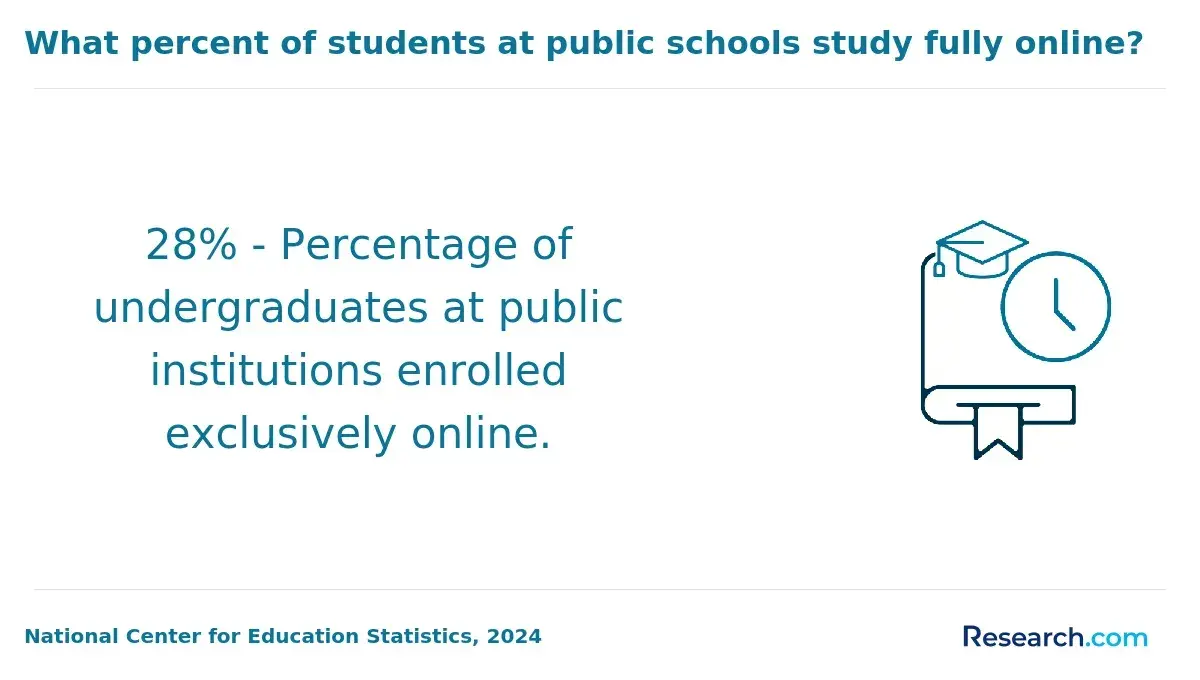
How do online food industry management programs compare with campus-based options for operations training?
Online and campus-based food industry management programs can both prepare students for operations roles, but they develop skills differently. The best choice depends on your schedule, location, need for lab access, and whether you already work in a food setting where you can apply assignments in real time.
The comparison below explains the practical trade-offs. Use it to decide whether flexibility or hands-on access should matter more for your situation.
| Factor | Online programs | Campus-based programs | Decision point |
| Flexibility | Often better for working adults and shift workers | More structured weekly schedule | Choose online if you need to study around work or family obligations |
| Hands-on learning | May use local internships, simulations, case studies, or limited residencies | May offer labs, pilot plants, kitchens, or campus industry facilities | Choose campus if you need direct lab, product development, or equipment experience |
| Networking | Can be strong when programs include live sessions, employer projects, and cohort models | Often easier for local employer events and faculty interaction | Ask how students connect with food employers, not just whether the format is online |
| Cost control | May reduce relocation and commuting costs | May provide campus facilities but add housing or transportation costs | Compare total cost, not only tuition per credit |
| Operations practice | Works well if you already have a workplace for projects | Works well if you need structured, supervised practice | Match the format to your current access to real operations environments |
Students who want a nutrition-focused pathway rather than a plant or supply chain pathway can compare an online nutrition degree with food management options. The right choice depends on whether your goal is nutrition education, product support, food service leadership, or manufacturing operations.
One common mistake is assuming online means less rigorous. A strong online program can be demanding if it includes analytics, food safety systems, operations projects, and employer-aligned assignments. A weak campus program can still fall short if it lacks industry connections or current operations technology. Format matters, but curriculum, faculty experience, internships, and outcomes matter more.
What core courses develop operations, logistics, and systems skills in food industry management programs?
Operations-oriented food industry management programs should build both food-specific knowledge and general systems thinking. A program that only teaches broad business concepts may not prepare students for food safety, traceability, production, and quality demands.
The table below identifies the courses that most directly support operations, logistics, and systems roles. When reviewing a curriculum, look for multiple courses from this list rather than relying on a single operations elective.
| Course area | Skills developed | Why it matters in food operations |
| Food safety management | HACCP concepts, sanitation systems, hazard control, audit readiness | Food operations must protect consumers and document compliance |
| Operations management | Capacity planning, workflow design, scheduling, bottleneck analysis | Managers need to improve throughput without sacrificing quality |
| Supply chain and logistics | Inventory, warehousing, transportation, supplier coordination | Food products often have shelf-life, temperature, and timing constraints |
| Quality assurance and statistical process control | Sampling, variance analysis, root-cause thinking, corrective action | Quality problems must be detected early and corrected systematically |
| Food law and regulation | Labeling, documentation, inspections, traceability expectations | Compliance errors can create recalls, penalties, and brand risk |
| Data analytics for managers | KPI dashboards, forecasting, spreadsheet modeling, decision support | Modern operations managers are expected to use data, not only experience |
| Lean, Six Sigma, or continuous improvement | Waste reduction, process mapping, root-cause analysis, standard work | Food companies constantly work to reduce downtime, defects, and waste |
| Project management | Scope, timelines, budgets, stakeholder coordination, implementation | New equipment, software, products, and facility changes are project-heavy |
Project management deserves special attention because food operations leaders often manage cross-functional initiatives, such as installing new packaging equipment, launching a product line, or implementing a traceability system. Students comparing broader career options can review project management degree jobs to see how these skills transfer beyond food companies.
AI and automation are changing the course mix that matters most. Programs that include analytics, enterprise systems, robotics awareness, forecasting, or digital supply chain tools may offer better preparation than programs built only around traditional supervision. Students do not need to become software engineers, but they should learn how to ask better questions of data and translate system outputs into operational decisions.
What admission requirements and prior experience strengthen applications to food industry management degrees?
Admission requirements vary by school and degree level, but operations-oriented applicants are strongest when they show readiness for both management coursework and applied problem-solving. Schools may value food service, manufacturing, warehouse, military logistics, agriculture, retail grocery, or quality control experience because those backgrounds show familiarity with real operations constraints.
Before applying, review the requirements carefully. The following items commonly strengthen applications and can also help you choose the right program level.
- High school diploma or equivalent for associate and bachelor's programs, with transcripts showing readiness for math, science, and business coursework.
- Prior college credits in biology, chemistry, statistics, accounting, business, nutrition, agriculture, or logistics when applying as a transfer student.
- Work experience in food service, production, warehousing, procurement, quality assurance, retail, farming, or operations supervision.
- A resume that quantifies responsibilities, such as team size, shift volume, inventory responsibility, audit participation, or process improvement work.
- Professional goals that clearly connect the program to a target role, such as production supervisor, food safety manager, supply chain analyst, or plant manager.
- For graduate programs, a bachelor's degree, professional recommendations, and evidence of leadership potential or analytical readiness.
Applicants often make the mistake of describing food experience too generally. Instead of saying you "worked in a restaurant" or "helped in a warehouse," explain the operations problems you helped solve. Examples include reducing waste, training staff, improving order accuracy, preparing for inspections, managing inventory, or coordinating deliveries.
If you lack direct food industry experience, build evidence before applying. A part-time role in food service, a quality technician position, a supply chain internship, ServSafe training, or a short operations certificate can make your application more credible and help you confirm whether the field fits your strengths.
How long do food industry management programs take, and what tuition and fees should students expect?
Program length depends on credential level, enrollment pace, transfer credits, and whether the program includes internships, labs, or a capstone project. Full-time students can usually move faster, while working adults may choose part-time study to reduce schedule pressure and avoid taking on too much debt.
The table below gives a practical planning view of typical timelines and cost factors. Use it as a checklist for questions to ask schools rather than as a promise of what every program will charge.
| Credential | Typical completion time | Main cost drivers | Best cost-control strategy |
| Certificate | Several months to 1 year | Credit count, continuing education fees, certification exam preparation | Choose a focused certificate tied to a specific skill gap or employer requirement |
| Associate degree | About 2 years full time | Tuition, books, lab fees, transportation, transferability | Use community college credits that transfer into a bachelor's program |
| Bachelor's degree | About 4 years full time; less with transfer credits | Tuition, fees, housing, labs, internships, technology requirements | Compare transfer policies, in-state rates, employer tuition assistance, and total program cost |
| Master's degree or MBA | About 1 to 3 years depending on format | Graduate tuition, residency requirements, travel, opportunity cost | Enroll after clarifying the leadership roles that actually prefer graduate education |
For cost planning, do not compare tuition alone. A cheaper tuition rate can become less affordable if few credits transfer, required residencies add travel costs, or the program extends your time to completion. A higher-priced program may be more reasonable if it offers strong employer connections, relevant internships, and credit for prior learning.
Students should also evaluate financial aid and employer support. Federal aid eligibility generally requires attendance at an eligible institution and program, while tuition reimbursement rules vary by employer. If you already work in food manufacturing, grocery distribution, restaurant management, or healthcare food service, ask whether the employer supports degrees related to operations, food safety, or supply chain leadership.
What specific job titles and career paths exist for graduates with strong food operations skills?
Graduates with strong food operations skills can move through several career paths. Some begin on the plant floor or in food service supervision and advance into management. Others start in analyst, quality, procurement, or logistics roles and move into broader operations leadership.
The table below organizes specific job titles by career stage. It can help students map a realistic path from first role to advanced responsibility.
| Career stage | Possible job titles | Primary responsibilities | Useful preparation |
| Entry level | Production lead, quality technician, inventory coordinator, food safety assistant, warehouse coordinator | Monitor processes, document results, support supervisors, inspect quality, coordinate materials | Associate degree, certificate, internships, ServSafe, HACCP exposure |
| Early management | Production supervisor, sanitation supervisor, purchasing coordinator, supply chain analyst, restaurant operations manager | Manage shifts, schedule labor, analyze inventory, coordinate vendors, track KPIs | Bachelor's degree, Excel and analytics skills, supervisory experience |
| Mid-career | Quality assurance manager, logistics manager, procurement manager, plant operations manager, continuous improvement manager | Lead teams, manage audits, improve processes, control costs, oversee compliance | Industry experience, food safety credentials, Lean or Six Sigma training |
| Senior leadership | Plant manager, director of operations, director of supply chain, vice president of manufacturing, regional food service director | Set strategy, manage budgets, lead multi-site systems, evaluate risk, drive performance | Advanced experience, graduate degree when relevant, strong finance and leadership skills |
Food operations also overlaps with healthcare, especially in hospitals, long-term care, nutrition services, and institutional dining. Professionals who want to lead larger service systems may compare food industry management with a degree in healthcare management, particularly if their goals include hospital food service operations or healthcare supply chain leadership.
The smartest path is usually experience plus targeted education. For example, a production worker might complete a certificate, move into a lead role, finish a bachelor's degree part time, and later pursue Lean training. A business graduate might enter as a supply chain analyst and add food safety coursework to become more competitive for food manufacturing employers.
People who should consider a different path include those who dislike shift work, documentation, regulatory detail, or constant problem-solving under time pressure. Food operations can be rewarding, but it is rarely a desk-only field at the early and middle stages.
What are typical salary ranges and bonus potential in operations-driven food industry management roles?
Salary potential in food industry management varies by role, employer size, geography, shift responsibility, facility complexity, and whether the job includes bonus eligibility. Operations roles tied to production volume, cost savings, safety performance, and multi-site responsibility often have stronger compensation upside than purely entry-level administrative roles.
The table below uses BLS May 2024 median wage figures for closely related occupational categories. These medians are not guarantees for food industry jobs, but they provide a reliable benchmark for comparing career directions.
| Related occupation | BLS May 2024 median annual wage | How it connects to food operations | Compensation notes |
| Industrial production managers | $121,440 | Comparable to plant, production, and manufacturing operations leadership | Bonus potential may be tied to output, safety, cost, and quality metrics |
| Logisticians | $80,880 | Comparable to supply chain, distribution, inventory, and transportation planning roles | Higher responsibility may come with multi-site or cold-chain complexity |
| Operations research analysts | $91,290 | Relevant to forecasting, optimization, analytics, and process improvement roles | Advanced analytics skills can improve mobility into corporate operations |
| Food service managers | $65,310 | Relevant to restaurant, institutional dining, and hospitality food operations | Compensation can vary widely by volume, employer type, and bonus structure |
Bonus potential is most common where managers influence measurable business outcomes. Plant managers, regional operations leaders, procurement managers, distribution managers, and restaurant group operators may have incentives tied to profitability, safety results, service levels, waste reduction, or production targets. Entry-level supervisors may receive smaller bonuses or shift differentials instead.
Use salary data carefully. A national median does not account for local cost of living, union environments, company size, overtime rules, or the difference between a single restaurant, a regional distribution center, and a high-volume manufacturing plant. When evaluating ROI, compare local job postings, required credentials, shift expectations, and advancement paths in your target region.
How can students evaluate accreditation, certifications, and program quality for food industry management?
Program quality matters because food operations roles involve safety, compliance, people, and financial responsibility. A weak program may teach general management but leave students underprepared for audits, sanitation systems, production metrics, or supply chain technology.
Use the following checklist before enrolling. These steps can help you avoid programs that are convenient but poorly aligned with operations-driven careers.
- Confirm institutional accreditation through a recognized accreditor and verify that the school is eligible for appropriate financial aid if you plan to use it.
- Review the curriculum for food safety, operations management, supply chain, quality assurance, analytics, and project-based learning.
- Ask whether the program includes internships, employer projects, labs, plant tours, simulations, or capstones tied to real food operations problems.
- Check faculty backgrounds for food manufacturing, logistics, quality systems, agribusiness, hospitality operations, or related applied experience.
- Request career outcome information, including job titles, employer examples, internship placements, and alumni pathways.
- Compare total cost, transfer credit policy, course availability, and time to completion before making a decision.
- Ask whether certifications such as ServSafe, HACCP training, Preventive Controls, Lean Six Sigma, or supply chain credentials are embedded or supported.
Accreditation should be treated as a minimum requirement, not the only quality signal. A properly accredited program can still be a poor fit if it lacks food-specific coursework or operations practice. Conversely, a specialized certificate can be valuable when it comes from a credible provider and fills a specific skill gap, but it should not be mistaken for a degree when employers require one.
Common red flags include vague career claims, no clear faculty information, limited course descriptions, pressure to enroll quickly, unclear transfer policies, and no explanation of how online students complete applied learning. Another mistake is choosing a school based only on ranking or tuition. The better question is whether the program teaches the systems your target employers actually use.
Other Things You Should Know About Food Industry Management
Yes, it can be a strong fit if you enjoy process improvement, team leadership, safety systems, logistics, and measurable performance goals. The best opportunities often go to people who combine food industry knowledge with analytics, communication, and supervisory ability.
In 2027, operations skills are crucial in food industry management careers. They optimize supply chain efficiency, enhance quality control, and streamline production processes. Professionals with strong operations skills can navigate the complexities of distribution networks, regulatory compliance, and cost management, thus ensuring smooth operations and driving business success.
They can be, especially when the school is accredited and the program includes relevant coursework, applied projects, internships, or industry connections. Employers usually care more about skills, experience, accreditation, and job readiness than the delivery format alone.
The fastest practical route is to build experience in production, food service, logistics, quality, or inventory control while adding targeted credentials. A certificate may help with entry-level advancement, while a bachelor's degree is often more useful for long-term management mobility.
References
- How To Identify and Develop the Skills You Need for The Career You Want in The Food Industry https://foodindustryhub.com/how-to-identify-and-develop-the-skills-you-need-for-the-career-you-want-in-the-food-industry/
- Foodcareers professional certifications https://www.foodcareers.eu/professional-certifications
- Study Food Industry Management in the USA https://www.studyusa.com/en/field-of-study/395/food-industry-management
- Online Restaurant & Culinary Management | Institute of Culinary Education https://www.ice.edu/online-programs/restaurant-culinary-management
- Executive Exchange Programs | IBS Americas | IBS Americas https://ibs-americas.com/en/programs/operations-and-logistics
- Become an Operations Manager (Food Production): Career Path Guide | Skills U https://skillsu.com/role/operations-manager-food-production
- Food Manufacturing Auditing and Certification – AsureQuality https://www.asurequality.com/industries/food/food-supply-chain-certification/
- Food Industry Careers & Jobs | General Mills Careers https://careers.generalmills.com/career-areas
- Food Supply Chain & Logistics – Degrees for Jobs in SCM https://supplychainmanagementedu.org/industry-specialties/food-and-agribusiness/
- Food Industry Management https://www.niagara.edu/programs/food-industry-management/