2027 Best Online Bachelor's in Legal Studies With Transfer-Friendly Policies

Co-Founder and Chief Data Scientist
Professionals aiming to advance or pivot into legal roles often confront the daunting challenge of efficiently transferring prior college credits without losing momentum or incurring excessive costs. This hurdle intensifies because 47% of adult learners juggle work and family, making rigid transfer policies a barrier rather than a bridge to credential completion, according to the National Center for Education Statistics.
The growing demand for flexible and accessible online legal studies programs reflects this reality, highlighting the necessity to align credit acceptance with career timelines and employer expectations. This article examines the best online bachelor's in legal studies with transfer-friendly policies to inform strategic enrollment decisions and minimize credit loss.
Key Things You Should Know
- Transfer-friendly legal studies programs often limit credit acceptance to 60%, forcing many students to extend graduation timelines by 1-2 semesters, increasing costs and delaying workforce entry, according to recent NCES data.
- Employers increasingly prioritize practical experience; programs integrating externships or paralegal certification within the bachelor's yield 15% higher hiring rates, per the National Association for Law Placement.
- State regulatory variations in credit articulation complicate nationwide credit transfer, creating geographic mobility barriers that affect 25% of legal studies students, impacting long-term career flexibility based on BLS workforce mobility reports.
What is an online bachelor's in legal studies and who is it best suited for?
Obtaining an online bachelor's in legal studies degree is most practical for roles that demand solid legal knowledge without the rigors or professional qualifications required of attorneys. This degree primarily suits individuals aiming to work as paralegals, legal assistants, or compliance officers, offering foundational skills in law and critical analysis while allowing flexibility for working professionals. Transfer-friendly online legal studies programs are particularly advantageous for those with prior college credits, enabling a streamlined path that reduces redundant coursework and controls tuition expenses.
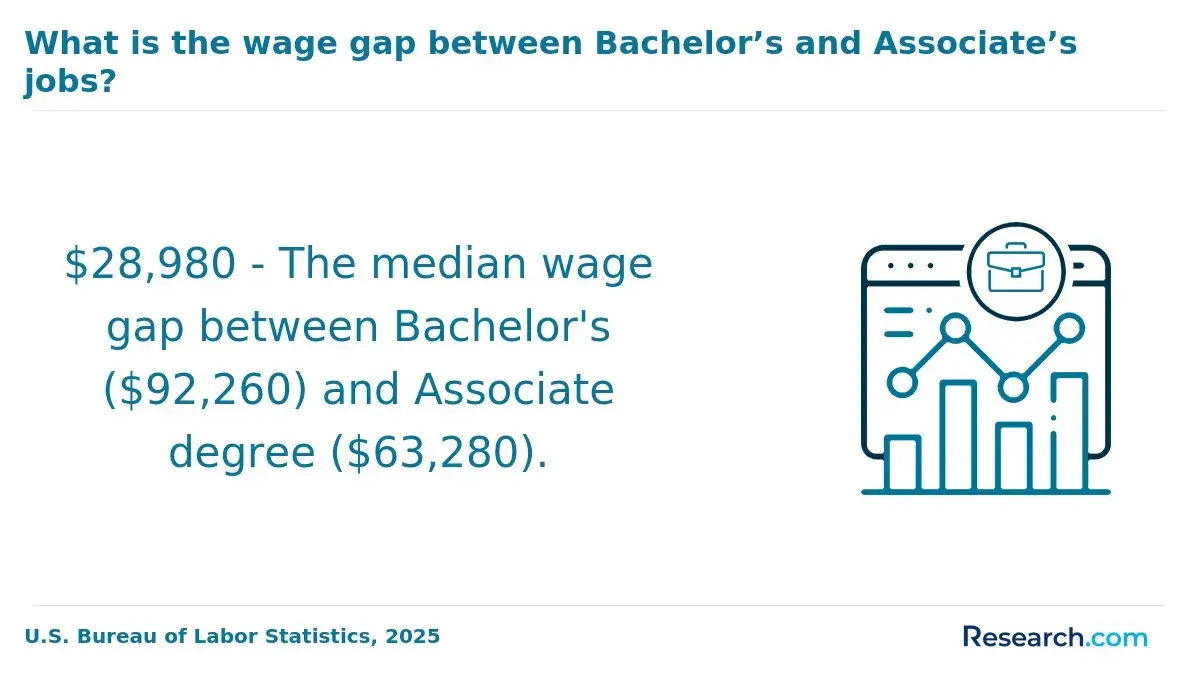
Employment projections reinforce this pathway's appeal; paralegals and legal assistants are expected to grow by about 4% through 2032, supporting moderate job stability. A median annual wage near $60,970 provides reasonable compensation relative to the lower educational investment compared to law degrees.
For example, a paralegal at a corporate law firm benefits directly from understanding contract and litigation basics taught in these programs, while government employees leverage this knowledge for regulatory compliance. Nevertheless, graduates should be aware this degree does not qualify one to take the bar exam or become a licensed attorney, which requires a juris doctor.
Students must carefully assess transfer policies and employer acceptance of online credentials to avoid credit loss and credential undervaluation. For prospective students vetting program costs and accreditation, consulting resources like ABA paralegal programs offers essential clarity to align educational choices with workforce expectations.
How do online legal studies bachelor's programs compare to on-campus options in quality and outcomes?
Online legal studies bachelor programs versus on-campus quality show parity in accreditation, curriculum rigor, and graduate employability, shifting employer emphasis away from delivery mode toward demonstrable skills. Employers prioritize competencies like legal research, writing, and ethics, which reputable online programs consistently provide.
Notably, transfer-friendly bachelor's degrees in legal studies outcomes often translate into substantial savings in time and tuition, as exemplified by Thomas Edison State University's policy allowing up to 113 transfer credits toward a 120-credit degree. This flexibility suits mid-career professionals balancing work, family, and education by preventing costly delays and reducing redundant coursework.
However, the tradeoff includes potentially fewer networking and experiential learning opportunities compared to on-campus counterparts, which may impact longer-term career development in sectors valuing in-person interactions. Students pursuing state licensing or certification should carefully verify how transfer credits align with those specific requirements, as misalignment can lengthen time to workforce entry and negate the main advantage of online study.
For individuals aiming for swift career pivots or advancement, this transfer-friendly structure enables accelerated degree completion without sacrificing core knowledge essentials. Conversely, those focused on immersive, campus-based engagement might accept geographic and financial rigidity in exchange for richer connection-building. Prospective students should also consider options among online colleges that accept felons, as availability and program quality vary considerably across institutions and legal fields.
Which accredited online schools offer the best transfer-friendly bachelor's in legal studies?
Transfer-friendly accredited online bachelor's programs in legal studies are critical for minimizing redundant coursework and financial strain. Public universities like Arizona State University and the University of Central Florida offer the best transfer-friendly online legal studies degree programs by accepting 60 or more credits from community colleges, enabling students to complete their degree in roughly two more years of study.
This contrasts sharply with many private institutions, where less than half of transfer credits are accepted, prolonging degree timelines and increasing expenses. Consider a working professional who holds an associate degree seeking practical advancement: enrolling in a transfer-optimized program can reduce total tuition costs by tens of thousands of dollars and avoid repeating foundational legal courses. These programs emphasize foundational legal concepts, critical thinking, and applied research to ensure alignment with paralegal or compliance certification requirements.
However, verifying course compatibility before transferring is essential for maintaining progress. Cost remains a decisive factor; public online bachelor's degrees average about $8,000 annually, while private institutions can charge $35,000 or more. Students who need flexible pacing and affordability may also explore specialized pathways such as forensic psychology graduate programs online, which can complement legal career trajectories in compliance and investigative roles.
What accreditation should an online legal studies program have for credibility and financial aid?
Accreditation by regional agencies recognized by the U.S. Department of Education is a non-negotiable factor for those considering an online legal studies program accreditation standards because it directly impacts access to federal financial aid and credit transferability. Without such accreditation, students face limitations in Pell Grants, federal loans, and work-study eligibility, complicating affordability and extending education timelines.
Employers often use accreditation status as a proxy for program quality and rigor. A graduate from a non-accredited online legal studies program may find their job prospects diminished, especially for roles that require verified lawful credentials such as paralegals or compliance officers in regulated industries.
Credit mobility is another critical consideration. By 2026, some transfer-friendly accredited colleges accept up to 114 transfer credits toward a bachelor's in legal studies-almost the entire degree requirement-allowing adult learners and career changers to leverage prior coursework efficiently. In contrast, programs lacking recognized accreditation may impose stricter or unclear transfer policies, forcing students to retake courses unnecessarily.
Prospective students should evaluate institutions for both accreditation and documented credit transfer policies before committing. This due diligence safeguards federal financial aid options, preserves credit portability, and aligns credentials with employer expectations in legal and governmental sectors.
Additionally, those assessing cost factors for online programs may benefit from insights on affordability and fees found in resources like animal science degree online, which can offer comparative context on pricing structures. Ultimately, choosing an accredited online legal studies program is essential for maintaining flexibility, financial viability, and workforce relevance.
How do transfer-friendly policies work for online legal studies degrees, and how many credits transfer?
Transfer policies in online legal studies degrees critically shape a student's time and cost to completion, often allowing 60 to 90 credits from accredited institutions-up to two-thirds of the typical 120-credit requirement-to be applied. This flexibility can significantly reduce tuition and accelerate entry into the workforce. However, transfer acceptance tends to favor general education and foundational courses over upper-level legal electives, limiting specialization opportunities and prolonging time-to-degree for some students.
For example, paralegals with associate degrees or certificates generally transfer 65-75 credits, enabling them to concentrate on advanced legal theory and research. By contrast, students with unrelated credits face potential denials or partial acceptance, necessitating additional semesters and escalating opportunity costs.
Institutions often impose minimum grade requirements (usually a C or higher) and exclude credits older than a decade, which can hamper adult learners returning to study. The need for official transcripts and syllabi introduces logistical complexities that prolong transfer evaluations.
Financially, tuition ranges from about $8,000 at public universities to over $35,000 at private schools, which magnifies the importance of maximizing transfer credits to curb debt and shorten schooling. Employers increasingly expect candidates in legal studies to demonstrate current, relevant knowledge without extended educational gaps, making strategic credit transfer a practical lever for staying competitive in legal employment.
What courses and specializations are typically offered in an online legal studies bachelor's curriculum?
Choosing an online legal studies bachelor's program requires weighing curricular focus against real workforce demands and career goals. Core courses typically cover constitutional law, criminal law, contracts, torts, and civil procedure, but the value hinges on availability of targeted specializations such as paralegal studies, corporate law, compliance, or legal research. For instance, a student aiming for corporate compliance roles must ensure the program includes regulatory frameworks specific to finance or healthcare sectors, as a generic curriculum often lacks this precision.
Transfer-friendly options that accept relevant general education credits reduce unnecessary repetition, speeding time to degree without sacrificing essential foundational skills. Programs integrating practical legal technology-like e-discovery tools and case management software-address the increasing reliance on digital competence in law firm operations and government agencies.
Labor market data points to steady growth for paralegal and compliance specialist roles, with a 4% increase projected through 2032, equating to around 45,700 new jobs. However, graduates without experiential learning opportunities such as virtual internships or simulations risk needing costly on-the-job training to meet employer expectations for immediate productivity.
Those targeting specialized sectors should verify presence of courses on administrative law or government contracts, as these are often excluded from broader legal studies curricula yet critical for roles in government or corporate legal departments.
What are the admission requirements and application materials for online legal studies programs?
Admission to online bachelor's in legal studies programs hinges on demonstrated academic readiness, typically requiring a high school diploma or equivalent and official transcripts confirming foundational course completion with a cumulative GPA near 2.5 to 3.0. This minimum academic threshold influences transfer credit acceptance, a critical consideration for adult learners with prior college experience seeking to shorten time-to-degree and reduce costs.
Applicants must usually submit an online application, transcripts, and often personal statements that clarify professional objectives in the legal field. Letters of recommendation may be waived by programs aiming to lower entry barriers for transfers. Transfer applicants frequently undergo credit evaluations that determine whether 25%-50% of required credits can be applied toward degree completion. Providing course syllabi or detailed descriptions can be a necessary part of this process, as transfer policies and agreements with community colleges vary widely.
Employers increasingly expect legal studies graduates to exhibit consistent academic performance alongside practical experience; some programs require internship proof or documented experiential learning. The lack of commuting and housing expenses in online programs may lower overall costs compared to in-person options but demands higher self-motivation and independent management of application logistics from students.
How long does it take to complete an online legal studies bachelor's, and what does it cost?
Accelerated online bachelor's degrees in legal studies offer a critical tradeoff between time investment and specialization relevance. Programs accepting up to 90 transfer credits can reduce completion time from the standard three to four years to as little as two, a significant factor for working professionals looking to shift roles or climb the corporate ladder without duplicating prior coursework.
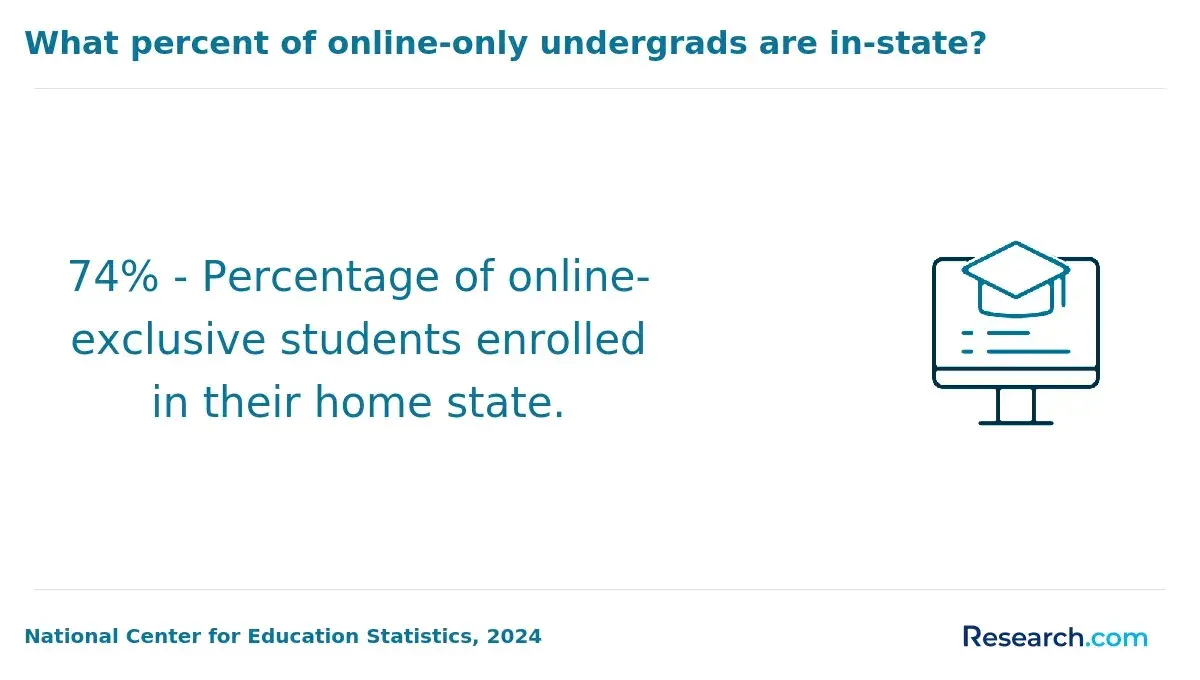
Tuition ranges widely, with public institutions providing lower costs-often $20,000 to $60,000 total-especially for in-state students, while private schools typically charge more, especially those with niche specializations. However, cost alone doesn't guarantee return on investment; alignment with labor-market demands increasingly dictates hiring preferences.
Legal studies concentrations in criminal law, corporate law, and environmental law have gained prominence, due to clear employer demand in these sectors. For instance, a paralegal pursuing advancement in corporate compliance may accept a longer program duration if it means acquiring targeted expertise that improves employability.
Scheduling constraints also affect program length and cost for part-time students, often extending enrollment and delaying workforce reintegration. Prospective students must balance credit transfer policies, specialization options, and realistic tuition outlays to make an informed choice that reflects actual market value rather than generalized degree appeal.
What careers, certifications, or further degrees can a legal studies bachelor's lead to?
A bachelor's degree in legal studies equips graduates for foundational roles such as paralegals, compliance officers, and legal assistants but rarely suffices for direct entry into licensed legal professions. Employers prioritize candidates with practical knowledge of legal frameworks and research aptitude, yet upward mobility typically demands further specialization through graduate credentials like a Juris Doctor (JD) or Master of Legal Studies (MLS).
Accreditation remains pivotal-accredited bachelor's programs align with requirements for advanced certifications and professional exams, a consideration increasingly significant as 2026 standards tighten. Transfer-friendly policies in reputable programs offer working professionals flexibility to accumulate credits while balancing employment or career transitions, a critical factor for those targeting credentialed status or advanced roles in legal compliance or court administration.
For instance, a legal assistant leveraging certified paralegal qualifications might pursue compliance certifications later, enhancing eligibility for regulatory positions. However, legal studies alone do not prepare candidates for bar admission, which necessitates specific LSAT and JD credentials.
Supplemental certifications-such as Certified Paralegal (CP) or Certified Compliance & Ethics Professional (CCEP)-augment employability but hinge on the rigor and accreditation of completed coursework. Without advanced degrees or professional development, entry-level graduates face stiff competition in policy or corporate legal departments where specialization and networking afford distinct advantages. The degree's primary value lies in foundational legal knowledge but must be strategically integrated with credentials to unlock career progression.
What salary ranges and job outlook can graduates with a legal studies bachelor's expect?
Entry-level salaries for graduates holding a bachelor's in legal studies typically range from $45,000 to $65,000 annually, with significant variance based on industry and location. Mid-career earnings often rise between $65,000 and $90,000, particularly within corporate compliance, paralegal roles, and government positions. The U.S. Bureau of Labor Statistics projects a 6% employment growth in legal support fields through 2032, aligning with average overall job market expansion.
This steady demand favors candidates able to interpret and apply regulatory knowledge without practicing law. Employers prioritize legal studies graduates who combine foundational legal insight with operational skills such as contract management or policy analysis. Programs that accommodate transfer credits-some accepting over 90 credits-enable working adults to expedite degree completion, often finishing with fewer than 30 on-campus credits.
Graduates aiming for roles in legal administration, compliance, human resources, or courts must weigh local salary conditions and relevant certifications, as advanced law degrees remain necessary for higher-tier legal positions. The legal studies bachelor's degree offers a versatile base for regulatory and analytical roles, although practitioners must carefully assess how credentials align with targeted job requirements and long-term workforce dynamics.
Other Things You Should Know About Legal Studies
Yes. Many 2027 online bachelor’s programs in legal studies require a final capstone or senior seminar, usually worth 3 credit hours, to synthesize research, writing, and legal analysis. Schools often place this requirement in the last term and may require a minimum 2.0 GPA in major courses.
When choosing the best online bachelor's in legal studies program in 2027, students should consider programs offering diverse electives tailored to various legal careers. Specializations can enhance career prospects by aligning education with specific fields of interest, such as corporate law, criminal justice, or compliance.
Selecting a specialized program can improve job market competitiveness by aligning skills with specific legal sectors like compliance or criminal justice. However, broad programs offer flexibility for career pivots and foundational understanding useful across multiple roles. For transfer-friendly programs, prioritize curriculum transparency and transferable core credits that allow switching focus without losing progress.
Online legal studies degrees provide foundational knowledge relevant to law school, but they may lack depth in critical legal writing and analytical skills compared to traditional pre-law paths. Admissions committees weigh undergraduate rigor, so choosing a program with accredited faculty and challenging coursework is key. Prospective law students should supplement their studies with LSAT prep and practical legal research to strengthen their applications.
References
- Best Online Master of Studies in Law Programs for 2025 https://www.princetonreview.com/law-school-rankings/best-online-master-studies-in-law-programs
- Pros and Cons of Getting a Legal Degree Online https://onlinemasteroflegalstudies.com/mls-degrees/pros-and-cons-of-online-legal-degrees/
- Online Law School: Accreditation, Learning Design, And Outcomes https://professioneleidentiteit.nl/online-law-school-accreditation-learning-design-and-outcomes
- Best Online Paralegal Bachelor's Degree Programs https://www.paralegal411.org/degrees/bachelors/online/
- Legal Studies Major https://www.hamline.edu/academics/undergraduate/legal-studies
- Admissions | Online MLS Program | UMKC School of Law https://onlinemls.law.umkc.edu/admissions/
- 10 jobs you can do with a law degree https://www.lawsociety.com.au/resources/resources/career-hub/10-jobs-you-can-do-law-degree
- Online Bachelor's Degree: Legal Studies https://www.umgc.edu/online-degrees/bachelors/legal-studies
- Apply Now | Start Your SQE Journey Today https://www.collegalpractice.com/our-programmes/apply
- Top Online Schools That Accept Transfer Credits https://www.edvisorly.com/student-guides/online-schools-that-accept-transfer-credits