2027 Legal Studies Degrees That Work Best for Operations Professionals Moving Into Legal Support

Co-Founder and Chief Data Scientist
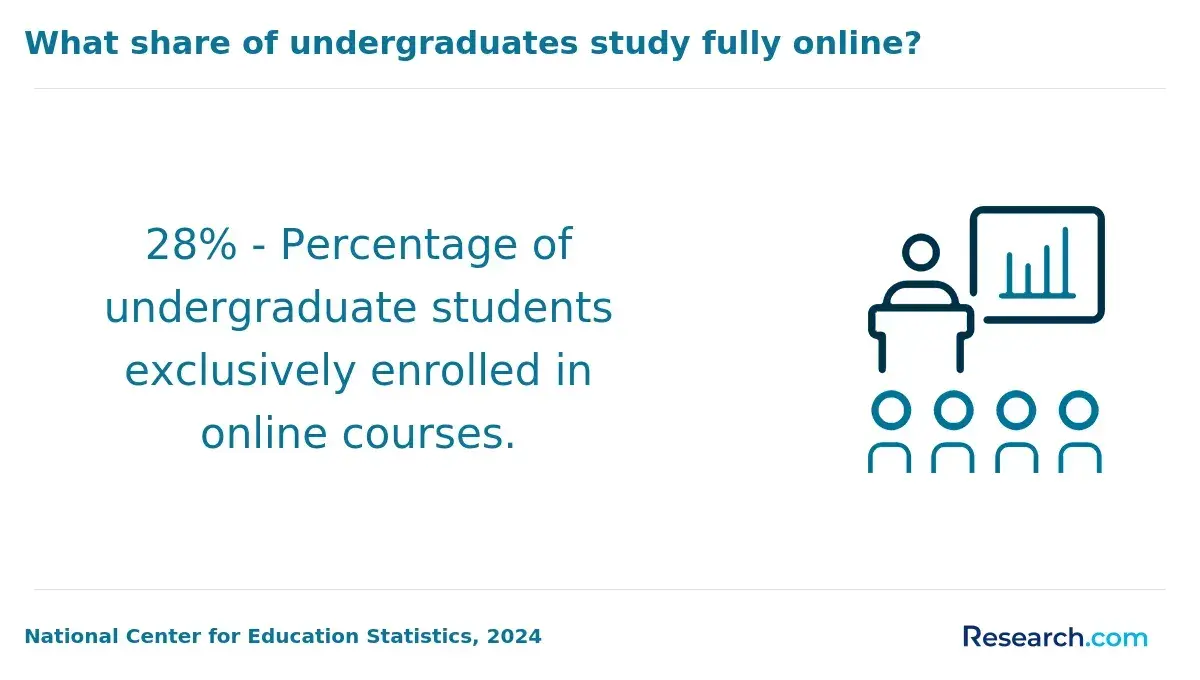
Operations professionals shifting into legal support face a critical challenge: selecting a legal studies degree that delivers both practical skills and timely program accessibility. With 67% of adult learners prioritizing flexible online options according to the National Center for Education Statistics in 2024, program format and adaptability strongly influence enrollment decisions and career momentum.
Employers increasingly demand candidates who can demonstrate applicable knowledge without prolonged academic interruption, making traditional, full-time legal studies paths less viable for working professionals. This article evaluates leading legal studies degrees that align with these workforce realities, providing actionable insight to help operations professionals optimize their educational investments for career transition and advancement.
Key Things You Should Know
- Operations professionals face diminishing returns pursuing purely theoretical legal studies degrees; updated Bureau of Labor Statistics data reveals a 15% wage premium for candidates with practical paralegal certifications combined with legal studies, pressuring curriculum choices to favor applied skills.
- Employers increasingly demand interdisciplinary fluency-60% of legal support job postings in 2024 emphasize tech proficiency alongside legal knowledge, requiring prospective students to integrate legal studies with information management or compliance training to remain competitive.
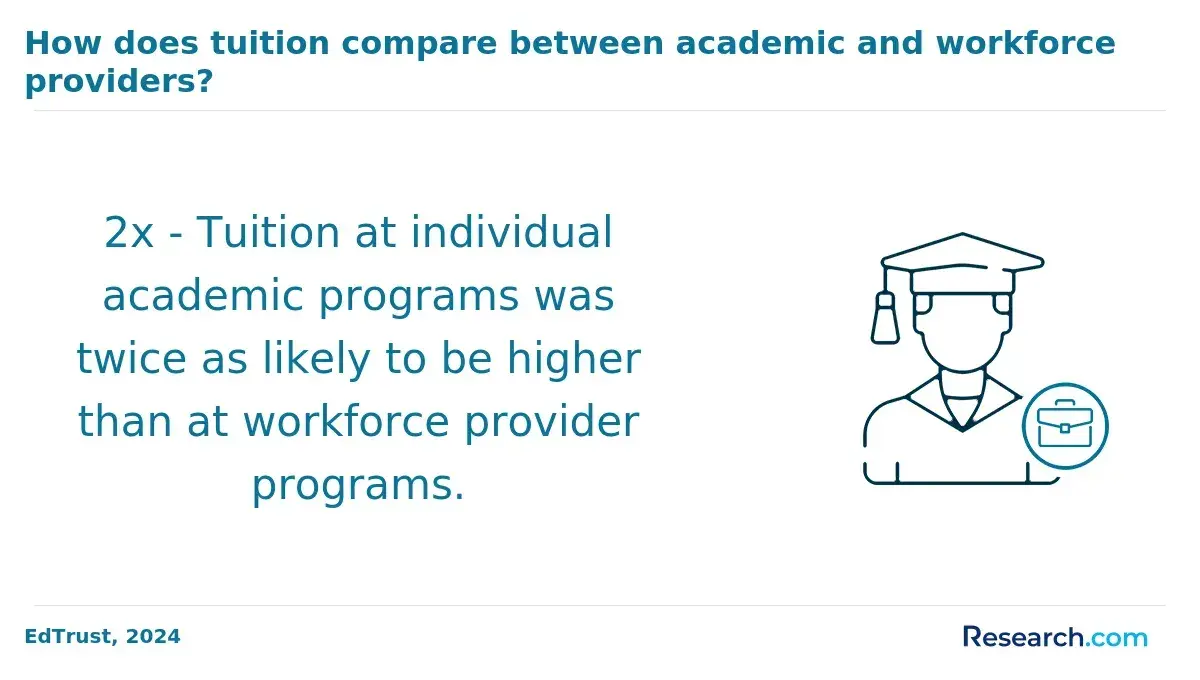
- Full-time legal studies degrees average $25,000 annual tuition with a two- to four-year commitment, delaying workforce reentry and escalating opportunity costs, contrasting with shorter certificate programs that yield faster role transitions but limit credential depth.
What legal studies degree suits operations professionals best?
Operations professionals shifting into legal support roles require legal studies degrees that prioritize practical, technology-driven skills over purely academic theory. Programs focusing on paralegal studies or legal assistant certifications that emphasize litigation procedures, contract law, and corporate compliance are best positioned to meet these needs. Since legal departments increasingly delegate document management, regulatory compliance, and contract review to reduce attorney workload, graduates must be adept with legal practice management software and e-discovery tools.
Employment projections for legal support workers, including paralegals, show a 4% growth from 2022 to 2032, translating to about 38,000 annual job openings, a workforce trend crucial for selecting the best legal studies programs for legal support careers. Career outcomes hinge on programs that integrate hands-on training with legal theory and adapt to rising automation and legal technology trends.
For instance, an operations manager entering legal support at a midsize firm should target curricula covering contract law, business organizations, and compliance, which align with corporate legal workflows. Those aiming for law firms focused on litigation must seek programs with a heavier emphasis on civil procedure and trial preparation.
Key decision factors include program accreditation and statewide paralegal certification acceptance, which substantially affect employability. Candidates should also evaluate the balance between experiential learning and specialization in high-demand subfields. For a strategic economic approach, exploring affordable online interdisciplinary studies degrees can sometimes supplement or complement core legal studies degrees ideal for operations professionals.
Is legal studies degree accreditation important for legal support jobs?
Accreditation fundamentally determines the practical value of a legal studies degree accreditation for legal support careers, especially when navigating competitive corporate environments. Employers routinely filter candidates based on credentials from accredited programs to ensure graduates have met rigorous academic standards and acquired verifiable competencies.
This filtering intensifies in organizations expanding hiring of non-JD legal professionals by over 56% between 2022 and 2024, per the National Association for Law Placement (NALP). Unaccredited degrees generally face barriers in both initial job placement and longer-term career mobility. Consider a legal operations manager implementing compliance systems reliant on trusted certifications
Lacking an accredited background can undermine credibility and slow advancement. Accreditation directly affects recognition in vendor platforms and compliance tracking tools essential in many legal support roles. Professionals switching from unrelated fields should prioritize regionally or nationally accredited programs to preserve credit transferability and eligibility for specialized certificates like contract management or risk assessment.
The tradeoff between accelerated, non-accredited courses and longer accredited degrees requires weighing short-term convenience against sustainable employer acceptance and career resilience. The importance of accredited legal studies programs in legal support roles extends beyond hiring-it underpins ongoing employability and operational efficiency. For professionals evaluating complementary fields, insights from forensic science careers reveal parallel emphases on accredited credentials for workforce integration and credibility.
Which legal studies programs offer the best online and campus options?
Positions in legal support increasingly demand candidates who combine foundational legal knowledge with applied skills in regulatory frameworks and operational workflows. For professionals evaluating legal studies degree programs with flexible online and campus options, the distinction often comes down to how well programs align with distinct career pivots and workplace requirements.
For example, operations specialists transitioning from healthcare benefit from on-campus elements that facilitate direct mentorship and contract negotiation practice, whereas those in finance or technology fields often prioritize fully online legal studies programs that reduce commuting and fit around remote work schedules. American University's Master of Legal Studies program ranks notably for operations professionals due to its online curriculum that emphasizes practical competencies in compliance, contracts management, and risk mitigation.
This focus corresponds with outcomes data showing 84% employment within six months and reported salary gains among 69% of graduates, underscoring the value of transparent career metrics when selecting programs. Yet, choosing between online and hybrid models underscores a key tradeoff: hybrid programs offer broader networking and experiential learning but increase time and cost burdens through relocation or commuting demands.
Students balancing full-time roles must carefully investigate whether coursework covers critical areas like contract lifecycle management and compliance risk assessment. Programs that integrate flexible delivery with specialization tracks in legal operations provide the strongest alignment with employer expectations. For those seeking supplementary technical training alongside legal studies, exploring online forensic science courses can offer additional skill diversification relevant to several legal support roles.
What courses are in a legal studies curriculum?
Legal studies degree courses for legal support professionals must balance foundational legal theory with applied business practices to meet operational job realities. Core curriculum typically emphasizes contracts, torts, property law, and intensive legal research and writing, essential for creating enforceable agreements and compliance documentation in sectors like healthcare or finance. These elements serve as the backbone for legal operations roles requiring precise communication and regulatory navigation.
Programs oriented toward the curriculum structure of legal studies programs for operations roles often integrate business law and corporate governance, addressing practical management of vendor relations, intellectual property rights, and employment issues. Courses in ethics and dispute resolution respond to the frequent need for risk mitigation in cross-departmental legal workflows.
For example, an operations specialist handling contract automation tools must understand both legal substance and technological interface. Advanced electives in regulatory compliance and litigation support systems allow learners to specialize according to industry demands. Real-world exposure through internships or simulations is also vital for transitioning knowledge into effective workflow management.
Notably, a CareerBuilder survey cited by Emory University School of Law indicates 33% of employers now show preference for master's degrees in roles formerly filled by bachelor's holders, reflecting a trend toward combined business-law qualifications. These factors contribute to the value proposition for selecting curricula that emphasize operational tools alongside substantive legal knowledge.
Working professionals should weigh practical outcomes and consider factors such as tuition and program duration; resources like MS in digital marketing degree cost tuition fees offer useful comparative context even when focusing on legal studies options.
What admissions requirements do legal studies programs usually ask for?
Admissions for legal studies programs hinge heavily on academic preparation, with a completed high school diploma or GED as a baseline. Applicants holding prior college credits or degrees have a practical advantage, especially when pursuing advanced certificates or bachelor's completion paths. Official transcripts serve as a critical tool for admissions committees to evaluate readiness, ensuring candidates possess foundational skills necessary for legal coursework.
Standardized tests like the SAT or ACT are increasingly optional, but competitive programs or traditional institutions might still require them. For professionals shifting careers from areas such as operations, significant work experience can replace these testing requirements, highlighting the value of relevant practical skills over standardized metrics. Letters of recommendation, while uncommon, become more important for specialized compliance and risk management tracks, reflecting employers' need for candidates who demonstrate ethical rigor, keen attention to detail, and strong communication.
International applicants face an additional layer of verification, typically demonstrating English proficiency via TOEFL or IELTS scores. Programs emphasizing compliance also prioritize candidates with quantitative coursework-statistics, accounting, or business law-to meet industry demands where analytical capabilities are essential. In practical terms, this profile aligns with workforce trends projecting a 5% employment growth for compliance officers from 2022 to 2032, paired with a median wage near $79,160.
How long does a legal studies degree take and cost?
Choosing a legal studies degree requires balancing program length, cost, and workforce relevance, particularly as corporate legal operations increasingly rely on technology and data analytics. Associate degrees typically demand two years at community colleges with tuition ranging from $6,000 to $15,000. Bachelor's degrees are four-year commitments with prices from $30,000 to over $100,000 at public and private institutions.
These represent significant financial and time investments that can affect working professionals' income during study. Many employers expect legal operations candidates to have skills beyond traditional legal theory, emphasizing workflow automation and technology proficiency.
Graduates from programs lacking this focus may face limited job prospects in law departments that are expanding technology use-according to the Association of Corporate Counsel's 2024 survey, 72% of organizations increased tech investments, and 61% grew legal operations roles. Deciding between a bachelor's degree and shorter certificates depends on goals. Smaller employers often value targeted certificates for specific software skills, while larger legal departments require comprehensive education integrating data-driven decision-making.
Accelerated or online programs can reduce duration to three years or less, but pay attention to employer recognition and total costs including fees, materials, and opportunity costs. Prospective students should prioritize programs that combine experiential learning with legal tech competencies to maximize employability in a landscape where legal workflow technology increasingly shapes roles.
What legal support jobs can operations professionals pursue after graduation?
Operations professionals transitioning into legal roles often face a nuanced balancing act between existing expertise and acquiring targeted legal competencies. Positions such as legal project managers demand a dual fluency: managing complex workflows and interpreting legal procedures to align contractual obligations and vendor schedules accurately. For instance, compliance analyst roles in highly regulated fields like healthcare require not only understanding regulatory frameworks but also embedding this knowledge into operational processes without introducing inefficiencies.
Contract administration offers a tangible career pivot, especially in government or procurement sectors where precise contract oversight mitigates risk and streamlines cross-departmental coordination. Paralegal work, while a viable entry point, frequently necessitates additional credentials for advancement, underscoring that legal studies alone rarely suffice for higher-tier legal positions.
The prevalence of online Master of Studies in Law programs addresses the needs of mid-career professionals by allowing incremental role evolution rather than abrupt career shifts. Such programs cater predominantly to those employed full-time, blending legal education with operational roles. However, employers expect these graduates to manage legal documentation and compliance with minimal supervision while avoiding common operational pitfalls related to lack of legal nuance.
Strategic application of legal studies-tailoring focus to relevant sectors such as healthcare or labor law-can significantly increase immediate workplace value and career mobility. Yet, moving fully into specialized legal roles often requires additional certifications or demonstrable experience beyond academic credentials alone.
Legal project management integrates operational scheduling with legal workflow coordination. Compliance analysts embed regulatory knowledge within operational functions, especially in finance and healthcare. Contract administrators support risk mitigation through focused contract monitoring in complex procurement environments. Paralegal roles facilitate legal research and documentation but often require specialized certification to progress.
What salary can legal studies graduates expect in legal support roles?
The salary differential between legal support roles and legal operations management underscores a clear economic incentive for legal studies graduates to pursue specialized operational expertise. Median base salaries for legal operations managers in U.S. law firms and corporate legal departments hover around $135,000 annually, significantly outpacing traditional paralegal or clerical salaries, which typically range from $60,000 to $80,000.
This wage gap illustrates how targeted education in legal-operations functions can yield a tangible return on investment. Nearly 43% of legal operations managers receive performance bonuses tied to measurable metrics such as risk mitigation, process optimization, or cost efficiencies. These incentives emphasize the hybrid skill set employers demand-combining legal knowledge with operational management capabilities.
Legal studies graduates transitioning into this space must balance the financial advantage against the time, expense, and employer recognition of specialized programs. Larger firms with complex compliance, vendor management, and e-billing systems prioritize candidates with legal and operational fluency, shaping both salary potential and career trajectory.
Key workforce implications include:
- Substantial premium for operational legal expertise over basic support roles.
- Dependence on performance outcomes for additional compensation.
- Necessity of program flexibility and alignment with employer expectations in project management and technology.
Decisions to pursue advanced legal studies in operations should weigh these elements carefully, focusing on practical employability and actual employer demand rather than credential accumulation alone.
What is the job outlook for legal support careers?
Legal support roles embedded within regulated industries offer distinct advantages in wage growth and job prospects compared to general legal studies positions. For instance, medical and health services managers earned a median of $110,680 in 2023, with a projected 28% growth through 2032, illustrating how sector-specific knowledge-especially compliance with complex regulatory frameworks-can significantly enhance employability.
Operations professionals transitioning into legal support need targeted expertise in industries like healthcare or finance, where regulatory environments shift rapidly and legal risk management is critical. Practical application in roles such as compliance audits or contract lifecycle management tailored to specific sectors is essential.
Employers increasingly prioritize candidates who combine legal understanding with operational skills that streamline legal processes and reduce organizational risk. Broad legal studies programs without a clear regulatory focus typically face limited job mobility.
Key factors to consider include:
- Specialized regulatory knowledge aligned with industry laws and compliance mandates.
- Hands-on experience or credentialing related to real-world regulatory scenarios.
- Ability to coordinate cross-functionally to ensure adherence without operational disruption.
Such integration shapes workforce readiness more effectively than generalist approaches and reflects the practical realities of legal support in complex sectors.
How do you choose a reputable legal studies program?
Legal studies programs that prioritize integration with operations, finance, and technology align more closely with employer expectations, especially as 79% of chief legal officers plan to expand multidisciplinary roles, according to the Association of Corporate Counsel's 2024 survey. Candidates transitioning from fields like logistics or compliance gain the most by selecting programs with practical applications such as contract administration case studies and technology-driven research training.
A critical dimension often overlooked is the program's alignment with current industry demands rather than solely academic accreditation. While regional or national accreditation remains a baseline for academic quality and federal aid eligibility under U.S. Department of Education standards, the true differentiator lies in measurable graduate outcomes like employment rates and employer partnerships that facilitate internships or externships in corporate legal departments or law firms.
Flexibility in program delivery-through part-time, evening, or online asynchronous formats-can significantly reduce income disruption for working professionals but may sacrifice real-time engagement that benefits skill development. Faculty expertise rooted in active legal operations or compliance consulting is essential to avoid outdated curricula and theoretical redundancies.
Prospective students must scrutinize cost against potential salary gains and career trajectory transparency. Programs demanding premium tuition without clear placement data should be treated cautiously, as the return on investment varies considerably depending on the legal sector's evolving operational landscape.
Other Things You Should Know About Legal Studies
Operations professionals must adjust from broad process management to detailed legal protocols, which legal studies programs do not always cover deeply. Many degrees prioritize legal theory and policy over everyday legal office practices, creating gaps in expected competencies. Prioritizing programs with direct exposure to legal technology and regulatory environments improves transition outcomes significantly.
Part-time or accelerated programs appeal to working professionals but often reduce opportunities for immersive experiences like internships that develop crucial workplace skills. Choosing a program that integrates flexible scheduling with strong employer connections and practical components is key. Prioritizing quality over speed will better position students for realistic job expectations.
Many legal studies programs require 100 to 300 supervised practicum or internship hours, often completed in a law office, compliance unit, or corporate legal department. Schools may also require background checks and professional conduct approval before placement, especially for internships involving confidential client records.
References
- 11–12Legal Studies 11–12 Syllabus (2025) https://curriculum.nsw.edu.au/learning-areas/hsie/legal-studies-11-12-2025/overview
- What A-levels do you need to be a lawyer? | Whatuni https://www.whatuni.com/advice/clearing/entry-requirements-to-study-a-law-degree/92408/
- Are Paralegals Pursuing Careers in Legal Operations? - MinuteBox https://www.minutebox.com/blog/paralegals-pursuing-career-opportunities/
- Legal Operations Jobs: Exploring Careers | The Colleges of Law https://www.collegesoflaw.edu/blog/2023/11/30/legal-operations-jobs/
- Admission criteria/entry requirements | LLM GUIDE https://llm-guide.com/board/general-forum/admission-criteria-entry-requirements-202990
- Online Legal Studies Degrees https://www.affordablecollegesonline.org/degrees/best-online-bachelors-in-legal-studies-programs/
- How to build a career in legal operations https://www.taylorroot.com/career-advice/how-to-build-a-career-in-legal-operations/
- Law & Order: Introduction to Legal Studies https://www.edynamiclearning.com/course/high-school-legal-studies/
- 10 jobs you can do with a law degree https://www.lawsociety.com.au/resources/resources/career-hub/10-jobs-you-can-do-law-degree
- Legal Studies Jobs (with Salaries) - SEEK https://au.seek.com/legal-studies-jobs