2027 Best Online Bachelor's in Legal Studies With Accelerated Terms

Co-Founder and Chief Data Scientist
Professionals aiming to transition into legal support roles often confront a common bottleneck: balancing rigorous degree requirements with ongoing job demands. The pressure intensifies when traditional program lengths delay career entry or advancement. Recent data from the National Center for Education Statistics reveals that accelerated degree programs account for a 12% enrollment increase among adult learners seeking flexible pathways, emphasizing a shift toward time-efficient education.
This change matters, as faster completion reduces opportunity costs and aligns with employer preferences for candidates who demonstrate both commitment and timely credential attainment. This article examines the best online bachelor's in legal studies with accelerated terms, providing actionable guidance on optimal program choice to streamline career progression.
Key Things You Should Know
- Accelerated bachelor's in legal studies reduce time-to-degree by 25%-40%, but compressed terms increase course intensity, causing potential GPA impacts that may affect eligibility for competitive paralegal roles according to National Association of Legal Professionals data.
- Employers prioritize candidates with practical experience; programs lacking mandatory internships or practicum components correlate with 15% lower initial hire rates in legal assistant markets per Bureau of Labor Statistics 2024 projections.
- Upfront tuition savings from accelerated paths often coincide with higher term-by-term costs, pressuring working students' cash flow and necessitating precise financial planning to avoid dropout risks seen in recent NCES retention analyses.
What is an online bachelor's in legal studies with accelerated terms and who is it for?
An online bachelor's in legal studies with accelerated courses compresses foundational legal education into two to three years by employing shorter, more frequent academic terms. This structure targets working adults seeking a bachelor's degree in legal studies online for working adults who must balance job duties with education. However, the intense pace demands disciplined time management and often limits traditional experiential learning like internships.
Graduates of accelerated programs may find roles in compliance, contract management, or legal support positions where formal law degrees are not required but practical legal knowledge is essential. Employers frequently prioritize candidates who demonstrate mastery under condensed timelines, reflecting an ability to manage complex workloads effectively. Yet, traditional legal career paths, especially those requiring in-depth in-person training or internships, may still favor standard-length programs.
Key tradeoffs include:
- Faster completion versus limited hands-on experience during study
- Flexibility for working professionals balanced against a demanding course load
- Early entry into related legal fields but potential challenges for more advanced or client-facing roles
Since nearly 30% of undergraduates now study exclusively online, choosing an accelerated format aligns with current demands but also requires navigation of fewer on-campus resources. Those evaluating this pathway should consult broader educational offerings and may consider options like the most affordable online interdisciplinary studies programs for alternative or complementary credentials that expand employability beyond core legal studies.
How do accelerated online legal studies programs compare to standard and campus-based degrees?
Accelerated online legal studies degree benefits hinge on delivering credential completion in roughly half the traditional timeframe without substantially lowering academic standards. These compressed programs typically span two to three years by leveraging shortened terms and continuous enrollment, appealing particularly to working professionals aiming to pivot or advance swiftly in roles like paralegal, court administration, or compliance.
However, employers increasingly require proof of equivalent mastery of core competencies and practical skills, whether through robust internships or certifications. A comparison of online accelerated and campus legal studies programs reveals distinct tradeoffs: the online format offers significant scheduling flexibility and reduces hidden costs such as commuting, yet demands strong self-discipline and sacrifices hands-on experiences valued in certain legal roles.
For example, litigation support positions may prioritize candidates with exposure to moot courts or in-person networking that campus settings provide, contrasting with corporate legal assistant roles where speed and cost-efficiency weigh more heavily. Cost considerations are pivotal. Annual tuition ranges from about $8,000 at public in-state institutions to $38,000 at private schools, influencing decisions for accelerated online tracks that can reduce total tuition by shortening study duration.
That said, technology fees and limited financial aid access may offset some savings. A faster market entry often means supplementing education with practical experience to enhance job readiness. Students exploring legal fields should also investigate adjacent workforce options, such as careers in forensics, which intersect with legal studies and provide additional pathways for practical employment.
Which accredited schools offer the best online bachelor's in legal studies with fast terms?
Accelerated online bachelor's in legal studies programs, such as those at the University of Central Florida, Arizona State University, and Florida International University, compress coursework into 5 to 8-week intervals, cutting overall time to degree well below the traditional four years. This intensive format demands robust time management and works best for students who can commit to high weekly workloads, often balancing full-time jobs alongside studies.
These top online schools for bachelor's in legal studies with fast track programs focus on practical readiness, covering essential topics like contract law, criminal justice, and legal research within accelerated terms that mirror employer expectations in law firms and corporate settings. For instance, UCF's seven-week sessions prepare graduates for paralegal roles requiring quick comprehension of procedural law and litigation support.
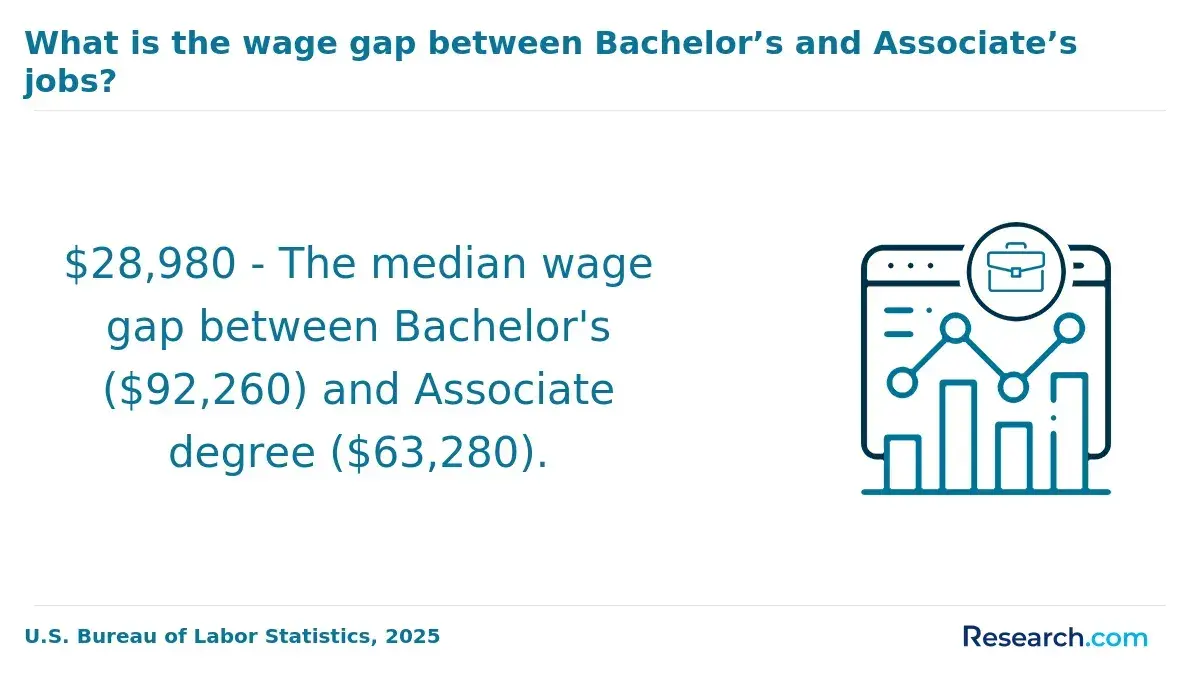
The U.S. Bureau of Labor Statistics notes that paralegals and legal assistants earned a median wage of $59,200 in May 2024, with top earners surpassing $95,530, emphasizing the financial benefits of pursuing accredited programs that balance speed with academic rigor. Prospective students should weigh transfer credit policies, tuition costs per accelerated course, and the availability of career networking or practical externships crucial for marketable experience.
Integrating career services into accelerated schedules can notably enhance job placement rates. Working professionals evaluating strategic pivots might also consider complementary qualifications such as an online master's degree in forensic psychology to deepen expertise alongside their legal studies.
What admission requirements and prior credits are needed for an accelerated legal studies degree?
Admission requirements for accelerated legal studies programs tend to reflect the compressed nature of coursework, often necessitating a high school diploma or GED and a minimum GPA around 2.5 to 3.0. Official transcripts must verify academic readiness, with more competitive programs demanding letters of recommendation, personal statements, or relevant work experience-especially for candidates aiming to pivot careers quickly.
Transfer credits accepted for online legal studies degrees play a strategic role in pacing; typically, 30 to 60 credits from accredited community colleges or prior universities align with prerequisites and general education requirements. Holding an associate degree in paralegal studies may allow students to apply these credits directly to core courses, substantially reducing time to degree.
Students and working professionals evaluating programs should note that insufficient or non-regionally accredited transfer credits can extend study duration and costs despite the "accelerated" label. Programs require official course descriptions and syllabi for heterogeneous prior coursework, which can delay start dates. Consistent academic performance is more critical as accelerated terms intensify workload and assessment frequency, demanding exceptional time management skills.
With legal assistant roles projected to grow 4% through 2032, adding 13,600 new jobs per the U.S. Bureau of Labor Statistics, meeting admission standards and managing transfer credits is essential for timely workforce entry. For those curious about comparative program lengths, examining how long does it take to study architecture offers insight into accelerated degree timelines in other fields.
How long does an accelerated online legal studies bachelor's take and how is it structured?
Accelerated online bachelor's programs in legal studies compress the traditional 120-credit curriculum into roughly two to three years through continuous, shortened terms often lasting six to eight weeks. This model suits professionals such as paralegals or compliance officers aiming to acquire relevant skills quickly while working full-time. The intensified pace demands disciplined time management, as the heavier weekly workload leaves limited room for part-time jobs or extracurricular activities compared to standard semester lengths.
Programs typically combine asynchronous learning with interactive elements like case study analysis and discussion boards to mirror current legal workplace challenges. This approach aligns with employer expectations around legal writing, ethics, and tech fluency. However, the accelerated format may reduce opportunities for internships or shadowing-key components for practical experience in many legal career paths.
- Admission rates indicate moderate accessibility with 59% for public institutions and 54% for private nonprofits for first-time, full-time bachelor's seekers.
- Students must carefully verify transfer credits as accelerated paths can limit traditional credit accumulation methods.
- The condensed schedule prioritizes credential completion speed but requires balancing faster skill acquisition against less flexibility.
Those considering accelerated legal studies should weigh the tradeoffs between expedited credentialing and the reduced experiential learning opportunities alongside the demands of sustained, focused effort.
What core courses and specializations are included in online legal studies bachelor's programs?
Accelerated online bachelor's in legal studies programs concentrate on core competencies directly relevant to paralegal and compliance positions. These programs sharpen skills in constitutional law, criminal law, civil procedure, contracts, and legal research, offering a focused curriculum that prepares students for immediate application in environments such as law firms, corporate legal departments, and government agencies.
Specializations provide a strategic advantage by targeting industry-specific demands. For instance, corporate compliance prepares candidates for regulatory risk management in finance or healthcare, while criminal justice aligns more closely with roles in law enforcement or public defense. This alignment affects employability and should be weighed carefully against regional legal market needs.
Students must balance the compressed timeline of accelerated terms with the intensity of mastering specialized, practical knowledge. Adult learners benefit from faster workforce entry, but this comes at the cost of limited theoretical exploration and reduced flexibility to pivot within the field.
Employers prioritize graduates who demonstrate immediate readiness and job-specific expertise, making the choice of courses critical. Considering state-specific legal requirements and career pathways plays a pivotal role in maximizing the return on investment from these programs.
How much do accelerated online legal studies degrees cost and what financial aid is available?
Accelerated online legal studies degrees concentrate tuition costs into a brief timeframe-typically 9 to 12 months covering the traditional 120-credit requirement-which shifts financial pressure upfront. This structure challenges working professionals who must juggle immediate tuition payments alongside daily living expenses without the traditional semester breaks that might allow for temporary workforce exits.
Federal aid through FAFSA, including Pell Grants and Stafford Loans, remains foundational but may not fully cover the compressed expenses. State grants and institutional scholarships can supplement funding, although they often require maintaining strict academic standards amid accelerated pacing.
- Employer tuition reimbursement is underused in legal studies contexts, despite its potential to offset steep upfront costs if coursework aligns with current job roles and negotiated support.
- Private loans fill remaining gaps but demand caution given variable interest rates and rigid repayment terms intensified by accelerated delivery.
Students must weigh accelerated program intensity against financial realities, especially as a majority continue full-time employment. The confluence of tight schedules, persistent workforce commitments, and funding constraints demands multi-source financial strategies closely attuned to personal work-academic balance and long-term professional gains.
What legal and law-related careers can you pursue with a bachelor's in legal studies?
Choosing a bachelor's in legal studies positions graduates primarily for support roles that demand rigorous legal research, writing, and regulatory navigation rather than frontline practice. Entry-level paralegal and legal assistant jobs remain the most direct employment outcomes, requiring meticulous document handling and case preparation that underpin attorney operations.
Approximately 80% of online legal studies programs mandate legal research and writing courses, reinforcing the demand for precise communication of complex legal information. Beyond these roles, the degree opens access to compliance and regulatory affairs positions across sectors like healthcare, financial services, and environmental management.
For instance, a graduate working in healthcare compliance must ensure adherence to standards such as HIPAA, actively managing organizational risk through policy enforcement. Other applicable roles include court clerks and legal educators, though these are often more specialized.
The shift from foundational to advanced legal or business positions usually requires additional credentials or graduate training, as employers favor practical experience or certifications for higher responsibility roles. Accelerated programs focusing on practical legal research and writing can be particularly beneficial for professionals aiming to upskill swiftly, aligning educational outcomes with employer expectations for accuracy and analytic rigor.
- This degree is less suited for those seeking to become licensed attorneys, serving instead as a strategic foundation for law-related but non-advocate positions.
- Graduates should anticipate competitive hiring conditions where real-world legal writing proficiency significantly influences employability.
- Advancement often hinges on supplementary qualifications aligned with regulatory or corporate risk management.
What salaries and job outlook can graduates of online legal studies programs expect?
Accelerated online legal studies programs primarily funnel graduates into paralegal, legal assistant, and compliance roles, where starting salaries generally span $45,000 to $65,000. Entry-level legal assistants tend to earn between $48,000 and $52,000, with higher compensation in specialized corporate or metropolitan markets. The Bureau of Labor Statistics projects a stable 5% growth rate through 2032 for these positions, aligning with national occupational averages.
Though the degree does not authorize law practice, it provides a foundation for several operational legal roles. Employers favor candidates from regionally accredited programs-particularly those affiliated with campus-based institutions-due to stronger assurances of curricula quality and practical training. This employer preference impacts hiring outcomes, making accreditation a critical criterion for candidates seeking competitive advantage.
Practical application of the degree often requires complementary certification or specialization; for example, passing the Paralegal Advanced Competency Exam can materially increase job security and remuneration. Individuals targeting financial compliance analyst roles may benefit from the condensed timeline of accelerated programs, which can shorten the interval from education to employment.
The trajectory of salary advancement is closely tied to accumulating relevant experience and additional credentials beyond the bachelor's level. This interplay of education quality, real-world qualifications, and market demand continues to shape the practical value of accelerated legal studies degrees.
How do you evaluate accreditation, quality, and credibility of online legal studies programs?
Evaluating legal studies programs requires prioritizing accreditation credentials, as regional accreditation recognized by the U.S. Department of Education or the Council for Higher Education Accreditation ensures curriculum rigor, transferability of credits, and employer confidence. National or programmatic accreditation tied specifically to legal or paralegal education further confirms specialized training quality. Absence of these accreditations often correlates with limited employer trust and challenges entering advanced graduate education.
Faculty expertise and curriculum design directly impact workforce readiness. Programs featuring instructors with real legal experience or advanced credentials tend to deliver greater practical relevance, especially in accelerated online formats where time constraints risk superficial coverage. Curriculums incorporating legal research, ethics, and case analysis better equip graduates for roles spanning compliance, paralegal support, or government agencies.
Cost considerations affect outcomes; for example, the University of Central Florida's online BA/BS in Legal Studies charges $179.19 per credit hour, markedly lower than competitors in the $450-$500 range. Lower tuition may reflect fewer support resources or reduced experiential learning, which can influence career placement. Students must weigh affordability against potential gaps in practical training or networking opportunities.
Prospective students should consult alumni and employer feedback within their target legal sectors to verify how well a program prepares graduates for specific work environments, whether in corporate compliance, court administration, or law enforcement support. Reviewing official graduation and employment statistics from sources like the National Center for Education Statistics enhances decision accuracy.
Other Things You Should Know About Legal Studies
Employers increasingly accept accelerated online legal studies degrees, especially when the institution is regionally accredited and well-known. However, some legal employers still prioritize candidates with traditional or longer-duration programs for roles involving litigation or law firm assistant positions. If your goal is to work in a court or law firm setting, consider programs that balance acceleration with reputable practical training or internships to improve your employability.
Yes. Many accelerated online bachelor’s in legal studies programs use 8-week terms, and some use 5- to 7-week sessions. Students usually take one or two courses per term, with full-time enrollment often set at about 12 credits each semester-equivalent.
Credits from online accelerated legal studies degrees are often accepted by law schools as part of undergraduate requirements but rarely fulfill specialized law prerequisites. If your goal is law school admission, prioritize programs whose curricula emphasize critical thinking, legal writing, and research skills. Evaluate how well each program prepares you for the LSAT and whether it has formal articulation agreements with graduate law programs to optimize credit transfer.
References
- The Importance of Accreditation https://paralegal.edu/blog/the-importance-of-accreditation/
- Best Online Paralegal Bachelor's Degree Programs https://www.paralegal411.org/degrees/bachelors/online/
- Top Online Pre-Law and Legal Studies Degrees and Certificates https://www.lawyeredu.org/online-degrees/
- Bachelor of Science in Legal Studies - Colorado State University Global https://csuglobal.edu/academic-programs/undergraduate-degrees/bachelors-degree-legal-studies
- Fastest Online Paralegal Degrees https://www.online-paralegal-degree.org/fastest-online-paralegal-degrees/
- Legal Studies Major https://www.hamline.edu/academics/undergraduate/legal-studies
- Is Online Legal Education Recognized in the United States? https://lakewood.edu/online-legal-education-recognition/
- Online Bachelor in Legal Studies (BSLS) Degree https://www.southuniversity.edu/online/degrees-programs/criminal-justice-and-legal-studies/legal-studies-bs
- Quality Standards and Accreditation of Distance Education Programs in a Pandemic - OJDLA https://ojdla.com/articles/quality-standards-and-accreditation-of-distance-education-programs-in-a-pandemic
- What Can You Do with a Master’s in Legal Studies? https://onlinemasteroflegalstudies.com/career-guides/mls/