2027 Red Flags to Watch for in Online Legal Studies Degrees

Co-Founder and Chief Data Scientist
When choosing an online legal studies degree, professionals face the risk of enrolling in programs that lack true accreditation or fail to equip graduates for the evolving demands of legal support roles. For instance, with over 60% of adult learners citing the need for flexible scheduling as critical-a 2024 National Center for Education Statistics report reveals-programs that do not genuinely accommodate working students often lead to attrition or delayed career progress.
Furthermore, employers increasingly scrutinize the credibility and practical training embedded in online degrees, influencing hiring decisions more than ever. This article identifies specific red flags in online legal studies programs, aiming to help prospective students avoid pitfalls that could undermine career mobility and investment value.
Key Things You Should Know
- Programs without ABA-approved paralegal training reduce graduate employability by 27% per National Association of Legal Assistants 2024 data, forcing candidates into costly certificate add-ons or extended job searches.
- Employers increasingly prioritize internships or practicums in online legal studies, with 62% citing practical experience as a hiring filter per 2024 SHRM workforce reports, limiting credential-only graduates' market access.
- Rising tuition inflation of 6.5% annually in legal studies programs, tracked by the NCES in 2024, exacerbates time-to-degree cost tradeoffs, disproportionately impacting working adults balancing career pivots and education.
What warning signs indicate an online legal studies program may lack proper accreditation?
Employers and licensure bodies rarely recognize degrees lacking accreditation from established entities like the Council for Higher Education Accreditation or the U.S. Department of Education. Programs missing clear online legal studies accreditation warning signs often fail to verify credentials or transparent outcomes, undermining graduate employment prospects and credit transferability. Working professionals pivoting careers face heightened risks investing in such programs as these degrees frequently hold little practical value in the legal field.
Beware of advertised "low-cost" online legal studies programs that conceal mandatory fees, supplies, or technology charges pushing actual costs well above typical annual tuition, which ranges from around $8,000 at public to $35,000 at private institutions, according to the National Center for Education Statistics data analyzed by Intelligent. Accelerated degrees that compress coursework without covering essential substantive law areas compromise the depth of knowledge necessary for meaningful legal roles.
Worthy programs usually document graduate outcomes like employment or bar passage rates and maintain partnerships with law firms or legal organizations. Programs requiring full upfront payment without refund policies introduce unnecessary financial exposure. Identifying how to identify unaccredited online legal studies programs includes evaluating transparency in accreditation and outcomes.
For a practical introduction to alternatives, consider exploring reputable paralegal courses online, which can offer clearer pathways and recognized credentials.
How can you spot diploma mills and fake online legal studies schools before enrolling?
Fully online Doctor of Jurisprudence (J.D.) programs lack American Bar Association (ABA) approval, meaning graduates from such schools cannot usually obtain bar admission or practice law in most states. This regulatory reality reflects a critical decision point: pursuing an unaccredited online J.D. risks wasting years and significant resources without achieving licensure. This consideration is fundamental for those evaluating how to identify fake online legal studies programs that masquerade as legitimate law degrees.
Warning signs of diploma mills in online legal studies degrees include institutions offering accelerated JD programs with minimal coursework or unverifiable faculty credentials. Prospective students should rigorously verify accreditation status through the U.S. Department of Education or the Council for Higher Education Accreditation rather than rely on institutional claims alone.
- Confirm that schools maintain documented articulation agreements with state bars or explicitly disclose their graduates' ineligibility for bar exams.
- Assess employer feedback on program graduates, since employer recognition of credentials shapes real-world job prospects in licensed legal roles.
- Exercise caution with programs that bypass fundamental academic and professional standards or promise improbable degree completion timelines.
Instead, candidates may consider part-time or hybrid legal studies programs with recognized accreditation that support bar eligibility. This distinction often delineates careers as licensed attorneys versus paralegals or compliance officers. For workers facing barriers to traditional routes, exploring the best degrees for felons can provide practical pathways aligned with workforce realities and credential acceptance.
What red flags suggest an online legal studies degree won't qualify you for legal careers?
Programs promising expedited or guaranteed placement into legal roles without verified accreditation or bar eligibility often fail to prepare students adequately for the workforce. Many non qualifying online legal studies programs for legal careers lack alignment with state licensing requirements and omit preparation for certification exams, disqualifying graduates from positions as paralegals, compliance officers, or court assistants. Employers consistently seek candidates who demonstrate competency through rigorous, practice-oriented curricula rather than solely theoretical knowledge.
Economic claims from some programs misrepresent realistic outcomes. For example, paralegals and legal assistants earn an average annual salary of $60,970, while compliance officers average $75,670, as reported by the U.S. Bureau of Labor Statistics via Intelligent, 2025. Inflated salary expectations without transparent labor market data create misleading incentives and poorly inform student decisions.
The absence of internship or externship opportunities presents a critical gap, severing ties between academic study and real-world legal environments. Hiring managers prioritize candidates with hands-on experience and proficiency in legal technologies, particularly in sectors like corporate law and government agencies. Additionally, accelerated or overly flexible programs frequently lack depth in credit and content, leaving graduates underprepared for workplace demands and more prone to career stagnation or lateral moves.
Prospective students should carefully assess accreditation recognized by the American Bar Association or relevant agencies and review graduate employment results against independent labor data. Evaluating these factors will prevent costly investments in credentials that limit legal career prospects. For students considering alternate career insights, exploring the pros of being a forensic psychologist may provide valuable perspective on related fields.
How do online legal studies programs misuse "ABA-approved" or similar labels, and why is that a concern?
Claims of "ABA-approved" status in online legal studies programs often mislead students into assuming their degrees meet American Bar Association accreditation standards required for law licensure. In reality, the ABA accredits only juris doctor (JD) programs, not undergraduate or non-JD legal studies degrees. This distinction is critical: only graduates of ABA-accredited JD programs qualify for bar admission in nearly all U.S. jurisdictions. Students pursuing online legal studies programs that misuse ABA approval labels face significant risks-including wasted time and financial resources-when they discover their degree does not grant access to licensed legal practice.
Employers and state licensing authorities expect clarity on accreditation. For example, a paralegal aiming to become a compliance analyst may find their marketability limited if their credential is perceived as inaccurately accredited. Prospective students should verify accreditation through the ABA's official database and regional bodies, and consult state bar associations on licensure eligibility before enrollment. This due diligence minimizes costly misalignment between educational outcomes and workforce requirements.
Online legal studies programs misuse ABA-approved claims with consequences that ripple across career pivots and employment eligibility. The 2025 Legal Cheek study reflects a broader problem of misleading accreditation information on websites targeting prospective solicitors, which similarly applies to U.S. legal market realities.
Understanding these accreditation nuances is as important as workforce factors like the sports analytics salary outlook, where accurate credentialing and industry standards directly impact career pathways and earning potential.
What admission and recruitment practices signal a predatory or low-quality online legal studies program?
Recruitment strategies that prioritize rapid enrollment and guarantee acceptance despite weak academic records signal programs more focused on short-term revenue than student outcomes. Such approaches often accompany mediocre curricula and low job placement, misaligning with employer expectations in the legal sector. For instance, recruitment counselors pushing hasty admits without assessing student readiness typically indicate programs driven by aggressive incentives rather than educational rigor.
Programs with opaque transfer policies or missing articulation agreements risk prolonging completion times and wasting earned credits, which disproportionately affect working adults balancing education with other obligations. The mismatch between program promises and actual workforce requirements becomes evident when graduates struggle to secure paralegal or compliance roles where demonstrated competence and accredited backgrounds matter most.
Consider these operational red flags when evaluating online legal studies pathways:
- Admissions driven by volume bonuses and pressure tactics rather than transparent criteria.
- Recruiters offering unrealistic career outcomes such as immediate law-related employment.
- Costs averaging $18,000 annually at for-profit colleges with substantially lower ROI compared to public institutions.
Employers in the legal field consistently favor candidates from accredited programs aligned with industry standards. Prioritizing transparent admissions and realistic outcomes reduces the risk of costly setbacks and enhances long-term return on investment.
Which curriculum and faculty red flags reveal weak academic quality in online legal studies degrees?
Online legal studies degrees frequently falter when curricula emphasize broad theoretical knowledge without integrating current legal technologies or compliance frameworks essential for practical roles. Graduates from programs neglecting contract management software, e-discovery tools, or litigation support platforms often face difficulty meeting employer expectations in corporate compliance or legal operations. This technical gap is compounded when faculty lack substantial ongoing legal experience, leaving students without insight into evolving industry standards and workforce needs.
The labor market penalizes these deficiencies. Data from the U.S. Bureau of Labor Statistics 2024 show unemployment rates for law and legal studies graduates surpass those of general bachelor's degree holders. This reflects a structural disconnect: many programs do not embed experiential learning such as internships, practicums, or career mentorship aligned with targeted roles, which are critical to employability. Students without such opportunities often experience longer job searches, lower entry salaries, and risk diversion into non-legal work.
Evaluating faculty credentials should prioritize practical legal qualifications, current industry engagement, and contributions to emerging legal practices rather than solely academic achievements. Prospective students steering a career pivot or advancement in legal studies must weigh the real-world preparation offered, as weak program design results in tangible workforce consequences.
- Curriculum ignoring relevant legal tech and compliance reduces job readiness.
- Instructors without active legal expertise limit exposure to evolving practices.
- Absence of structured experiential learning harms employment prospects.
What technology, student support, and practicum gaps should you avoid in online legal studies programs?
Online legal studies programs often fall short when lacking essential practical tools like case management simulations or interactive legal research platforms. This deficiency limits students' readiness for digital workflows common in legal roles, where fluency with specialized software and virtual court environments is increasingly expected. For example, paralegal positions typically require demonstrated experience in document drafting and client communication, which many programs fail to provide due to minimal or absent practicum requirements.
Student support further impacts employability; generic advising cannot substitute for career services tailored to legal licensure pathways or industry networking. Access to faculty actively practicing law enhances preparation but remains scarce in some online formats. Additionally, transparency regarding placement rates, bar passage statistics, and employer feedback split by online versus on-campus modalities is critical but often missing, complicating meaningful outcome assessments. A 2024 evaluation published by the Journal of Legal Education found hybrid J.D. programs can match traditional outcomes when controlling background variables, challenging the assumption that online formats inherently underperform.
Prospective students should scrutinize programs based on technology capability, legal-specific career advising, and supervised practicum access to ensure alignment with employer expectations and real-world competency development. These factors often define the difference between theoretical knowledge and practical readiness in the competitive legal job market.
How can tuition, fees, and financial aid offers expose risky online legal studies programs?
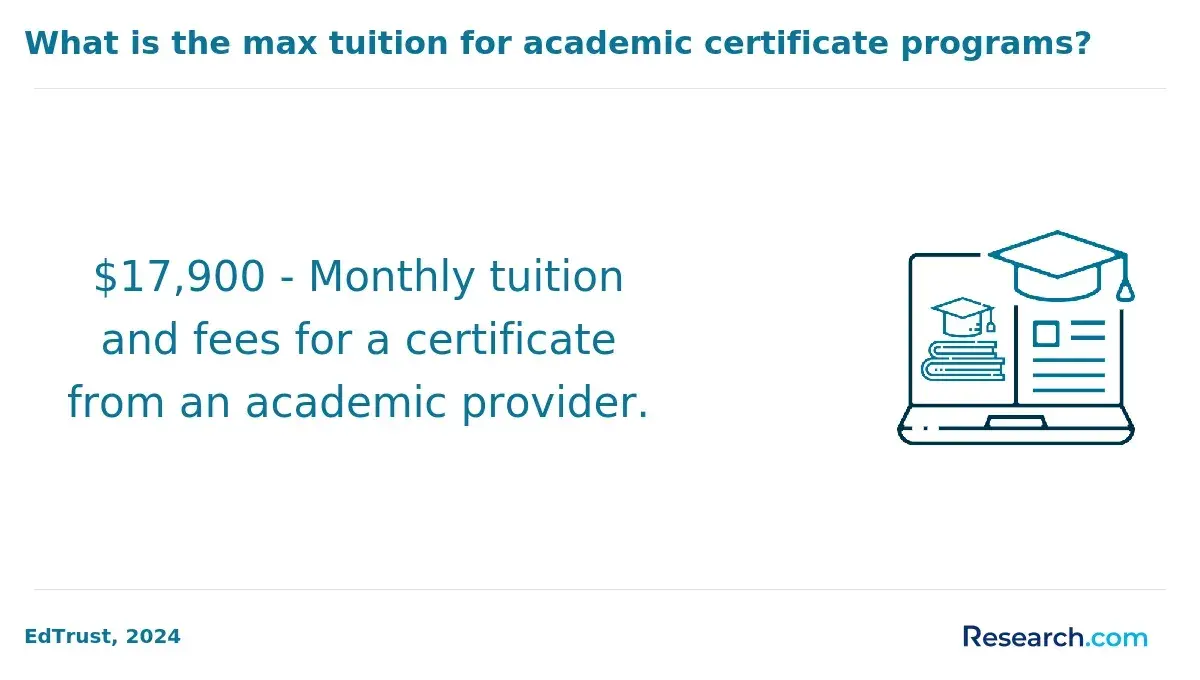
Online legal studies programs carry significant financial risks that extend beyond sticker tuition prices, with consequences that directly affect career pivots and long-term earnings potential. Average annual tuition ranges from roughly $8,000 for in-state students at public institutions to $38,000 at private ones, but many enrollments obscure hidden fees like technology surcharges or mandatory residencies, pushing debt loads well above $30,000 before living expenses. For working professionals transitioning into paralegal or legal support roles, such debt can quickly eclipse starting salaries, undermining the return on investment.
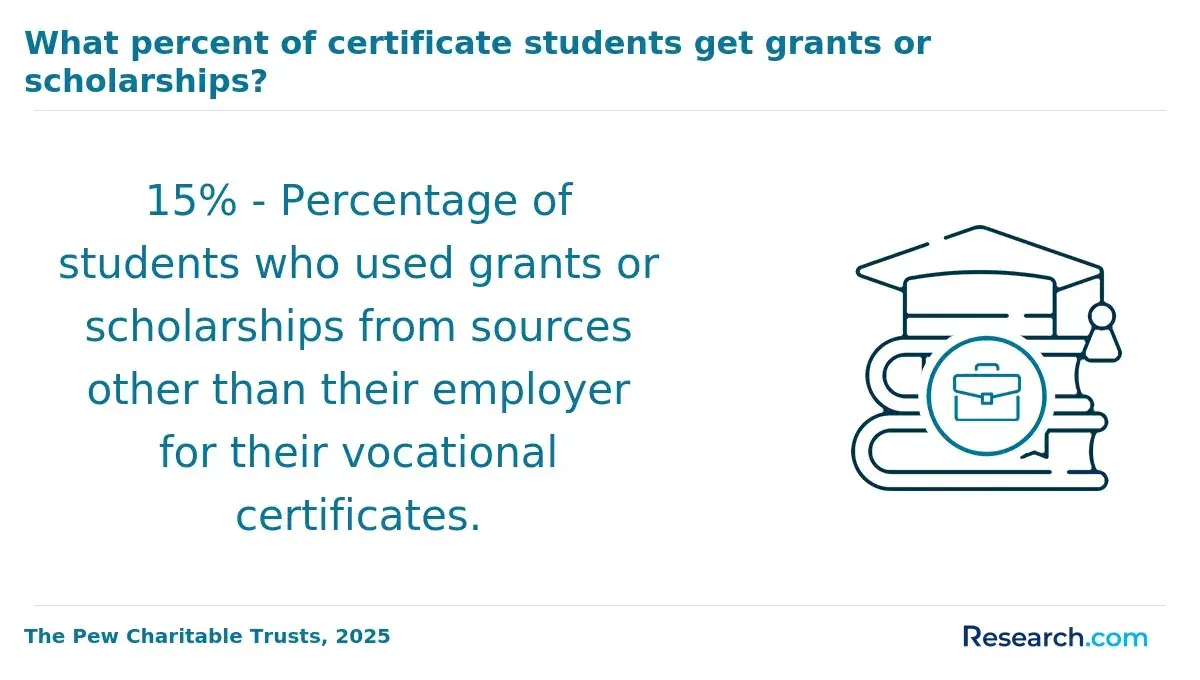
Financial aid packaging often skews toward unsubsidized loans rather than grants or scholarships, amplifying repayment burdens without clear income growth guarantees. This imbalance leads to debt-to-income ratios unattractive to employers and lenders, especially in legal-adjacent fields where entry-level wages are modest.
Red flags to watch for include:
- Tuition advertised at low rates but inflated by hidden fees adding 20% or more
- Financial aid offers dominated by loans over non-repayable aid
- Lack of transparency on total program costs over the expected completion timeline
- Disparity between cost and recognized credentials or demonstrated job market value
Evaluating these factors against practical workforce realities protects against unsustainable debt and weak employment outcomes, crucial considerations as online legal studies programs multiply.
What signs show an online legal studies program has poor outcomes, rankings, or employer respect?
Low graduation rates and poor employment outcomes reveal the practical limitations of many online legal studies programs. Without transparent graduate job placement data-especially in compliance, paralegal, or law enforcement roles-programs often lack employer credibility. This reality is significant in competitive fields where confirmed employment success determines candidate viability, as documented by multiple government labor and workforce surveys.
Accreditation status heavily influences employer trust. The 2024 Employer Perception of Online Degrees Survey finds that degrees from recognized, accredited institutions maintain credibility, while those from unknown or non-accredited providers face routine discounting. This divide affects hiring decisions in legal-adjacent sectors that require rigorous credential vetting.
- Outdated curricula that ignore evolving legal technologies and compliance standards reduce relevance.
- Faculty without active legal experience or research engagement weaken academic rigor and professional networks.
- Limited internships or practicum placements compromise practical readiness and hurt employer confidence.
- Heavy reliance on automated grading with minimal interaction impairs skill development.
- Insufficient student support, such as career counseling and interview preparation, diminishes job market navigation capabilities.
Students from programs lacking robust placement support face a difficult tradeoff: rising employer demand for both credible and verifiable employability increases the risk of automatic disqualification in fields like corporate compliance or government agencies. Decision-makers prioritize graduates from programs backed by documented outcomes in recognized datasets.
How can you systematically verify an online legal studies program is reputable and safe to choose?
Choosing a legal studies program without verified accreditation risks both wasted time and diminished workforce prospects. Only programs accredited by agencies recognized by the U.S. Department of Education or the Council for Higher Education Accreditation stand as legitimate credentials, especially when aligned with American Bar Association (ABA) standards. Despite shifts to online learning, no authentic "fast track" or fully online JD programs arose between 2020 and 2024; claims otherwise typically indicate misleading marketing.
For working professionals targeting compliance or paralegal roles, accredited state certification programs coupled with documented career pathways offer more tangible benefits than pre-law focused tracks promising law school entry. Employers seek demonstrable alignment between program outcomes and real job market requirements, so transparent reporting of graduate employment rates and employer partnerships is critical.
Key program features demanding scrutiny include:
- Accreditation status from recognized bodies
- Graduate employment data verified by entities like the National Association for Law Placement
- Formal internships or legal employer collaborations enhancing practical experience
- Faculty credentials and academic support tailored to online or hybrid delivery
Evaluating cost against credential value entails accepting that less rigorous programs may undermine long-term career capital. Due diligence in research and verification is essential to distinguish substantive legal studies options from those primarily selling convenience or accelerated timelines without substantive substance.
Other Things You Should Know About Legal Studies
Employer perception varies significantly based on the institution's reputation and the program's rigor. Degrees from well-known, accredited universities hold more weight, while lesser-known online programs often face skepticism, especially for legal roles requiring precise knowledge and ethical grounding. Graduates should be prepared to demonstrate practical skills and relevant internships or projects to offset potential bias. Selecting programs with strong employer partnerships or placement support improves chances of recognition.
An online legal studies degree should come from an institutionally accredited school recognized by the U.S. Department of Education or CHEA, and the program should clearly name the accreditor. If a school hides this information or uses an unrecognized accreditor, that is a major red flag for transfer, employer, and financial-aid purposes.
Specialized programs focus on areas like criminal justice or paralegal studies, offering targeted skills but narrowing future job options. General legal studies provide broader knowledge, supporting career flexibility but may lack depth in high-demand specializations. For practical career advancement, prioritize specialization if you have a clear legal niche; choose general studies if you seek adaptability across multiple legal-related roles or industries.
References
- The Web of Players and Practices Allowing Predatory For-Profit Schools to Flourish - Protect Borrowers https://protectborrowers.org/the-web-of-players-and-practices-allowing-predatory-for-profit-schools-to-flourish/
- These tips can help you tell if an online degree program is the real deal - and save you money https://abc13.com/post/online-degrees-college-scams-diploma-mills-how-to-contact-bbb/13642986/
- Law Schools Must Navigate The Surge Of Applicants And Look For Red Flags In A Politically Charged Era - Above the Law https://abovethelaw.com/2025/10/law-schools-must-navigate-the-surge-of-applicants-and-look-for-red-flags-in-a-politically-charged-era/
- 7 Warning Signs an Online Degree is a Scam https://www.yahoo.com/news/7-warning-signs-online-degree-143816338.html
- The Importance of Accreditation https://paralegal.edu/blog/the-importance-of-accreditation/
- Student Protections - National Association for College Admission Counseling (NACAC) https://www.nacacnet.org/advocacy/guiding-ethics/student-protections/
- A non-law student’s guide to a career in law https://www.lawcareers.net/Explore/Features/18112025-A-non-law-students-guide-to-a-career-in-law
- Colleges Should Still Tread Carefully When Outsourcing Their Online Programs https://tcf.org/content/report/colleges-should-still-tread-carefully-when-outsourcing-their-online-programs/
- Diploma Mills: 9 Strategies for Tackling One of Higher Education’s Most Wicked Problems https://wenr.wes.org/accreditation-and-quality-assurance/diploma-mills-9-strategies-for-tackling-one-of-higher-educations-most-wicked-problems/
- Home https://www.legalstudies.com/