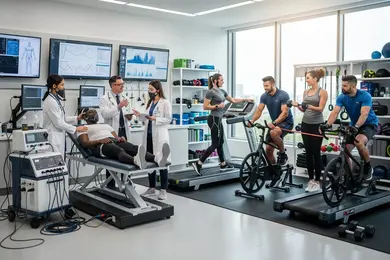
2027 What Careers Can You Pursue With a Sports Science Degree? Salary Potential, Job Outlook, and Next Steps

Co-Founder and Chief Data Scientist
What career opportunities can a sports science degree unlock in today's evolving job market? Recent graduates and career switchers often wonder about salary potential and job stability within fields like athletic training, exercise physiology, and sport management.
According to the U. S. Bureau of Labor Statistics, employment in related health and fitness professions is expected to grow 13% from 2022 to 2032, faster than average across all occupations. This expanding demand highlights the value of a sports science background for various roles.
This article explores viable career paths, examines salary trends, discusses job outlooks, and outlines practical next steps for sports science graduates.
Key Things to Know About the Careers You Can Pursue With a Sports Science Degree
- A sports science degree supports diverse careers in healthcare, fitness, research, coaching, and sports management, reflecting growing industry demand.
- Skills in physiology, data analysis, and communication transfer across sectors, enhancing adaptability and employability.
- Further education often aligns with certifications and advanced roles, boosting salary potential and long-term career growth in specialized fields.
What Careers Can You Pursue With a Sports Science Degree?
A degree in sports science opens doors to a range of careers across health, fitness, education, and athletic industries.
With growing public interest in wellness and physical activity, the Bureau of Labor Statistics projects a 10% growth in fitness-related jobs over the next decade, reflecting increasing opportunities in this field.
Here are some top sports science degree job opportunities and career paths you might consider:
- Exercise Physiologist: Exercise physiologists analyze patients' fitness levels and create exercise programs aimed at improving cardiovascular function and overall health. This role directly applies sports science knowledge about the body's response to physical activity.
- Athletic Trainer: Athletic trainers work closely with athletes to prevent and treat sports-related injuries. Using sports science principles, they design rehabilitation plans that enhance recovery and athletic performance.
- Strength and Conditioning Coach: These coaches develop tailored training regimes to improve athletes' strength and endurance. They rely heavily on sports science expertise, particularly biomechanics and physiology, to optimize physical performance.
- Physical Education Teacher: Physical education teachers promote fitness and motor skill development in schools, applying sports science concepts to foster lifelong wellness habits among students.
- Sports Psychologist: Focusing on athletes' mental well-being, sports psychologists help improve motivation, focus, and recovery. While this career often requires further study, it remains closely linked to sports science through its emphasis on holistic athlete care.
What Are the Highest-Paying Careers With a Sports Science Degree?
A degree in sports science opens up access to a range of well-paying career opportunities in health, athletics, and research fields.
Recent data shows that many roles related to sports science offer salaries that start in the mid-$40,000s and can exceed six figures with experience and advanced specialization, reflecting strong earning potential. This aligns with trends in top career salaries for sports science graduates, reinforcing the degree's value.
Below are some of the highest-paying careers frequently pursued by those holding a sports science degree:
- Exercise Physiologist: These practitioners create personalized fitness programs for individuals recovering from illness or improving athletic performance. Salaries typically range from $50,000 to $85,000 annually, with top-tier professionals in clinical or elite sports environments earning more. A sports science background provides critical knowledge for developing effective conditioning and performance assessments.
- Biomechanist: Biomechanists focus on analyzing human movement to optimize athletic efficiency and minimize injury. Their salaries range from about $60,000 to $100,000. The sports science degree develops expertise in motion analysis tools and research techniques essential to this work.
- Physical Therapist: Many sports science graduates continue into physical therapy, delivering rehabilitation services to athletes. Median earnings exceed $80,000, with potential surpassing $100,000 depending on practice location. A sports science degree supplies foundational insight beneficial for graduate physical therapy programs.
- Sports Nutritionist/Dietitian: Specialists in this field design dietary plans to boost athletic performance, earning between $50,000 and $90,000 annually. Sports science studies in nutrition and metabolism play a key role in preparation for these careers.
- Strength and Conditioning Coach: Tasked with enhancing athletes' strength and endurance, these coaches make $40,000 to $80,000 or more as they gain professional experience. Their training often relies heavily on sports science principles in exercise programming and performance evaluation.
Students interested in additional healthcare roles might explore programs such as a nursing school that doesn't require TEAS test, which can complement or expand career options beyond sports science. Understanding the highest-paying jobs with a sports science degree in the US helps prospective students align their education with rewarding career paths.
What Is the Job Outlook for Sports Science Degree Careers?
The job outlook for careers connected to a sports science degree remains promising as awareness of health and fitness continues to grow across multiple industries. Rising interest in physical activity for disease prevention fuels demand in healthcare, education, and wellness sectors.
Employment in roles related to this field is projected to increase by about 11% between 2022 and 2032, outpacing the average growth rate for other occupations. Factors such as an aging population and advances in rehabilitation and performance technologies further support a steady rise in workforce needs.
Overall, evolving knowledge and expanding applications make careers linked to a sports science degree both dynamic and in demand.
When asked about the job prospects, a professional with a sports science degree shared that breaking into the field often requires persistence and flexibility. He described feeling uncertain initially, as opportunities can vary greatly depending on location and specialization.
Navigating certifications and gaining experience was a process filled with challenges but also rewarding moments when he saw tangible improvements in clients' health and performance. His advice emphasized patience and continual learning, noting that staying adaptable has been key to sustaining a career in this evolving area.
A sports science degree equips graduates with essential knowledge in anatomy, physiology, biomechanics, and nutrition, laying the groundwork for various entry-level careers.
Approximately 65% of sports science graduates find employment within six months, highlighting robust opportunities for starting roles in this field. This degree supports entry into diverse sectors such as health, fitness, and rehabilitation.
Here are several entry-level careers that align well with a background in sports science:
- Exercise Physiologist: Professionals in this role assess clients' physical health to design tailored exercise programs. The deep understanding of human movement and energy systems gained from a sports science degree is critical for developing safe and effective fitness plans.
- Sports Coach: Coaches organize training and provide tactical advice to athletes. Knowledge of biomechanics and conditioning from a sports science education enhances coaching strategies and athlete performance.
- Fitness Trainer: Trainers guide individuals in improving wellness and physical capability. The emphasis on exercise science and nutrition helps in creating customized training regimens.
- Rehabilitation Assistant: These assistants work alongside physical therapists to help patients recover. A sports science degree prepares graduates with insights into injury mechanisms and therapeutic exercises.
- Strength and Conditioning Assistant: Supporting senior experts, they develop strength training programs for athletes. Understanding muscle function and training principles from sports science studies is vital for this position.
Those pursuing jobs for graduates with a sports science degree in the UK or elsewhere can also explore flexible learning options like online college classes at your own pace to enhance their credentials and skills.
A sports science degree develops a variety of versatile skills that are valuable in sectors like healthcare, fitness, and athletic coaching.
Surveys reveal that over 70% of employers prioritize candidates with strong analytical and communication abilities, underlining the relevance of these competencies for graduates. These skills prepare students to operate effectively in diverse professional roles.
The following key skills are fostered through sports science programs:
- Analytical Skills: Students learn to evaluate data on human movement, biomechanics, and physiological responses. Practical coursework involving lab experiments and statistical methods helps them design interventions grounded in scientific evidence.
- Research Proficiency: Emphasis on research methods equips students to develop hypotheses, carry out experiments, and critically review scientific studies. This expertise is cultivated through project-based assignments and research report writing.
- Communication Skills: Training focuses on both written and verbal communication, enabling graduates to translate complex scientific concepts effectively to varied audiences such as coaches, athletes, or medical professionals.
- Problem-Solving: Hands-on experiences challenge students to create customized solutions for improving performance and preventing injuries, encouraging innovative and practical thinking.
- Interpersonal Skills: Collaborative projects and field placements nurture teamwork, empathy, and the ability to engage with individuals or groups in sports and health environments.
A sports science graduate shared that adapting to real-world challenges was a significant learning curve. She reflected, "Applying theoretical knowledge to help an injured athlete recover tested not only my analytical skills but also my patience and communication. Learning to listen and tailor solutions personally made the process rewarding and confirmed the value of the skills I gained."
This hands-on approach highlighted how complex and nuanced sports science can be beyond textbooks, providing her with confidence and practical insight for future work.
A bachelor's degree in sports science lays a solid groundwork for advancing into a range of professional roles without the necessity for extra certifications or formal education.
Studies show that nearly 45% of graduates with a bachelor's in sports-related fields secure mid-level or professional positions within five years, reflecting strong career mobility based on the degree alone.
Several career paths offer opportunities for sports science graduates to rise above entry-level, focusing on leadership, program oversight, and operational management:
- Athletic Trainer Manager: Responsible for supervising athletic trainers, directing injury prevention efforts, and collaborating with healthcare teams. The degree equips graduates with critical knowledge of human anatomy and rehabilitation principles essential for overseeing these functions.
- Fitness Program Director: Oversees health club or corporate wellness programs, managing staffing, budgeting, and program development. A background in exercise science and health promotion supports strategic planning and operational control in this position.
- Sports Performance Specialist: Develops training regimens aimed at enhancing athletic performance, often working alongside coaches and nutrition experts. Training in biomechanics and exercise physiology acquired through the degree is vital for success in this role.
- Rehabilitation Coordinator: Handles patient recovery schedules and therapy compliance, ensuring treatment goals are met effectively. Comprehensive understanding of injury mechanisms and rehabilitation gained from sports science studies underpins this work.
These roles highlight management responsibilities such as budget oversight, team supervision, and program growth. Progression within these careers usually depends on hands-on experience and a proven record of leadership rather than additional academic credentials.
Many careers linked to a sports science degree demand further certifications or advanced education beyond a bachelor's degree to meet professional standards.
According to the Bureau of Labor Statistics, approximately 40% of jobs in allied health fields require licensure or certification, underscoring the necessity of formal credentials. These qualifications ensure practitioners are properly equipped to deliver safe and effective care.
Key roles in sports science that typically require additional education or certification include the following:
- Physical Therapist: This career demands earning a Doctor of Physical Therapy (DPT) degree along with state licensure. Advanced training is essential to safely rehabilitate patients and manage injury recovery.
- Exercise Physiologist: Certification such as the Certified Clinical Exercise Physiologist (CEP) is often necessary, especially for clinical or medical work. This credential validates expertise in exercise testing and prescription.
- Athletic Trainer: Professionals must obtain certification from the Board of Certification (BOC) and often state licensure. The role focuses on preventing injuries and providing emergency care for athletes.
- Sports Nutritionist: While a bachelor's degree may be sufficient for some jobs, having certifications like Certified Specialist in Sports Dietetics (CSSD) or getting a masters in nutrition greatly enhances employment opportunities and professional credibility.
- Kinesiologist or Biomechanist: Positions in research or advanced clinical and academic settings usually require a master's or Ph.D. These degrees emphasize specialized knowledge of human movement science.
Such certifications and degrees confirm that sports science professionals have the technical knowledge and ethical training to provide quality care and guidance. They also facilitate professional recognition and advancement in this competitive field.
Graduates with a sports science degree often pursue alternative career options beyond traditional athletic training or physical therapy roles.
Research indicates that nearly 30% of sports science graduates end up in non-traditional jobs with a sports science degree, reflecting the degree's broad applicability and interdisciplinary nature. This flexibility allows graduates to leverage their skills across various professional fields.
Several alternative career paths are well suited for sports science graduates, including:
- Ergonomics Specialist: Ergonomics specialists design workplaces and products to boost comfort, efficiency, and safety. Sports science graduates apply their understanding of human movement and biomechanics to assess physical interactions and reduce injury risks, making this a natural fit for those interested in health and safety outside the sports sector.
- Health and Wellness Coach: This role involves creating personalized fitness, nutrition, and mental wellness programs to promote healthier lifestyles. Graduates rely on their training in exercise physiology and behavior change theories to support clients in corporate wellness programs or private practice.
- Sports Technology Developer: Graduates in this field collaborate with companies developing wearable devices, apps, or software for performance enhancement and health monitoring. Their background in biomechanics and data analysis drives innovation in technologies that aid athletes and the general public alike.
- Physical Education Curriculum Developer: Combining expertise in sports science and education, graduates develop scientifically informed physical education programs for schools or community organizations, ensuring activities support physical development and long-term health.
Exploring alternative career paths demonstrates the diverse employment opportunities available with a sports science degree. For those considering further specialization, pursuing a PhD healthcare can open additional leadership and research roles within health-related industries.
Salary potential for sports science graduates can vary significantly based on multiple factors, including industry sector, experience, and geographic location.
For instance, exercise physiologists working in healthcare report a median annual salary near $49,000, while positions in management or consulting roles often offer substantially higher pay. Understanding job market trends affecting sports science salaries is essential for those planning their career path in this dynamic field.
The key factors influencing earning potential include the following:
- Industry Choice: Graduates employed by professional sports franchises or private healthcare services generally earn more than those in educational or community fitness roles. The sector of employment strongly impacts median salary differences across various parts of the sports science field.
- Experience Level: Early-career professionals usually start with lower salaries, which tend to increase steadily with accrued experience and proven effectiveness, especially in roles tied to athlete performance or rehabilitation success.
- Geographic Location: Metropolitan areas known for a strong sports culture or advanced healthcare infrastructure, such as New York or Los Angeles, offer higher salaries, whereas rural regions may compensate less but sometimes balance this with a lower cost of living.
- Specialization: Focusing on niches like biomechanics, sports nutrition, or strength and conditioning coaching can lead to variation in salary ranges based on demand and expertise required in those specialized areas.
- Responsibility Level: Positions involving leadership, research oversight, or management of training programs tend to have greater earning potential than assistant or technician roles.
For students evaluating options in related healthcare degrees, comparing programs can be valuable. Resources such as the Capella vs WGU RN to BSN comparison help clarify educational pathways and outcomes that might complement or inspire their sports science career plans.
Approximately 70% of bachelor's degree graduates enter the workforce soon after finishing their studies, emphasizing the need for sports science graduates to prepare for diverse career options.
Many use their foundational knowledge immediately, while others seek advanced qualifications to broaden opportunities. The paths vary but often include hands-on experience, certifications, or entrepreneurship.
Common next steps after earning a sports science degree include:
- Workforce Entry: Graduates often begin careers in fitness training, rehabilitation, or wellness coaching, applying their academic skills directly to enhance physical health and performance.
- Advanced Education: Pursuing graduate degrees in exercise physiology, sports medicine, or physical therapy opens doors to specialized roles and can increase career advancement potential.
- Professional Certification: Obtaining credentials such as Certified Strength and Conditioning Specialist (CSCS) or personal training licenses adds valuable qualifications recognized by employers in health and fitness industries.
- Career Development: Internships, volunteering, and entry-level positions offer practical experience and networking opportunities critical for building a professional presence in sports and healthcare settings.
- Entrepreneurship: Launching private training businesses or coaching practices appeals to those seeking independence and flexible career paths within the sports science field.
What Graduates Say About the Careers You Can Pursue With a Sports Science Degree
- Westin: "Studying sports science opened my eyes to the wide variety of roles available in the health and fitness industry. I initially chose this degree because of my passion for athletics, but quickly realized that careers range from coaching elite athletes to working in sports rehabilitation. The degree truly gave me the confidence and knowledge to explore diverse career paths and find my perfect fit."
- Peter: "After completing my sports science degree, I spent a lot of time reflecting on where I wanted my career to go. It helped me understand the importance of merging scientific principles with practical experience, leading me to pursue a role in exercise physiology. This degree has been invaluable in shaping my professional mindset and advancing my work in improving athletic performance."
- KC: "My sports science degree had a profound impact on my career, especially as I transitioned into sports therapy. The program's focus on anatomy and biomechanics provided me with the essential tools to support injury prevention and recovery. I'm grateful for how the degree prepared me to contribute meaningfully in a professional sports environment."
Other Things You Should Know About Sports Science Degrees
Certifications in areas such as personal training, athletic training, and sports nutrition can significantly enhance a sports science professional's credentials. They demonstrate expertise, improve job prospects, and increase earning potential by validating specialized skills that are in demand in 2027.
Internships provide valuable hands-on experience that is often essential for entering many sports science roles. They help students and recent graduates apply theoretical knowledge to real-world settings and develop practical skills. Many employers prefer candidates with internship experience because it demonstrates commitment and readiness to work.
The NSCA Certified Strength and Conditioning Specialist (CSCS) is one of the most recognized credentials for sports science-related jobs. It requires a bachelor’s degree or higher, CPR/AED certification, and passing the CSCS exam, which includes scientific foundations and practical/applied sections.
- Exercise Science Degree Careers: The complete list https://traineracademy.org/blog/exercise-science-careers/
- Become a Certified Performance & Sport Scientist | NSCA https://www.nsca.com/certification/cpss/
- Beyond the Gym and the Field: Career Paths You Might Not Expect https://www.snu.edu/blog/beyond-the-gym-and-the-field-career-paths-you-might-not-expect
- Accredited Sports Scientist Salary Guide https://www.essa.org.au/Web/Web/Resources/Tools-and-templates/ASpS-salary-guide.aspx
- An Analysis of Employment Issues for Sports Science Graduates https://www.academia.edu/120704703/An_Analysis_of_Employment_Issues_for_Sports_Science_Graduates
- Sports Science Jobs 2026 | Sports Scientist Careers & Salary https://sportsprojobs.net/sports-science-jobs/
- 8 Rewarding Careers for Aspiring Exercise and Sport Scientists https://www.sacredheart.edu/news-room/news-listing/8-rewarding-careers-for-aspiring-exercise-and-sport-scientists/