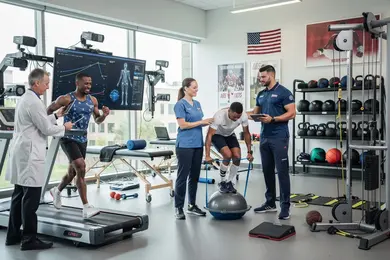
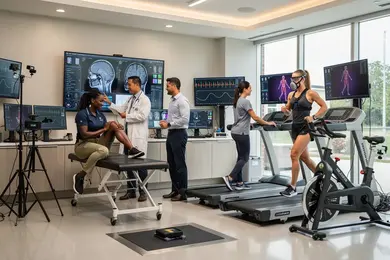
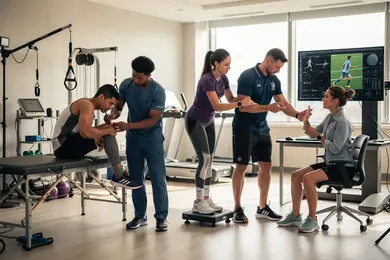
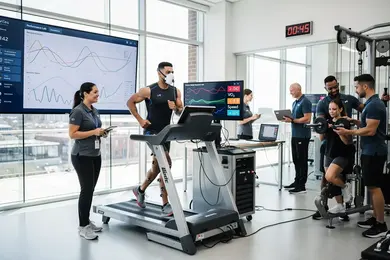
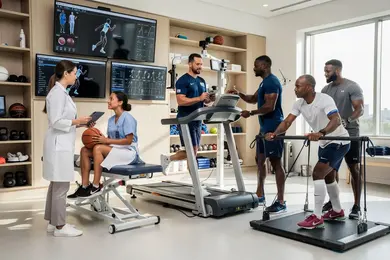
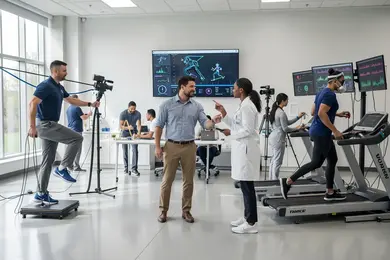
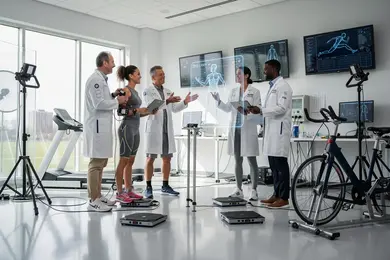
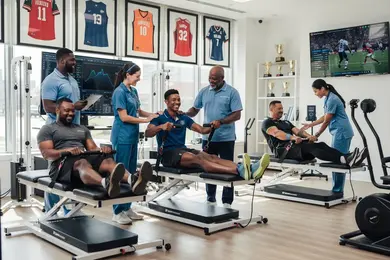
2027 Most Recession-Resistant Careers You Can Pursue With a Sports Science Degree

Co-Founder and Chief Data Scientist
Graduates with a sports science degree often face uncertainty during economic downturns-when discretionary spending on fitness and sports programs declines, job security can waver.
However, some roles remain resilient. For example, according to 2025 labor market analysis, rehabilitation therapists and clinical exercise physiologists exhibit steady employment growth of 8% despite recessions. This reflects a growing demand for specialized health services tied to chronic disease management and aging populations.
To remain competitive, candidates must emphasize certifications and practical experience in clinical and therapeutic settings. This article explores the most recession-resistant careers for sports science graduates and strategies to enhance job stability in volatile markets.
Key Points About Recession-Resistant Sports Science Careers
- Graduates skilled in sports science rehabilitation often fill vital roles in healthcare, which remains stable-employment in therapeutic services is projected to grow 15% by 2028.
- Strength and conditioning coaching offers durable career paths, especially within youth and professional sports organizations that prioritize athlete longevity despite economic shifts.
- Exercise physiology expertise supports an aging population's health, creating steady demand in wellness centers and clinical settings focused on chronic disease prevention.
What is the employment outlook for graduates of Sports Science?
The job market trends for sports science careers show promising growth, with positions like exercise physiologists, athletic trainers, and sports coaches expected to expand by about 10% over the next decade. This rate exceeds the average for all occupations, reflecting strong demand for professionals who can support health, fitness, and athletic performance.
Key reasons behind this encouraging employment prospects for sports science graduates include the following:
- Healthcare integration: The healthcare industry increasingly incorporates physical activity into treatment plans, creating steady demand for experts skilled in human physiology and rehabilitation.
- Public health awareness: Growing understanding of chronic disease prevention and wellness encourages more people to seek fitness and preventive care services, boosting job opportunities.
- Sports program expansion: Youth and professional sports leagues require knowledgeable staff for training and performance enhancement, further increasing need for qualified graduates.
- Economic resilience: Careers in sports science tend to have lower unemployment rates compared to national averages, showing stability even in economic downturns.
Graduates with specialized knowledge in biomechanics and sports nutrition can explore diverse roles from clinical settings to corporate wellness programs, ensuring a flexible and stable career path.
For those also considering advanced healthcare degrees, options like the cheapest DNP programs offer additional pathways to expand expertise and job security.
What are the most recession-resistant careers for Sports Science degree graduates?
Certain roles within the field of sports science and adjacent industries remain naturally shielded from economic volatility due to their essential services or regulatory requirements. Employment growth for health-related sports science careers is projected to rise by 12% over the next decade-highlighting the stability offered by these professions.
Below are some of the top recession-proof jobs for sports science graduates that continue to show high demand during economic downturns.
- Physical Therapist: Physical therapists play a critical role in patient rehabilitation at hospitals and outpatient clinics. Their work in aiding recovery from injuries and chronic conditions ensures ongoing demand that remains strong despite economic fluctuations.
- Exercise Physiologist: Working mainly in clinical settings or wellness programs, exercise physiologists focus on managing chronic diseases such as diabetes and heart conditions. Their preventive care efforts align with healthcare policies aiming to reduce long-term costs, making their jobs less vulnerable during recessions.
- Athletic Trainer: Athletic trainers employed by schools, professional sports teams, or healthcare providers deliver immediate care for sports-related injuries. Safety regulations and the high cost of player downtime guarantee these roles important job security.
- Occupational Therapist Assistant: Supporting occupational therapists, these assistants help patients regain daily living skills. Their work is often mandated by insurance policies, which protects these roles from budget-driven layoffs.
- Strength and Conditioning Coach: Employed by competitive sports organizations or military units, strength and conditioning coaches improve athlete or personnel performance. Their impact on revenue generation or operational readiness ensures prioritized funding during economic downturns.
These careers are excellent examples of high-demand careers in sports science during economic downturns, offering graduates resilient career paths. Students interested in further advancing their healthcare qualifications might consider specialized nursing programs, such as the RN BSN, which also demonstrate strong job security and growth potential.
In which industries can Sports Science degree holders find work?
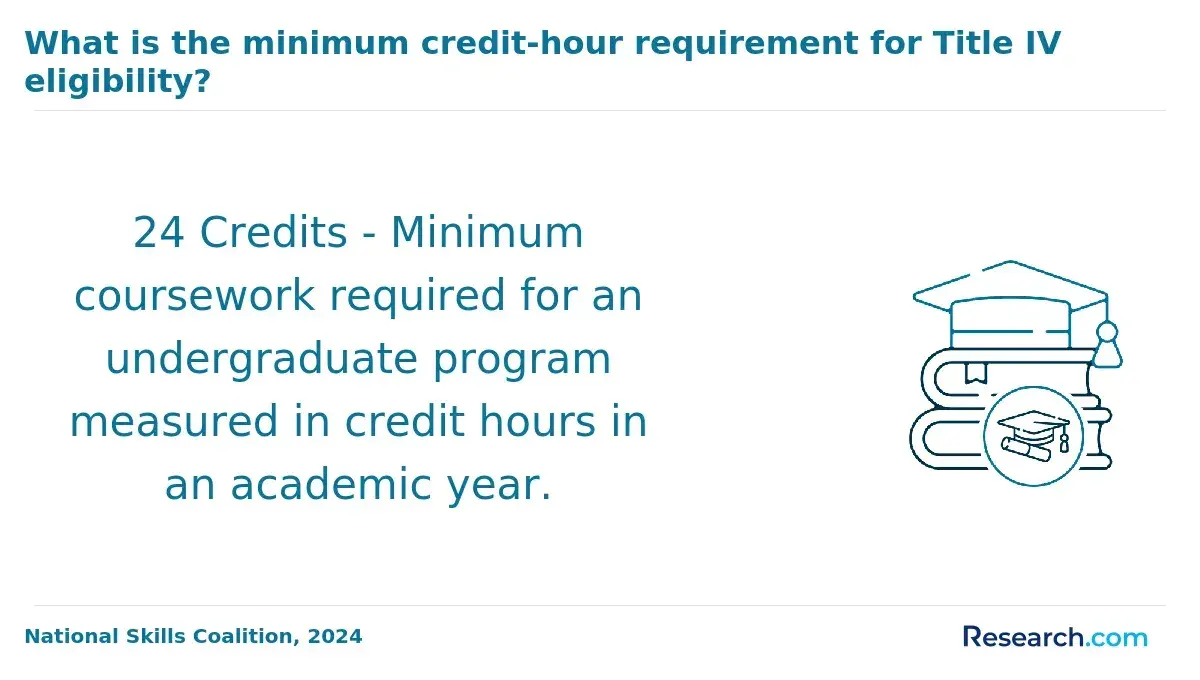
Sports science graduates have versatile skills that allow them to work beyond traditional sports-related roles, adapting to various sectors that remain steady through economic fluctuations. In fact, employment for sports science graduates in healthcare and fitness roles has increased by 8%, reflecting strong demand across multiple industries. Below are key areas where their expertise is valued:
- Healthcare: Sports science knowledge supports roles such as physical therapy assistants and clinical exercise physiologists, focusing on recovery and rehabilitation. This sector's essential services ensure steady demand regardless of the economy's status.
- Fitness and Wellness: With rising awareness of lifestyle-related health issues, professionals can thrive as personal trainers, wellness coaches, and corporate fitness consultants, helping individuals and companies maintain health and prevent illness.
- Public Sector: Graduates contribute to community health projects, school physical education, and government sports programs. These positions often rely on consistent public funding, providing job stability.
- Occupational Health and Ergonomics: This emerging field employs sports science graduates to create workplace wellness strategies and minimize injury risks, supporting employee wellbeing and organizational resilience.
- Sports Industry: Opportunities exist in coaching, athletic training, and performance analysis, especially in youth and amateur sports where financial constraints are less impactful than in professional levels.
When asked about career prospects, a professional who attained a sports science degree online shared that navigating job options was initially daunting because opportunities spanned diverse fields. 'It wasn't just about sports or gyms-it took time to see where my skills fit best,' he explained.
He highlighted the value of internships and networking during his studies, which helped clarify his path and build confidence. 'The variety was overwhelming, but also exciting-it meant I wasn't limited if one area slowed down. That flexibility made all the difference.'
Careers in sports science within public organizations-such as government bodies, universities, and nonprofits-tend to offer more stability, especially during economic downturns. These roles benefit from consistent funding and institutional support, with sectors like public health and education less prone to abrupt budget cuts.
Research shows turnover rates in public sports science positions can be up to 30% lower than in private companies during recessions, alongside structured advancement via tenure or employer-funded education.
Conversely, private sector jobs in areas like corporate wellness, sports tech startups, and fitness businesses often come with greater volatility due to fluctuating consumer spending during slowdowns.
Nonetheless, the private sector rewards flexibility and entrepreneurial ability, allowing rapid skill diversification and opportunities in emerging fields such as digital health or performance analytics. These roles offer faster career progression but with less long-term security.
Ultimately, choosing between public and private sports science careers depends on a graduate's appetite for risk and professional goals. Those prioritizing job security may find the public sector more appealing, while individuals seeking dynamic growth and innovation might lean toward private sector opportunities. Balancing these factors helps align career paths with personal tolerance for uncertainty and ambition.
Location significantly influences job stability for sports science graduates, as certain areas serve as centers for related industries. Below are three states where employment opportunities in sports science tend to be more secure and less affected by economic downturns.
- California: The state's thriving sports and fitness sector, coupled with a large population and investments in health initiatives, sustains demand for professionals in athletic training, performance enhancement, and injury prevention. Its diverse economy includes professional sports franchises and health clubs that support career longevity.
- Texas: Rapid population growth and a focus on youth sports at the high school and collegiate levels generate ongoing roles in education and therapy. The expanding healthcare system in Texas frequently integrates exercise science into rehabilitation services and chronic illness management, bolstering demand in this field.
- Florida: With a considerable retired demographic and a booming sports tourism market, Florida maintains steady opportunities for rehabilitation experts, physical trainers, and wellness specialists. Healthcare providers in the state increasingly value exercise science's role in addressing lifestyle-related health challenges, contributing to consistent employment.
States with higher concentrations of sports science-related jobs typically experience about 15% less fluctuation in hiring during recessions, indicating these roles offer resilience against economic instability for graduates choosing where to build a career.
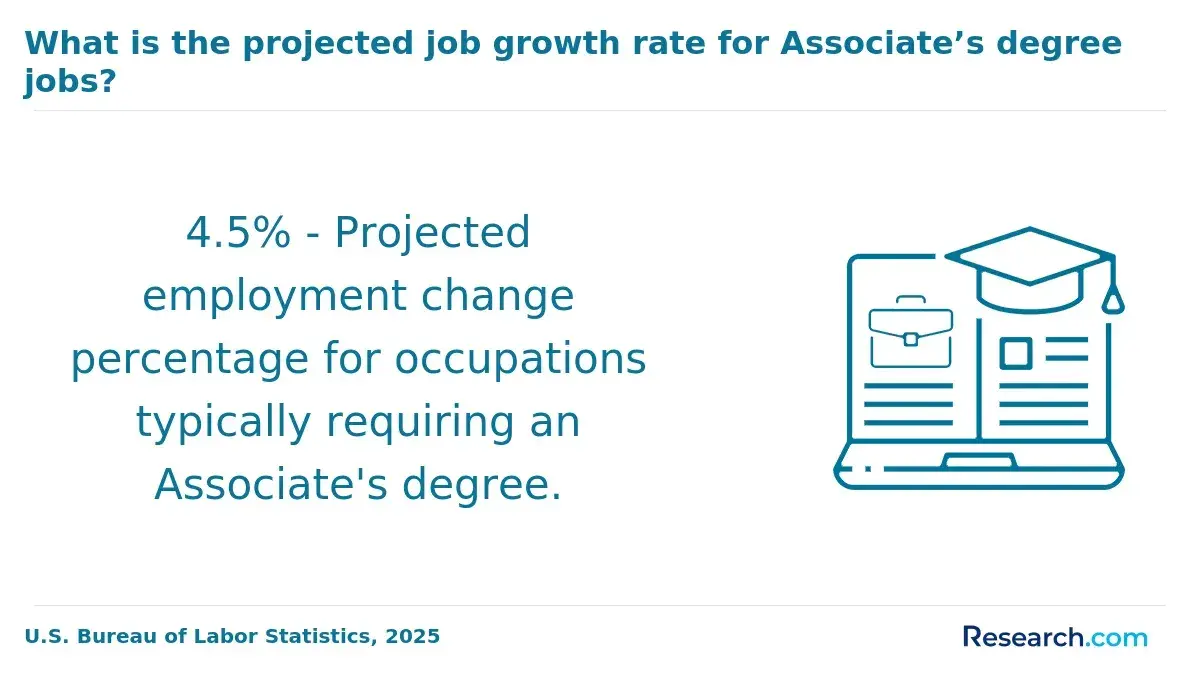
Obtaining certifications and pursuing continuing education beyond a sports science degree can act as a significant layoff shield by validating specialized expertise that remains in high demand.
In fact, occupations involving exercise specialists and physiologists with professional certifications are projected to grow 11% faster than average, demonstrating the value of recession-proof certifications in sports science careers.
The following certifications can boost job security and open access to resilient niches within the field.
- Certified Strength and Conditioning Specialist (CSCS): Offered by the National Strength and Conditioning Association (NSCA), this credential certifies expertise in designing and implementing training programs. It is highly regarded in professional and collegiate sports, as well as private training facilities, where demand for enhancing athletic performance remains strong.
- Certified Exercise Physiologist (EP-C): Provided by the American College of Sports Medicine (ACSM), this certification prepares graduates to work confidently in medical fitness and cardiac rehabilitation settings. This sector tends to be more recession-resistant due to steady demand driven by chronic disease prevalence and an aging population.
- Functional Movement Screen (FMS): This certification focuses on injury prevention and movement efficiency analysis, making holders valuable in physical therapy clinics, sports teams, and wellness centers that prioritize minimizing downtime and injury risk.
- Tactical Strength and Conditioning (TSAC): Tailored for professionals training military, law enforcement, and first responders, this certification supports career stability since these sectors typically maintain consistent funding even in economic downturns.
Sports science graduates interested in job security should consider these targeted certification programs for job security. Additionally, for those weighing educational pathways, exploring online associate radiology tech programs may offer alternative or complementary career options within allied health fields.
Continually enhancing skills helps sports science professionals remain indispensable during organizational changes triggered by economic downturns. Below are key competencies that improve sports science graduate job readiness skills and fortify employment prospects.
- Data Analytics: Mastering the ability to analyze athletic performance and health data equips graduates to deliver meaningful insights that support evidence-based decisions. This skill is vital for roles in performance analysis and health informatics, broadening career options.
- Rehabilitation Expertise: Proficiency in injury prevention and recovery techniques remains a cornerstone for sports science professionals. Developing these competencies enhances employability in rehabilitation therapy, physiotherapy, and coaching, where caring for athlete wellbeing is paramount.
- Digital Literacy and Remote Coaching: Familiarity with virtual training platforms and remote client engagement has become essential. This capability expands opportunities to design and deliver wellness programs amid evolving technological and social demands.
- Strength and Conditioning Certification: Earning practical certifications enables graduates to complement theoretical knowledge with applied skills. These credentials support work across a diverse client base, from competitive athletes to corporate wellness participants.
- Interpersonal Communication: Effective collaboration within multidisciplinary teams and motivation of individuals boosts client retention and team success. Strong communication skills remain fundamental across all sports science roles, from coaching to consulting.
Evidence shows candidates blending sports science with data analysis have up to 35% greater job stability in recession-prone sectors. Those aiming for enhanced resilience against market shifts should prioritize essential certifications for sports science professionals and cultivate complementary abilities to pivot across performance analysis, rehabilitation, and wellness consulting.
For those interested in further academic advancement to boost career security, pursuing an online doctorate in nursing offers a pathway to specialized expertise that aligns well with sports science fields focused on health outcomes and clinical applications.
School prestige can play a meaningful role in securing stable jobs for sports science graduates. Employers often associate well-known institutions with rigorous training and reliable skills, which can create a smoother path to positions in competitive or recession-resistant fields.
Graduates from highly regarded schools may find that their diplomas open doors more readily, especially in organizations valuing institutional reputation as a proxy for candidate quality.
Beyond name recognition, attending the right school provides valuable networking opportunities that can significantly impact career trajectories.
Access to alumni networks, internships, and industry connections often differentiates graduates, allowing them to connect with leaders in sports science and related industries. These relationships can translate into better job offers, mentorship, and early career support that might not be as accessible to those from lesser-known programs.
However, success in sports science careers isn't solely determined by where one studied. Graduates from any accredited program can remain competitive by demonstrating proven performance, practical skills, and a commitment to ongoing professional development. Consistent achievements and a strong portfolio often outweigh institutional prestige in the long term.
Proactive career planning is vital for aligning academic knowledge with the rapidly changing demands in the sports science field. This approach not only boosts employability but also enhances job stability in competitive and economically uncertain environments. Here are some essential strategies students can adopt to better prepare for their professional futures:
- Hands-On Experience: Seek internships or practicum opportunities in clinical, athletic, or rehabilitation settings. Real-world exposure allows students to apply theoretical concepts and gain valuable professional insight.
- Relevant Certifications: Obtain qualifications in exercise physiology, biomechanics, or nutrition to demonstrate specialized skills. These certifications signal competence and dedication to potential employers.
- Research Participation: Engage in scientific projects or laboratory work related to performance analysis. This builds analytical thinking and problem-solving abilities that are crucial in the field.
- Networking Efforts: Connect with professional associations and attend industry events. These connections can open doors to mentorships, collaborations, and job opportunities.
- Technical Proficiency: Develop familiarity with digital tools like data analysis software and wearable tech. Adaptability with emerging technologies is increasingly valued in sports science careers.
When asked how sports science students can meet today's job market demands, a professional who graduated from an online program shared that balancing coursework with part-time work was challenging but rewarding: 'I often felt overwhelmed trying to keep up with academic deadlines while gaining practical experience.'
However, taking initiative to reach out to mentors and volunteer helped me build confidence and clarify my career goals.' He also emphasized the importance of flexibility-'Being open to various roles and continuously learning new skills made all the difference in staying relevant and employable.'
Careers considered recession-resistant sports science careers salary in the US generally offer competitive compensation, with entry-level roles such as exercise physiologists and sports therapists earning between $50,000 and $65,000 annually. Specialized positions like clinical sports scientists or rehabilitation coordinators can earn upwards of $75,000, placing them above many typical health and fitness-related occupations in stable industries.
Among recession-resistant sports science careers, those focused on clinical and rehabilitative services tend to be more lucrative, while jobs in general athletic training or fitness coaching, though less high-paying, still provide reliable employment.
The average pay for sports science graduates in stable industries reflects this balance, with steady demand driven by preventive care and rising health awareness supporting consistent job opportunities even during economic downturns.
Income for sports science professionals varies widely depending on the industry, employer size, and geographic location. Academic credentials and certifications in niche areas such as biomechanical analysis, strength conditioning, or sports nutrition can further boost earning potential.
Prospective students may benefit from exploring advanced specializations to enhance both financial growth and job security.
Those interested in shifting fields might also consider related healthcare options like direct-entry MSN programs for non-nursing majors, which offer additional recession-resistant career paths.
What Graduates Say About Their Career After Getting a Degree in Sports Science
- Westin: "Pursuing a degree in sports science was a deliberate choice for me because I wanted a career that not only aligned with my passion for health but also offered stability. The coursework equipped me with a deep understanding of human physiology and biomechanics, which has been invaluable in my role as a physical therapist. Having a sports science background has set me apart in the job market, especially during economic downturns."
- Peter: "Choosing sports science felt natural, given my interest in athletic performance and injury prevention. Reflecting on my education, the practical skills and research experience I gained made transitioning into a rehabilitation specialist role seamless. I've found that employers highly value my degree since it blends science with real-world application, which is crucial for job security in uncertain times."
- Andrew: "As someone who values evidence-based practice, earning my sports science degree was key to building a career in occupational therapy. The program's emphasis on both theory and hands-on training prepared me well to tackle diverse challenges in healthcare. This foundation has been critical in securing a recession-resistant career that continues to grow despite economic fluctuations."
Other Things You Should Know About Sports Science Degrees
Networking plays a vital role in building and sustaining a career in sports science, especially in recession-resistant sectors like sports medicine and athletic training. Establishing relationships with professionals, mentors, and organizations can lead to job referrals, collaborations, and access to exclusive opportunities. Participation in industry events and professional associations also supports long-term career resilience.
Yes, geographic location can significantly affect job stability in sports science careers. Urban areas and regions with a high concentration of sports teams, healthcare facilities, or universities tend to offer more recession-resistant opportunities. However, some rural or underserved areas may also provide stable positions, especially in community health or rehabilitation services, where demand remains steady despite economic fluctuations.
Certifications in CPR/AED, ACSM Exercise Physiologist, NSCA Certified Strength and Conditioning Specialist, and NASM-CPT improve employability. The ACSM requires a bachelor’s degree for the Exercise Physiologist credential, while the CSCS exam is administered by the NSCA and is widely valued in collegiate and private-performance settings.
- Accredited Sports Scientist Salary Guide https://www.essa.org.au/Web/Web/Resources/Tools-and-templates/ASpS-salary-guide.aspx
- Recession-Proof Plans Study: Professionals Consider Grad School https://online.aurora.edu/recession-proof-with-graduate-school-study/
- Top 20 Careers With a Master’s in Exercise Science | PLNU https://www.pointloma.edu/resources/health-sciences/top-20-careers-masters-exercise-science
- The Current State of the Sport Science Field and Careers – Integration, Data, and Professional Pathways https://www.nsca.com/education/articles/nsca-coach/sport-science-field-and-careers/
- Rehabilitation Sciences are Recession Proof - Rehab Graduate Fairs https://www.rehabgraduatefairs.com/rehabilitation-sciences-are-recession-proof/
- 21 “Recession-Proof” Jobs That Are Actually In Pretty High Demand Right Now https://www.aol.com/lifestyle/21-recession-proof-jobs-actually-093103299.html
- 5 Certifications in Sports Science https://www.sports-management-degrees.com/lists/5-certifications-in-sports-science/
- Employment in European Sport. What Do the Numbers Conceal? - Institute for sport governance https://govsport.eu/sport-employment-in-europe/
- Sports Science Certifications https://www.scienceforsport.com/certifications/waitlist/
- Unlocking the Value of Work-Ready Skills From Sports https://www.jff.org/blog/unlocking-the-value-of-work-ready-skills-from-sports/