2027 Worst States for Sports Science Degree Graduates: Lower Pay, Weaker Demand, and Career Barriers

Co-Founder and Chief Data Scientist
Graduates with a sports science degree often assume career prospects are uniform nationwide, yet location dramatically influences outcomes. For example, a recent graduate relocating to a state with a limited sports medicine industry may face fewer job openings and persistently lower pay despite growing national demand. Currently, the median annual wage for exercise physiologists--a common role in sports science--varies by over 30% between states. Regional disparities in healthcare infrastructure and sports team presence heavily impact opportunities, particularly in smaller or rural markets. This article identifies the worst states for sports science graduates, highlighting where lower salaries, weak demand, and career barriers prevail to guide informed decisions.
Key Things to Know About the Worst States for Sports Science Degree Graduates
- States like West Virginia and Mississippi offer average sports science salaries nearly 20% below the national median, limiting financial incentives for graduates to remain local.
- Weaker demand in rural and less populous states reduces entry-level opportunities, with job openings growing at less than half the national rate in some areas.
- Geographic isolation in these states restricts access to professional networks and advanced training, impeding long-term career growth and specialization options for graduates.
Which States Are the Worst for Sports Science Degree Graduates?
Certain states offer less favorable environments for sports science degree graduates due to a combination of lower salary scales, diminished job demand, and limited career opportunities. National labor data shows that some regions have wages that fall up to 20% below the national median, affecting the overall earning potential in these fields. These factors contribute to tangible challenges for graduates seeking to build a sustainable career in sports science.
The states below illustrate common barriers that sports science graduates may encounter, highlighting issues such as compensation, employment rates, and economic conditions:
- West Virginia: This state is notable for having some of the lowest salaries in the country for sports science careers, coupled with fewer job openings in related health and fitness sectors, creating a tough job market for new graduates.
- Mississippi: Persistent economic challenges and an underdeveloped sports medicine industry lead to reduced demand for sports science professionals, limiting opportunities for career growth and advancement.
- Alabama: Job prospects tend to cluster mainly in larger cities while many rural areas suffer from scarce employment and lower wages, leaving a divided landscape for sports science graduates.
- Arkansas: With both low compensation and a limited number of specialized employers, graduates often face restrictions in career advancement and professional development.
- South Dakota: A smaller population and fewer employers in the sports science domain mean graduates may need to relocate to find relevant positions, making job access more difficult.
Prospective sports science students should also carefully review economic factors and job market conditions when selecting a state to study or work in, as some areas pose significant hurdles for career progression. For those exploring educational options, information about the cheapest DNP programs can provide valuable insights into cost-efficient pathways in related health disciplines.
Why Do Some States Offer Lower Salaries for Sports Science Graduates?
State-level salary differences for sports science graduates often arise from regional salary differences for sports science graduates tied to the broader composition of industries within a state. Areas with fewer sports science-related sectors generally offer less competitive wages because the demand for specialized skills remains low.
States with a higher concentration of employers, such as sports organizations, healthcare facilities, and academic institutions, tend to generate more lucrative opportunities, reflecting competitive labor markets. According to the U.S. Bureau of Labor Statistics, average annual wages for health and fitness-related occupations can vary by more than 25% between states at the upper and lower ends of the pay scale.
Economic factors affecting sports science jobs by state play a significant role in shaping salary levels as well. Wealthier regions with higher GDP per capita usually have greater funding allocated toward education, health services, and sports-related industries, supporting higher wage offerings.
Conversely, states with restricted budgets or lower economic output often struggle to provide competitive compensation, limiting earning potential for graduates despite their qualifications. For those exploring career options, resources like nursing schools that don t require TEAS test in Texas illustrate how local educational and economic conditions influence job markets and salary expectations.
Which States Have the Weakest Job Demand for Sports Science Careers?
Job opportunities for sports science graduates vary widely across the United States, largely due to differences in economic conditions and the presence of related industries. Data from the U.S. Bureau of Labor Statistics indicates that employment levels for exercise physiologists and similar professions can differ by over 30% depending on the state, highlighting significant regional disparities. This uneven demand reflects how economic activity and industry clusters shape local job markets.
Some states experience notably weaker demand for sports science careers, including:
- West Virginia: Limited healthcare and sports organizations result in fewer openings for sports science professionals. The smaller population and lack of major fitness industries reduce opportunities in clinical and applied fields.
- Mississippi: With less investment in sports and wellness infrastructure, job prospects in sports science remain scarce. The state's relatively low concentration of athletic programs further narrows the market.
- Alaska: Geographic isolation and a smaller employer network limit career options in sports science roles. The reduced size of local sports and health industries contributes to fewer positions.
- Wyoming: Sparse population and a minimal presence of professional or collegiate sports teams restrict demand for sports science expertise. Opportunities are largely confined to a limited number of healthcare settings.
- Montana: Low investments in sports performance and fitness industries result in a smaller job market. The prevalence of rural areas means fewer organizations employ sports science graduates.
A Sports Science degree graduate shared that after completing his studies, he faced considerable difficulty finding employment in his home state due to the low availability of roles matching his qualifications. "It felt like every application was met with silence," he explained. The struggle to identify relevant openings made the job search frustrating, and he eventually considered relocating to a state with more established sports science industries. This experience highlighted how geographic factors can heavily influence career progress and the emotional toll such challenges can bring.
Entry-level job availability for sports science graduates varies widely across states, influenced by factors such as employer density, industry concentration, and local economic conditions. Some regions experience up to 30% fewer hires in early-career roles within fields like exercise physiology and athletic training. This uneven distribution can affect sports science salary growth by industry and shape career trajectories.
States with limited entry-level opportunities often share common challenges. These include smaller employer bases, fewer major sports organizations, and weak presence in thriving sectors such as fitness technology and sports rehabilitation. The following examples highlight states where these constraints are especially pronounced:
- Wyoming: With a small population and scarce sports medicine facilities, Wyoming offers fewer positions for new graduates entering sports science fields.
- Montana: Limited large sports teams and a minimal academic research presence focused on athletic performance restrict job prospects for recent graduates.
- North Dakota: A sparse employer base combined with limited healthcare providers specializing in sports rehabilitation results in fewer entry-level openings.
- West Virginia: Economic hardships have slowed the growth of health and sports-related industries, curtailing new career opportunities.
- Alaska: Its remote location and small market size contribute to a lower demand for sports science professionals starting their careers.
Prospective graduates should consider these limitations when exploring fast-growing sports science career sectors. For more insights into related certifications and salary prospects, reviewing resources on CCS vs CPC can provide valuable guidance.
Sports science graduates often encounter varying professional obstacles depending on their state, with geographic factors heavily influencing career prospects. Studies show that wage differences in related health and fitness fields can surpass 20% between regions, demonstrating unequal access to job opportunities and earning potential. These disparities shape both immediate employment chances and long-term career sustainability.
Several key barriers frequently affect graduates' trajectories across different states:
- Limited Industry Presence: In areas with few sports medicine centers, research facilities, or professional sports teams, job openings are scarce. This lack of demand also hinders networking and professional growth within specialized fields.
- Reduced Employer Diversity: When opportunities concentrate within a narrow range of sectors-such as rehabilitation or collegiate athletics-graduates face constrained career paths. This limitation restricts cross-disciplinary innovation and diverse role exploration.
- Fewer Advancement Routes: The absence of formal professional ladders, mentorship, or continuing education programs tied to local employers can stall career progression. Many graduates find it difficult to move beyond entry-level positions without structured support.
- Systemic Underinvestment: Insufficient funding for sports science research and healthcare infrastructure limits the creation of new specialty roles. This dampens innovation and reduces openings that match evolving graduate skill sets.
A professional with a Sports Science degree shared her experience navigating these challenges. She described repeatedly applying to limited local positions and feeling discouraged by slow upward mobility. "It was frustrating not seeing a clear path forward or many employers willing to invest in developing my skills," she reflected. Despite this, she emphasized the value of persistence and building informal networks beyond immediate geographic limits, which eventually opened unexpected doors. Her story highlights how determination and adaptability can help overcome structural obstacles even in less supportive environments.
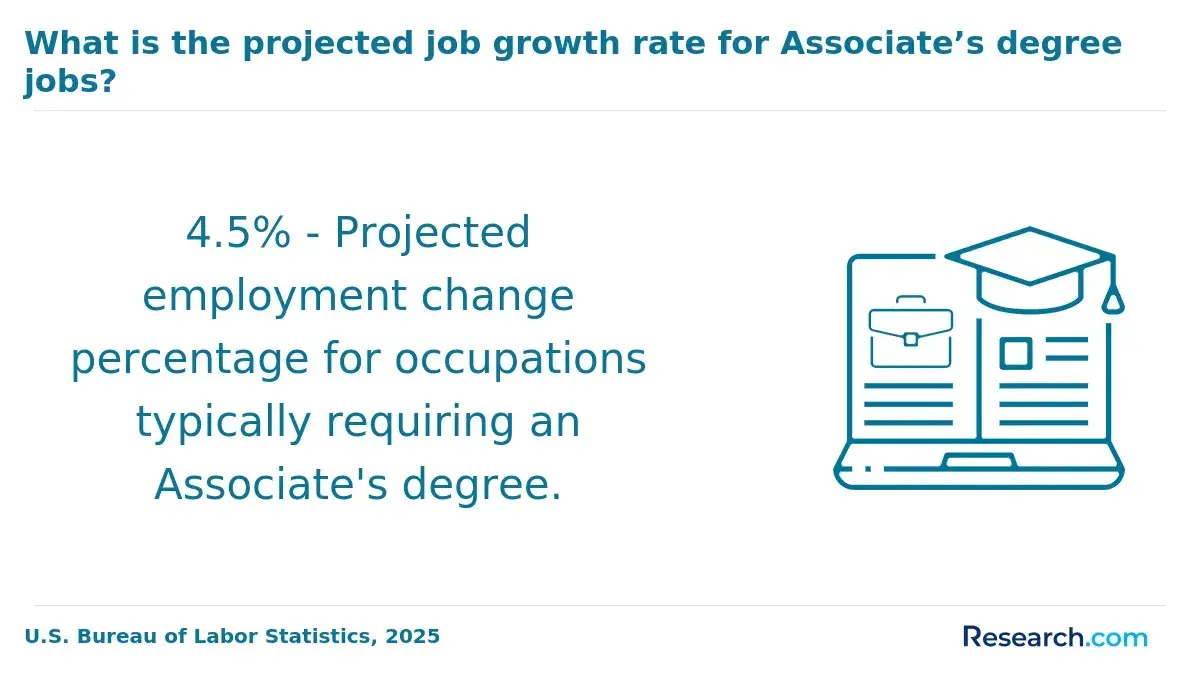
Job availability and salaries for sports science degree graduates depend heavily on a state's industry makeup. States with robust health care systems, professional sports teams, wellness centers, and research facilities tend to offer more positions and better pay. In areas lacking these sectors, opportunities shrink, and wages often fall below the national average. According to the U.S. Bureau of Labor Statistics, wage differences for sports and fitness occupations can reach up to 25% between the highest- and lowest-paying states, reflecting this uneven industry presence.
Economic conditions and industry diversity further shape employment prospects for sports science graduates. Regions with a varied economic base and high employer concentration in fields like physical therapy and sports management usually provide a more stable job market.
For example, states like California and New York benefit from large metropolitan areas and extensive sports infrastructure, which support higher demand and increased compensation. Conversely, states such as West Virginia and Mississippi, with less economic diversification and fewer large industry hubs, often struggle to offer consistent jobs and competitive wages in this field.
Cost of living plays a crucial role in determining sports science salaries across various states, influencing how competitive wages are structured to meet local economic realities. Employers frequently adjust compensation to reflect higher housing, transportation, and daily costs, ensuring employees maintain purchasing power. Research indicates salaries in high-cost areas may be 20-30% higher than in more affordable locations for similar roles in health and fitness-related sectors.
Several factors explain how cost of living impacts sports science salaries, including:
- Salary Adjustments: Compensation is often increased in expensive regions to offset elevated expenses such as housing and utilities, helping employers attract and retain qualified professionals.
- Purchasing Power: Differences in local living costs directly affect how far a salary stretches, meaning higher nominal wages in pricey areas can equate to similar or lower real income than in affordable states.
- Base Pay Variations: States with greater living costs generally require higher base salaries for both entry-level and experienced sports science workers to meet financial demands.
- Regional Cost Factors: Employers consider local taxes and transportation expenses when crafting total compensation packages, which vary widely by geography.
- Market Wage Dynamics: Competition for skilled personnel in high-cost areas often drives divergent salary growth patterns compared to low-cost states, impacting long-term earnings potential.
Remote work increasingly offers sports science graduates in low-demand states a valuable tool to overcome geographic barriers that traditionally limited their job options. Many sports science roles once tied closely to physical presence, such as athletic training and facility management, are now supplemented by remote opportunities in areas like exercise physiology consulting and sports analytics.
According to a 2023 U.S. Bureau of Labor Statistics report, about 27% of professional and technical positions include remote flexibility, enabling job seekers to connect with employers beyond their immediate regions. This broadened access means graduates can pursue roles in markets with stronger demand and better pay, altering how location influences employment chances while benefiting those facing limited local openings related to remote work opportunities for sports science graduates in low-demand states.
Despite these advances, state-level variations in industry presence continue to affect the overall availability of positions. Remote work tends to complement rather than replace in-person roles, shifting rather than eliminating the geographic dynamics of the field. It adds a layer of flexibility that helps graduates navigate regional disparities without fully detaching them from areas with stronger sports science sectors.
In this evolving landscape, embracing remote options is a pragmatic approach for addressing how remote careers impact sports science jobs in the worst states and improving professional prospects. For those interested in diversifying their career options within related health fields, exploring recognized dietetics programs may also offer complementary pathways to enhance employability.
A weak job market for sports science degree graduates often means fewer job openings, slower hiring, and increased competition, especially for entry-level positions. Certain regions experience unemployment rates for recent graduates that are about 2% higher than the national average, along with ongoing hiring slowdowns in areas like sports performance, athletic training, and rehabilitation. These challenges create significant barriers for those seeking to start or grow their careers.
To overcome these difficulties, the following strategies can help graduates improve their prospects despite a less favorable environment.
- Enhance Qualifications: Pursuing relevant certifications or advanced education increases employability beyond a basic degree, helping graduates stand out in a crowded market and gain specialized skills that employers value.
- Expand Networks: Building connections within the sports science community through mentors, alumni, and professional organizations uncovers hidden job openings and offers essential career advice that can open doors in difficult markets.
- Develop Transferable Skills: Strengthening abilities such as data analysis, coaching techniques, or rehabilitation methods broadens opportunities, allowing graduates to pivot into related fields or multidisciplinary roles that may be more in demand.
- Gain Practical Experience: Internships, volunteer work, and part-time jobs build a strong resume and demonstrate commitment to potential employers, which is particularly valuable when competition is high and entry-level roles are scarce.
- Maintain Flexibility: Being open to various job settings and emerging roles in sports science can provide growth avenues that traditional paths might not offer, helping graduates adapt to regional economic fluctuations.
For those also interested in nursing education options, exploring the easiest online RN to BSN programs can provide additional career resilience. These approaches represent some of the best strategies for sports science graduates in low-demand states to navigate challenges and overcome career barriers.
Location plays a critical role in shaping career prospects for Sports Science graduates, influencing salary potential, job availability, and advancement opportunities. Demand for roles like exercise physiology can differ by over 25% depending on the region, highlighting geographic disparities in employment conditions. Recognizing these differences can guide better decision-making for career placement.
Key factors to consider when choosing a location for a Sports Science career include:
- Industry Concentration: Areas densely populated with sports organizations, universities, and rehabilitation centers generally provide a stronger job market and more networking opportunities for graduates.
- Salary Conditions: Regions offering higher wages often reflect robust investment in sports science fields, supporting sustainable financial growth throughout one's career.
- Opportunity Availability: The range and number of roles available-from clinical practice to performance analytics-affect the diversity of career paths and potential for advancement.
- Long-Term Career Alignment: Locations with active innovation and funding in sports medicine and science foster ongoing professional development and future-proof employment.
What Graduates Say About the Worst States for Sports Science Degree Graduates
- Westin: "Graduating with a sports science degree in a state with limited job opportunities was tough. I quickly realized that staying put meant facing fierce competition for a handful of roles, which made me seriously consider relocating. Moving to a state with a stronger demand for sports science professionals completely transformed my career outlook and personal growth."
- Peter: "Reflecting on my early days, it was clear that working in a state where sports science isn't highly valued presented constant obstacles. I learned that exploring remote opportunities can be a smart strategy to bypass geographic limitations while still gaining valuable experience. My degree opened doors, but adapting to the market's realities was equally important."
- Andrew: "With a sports science degree, I knew the impact it could have on my career, but staying in a low-demand state was holding me back professionally. Choosing to relocate to a region with robust industry growth allowed me to leverage my education fully and build meaningful connections. It was a strategic move that underscored how critical location is for future success."
Other Things You Should Know About Sports Science Degrees
States that regulate clinical exercise roles through physical therapy or allied health boards require a separate license, often for exercise physiologist or strength-and-conditioning work in hospitals. In 2027, employers in licensure states such as Louisiana and New Jersey often require CPR certification plus supervised practice hours before hiring.
In 2027, states with lower pay and weaker demand, such as Mississippi and West Virginia, often present limited career advancement opportunities for sports science graduates. Graduates may find fewer local professional development programs and industry events essential for growth.
Networking opportunities are often less abundant in states with weaker demand and smaller industry presence. This limits graduates' access to mentorship, internships, and professional connections critical for career advancement. Without a strong local professional community, sports science graduates might struggle to find collaborative projects or job leads.
- These states are America’s worst for quality of life in 2025 https://www.cnbc.com/2025/07/14/americas-worst-places-quality-of-life-top-states-for-business.html
- Navigating the Job Market in Sports Science - Supporting Champions https://www.supportingchampions.co.uk/navigating-the-job-market-in-sports-science/
- Join our team https://www.scienceforsport.com/join-our-team/
- The 10 best and 10 worst states for finding a job right now https://www.businessinsider.com/best-worst-states-for-jobs-2025
- Is Sport Science Degree Worth It? Jobs & Salary Outlook https://ftp.bills.com.au/lunar-tips/is-sport-science-degree-worth-it-jobs-and-salary-outlook-1767648988
- Best & Worst States for Sports Fans Unveiled https://usawire.com/best-and-worst-states-for-sports-fans/
- Overcome Challenges When Pivoting Career in the Sports Industry https://aists.org/overcoming-challenges-when-pivoting-your-career-towards-the-sports-industry/
- Best & Worst States for Jobs in 2025 https://wallethub.com/edu/best-states-for-jobs/35641
- An Analysis of Employment Issues for Sports Science Graduates https://www.academia.edu/120704703/An_Analysis_of_Employment_Issues_for_Sports_Science_Graduates
- The Current State of the Sport Science Field and Careers – Integration, Data, and Professional Pathways https://www.nsca.com/education/articles/nsca-coach/sport-science-field-and-careers/