2027 How Much Does an Addiction Counseling Degree Program Cost? Tuition, Fees & Total Expense Breakdown

Co-Founder and Chief Data Scientist
Estimating the true cost of an addiction counseling degree program can be challenging due to rising tuition and hidden fees. Recent data shows tuition rates for addiction counseling programs have increased by over 15% in the last five years, complicating budgeting for many students. Understanding these costs is essential to avoid unexpected financial burdens during your studies.
This article breaks down tuition, mandatory fees, and additional expenses associated with addiction counseling degrees. It aims to help students compare programs more effectively and plan their finances with confidence, ensuring they make informed decisions about their educational investments and future careers in counseling.
Key Benefits of Knowing the Addiction Counseling Degree Program Cost in 2026
- Understanding the total cost of an addiction counseling degree helps students budget accurately and plan for financial aid or scholarships effectively.
- Knowing detailed fees-tuition, materials, licensing exam costs-prevents unexpected expenses, essential for managing long-term educational investments.
- Cost breakdowns clarify the value of specific program components, allowing comparison across schools to select the best fit for career goals and financial capacity.
What Expenses Are Included in the Full Cost of a Addiction Counseling Degree?
Accurately planning finances for an addiction counseling degree requires understanding all the components of its total expenses. The addiction counseling degree total expenses 2026 encompass various costs beyond just tuition, which can vary widely between institutions and residency status.
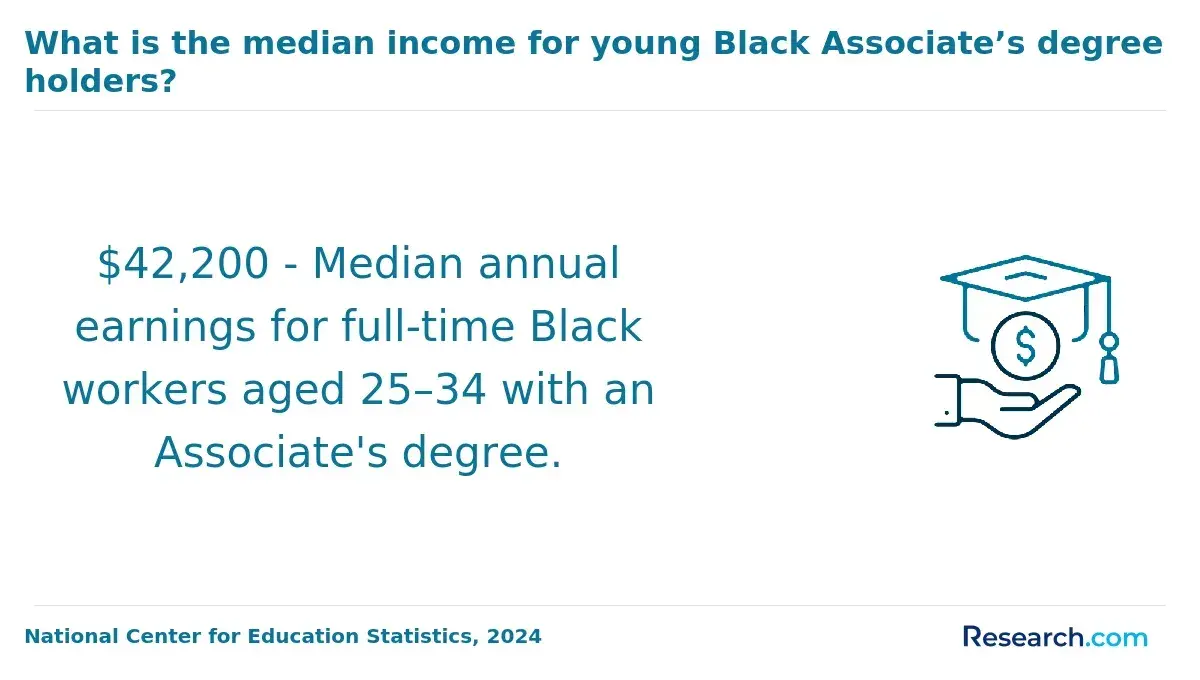
- Tuition: This is usually the largest expense, differing significantly between public and private schools. According to the National Center for Education Statistics, average tuition and fees for health-related associate degrees range from about $3,500 at community colleges to over $15,000 annually at private institutions.
- Mandatory fees: These cover administrative services, technology access, and campus facilities. Fees typically add several hundred to a few thousand dollars per year, depending on the school and program.
- Books and supplies: Students should budget approximately $1,200 to $1,500 annually for textbooks, study guides, and materials specifically related to addiction counseling coursework.
- Technology requirements: Some programs require laptops with specialized software or learning management system access, potentially adding $500 or more in initial costs.
- Clinical or lab fees: Many addiction counseling programs include practicum or lab components, which may involve extra fees for supervision, liability insurance, or site-specific materials.
- Living expenses: For full-time, on-campus students, housing, food, transportation, and personal costs can add $12,000 to $20,000 annually, depending on location and lifestyle choices.
Prospective students should consider these categories for a comprehensive cost breakdown of addiction counseling programs. For those exploring timeframe options, the best 6 month associate online degree pathways may also influence overall expenses and budgeting decisions.
What Is the Average Total Cost of a Addiction Counseling Degree Program in 2026?
The average total cost of an addiction counseling degree program in 2026 ranges between $18,000 and $52,000, depending on multiple factors. This total cost reflects tuition, fees, books, supplies, clinical practicum expenses, and licensing exam preparation.
Understanding these components is essential for prospective students who need to plan their academic and financial future carefully. Tuition and fees alone typically vary from $15,000 to $50,000, with public universities offering lower rates for in-state students compared to private institutions.
Online and hybrid program formats can sometimes reduce costs, although fees vary widely.
When considering tuition and fees for addiction counseling programs in 2026, regional and institutional differences also play a significant role. Programs on the Northeast and West Coast often carry higher price tags than those in the Midwest or South.
Additional costs, such as background checks and practicum fees, add $3,000 to $7,000 to the overall expense. For students weighing their options, it may be helpful to compare programs with similar fields, including the easiest PhD to get online, to find the best balance of cost and flexibility.
- Total program costs: $18,000-$52,000
- Public in-state tuition: $15,000-$25,000
- Private institution tuition: $40,000-$50,000
- Additional fees/supplies: $3,000-$7,000
What Mandatory Fees Do Schools Charge for a Addiction Counseling Program in 2026?
Mandatory fees are separate charges from tuition that cover essential services and resources supporting students' education. These fees help maintain facilities, technology, and support systems crucial for the success of addiction counseling degree programs.
Below is a breakdown of common mandatory fees for addiction counseling programs in 2026, outlining their purpose and typical cost ranges.
- Technology fees: These fees fund online learning platforms, software, and technological resources used in coursework, usually ranging from $100 to $300 per semester.
- Lab or clinical fees: Covering hands-on training and supervised counseling sessions, these fees often add $200 to $600 per term, reflecting the costs of practical experience required in the field.
- Student services fees: Supporting campus resources such as counseling centers, career services, and recreation facilities, these annual fees generally range between $150 and $400.
- Assessment or testing fees: Charged for certification tests or program evaluations, these fees can vary widely-from $50 up to several hundred dollars depending on the exam.
- Campus facilities fees: These fees contribute to maintenance and use of libraries, study spaces, and other campus infrastructure, typically adding $100 to $300 annually.
According to data from the National Center for Education Statistics (NCES), such mandatory fees for addiction counseling programs 2026 typically represent about 10% to 15% of a full-time student's total expense in health-related degree fields.
Prospective students should review their institution's fee breakdown carefully to budget accordingly. For those considering advanced studies, options like a PhD program without dissertation may offer different fee structures worth exploring.
Understanding the addiction counseling degree program fees breakdown 2026 will help students plan for all costs beyond tuition and manage their educational investments effectively.
Students pursuing an addiction counseling degree in 2026 should anticipate additional program-specific fees beyond basic tuition and university charges. These costs vary by institution but commonly arise from requirements essential to the major.
Common additional fees typically include the following:
- Lab or clinical practice fees: These support hands-on training and simulations necessary for developing counseling techniques and practical skills.
- Program-specific software costs: Fees cover licenses for case management, assessment, or other specialized software required throughout coursework.
- Licensing or certification preparation fees: Expenses related to study materials, workshops, or exam fees necessary for obtaining professional credentials, often ranging between $100 and $500.
- Required equipment or supplies: Costs for textbooks, evaluation tools, or electronic devices that may not be provided by the school.
- Fieldwork or practicum expenses: Charges for background checks, health screenings, liability insurance, and travel to supervised placements, which can add several hundred dollars to the total.
Recent data from 2024-2025 indicate that these additional fees generally total from $1,000 to $3,000 over the duration of the program. Accounting for these fees is important for a realistic assessment of overall program affordability.
Accurately estimating the cost of supplies and equipment is essential for budgeting the full expense of an addiction counseling program. These costs vary but generally represent an important portion of the overall financial commitment.
Below is an overview of common supplies and equipment typically required for addiction counseling students:
- Textbooks: Core textbooks and reference materials are necessary for coursework, usually costing between $100 and $300.
- Specialized Software: Some programs require subscriptions for case management or assessment tools, with fees commonly ranging from $50 to $150 per year.
- Professional Attire: Appropriate clothing for internships or practicum settings may be needed, with costs varying based on individual requirements.
- Background Checks and Health Screenings: Many institutions mandate these for clinical placements, typically costing between $50 and $150.
- Lab Kits or Protective Gear: Unlike science programs, addiction counseling rarely involves costly lab supplies or protective equipment.
Living, food, and travel expenses are key components of the total cost of attendance for students pursuing an addiction counseling degree. These costs fluctuate based on geographic location and individual lifestyle choices, sometimes matching or exceeding tuition fees.
Below is an overview of common expense categories students should consider when budgeting:
- Housing: Monthly rent varies widely, typically between $700 and $1,500 in urban areas where many programs are located, while suburban or rural housing tends to be more affordable but may increase travel-related costs.
- Utilities: Essential services such as electricity, water, and internet can add several hundred dollars monthly, depending on housing type and usage.
- Groceries and Dining: Annual food expenses usually average around $3,300, with savings possible through home cooking instead of frequent dining out.
- Local Transportation: Costs for commuting include parking fees, public transit passes, or fuel, often ranging from $50 to $200 per month depending on proximity to campus.
- Travel for Clinical Placements: Internships may require traveling significant distances to sites, increasing expenses for gas, transit, or occasional overnight stays.
When asked about managing these expenses, a student in an addiction counseling program reflected on her experience balancing finances. She noted the challenge of securing affordable housing close to campus, which often felt like a constant search. "I had to weigh the convenience against cost, sometimes settling for a longer commute to save money," she explained.
Preparing meals at home became a vital strategy, allowing her to cut back on food expenses and maintain a stable budget. Travel for practicum hours was unpredictable, with occasional last-minute trips requiring extra planning and funds. Despite this, she viewed these financial adjustments as part of the learning process, emphasizing that careful management of living, food, and travel expenses was crucial to completing her degree successfully.
Addiction counseling programs generally require students to complete internships or residencies as part of their training. These hands-on experiences are crucial for developing clinical skills and meeting licensure requirements. Typically, internships involve supervised hours in environments such as rehabilitation centers, hospitals, or community agencies.
Residencies may be more intensive, often demanding full-time commitment for a set duration. Because these components are commonly mandatory, they contribute significantly to the overall cost and duration of the program.
Additional expenses related to internships or residencies can include travel to off-site locations, temporary housing, professional liability insurance, and specialized equipment or uniforms needed for certain settings. Costs for travel and lodging vary widely, sometimes reaching several thousand dollars annually.
According to industry estimates, students should prepare for potential expenses ranging from $1,000 to $3,000. Early communication with prospective schools is advisable to clarify these costs and identify available financial support, enabling students to develop a comprehensive budget for completing their addiction counseling education.
Most addiction counseling programs permit students to switch between part-time and full-time enrollment, although this is managed through defined institutional policies. Typically, students need approval from academic advisors or program coordinators and must be in good academic standing to make such changes.
Before switching, students should weigh important factors such as how the change might affect their course load, financial aid eligibility, and the timing of their graduation. For example, dropping to part-time status could reduce access to certain federal aid, while shifting to full-time could speed up program completion but require a larger time commitment.
Additionally, course availability each term may influence the feasibility of switching enrollment status.
Common requirements for changing enrollment include attending advising sessions to review academic progress and plans, maintaining satisfactory grades, and understanding how loans or aid might be impacted.
Some programs only offer core addiction counseling courses at specific intervals, which could delay graduation if students switch enrollment mid-program. An extension of the expected time to graduate is often a consideration when adjusting from full-time to part-time study.
A graduate I spoke with shared his experience transitioning from part-time to full-time enrollment during his addiction counseling program. He recalled feeling both nervous and hopeful about increasing his course load, knowing it would demand more focus but also accelerate his path to credentialing.
"Switching wasn't easy," he said, "but having strong advisor support and clear scheduling helped me manage the shift without falling behind." He emphasized that the change allowed him to fully immerse himself in studies and clinical experiences, ultimately benefiting his confidence and career readiness.
Financial planning is essential when choosing between full-time and part-time enrollment in addiction counseling degree programs because the cost structure varies significantly. Evaluating these differences helps prospective students manage tuition, fees, and living expenses effectively.
Below is a structured comparison outlining key expense categories for each enrollment type.
Full-time addiction counseling degree cost 2026
- Tuition per credit: Full-time students typically pay between $300 to $600 per credit hour, depending on the institution, which is comparable to part-time rates but concentrated over fewer semesters.
- Total program cost: The accelerated two-year duration results in higher immediate tuition costs but a potentially lower overall financial burden when factoring in total fees and supplies paid over time.
- Mandatory fees and supplies: Full-time learners incur more semester-based fees, including lab fees and course materials, due to heavier credit loads each term.
- Living and travel expenses: Upfront housing and commuting costs tend to be higher, but completing the program faster may reduce long-term expenditures.
Part-time addiction counseling program expenses 2026
- Tuition per credit: Part-time tuition rates per credit hour align closely with full-time, but costs are spread across a longer timeline, potentially easing immediate financial stress.
- Total program cost: Extended program duration beyond three years can increase cumulative costs of fees, supplies, and commuting despite lower semester expenses.
- Mandatory fees and supplies: Fees and materials are lower each term due to lighter course loads but accumulate over more semesters, impacting total cost.
- Living and travel expenses: Part-time students often balance study with work, which maintains income flow but may lead to prolonged travel and housing expenses over time.
Program duration, credit load, and scheduling are key factors influencing whether full-time or part-time enrollment is more cost-effective for individual students. For those researching options, investigating non profit regionally accredited online colleges can offer pathways suited to both enrollment styles with varied financial implications.
What Graduates Say About the Cost of Their Addiction Counseling Degree
- Levi: "Pursuing an addiction counseling degree was initially daunting because of the cost, but I found that careful budgeting and part-time work helped me manage living expenses much better than I expected. The program's quality outweighed the financial burden, and now that I'm working, the return on investment feels very rewarding both professionally and personally."
- Ahmed: "The financial commitment to an addiction counseling program was significant, especially with tuition and everyday expenses. However, the learning experience was rich and practical, making it easier to justify the investment. Looking back, the degree opened doors to stable employment opportunities that definitely make the cost worth it."
- Christopher: "Although the cost of attending an addiction counseling degree program was higher than I anticipated, I appreciated the flexibility in managing expenses through scholarships and part-time jobs. The knowledge I gained and the career advancement possibilities have made the investment absolutely worthwhile, reflecting a strong return on every dollar spent."
Other Things You Should Know About Addiction Counseling Degrees
Students pursuing addiction counseling degrees in 2027 can access financial aid such as federal grants, scholarships specific to counseling, and work-study programs. Eligibility criteria vary, but FAFSA applications and specific scholarship portals are essential steps for securing applicable aid.
Credit hour requirements significantly impact the total cost; most programs demand 60-90 credit hours in 2027. With average per-credit fees ranging from $200 to $600, students should calculate the total expense based on the specific credit hour needs of their chosen institution.
State residency status can significantly influence tuition rates for addiction counseling programs, especially at public institutions. In-state residents generally benefit from reduced tuition compared to out-of-state students. Prospective students should verify residency status policies since some schools have specific guidelines for qualifying as in-state to access lower rates.
Accredited addiction counseling programs typically charge higher tuition due to the quality assurance and resources associated with accreditation. However, graduates from accredited programs have better licensure and employment prospects. Non-accredited programs may be cheaper but can limit career opportunities, making accreditation a critical factor beyond just cost.
- Addictions Counseling https://www.monroecc.edu/academics/majors-programs/community-engagement/addictions-counseling-certificate/
- Are Virtual Addiction Recovery Programs Effective? - Project Courage https://projectcourageworks.com/are-virtual-addiction-recovery-programs-effective/
- Addiction Studies: Comparing Online Vs. In-Person Programs https://sobercollege.com/addiction-blog/addiction-studies-comparing-online-vs-in-person-programs/
- 50 Best Master's Degree Programs in Addiction Counseling https://addiction-counselor.org/degrees/masters/
- 2026 Most Affordable Online Counseling Degrees https://www.counselingdegreesonline.org/most-affordable-online-counseling-degrees
- Tuition and Fees | Graduate School https://www.hazeldenbettyford.org/graduate-school-addiction-studies/admissions/tuition-fees
- Online degree in Addiction Counseling | Washburn University https://www.washburn.edu/academics/college-schools/applied-studies/departments/human-services/bas-hs-ao.html
- Online Degree vs. Traditional: Choosing the Right Path https://beal.edu/online-degree-vs-traditional/
- Addiction Counseling Studies Certificate https://www.cerrocoso.edu/academics/programs/coa/addiction-counseling-studies-certificate.html