
2027 Credit Requirements for an Addiction Counseling Degree Explained

Co-Founder and Chief Data Scientist
Many aspiring addiction counselors struggle to navigate the complex credit requirements needed to complete their degree on time. With over 15% of students changing programs or dropping out due to unmet credit transfers, understanding these academic standards is crucial. The demand for qualified addiction counselors is projected to grow 23% by 2030, emphasizing the need for timely degree completion to enter this critical workforce.
This article explains the typical credit requirements, transfer policies, and academic planning strategies for addiction counseling degrees, helping students avoid common pitfalls and graduate efficiently to meet workforce needs.
Key Things to Know About Credit Requirements for Addiction Counseling Degrees
- Addiction counseling degree programs typically require a substantial number of credits over multiple years, reflecting comprehensive training in behavioral health, ethics, and clinical practice.
- Transfer credits or prior learning assessments can reduce total coursework, accelerating degree completion and lowering educational costs for experienced or previously enrolled students.
- Credit structure influences academic pacing, informing part-time or full-time enrollment options that affect graduation timelines and overall financial investment in the degree.
How Many Credits Are Required for a Addiction Counseling Degree?
Knowing the credits needed for addiction counseling degree programs is essential for effective academic planning and estimating time to degree completion. This understanding supports students in managing course loads, meeting prerequisites, and aligning their education with certification or licensure requirements. Below is an outline of typical credit requirements by degree level to guide prospective students through addiction counseling degree credit requirements.
- Undergraduate programs: These typically require approximately 60 to 120 credits, combining general education courses such as English, psychology, and communications with core addiction counseling coursework. The curriculum generally covers foundational counseling techniques, substance abuse theories, and ethics to prepare students for entry-level roles.
- Graduate programs: Master's degree programs usually require between 30 and 60 credits, focusing on advanced counseling methods, clinical practice, and research. These programs often include supervised fieldwork or internships to deepen specialization in addiction treatment and support professional certification.
Careful attention to addiction counseling degree credit requirements helps students plan their academic trajectory and understand workload commitments. For those interested in the broader landscape of online academic programs, exploring options such as the artificial intelligence degree online can provide insight into flexible study pathways and credit structures across diverse fields.
How Many Core and Elective Credits Are Required for a Addiction Counseling Degree?
Effective academic planning and career preparation in addiction counseling degrees depend heavily on recognizing how core and elective credits are distributed. This balance shapes the depth of foundational knowledge and the opportunity to build specialized skills. Recent trends show a growing student interest in electives focused on mental health and dual diagnosis, reflecting the evolving demands in addiction counseling professions.
Here is a typical breakdown of credit allocation in addiction counseling programs:
- Core courses: These usually constitute about 60 to 75 percent of the total credit requirements, which typically range from 30 to 45 credits. Core credit requirements for addiction counseling degrees focus on essential topics such as counseling theories, substance abuse treatment methods, psychology, and ethical practices. This segment equips students with the fundamental knowledge and skills necessary for clinical practice and effective client support.
- Elective courses: Electives generally account for the remaining 15 to 40 percent, often totaling 10 to 20 credits. The elective course distribution in addiction counseling programs allows students to tailor their education by exploring specialized areas like trauma-informed care, family dynamics, or co-occurring disorders. These courses enhance professional versatility and enable students to address diverse client needs and emerging issues in the field.
Exploring options such as CACREP accredited online masters counseling programs can also support flexible and affordable pathways for completing these credit requirements efficiently.
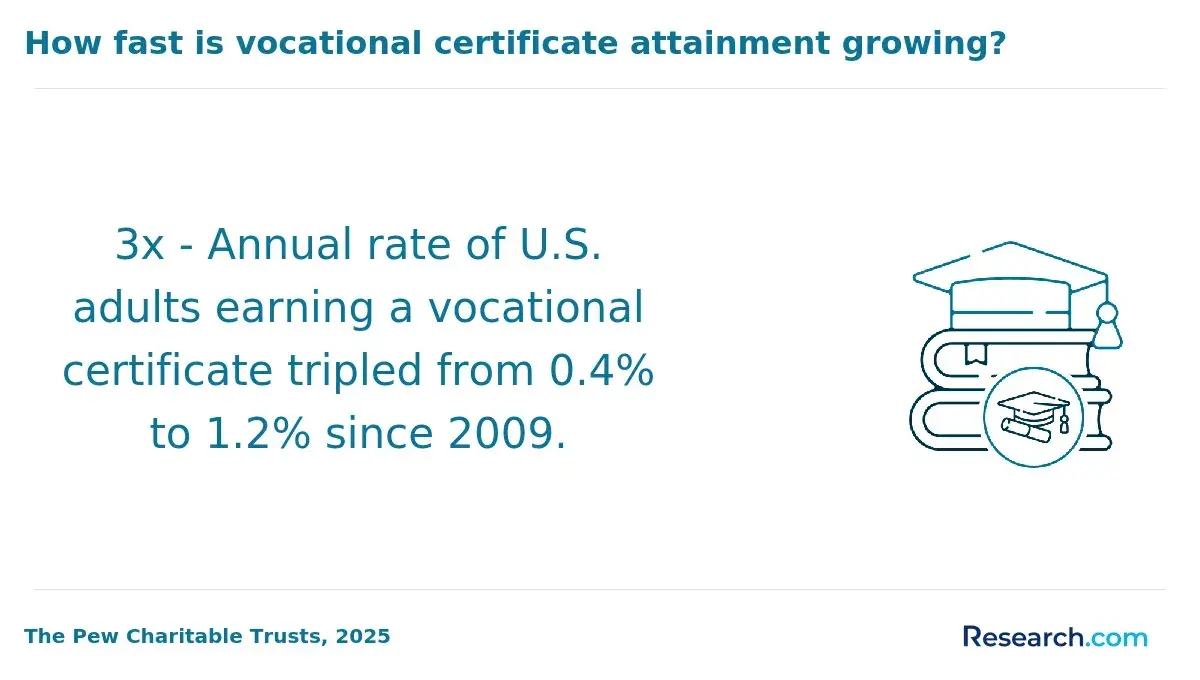
Do Online Addiction Counseling Programs Require the Same Number of Credits?
Knowing how credit requirements compare between online and traditional addiction counseling programs plays a key role in planning your education and evaluating your options effectively. This helps ensure students can anticipate program length and structure regardless of delivery method. Recent data reveals that online addiction counseling completions are growing at roughly 20% annually, underlining the increasing acceptance of online paths in this field.
Key points to consider include:
- Credit Expectations: Most programs require between 60 and 120 semester credits, aligning with the standards of on-campus degrees to guarantee comparable education quality and licensure eligibility.
- Course Structure and Pacing: Online programs typically offer more flexibility, allowing students to progress at their own speed, though credit workload generally matches traditional formats.
- Workload Consistency: Despite varied delivery, the amount of work needed to earn credits usually meets the same rigorous criteria necessary for accreditation and professional readiness.
- Graduation and Career Alignment: Understanding credit totals helps with estimating program duration and ensures that courses meet the requirements necessary for certification and career advancement.
I spoke with a graduate of an online addiction counseling degree who shared his experience navigating the credit requirements. He described balancing coursework with work and family responsibilities as challenging but rewarding.
The flexibility of online study allowed him to meet credit demands without compromising quality, stating, "Having control over my pace made it feasible to stay on track with credits while managing other parts of my life." He emphasized that the credits earned through his online program fully equipped him for licensure and felt no different than those from in-person study.
Knowing the credit requirements for accelerated addiction counseling programs helps students plan effectively to finish their degrees faster without compromising quality. Careful attention to these requirements ensures a smoother academic journey and timely graduation. Below are key aspects to consider about credit loads and program structure.
- Typical Credit Ranges: Accelerated undergraduate addiction counseling programs often demand between 60 and 90 credits, focusing on fundamental theories and basic counseling skills. Graduate-level programs generally require 30 to 48 credits, emphasizing advanced clinical practice, research, and specialized knowledge.
- Core Courses versus Electives: Most programs dedicate the bulk of credits to essential courses such as substance abuse treatment, counseling ethics, and intervention strategies. Electives, which usually make up about 10-20% of the total credits, enable students to tailor their studies to specific interests or career goals.
- Impact of Accelerated Pacing: The condensed format requires students to handle heavier course loads each term with shorter breaks between sessions. This rigorous schedule demands excellent time management skills but allows for a quicker transition into professional roles.
- Transfer Credit Options: Many accelerated programs permit transferring previously earned credits from relevant coursework or certifications. Utilizing transfer credits can lower total credit requirements, helping students reduce time and costs involved in completing their degree.
Knowing transfer credit policies can help students pursuing an addiction counseling degree save time and money by streamlining their academic journey. Nearly 40% of students in bachelor's addiction counseling programs begin as transfer students, emphasizing the need to navigate credit acceptance carefully. Below is an overview of how many credits transfer at different degree levels and how they typically apply.
- Associate degrees: These programs usually accept about 50-60% of total credits from accredited institutions. Transferred credits often fulfill general education or elective requirements, while core addiction counseling classes must be completed on campus.
- Bachelor's degrees: Students can often transfer 60-75% of credits toward their degree. However, core counseling courses are generally excluded, requiring students to complete these classes at their degree-awarding college to meet accreditation standards.
- Master's and professional degrees: These graduate programs tend to have stricter limits, accepting roughly 30-50% of transfer credits. Credits typically apply to electives or prerequisite coursework, but advanced clinical classes often need to be completed within the program itself.
- Doctoral programs: Due to the emphasis on original research and comprehensive mastery, fewer credits-often under 30%-may be transferred. Doctoral studies usually demand core coursework and dissertation work to be done entirely at the institution granting the degree.
- Accelerated programs: Designed for fast completion, these programs are the least flexible, generally accepting minimal transfer credits below 30%. Students must meet most core requirements in residence to maintain program integrity and accreditation.
When I spoke with a recent graduate of an addiction counseling degree, she shared how navigating transfer credits felt overwhelming at first. "I had to carefully compare course descriptions and talk to advisors to ensure my previous credits would count," she explained. The process involved patience and persistence, but ultimately, transferring credits saved her valuable time.
She noted that while some credits transferred smoothly as electives, core courses required retaking, which was frustrating but necessary to meet licensure standards. Her experience reinforced that understanding policies early can make a significant difference.
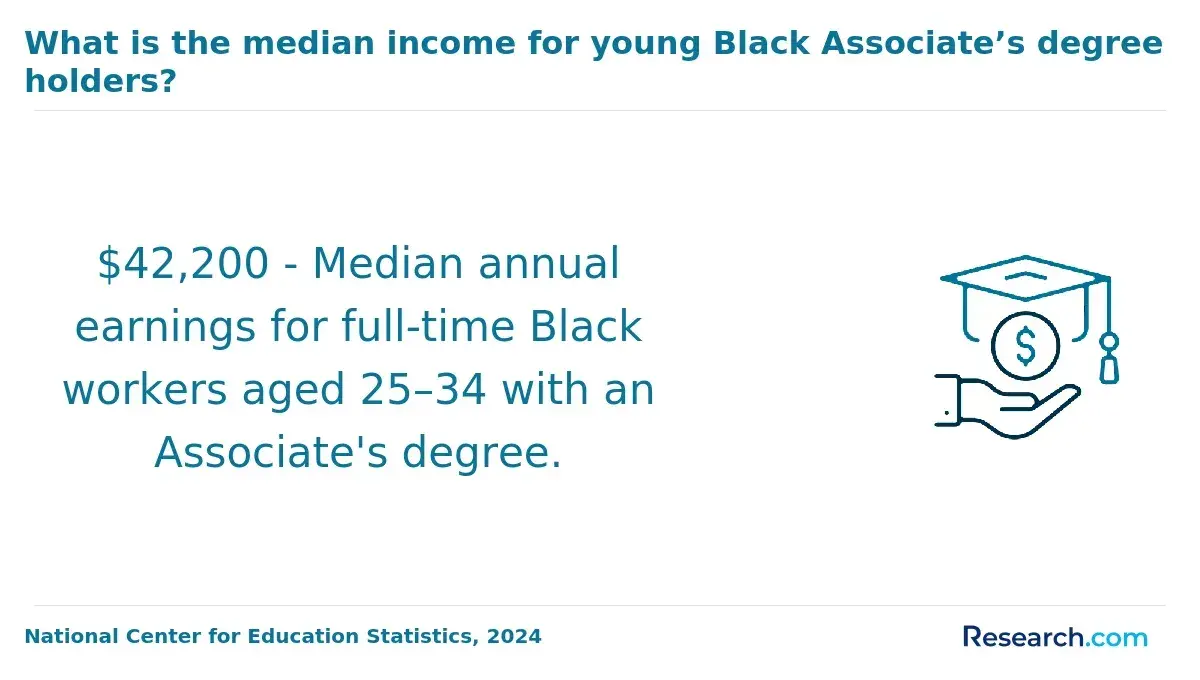
Prior learning assessment (PLA) allows students to earn academic credits by demonstrating knowledge and skills gained through relevant professional experience, especially in addiction counseling. Work experience eligible for credit typically involves roles closely related to the field, helping students reduce coursework by validating real-world competencies. Below are common examples of qualifying experience and key aspects of the evaluation process.
- Substance Abuse Counselor Assistant: This role often provides foundational experience that can be documented through detailed job descriptions and supervisor evaluations. Universities require strong evidence to confirm that the work aligns with curriculum objectives.
- Case Manager in Behavioral Health: Experience managing client care plans and coordinating treatment services may qualify for credit, provided the student submits portfolios or passes proficiency exams. Institutions commonly limit credits earned via PLA to about 25%-30% of total degree requirements to maintain academic rigor.
- Clinical Support Roles in Addiction Treatment: Support positions within treatment centers must demonstrate skills equivalent to academic courses. The credit-for-work-experience pathway encourages students to leverage relevant fields, accelerating time-to-degree and reducing tuition costs.
Using prior work experience to earn addiction counseling degree credits can significantly benefit both campus-based and online learners. However, students should verify institutional policies carefully and prepare thorough documentation to avoid delays. For those exploring counseling degrees broadly, examining MFT programs may also provide valuable options.
Licensure credit hour requirements for addiction counseling degrees significantly influence the total number of credits students must complete. Licensing boards usually mandate a combination of classroom instruction and supervised clinical hours to ensure graduates are equipped for professional practice.
These requirements often mean that degree programs must include courses on counseling techniques, substance abuse treatment, ethics, and psychology, along with a minimum number of practicum or internship hours.
Since these clinical elements are essential for licensure, they frequently increase the time-to-degree and tuition costs compared to programs focused solely on academic coursework. Aligning degree credits with these standards helps streamline graduates' transition into licensed professionals but can also extend study duration and impact academic planning.
The impact of licensure on addiction counseling degree credits can also vary by state or specific licensing board, requiring students to carefully review local regulations to ensure eligibility. Both online and campus-based addiction counseling programs must meet these accreditation and licensure criteria, although online degrees may offer more flexible pacing.
Practical requirements such as in-person clinical placements remain necessary regardless of delivery format. Those considering options for flexibility and cost-effectiveness might explore an affordable online bachelor's degree program that aligns with licensure demands.
Overall, understanding how licensure credit hour requirements for addiction counseling degrees interact with program design is crucial for students to efficiently plan their academic path and avoid unexpected extensions in their studies.
A credit hour measures the amount of instructional time a student completes, typically representing one hour of classroom or lecture time per week during a 15-week semester. Understanding credit calculations matters for students planning a addiction counseling degree because it helps organize course loads and estimate the time needed to complete the program efficiently.
- Lecture courses: These usually provide one credit per hour of weekly instruction. For example, a typical 3-credit lecture course meets about three hours weekly for one term, directly contributing to the degree credit total.
- Lab and clinical hours: These often require more hours per credit. Two to three hours of lab or practicum work may equal one credit, reflecting the hands-on experience critical to addiction counseling education.
- Practicums: Practicum requirements vary but often involve 100+ hours of supervised practice that convert to 3-6 credits depending on institutional rules, providing essential real-world training for students.
- Capstone or project-based courses: Credits for these depend on workload and faculty assessment, varying by program and designed to synthesize learning in an applied context.
Credit hour requirements for addiction counseling degree programs differ between undergraduate and graduate levels, with graduate courses typically having fewer credits but more intensive expectations. Online and on-campus formats may vary slightly; however, accredited programs strive for standardization.
University credit calculation for addiction counseling programs aligns with national standards to ensure quality and facilitate credit transfers. This framework helps students pursuing online college programs or traditional routes navigate their educational paths effectively.
Total credit requirements dictate how long it takes to finish an addiction counseling degree program, with most programs ranging from 60 to 120 credits depending on the degree level. Knowing the total credits needed helps students realistically map out their path to graduation. Several key elements impact the timeframe for completion, as outlined below:
- Core credits: These foundational courses form the bulk of the curriculum and must be completed to satisfy accreditation. Delays or failures in these classes can significantly push back graduation dates.
- Electives: While electives offer flexibility to tailor learning, taking too many or unrelated electives may prolong study time, especially if credit loads are spread thin across terms.
- Transfer credits: Applying previously earned credits can reduce the overall required credits, speeding up the route to degree completion for both online and campus students.
- Accelerated formats: Programs that provide intensive or accelerated course options allow faster progression through the curriculum, helping students graduate sooner if they can handle a brisk pace.
- Prior learning assessment: Some schools recognize professional experience or certifications as credit, potentially trimming the coursework needed and shortening the time needed to graduate.
Online addiction counseling degrees typically offer more adaptable schedules, enabling many to graduate more quickly by balancing studies with work or life commitments. In contrast, on-campus programs often follow fixed semesters, which can limit flexibility and extend time to completion depending on course availability. Strategically managing these credit-related factors can make a substantial difference in achieving timely graduation.
Additional academic credits can sometimes support career progression, enhance leadership opportunities, and increase eligibility for specialized or higher-paying roles within addiction counseling fields. However, their impact varies depending on the alignment of those credits with professional goals and industry requirements.
- Advanced concentrations: Pursuing extra coursework in areas like trauma-informed care or family therapy can deepen expertise, making candidates more competitive for niche positions.
- Licensure preparation: Credits earned toward meeting state or credentialing body requirements are often essential for advancing to licensed counselor roles with better salary potential.
- Technical skill development: Specialized classes can build competencies valued by employers, leading to enhanced job responsibilities and compensation.
- Unfocused credit accumulation: Taking additional credits without a clear career objective rarely results in noticeable salary improvements.
- Basic degree completion: Employers typically prioritize meeting minimum degree qualifications over extra credits when evaluating candidates.
- Experience over credits: Practical skills, supervised clinical hours, and relevant certifications often outweigh merely increasing credit counts for promotions and raises.
Labor market data suggests that while graduate degrees and targeted training correlate with higher earnings, simply amassing extra credits without strategic purpose has limited benefit. Employers generally seek demonstrated professional competence alongside academic credentials, especially for leadership or supervisory positions.
It is also important to distinguish between academic credit hours needed for degree completion and professional requirements like supervised clinical practice or continuing education, which carry significant weight in addiction counseling career advancement.
What Graduates Say About The Credit Requirements for Their Addiction Counseling Degree
- Rhea: "As a professional in addiction counseling, the opportunity to earn additional credits through an online format was invaluable. The credit costs were reasonable, especially compared to on-campus tuition, and the program's structure allowed me to integrate learning with my career seamlessly. These extra credits have strengthened my credentials and increased my clients' trust in my expertise."
- Raman: "Reflecting on my experience, the addiction counseling degree program offered both cost-effective credit options and the ability to tailor my coursework online, which was crucial for balancing family commitments. The moderate credit costs relieved financial pressure, and the extra credits I pursued enhanced my knowledge, deeply impacting the quality of support I provide clients."
- Levi: "The online addiction counseling degree program's flexibility allowed me to complete additional credits at my own pace without compromising my work schedule. The cost per credit was surprisingly affordable compared to traditional programs, making it easier to invest in my education without financial strain. Earning those extra credits truly expanded my expertise and opened doors for advanced positions in my field."
Other Things You Should Know About Addiction Counseling Degrees
Most associate and bachelor’s addiction counseling programs require about 60 to 120 semester credits. A two-year associate degree is often 60 credits, while a bachelor’s degree usually ranges from 120 to 128 credits, including counseling, psychology, and general education coursework.
Prerequisites can influence the total credits needed for an addiction counseling degree. They might extend the timeline if not accounted for in your initial plan. Typically, these courses are foundational and mandatory, impacting your study schedule and overall credit load. Checking specific program prerequisites is crucial.
Yes, some students may take credit overloads to accelerate their degree completion, provided their institution allows it. Additionally, approved course substitutions can help fulfill elective or core credit requirements if specific classes are unavailable. Both options require advisor approval to ensure they meet program standards and licensure eligibility.
- Undergraduate Addiction Counseling Degrees | Are they Necessary? - Addiction-Counselors.com https://www.addiction-counselors.com/education/undergraduate-addictions-counseling-education/
- Equivalency Certification https://www.accbc.org/catc/equivalency-certification/
- Addictions Counseling | Special Programs https://www.monroecc.edu/special-programs/addictions-counseling/
- Transfer Credits | Aspen University https://www.aspen.edu/transfer-credits/
- Online Substance Abuse Degree Concentration https://www.snhu.edu/online-degrees/bachelors/ba-in-human-services/substance-abuse
- An Addiction Counselor Salary: What To Expect https://sobercollege.com/addiction-blog/an-addiction-counselor-salary-what-to-expect/
- Addiction Counseling Online Degree Schools - Addiction Counselor Degree Programs https://beal.edu/programs/addiction-counseling/
- How Much Can You Make as an Addiction Counselor? https://www.hazeldenbettyford.org/graduate-school-addiction-studies/drug-alcohol-counselor-salary


