2027 Return on Investment (ROI) of an Addiction Counseling Degree Program

Co-Founder and Chief Data Scientist
Many prospective students face uncertainty when deciding whether an addiction counseling degree justifies its investment. For example, a working adult considering career change might worry about balancing tuition costs and time with future job stability. According to the U. S. Bureau of Labor Statistics, employment for substance abuse, behavioral disorder, and mental health counselors is projected to grow 22% from 2020 to 2030, much faster than average.
This article will explore the financial and career benefits of addiction counseling degrees, helping readers assess if the program's costs align with long-term professional and economic gains.
Key Things to Know About Addiction Counseling Degree ROI
- Graduates with an addiction counseling degree typically see a 15% higher earning potential compared to non-degree holders in similar social service roles.
- Career advancement is robust, with opportunities leading to licensing, supervisory roles, and specialized therapy fields increasing long-term income.
- Job stability is strong due to growing demand in healthcare, social services, and private sectors, with employment projected to grow 23% through 2032.
How Is ROI Calculated for a Addiction Counseling Degree Program?
Return on investment (ROI) in higher education measures the financial benefits a graduate gains compared to the costs and time invested in completing a degree. This metric helps students assess whether an addiction counseling degree program offers meaningful economic value relative to tuition, fees, and time commitment.
The key factors involved in calculating ROI for an addiction counseling degree program include:
- Tuition and Fees: These cover the direct expenses of the program, including tuition, books, and other educational materials. Understanding these costs is crucial to estimating the initial financial investment needed for the degree.
- Opportunity Cost: This represents the income a student foregoes by enrolling in the program instead of working full-time. Accounting for lost earnings during study time provides a clearer picture of total financial sacrifice.
- Time to Completion: The duration of the program influences the overall educational expenses and delays entry into the workforce, which affects potential earnings and the ROI timeline.
- Post-Graduation Salary: Expected earnings immediately after graduation are essential for evaluating the financial return. Considering average career earnings after addiction counseling program completion helps gauge the degree's economic benefit.
- Long-Term Earning Potential: Opportunities for career advancement and increases in salary over time contribute to sustained financial gains, improving the overall ROI beyond the starting salary.
Prospective students looking to balance cost against benefits may also explore related programs, such as the most affordable online mba, for additional career pathways.
How Much Does a Addiction Counseling Degree Program Cost?
Accurately gauging the total expenses of an addiction counseling degree is vital to assessing its return on investment, especially as graduate tuition in the U.S. has steadily risen about 3% per year, contributing to an average student debt exceeding $38,000. These financial factors shape how soon graduates can recover education costs through earning potential. Below are several critical elements impacting the overall cost versus benefit analysis:
- Tuition and fees: As the primary cost driver, these vary widely based on the program's duration and whether the institution is public or private.
- Books and materials: Essential textbooks and specialized resources often add hundreds to thousands of dollars beyond tuition.
- Living or relocation expenses: Relocating for school or living independently can significantly increase monthly expenditures for housing, transportation, and other necessities.
- Opportunity cost: Time dedicated to coursework frequently limits full-time employment, reducing ongoing income during study.
- Indirect and hidden costs: Additional fees such as licensing exams, background checks, or mandatory certifications contribute to the total financial outlay.
Reflecting on these costs with a graduate of an addiction counseling degree, he shared how managing unexpected expenses proved challenging. "I hadn't anticipated the cumulative impact of certification fees and commuting costs," he recalled. Balancing work and study demanded sacrifices, and while tuition was the biggest upfront expense, ongoing costs stretched my budget more than I expected." His experience underscores the importance of thorough financial planning to weigh the true cost of pursuing such a degree against its potential career rewards.
What Financial Aid Is Available for Addiction Counseling Degree Programs?
Financial aid significantly reduces the initial expenses of an addiction counseling degree, thereby enhancing the long-term return on investment by limiting how much students need to borrow. Nearly 60% of graduate students depend on some form of financial assistance to help manage education costs and minimize debt.
Common types of financial aid available for addiction counseling programs include:
- Scholarships: These awards, often based on merit or background, provide non-repayable funds that can lower tuition fees and reduce reliance on loans, improving overall ROI.
- Grants: Similar to scholarships, grants do not require repayment and are frequently awarded on merit or financial need, easing the financial burden for eligible students.
- Fellowships: Competitive and prestigious, fellowships offer funding combined with professional growth opportunities, offsetting both tuition and living costs while boosting program value.
- Employer Tuition Assistance: Some professionals receive partial or full tuition support from their employers, helping to lower out-of-pocket spending and decrease student debt, which positively affects ROI.
- Federal Loans: Though loans increase debt, federal options typically have lower interest rates and more flexible repayment terms than private loans, making them a viable way to cover remaining costs without excessive financial strain.
Breakdown of Public Fully Online Title IV Institutions

The duration required to complete an addiction counseling degree significantly influences its return on investment by affecting opportunity costs, earnings potential, and overall education expenses. Finishing a program sooner enables earlier entry into the workforce, while longer study periods may delay income and increase costs.
Several factors play a role in how long students take to finish their addiction counseling studies and how that impacts financial outcomes:
- Enrollment status: Full-time study generally shortens completion time compared to part-time, allowing faster workforce entry and improving financial returns by reducing income interruptions.
- Program format: Online and accelerated formats often compress academic timelines and offer more flexible schedules, helping students complete their degree quicker and start earning sooner.
- Transfer credits: Applying previously earned credits can cut down required coursework, decreasing the time and cost needed to graduate.
- Internship or thesis requirements: Hands-on components may extend overall program length but tend to enhance job readiness and long-term career earning potential.
- Scheduling flexibility: Options like evening or weekend classes assist working students but might prolong the time to finish the degree.
When I spoke with a recent graduate of an addiction counseling degree, she shared how her journey illustrated these complexities. She enrolled part-time while working full-time, so it took her nearly four years to graduate. "Balancing family, work, and coursework was definitely the hardest part," she said. She found the online format invaluable, offering the flexibility she needed, though some required internships stretched her timeline further than expected. Reflecting on her experience, she noted, "Even though it took longer, the practical skills I gained during my internship really made me feel ready for the field and confident about my future." This blend of challenges and growth shaped her view on how timing affects both immediate and long-term returns on the degree investment.
Delivery format plays a crucial role in the return on investment (ROI) for addiction counseling degree programs, influencing costs, flexibility, and career outcomes. With roughly 45% of U.S. college students participating in some form of online learning, the acceptance of remote education continues to rise, affecting how students weigh online versus on-campus options.
Several key factors distinguish online and on-campus addiction counseling degree program cost comparison and ROI:
- Tuition and fees: Online programs generally offer lower tuition and fees, reducing upfront expenses and making education more affordable for many students.
- Opportunity cost: Online formats provide flexibility that allows students to work while studying, minimizing income loss compared to on-campus programs, which often require full-time attendance.
- Time to completion: Some online addiction counseling programs offer accelerated paths, helping students enter the workforce sooner and potentially increasing early-career earnings.
- Networking and career services: On-campus programs tend to provide stronger opportunities for networking and access to career resources, which can enhance job placement and long-term professional growth.
- Employer perception: Traditional classroom experience from on-campus programs may be favored by certain employers, affecting early career prospects, although this varies by region and industry.
For students seeking a fast track social work degree online format, options combining flexibility and speed can improve ROI while accommodating work and life commitments.
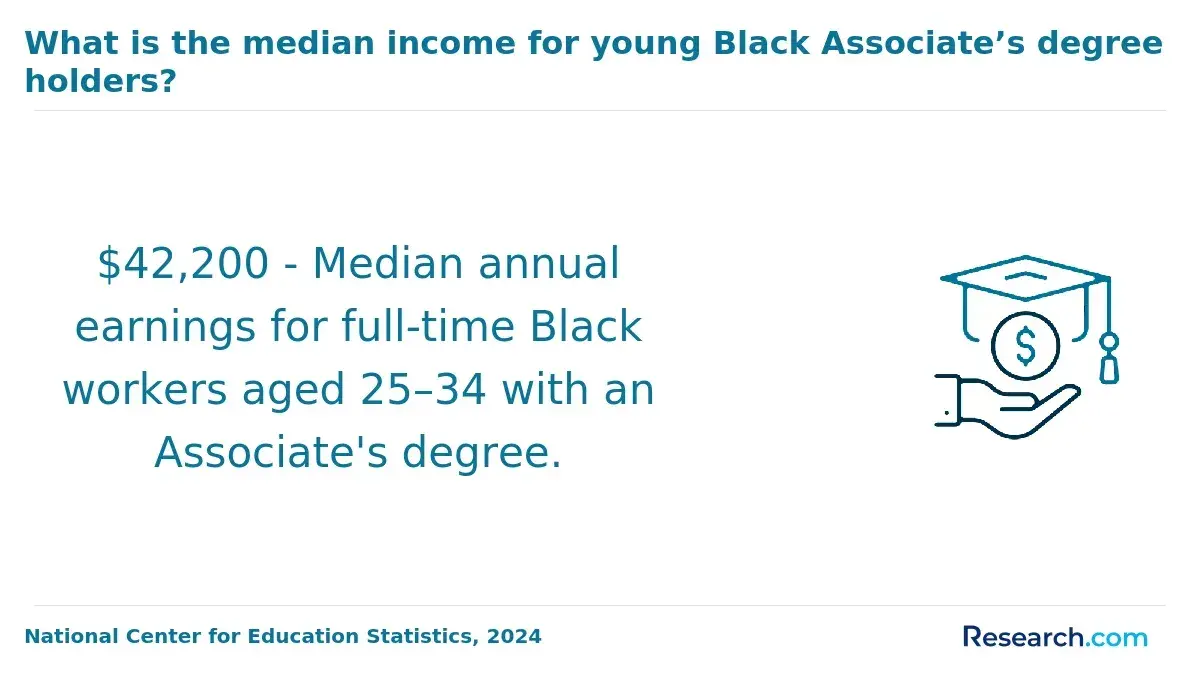
Post-graduation salary is a critical factor in determining the return on investment (ROI) for those earning an addiction counseling degree, as it directly impacts how quickly graduates can finance their education costs and achieve financial stability. Typically, the average salary for addiction counseling graduates in the U.S. ranges between $35,000 and $60,000 annually.
Several factors influence typical earnings after addiction counseling degree completion and can therefore affect the overall ROI. These include:
- Industry: Salaries tend to be higher in private healthcare settings compared to nonprofit organizations or government agencies, influencing earning potential.
- Geographic location: Urban centers and states with higher living costs generally offer better wages than rural or less populated areas.
- Prior experience: Candidates who enter the workforce with relevant internships or professional history often command higher starting salaries, accelerating ROI.
- Specialization: Addiction counselors focusing on specific populations or treatment modalities may receive increased compensation due to specialized skills.
- Career level: Advanced roles such as supervisory or administrative positions typically provide greater pay as professionals gain experience and credentials.
Evaluating these elements helps prospective students understand how soon they can recoup their investment. Those considering further education might compare these returns to options like a library master's degree to weigh career outcomes effectively.
Promotions contribute significantly to the return on investment (ROI) of an addiction counseling degree by providing salary increases, expanded responsibilities, and greater career mobility. These advances not only boost long-term earnings but also enhance professional growth and job satisfaction.
A notable workforce trend is the increasing preference for credential-based promotion, where employers prioritize or require relevant degrees for advancement. This reflects a wider recognition of the value that specialized education and formal qualifications bring to leadership and clinical roles.
Key ways an addiction counseling degree can impact promotion opportunities and improve ROI include:
- Credential Requirements: Many senior or supervisory positions require formal degrees. Holding an addiction counseling degree meets these prerequisites, making candidates eligible for higher-level roles.
- Leadership Preparation: Specialized coursework included in the degree equips students with skills and knowledge necessary for managing teams and programs, supporting readiness for promotion.
- Tuition Support Potential: Earning a degree may increase eligibility for employer tuition assistance programs, which effectively reduces educational expenses and improves the overall financial return.
- Internal Promotion Policies: Organizations often favor employees with formal education when considering candidates for advancement, which benefits degree holders during promotion cycles.
- Experience and Education Synergy: Combining work experience with academic credentials strengthens a candidate's promotion potential, signaling both commitment and expertise.
Career advancement with an addiction counseling degree aligns with broader labor market trends emphasizing formal qualifications. As organizations increasingly value education alongside experience, individuals seeking promotions after addiction counseling certification can position themselves favorably. For those evaluating the financial and career benefits of specialized degrees, understanding this dynamic is critical. Exploring related areas, such as high paying degrees, can provide context on how an addiction counseling degree compares within the educational investment landscape.
Return on investment (ROI) in addiction counseling differs significantly by industry due to variations in salary levels, career advancement opportunities, and demand for specialized skills. Industries offering strong compensation growth and clear promotion pathways typically yield higher ROI. Demand for addiction counselors also influences job security and long-term financial benefits.
The following industries are known to provide some of the highest paying industries for addiction counseling graduates, offering robust career paths and financial returns:
- Healthcare and Hospitals: Competitive salaries and prospects for progression into supervisory or clinical specialist roles make this sector attractive. The growing integration of behavioral health services increases steady demand for addiction counselors.
- Government and Public Health Agencies: These roles often come with job stability, benefits, and clear advancement tracks. Public health initiatives focusing on addiction treatment bolster this sector's growth and associated ROI.
- Private Rehabilitation Centers: Typically offering higher pay than nonprofits, these centers reward specialized skills and offer advancement into management or clinical supervision positions, enhancing long-term earning potential.
- Educational Institutions: Universities and schools providing counseling services can deliver consistent income, with added opportunities to engage in research or teaching, expanding career options and ROI.
- Community and Social Services: While entry salaries may be lower, steady funding and broad experience can translate into solid job security and gradual growth over time.
When selecting a career, considering the best career paths for addiction counseling ROI can improve job satisfaction and financial outcomes. For those assessing educational investments, exploring certifications online that pay well can complement clinical skills and open new advancement avenues.
Accreditation in addiction counseling programs signifies that the curriculum, faculty, and clinical components meet standards set by independent accrediting organizations. This verification ensures the program aligns with professional and educational expectations, making it a key factor in assessing the program's return on investment. Employers increasingly prefer graduates from accredited programs, associating them with higher levels of preparedness and competence. Additionally, accreditation is often required for state licensure, a critical step for advancing careers in addiction counseling.
Accredited programs offer long-term financial benefits beyond initial graduation by enabling eligibility for state licensure and certifications, which are essential for many roles in the field. They also provide access to federal financial aid and scholarships, helping to reduce educational expenses. Moreover, credits earned within accredited programs tend to transfer more easily between institutions, supporting career mobility and continued education. This recognition by employers and licensing boards enhances job placement opportunities and professional growth, improving overall ROI for graduates.
Costs for an addiction counseling degree vary widely, often depending on program type and delivery method, with tuition and fees ranging from moderate to high. Typically, completing the degree takes between two and four years, with flexible options like online or part-time formats enabling students to balance work and study. Early-career salaries for addiction counselors generally fall between $30,000 and $50,000 annually, though specialized or supervisory roles can command higher wages. Employment in this sector is expected to grow by about 22% over the next decade, indicating strong demand and potential for salary advancement as professionals gain experience.
The return on investment for an addiction counseling degree largely depends on individual circumstances. Strong industry growth supports job security, especially for those willing to pursue clinical, educational, or managerial roles. Financial aid availability and flexible program formats can lower costs and reduce time barriers, improving overall value. However, for individuals prioritizing immediate high income, the degree may offer limited short-term financial benefits, making it crucial to align educational choices with realistic salary expectations and long-term career ambitions.
What Graduates Say About The ROI of Their Addiction Counseling Degree
- Levi: "Choosing a traditional addiction counseling degree program was a big commitment, but I knew the long-term ROI would be worth it. The average cost was intimidating at first, around $30,000, but the practical experience and networking opportunities made it invaluable. Today, I'm confident that this degree opened doors to roles where I make a real difference daily."
- Ahmed: "As an online student, affordability was key for me; with tuition typically lower than in-person programs, the cost felt reasonable against the backdrop of lifetime earning potential in addiction counseling. Completing my degree remotely gave me flexibility while I balanced other responsibilities, and now I'm advancing in my career with credentials that truly count."
- Christopher: "Enrolling part-time in the addiction counseling program allowed me to invest gradually both financially and timewise, spreading out the average cost near $20,000 over several years. Reflecting on this decision, the lower immediate expense and steady progress made the degree well worth it while steadily enhancing my professional credibility and opportunities."
Other Things You Should Know About Addiction Counseling Degrees
Geographic location can significantly influence the ROI of an addiction counseling degree in 2027. Areas with higher demand for addiction counselors may offer better salaries and employment opportunities, enhancing ROI. Conversely, regions with fewer job openings may present challenges in securing positions and recouping educational costs.
Gaining certification or licensure can significantly enhance the ROI of an addiction counseling degree in 2027 by increasing job prospects and enabling higher salary opportunities. Certified counselors often access more roles, allowing for quicker recoupment of educational expenses and a more robust financial return on their investment.
Most state licenses require 2,000 to 4,000 supervised clinical hours after the degree, plus an approved exam such as the IC&RC ADC exam or the NAADAC/NCC AP exam. These post-degree requirements affect ROI by delaying full licensure, but they also raise earning potential once completed.
- Counselor / Clinician https://careersofsubstance.org/your-career/career-paths/counselor-clinician
- Careers https://www.stcloudstate.edu/programs/addictions-counseling/careers.aspx
- Costs - Alcohol & Drug Counseling Program https://www.mtsac.edu/mental-health/addiction-counseling/costs.html
- What Do Substance Abuse & Addictions Counselors Do? https://www.psychology.org/careers/substance-abuse-addiction-counseling/
- 2025 Most Affordable Online Substance Abuse Counseling Degrees https://www.onlineu.com/most-affordable-colleges/substance-abuse-counseling-degrees
- Program costs | Addiction Counseling at PCC https://www.pcc.edu/programs/addiction-counseling/overview/costs/
- Tuition and Fees | Graduate School https://www.hazeldenbettyford.org/graduate-school-addiction-studies/admissions/tuition-fees
- How Much Does an Addiction Counselor Make - ACI Rehab https://www.acirehab.org/how-much-does-an-addiction-counselor-make-66c77/
- Is an Addiction Counseling Degree Worth It? Real ROI by State https://www.addiction-counselors.com/blog/is-addiction-counseling-degree-worth-it-roi-analysis/
- Addictions Counseling https://www.monroecc.edu/academics/majors-programs/community-engagement/addictions-counseling-as/