2027 Military-Friendly Online Clinical Psychology Degree Programs: Benefits, Accreditation, and Career Outcomes

Co-Founder and Chief Data Scientist
Many U. S. veterans and military service members face challenges when pursuing higher education due to frequent relocations, deployments, and unique life circumstances. According to the National Center for Veterans Analysis and Statistics, 47% of post-9/11 veterans use education benefits to attend college, yet many struggle to find programs that accommodate their needs. Online clinical psychology degree programs tailored to military-affiliated students can bridge this gap by offering flexibility and support.
This article explores the benefits of such programs, examines critical accreditation factors, and discusses career outcomes to help military learners make informed decisions.
Key Benefits of Military-Friendly Online Clinical Psychology Degree Programs
- Military-friendly online clinical psychology programs offer flexible schedules, accommodating deployments and family obligations, enhancing degree completion rates among service members and veterans.
- Many programs grant academic credit for verified military training, accelerating graduation timelines and reducing overall education costs.
- These degrees often provide career transition support, improving civilian employment prospects in psychology through recognized accreditation and tailored professional resources.
What Does "Military-Friendly" Mean for Online Clinical Psychology Degree Programs?
The term military-friendly holds particular significance for service members, veterans, and military-affiliated students weighing online clinical psychology degree programs. These students often face unique challenges, including frequent relocations, deployments, and balancing education with active service.
More than 40% of military-affiliated students utilize education benefits like the GI Bill®, emphasizing the need for programs that recognize and optimize these resources. For those exploring online clinical psychology degrees for veterans, understanding which programs genuinely accommodate military needs is essential to making an informed choice.
Military-friendly online clinical psychology programs exhibit key features designed to support this population effectively. Flexible scheduling and asynchronous coursework allow students to maintain progress despite irregular military duties or deployments. Such programs also accept military training and experience as credit toward degree requirements, reducing the time needed to graduate.
Compatibility with military tuition assistance programs and veteran education benefits ensures that financial barriers are minimized. Additionally, dedicated services-including military student advisors and career transition resources-help students leverage their backgrounds and smoothly transition into psychology careers. Service members can also find value in cross-disciplinary options, such as exploring AI degree programs, which may complement clinical psychology skills in emerging fields.
Who Qualifies for Military-Friendly Online Clinical Psychology Degree Programs?
Knowing who qualifies for military-friendly online clinical psychology programs is essential for accessing targeted benefits and financial assistance. Nearly 40% of military-connected students now enroll in online programs, showing increased preference for flexible learning options. This trend highlights the growing availability of resources tailored to military-affiliated learners.
Below are the primary groups typically eligible for specialized support in these programs:
- Active-duty service members: Currently serving individuals from any military branch. Verification such as military ID or deployment orders is needed to access benefits like tuition assistance and priority enrollment.
- Veterans: Those discharged under honorable conditions, usually requiring a DD-214 form for eligibility. Veteran qualifications for online clinical psychology degrees often include access to GI Bill funds and exclusive scholarships.
- Reservists and National Guard members: Part-time military personnel who contribute intermittently but qualify for many education benefits. Proof of current service enables access to counseling and funding tailored to their unique schedules.
- Military spouses: Partners of service members who may receive benefits through documentation such as a military ID or marriage certificate. These programs acknowledge the challenges military families face and offer additional support and flexibility.
For those interested in accelerated paths, options such as 1 year MSW programs online no BSW provide efficient alternatives to traditional pacing, which may complement clinical psychology studies. Understanding eligibility helps military-affiliated students align their educational goals with available resources for a successful career.
Are Military-Friendly Online Clinical Psychology Programs Accredited?
Accreditation is an essential consideration for military-affiliated students evaluating online clinical psychology programs because it assures program quality, impacts credit transferability, and determines eligibility for state licensure. For those pursuing clinical psychology careers, attending an accredited program helps ensure a credible education recognized by both academic and professional communities.
About 85% of online psychology degree programs hold some form of accreditation, underscoring its significance in the clinical psychology field. This prevalence highlights the importance of selecting a program with the proper credentials.
Military-friendly online clinical psychology programs generally maintain accreditation from agencies recognized by the U.S. Department of Education or the Council for Higher Education Accreditation (CHEA). These accreditors can be regional bodies or specialized groups focusing on psychology education. Confirming a program's accreditation through its official website or by consulting the accrediting organization's database is recommended. Accreditation also affects eligibility for federal financial aid programs, which many military-affiliated students depend on.
In conjunction with clinical psychology, veterans often explore accredited online clinical psychology degrees for veterans that provide reliable pathways to licensure and career advancement. State licensing boards typically require degrees from accredited institutions before approving clinical psychology licensure applications, making accreditation pivotal for long-term professional goals.
For military members interested in related fields, reviewing accredited online marriage and family therapy programs can also be beneficial for expanding career options within mental health. Choosing the right accredited program supports both academic success and professional licensure outcomes.
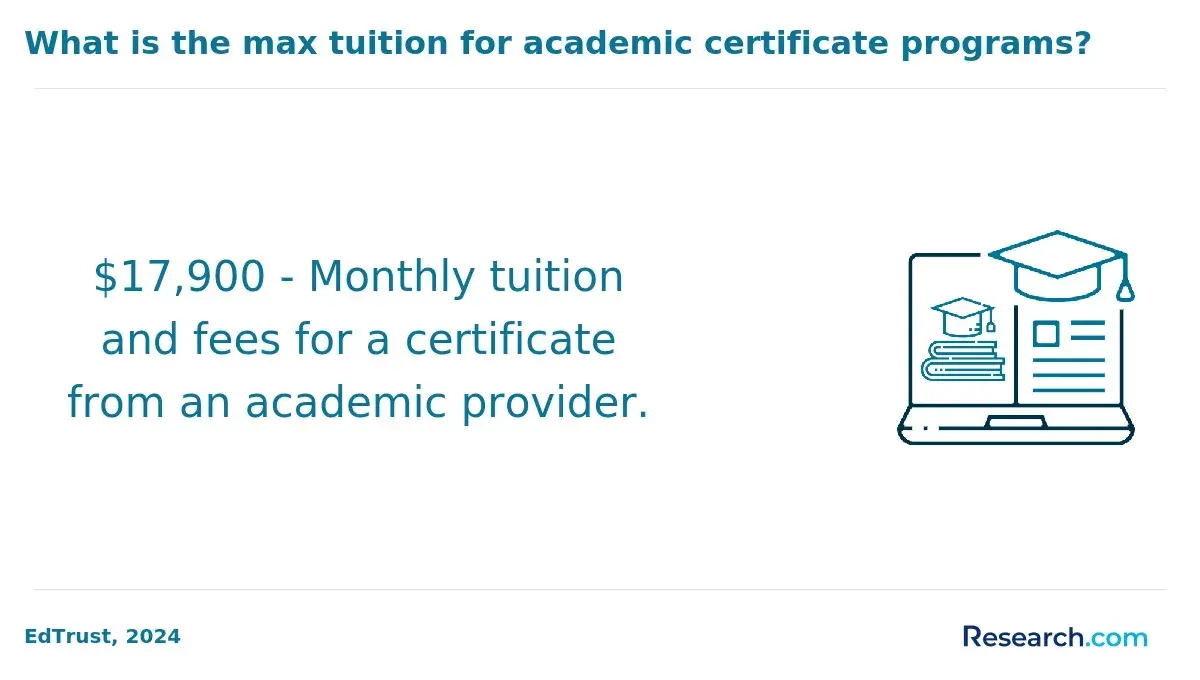
Knowing the expenses involved in military-friendly online clinical psychology programs helps service members and veterans plan their education investments wisely. Tuition fees usually fall between $400 and $800 per credit, reflecting variations in institution type and program format.
Below are common costs associated with these programs to consider when budgeting:
- Tuition per credit: This is the primary charge covering instruction and course completion. Many programs offer military discounts and accept veterans' education benefits, which can reduce the amount owed.
- Technology and program fees: These fees support the online learning platform and digital resources. They are often mandatory each term and may be partially offset by military funding.
- Course materials: Textbooks, software, or other learning tools may be required. Sometimes these are provided digitally to minimize costs, but additional purchases might be necessary.
- Practicum and clinical placement expenses: Since clinical psychology programs require supervised fieldwork, there may be fees related to placement coordination, site supervision, or travel. These costs vary widely depending on location and program structure.
Financial aid plays a vital role in helping military-affiliated students manage the cost of online clinical psychology programs and avoid financial strain. Recent data shows that nearly 70% of military learners in online education benefit from federal or institutional aid, highlighting its widespread use. Below are key financial resources that can significantly ease tuition and related expenses.
- GI Bill benefits: Designed for veterans and active military members, this program covers tuition fees and provides additional funds for housing and books. Eligibility depends on factors like length of service and discharge status, making it a critical tool to minimize the financial burden of education.
- Tuition Assistance (TA): Available to active duty personnel, TA reimburses a substantial portion or all of approved course fees. This Department of Defense initiative enables service members to pursue education with little to no up-front cost.
- Military-affiliated scholarships: Various organizations offer scholarships to military members, veterans, and their families, awarding funds based on merit, need, or service. These scholarships directly reduce tuition costs and increase opportunities for degree completion.
- Federal student loans and loan forgiveness programs: Military students often qualify for low-interest federal loans with options for forgiveness, particularly for those serving in public or mental health roles, easing long-term financial commitments.
A military veteran who earned an online clinical psychology degree shared that navigating the paperwork for GI Bill benefits was initially overwhelming but ultimately rewarding. He appreciated how TA covered most of his tuition, allowing him to focus on his studies without financial worry.
Choosing elective classes that aligned with his military experience gave him a sense of purpose and connection, enhancing his learning journey and confidence in his career transition.
Evaluating the transferability of military training credits is essential for service members, veterans, and military-affiliated students pursuing online clinical psychology programs. This evaluation can significantly reduce redundant coursework and expedite degree completion. Recent data shows that nearly 80% of colleges now recognize military training for academic credit, reflecting a widespread acceptance of armed forces experience in higher education.
Below are key considerations on how online clinical psychology programs may assess and apply military training credits:
- Official Transcript Review: Programs often require submission of official documents like the Joint Services Transcript (JST) or the Community College of the Air Force (CCAF) transcript that list completed training and certifications. These transcripts serve as the basis for matching military coursework with academic requirements.
- Credit Categories: Credits awarded frequently apply to general education or elective courses. Some programs may grant credit toward psychology prerequisites if the military training is closely related to clinical psychology concepts and skills.
- Eligibility Factors: The likelihood of credit acceptance depends on the type of military training, its relevancy to the program curriculum, recency, and the accrediting standards of the online institution. Each program has specific policies for evaluating such credits.
- Benefits for Students: Receiving credit for military experience can shorten the time needed to earn the degree and reduce tuition costs by decreasing the number of required courses. It also validates the practical skills acquired during military service within an academic framework.
- Application Process Advice: Prospective students should engage with admissions offices early to clarify credit transfer options and submit necessary documents promptly. Doing so helps maximize the academic value of military training toward their clinical psychology degree.
Flexibility is essential for active-duty service members and military-affiliated students pursuing online clinical psychology degrees, given the uncertainties of deployments, frequent moves, and irregular schedules. Programs that can accommodate absences and changing availability help these students stay on track without compromising their education. This adaptability is paramount to successfully balancing military obligations with academic progress.
Military-friendly online clinical psychology programs typically offer asynchronous courses, enabling students to study and complete assignments on their own timelines. They often extend deadlines and permit leaves of absence to address sudden operational demands. Additionally, these programs provide specialized support, such as dedicated advisors and technical help, to ensure consistent progress even when students are deployed or relocating. Key features supporting continuity include 24/7 access to recorded lectures and resources, flexible exam options, and remote supervision alternatives.
When asked about her experience, an active-duty service member enrolled in such a program shared how it eased the stress of frequent deployments. She explained that having access to materials anytime and flexible deadlines allowed her to keep up with coursework without feeling overwhelmed. "Knowing I could pause or adjust my schedule without penalty made all the difference," she said, highlighting that these accommodations helped her maintain momentum despite unpredictable military duties.
Licensure eligibility is essential for military-affiliated students considering online clinical psychology programs because without it, graduates may be unable to legally practice and face limited career opportunities. Ensuring a program meets these requirements protects long-term professional prospects across both civilian and military settings.
About 75% of clinical psychology graduates from accredited programs pass the Examination for Professional Practice in Psychology (EPPP) on their first try, emphasizing the value of licensure-focused education.
Military-friendly online clinical psychology programs support licensure in several key ways:
- Regional and National Accreditation: These programs are accredited by recognized bodies that verify academic quality and adherence to professional standards necessary for licensure eligibility.
- Curriculum Designed for Licensure: Coursework aligns with licensure board requirements, covering crucial areas like ethics, diagnosis, and evidence-based treatment methods to prepare students for state licensing criteria.
- Practicum and Internship Experiences: Hands-on supervision through practicum and internships meets licensing hour mandates, providing essential real-world clinical training and experience.
- Licensing Exam Preparation: Programs often include tailored resources and instruction aimed at preparing students for the EPPP and other required examinations, improving their chances of success.
- Guidance on State Regulations: Because licensure varies by state, these programs offer counseling and support to navigate additional requirements such as jurisprudence exams or background checks, ensuring full compliance.
Choosing military-friendly online clinical psychology programs with these features helps service members and veterans meet licensure standards and advance their careers confidently within and beyond military environments.
For military-affiliated students evaluating online clinical psychology degree programs, knowing the career options available after graduation is crucial to align education with long-term success. Employment in clinical psychology is projected to grow about 11% from 2021 to 2031, reflecting increasing demand for mental health services nationwide.
Here are several key career paths for military students who earn an online degree in clinical psychology:
- Licensed Clinical Psychologist: These professionals assess, diagnose, and treat mental health disorders through therapy and counseling. Military experience often enhances skills such as strong communication and working under pressure, which are vital in this role.
- Substance Abuse Counselor: Focusing on helping individuals overcome addiction, this role leverages military training in discipline and resilience to support clients facing similar challenges.
- Mental Health Counselor: Providing guidance and support to patients coping with personal or psychological difficulties, this role requires empathy, active listening, and crisis intervention skills commonly developed during military service.
- Research or Academic Roles: Graduates can contribute to studies on trauma, PTSD, or veteran psychology, using strong analytical skills and familiarity with psychological theories to advance the field.
Military student job opportunities in clinical psychology often capitalize on the unique strengths and experiences gained during service, facilitating smoother transitions to civilian employment. For those considering avenues for affordable education, exploring most affordable online colleges can be a practical step toward achieving career goals in this growing field.
Understanding salary potential is crucial for military-affiliated students evaluating online clinical psychology programs as it impacts both career planning and financial stability. Military clinical psychology degree salary data shows licensed practitioners often earn significantly more, reflecting their advanced qualifications and responsibilities. Below are key factors influencing earnings and career outcomes for military graduates.
- Licensure: Obtaining state licensure is essential for maximizing salary and job opportunities. Licensed clinical psychologists generally earn 20-30% more because they can independently provide psychotherapy and receive insurance reimbursements. This credential also opens doors to leadership and specialized roles.
- Years of Experience: As with many careers, experience plays a significant role in salary growth. Military graduates who build their clinical hours and grow their professional expertise can command higher pay and greater responsibilities over time.
- Specialty or Role: Military clinicians specializing in forensic evaluations, neuropsychology, or supervisory positions often enjoy salary premiums. Specialized skills increase employability and earning potential within both government and private sectors.
- Geographic Location: Salaries vary widely based on state and region, partly due to cost of living and state health care budgets. Military veterans transitioning to civilian roles should consider regional demand and licensing requirements.
- Program Accreditation and Degree Format: For veterans exploring the best options, choosing accredited online clinical psychology programs is critical for meeting licensure requirements and gaining recognition. Resources such as one year masters programs can aid in finding efficient paths to credentialing.
Online clinical psychology career outcomes for veterans tend to improve substantially when these factors align, leading to better compensation and professional growth.
What Graduates Say About Their Military-Friendly Online Clinical Psychology Degree
- Khai: "The flexibility of the military-friendly online clinical psychology program allowed me to balance active duty commitments with my studies seamlessly. The program's structure, combined with an average cost of attendance that was budget-friendly for service members, made it an ideal choice. Since graduating, I've been able to apply my skills directly in providing mental health support to veterans, which has been incredibly rewarding."
- Julio: "Taking the military-friendly online clinical psychology degree was a game-changer for my career. The ability to access coursework anytime, especially with deployments and relocations, was invaluable. The comprehensive curriculum prepared me well for licensed practice, and the program's affordability lessened financial stress, making this path both feasible and impactful."
- Jade: "Completing an online clinical psychology degree designed for military members offered me the professional development I needed without sacrificing my military responsibilities. The flexible schedule and reasonable tuition made it a practical choice that enhanced my credentials. Now, I confidently contribute as a clinical psychologist, bringing a unique perspective to mental health care within the armed forces."
Other Things You Should Know About Clinical Psychology Degrees
Graduates of military-friendly online clinical psychology degree programs can pursue diverse career paths. In 2027, potential roles include clinical psychologist, counselor in mental health organizations, consultant for military programs, or academic faculty. These programs equip students with unique skills favorable for both civilian and military environments.
Yes, these programs are typically accredited by the American Psychological Association (APA) and the Council for Accreditation of Counseling & Related Educational Programs (CACREP) in 2027, ensuring they meet educational standards vital for licensure and practice.
Most clinical psychology licensure pathways require a doctoral degree, 1,500 to 6,000 supervised postdoctoral hours, and a passing score on the Examination for Professional Practice in Psychology (EPPP). Students should also verify that the program includes practicum and internship placements accepted by their state board.
- Military-Friendly Colleges Online For Psychology https://www.psychology.org/resources/military-friendly-colleges/
- Post Military Option: Online Psychology Degree - Veteran.com https://veteran.com/post-military-option-online-psychology-degree/
- The Best Military Friendly Online Colleges & Universities https://www.learnhowtobecome.org/online-universities-and-colleges/military/
- Military Friendly Online College Admissions | National University https://www.nu.edu/military-and-veterans/
- Exploring the “Military Friendly” School Designation https://www.higheredmilitary.com/news/articleDisplay.cfm
- 2025 Best Military-Friendly Online Colleges https://www.onlineu.com/online-schools/military-friendly
- Military-friendly Online Master’s Programs for Service Members https://www.onlinemastersdegrees.org/features/military-friendly-programs/
- What Are The Options for Obtaining an Online Psychology Degree While Enlisted? https://www.online-psychology-degrees.org/faq/what-are-the-options-for-obtaining-an-online-psychology-degree-while-enlisted/
- Concentration in Military Psychology | William James College https://www.williamjames.edu/academics/concentrations/military-and-veterans-psychology.html
- MA in Professional Clinical Counseling https://www.umassglobal.edu/academic-programs/ma-professional-clinical-counseling