2027 Hybrid vs Fully Online Computer Science Bachelor's Degree Programs

Co-Founder and Chief Data Scientist
The real choice is not whether an online computer science bachelor’s degree is “easier” than a campus-based one. It is whether your life, learning style, budget, and career goals fit better with a hybrid program that requires some in-person attendance or a fully online program that can be completed remotely.
For a working parent, a military student, a career changer, or someone living far from campus, the format can affect far more than convenience. It influences how you complete labs, meet classmates, access faculty, manage deadlines, pay fees, and present your education to employers. With 82% of employers valuing practical experience alongside technical skills in computer science graduates, the strongest choice is usually the program that helps you build evidence of skill: projects, code samples, internships, teamwork, and problem-solving experience.
This guide compares hybrid and fully online computer science bachelor’s degree programs across admissions, learning experience, flexibility, workload, tuition, employer perception, and student fit. The goal is to help you choose a format you can realistically complete—and use well after graduation.
Key Benefits of Hybrid vs Fully Online Computer Science Bachelor's Degree Programs
- Hybrid programs balance online flexibility with scheduled in-person classes, enhancing engagement and providing structured learning environments preferred by 65% of students.
- Fully online programs offer maximum flexibility, ideal for working professionals, but limit face-to-face interaction, which can affect networking opportunities and peer collaboration.
- Hybrid formats support managing education alongside personal and professional duties by combining remote study convenience with critical campus resources and direct faculty access.
What Is a Hybrid vs Fully Online Computer Science Bachelor's Degree?
A hybrid computer science bachelor’s degree combines online coursework with required in-person components. A fully online computer science bachelor’s degree delivers the entire program remotely, with no required campus attendance. Both formats can cover the same core computer science subjects—programming, data structures, algorithms, databases, software engineering, operating systems, and computer systems—but they differ in how students learn and interact.
About 31.6% of college students took at least one online course in 2020, showing how common flexible delivery has become. Still, “online” does not mean every program works the same way. Some are highly structured with live class meetings; others are mostly asynchronous and deadline-based.
Hybrid Programs
- Delivery: Coursework is split between online activities and scheduled campus sessions, which may include labs, exams, lectures, workshops, or team projects.
- Interaction: Students get some face-to-face access to instructors and classmates, which can make it easier to ask questions, form study groups, and build professional relationships.
- Structure: Campus sessions create a built-in schedule, while online components provide some flexibility between meetings.
- Hands-on learning: In-person labs may provide access to specialized equipment, supervised troubleshooting, and immediate feedback.
- Best fit: Hybrid programs suit students who want online convenience but still benefit from physical classrooms, campus resources, and direct contact.
Fully Online Programs
- Delivery: Lectures, assignments, labs, exams, discussions, and advising are completed through digital platforms.
- Interaction: Students communicate through discussion boards, email, chat, video meetings, collaborative coding tools, and virtual office hours.
- Structure: Many programs use asynchronous learning, allowing students to complete work around jobs, caregiving, or different time zones.
- Hands-on learning: Programming assignments, simulations, cloud environments, virtual labs, and capstone projects replace campus-based lab work.
- Best fit: Fully online programs work well for independent learners, remote students, full-time workers, and those who cannot commute reliably.
Students who want to build targeted skills alongside either degree format can also compare online courses with certificates, especially in areas such as programming languages, cloud computing, cybersecurity, data analytics, and project management.
How Does a Hybrid vs Fully Online Computer Science Bachelor's Degree Program Work?
Hybrid and fully online computer science bachelor’s programs usually follow the same academic logic: students complete general education requirements, foundational computing courses, advanced major courses, electives, and often a final project or capstone. The difference is the learning rhythm. Hybrid programs anchor part of the week, month, or term around campus attendance. Fully online programs move that structure into a virtual environment.
According to the National Center for Education Statistics, enrollment in online courses at degree-granting postsecondary institutions grew by more than 75% between 2010 and 2020. That growth has pushed colleges to improve digital learning platforms, remote labs, advising systems, and online student support. Even so, students should read delivery details carefully before enrolling.
How Hybrid Programs Usually Work
- Campus requirements: Students attend scheduled in-person sessions for selected lectures, labs, presentations, exams, group work, or intensive weekends.
- Online coursework: Readings, recorded lectures, quizzes, coding assignments, discussion posts, and project milestones are completed through a learning management system.
- Participation: Students are expected to show up both physically and digitally. Missing a required lab or campus session may affect grades or progression.
- Faculty access: Support may include in-person office hours, virtual meetings, emails, course messaging, and lab assistance.
- Scheduling: The format offers partial flexibility but still requires dependable transportation, calendar availability, and proximity to campus.
How Fully Online Programs Usually Work
- Remote delivery: Students complete all academic requirements through online systems without required face-to-face meetings.
- Course materials: Programs may use recorded lectures, readings, coding platforms, virtual machines, cloud-based environments, simulations, and auto-graded programming tools.
- Live or asynchronous formats: Some courses require live video sessions, while others allow students to work independently within weekly or module-based deadlines.
- Communication: Instructor and peer contact usually happens through email, forums, chat, video calls, shared repositories, and group collaboration tools.
- Student responsibility: Learners must manage pacing, troubleshoot technology, monitor deadlines, and seek help before small problems become major delays.
Students who want to finish faster should check whether the program allows heavier course loads, transfer credits, prior learning credit, or shorter terms. Researching accelerated bachelors degrees can help clarify how compressed schedules work and whether they are realistic for computer science coursework.
Are Admission Requirements Different for Hybrid and Fully Online Computer Science Bachelor's Degrees?
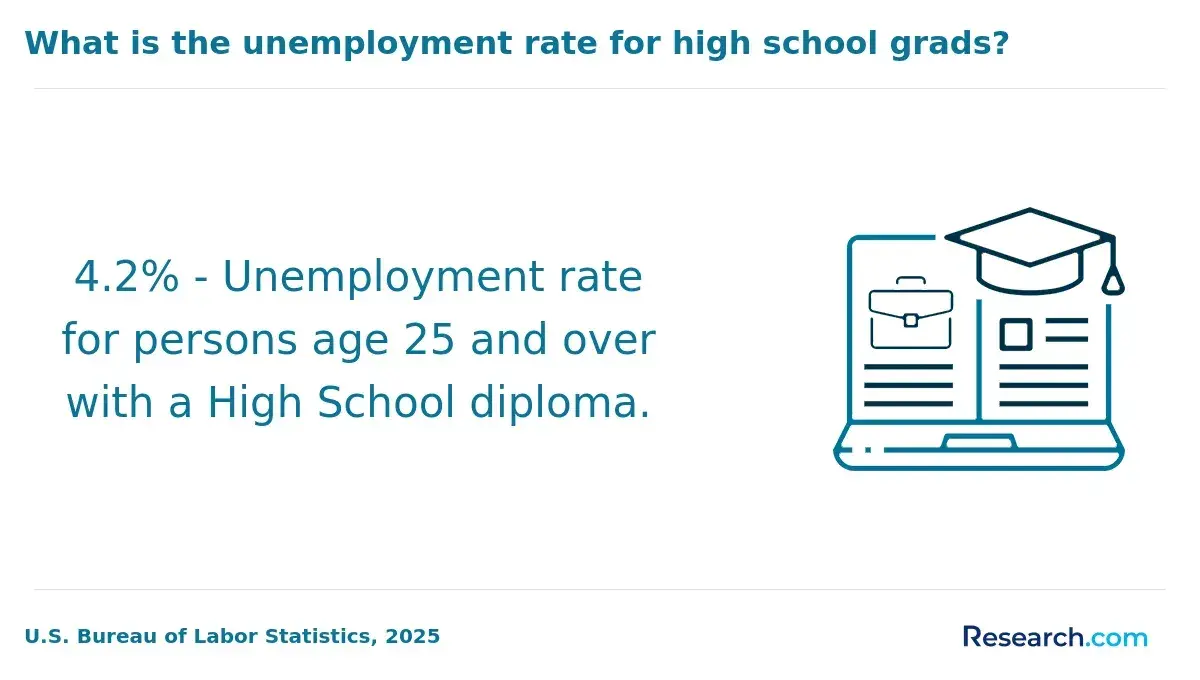
Admission requirements are often similar because both formats lead to the same degree level. Applicants typically submit an application, transcripts, proof of high school completion or prior college credit, and any institution-specific materials. Differences usually appear in logistics: campus access for hybrid students and technical readiness for fully online students.
- Residency and campus access: Hybrid programs may expect students to attend required campus sessions, so applicants need to confirm they can travel to campus when scheduled. Fully online programs usually remove that geographic barrier.
- Technology requirements: Fully online applicants may need reliable internet, a suitable computer, webcam access, required software, and the ability to use online learning tools. Hybrid students also need technology, but they may have more access to campus labs and support.
- Program prerequisites: Both formats may require or recommend preparation in math, especially algebra, pre-calculus, or calculus depending on the curriculum. Transfer applicants may need prior coursework in programming or discrete mathematics for advanced standing.
- Digital readiness: Fully online programs may ask students to complete orientation, a readiness survey, or training on the learning management system before classes begin.
- Availability statements: Hybrid programs may ask students to acknowledge required in-person meetings, lab attendance, or residency expectations.
- Health or campus documentation: Because hybrid students physically visit campus, they may need to meet institutional health, safety, or immunization documentation requirements. Fully online students are usually less likely to face those campus-specific requirements.
A student enrolled in a fully online computer science bachelor’s degree described the admissions process as more detailed than expected because the school wanted to confirm technology readiness. “I appreciated how thorough the program was about ensuring I could handle the digital workload,” she noted, “but I also felt reassured by the clear instructions and support materials provided during the application.” For online learners, that kind of screening can be useful: it reveals potential issues with hardware, internet access, software, and study habits before tuition is at stake.
Is the Learning Experience Better in Hybrid vs Online Computer Science Bachelor's Degrees?
Neither format is automatically better. Hybrid programs often provide a stronger sense of classroom community and easier access to in-person help. Fully online programs often provide better access and schedule control. The better learning experience depends on how you learn difficult technical material and how much structure you need.
Where Hybrid Programs Can Feel Stronger
Computer science can be challenging because students must learn abstract concepts and apply them through code. Hybrid programs can help by giving students scheduled opportunities to ask questions, debug problems with instructors nearby, and collaborate with classmates in real time. For courses such as data structures, systems programming, networking, robotics, or hardware-related topics, in-person labs may make the experience more concrete.
The trade-off is that hybrid learning adds fixed commitments. If your work schedule changes often, your commute is long, or you have caregiving responsibilities, required campus meetings can become a barrier even when the academic experience is strong.
Where Fully Online Programs Can Feel Stronger
Fully online programs are often better for students who learn well through recorded lectures, documentation, coding practice, and independent problem-solving. Being able to pause a lecture, rewatch a complex explanation, or work through code late at night can be a real advantage. Online students also gain practice with remote collaboration tools, which are common in software and technology workplaces.
The trade-off is that fully online learning can feel isolating if the program does not create meaningful interaction. Students may need to be more intentional about attending virtual office hours, joining study groups, participating in forums, and asking for feedback early.
Key Question to Ask
If you learn best by talking through problems and working beside others, a hybrid program may be more supportive. If you learn best by controlling your schedule and working independently, a fully online program may be more sustainable. In either case, the quality of instruction, advising, course design, and project work matters more than the delivery label alone.
Which Is More Flexible: Hybrid or Fully Online Computer Science Bachelor's Degree?
A fully online computer science bachelor’s degree is usually more flexible because it removes commuting and campus attendance requirements. Hybrid programs provide some flexibility, but students still have to plan around required in-person activities such as labs, exams, workshops, or group meetings.
Hybrid Flexibility
Hybrid programs work best when students can reliably attend campus on the required schedule. They may be manageable for learners who live nearby, have predictable work hours, or want a structured routine. The in-person component can also help students stay accountable. However, even occasional campus visits can be difficult for students with rotating shifts, transportation limitations, childcare needs, or long travel distances.
Fully Online Flexibility
Fully online programs offer the greatest location flexibility and often the greatest time flexibility. Many use asynchronous learning, so students can watch lectures, complete assignments, and contribute to discussions at times that fit their schedules. According to a 2023 Online Learning Consortium study, 69% of students prefer online courses because they fit better into hectic lifestyles.
Flexibility should not be confused with a lack of deadlines. Fully online computer science students still need time for programming assignments, exams, group projects, reading, debugging, and revision. The difference is that they often have more control over when and where that work happens.
Students comparing flexible degree options should also compare total cost, not just convenience. Cost-focused guides in other fields, such as this overview of criminal justice degree price, show why fees, transfer policies, and delivery format can change the real price of a program.
What Is the Workload for Hybrid vs Fully Online Computer Science Bachelor's Degrees?
The academic workload is usually comparable because both formats must meet degree requirements. The difference is how the workload is distributed. Hybrid students balance campus meetings with online assignments. Fully online students manage nearly all learning activities independently through digital systems.
Research from the Online Learning Consortium reveals that online students typically dedicate about 15 to 20 hours weekly to their studies. Computer science courses can be especially time-intensive because assignments often require trial and error. A programming task that looks small on the syllabus may take several hours if a student needs to debug code, review documentation, or revisit a concept.
Hybrid Workload
Hybrid students usually have a more visible weekly structure. In-person sessions create fixed blocks for lectures, labs, and group work. That structure can reduce procrastination and make it easier to ask for help before falling behind. However, hybrid students must also account for travel time, parking, schedule coordination, and the possibility that missing a campus session creates a larger academic setback.
Fully Online Workload
Fully online students may have more control over their study schedule, but they also carry more responsibility for pacing. They must track due dates, participate in online discussions, complete coding assignments, prepare for exams, and coordinate group work without the regular reminder of walking into a classroom. This format rewards students who use calendars, task lists, version control, and regular study blocks.
Common Workload Mistakes
- Taking too many technical courses at once while working full time.
- Underestimating how long debugging and project work can take.
- Waiting until the deadline to ask for help.
- Ignoring required software setup until the first assignment is due.
- Assuming asynchronous courses can be completed successfully in one weekly study session.
How Does Tuition Compare for Hybrid vs Online Computer Science Bachelor's Degrees?
Tuition depends on the institution, residency rules, credit requirements, transfer credits, student fees, and whether the program charges different rates by format. Typically, fully online programs tend to be about 10% to 20% less expensive per credit hour than their hybrid counterparts, but students should verify the full cost of attendance before assuming the online option is cheaper.
- Per-credit tuition: Hybrid programs may charge more when students use both campus facilities and online systems. Fully online programs may have lower facility-related costs, though this varies by school.
- Technology fees: Fully online students may pay fees for learning platforms, remote proctoring, digital resources, or virtual lab tools. Hybrid students may also pay technology fees in addition to campus-based charges.
- Campus fees: Hybrid students may encounter facility, lab, parking, student activity, or campus access fees that fully online students may not pay.
- Residency policies: Hybrid programs may apply in-state and out-of-state tuition rules more often because of campus attendance. Some fully online programs use a more uniform tuition structure, but policies differ.
- Hidden costs: Students should budget for software, hardware, internet access, textbooks, exam fees, commuting, parking, and possible lost work hours.
- Payment structure: Some institutions offer installment plans, employer billing options, or subscription-style pricing for online students, but terms vary widely.
When comparing affordability, calculate the total degree cost after transfer credits, required fees, and expected time to completion. Students focused primarily on price can also review options for the cheapest computer science degree online while still checking accreditation, curriculum quality, faculty support, and career outcomes.
A graduate from a hybrid computer science bachelor’s program said the billing process required closer attention than expected. “There were separate charges for technology and campus access, and sometimes the billing statements weren’t clearly itemized,” he said. His experience highlights a practical point: hybrid students may pay for both online infrastructure and campus resources, so they should ask the bursar’s office for a complete fee breakdown before enrolling.
Do Employers Prefer Hybrid or Fully Online Computer Science Bachelor's Degrees?
Most employers care less about whether a computer science degree was hybrid or fully online and more about whether the institution is credible, the degree is relevant, and the graduate can demonstrate technical ability. Nearly 70% of employers now consider online degrees equally credible to traditional ones, but employer attitudes can still vary by industry, company size, hiring manager, and role.
- Accreditation and institutional reputation: A degree from a properly accredited institution is more important than the delivery format. Students should confirm accreditation before enrolling.
- Skills and portfolio: Employers often look for evidence of programming ability, software projects, GitHub repositories, internships, capstones, certifications, hackathons, or applied experience.
- Hybrid advantage: Hybrid students may have easier access to campus recruiting, faculty referrals, in-person networking, labs, and local employer partnerships.
- Fully online advantage: Fully online graduates can show self-discipline, remote collaboration, independent troubleshooting, and comfort with digital work environments.
- Interview performance: Technical interviews, coding assessments, system design discussions, and behavioral interviews often matter more than whether a course was taken online or in person.
- Resume strategy: Graduates usually do not need to label a degree as online unless the school name or program requires clarification. They should emphasize the degree, institution, projects, tools, and outcomes.
Students considering long-term education plans should also understand how online learning is viewed beyond undergraduate study. Research.com’s guide to online master degree programs in counseling reflects the broader trend that online and hybrid formats are now common across many professional fields, though expectations differ by discipline.
Who Should Choose a Hybrid vs Fully Online Computer Science Bachelor's Degree?
Choose the format that you can complete consistently, not the one that sounds most convenient in theory. A hybrid program may be better if you want structure, in-person support, and campus connections. A fully online program may be better if you need maximum flexibility, live far from campus, or must fit school around work and family responsibilities.
Choose a Hybrid Program If You:
- Learn better in person: You benefit from live explanations, immediate questions, supervised labs, and face-to-face discussion.
- Want built-in structure: Scheduled campus sessions help you stay accountable and maintain momentum.
- Live near campus: Commuting is realistic and will not regularly interfere with work, caregiving, or other obligations.
- Value campus resources: You want access to labs, tutoring centers, faculty offices, student organizations, career fairs, or local networking.
- Prefer some college community: You want online convenience without giving up the social and academic benefits of campus life.
Choose a Fully Online Program If You:
- Need maximum flexibility: You work full time, travel, serve in the military, care for family members, or have an unpredictable schedule.
- Live far from campus: You need access to a computer science program without relocating or commuting.
- Are self-directed: You can plan study time, meet deadlines, ask for help, and stay motivated without frequent in-person reminders.
- Are comfortable with technology: You can manage video meetings, online platforms, coding tools, file submissions, and remote collaboration.
- Want remote-work preparation: You are comfortable building skills in the same kinds of digital environments used by distributed technology teams.
Students should also think beyond the bachelor’s degree. If graduate school is part of the plan, compare how different formats support prerequisites, faculty recommendations, research experience, and career direction. Broader degree-value comparisons, such as Research.com’s review of the best masters degree to get, can help students connect today’s format decision with later academic and professional goals.
How Can I Succeed in a Hybrid vs Fully Online Computer Science Bachelor's Degree Program?
Success in either format depends on discipline, consistent practice, and early help-seeking. Computer science is cumulative: weak understanding in programming fundamentals, math, data structures, or algorithms can make later courses much harder. The best students build routines before they are overwhelmed.
- Create a weekly study system: Hybrid students should block campus time, commute time, and independent work time. Fully online students should create recurring study blocks that function like class meetings.
- Start coding assignments early: Programming problems often take longer than expected. Starting early gives you time to debug, test, and ask questions.
- Use instructor support: Attend office hours, request clarification, and ask for feedback before deadlines. Online students should not wait for instructors to reach out first.
- Build peer connections: Hybrid students can use campus sessions to form study groups. Fully online students should join discussion boards, messaging channels, virtual study sessions, or project teams.
- Master the tools: Learn the learning management system, coding environment, version control, video platform, and submission rules before major assignments begin.
- Keep a portfolio: Save strong projects, document your work, and refine code samples. Employers often want proof of ability beyond a transcript.
- Protect your schedule: Treat study time as a fixed commitment. This is especially important for fully online students, whose flexibility can lead to procrastination.
- Plan for hard courses: Avoid stacking multiple demanding technical courses in the same term if you are also working significant hours.
- Monitor burnout: Both formats require sustained effort. Sleep, exercise, realistic course loads, and planned breaks support long-term completion.
Hybrid students should make full use of campus days instead of treating them as passive attendance. Fully online students should deliberately create the interaction that campus students receive more naturally. In both formats, the students who succeed are usually the ones who practice consistently and ask for help early.
What Graduates Say About Hybrid vs Fully Online Computer Science Bachelor's Degree Programs
- Trace: "Choosing a fully online computer science bachelor's degree allowed me the flexibility to balance my job and studies without the stress of commuting. The self-paced nature of the program pushed me to develop strong time management skills, which have been invaluable in my current role as a software developer. Overall, I feel that this format empowered me to learn efficiently while maintaining my personal responsibilities."
- Sutton: "Enrolling in a hybrid computer science program was the perfect fit for my learning style because I could engage face-to-face with professors while still taking advantage of online resources. Navigating group projects remotely, combined with hands-on lab sessions, prepared me well for real-world teamwork and problem-solving in tech environments. This blended approach gave me confidence and a practical skill set that accelerated my career transition into cybersecurity."
- Ezekiel: "Opting for a fully online computer science degree stemmed from my desire to continue working full-time and support my family. Though initially challenging to stay motivated without in-person interaction, the program's robust virtual community and accessible faculty helped me stay connected and on track. Earning this degree has opened doors to managerial positions and increased my credibility in the industry, proving that online education can be just as impactful as traditional paths."
Other Things You Should Know About Computer Science Degrees
Internship availability can be influenced by the program format. Hybrid students often have more direct access to campus career services and local tech networks, which may facilitate internships. Fully online students may need to seek remote internships or independently find opportunities, though many companies now offer virtual internships suited for online learners.
Hybrid programs typically require students to attend some in-person classes or events, which may involve commuting a few times each term. Fully online programs eliminate commuting entirely, allowing students to study from any location. The actual frequency and distance depend on the specific hybrid program's structure.
Student support in hybrid programs often includes access to on-campus resources such as tutoring centers and technical labs, in addition to online help. Fully online programs provide virtual support like online tutoring, discussion forums, and dedicated advisors. The quality and availability of support services vary by institution but aim to address students' needs in both formats.
References
- Difference between Hybrid, Online & In-Class Degree Programmes | BSBI https://www.berlinsbi.com/blog/what-is-the-difference-between-hybrid-online-and-in-class-degree-programmes
- How to Succeed in an Online Computer Science Program | Miller-Motte College https://www.miller-motte.edu/blog/technology/how-to-succeed-in-an-online-computer-science-program/
- Hybrid Programs- Which Students Want Them? https://encoura.org/resources/wake-up-call/hybrid-programs-which-students-want-them
- Tips for academic success in online and hybrid classes https://www.stlawu.edu/offices/academic-advising/tips-academic-success-online-and-hybrid-classes
- 7 Tips for a Seamless Transition Into Hybrid Learning at CSI https://www.csinow.edu/blog/7-tips-for-a-seamless-transition-into-hybrid-learning-at-csi/
- Hybrid vs. fully online: how different teaching models impact satisfaction https://www.amba-bga.com/insights/hybrid-vs-fully-online-how-different-teaching-models-impact-satisfaction
- The Rise of Hybrid & Online Degrees: Are They Worth It? | EdNet Consultants https://www.ednetconsultants.com/the-rise-of-hybrid-online-degrees-are-they-worth-it/
- 4 Flexible Ways to Earn a College Degree on Your Schedule https://www.stjohns.edu/news-media/johnnies-blog/4-flexible-ways-earn-college-degree-your-schedule-0