2027 Online Computer Science Bachelor's Degree Programs Under $10,000

Co-Founder and Chief Data Scientist
An online computer science bachelor’s degree can be a practical route into software, data, cybersecurity, cloud, and systems roles, but the price range varies widely. For students who need to keep borrowing low, the key question is not simply “Which program is cheapest?” It is whether a low-cost program is accredited, transfer-friendly, technically rigorous, and realistic to complete while working or managing family responsibilities.
Programs advertised under $10,000 can be strong options, especially for learners who bring transfer credits, qualify for grants, or choose competency-based formats. They also require careful review. Some costs may sit outside tuition, including books, technology fees, proctored exams, software licenses, certification exams, and repeated courses. Accreditation, curriculum depth, student support, and employer recognition matter just as much as the sticker price.
Nearly 40% of online computer science bachelor's degree programs cost less than $10,000, making this price point more attainable than many students assume. This guide explains how to compare accredited programs, understand tuition differences, use transfer credits and financial aid, evaluate career outcomes, and avoid common mistakes before enrolling.
Key Things to Know About Online Computer Science Bachelor's Degree Programs Under $10,000
- Programs under $10,000 help minimize student debt by offering affordable tuition and accelerated paths, enabling faster degree completion without costly loan burdens.
- Graduates report strong return on investment, with median salaries above $70,000, reflecting high demand for skilled professionals in tech fields.
- Flexible online formats accommodate working adults, military personnel, and first-generation students, offering transfer credits and prior learning assessments for efficient progress.
What Are the Most Affordable Accredited Online Computer Science Bachelor's Degree Programs Under $10,000?
The most affordable accredited online computer science bachelor’s programs under $10,000 are typically designed for students who need a low total cost, flexible pacing, and a recognized credential. In this context, “under $10,000” generally refers to tuition and mandatory fees for the degree path, not optional or indirect expenses such as books, devices, software, internet access, or certification exams.
Accreditation should be the first filter. A low tuition price is not enough if the school is not properly recognized. Regional accreditation from agencies such as the Higher Learning Commission (HLC), Southern Association of Colleges and Schools Commission on Colleges (SACSCOC), and Western Association of Schools and Colleges (WASC) can affect federal aid eligibility, credit transfer, graduate school admission, and employer confidence. Programmatic accreditation such as ABET can add value in computing fields, but it is less common among ultra-affordable programs.
The following accredited options are commonly identified through the National Center for Education Statistics (NCES) College Navigator and official university resources as low-cost online computer science or closely related bachelor’s pathways:
- Western Governors University: Competency-based tuition around $3,625 per six-month term, with about 120 credits required; accredited by the Northwest Commission on Colleges and Universities.
- University of the People: Tuition-free model with assessment fees totaling under $5,000; 120-credit degree; accredited by the Distance Education Accrediting Commission (DEAC).
- Fort Hays State University: Approximately $218 per credit hour for 120 credits; accredited by HLC.
- Charter Oak State College: Roughly $299 per credit hour, with broad acceptance of prior learning credits; 120 credits total; NECHE accredited.
- Minot State University: Around $249 per credit hour; 120 credits; accredited by HLC.
- Thomas Edison State University: About $371 per credit; flexible transfer and prior learning options; 120 credits; MSCHE accredited.
- Columbia College: Estimated $245 per credit hour; 120 credits; accredited by HLC.
When comparing these programs, do not rely only on the advertised rate. Ask each school for a written cost estimate based on your transfer credits, residency status, financial aid eligibility, required fees, and expected pace. A program with a higher per-credit rate may become cheaper if it accepts more transfer credits or awards credit for prior learning. A low-cost program may become less affordable if it requires extra terms, repeated courses, or separate technology fees.
Students comparing a broader online degree in computer science should also check whether the curriculum includes programming, data structures, databases, operating systems, algorithms, software engineering, and project-based work. These areas often matter more to employers than the delivery format.
Ultra-low-cost programs can be a strong value, but they may offer fewer networking events, career pipelines, faculty research opportunities, or specialized labs than mid-range programs priced between $10,000 and $30,000. For students who need federal aid options, it is also useful to review FAFSA approved online colleges before committing to a school.
How Do Tuition Costs for Online Computer Science Bachelor's Programs Under $10,000 Compare Across Public and Private Universities?
Public and private universities can both offer online computer science bachelor’s programs under $10,000, but they usually reach that price point in different ways. Public institutions often rely on state subsidies and lower in-state tuition. Private nonprofit institutions may use flat-rate pricing, generous transfer credit policies, scholarships, or adult-learner formats to reduce the final cost.
| Cost factor | Public universities | Private nonprofit universities |
| Per-credit tuition | Often lower for in-state students, commonly ranging from $150 to $300 per credit. | Usually higher, often between $300 and $500 per credit. |
| Residency rules | In-state students may receive the lowest rates; out-of-state students may pay more unless an online or regional tuition agreement applies. | Tuition is often the same regardless of state residency. |
| Total program cost | Can be very low when state subsidies, transfer credits, and in-state rates apply. | Can become competitive through flat-rate tuition, bundled fees, scholarships, and transfer-friendly policies. |
| Support model | Larger enrollment can create economies of scale, though support may vary by department. | Smaller programs may provide more personalized advising, though this is not guaranteed. |
| Best fit | Students who qualify for in-state tuition and want the lowest per-credit rate. | Working adults, transfer students, or learners who benefit from predictable pricing and flexible schedules. |
The most important number is the net cost, not the published tuition. Net cost reflects grants, scholarships, transfer credits, fees, books, technology expenses, and the number of credits you must complete at the institution. A public university with a low tuition rate may cost more than expected if you are treated as an out-of-state student. A private nonprofit school with a higher rate may cost less if it accepts more prior credits or offers institutional aid.
Students should ask each school the same questions: How many credits will transfer? Are online students charged separate fees? Does tuition change by residency? Are books, labs, or software included? Are scholarships available to online students? These details make comparisons more accurate than looking at tuition alone.
For a broader framework on comparing tuition, accreditation, and program value across online fields, students can review online business degree programs accredited and apply similar cost-checking principles to computer science.
What Is the Typical Duration of an Online Computer Science Bachelor's Degree Under $10,000, and How Can Students Graduate Faster?
Most computer science bachelor’s degrees require about 120 credits and take four years to complete for full-time students who start without transfer credit. Online programs under $10,000 may follow the same credit requirement, but they often use flexible schedules, accelerated terms, transfer policies, or competency-based formats to shorten the actual time to graduation.
Students who graduate faster usually combine several strategies rather than relying on one shortcut. The biggest time-saver is entering with approved transfer credits. The next most important factor is whether the program offers enough courses year-round to let students make steady progress.
- Accelerated terms: Some programs use eight-week sessions instead of 15-week semesters. This can help students complete more courses in a calendar year, but it also compresses deadlines and requires consistent weekly study time.
- Year-round enrollment: Fall, spring, and summer courses reduce long breaks between terms. This format is useful for students who want momentum and can maintain a steady workload.
- Competency-based learning: Some schools allow students to advance by demonstrating mastery rather than spending a fixed number of weeks in each course. This can work well for students with prior programming, IT, or technical experience.
- Transfer and prior learning credit: Students who enter with general education credits, military training, standardized exam credit, or prior college coursework may complete the remaining degree faster.
- Careful course sequencing: Computer science courses often have prerequisites. Missing one required course can delay later classes, so students should map the full sequence before enrolling.
Schools such as Thomas Edison State University and Western Governors University provide computer science options under $10,000 and report average completion around three years, supported by flexible pacing and generous credit transfer policies. That timeline is not automatic; it depends on transferred credits, course availability, work schedule, and how many classes a student can complete each term.
A realistic acceleration plan should include a weekly study schedule, a transfer-credit evaluation before enrollment, and a backup plan for difficult courses such as data structures, discrete math, algorithms, or systems programming. Finishing quickly can reduce tuition and opportunity costs, but overloading courses can lead to withdrawals or repeated classes, which may increase the final bill.
One professional who enrolled in an online bachelor’s degree program under $10,000 described the accelerated and year-round format as essential while balancing work and family responsibilities. The faster pace was difficult at first, but competency-based elements helped him use prior knowledge effectively. “It wasn’t easy,” he said, “but knowing I could finish in about three years while keeping costs low made the effort worthwhile.”
Which Online Computer Science Bachelor's Programs Under $10,000 Offer the Best Earning Potential After Graduation?
The online computer science programs under $10,000 with the best earning potential are usually those that combine a recognized credential, strong technical coursework, practical projects, and a concentration aligned with higher-paying technology roles. Tuition alone does not determine earnings. Employers often look for evidence that graduates can build software, work with data, secure systems, solve technical problems, and use current tools.
According to the Bureau of Labor Statistics (BLS) Occupational Outlook Handbook, several computer science career paths are associated with strong median wages:
- Software Development: This path can lead to software engineer or software developer roles with a median wage around $120,000. Programs with strong programming, software engineering, testing, and application development coursework may provide better preparation.
- Cybersecurity: Information security analyst roles offer median earnings near $103,000. Students should look for coursework in network security, secure systems, ethical hacking, risk management, and incident response.
- Data Science and Analytics: Data analyst and data scientist pathways show median pay ranging from $85,000 to $95,000 depending on industry and location. Useful coursework often includes statistics, databases, machine learning, Python, R, and data visualization.
- Cloud Computing: Cloud computing careers can command salaries above $90,000, although cloud-focused concentrations are less common in low-cost programs.
Data from IPEDS support these trends, showing higher employment incomes shortly after degree completion in these concentrations. Still, salary outcomes vary by region, prior work experience, internship history, portfolio quality, certifications, interview performance, and local labor market conditions. A low-cost degree can improve return on investment, but it does not guarantee a specific salary.
Students should evaluate earning potential by reviewing the curriculum, capstone requirements, internship access, employer partnerships, alumni outcomes, and career services. A program that costs less than $10,000 may be a better value than a more expensive option if it helps students graduate with marketable projects and minimal debt.
Students comparing affordable degree paths in other fields may find cost-planning ideas in guides such as the cheapest criminal justice degree online, especially when thinking through tuition, aid, and long-term return.
What Financial Aid and Scholarship Opportunities Can Reduce an Online Computer Science Bachelor's Degree Cost Below $10,000?
Financial aid can make the difference between an affordable online computer science degree and an expensive one. For many students, the best strategy is to combine low tuition with grants, scholarships, transfer credits, and employer or military benefits before using loans.
- Federal Pell Grants: These grants are based on demonstrated financial need and do not require repayment. For eligible students, they can cover several thousand dollars annually and sharply reduce out-of-pocket tuition.
- Subsidized Federal Loans: These loans can be less costly than many private loans because interest does not accrue while the student is enrolled. They should generally be considered after grants and scholarships.
- Institutional Scholarships: Many universities offer awards for online students based on academic performance, financial need, transfer status, military affiliation, or diversity initiatives.
- State-Based Grants: Some states provide grants for residents pursuing higher education, including online degrees. Eligibility rules vary, and some programs require attendance at an in-state institution.
- Professional Association Scholarships: Organizations such as the Association for Computing Machinery and the Society of Women Engineers offer scholarships that may support students in computing and engineering-related fields.
Completing the FAFSA is the starting point for most federal and state aid. According to the College Board's Trends in Student Aid, average aid packages for lower-income undergraduates often cover more than 70% of tuition and fees. Students should file early, check school-specific scholarship deadlines, and confirm whether online learners are eligible for the same aid as campus-based students.
A practical funding order is: apply for grants first, then institutional and outside scholarships, then employer tuition assistance or military benefits if available, and finally federal loans if needed. Private loans should be approached carefully because interest rates, repayment protections, and borrower benefits can differ significantly.
One graduate who completed her online computer science degree for under $10,000 said the financial aid process was confusing at first, especially while juggling military benefits and scholarships. “It was overwhelming at first to understand all the options,” she explained. After prioritizing grant aid and following the FAFSA process, she graduated with minimal debt and entered her tech career with more financial flexibility.
How Many Transfer Credits Do Online Computer Science Bachelor's Programs Under $10,000 Accept, and How Does This Reduce Total Cost?
Transfer credits are one of the strongest cost-reduction tools for students pursuing online computer science bachelor’s programs under $10,000. Because many schools charge by the credit, every accepted transfer credit can reduce both tuition and time to completion. If a 120-credit program accepts 60 transfer credits, the student may only need to complete half of the degree at the new institution, potentially cutting tuition costs by 50% or more.
Transfer credit may come from previous college coursework, community college classes, CLEP exams, DSST tests, military training evaluated through the American Council on Education, departmental exams, or prior learning assessments. The exact policy varies by school and by course. General education courses often transfer more easily than upper-level computer science courses, which may require syllabus review.
- Western Governor's University: Accepts up to 90 transfer credits, including CLEP and DSST exam results, making it highly accommodating for learners with extensive prior coursework or testing.
- Excelsior College: Recognized for awarding up to 90 transfer credits from military service, CLEP, and departmental exams, particularly supporting veterans and working adults.
- University of North Texas: Allows transfer of up to 66 credits from accredited institutions and recognizes a variety of standardized tests to reduce degree costs.
- Thomas Edison State University: Focuses on adult learners by accepting up to 90 transfer credits from military and standardized testing sources, minimizing required classroom time.
Before applying, students should collect official transcripts, exam score reports, military records, course descriptions, and syllabi for technical classes. Ask each school for a preliminary transfer evaluation and a degree plan showing exactly which requirements remain. A generous transfer-credit cap is useful only if the credits apply to the computer science degree rather than becoming unused electives.
Students should also check residency requirements. Some colleges require a minimum number of credits to be completed through the institution, even if more credits are technically transferable. Understanding this rule helps prevent surprises and makes it easier to compare the true cost of each program.
What Accreditation Should an Online Computer Science Bachelor's Program Under $10,000 Have to Ensure Quality and Employer Recognition?
An online computer science bachelor’s program under $10,000 should, at minimum, come from an institution with recognized accreditation. Accreditation affects whether students can access federal financial aid, transfer credits, apply to graduate school, and present the degree confidently to employers.
- Regional Accreditation: Regional accreditation is the most widely accepted institutional standard in the United States. Accrediting bodies include the Higher Learning Commission (HLC), Southern Association of Colleges and Schools Commission on Colleges (SACSCOC), and New England Commission of Higher Education (NECHE).
- Programmatic Accreditation: Some computer science programs also hold accreditation from specialized organizations such as ABET, which reviews computing, engineering, and technology curricula. ABET accreditation can be valuable, though it is less common among low-cost degrees.
- National Accreditation: Schools with only national accreditation may create challenges with credit transfer or graduate school recognition. Students should review these programs carefully, especially if they plan to continue their education later.
- Verification: Prospective students should confirm accreditation through the U.S. Department of Education's database rather than relying only on marketing language from the school.
- A Recent Trend: Data from the National Center for Education Statistics shows over 60% of students pursuing online degrees prioritize accreditation status when making enrollment decisions.
Accreditation does not guarantee job placement, high salaries, or a perfect student experience. It does provide an important quality baseline. After confirming accreditation, students should still evaluate curriculum depth, faculty qualifications, graduation requirements, student support, and career outcomes.
A common mistake is choosing the cheapest available program before checking whether credits will transfer or whether employers and graduate schools recognize the institution. A degree that costs less upfront can become expensive if it limits future options.
What Are the Admission Requirements for Online Computer Science Bachelor's Programs Priced Under $10,000?
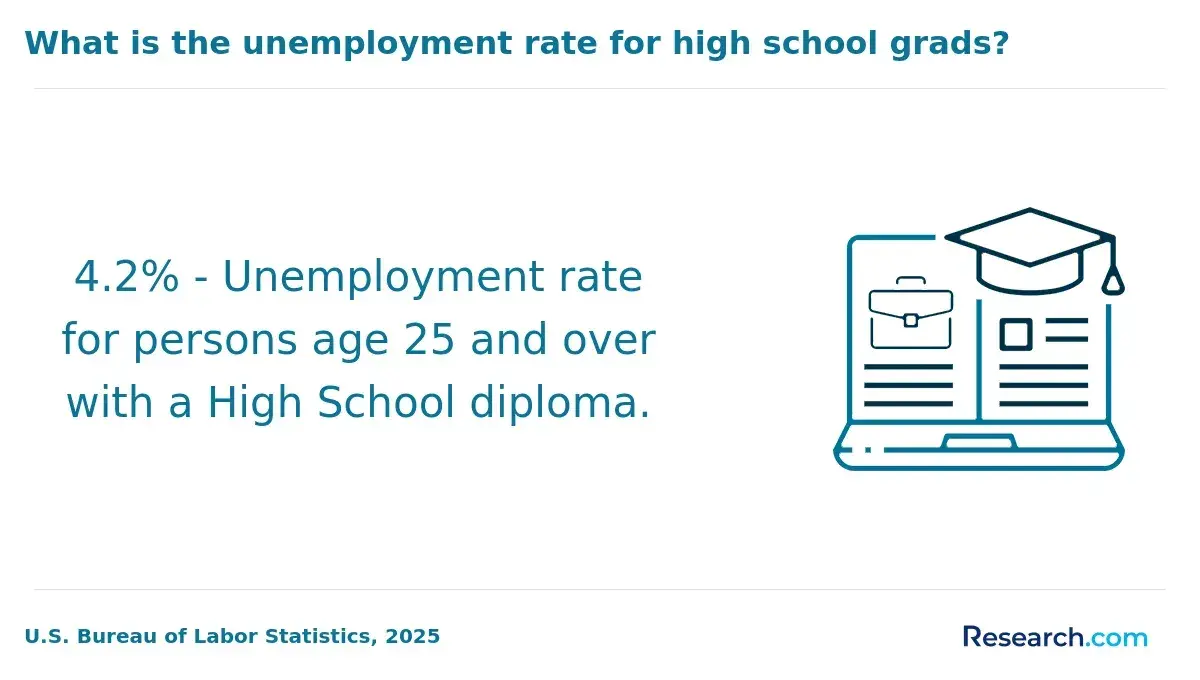
Admission requirements for online computer science bachelor’s programs priced under $10,000 are often accessible, especially at schools designed for working adults, transfer students, and career changers. Most require a high school diploma or GED. Minimum GPA standards usually range from 2.0 to 3.0 on a 4.0 scale, though some open-admission schools waive or reduce GPA requirements.
Many affordable online programs are test-optional or test-flexible, so ACT or SAT scores are often not required. This can help adult learners and transfer students who have been out of school for several years. Entry-level prerequisites are usually limited, but some programs may expect readiness in algebra, precalculus, or general education coursework before students move into core computer science classes.
- High School Diploma or GED: Nearly all programs require this credential as proof of foundational academic preparation.
- Minimum GPA Requirements: Requirements typically range from 2.0 to 3.0, although some schools waive GPA criteria for adult learners or career changers.
- Standardized Test Policies: Many affordable programs do not require ACT or SAT scores, reducing barriers for non-traditional applicants.
- Prerequisite Coursework: General education is usually emphasized at admission; more selective programs may require prior math coursework.
- Admission Models: Open-admission and rolling-admission policies offer flexibility, while selective admission may come with higher academic expectations and stronger support resources.
- Strengthening Applications: Applicants can improve readiness through community college coursework, relevant work experience, introductory programming, or a personal statement that explains their goals and preparation.
Students should not assume that easy admission means easy completion. Computer science coursework can be demanding, especially in programming, discrete math, algorithms, and systems concepts. Applicants with limited technical background may benefit from a low-cost introductory programming course before starting the degree.
Students who want shorter credentials before or alongside a bachelor’s program can review 4-6 week certification programs as supplemental options, but certificates should not be confused with an accredited bachelor’s degree.
How Do Online Computer Science Bachelor's Programs Under $10,000 Support Student Success Through Advising and Career Services?
Strong advising and career services are especially important in low-cost online computer science programs because many students are balancing work, family, transfer credits, and tight budgets. A program may be inexpensive, but poor advising can lead to unnecessary courses, missed prerequisites, delayed graduation, and higher total costs.
- Comprehensive Academic Advising: Advisors should help students map course sequences, understand degree requirements, evaluate transfer credits, and avoid taking classes that do not apply to the major.
- Tutoring and Mentorship Opportunities: Computer science tutoring, faculty office hours, peer support, and mentorship can help students persist through difficult technical courses.
- Mental Health and Wellness Support: Online learners may need counseling, stress management resources, or wellness support while managing school with work and personal responsibilities.
- Career Services and Internship Coordination: Useful services include resume reviews, mock interviews, portfolio guidance, internship listings, virtual job fairs, and employer connections in technology fields.
- Active Alumni Networks and Job Placement: Alumni networks can support referrals, mentoring, and practical career advice. According to NSSE data, student satisfaction is notably higher at institutions emphasizing these connections.
Before enrolling, students should ask how advising works for online learners. Important questions include: Is each student assigned an advisor? How quickly do advisors respond? Are career services available remotely? Does the program help with internships? Are tutoring services included in tuition? Are there portfolio or capstone projects that can be shown to employers?
Students who want a lower-cost starting point before a bachelor’s degree may consider associates degrees online, especially if credits can transfer cleanly into a computer science bachelor’s program later.
What Concentrations or Specializations Are Available Within Online Computer Science Bachelor's Programs Under $10,000?
Online computer science bachelor’s programs under $10,000 may offer concentrations, electives, or informal course clusters that help students prepare for specific career paths. Not every low-cost program has a long list of specializations, so students should check the actual course catalog rather than relying on broad marketing claims.
- Software Development: This track focuses on coding, software engineering, application design, and development practices. The Bureau of Labor Statistics (BLS) forecasts software developer roles to expand by 22% through 2032, with median wages typically exceeding $110,000 annually.
- Data Science and Analytics: This area emphasizes statistics, machine learning, data management, and analytical programming. Median salaries approach $100,000, though students may need additional skills in Python, R, databases, or visualization tools.
- Cybersecurity: Cybersecurity coursework covers digital asset protection, threat detection, risk management, and incident response. Cybersecurity roles are expected to grow by 35%, with median pay around $102,600. Certifications such as CompTIA Security+ or CISSP may add costs beyond tuition.
- Network Systems: This specialization covers enterprise network design, administration, and infrastructure. Salaries are near $80,000, and vendor certifications such as Cisco's CCNA may be useful but are not always required for degree completion.
- Artificial Intelligence: AI-focused coursework may include AI fundamentals, natural language processing, robotics, and machine learning concepts. Advanced roles often require continued education, specialized projects, or credentials beyond the bachelor’s degree.
The best concentration depends on the student’s strengths and goals. Students who enjoy building applications may prefer software development. Those who like math, statistics, and pattern recognition may prefer data analytics or AI. Students interested in risk, networks, and defensive systems may prefer cybersecurity. Cost-conscious students should also factor in any required certification exams, lab fees, or software costs tied to a concentration.
What Technology and Learning Platforms Do Online Computer Science Bachelor's Programs Under $10,000 Use?
Affordable online computer science bachelor’s programs commonly use learning management systems such as Canvas, Blackboard, and Moodle to deliver lectures, assignments, discussions, quizzes, exams, and announcements. A reliable platform matters because online students depend on it for nearly every part of the learning experience.
Students should also expect to use programming and technical tools. These may include integrated development environments (IDEs) such as Visual Studio Code or Eclipse, algorithm simulators, version control tools, databases, and virtual labs for networking or cybersecurity. Some programs include required tools in tuition, while others charge separate fees or require students to install software on their own devices.
- Learning Management Systems: Canvas, Blackboard, and Moodle organize coursework, communication, grades, and deadlines in one online environment.
- Field-Specific Software: Programming environments, simulation tools, virtual labs, and development platforms provide the hands-on practice needed for computer science skills.
- Tuition Inclusions: Some programs bundle software and lab costs into tuition, while others charge additional fees that may push total expenses beyond the expected $10,000 budget.
- Accessibility Features: Downloadable materials, low-bandwidth video options, and simplified interfaces can help students with slower internet or older hardware.
- Technical Requirements: Students generally need reliable internet, updated browsers, and a computer with at least 8GB of RAM and a multi-core processor to run development tools and virtual labs effectively.
Before enrolling, students should request the program’s technology requirements in writing. They should confirm whether a laptop is sufficient, whether a specific operating system is required, whether virtual labs work on older machines, and whether proctored exams require a webcam or special software. These details can affect both cost and day-to-day success.
What Graduates Say About Their Online Computer Science Bachelor's Degree Programs Under $10,000
- : "I chose the online computer science bachelor's degree program under $10,000 because it fit perfectly within my budget while still offering a robust curriculum. The affordability meant I could focus more on learning than worrying about debt-something I truly appreciated. This program helped me transition smoothly into a tech career, opening doors that I hadn't imagined possible before. — Trace"
- : "The cost of attending this online computer science program was the deciding factor for me, especially with so many expensive alternatives out there. Reflecting back, the quality of education I received was beyond what I expected for the price, proving that you don't have to break the bank to get a solid degree. Professionally, it gave me the confidence and skills to advance in a competitive industry. — Sutton"
- : "What stands out most about this online computer science bachelor's degree is how accessible it made higher education without sacrificing quality. The program's value was clear not only in its cost but in how it enhanced my technical expertise and marketability. Today, I credit this degree for my significant career growth and expanded job opportunities in software development. — Ezekiel"
Other Things You Should Know About Computer Science Degrees
Online computer science programs under $10,000 often face challenges like limited access to advanced technology resources, fewer courses, and reliance on adjunct faculty, which can impact the depth of education. While they offer affordability, schools must balance costs with maintaining quality education and support services.
Yes, several fully online computer science programs offer the same tuition rates for in-state and out-of-state students, eliminating additional fees for non-residents.
These schools use a flat tuition model to provide affordable access nationwide. This approach benefits out-of-state learners by making degree costs predictable and affordable regardless of residency.
The ROI of these affordable online degrees can be strong, with many graduates securing positions in software development, systems analysis, or IT support roles.
Entry-level salaries for computer science bachelor's degree holders often start between $60,000 and $75,000, allowing students to recoup their education costs relatively quickly. Choosing accredited programs with good career support maximizes employability and long-term earnings.
Yes, many schools accept credits from CLEP and DSST exams or offer prior learning assessments (PLAs) to reduce tuition expenses. Successfully earning exam credit can shorten the time needed to graduate, reducing total cost.
This flexibility helps working adults and career changers leverage existing knowledge toward earning a degree affordably.
References
- Online College Costs: A Breakdown of Tuition and Fees | OnlineColleges.net https://www.onlinecolleges.net/for-students/online-college-costs/
- A Guide to Student Success Programs - Motimatic https://motimatic.com/industry/higher-ed/student-success-programs/
- Top 40 Computer Science Scholarships in 2026 https://scholaroo.nationaltoday.com/computer-science-scholarships/
- 8 Online Degrees That Pay Well & You Can Start Today | Penn Foster https://www.pennfoster.edu/blog/8-online-degrees-that-pay-well-and-you-can-start-today
- Earn an Online Computer Science Degree | OEDb.org https://www.oedb.org/rankings/online-computer-science-programs/
- CS Scholarships and Funding for Students | Code.org https://code.org/en-US/students/scholarships
- Top Online Schools That Accept Transfer Credits https://www.edvisorly.com/student-guides/online-schools-that-accept-transfer-credits
- Explore online computer science bachelor's degrees | edX https://www.edx.org/bachelors/computer-science
- Average Private vs Public College Tuition [2025]: Data Analysis https://educationdata.org/private-vs-public-college-tuition
- Best Online Computer Science Bachelor's Degrees of 2025 https://www.computerscience.org/degrees/bachelors/online/