2027 Return on Investment of an Online Computer Science Bachelor's Degree: Salary vs Cost

Co-Founder and Chief Data Scientist
Deciding whether to earn an online computer science bachelor’s degree is ultimately a return-on-investment question: will the credential, skills, and job access justify the tuition, time, fees, and workload? This is especially important for working adults, career changers, first-generation students, and professionals who already hold a degree in another field but need stronger technical qualifications.
The financial case can be compelling, but it is not automatic. Recent data shows graduates with online computer science degrees see median salaries 30% higher than those without such credentials. That gap matters, but students still need to compare total program cost, financial aid, employer reimbursement, likely starting salary, long-term salary growth, accreditation, and the specific roles they want after graduation.
This guide breaks down the major cost and salary factors that shape ROI for an online computer science bachelor’s degree. It explains how tuition varies by school type, how quickly graduates may recover degree costs, which specializations tend to pay more, and what hidden expenses can change the real price of enrollment.
Key Things to Know About the Return on Investment of an Online Computer Science Bachelor's Degree
- Average annual tuition for online computer science bachelor's degrees ranges from $10,000 to $25,000, significantly lower than traditional programs, improving affordability and reducing student debt.
- Graduates earn median salaries over $85,000 within five years-about 40% higher than those with non-technical bachelor's degrees-demonstrating strong financial returns despite upfront costs.
- Non-financial benefits include enhanced career advancement, increased job security in a growing tech sector, and valuable professional development opportunities critical for long-term success.
What Is the True Cost of Earning an Online Computer Science Bachelor's Degree From Enrollment to Graduation?
The true cost of an online computer science bachelor’s degree includes more than tuition. Students should budget for required credits, institutional fees, technology access, course materials, software, online exam costs, and the opportunity cost of time spent studying. Data from IPEDS, university net price calculators, and the National Center for Education Statistics show that average tuition cost for online computer science degree programs varies widely based on institution type and residency status.
A useful first step is to separate “sticker price” from “net price.” Sticker price is the published tuition and fee amount. Net price is what students actually pay after grants, scholarships, employer tuition assistance, and other aid are applied.
- Tuition Costs: Tuition typically ranges from $300 to $1,000 per credit hour. With a usual requirement of 120 credits, total tuition before financial aid can fall between $15,000 and $60,000. Public schools, private schools, in-state pricing, and out-of-state pricing can produce very different totals.
- Technology and Fees: Mandatory technology fees often run from $50 to $200 per semester. Registration, student services, and library access charges can add another $500 to $1,500 throughout the program.
- Course Materials and Textbooks: Textbooks, programming resources, and software licenses may cost $1,000 to $2,500 across the degree. Open educational resources can reduce costs, but students should not assume every course will use free materials.
- Proctoring and Exam Fees: Online exams may require remote proctoring, with fees around $30 to $100 per exam. Across several semesters, these charges can total $300 to $800.
- Net Price vs. Sticker Price: Published tuition and fees are only the starting point. Net price calculators can show whether grants, scholarships, and employer benefits reduce costs by 20 to 50 percent.
After financial aid, total expenses for earning an online computer science bachelor’s degree typically range from $20,000 to $50,000. Students comparing online bachelor degree programs should look beyond the lowest advertised tuition and confirm the full cost of attendance, transfer-credit policy, accreditation status, graduation requirements, and student support services.
For students also comparing technology-focused pathways, options such as an AI degree may offer a useful benchmark for understanding how program focus, tuition, and career goals affect the final investment.
How Does the Starting Salary for Computer Science Bachelor's Degree Graduates Compare to the Total Cost of the Degree?
Graduates with a bachelor’s degree in computer science typically enter the workforce with median annual salaries of about $72,000 in entry-level roles like software developers and computer programmers, according to the U.S. Bureau of Labor Statistics. When measured against total online degree costs, that starting salary can make the payback period relatively short compared with many other bachelor’s degrees.
The comparison depends heavily on the student’s actual net cost. Tuition costs range from roughly $20,000 in low-tuition, high-aid situations to as much as $60,000 in less subsidized programs. At a $72,000 starting salary, the best-case scenario requires approximately 3.3 months of gross income to recover degree costs. A $60,000 program requires nearly ten months of starting salary. These estimates do not account for taxes, living expenses, loan interest, or lost work hours, but they provide a clear starting point for evaluating affordability.
Starting salary is only one part of the ROI picture. The BLS projects a 13% median wage increase over the next decade for computer science careers, which can improve the long-term value of the credential. Graduates may also gain access to roles with stronger advancement paths, better job security, and more technical specialization.
For working professionals comparing multiple graduate or professional pathways, an executive MBA may be worth reviewing alongside a computer science degree if the goal is to blend technical skills with leadership or management roles.
- Median Starting Salary: Entry-level computer science graduates earn about $72,000 annually, giving many graduates a strong first-year earnings base.
- Cost Variance Impact: Tuition costs vary widely from $20,000 to $60,000, so program choice can significantly affect the speed of payback.
- Payback Period: Degree costs can be offset in just over 3 months in the best cases, while the highest-cost scenario takes close to 10 months of starting salary.
- Salary Growth Potential: Projected 13% wage growth can strengthen long-term returns and shorten the practical payback period over time.
- Non-Financial Benefits: The degree can also support career advancement, job mobility, professional credibility, and resilience in a changing labor market.
What Is the Average Return on Investment (ROI) for an Online Computer Science Bachelor's Degree Over a 10-Year Career?
ROI for an online computer science bachelor’s degree is best measured by comparing the total cost of the degree with the additional income a graduate may earn over time. In higher education, ROI is commonly calculated by subtracting degree expenses from the extra earnings associated with the credential over a defined period, such as 10 years.
Reports from Georgetown University’s Center on Education and the Workforce and PayScale’s College ROI Report show that degrees in science, technology, engineering, and math often produce stronger financial returns than many other fields. Using median wage data from the U.S. Bureau of Labor Statistics, computer science graduates start with an average salary near $95,000 and typically see about 3% yearly raises. Over a decade, this growth results in cumulative earnings close to $1.1 million.
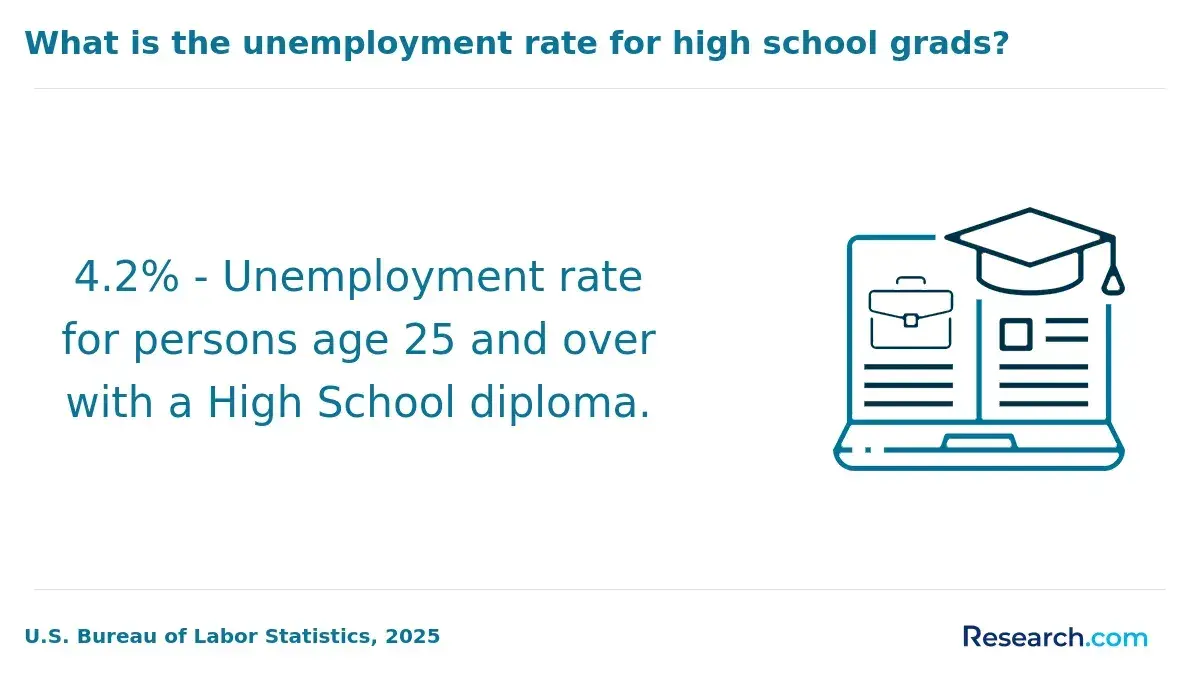
By comparison, individuals with just a high school diploma in related fields earn around $630,000 in the same period. After deducting the average total cost of an online computer science degree, commonly between $40,000 and $60,000, the net gain remains substantial. This return surpasses the typical bachelor’s degree ROI by almost 50%.
- Clear Definition: ROI is the difference between additional income earned over ten years after graduation and the total expenses incurred in completing the degree.
- Salary Growth Impact: Annual raises of about 3% compound over time, making early career salary growth important to long-term returns.
- Cost Consideration: Online programs usually cost less than $60,000, which can make the investment more manageable than higher-priced residential options.
- Comparison to National Average: Computer science degrees deliver a return nearly 50% higher than the average bachelor’s degree, reflecting stronger economic outcomes over time.
One professional who enrolled in an online computer science bachelor’s degree program said he weighed the expenses carefully before committing. “I was nervous about juggling work, studies, and family,” he explained, “but understanding the expected salary growth and costs helped me stay committed.” The online format gave him enough flexibility to continue working while progressing through the program. “It wasn’t easy, and there were moments I questioned if it was worth it, yet knowing the ROI kept me focused on finishing.” His experience shows why students should evaluate both the numbers and the workload before enrolling.
How Do Online Computer Science Program Tuition Rates Compare Across Public, Private, and For-Profit Institutions?
Online computer science tuition varies sharply by institution type. Public universities are often the most affordable for in-state students, private nonprofit institutions tend to charge higher tuition but may offer stronger support or reputation benefits, and for-profit colleges may advertise lower entry costs while raising questions about completion outcomes and employer perception.
| Institution Type | Typical Tuition Pattern | ROI Consideration |
| Public Universities | In-state students typically pay $7,000 to $10,000 per year based on recent IPEDS data. Some online computer science programs use flat-rate tuition from $12,000 to $18,000 annually. | Often a strong value when the program has recognized accreditation, solid graduation outcomes, and employer visibility. |
| Private Nonprofit Institutions | Tuition generally ranges from $25,000 to $40,000 per year for online programs. | Higher cost may be justified if the school offers strong graduation statistics, respected faculty, career services, and employer recognition. |
| For-Profit Colleges | Some advertise tuition under $10,000 annually. | Lower upfront pricing can be appealing, but weaker graduation rates and employer skepticism may reduce long-term ROI. |
Public Universities: In-state students usually receive the best pricing, especially when the institution offers online tuition that does not penalize distance learners. Flat-rate online tuition can also help students forecast costs more accurately.
Private Nonprofit Institutions: These schools can be considerably more expensive, but some offer stronger advising, alumni networks, career support, and employer recognition. Students should compare net price rather than published tuition alone because scholarships can narrow the gap.
For-Profit Colleges: These programs may be convenient and flexible, but students should verify accreditation, graduation rates, transfer-credit policies, and employer acceptance before enrolling. A low tuition rate does not guarantee strong ROI if completion or job placement outcomes are weak.
Students on a tight budget may also consider starting at a lower-cost institution before transferring into a bachelor’s program. For example, those evaluating early academic options can review community colleges near me as one way to reduce the cost of the first two years.
What Long-Term Salary Growth Can Computer Science Bachelor's Degree Holders Expect Over a 20- to 30-Year Career?
Computer science bachelor’s degree holders can generally expect strong long-term salary growth over a 20- to 30-year career, especially if they continue building practical skills and move into higher-value technical or leadership roles. Earnings often rise as professionals gain experience in software development, cybersecurity, artificial intelligence, cloud systems, data infrastructure, or software architecture.
- Early Career Growth: In the first five years, professionals often see rapid salary increases as they gain hands-on experience and move beyond entry-level responsibilities. Starting salaries usually range between $65,000 and $75,000 annually, depending on geography, employer size, industry, internship history, and technical portfolio.
- Mid-Career Acceleration: Between 10 and 15 years, many professionals move into senior developer, technical lead, systems architect, project management, or specialized engineering roles. Data from sources like the American Community Survey and PayScale suggest salaries in this phase typically climb to $110,000-$130,000.
- Late Career Plateau and Executive Roles: After two decades, salary growth may become steadier. Professionals who transition into strategic or specialized positions such as solutions architect or IT director can attain earnings around $150,000 to $175,000. Larger jumps usually come from executive, consulting, or high-demand niche roles.
Lifetime Earnings Premium: Holding a bachelor’s degree in computer science yields a substantial lifetime income advantage, with cumulative earnings surpassing those of non-degree holders by roughly $1 million. This premium comes from both higher starting salaries and greater access to senior technical and management tracks.
One graduate of an online computer science bachelor’s program said the salary growth was important, but the broader career mobility mattered just as much. Balancing work and online coursework required discipline, especially in technical courses that demanded regular practice. Over time, however, the degree helped her qualify for more senior roles and gave her more confidence in technical decision-making.
How Does the ROI of an Online Computer Science Bachelor's Degree Compare to an Associate Degree or a Professional Certificate?
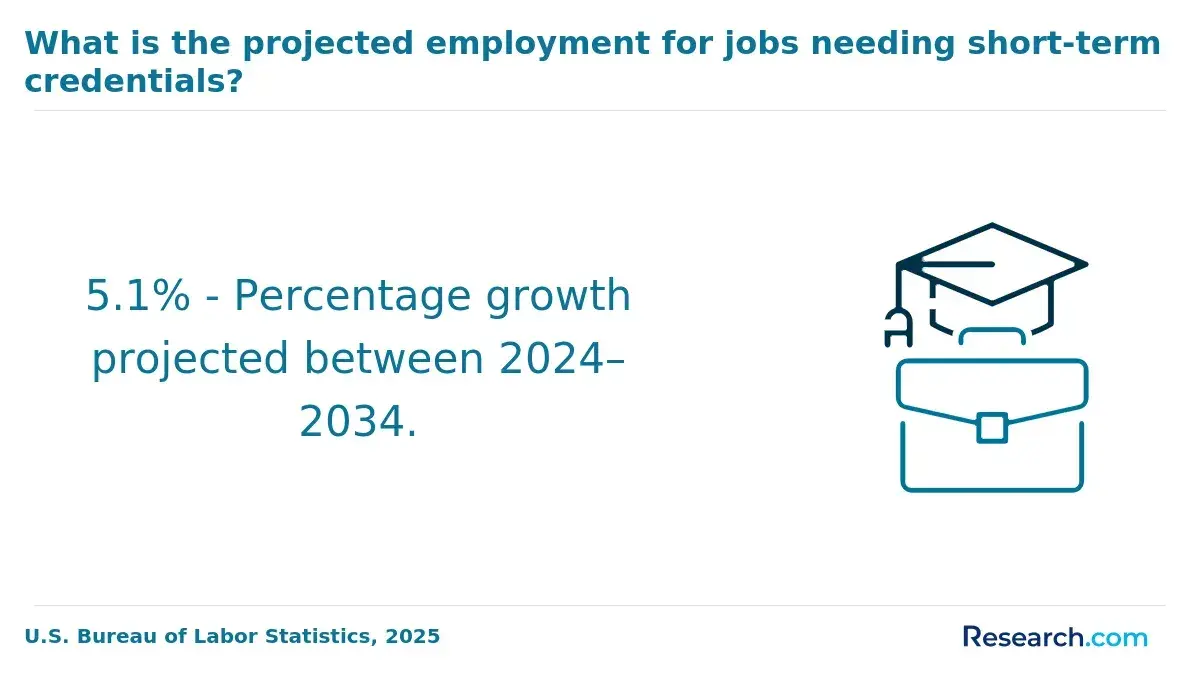
The ROI of an online computer science bachelor’s degree is usually stronger over the long term, while an associate degree or professional certificate can produce faster short-term returns. The right choice depends on budget, timeline, current experience, and target job title.
Median salaries for jobs requiring a bachelor’s degree in computer science typically exceed $90,000 annually. Roles commonly held by those with associate degrees or certificates usually earn near $55,000. That salary gap reflects differences in role complexity, promotion access, employer requirements, and long-term salary ceilings.
| Credential | Typical Cost | Best Fit | ROI Pattern |
| Bachelor’s Degree | $40,000 to $60,000 in tuition and fees | Students targeting software engineering, cybersecurity, data science, systems design, or long-term advancement | Higher upfront cost, stronger long-term earning potential |
| Associate Degree | $10,000 to $20,000 | Students seeking lower-cost entry into IT, support, web development, or transfer pathways | Lower cost and faster entry, but lower salary ceiling |
| Professional Certificate | A few thousand dollars | Career changers needing targeted skills quickly or workers adding a specific technical competency | Fastest short-term ROI, but limited by employer credential requirements |
- Cost: Earning a bachelor’s degree online often requires $40,000 to $60,000 in tuition and fees. Associate degree programs generally cost between $10,000 and $20,000, and certificates can be obtained for just a few thousand dollars.
- Short-Term ROI: Certificates and associate degrees can help students enter the workforce sooner, reduce upfront spending, and start earning earlier.
- Long-Term ROI: Bachelor’s degree holders usually qualify for a wider range of roles and higher-paying career tracks over a 10-to-20-year period.
- Career Advancement: Employers often prefer or require bachelor’s degrees for promotions into managerial, engineering, architecture, cybersecurity, or data-focused positions.
- Decision Framework:
- Choose a certificate if you need one specific skill quickly and already have relevant work experience.
- Choose an associate degree if cost is the biggest constraint and you want a stepping stone into IT or a future bachelor’s transfer path.
- Choose a bachelor’s degree if your goal is long-term advancement in software engineering, cybersecurity, data science, or other technical roles with higher salary ceilings.
ROI should not be judged by salary alone. Students should also consider job stability, promotion requirements, learning depth, networking, transferability, and whether the credential is recognized by employers in their target field.
Which Online Computer Science Specializations or Concentrations Yield the Highest Earning Potential After Graduation?
Specializations can improve earning potential because they signal focused preparation for high-demand technical roles. The best concentration is not simply the one with the highest salary figure; it is the one that matches a student’s abilities, prior experience, market demand, and willingness to pursue additional certifications or advanced coursework.
- Cybersecurity: Salaries frequently surpass $100,000 annually because organizations need professionals who can protect systems, networks, and data. Certifications such as CISSP or CEH may add cost, but they can also strengthen job security and advancement prospects.
- Data Science and Analytics: Professionals in this area command median salaries exceeding $95,000 by turning large data sets into business, healthcare, finance, or technology insights. Additional study in machine learning or statistics may extend time-to-ROI slightly.
- Software Engineering: With median wages near $107,000, software engineering remains one of the most versatile paths. It can lead to roles in web platforms, enterprise software, mobile development, backend systems, and product engineering without requiring costly licenses.
- Artificial Intelligence and Machine Learning: Experts in this area can see top compensation, with median salaries over $110,000. The trade-off is that advanced coursework, stronger math preparation, and additional certifications may increase upfront effort and cost.
- Cloud Computing: Cloud specialists earn around $100,000 on average. AWS or Azure certification can improve employability, but students should include certification costs and renewal expectations in their ROI calculations.
Compared to generalist computer science graduates, specialists typically see a 10-20% salary premium. However, specialization should be strategic. A student with no technical background may benefit from a broad software engineering foundation before moving into artificial intelligence or cybersecurity, while a working IT professional may be able to specialize faster and recover costs sooner.
How Do Employer Tuition Reimbursement and Financial Aid Reduce the Net Cost of an Online Computer Science Bachelor's Degree?
Employer tuition reimbursement and financial aid can substantially reduce the amount students pay out of pocket for an online computer science bachelor’s degree. The key is to layer available funding sources before borrowing: employer benefits, grants, scholarships, institutional aid, and then federal loans if needed.
Under IRS Section 127, many employers provide up to $5,250 annually in tuition assistance. The Society for Human Resource Management (SHRM) reports nearly 60% of U.S. employers offer tuition assistance, making this a common but underused benefit. Some employers reimburse students after successful course completion, while others pay the institution directly. Coverage may include tuition and sometimes related costs such as fees and materials.
When combined with federal and institutional aid, the sticker price of an online computer science degree can be cut by 70% or more. Grants and scholarships do not require repayment. Subsidized federal loans can also reduce borrowing costs by preventing interest from accumulating during enrollment.
For example, a student facing total degree costs of $40,000 might receive $10,000 in employer tuition reimbursement over four years, $8,000 in scholarships, and $12,000 from federal aid programs. This combination lowers their net cost to around $10,000 before personal payments. Students considering longer-term education planning may also compare future options such as accelerated masters psychology programs if their career goals extend beyond computing or into interdisciplinary work.
- Employer Tuition Reimbursement: Many employers offer tax-advantaged tuition benefits of up to $5,250 annually under IRS Section 127.
- Prevalence of Benefits: Nearly 60% of U.S. employers provide tuition assistance, according to SHRM data.
- Federal and Institutional Aid: Grants and scholarships reduce tuition without repayment, while subsidized loans help limit interest costs during enrollment.
- Combined Impact: Employer reimbursement plus federal and institutional aid can slash net costs by 70% or more.
- Key Requirements: Employer programs may require minimum grades, approved majors, reimbursement paperwork, or post-graduation employment commitments.
What Hidden Costs Should Students Factor Into the Total Investment of an Online Computer Science Bachelor's Degree?
Students budgeting for an online computer science bachelor’s degree should plan for hidden costs that are not always obvious in tuition estimates. These expenses, ranging from $1,000 to $2,500 throughout the program, are documented in multiple universities’ cost-of-attendance disclosures and College Board research. They matter because they increase the upfront investment and can extend the break-even timeline for ROI.
Mandatory technology fees support access to online learning platforms, digital libraries, help desks, and student services. These charges usually cost a few hundred dollars annually. Online proctoring fees can total $20 to $50 per test and may become expensive in courses with frequent exams. Graduation fees, often $100 to $200, are one-time charges that students commonly overlook until the end of the program.
Computer science students may also need paid software licenses, cloud computing credits, data analysis tools, development environments, or specialized subscriptions. Some courses can add several hundred dollars per term in required tools. Professional memberships are usually optional, but they can support networking, conferences, job boards, and career development for $50 to $150 annually.
Before enrolling, students should request a full cost-of-attendance breakdown from the school. That breakdown should identify mandatory fees, estimated course materials, transfer-credit limits, graduation charges, and any technology requirements. For a broader comparison of online program affordability outside computer science, students can also review options such as the cheapest online masters in history.
- Technology Fees: Required for learning platforms and support services, these fees typically amount to a few hundred dollars yearly.
- Proctoring and Exam Costs: Online exam fees can range from $20 to $50 each and accumulate across multiple assessments.
- Course-Specific Software: Programming, data analysis, cybersecurity, or cloud courses may require paid tools that add several hundred dollars per term.
- Graduation and Administrative Fees: One-time costs for processing graduation and maintaining records usually fall between $100 and $200.
- Professional Memberships: Optional memberships can cost between $50 and $150 annually and may support networking or job searches.
How Does the Accreditation Status of an Online Computer Science Program Affect Graduate Salary and Employability?
Accreditation affects employability because it signals whether a college or program meets recognized academic standards. For online computer science students, accreditation can influence employer confidence, transfer-credit acceptance, graduate school eligibility, financial aid access, and salary negotiation.
Regional accreditation evaluates the institution as a whole and is generally the most broadly accepted form of institutional accreditation for employers and graduate schools. Programmatic accreditation evaluates a specific academic field and can add credibility for computer science or closely related technical programs. Students should not assume that “online” means lower quality; the key question is whether the institution and, when relevant, the program hold recognized accreditation.
Data from the National Association of Colleges and Employers (NACE) indicate that hiring managers prefer candidates with regionally accredited degrees because they associate them with stronger academic standards. Degrees from nationally accredited-only or non-accredited schools may raise concerns among employers, especially for competitive technical roles or jobs that require a recognized bachelor’s degree.
Choosing a program without appropriate accreditation can also create barriers. Students may lose access to certain federal aid options, have difficulty transferring credits, face limitations when applying to graduate programs, or encounter restrictions for government, healthcare, or contractor roles that require accredited credentials. Before enrolling, students should verify accreditation through official U.S. Department of Education or Council for Higher Education Accreditation (CHEA) resources.
- Regional vs. Programmatic Accreditation: Regional accreditation covers the full institution, while programmatic accreditation focuses on specific academic fields.
- Employer Hiring Preferences: NACE research shows employers often prioritize regionally accredited degrees, which can influence interviews, salary offers, and advancement.
- Barriers Without Proper Accreditation: Graduates may face limits when applying to graduate programs, certain sector jobs, or roles requiring recognized credentials.
- Salary Negotiation Advantages: An accredited degree can strengthen a graduate’s credibility when negotiating pay or applying for competitive technical positions.
- Verification Before Enrollment: Students should confirm accreditation before applying, not after completing courses.
What Entry-Level Job Titles and Salary Ranges Are Available to Graduates of Online Computer Science Bachelor's Programs?
Graduates of online computer science bachelor’s programs can qualify for a range of entry-level technology roles. Salary depends on location, industry, technical portfolio, internships, certifications, interview performance, and the strength of the program’s career support. Graduates who complete projects, internships, or employer-recognized certifications often enter higher pay brackets sooner.
- Software Developer: Starting pay typically ranges from $65,000 to $85,000. Technology and finance employers often pay more, and full-stack or mobile development experience can improve offers.
- Systems Analyst: Entry salaries generally fall between $60,000 and $78,000. Healthcare, government, and enterprise technology environments may value candidates who understand systems architecture or cybersecurity.
- Data Analyst: Median pay begins around $58,000 to $75,000. SQL, data visualization, statistics, and business analytics experience can help candidates compete for stronger offers.
- Quality Assurance Tester: Starting salaries often range from $50,000 to $67,000. Automated testing, scripting, and software development lifecycle knowledge can raise earning potential.
- Network Administrator: Entry pay spans $55,000 to $72,000. Government, healthcare, and corporate IT roles may reward candidates with networking and security certifications.
- IT Support Specialist: Typical pay ranges between $45,000 and $60,000. This role can be a practical entry point, especially for students building experience before moving into systems, security, or cloud roles.
- Web Developer: Median starting pay varies widely from $50,000 to $70,000. Front-end, back-end, UX, and portfolio quality all affect earning potential.
- Database Administrator: Starting salaries usually range $60,000 to $80,000. SQL fluency, database design, and experience with enterprise systems are important for higher-paying roles.
Students should evaluate whether an online program includes career-relevant projects, internship support, employer partnerships, coding practice, and portfolio development. Those features can be just as important as the course list because they help translate the degree into job interviews and salary offers.
What Graduates Say About the Return on Investment of Their Online Computer Science Bachelor's Degree
- Trace: "I chose the online computer science bachelor's degree because I carefully evaluated the ROI and realized it was a smart investment given the affordable tuition and potential salary boost. Beyond the financial gains, the program offered incredible career advancement opportunities-I quickly moved into a leadership role after graduating. The flexibility also allowed me to balance work and study, solidifying my job security in a rapidly evolving tech industry."
- Sutton: "Reflecting on my journey, the online computer science degree was more than just a paycheck enhancer-it opened doors to new skill sets and professional growth avenues I hadn't anticipated. I initially weighed cost versus return, but the real value showed in the expanded network and confidence I gained. This degree transformed not only my earning potential but also my ability to innovate and lead within my field."
- Ezekiel: "From a professional standpoint, investing in the online computer science bachelor's program paid off by accelerating my career trajectory at a competitive cost. The non-financial rewards stood out the most-greater job stability, continuous learning, and a strong foundation that boosted my marketability. Choosing this degree was a strategic move that strengthened both my skills and long-term career prospects."
Other Things You Should Know About Computer Science Degrees
Salary outcomes for computer science graduates can vary widely based on geographic location and industry sector. Graduates working in high-cost urban areas like San Francisco or New York typically earn higher salaries compared to those in smaller cities or rural areas. Additionally, sectors such as finance, software development, and technology consulting generally offer better pay than education or government roles, influencing the overall return on investment.
Employer surveys consistently highlight a strong demand for workers with a computer science bachelor's degree, citing skills in programming, data analysis, and cybersecurity as highly valuable. Labor market data from sources like the Bureau of Labor Statistics indicate that employment in computer science occupations is projected to grow faster than average, reinforcing the degree's relevance and positive ROI. Employers often prefer candidates with formal education combined with practical experience.
Non-financial returns include enhanced career advancement opportunities, increased job security, and expanded professional networks. Graduates often gain critical thinking and problem-solving skills that support transition into management or specialized technical roles. These benefits contribute to overall life satisfaction and long-term career resilience, which are important factors when evaluating the investment in an online computer science degree.
References
- Top 6 Jobs With a Computer Science Bachelor’s Degree https://www.snhu.edu/about-us/newsroom/stem/top-computer-science-bachelors-degree-jobs
- Average Cost of Online College [2025]: Yearly Tuition + Fees https://educationdata.org/average-cost-of-online-college
- Does College Pay Off? A Comprehensive Return On Investment Analysis - FREOPP https://freopp.org/whitepapers/does-college-pay-off-a-comprehensive-return-on-investment-analysis/
- Cost of Online College vs. Traditional | Champlain College Online https://online.champlain.edu/blog/cost-of-online-education-vs-traditional-education
- 10 college degrees with the best return on investment https://qz.com/college-degrees-highest-best-return-on-investment
- Uncovered: the Hidden Costs of University https://sites.exeter.ac.uk/students/2024/02/28/uncovered-the-hidden-costs-of-university/
- Computer Science Degree Cost: 2026 Financial Guide https://www.computerdegreesonline.org/computer-science-degree-cost/
- Entry-Level IT Jobs You Can Get With an Online Degree https://www.collegetransitions.com/blog/entry-level-it-jobs-you-can-get-with-an-online-degree/