2027 Self-Paced Online Computer Science Bachelor's Degree Programs

Co-Founder and Chief Data Scientist
A self-paced online computer science bachelor’s degree can be a practical route into technology for adults who cannot pause work, relocate, or follow a weekly class schedule. The format gives students more control over when they study and, in some programs, how quickly they complete requirements. That flexibility matters for career changers, military learners, parents, and professionals who already have college credits or technical experience.
The trade-off is that self-paced does not mean effortless. These programs require disciplined time management, careful cost planning, and close attention to accreditation, transfer credit, financial aid rules, and academic support. Recent data shows that 62% of self-paced online learners reported higher retention rates than in conventional programs, but outcomes still depend heavily on the student’s preparation and the program’s design.
This guide explains how self-paced online computer science bachelor’s programs work, which accredited institutions offer them, how long they may take, what they cost, how financial aid applies, and what to check before enrolling.
Key Benefits of Self-Paced Online Computer Science Bachelor's Degree Programs
- Self-paced online computer science bachelor's degree programs offer unmatched flexibility, allowing working professionals to balance coursework with employment and personal commitments on their own schedules.
- Students can accelerate skill acquisition by progressing through material as quickly as they master concepts-often completing degrees faster than traditional timelines.
- These programs provide cost-effective pathways through reduced tuition fees, transfer credit acceptance, and prior learning assessments, lowering the overall investment for earning an accredited credential.
What Are Self-Paced Online Computer Science Bachelor's Degree Programs, and How Do They Differ From Traditional Online Formats?
Self-paced online computer science bachelor’s degree programs allow students to move through coursework with more control over timing than a standard online program. Instead of meeting every week at fixed times or progressing with a cohort, students usually complete modules, projects, exams, or competency assessments when they are ready. In many programs, advancement depends on demonstrating mastery rather than simply finishing a set number of weeks in class.
The main difference is structure. Traditional online degrees often mirror campus courses: set start dates, weekly assignments, term calendars, group discussions, and instructor deadlines. Self-paced formats reduce some of that scheduling pressure, but they also shift more responsibility to the student.
Key differences to compare
- Pacing: Traditional online programs use academic terms and deadlines. Self-paced programs may let students accelerate through familiar material or slow down during demanding work or family periods.
- Enrollment timing: Some self-paced programs offer rolling or frequent start dates, while traditional online programs often begin on semester, quarter, or term schedules.
- Course progression: Many self-paced programs use milestone-based or competency-based models. Students advance after completing assessments that show they understand the material.
- Faculty interaction: Traditional online courses may include live lectures or scheduled discussion periods. Self-paced programs usually rely more on asynchronous feedback, faculty office hours, coaching, tutoring, and on-demand resources.
- Accountability: Cohort-based programs provide built-in deadlines and peer momentum. Self-paced programs require students to create their own study calendar and track progress consistently.
- Transfer and prior learning: Flexible programs may be more open to transfer credits, prior learning assessment, certifications, or professional experience, depending on school policy.
- Financial aid rules: Accredited self-paced programs may qualify for federal financial aid, but aid timing can differ from standard term-based programs.
This format works best for students who are independent learners, can study regularly without frequent reminders, and know how to ask for help early. Students who need live instruction, frequent deadlines, or close peer interaction may prefer a structured online program. Those comparing other accelerated education options can also review one year masters programs online for a broader view of flexible degree pathways.
Which Accredited Institutions Offer Self-Paced Online Computer Science Bachelor's Degree Programs?
Several regionally accredited U.S. institutions offer online computer science bachelor’s programs with self-paced, asynchronous, or competency-based features. The right choice depends on how much structure you want, how many credits you can transfer, whether you prefer per-credit tuition or subscription pricing, and how much academic coaching you need.
Prospective students should verify the current program format directly with each school before applying, because policies for pacing, tuition, transfer credit, and assessments can change.
- Western Governors University: WGU offers a competency-based computer science bachelor’s degree in which students can accelerate by demonstrating mastery. Tuition is commonly structured through a flat subscription rate per term. The university is regionally accredited by the Northwest Commission on Colleges and Universities (NWCCU), and typical completion time averages about three years, although the actual pace varies by student.
- Capella University: Capella’s FlexPath format is designed for students who want more control over pace. Its flat-fee structure can benefit learners who complete coursework quickly. Capella holds regional accreditation from the Higher Learning Commission (HLC), and completion timelines often range from two to four years depending on experience and study time.
- Southern New Hampshire University (SNHU): SNHU offers an online Bachelor of Science in computer science with flexible scheduling and a per-credit tuition model. It is accredited by the New England Commission of Higher Education (NECHE), accepts transfer credits generously, and most students finish within three to four years.
- University of North Dakota (UND): UND provides an asynchronous, self-paced computer science bachelor’s degree with tuition charged per credit. Students may be able to accelerate through prior learning assessments. UND is regionally accredited by the Higher Learning Commission (HLC), and average completion is around three years, though timelines vary by learner pace.
- Amridge University: Amridge offers a competency-based Bachelor of Science in computer science that places emphasis on prior learning and real-world experience. Tuition is subscription-based, and the school is accredited by the Southern Association of Colleges and Schools Commission on Colleges (SACSCOC). Completion times typically range between two and four years.
When comparing these schools, look beyond the program name. Ask how courses are assessed, how often terms begin, whether the program is truly self-paced or simply asynchronous, how many transfer credits are accepted, and whether federal financial aid applies to your enrollment plan. Students who want to compare similar time-saving models across fields can review accelerated degrees online.
How Long Does It Take to Complete a Self-Paced Online Computer Science Bachelor's Degree?
A self-paced online computer science bachelor’s degree may take as little as two years or as long as eight, depending on transfer credit, weekly study time, program rules, and how quickly the student can complete assessments. The format can shorten the timeline for students who already know some of the material, but it can also stretch out if work, family, or finances interrupt progress.
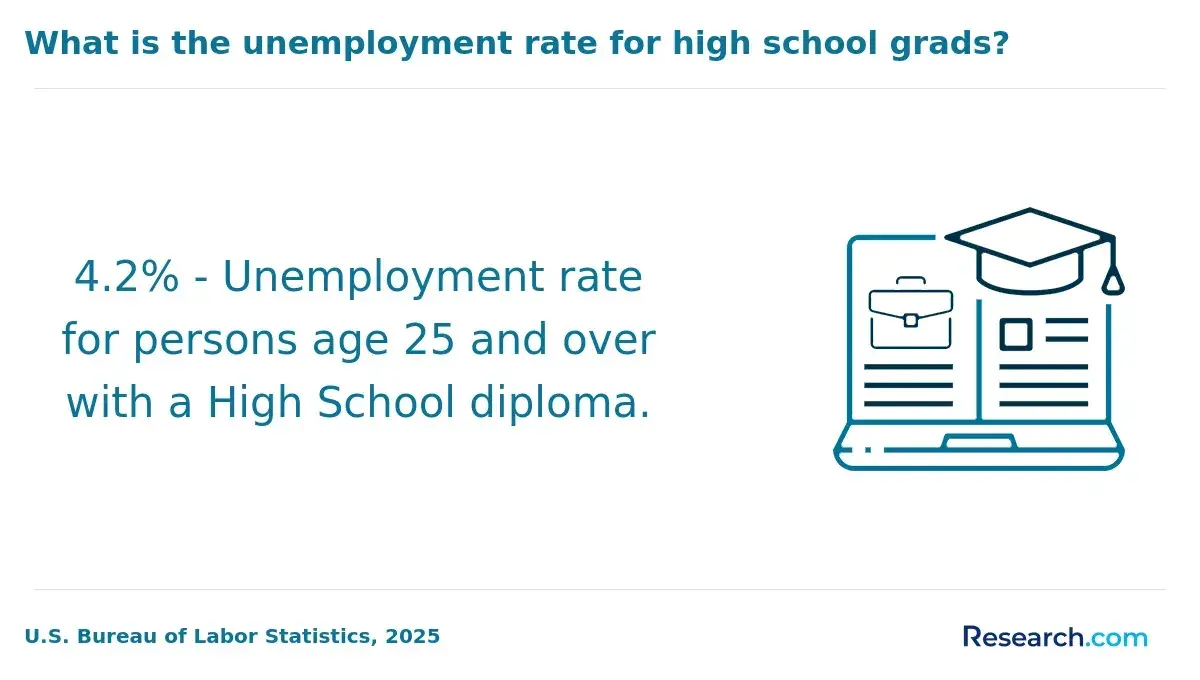
According to the Bureau of Labor Statistics, traditional full-time students typically complete bachelor’s degrees in around four years. Self-paced formats are different because students are not always locked into the same term-by-term sequence.
Factors that affect completion time
- Prior credits: Transferable college credits can satisfy general education, electives, or introductory major requirements, reducing the number of courses left to complete.
- Transfer coursework: Schools may accept credits from accredited institutions and, in some cases, recognized certifications or approved technical coursework. Strong transfer policies can shorten the path to graduation.
- Weekly study hours: Students who can consistently study 20 or more hours per week often progress faster than students taking only a few hours around work and family obligations.
- Prior learning assessments: Some programs award credit through competency exams, portfolios, military training evaluations, or professional learning reviews.
- Course difficulty: Computer science programs usually include programming, algorithms, data structures, systems, databases, software engineering, and math-heavy subjects. Advanced technical courses may take longer than general education courses.
- Program rules: Some schools set minimum and maximum term loads, assessment windows, or required course sequences that can limit acceleration.
- Support services: Tutoring, academic advising, coding help, and peer forums can reduce delays when students encounter difficult concepts.
One student who completed a self-paced online computer science bachelor’s degree said the hardest adjustment was estimating time honestly. He initially assumed that evenings and weekends would be enough, but work deadlines and family responsibilities made his study schedule inconsistent. After transferring previous credits and setting smaller weekly goals, he was able to regain momentum. His experience shows that flexibility helps, but it does not replace planning.
What Are the Admission Requirements for Self-Paced Online Computer Science Bachelor's Degree Programs?
Admission requirements for self-paced online computer science bachelor’s programs vary by institution. Some programs are selective and review GPA, prior coursework, and academic readiness. Others use open-enrollment or rolling admission models designed for working adults and transfer students.
- High school diploma or GED: Most programs require applicants to have completed high school or earned a GED. This confirms basic eligibility for undergraduate study.
- Minimum GPA expectations: Many programs expect a minimum GPA, often between 2.5 and 3.0. Open-access programs may have more flexible GPA requirements and may provide academic support for students returning to school after a long break.
- Math readiness: Computer science is math-intensive. Applicants may need algebra, geometry, or other foundational math coursework. Some programs may require or recommend placement assessments before students begin higher-level courses.
- Programming background: Introductory programming is not always required for admission, but students with prior exposure to coding may adjust more easily to early computer science courses.
- Transcripts: Transfer students usually must submit official transcripts from all colleges previously attended so the school can evaluate credits accurately.
- Rolling or open enrollment: Many self-paced programs allow students to start at multiple points during the year instead of waiting for a traditional fall or spring semester.
- Additional materials: Some schools may request a resume, personal statement, recommendation letters, or proof of professional certifications, especially when evaluating prior learning or adult learner readiness.
Students who do not meet admission expectations can strengthen their application by completing a college math course, taking an introductory programming class, earning a relevant certification, or starting with a lower-division credential. For some learners, an associate degree can be a practical first step; those weighing that option may compare the easiest associate's degree to get before transferring into a bachelor’s program.
How Much Does a Self-Paced Online Computer Science Bachelor's Degree Cost, and What Affects Tuition?
The cost of a self-paced online computer science bachelor’s degree depends on the school’s pricing model, accepted transfer credits, fees, books, software, and how quickly the student completes the program. The lowest advertised tuition is not always the lowest total cost, especially in subscription-based models where a slower pace can increase the amount paid over time.
- Per-credit tuition: Online computer science bachelor’s programs frequently charge by credit, with costs typically ranging from $200 to $600 per credit. Because a bachelor’s degree usually requires about 120 credits, accepted transfer credits can make a major difference in total tuition.
- Flat-rate subscription: Some schools charge a monthly or term-based subscription fee for access to coursework. This can lower costs for students who complete courses quickly, but it can become expensive for students who need more time.
- Bundled fees: Some programs combine tuition, technology costs, course materials, and assessment fees into a single charge. Bundling can simplify billing, but students should still ask what is included and what is not.
- Hidden or separate costs: Students may pay extra for online proctoring, textbooks, digital platforms, lab tools, required software, hardware upgrades, graduation fees, or transcript fees.
- Transfer credit impact: The more credits a school accepts toward the degree, the fewer credits or terms a student may need to pay for.
- Pace of completion: In subscription programs, speed can affect price. In per-credit programs, total cost is usually more closely tied to the number of credits remaining.
Before enrolling, ask the school for a full cost estimate based on your transfer evaluation and expected pace. Students comparing affordability across programs may also want to review the cost of online computer science degree options to understand how tuition models differ.
One graduate said the subscription model motivated her to finish courses faster, but she still encountered unexpected technology charges. Her main lesson was to separate fixed costs from variable costs before committing. For self-paced programs, the sticker price matters, but the student’s actual pace often matters just as much.
What Financial Aid Options Are Available for Self-Paced Online Computer Science Bachelor's Programs?
Many self-paced online computer science bachelor’s programs can qualify for financial aid if the institution is properly accredited and the program meets eligibility rules. However, financial aid may work differently in competency-based education or nontraditional calendars, so students should confirm details before enrolling.
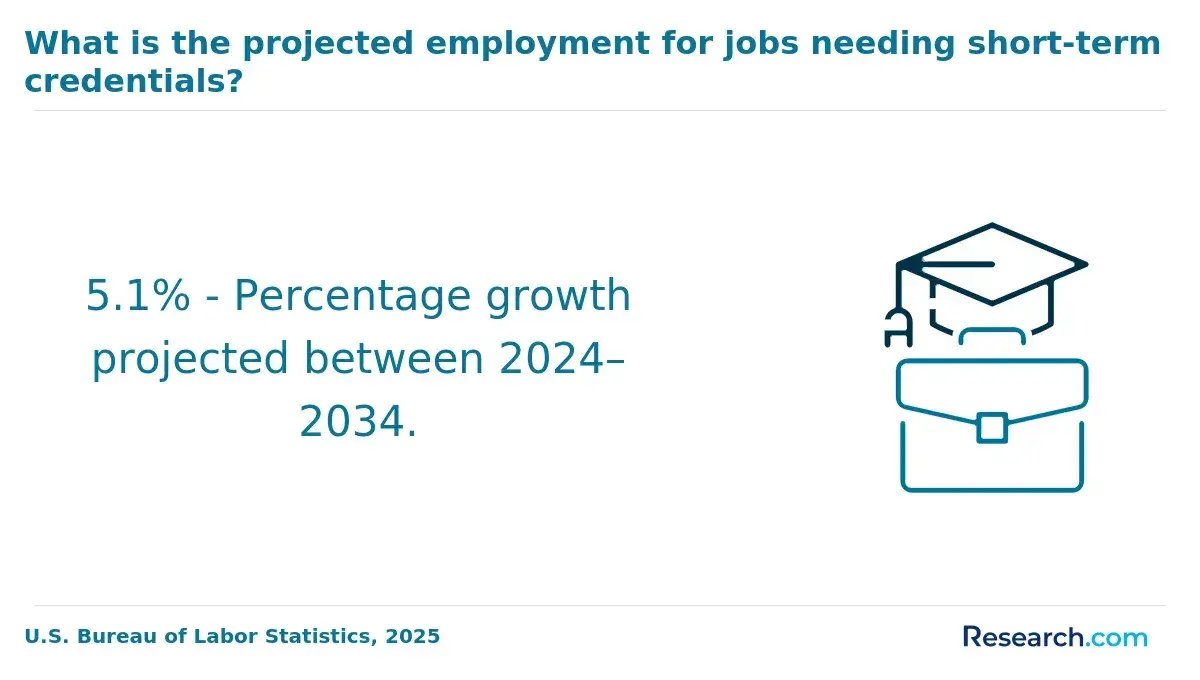
According to Federal Student Aid data, about 85% of undergraduates receive some form of assistance. That assistance may include federal grants, federal loans, state aid, institutional scholarships, employer tuition benefits, military education benefits, or private scholarships. In self-paced programs, the timing of aid disbursement may depend on academic progress, credit-hour equivalencies, assessment completion, or term structure.
- Federal student aid: Eligible students may use FAFSA-based aid, including federal loans and Pell Grants, if the school and program meet federal requirements. Competency-based education programs may need to document credit-hour equivalencies.
- State grants: State aid may be available, especially for residents attending public institutions. Requirements vary and may depend on residency, enrollment intensity, or program type.
- Institutional aid: Schools may offer scholarships, tuition discounts, or grants for transfer students, adult learners, military-affiliated students, or high-performing applicants.
- Computer science scholarships: Organizations such as the Association for Computing Machinery (ACM) and Computing Research Association (CRA) offer scholarships for students in computer science fields.
- Employer tuition assistance: Working professionals should check whether their employer reimburses tuition or covers job-related education. Some employers require a minimum grade or continued employment after reimbursement.
- Military and veteran benefits: Eligible service members and veterans may be able to use military education benefits, depending on institutional approval and program structure.
The 2023 Trends in Student Aid report from the College Board highlights a 7% growth in average grant aid for online students over the past five years, reflecting expanding support for distance learning. Still, students should not assume aid will be disbursed on the same schedule as a traditional semester program. Contact the financial aid office and ask how aid is calculated, when funds are released, what happens if you accelerate, and what happens if you slow down or pause.
How Do Competency-Based Education (CBE) Models Work in Self-Paced Online Computer Science Programs?
Competency-based education (CBE) allows students to progress by proving they have mastered defined skills and concepts. In a self-paced online computer science program, that proof may come through coding projects, exams, performance tasks, portfolios, lab work, written explanations, or capstone assignments. The emphasis is on demonstrated learning, not on how many weeks the student spent in a classroom.
This model can benefit students who already have technical experience, previous coursework, or strong independent learning habits. For example, a student who already understands basic programming may be able to complete an introductory course more quickly than a student encountering coding for the first time. The opposite is also true: difficult topics such as algorithms, systems, discrete math, or machine learning may require more time.
How CBE is typically structured
- Competencies are defined: Each course or module identifies the skills students must demonstrate before moving forward.
- Learning resources are provided: Students use readings, videos, labs, practice problems, tutorials, and faculty support to prepare for assessment.
- Assessment determines progress: Students advance after passing exams, projects, performance tasks, or other evaluations aligned with course outcomes.
- Mentors or coaches may guide pacing: Programs such as Western Governors University use mentor support, while Southern New Hampshire University offers faculty coaching and competency-aligned evaluations.
- Credit-hour equivalencies may apply: Many CBE programs translate competencies into credit hours for transcript, financial aid, and administrative purposes.
Direct assessment programs differ from credit-hour-equivalent CBE programs because they assess learning directly through tests or work samples without relying on traditional credit-hour measures. Students should ask which model the school uses, because it may affect financial aid, transcripts, transfer credit, and graduate school recognition.
Enrollment in competency-based education programs increased by 30% from 2018 to 2023, signaling rising demand for flexible, mastery-focused pathways. The model is promising, but it is not ideal for everyone. Students who need frequent live instruction or externally imposed deadlines may struggle without a detailed personal study plan.
What Accreditation Should a Self-Paced Online Computer Science Bachelor's Program Hold?
A self-paced online computer science bachelor’s program should come from an institution with recognized accreditation. Accreditation affects financial aid eligibility, credit transfer, graduate school admission, employer recognition, and overall confidence in the degree. For most students, regional accreditation is the safest baseline to look for.
The U.S. Department of Education recognizes six regional accrediting bodies responsible for institutional academic standards: the Middle States Commission on Higher Education, New England Commission of Higher Education, Higher Learning Commission, Southern Association of Colleges and Schools Commission on Colleges, Western Association of Schools and Colleges Senior College and University Commission, and Northwest Commission on Colleges and Universities.
- Regional accreditation: Regional accreditation is generally regarded as the most prestigious form of institutional accreditation and is widely recognized by employers, graduate schools, and other colleges.
- National accreditation: National accreditation is often associated with vocational, career, or specialized institutions. Credits from nationally accredited schools may be harder to transfer to regionally accredited institutions.
- Programmatic accreditation: Some computer science programs hold discipline-specific accreditation, such as ABET accreditation for computing programs. ABET can provide an added signal of curriculum quality and outcomes in the field.
- Financial aid implications: Federal financial aid generally requires attendance at an eligible accredited institution and program. Accreditation should be verified before submitting an enrollment deposit.
- Transfer implications: Students planning to transfer credits later or attend graduate school should prioritize regional accreditation and confirm how receiving institutions evaluate credits.
- Employer recognition: Employers typically prefer degrees from accredited institutions, especially for roles where a bachelor’s degree is listed as a requirement.
Students should verify accreditation through the U.S. Department of Education’s accreditation database or the Council for Higher Education Accreditation (CHEA) directory before applying. Do not rely only on marketing language from the school. If a program claims ABET accreditation, confirm that the specific program, delivery format, and degree level are covered. Students considering flexible degrees in other fields can also compare options such as hospitality management courses online, where accreditation checks are similarly important.
How Many Transfer Credits Can Be Applied Toward a Self-Paced Online Computer Science Bachelor's Degree?
Many self-paced online computer science bachelor’s programs accept 60 to 90 transfer credits, and some schools allow up to 90 transfer credits. The exact number depends on the institution, degree requirements, accreditation of the previous school, grades earned, course age, and whether the transferred courses match the new program’s curriculum.
Transfer credit is especially valuable in computer science because it can reduce both time and cost. General education courses and electives are often easier to transfer than advanced major requirements. Upper-division computer science courses may receive closer review because schools want to ensure students have covered the required programming, systems, theory, and project-based outcomes.
- General education credits: Courses in writing, communication, math, science, social science, and humanities often transfer if they come from an accredited institution and meet degree requirements.
- Introductory computer science courses: Programming, databases, web development, or computer systems courses may transfer if content and rigor align with the receiving program.
- Upper-division major courses: Advanced credits may be accepted more selectively, especially if the school requires students to complete a certain number of major credits in residence.
- Military training: Military credits are often evaluated using ACE recommendations, helping service members and veterans receive academic credit for eligible training.
- Community college agreements: Articulation agreements can create smoother transfer pathways from associate degree programs into online bachelor’s programs.
- Credit age limits: Some technical courses may have recency limits because programming tools, platforms, and security practices change over time.
Students should request a formal transfer credit evaluation before enrolling. A general admissions estimate is not enough. Ask which credits apply to the major, which count only as electives, which requirements remain, and how the evaluation affects tuition and graduation timeline.
For broader comparisons of cost-conscious transfer-friendly options, students can review affordable online degree programs.
Can Students Earn Credit Through Prior Learning Assessment in Self-Paced Online Computer Science Programs?
Yes. Many self-paced online computer science programs allow students to earn credit through Prior Learning Assessment (PLA), though policies vary widely. PLA can recognize college-level learning gained through professional experience, military training, industry certifications, independent study, standardized exams, or documented technical projects.
Programs may evaluate prior learning through portfolios, challenge exams, CLEP, DSST, certification reviews, or ACE credit recommendations. Western Governors University and Thomas Edison State University are examples of institutions known for flexible approaches to prior learning, and some programs commonly allow students to earn between 30 and 60 semester hours through PLA.
- Professional experience: Students may submit portfolios showing how work experience aligns with course outcomes. For computer science, evidence may include software projects, technical documentation, code samples, system designs, or supervisor verification.
- Military training: ACE recommendations help colleges evaluate military education and training for possible academic credit.
- Industry certifications: Some schools review technology certifications for credit if they match program learning outcomes.
- Standardized exams: CLEP and DSST can help students satisfy certain lower-division or general education requirements through testing.
- Challenge exams: A school may allow students to test out of specific courses by demonstrating subject mastery.
- Portfolio assessment: Students may need to submit detailed narratives, artifacts, work samples, and documentation explaining what they learned and how it maps to course objectives.
Nearly 70% of colleges have recently expanded their PLA offerings in response to increased adult learner demand. Even so, PLA is not automatic credit for experience. Students must document learning clearly and show that it meets college-level expectations. Before enrolling, ask about PLA fees, credit limits, eligible courses, review timelines, and whether PLA credits can satisfy major requirements or only electives.
What Concentrations or Specializations Are Available in Self-Paced Online Computer Science Bachelor's Programs?
Self-paced online computer science bachelor’s programs may offer concentrations that help students align the degree with specific career goals. Availability varies by school, and some self-paced programs keep the curriculum broad instead of offering formal specializations. When concentrations are available, students should consider both career fit and workload, because some tracks require more advanced math, projects, or technical depth.
Software Development
This track focuses on programming languages, software engineering, application design, testing, and development workflows. Graduates often pursue software developer or software engineer roles, with median annual salaries near $120,000. Licensure is usually not required, but internships, portfolios, and completed projects can strengthen job prospects.
Cybersecurity
Cybersecurity concentrations emphasize network defense, secure systems, cryptography, incident response, and risk management. This path can prepare students for roles such as information security analyst, with median wages around $102,600, according to BLS data. Certifications such as CISSP or CompTIA Security+ are strongly encouraged after graduation for many roles, although they rarely form part of degree requirements.
Data Science and Analytics
This concentration covers data mining, machine learning foundations, statistics, visualization, and business intelligence. It can support careers in data analysis or analytics, with median pay near $96,000. Licensing is generally not required, but students should look for programs with hands-on projects using real datasets.
Artificial Intelligence and Machine Learning
This specialization studies advanced algorithms, neural networks, automation, and predictive modeling. Graduates may pursue AI-related roles, with salaries around $114,000. Because the coursework can be mathematically and technically demanding, students in a self-paced format may need more time to complete this concentration successfully.
Information Systems Management
This option combines computing, business operations, project management, and organizational technology strategy. It can lead to roles such as IT project manager or systems analyst, with median incomes about $93,000. Depending on the program, internships, applied projects, or capstone work may be required.
The best concentration is the one that matches both your target role and your current strengths. Students who enjoy building applications may prefer software development. Those interested in security, compliance, and infrastructure may choose cybersecurity. Students with strong math and statistics skills may be better suited for data science or AI. Learners seeking a bridge between technology and business may prefer information systems management.
What Graduates Say About Self-Paced Online Computer Science Bachelor's Degree Programs
- : "Choosing a self-paced online computer science bachelor’s program was a game-changer for me because it allowed me to balance my full-time job and studies without feeling overwhelmed. The affordability of the program made it accessible, especially since I did not want to take on hefty student loans. After graduating, I quickly transitioned into a software developer role, which showed me that the flexibility and quality of the coursework prepared me for the tech industry. — Trace"
- : "Reflecting on my decision to pursue a self-paced online computer science degree, I appreciate how the program respected my individual learning rhythm and fit my schedule. The cost-effectiveness was a major factor because it offered strong academic value without sacrificing financial stability. Professionally, this degree opened doors to leadership opportunities in IT and confirmed that an unconventional education pathway can still produce meaningful career results. — Sutton"
- : "As someone looking to pivot into tech, I selected a self-paced online computer science bachelor’s program for the freedom it offered during a busy period of my life. The lower-than-traditional cost impressed me, especially given the comprehensive curriculum and real-world projects. Completing the degree helped me secure a position as a data analyst in a competitive job market and gave me practical skills I could use immediately. — Ezekiel"
Other Things You Should Know About Computer Science Degrees
Self-paced online computer science bachelor's programs in 2027 often utilize learning management systems like Canvas or Blackboard, while video lectures are hosted on platforms like Tegrity or YouTube. Tools such as GitHub for version control and Cloud9 for cloud-based coding environments may also be included to enhance learning.
These programs offer flexibility by allowing students to access course materials and complete assignments on their own schedules, accommodating irregular work hours or family responsibilities. Many programs provide access to academic advising, tutoring, and technical support remotely to assist learners throughout their studies. Furthermore, prior learning assessments and credit transfer options help accelerate degree completion for those with relevant experience or previous coursework.
Graduates of self-paced online computer science programs often pursue roles such as software developers, data analysts, and IT specialists. These positions typically offer competitive salaries, and a computer science degree can lead to job growth in fields like cybersecurity, artificial intelligence, and web development.
Self-paced online computer science degrees often have a lower total cost due to reduced fees for campus amenities, commuting, and flexible scheduling that enables continued employment. This affordability can improve return on investment (ROI), especially when combined with accelerated pacing options. However, ROI depends on factors such as the institution's reputation, accreditation status, and individual student outcomes, making it essential to research program quality before enrollment.
References
- GitHub - ossu/computer-science: Path to a free self-taught education in Computer Science! https://github.com/ossu/computer-science
- How long does it take to complete an IT program? | WCC - Western Community College https://wcc.ca/blog/how-long-does-it-take-to-complete-an-it-program/
- Computer Science Accreditation (BSc and BEng) https://www.thestudentroom.co.uk/showthread.php
- CAEL | Why Credit for Prior Learning (CPL) or Prior Learning Assessment (PLA) Matters https://www.cael.org/lp/cpl-pla
- Is an Online Computer Science Degree the Right Choice? https://www.uopeople.edu/blog/online-computer-science-degree/
- Online Computer Science Degree | Rasmussen University https://www.rasmussen.edu/degrees/technology/computer-science/
- Ask 10 Questions About Transferring Credits to Online Bachelor's Programs https://www.yahoo.com/news/ask-10-questions-transferring-credits-online-bachelors-programs-133000989.html
- Online Computer Science Degrees: A Guide to Accredited Programs https://collegeandtuition.com/online-computer-science-degrees-a-guide-to-accredited-programs/
- Designing a Competency Based Education (CBE) Program: Context, Challenges, and Pivots - Connecting Credentials https://connectingcredentials.org/designing-a-competency-based-education-cbe-program-context-challenges-and-pivots/
- Best Online Computer Science Bachelor's Degrees of 2025 https://www.computerscience.org/degrees/bachelors/online/