
2027 Fastest Online Master's in Clinical Mental Health Counseling Degree Programs Ranking in the Northeast

Co-Founder and Chief Data Scientist
Choosing the right clinical mental health counseling program can shape your future career and personal growth. This article introduces the 2027 Fastest Online Master's in Clinical Mental Health Counseling Degree Programs Ranking in the Northeast, created by the Research.com team of data scientists to guide you toward the best programs available.
By exploring this ranking, you'll gain valuable insights to help you find an efficient and reputable path to earning your degree. Advancing in this meaningful field offers rewarding opportunities to make a difference in others' lives.
Key benefits of getting online clinical mental health counseling degree in the Northeast
- Graduates with a clinical mental health counseling degree in the Northeast often find rewarding salaries; for example, the national average salary for related counseling roles is around $48,000 to $55,000 annually, reflecting steady income potential.
- Career paths include working as licensed counselors in schools, hospitals, or private practices, as exemplified by alumni from Boston University who find diverse opportunities helping clients across various settings.
- Online degrees from universities like Northeastern offer flexible schedules and the chance to study while working, making it easier to balance life and education without compromising quality or credential recognition.
What can I expect from online clinical mental health counseling degree in the Northeast?
If you're thinking about online clinical mental health counseling degrees in the Northeast, you'll probably want to know what it might cost. On average, public universities in this region can charge around $10,000 a year for in-state tuition, which is pretty friendly on the wallet. Meanwhile, private schools-think of the popular ones in Massachusetts or New York-can push that number up to $25,000 or even more annually.
Many grads from these programs share how they managed to piece together financial aid and scholarships, especially those aimed at counseling students. They often mention feeling relieved when those funds came through because it made focusing on tough course topics like psychopathology and ethical practices a lot less stressful.
Hands-on clinical hours are a big deal too, and although your classes are mostly online, you'll need to find local placement nearby. Graduates often say this mix of online convenience with real-world experience made them feel confident stepping into jobs at community agencies or healthcare centers around the Northeast.
Where can I work with online clinical mental health counseling degree in the Northeast?
If you earn your online clinical mental health counseling degree from a well-known Northeast school, you'll find plenty of places to put those skills to work. Many grads land jobs in outpatient mental health clinics around busy cities like Boston or New York, where they help people manage everything from anxiety to addiction. Picture a recent grad from a top Northeastern university starting their career guiding patients through tough times at a local clinic-that's a real game changer.
Hospitals and healthcare systems also love hiring counselors, especially ones who can work alongside doctors in integrated behavioral health teams. For example, graduates from popular programs often find roles in large hospital networks where they support patients juggling both physical and mental health challenges.
Schools and college counseling centers are another hotspot. With more students needing mental health support, working on campus in places like New Jersey or Connecticut is a solid choice that many grads enjoy for its balance and impact.
Some grads even dive into private practice after putting in required supervised hours, offering individual or group therapy in communities across the Northeast. Plus, community centers focused on veterans or immigrants often seek licensed counselors eager to make a difference.
How much can I make with online clinical mental health counseling degree in the Northeast?
If you're aiming for an online clinical mental health counseling degree in the Northeast, you're probably wondering, "How much can I actually make?" Graduates from programs tied to schools like Boston University or Penn State often find starting salaries around $45,000 to $50,000 in smaller cities or suburban areas. It's a nice kickoff for fresh grads stepping into the real world of counseling.
Things really pick up when you gain experience and licensure, like that Licensed Mental Health Counselor (LMHC) credential. Many graduates sharing their stories say that with a few years under their belt, especially in hubs like New York City or Philadelphia, salaries rise significantly-sometimes hitting $70,000 or more.
Working in hospitals or government agencies often means better pay and benefits compared to private practice, which is something grads from popular Northeast programs appreciate. Plus, if you specialize in areas like trauma counseling, you could see even higher earnings. It's encouraging to see how much this field values skill and experience in a region hungry for mental health pros.
- Key benefits of getting online clinical mental health counseling degree in the Northeast
- What can I expect from online clinical mental health counseling degree in the Northeast?
- Where can I work with online clinical mental health counseling degree in the Northeast?
- How much can I make with online clinical mental health counseling degree in the Northeast?
- How do we rank schools?
- 2027 Fastest Online Master's in Clinical Mental Health Counseling Degree Programs Ranking in the Northeast
- What online clinical mental health counseling degree graduates have to say
- Key Findings
- How long does it take to complete online clinical mental health counseling degree in the Northeast?
- What's the difference between online and on-campus clinical mental health counseling degree?
- What is the average cost of online clinical mental health counseling degree in the Northeast?
- What financial aid is available to online clinical mental health counseling degree students in the Northeast?
- What are the prerequisites for enrolling in online clinical mental health counseling degree program in the Northeast?
- What courses are typically in online clinical mental health counseling degree programs in the Northeast?
- What types of specializations are available in online clinical mental health counseling degree programs in the Northeast?
- How do you choose the best online clinical mental health counseling degree in the Northeast?
- What career paths are available for online clinical mental health counseling degree students in the Northeast?
- What is the job market for online clinical mental health counseling degree in the Northeast?
- Frequently Asked Questions About clinical mental health counseling
- Top Trending Clinical Mental Health Counseling Rankings
How do we rank schools?
Investing in your education is a significant decision that can shape your future, and the Research.com team understands the importance of making informed choices. To assist prospective students seeking advanced training, we have meticulously crafted the "2027 Fastest Online Master's in Clinical Mental Health Counseling Degree Programs Ranking in the Northeast." Our commitment to quality, credibility, and accuracy is reflected in the comprehensive research and careful analysis conducted to develop this ranking. We utilized the following reputable data sources to ensure a thorough evaluation of programs:
By exploring this ranking, readers will gain valuable insights into the fastest and most efficient programs available, helping them make well-informed decisions about their educational journeys. For more details on our methodology, please visit our Research.com methodology page.
2027 Fastest Online Master's in Clinical Mental Health Counseling Degree Programs Ranking in the Northeast
# 1 position
Mercy University
Master
Mercy University offers a Master's program focused on Clinical Mental Health Counseling, Counseling, and Healthcare, with an open admission policy indicated by its 86% acceptance rate. The program serves 2,057 online students, reflecting its accessibility. The average total cost amounts to $56,580. Nearly all students-99%-receive financial aid, demonstrating high aid availability. The graduation rate stands at 46%, giving insight into student success outcomes.
# 2 position
PennWest California
Master
PennWest California offers a Master's program focusing on Clinical Mental Health Counseling, Counseling, and Healthcare. The program has an open admission policy with a 94% acceptance rate and a graduation rate of 52%. It serves a large online student body of 7,973 and features a high level of financial aid, with 98% of students receiving support. The average total cost of the program is $30,960.
# 3 position

The University of Massachusetts Boston offers a Master's program focused on Clinical Mental Health Counseling, Counseling, and Healthcare. This program has an open admission policy with an acceptance rate of 84%. The graduation rate stands at 49%, reflecting program completion outcomes. Approximately 92% of students benefit from high levels of financial aid. The average total cost for completing the degree is $34,500, with 3,650 students enrolled online.
What online clinical mental health counseling degree graduates have to say
- Alexis: Pursuing my online Clinical Mental Health Counseling degree through Boston University gave me the flexibility to balance work and study. The program's comprehensive curriculum and supportive faculty made every step rewarding. I felt genuinely prepared to help others while learning from anywhere in the Northeast.
- Marcus: Studying at Rutgers University's online clinical mental health counseling program was a transformative experience. The interactive courses combined theory with real-world application, enhancing my confidence. The diverse peer group fostered meaningful connections, making the Northeast feel close even from a distance.
- Janelle: The University of Pittsburgh's online clinical mental health counseling degree impressed me with its strong emphasis on evidence-based practice and ethical training. The seamless tech platform made learning engaging and manageable, allowing me to stay motivated and optimistic throughout my studies in the Northeast.
Key Findings
- Online clinical mental health counseling degrees in the Northeast generally cost between $20,000 and $50,000 in total tuition.
- Public institutions usually offer more affordable tuition, with some providing in-state discounts or financial aid for regional residents.
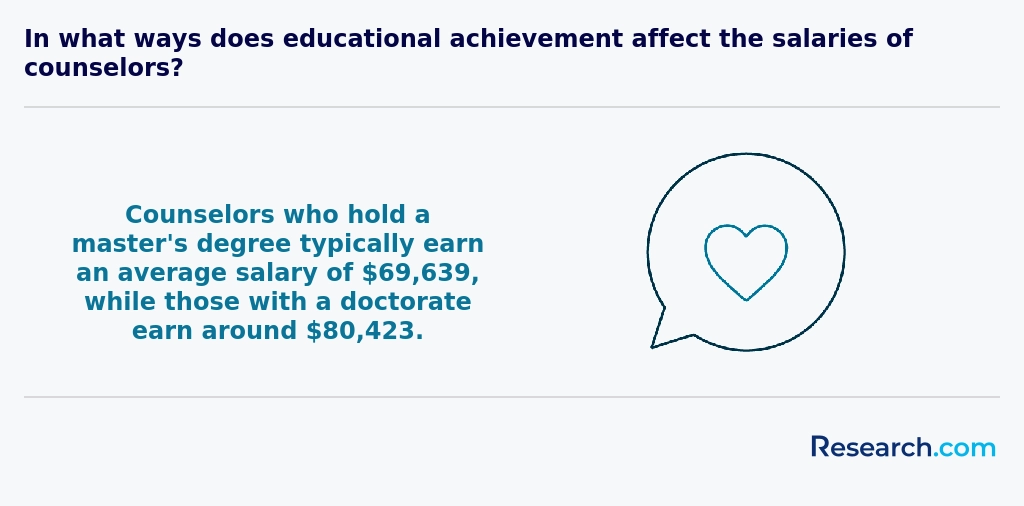
- Entry-level salaries for graduates range from $45,000 to $55,000 annually, increasing to $70,000-$85,000 with experience.
- The job market in the Northeast is expected to grow by about 22% from 2020 to 2030, reflecting strong demand for mental health counselors.
- Licensing requires 2,000 to 3,000 supervised clinical hours post-degree and passing a licensing exam, which varies by state.
How long does it take to complete online clinical mental health counseling degree in the Northeast?
If you're thinking about how long it takes to finish an online clinical mental health counseling degree in the Northeast, most grads from popular schools like Boston University or Syracuse University say it usually takes about two to three years if you're going full-time. That fits well since these programs require around 48 to 60 credit hours, which line up with what licensing boards expect.
Many students juggling jobs or family find the part-time route better, stretching their studies out to about four years. One grad shared how flexible pacing helped them manage their internship hours while still making progress without feeling overwhelmed. That hands-on practicum-about 600 hours of supervised experience-is a key part that sometimes stretches the timeline, depending on how quickly you can lock in good placements.
Some schools in the region even offer accelerated summer or winter classes, which can shave off a few months. That's a real boost if you're eager to get licensed and start working sooner! Overall, it's a manageable journey, especially when you find a program that fits your lifestyle.
What's the difference between online and on-campus clinical mental health counseling degree?
Choosing between online and on-campus clinical mental health counseling degrees in the Northeast really comes down to how you want to balance your life and learning. Online programs, like those offered by some well-known Northeastern schools, give you the freedom to study whenever and wherever you want, which is a total game-changer if you're juggling work or family. Graduates often say they loved being able to dive into lectures during evenings or weekends, fitting school around their busy schedules.
On the other hand, students attending on-campus programs at popular universities appreciate the face-to-face support and easy access to resources like counseling centers and study groups. Those in Boston or New York schools mention how much they valued the immediate feedback from professors and the vibe of being on campus-it's easier to build connections and stay motivated. Plus, the practicum and internship requirements in both options still mean getting real-world experience nearby, which is key to licensure.
Cost is another big deal. Public universities in the Northeast usually charge between $20,000 and $40,000 for on-campus master's degrees, but online programs can save you money on commuting and housing, making the total price feel a bit lighter on the wallet. Either way, picking a CACREP-accredited program is the top priority to make sure you're set up for success in your counseling career.
What is the average cost of online clinical mental health counseling degree in the Northeast?
If you're looking into the average cost online clinical mental health counseling degree northeast, you'll find that prices typically hover around $31,000 to $34,500 for the whole program. That's for students enrolled at popular universities and colleges in the region, whether you're in-state or out-of-state.
Many graduates share how the tuition felt like a solid investment, especially considering how the programs balance affordability with quality. For example, students at well-known schools in the Northeast loved that their coursework was comprehensive without breaking the bank. Some found paying in-state tuition truly helped lighten the financial load, as those rates tend to be a bit lower than for out-of-state peers.
You should also know that some online counseling programs-especially those with strong reputations-charge more but often include perks like virtual counseling practicums or extra support services. When weighing options, that extra cost might feel worthwhile because it sets you up for success. One smart tip grads often mention is checking for state-specific scholarships or grants common in places like New York, Massachusetts, and Pennsylvania. These can be game changers when managing costs.
And if you want to explore more detailed options to find the perfect fit, consider looking into different programs like an online masters in mental health counseling. This helps you compare tuition, credit requirements, and the overall feel of the degree so it aligns with your budget and goals.
What financial aid is available to online clinical mental health counseling degree students in the Northeast?
If you're diving into an online clinical mental health counseling degree in the Northeast, financial aid can really lighten the load. Many grads from schools in New York, Massachusetts, and Pennsylvania share how federal loans like Direct Unsubsidized and Grad PLUS made paying for their programs way less stressful, even though Pell Grants aren't an option for grad students. Filling out the FAFSA is a must-it opens doors to these loans and sometimes work-study gigs.
Lots of universities around here offer their own scholarships and grants. Imagine studying clinical counseling at a school in Boston and getting an institutional scholarship just because you're passionate about addressing mental health in your community-that happens often!
State programs can also be game-changers. New York's loan forgiveness program for mental health providers helped one graduate stay afloat financially while working in underserved neighborhoods, which feels amazing when you see the real impact.
Plus, don't overlook professional groups like the American Counseling Association; they often have scholarships ready to support students focused on clinical counseling, especially those studying online.
Some grads also swear by employer tuition assistance if you're already in the healthcare world-it's like your workplace cheering you on to get that degree. And flexible payment plans for part-time study? They're lifesavers for balancing work, life, and school.
What are the prerequisites for enrolling in online clinical mental health counseling degree program in the Northeast?
If you're looking to enroll in an online clinical mental health counseling degree in the Northeast, the first thing to know is that most schools want to see a bachelor's degree-usually in psychology, social work, or something similar. But don't worry if your background is a bit different; many programs, like those at popular Northeast schools, will ask you to catch up on some key courses like abnormal psychology or statistics. One graduate shared that having those prerequisites helped her feel ready and confident during her intense first semester.
Official transcripts and a decent GPA (around 3.0 or higher) are standard, though some schools might be flexible if you have strong experience. You'll usually need letters of recommendation and a personal essay about why you want to pursue counseling. Another grad from a well-known Northeast college said writing that essay helped them focus on their true passion for helping others.
GRE scores are often optional now, especially if you bring relevant work experience, which makes applying a bit less stressful. Overall, these requirements make sure you're set up for success when jumping into this rewarding career.
What courses are typically in online clinical mental health counseling degree programs in the Northeast?
When you dive into an online clinical mental health counseling degree in the Northeast, you'll find courses that really get you ready for the real world. Graduates from well-known schools in this region often talk about how foundational classes on counseling theories-think cognitive-behavioral therapy or psychodynamic methods-helped them understand clients deeply and plan effective treatments.
Ethics classes are a big deal too, especially with strict licensing rules in states like New York and Massachusetts. Students learn about confidentiality and professional boundaries, which makes them feel confident handling tricky situations.
Assessment and diagnosis courses are super practical. Learning to use tools like the DSM-5, many grads say these helped them spot mental health issues early and create real solutions. Plus, substance abuse counseling is often included, which hits home for those wanting to make a difference in communities grappling with addiction.
Finally, expect group and multicultural counseling classes that prepare you to work with diverse folks-you'll often hear how this training made graduates comfortable adapting to different cultures and ages across the Northeast.
What types of specializations are available in online clinical mental health counseling degree programs in the Northeast?
If you're diving into an online clinical mental health counseling degree in the Northeast, you'll find a bunch of specializations that really let you focus on what matters most to you. Graduates from popular regional universities often mention how these specialized clinical counseling degree programs Northeast offer options like substance abuse and addiction counseling, which is perfect if you want to help people overcome tough struggles and rebuild their lives.
Others get really into marriage and family therapy, where you learn how to work with families to strengthen relationships and figure out tricky dynamics. Trauma counseling is a big one too, especially after hearing from students who've connected deeply with survivors of abuse or natural disasters. Child and adolescent counseling is another popular pick, focusing on young minds and helping them navigate emotional challenges.
Many grads from well-known colleges in the area appreciate how these specializations prepare them for real-world practicum experiences. If budgeting is a concern, checking out the cheapest online LPC programs can help you find a great fit without breaking the bank.
How do you choose the best online clinical mental health counseling degree in the Northeast?
Picking the best online clinical mental health counseling degree in the Northeast means zeroing in on programs that balance solid theory with real-world clinical experience. Graduates from popular Northeast colleges often share how crucial it was to pick a program with CACREP accreditation-this makes licensure smoother across different states around here. Plus, since clinical hours must usually be completed in person, it's super helpful when the program helps coordinate local placements, especially in busy urban areas with diverse populations.
Cost can feel overwhelming too. Many students find tuition hovering over $20,000, so comparing programs for affordability and available financial support matters. If you want flexibility, consider programs that offer part-time or asynchronous courses, perfect for juggling work and life. Some grads even mention how choosing a program that fits their pace boosted their confidence and motivation throughout the journey.
If you want guidance on selecting the best easiest counseling degree programs, check out best easiest counseling degree programs that can make your path smoother and more enjoyable.
When searching, remember the best online clinical mental health counseling programs Northeast can vary widely, so take the time to find the right match for your goals and lifestyle.

What career paths are available for online clinical mental health counseling degree students in the Northeast?
Graduates with an online clinical mental health counseling degree in the Northeast often find themselves stepping into varied and rewarding roles. Many become licensed clinical mental health counselors (LCMHC), working closely with individuals and families across states like New York and Massachusetts, helping them navigate mental health challenges. Some grads share how attending well-known colleges in the region gave them hands-on experience that made the jump into counseling jobs feel natural and exciting.
Besides traditional counseling, there's a surprising range of paths. You might see yourself as a school counselor in K-12 settings, supporting students' mental wellness day-to-day. Others take on community mental health counselor roles in nonprofit agencies, or become employee assistance program counselors aiding workplace mental health.
For those interested in tackling addiction specifically, there's the option to pursue a substance abuse counselor degree online, which opens doors in rehab centers or community organizations. These options really highlight the job opportunities for mental health counselors Northeast graduates enjoy, offering meaningful career choices close to home.
What is the job market for online clinical mental health counseling degree in the Northeast?
The job market for online clinical mental health counseling jobs Northeast is looking really strong right now. Graduates from well-known schools in the region, like those attending popular colleges in Boston or New York, often share how their online programs not only fit their busy lives but also set them up for success. Many find themselves quickly hired in community mental health centers or outpatient clinics, thanks to the growing demand for licensed counselors across the Northeast.
Clinical mental health counselor employment prospects Northeast are boosted by a clear need for mental health services in urban and suburban areas alike. Graduates appreciate that their online degrees come with the practical training required for licensure, making the transition into roles at hospitals or school counseling programs smoother. Plus, the supportive connection between local healthcare providers and regional universities makes finding supervised experience manageable.
Many students also explore MFT online programs alongside clinical mental health counseling to widen their career options. Overall, the buzz from recent graduates is optimistic, with salaries typically between $50,000 and $70,000 and real chances to grow in this rewarding field.
Frequently Asked Questions About clinical mental health counseling
Students pursuing online clinical mental health counseling degrees in the Northeast can maximize their learning by actively engaging with virtual class discussions and utilizing school-provided resources. Many accredited programs require supervised clinical hours, so securing local practicum sites early is crucial for hands-on experience. According to the New England Board of Higher Education, collaboration with regional counseling organizations can offer networking and professional development opportunities. Additionally, staying updated on state licensing requirements, which vary across Northeast states, prepares students for post-graduate certification. Leveraging flexible study schedules and seeking peer support groups helps maintain motivation throughout the program.
Emerging niches within clinical mental health counseling reflect evolving societal needs across the Northeast. One significant growth area is trauma-informed care, addressing rising demand following increased awareness of complex trauma and PTSD. According to the National Board for Certified Counselors, trauma counseling certifications have grown by 20% in the last five years.
Another expanding niche is integrated behavioral health, where counselors work alongside primary healthcare providers to treat mental and physical health together. This collaborative approach suits the Northeast's emphasis on holistic care models.
Substance use disorder counseling also remains vital, especially with the opioid crisis heavily impacting states like New York and Massachusetts. The Substance Abuse and Mental Health Services Administration reports a 15% increase in treatment programs requiring specialized clinical counselors in these areas.
Lastly, telehealth counseling is rapidly becoming standard, supported by Northeast states' progressive licensure compacts, making remote practice across state lines easier for online graduates.
Preparing for the job market after completing an online clinical mental health counseling degree in the Northeast involves several strategic steps. First, graduates should obtain licensure, which typically requires passing the National Counselor Examination and completing state-specific supervised hours. States like New York and Massachusetts have clear guidelines for licensure through their professional boards.
Networking is crucial; attending local conferences and joining organizations such as the American Counseling Association's Northeast chapter can enhance job prospects. The Bureau of Labor Statistics projects a 22% growth in mental health counseling jobs nationally by 2030, with strong demand in Northeastern urban centers.
Internships and practicum experiences integrated into online programs also play a key role in gaining practical skills and employer connections in regional healthcare settings.
Employers in the Northeast prioritize several key skills when hiring graduates with a clinical mental health counseling degree. Critical communication abilities top the list, as counselors must effectively engage diverse clients. According to the American Counseling Association, active listening and empathy are essential for building trust and rapport.
Additionally, proficiency in evidence-based therapeutic techniques such as cognitive-behavioral therapy (CBT) is highly valued. Regional workforce data indicate that 68% of mental health employers prefer candidates with strong crisis intervention skills.
Graduates must also demonstrate cultural competence to serve the Northeast's diverse populations, including urban and immigrant communities. Finally, ethical decision-making and knowledge of state licensing requirements are crucial to practice professionally in this region.
Finding internships for clinical mental health counseling degrees in the Northeast involves targeted research and networking. Many graduate programs require 600 to 1,200 supervised clinical hours, which students often complete through internships. To begin, check affiliated university counseling centers and local healthcare providers, as these frequently offer placements.
State licensing boards in the Northeast often provide lists of approved internship sites. For example, the New York State Education Department publishes resources outlining approved settings for clinical hours. Additionally, professional organizations such as the American Counseling Association and state chapters can guide students toward reputable opportunities.
Students should also explore community mental health clinics, hospitals, and nonprofit agencies, which are commonly available across cities like Boston, Philadelphia, and Providence. Early communication with program advisors can direct students to well-established partnerships specific to their region.
Online students may leverage virtual platforms or hybrid internships, increasingly recognized by accreditation bodies, expanding the opportunities beyond geographical limits while adhering to state regulations.
Obtaining an online clinical mental health counseling degree significantly enhances career mobility in the Northeast, where demand for licensed counselors is growing rapidly. According to the U.S. Bureau of Labor Statistics, employment for mental health counselors in states like New York and Massachusetts is projected to grow by nearly 18% through 2031, faster than the national average. Earning a master's degree online allows working professionals to gain relevant credentials while continuing their current employment, facilitating both entry and advancement in their careers.
State licensure requirements in the Northeast typically mandate a master's degree in clinical mental health counseling from an accredited program. Online degrees recognized by the Council for Accreditation of Counseling and Related Educational Programs (CACREP) meet these criteria, which helps graduates qualify for licensure and clinical practice.
Graduates with accredited degrees also find competitive advantages when pursuing supervisory roles or specialized clinical positions, as employers increasingly value flexible education options combined with field experience. This trend supports steady career growth and expanded job opportunities in the Northeast's healthcare and community service sectors.
Online clinical mental health counseling degrees in the Northeast are designed to prepare students for interdisciplinary roles through comprehensive curricula that emphasize collaboration across healthcare fields. Programs typically integrate psychology, social work, and medical knowledge, equipping graduates to work alongside psychiatrists, social workers, and primary care providers.
According to the National Board for Certified Counselors, over 70% of mental health counselors in the Northeast engage in teamwork settings, making interdisciplinary skills essential. Pennsylvania, New York, and Massachusetts offer strong courses that include case management and integrated care methodologies.
Additionally, accreditation by the Council for Accreditation of Counseling and Related Educational Programs (CACREP) in many Northeast schools ensures coursework aligns with current interdisciplinary standards and practice expectations.
When choosing between a thesis and a non-thesis clinical mental health counseling degree program in the Northeast, consider your career goals. Thesis programs emphasize research, preparing students for doctoral studies or positions requiring strong analytical skills. Non-thesis options focus more on practical training, suited for those aiming to enter clinical practice quickly.
Many Northeast schools tailor non-thesis programs to meet state licensure requirements, which often involve supervised clinical hours rather than research. According to the Council for Accreditation of Counseling and Related Educational Programs (CACREP), most master's programs in the region offer both paths.
Review program flexibility and faculty expertise. Thesis tracks may demand more time due to research and defense requirements, possibly extending study length.
Lastly, consider available support for online learners. Institutions like Boston University and the University of Maryland Global Campus provide strong online counseling programs with both options.
Students in the Northeast interested in studying clinical mental health counseling abroad have limited but valuable options. Most U.S. universities with accredited online programs focus on domestic training, given state licensure requirements. However, some institutions offer study abroad components or international internships linked to their clinical curriculum. These opportunities allow students to gain cross-cultural experience while completing degree requirements online.
The Council for Accreditation of Counseling and Related Educational Programs (CACREP) sets standards that many Northeast programs follow, ensuring coursework aligns with U.S. credentialing practices. Because licensure varies by state, students often prioritize programs offering supervised practice that meets Northeast states' criteria, even when incorporating international elements.
According to recent data from the National Board for Certified Counselors, about 30% of counseling master's graduates in the Northeast engage in international study or practicum experiences. These options enhance cultural competence-a key skill in clinical mental health counseling.
Part-time job opportunities in the Northeast that complement clinical mental health counseling degree education often include roles such as mental health technician, case manager assistant, or crisis hotline support. According to the Bureau of Labor Statistics, New York and Massachusetts have numerous openings in these areas, reflecting the high demand for mental health services in the region.
Working in settings like community health centers or nonprofit organizations allows students to gain practical experience while pursuing their degree. Such roles help develop communication skills and familiarity with patient care protocols.
Many employers in the Northeast prefer candidates with some counseling-related experience, making these part-time jobs valuable for networking and building a resume aligned with clinical mental health careers.
Online clinical mental health counseling students in the Northeast have access to diverse networking opportunities despite studying remotely. Many programs partner with regional professional organizations such as the New England Association for Mental Health or the New York Counseling Association, offering members exclusive access to conferences, workshops, and social events.
Additionally, schools often facilitate virtual networking events, including guest speaker sessions and peer discussion groups. These platforms allow students to connect with local practitioners and alumni in states like Massachusetts, New York, and Pennsylvania.
Licensing boards and internships in the region also serve as critical networking gateways, helping students secure supervised clinical hours required for certification.
Alumni networks serve as valuable resources for students enrolled in online clinical mental health counseling degrees in the Northeast. These networks provide access to professional connections that can lead to internships, job opportunities, and mentorship, which are essential in a competitive mental health field. According to the National Board for Certified Counselors, graduates with strong professional connections have a higher likelihood of employment within six months after program completion.
Many Northeastern schools report alumni participating in exclusive webinars and local job fairs, enhancing career readiness. Additionally, alumni networks help students stay informed about regional licensing requirements and continuing education, crucial for counselors practicing in this area.
Customizing an online clinical mental health counseling degree program in the Northeast allows students to align their education with specific career goals. Many accredited programs offer elective courses focused on distinct populations such as veterans, children, or substance abuse counseling. This flexibility helps shape expertise relevant to regional needs.
Students can also select practicum sites and internships near their homes in states like New York, Massachusetts, or Pennsylvania, gaining hands-on experience tailored to local community challenges. According to the Northeast Regional Board of Higher Education, over 70% of programs provide individualized academic advising to support career planning.
Further customization may include choosing between specialized certifications and tracks within the degree, such as trauma-informed care or school counseling, preparing graduates for diverse clinical roles across the region.
Online clinical mental health counseling students in the Northeast often encounter challenges related to balancing rigorous coursework with personal and professional responsibilities. Many programs require a significant time commitment, which can be difficult for working adults or those with family duties. Additionally, securing local clinical practicum sites presents a common hurdle due to regional licensing requirements and competition for quality placements.
Technical issues and adapting to online learning platforms also affect student progress, especially for those less familiar with digital tools. According to the National Board for Certified Counselors, states in the Northeast have varying internship hour requirements, adding complexity to program completion timelines.
With an online clinical mental health counseling degree, graduates in the Northeast can pursue several key professional certifications to enhance their careers. The most common credential is the Licensed Professional Counselor (LPC), which is recognized in states such as New York, New Jersey, and Massachusetts. Achieving LPC status typically requires completing a master's degree, 2,000-3,000 hours of supervised clinical experience, and passing a state-recognized exam.
Other certifications include the National Certified Counselor (NCC) credential granted by the National Board for Certified Counselors, which demonstrates a national standard of competence. This certification requires a master's degree, relevant counseling experience, and passing a comprehensive exam.
In the Northeast, where demand for mental health professionals is growing, these licenses are essential for clinical practice in hospitals, private practices, or community programs. State-specific requirements vary, so students should consult local boards for precise criteria.
To write a winning application for an online clinical mental health counseling program in the Northeast, start by carefully researching each school's requirements. Most programs require a bachelor's degree, relevant coursework, and a minimum GPA, typically around 3.0. Highlight any experience working or volunteering in mental health settings to demonstrate commitment and practical skills.
Strong personal statements are crucial; clearly express your motivation for pursuing counseling and your career goals. Be specific about why you chose that program and how it fits your aspirations. Additionally, secure at least two professional or academic recommendation letters that speak to your readiness for graduate-level work.
Many Northeast programs, such as those accredited by CACREP, emphasize cultural competence-address this in your essays. According to the Council for Accreditation of Counseling & Related Educational Programs, CACREP-accredited programs in the Northeast often have competitive admission with acceptance rates below 30%.
Finally, ensure your application is well-organized, free of errors, and submitted before deadlines, which often fall between December and March for fall enrollment.
Clinical mental health counseling is increasingly recognized worldwide, yet the U.S., especially the Northeast, holds a unique position due to its extensive licensure and accreditation standards. Globally, many countries lack standardized counseling credentials comparable to those in the U.S., making American degrees highly respected. In the Northeast, states like New York and Massachusetts require counselors to complete rigorous graduate programs, including online options, that meet CACREP accreditation.
According to the Bureau of Labor Statistics, the demand for mental health counselors in the Northeast is projected to grow by over 20% from 2022 to 2032, reflecting a global trend toward prioritizing mental health. This regional growth aligns with increasing awareness of mental health's role in overall wellness internationally.
Therefore, earning an online clinical mental health counseling degree in the Northeast positions graduates to meet both local licensure needs and the broader global emphasis on quality counseling care.
Gaining practical experience is essential while earning an online clinical mental health counseling degree in the Northeast. Most accredited programs require students to complete supervised clinical internships or practicum hours, often totaling 600 to 1,000 hours, in settings such as hospitals, mental health clinics, or community agencies. Schools usually assist students in finding local placement sites to fulfill these requirements.
Additionally, students benefit from virtual simulations and telehealth training, which have become increasingly integrated into curricula, reflecting industry trends. According to the Council for Accreditation of Counseling & Related Educational Programs (CACREP), these hands-on experiences are crucial for licensure in states like New York, Massachusetts, and Pennsylvania.
Many universities offer career services and partnerships with regional providers, improving access to practical opportunities near students' locations.
Choosing the right concentration within an online clinical mental health counseling degree program in the Northeast requires understanding your career goals and the demand in regional healthcare. Common concentrations include substance abuse, trauma, school counseling, and marriage and family therapy. According to the U.S. Bureau of Labor Statistics, the Northeast states show higher demand for counselors specialized in trauma and substance abuse due to local public health priorities.
Accreditation is important; look for programs accredited by CACREP to ensure recognition by employers and licensure boards in states like New York, Massachusetts, and New Jersey. Additionally, consider concentrations that align with state licensure requirements to ease your pathway to practice.
Review program curricula to assess balance between theory, clinical practice, and telehealth training, as remote counseling grows in significance. This focus will prepare you better for both traditional and evolving mental health care environments in the Northeast.
Top Trending Clinical Mental Health Counseling Rankings
References
- Online Counseling Degree Master's Programs: 2026 Guide https://onlinecounselingprograms.com/
- MS Clinical Mental Health Counseling https://liu.edu/post/academics/school-of-education/counseling-and-development/MS-clinical-mental-health-counseling
- Building Connections for Career Success & Client Care https://www.mentalyc.com/blog/networking-for-therapists
- Master's in Mental Health Counseling Salary Guide https://www.bridgeport.edu/news/masters-in-counseling-salary-guide/
- Fastest Online Master's In Counseling Programs https://www.psychology.org/counseling/fastest-online-degrees/
- Networking for Mental Health Professionals in Georgia https://tamarasuttle.com/networking-possibilities-in-georgia-for-mental-health-professionals/
- Clinical Mental Health Counseling Master's Online https://www.baypath.edu/academics/graduate-programs/clinical-mental-health-counseling-ms/
- International Counseling Students' Practicum Experience ... https://ojed.org/jis/article/view/3444/1955
- The 9 Fastest Online Mental Health Counseling Programs in ... https://counselingnewyork.org/masters-programs/fastest-online-mental-health-counseling/
- 9 Mental Health Careers You Can Pursue with a BA https://www.nec.edu/news/9-mental-health-careers-you-can-pursue-with-a-ba


