2027 Best Counseling Degree Programs Ranking in Cleveland

Co-Founder and Chief Data Scientist
Choosing the right counseling degree program is an exciting step toward a rewarding career in helping others. This article introduces the 2027 Best Counseling Degree Programs Ranking in Cleveland, developed by the Research.com team of data scientists to guide you through your options with trusted data.
By exploring this ranking, you'll discover programs that fit your goals and lifestyle. Earning a counseling degree can open doors to meaningful work and personal growth. Let this guide inspire your journey toward making a positive impact in your community.
Key benefits of getting counseling degree in Cleveland
- Graduates with a counseling degree in Cleveland can earn a rewarding salary, such as $76,000 annually as an Intervention Specialist or $60,080 as an Addiction Counselor, reflecting strong financial potential.
- Career paths are diverse, including roles like Community Outreach Coordinator or Family Support Worker, offering meaningful work helping others and making a real impact in the community.
- Online counseling degrees from Cleveland institutions provide flexible learning options, allowing graduates to balance life and education while pursuing fulfilling careers with the same valued credentials as traditional programs.
- 2027 Best Counseling Degree Programs Ranking in Cleveland
- What can I expect from counseling degree in Cleveland?
- Where can I work with counseling degree in Cleveland?
What can I expect from counseling degree in Cleveland?
The average cost of a counseling degree in Cleveland typically ranges between $20,000 and $40,000 for a full master's program, depending on whether you attend a public or private institution. Graduates from well-known local universities often mention managing expenses through a combination of federal loans, grants, and part-time work within the city's mental health facilities.
For example, students enrolled at universities with CACREP-accredited programs benefit from strong community partnerships, allowing them to earn valuable internship credits while gaining paid experience. This practical approach helps offset some tuition costs and build confidence working directly with clients in Cleveland's diverse healthcare settings.
Many graduates highlight the relief of securing financial aid early and planning for licensure fees required by Ohio's Counselor, Social Worker, and Marriage and Family Therapist Board. Knowing these expenses upfront, others emphasize budgeting for supervised hour requirements and exam preparation, which complement tuition but are essential for launching a counseling career in Northeast Ohio's supportive professional network.
Where can I work with counseling degree in Cleveland?
Graduates from counseling programs at institutions like Cleveland State University and John Carroll University find diverse work settings tailored to their specialties. Many secure roles in mental health clinics and hospitals such as the Cleveland Clinic, where they apply clinical mental health training in fast-paced environments. Others join school districts, helping K-12 students navigate academic and emotional challenges, benefiting from steady demand aligned with Cleveland Metropolitan School District's growth.
Some graduates share how their training prepared them to support people struggling with addiction at local rehabilitation centers. These jobs are in high demand due to Ohio's opioid crisis response, with counselors providing critical services in recovery and prevention. Working at nonprofits focused on family support and crisis intervention is another rewarding path, often allowing counselors to engage directly with the community and make a tangible impact.
For those preferring autonomy, establishing private practices in Cleveland after licensure is a practical option. This flexibility lets counselors build personalized client bases while drawing on their local knowledge and training. Cleveland's dynamic healthcare and educational landscape creates real opportunities to turn a counseling degree into a fulfilling career.
Graduates from counseling programs in Cleveland can realistically expect starting salaries around $40,000 to $55,000, depending on their focus and credentials. For example, those working as Rehabilitation Specialists, a common path for counseling grads, earn an average of about $48,430 annually. Positions like Addiction Counselors offer higher potential, with mean salaries near $60,080, reflecting specialized skills that employers value.
Community Outreach Coordinators and Family Support Workers-roles often pursued by those with a counseling background-typically earn around $54,020 per year. Graduates from local schools such as Cleveland State University or John Carroll University report that gaining licensure and certificates greatly improves their pay prospects, especially in nonprofit and healthcare settings prevalent in the area.
Pragmatically, aiming for certifications like Licensed Professional Counselor (LPC) or Licensed Clinical Social Worker (LCSW) can boost starting salaries. Cleveland's job market is expanding, so building experience in community centers or hospitals not only enhances career growth but can move earnings toward and beyond the $60,000 range within a few years of practice.
- Counseling degrees in Cleveland usually require two to three years to complete and involve practical internships to meet Ohio licensure standards.
- Tuition ranges from $12,000 to $25,000 per year, with public universities generally being more affordable than private institutions.
- Starting salaries for counseling graduates in Cleveland average between $42,000 and $50,000 annually, increasing to over $65,000 with experience.
- Job growth in counseling-related fields is expected to increase by about 10% by 2030 due to demand in healthcare, education, and social services.
- Ohio licensure requires completing a CACREP-accredited master's program, 3,000 hours of supervised clinical experience, and passing the National Counselor Examination.
Completing a counseling degree in Cleveland typically starts with earning a bachelor's degree in psychology or a related field, which usually takes about four years at universities like Cleveland State University or John Carroll University. Many graduates find that this foundation helps them confidently move on to a master's program, often completed in two to three years of full-time study, or up to five years if attending part-time while working.
Students attending programs with hybrid options appreciate the flexibility to balance life and classes, making steady progress without feeling overwhelmed. For example, a graduate from Cleveland State's hybrid counseling program shared how mixing online and in-person sessions helped maintain motivation and meet Ohio's licensing requirements efficiently.
After the degree, plan on spending roughly two more years gaining 3,000 hours of supervised clinical experience. This step, while demanding, brings that rewarding feeling of applying your skills in real-world settings under guidance, a common experience for recent alumni across Cleveland's counseling programs.
Affordability should be part of your counseling program search from the beginning, not something you review after admission. Counseling degrees can involve tuition, fees, books, technology, commuting, field placement costs, exam fees, and licensure expenses. A lower tuition rate can help, but the most affordable program is the one that also meets your academic and licensing needs without creating unnecessary delays.
If you are looking for an affordable counseling school in ohio, compare programs using total cost rather than advertised tuition alone. Ask each school for an estimated cost of attendance, including mandatory fees and any required in-person components. Then compare that number with available scholarships, grants, employer tuition benefits, graduate assistantships, and federal aid.
- Check in-state tuition: Public institutions may offer lower rates for Ohio residents.
- Compare online and campus costs: Online study may reduce commuting or relocation costs, but technology and distance-learning fees can still apply.
- Ask about field placement costs: Transportation, background checks, liability insurance, and unpaid internship hours can affect your budget.
- Review completion time: A program that takes longer than expected may cost more in both tuition and lost income.
- Confirm accreditation: Saving money on a program that does not support your licensure goal can become expensive later.
The goal is to choose a program that is both financially manageable and professionally useful. Before enrolling, calculate your likely debt, estimate monthly repayment, and compare that with realistic salary expectations in your intended counseling role.
Choosing between online and on-campus counseling degrees in Cleveland means deciding how you learn best and what your daily life looks like. Graduates from Cleveland State University's on-campus program often mention how valuable the face-to-face mentoring and immediate peer support were, helping them feel fully prepared for Ohio's supervised clinical hour requirements. This hands-on interaction is something online programs can struggle to match.
Meanwhile, students balancing full-time jobs or family often find online degrees from institutions offering remote options a perfect fit. They appreciate the flexibility to study anytime without commuting, which can save money and reduce stress. However, some graduates note online programs may require extra effort to secure local clinical placements independently.
Both online and on-campus degrees in Cleveland typically meet CACREP accreditation standards, ensuring quality education. Tuition tends to be comparable, but on-campus students should factor in travel and housing costs. Understanding these practical differences helps you choose a path that fits your schedule, finances, and professional goals.
Accreditation and licensure planning should begin before the first semester. In Ohio, many employers and licensing pathways look for a master’s program accredited by the Council for Accreditation of Counseling and Related Educational Programs (CACREP) or an equivalent regional accreditor. CACREP-accredited programs are designed around national standards covering ethics, assessment, multicultural competence, counseling theories, group work, and supervised clinical experience.
To become a Licensed Professional Counselor (LPC) in Ohio, the core steps include:
- Complete a CACREP-accredited master’s degree with a minimum 60 semester hours.
- Accrue at least 3,000 hours of supervised clinical experience over a minimum of two years, under an Ohio-approved supervisor.
- Pass the National Counselor Examination (NCE) or the National Clinical Mental Health Counseling Examination (NCMHCE).
- Apply to the Ohio Counselor, Social Worker & Marriage and Family Therapist Board, submitting official transcripts, exam scores, and verification of supervised experience.
Maintaining and renewing licensure requires 30 clock hours of continuing education every two years, including three hours in ethics. Many Cleveland programs integrate licensure preparation into capstone courses, practicum experiences, and internship planning, but students should still verify requirements directly with the state board.
Students comparing affordable pathways outside Cleveland can also review the Low Cost Counseling Degree Programs Ranking in Stockton, CA for examples of cost-conscious programs that may still emphasize accreditation and licensure preparation.
The average cost of obtaining a counseling degree in Cleveland typically centers around a median total of $34,600. For students who qualify as in-state residents, costs are generally lower, with median in-state total tuition near $12,988. Graduates from public universities such as Cleveland State University often share how budgeting within these ranges made it manageable to complete their degree without excessive debt. For out-of-state students, the tuition costs align closely with the median out-of-state total, which can be a significant financial consideration when planning.
Cleveland counseling degree tuition and fees vary by institution type. Public universities usually offer more affordable options, while private colleges may have tuition closer to the higher end of this spectrum. Graduates often mention that being proactive about researching financial aid and scholarships made a real difference in easing their expenses. Practical experience gained during clinical practicums, however, may bring additional costs related to materials and licensing exams, so it's wise to factor those into your financial plan early on.
Students interested in specialized pathways or related fields might explore programs like a genetic counseling master's degree to compare costs and career outcomes. Ultimately, those pursuing a counseling degree in Cleveland find the city balances quality education with affordability, especially when making use of local resources and accreditation benefits.

Before enrolling in a counseling program in Cleveland, OH, confirm that the curriculum supports Ohio licensure standards and review whether it is accredited by the Council for Accreditation of Counseling and Related Educational Programs (CACREP). CACREP accreditation can make it easier to document that your coursework and supervised training meet recognized counseling education standards.
Graduates of non-CACREP programs may face additional coursework or supervised hours to qualify for the National Counselor Examination (NCE) and the National Clinical Mental Health Counseling Examination (NCMHCE), both of which are listed as prerequisites for becoming a Licensed Professional Clinical Counselor (LPCC) in Ohio.
To fulfill licensure requirements, candidates must complete a master’s degree that includes at least 60 semester hours of specialized counseling coursework, accumulate 3,000 hours of supervised clinical experience, including 100 hours of direct client contact, and pass the NCE or NCMHCE. Students should confirm these details with the Ohio Counselor, Social Worker, and Marriage and Family Therapist Board because licensing rules can change and may vary by credential.
Many prospective students consider flexible options while maintaining licensure alignment. Reputable online school counseling programs masters may offer CACREP-accredited tracks that support required coursework while allowing students to balance employment and study.
After earning the required degree and passing the required exams, applicants submit an LPCC application to the Ohio board with proof of supervised hours, official transcripts, and a background check. Students should plan these steps early so that course selection, internship placement, supervision, and exam timing all support the intended license.
Students pursuing counseling degrees in Cleveland can tap into several financial aid options to ease tuition costs. Completing the FAFSA is the first practical step, unlocking access to federal Pell Grants that may cover up to $7,395 annually, a relief many counseling graduates from Cleveland State University have appreciated. Federal Direct Subsidized and Unsubsidized Loans offer flexible borrowing with manageable repayment plans, which helped another graduate balance work and studies without overwhelming debt.
At the state level, the Ohio College Opportunity Grant supports full-time counseling students at public universities like Cleveland State, providing need-based funds that reduce out-of-pocket expenses. Many local institutions also award scholarships through their education departments or partnerships with groups such as the Ohio Counseling Association, which has been instrumental for several students in the region.
Working professionals should investigate employer tuition reimbursement programs common among Cleveland's healthcare and social services sectors-these programs can cover part or all of tuition, enabling students to advance their careers without financial strain.
Additionally, graduate assistantships and work-study roles in counseling departments offer practical experience while offsetting costs, a strategy numerous recent graduates have found both rewarding and financially helpful.
To practice as a licensed professional counselor in Ohio, students should plan for education, supervision, examination, application, and continuing education. Requirements should always be confirmed with the Ohio Counselor, Social Worker, and Marriage and Family Therapist Board before enrolling and again before applying for licensure.
- Education: Earn a master’s degree in counseling or a related field from a CACREP-accredited institution. Students who need flexible scheduling can compare accredited online counseling programs that may support licensure-focused study.
- Supervised Experience: Complete at least 3,000 hours of supervised counseling under an approved supervisor.
- Examination: Pass the National Counselor Examination (NCE) or the National Clinical Mental Health Counseling Examination (NCMHCE).
- Application: Submit your application, transcripts, supervision logs, and fees to the Ohio Counselor, Social Worker, and Marriage and Family Therapist Board.
- Continuing Education: Renew your license every two years by completing 30 hours of continuing education, including at least 3 hours in ethics.
The safest approach is to choose a program that clearly documents how its coursework, practicum, internship, and supervision expectations map to Ohio licensure. Ask admissions and program directors for written confirmation, and keep copies of syllabi, supervision records, transcripts, and fieldwork documentation.
To enroll in a counseling degree in Cleveland, you'll need to start with a high school diploma or GED for undergraduate programs. For graduate degrees like a Master's in Counseling, having a bachelor's degree is crucial-though it doesn't have to be in counseling specifically. Graduates from Cleveland State University often mention that taking introductory psychology and human development courses ahead of time made the transition smoother and boosted their confidence during admissions.
Most programs in Cleveland expect you to maintain at least a 3.0 GPA, demonstrating consistent academic effort. Practical prerequisites include submitting GRE scores if required and securing strong letters of recommendation from professors or professionals who can vouch for your commitment and potential.
Many successful counseling students emphasize the value of gaining relevant experience through internships or volunteer roles in local counseling centers. Not only does this build your resume, but it also deepens your understanding of real-world client dynamics, something professors at Case Western Reserve University highlight as a key part of readiness.
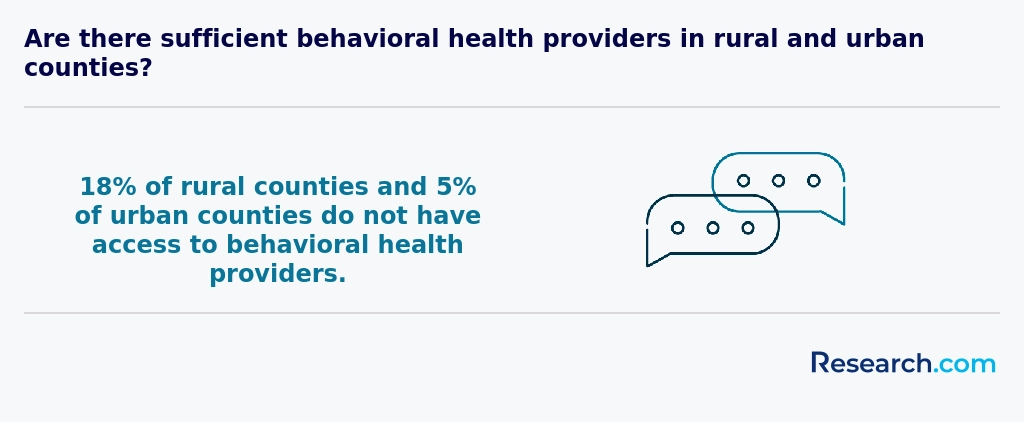
Graduates who want to practice counseling in Ohio must meet state licensure requirements. Because requirements can be detailed and may change, students should verify current rules with the Ohio Counselor, Social Worker, and Marriage and Family Therapist Board before and during enrollment.
- Earn a master’s degree in counseling with a minimum 60 credit hours from a CACREP-accredited program.
- Complete at least 2,000 hours of practicum/internship during your graduate studies.
- Accumulate 1,000 hours of supervised post-degree clinical experience under an LPC-S or equivalent supervisor.
- Pass a national examination approved by the Ohio Counselor, Social Worker, and Marriage and Family Therapist Board, such as the NCE or NCMHCE.
- Submit your application, official transcripts, exam scores, and fees to the Ohio Counselor Board.
- Maintain licensure with 20 hours of continuing education every two years.
Students trying to reduce educational expenses while planning for licensure can compare online options, including the cheapest online counseling degree, but should confirm that any lower-cost program still supports Ohio credentialing requirements.
If you're pursuing a counseling degree in Cleveland, expect a curriculum packed with practical and foundational courses. Graduates from local universities often emphasize how classes like Introduction to Counseling Theory help them confidently understand various counseling models, making client sessions more effective from day one.
Core courses include Human Growth and Development, which helps you relate to clients' challenges at different life stages, and Multicultural Counseling, crucial for thriving in Cleveland's diverse communities. Many students highlight how these classes prepare them to engage respectfully and empathetically with clients from various backgrounds.
Group Counseling and Career Counseling are also common, providing hands-on skills for dynamic group settings and vocational guidance. Students from Cleveland State University frequently share how practicing these techniques in local internships made their transition into professional roles smooth and rewarding.
Additionally, courses in Counseling Ethics and Research Methods ground you in the principles and evidence-based practices essential for effective, ethical counseling. These classes ensure you're ready to meet Ohio's state licensure standards confidently.
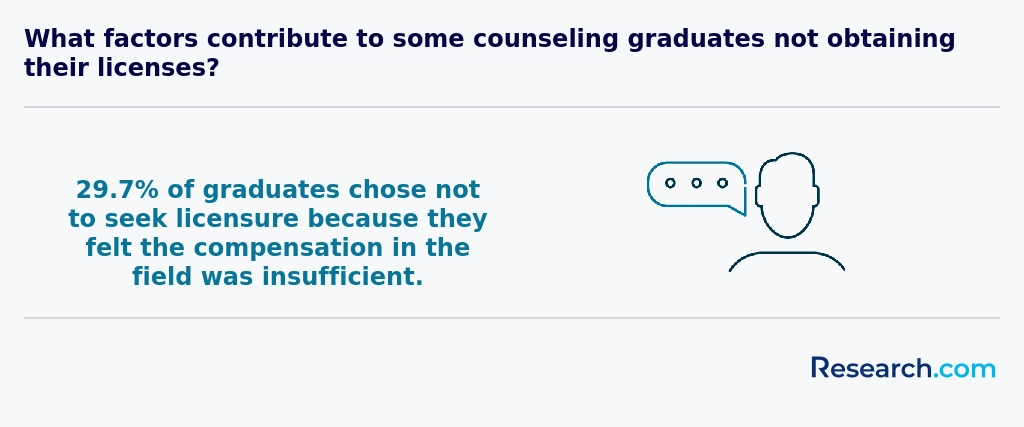
Counseling students in Cleveland often choose from several practical specializations to tailor their education according to career goals. For example, Clinical Mental Health Counseling remains a favorite, preparing graduates to handle diverse mental health issues in community centers, hospitals, or private practice. Graduates from Cleveland's well-regarded programs frequently mention how this specialization gave them confidence addressing real-world anxiety or trauma cases.
School Counseling is another specialization popular among those focusing on supporting K-12 students' social and academic growth. Cleveland-area colleges emphasize the Ohio state certification process, ensuring students meet all coursework and practicum requirements, which recent grads find invaluable when starting in school districts.
The marriage, couple, and family counseling track equips students with skills to manage relational challenges, a path many find rewarding while pursuing licensure as Licensed Marriage and Family Therapists (LMFT) in Ohio. Substance Abuse Counseling is also offered at leading universities, meeting Cleveland's pressing needs around addiction recovery.
Specializations in Rehabilitation Counseling help students support individuals with disabilities in gaining employment and independence, a niche many graduates speak to with pride. If balancing licensure logistics is on your mind, consider how addressing psychology license renewal in Tennessee illustrates the broader importance of planning exams and clinical hours early. These counseling degree specializations in Cleveland provide flexibility and focus for students eager to enter meaningful practice.
Start by focusing on CACREP-accredited programs in Cleveland to ensure you meet Ohio's licensing standards. Graduates from popular universities here often praise how accreditation helped streamline their path to becoming a licensed counselor. Next, compare tuition costs carefully since affordable counseling degrees in Cleveland range widely; some public schools offer substantial financial aid that made a big difference for many students balancing budgets.
Consider program flexibility. For example, several Cleveland colleges offer part-time or hybrid courses that helped recent graduates manage work and family while studying. Look for specializations that match your career goals, such as clinical mental health or school counseling, as these will determine your future job opportunities. Graduates often share how choosing the right track boosted their confidence and readiness for the workforce.
Lastly, investigate faculty experience and clinical partnerships. Many students found hands-on training at local Cleveland hospitals invaluable, reinforcing lessons in real-world settings. For detailed requirements on becoming credentialed, it's useful to explore Delaware licensed counselor qualifications for clearer parallels to Ohio's process.
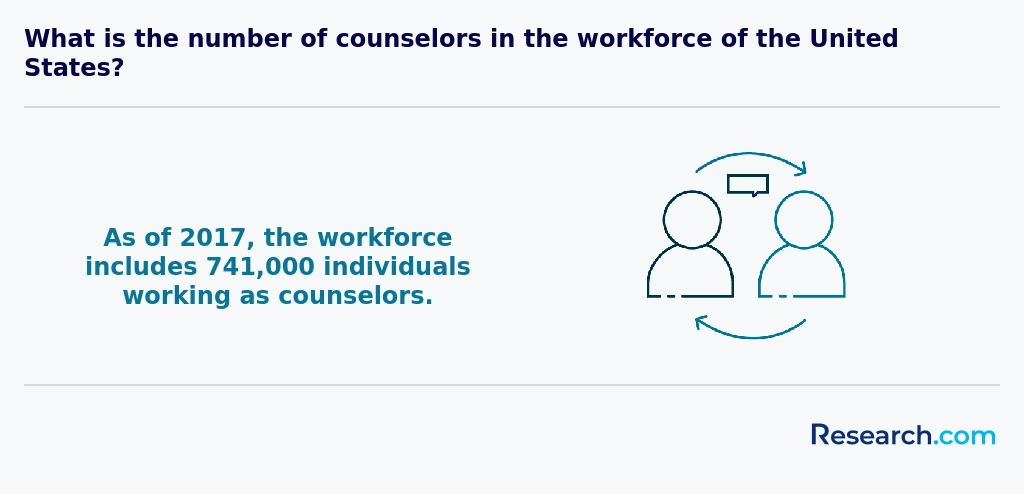
Graduates with a counseling degree in Cleveland often find diverse career options in mental health counseling jobs Cleveland, such as mental health counselor, school counselor, or substance abuse counselor. For example, those trained at well-known Cleveland colleges have shared how their hands-on internships in community clinics helped them confidently support clients coping with anxiety and trauma. Another common path is working as a marriage and family therapist or rehabilitation counselor, roles that allow professionals to guide families and individuals toward healthier relationships and independence.
Many local counseling students benefit from programs that emphasize cultural competence, preparing them to serve Cleveland's varied population. Having studied at institutions known for their strong community ties, graduates often transition smoothly into nonprofit organizations, healthcare systems, or school districts, where practical skills are in high demand. If you're exploring counseling career opportunities in Cleveland, consider programs accredited by CACREP to ensure licensure eligibility and strong employment prospects. For insights on related fields, check out social work degrees in massachusetts learning outcomes for comparison with interdisciplinary approaches.
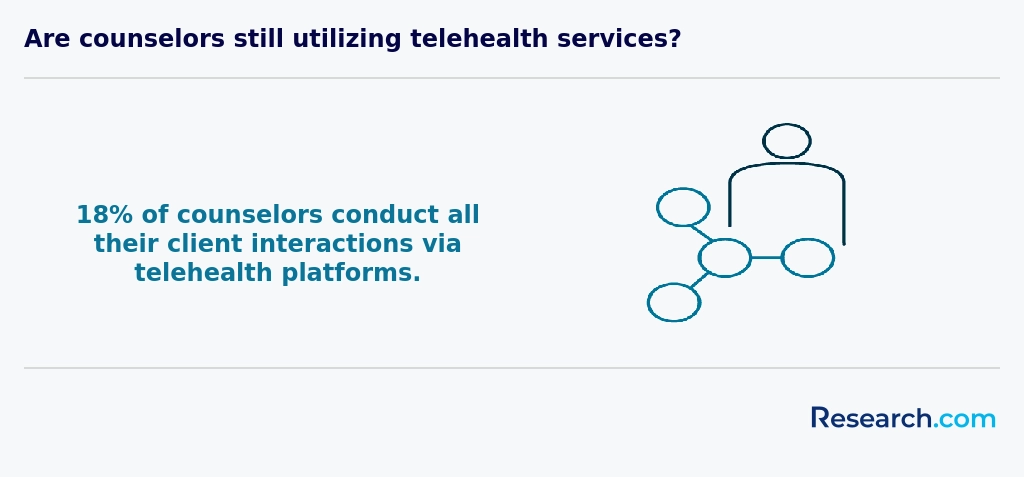
The counseling degree job outlook Cleveland graduates face is positive, with steady growth fueled by rising awareness of mental health needs. Entry-level counselors from local universities often find roles in hospitals, schools, and nonprofit organizations, thanks to increased funding in these sectors. Graduates have shared how internships offered by Cleveland colleges helped them build practical skills and develop professional connections, which made transitioning into paid positions smoother.
Career opportunities for counseling graduates Cleveland include positions in school districts addressing student mental health and community centers focusing on substance abuse. Licensed professionals, particularly those with master's degrees, typically start with salaries between $48,000 and $60,000 annually, aligning with state averages and reflecting demand for specialized skills. To balance costs, many students consider enrolling in an affordable counseling school in ohio where tuition ranges from $8,000 to $15,000 annually, making education in the area both attainable and strategic for long-term employment.
2027 Best Counseling Degree Programs Ranking in Cleveland
Investing in your education is a significant decision that requires careful consideration, and the Research.com team recognizes the importance of helping you make well-informed choices. To support prospective students in Cleveland, we have carefully developed the "2027 Best Counseling Degree Programs Ranking in Cleveland." Our dedication to quality, credibility, and accuracy is demonstrated through thorough research and rigorous analysis behind this ranking.
We utilized the following reputable data sources to ensure a comprehensive evaluation of counseling programs:
By exploring this ranking, readers will gain valuable insights into the top counseling degree programs available in Cleveland, enabling them to make educated decisions about their academic and professional futures. For further information on how this ranking was created, please visit our Research.com methodology page.


Frequently Asked Questions About counseling
Counseling degree students in Cleveland can maximize their learning by engaging deeply with both academic coursework and practical experiences. Local universities often provide access to diverse clinical placements, which are crucial for developing real-world counseling skills. Students should seek internships in Cleveland's varied community health centers and nonprofit organizations, where demand for mental health services remains high.
Networking with local professionals through workshops and seminars helps students stay current with best practices. According to the Ohio Board of Regents, nearly 70% of counseling graduates in Ohio find employment within the first year, highlighting the importance of early professional connections.
Additionally, participating in research opportunities or joining student counseling associations can enhance theoretical knowledge and community involvement.
The counseling field in Cleveland is expanding into several emerging niches that address evolving community needs. One notable area is geriatric counseling, which supports Cleveland's growing aging population. According to the Cleveland Clinic, approximately 16% of the city's residents are over 65, increasing demand for mental health services tailored to older adults.
Another developing niche is substance abuse counseling, particularly given Ohio's challenges with opioid addiction. Local health departments report a steady rise in treatment programs requiring specialized counselors.
Additionally, multicultural counseling has grown, reflecting Cleveland's diverse ethnic communities. Counselors trained in cultural competence provide better support for immigrants and minority groups facing unique psychological and social stresses.
After completing a counseling degree in Cleveland, graduates should focus on obtaining state licensure, such as the Licensed Professional Counselor (LPC) credential required in Ohio. This involves accumulating supervised clinical hours, typically around 3,000 hours over two years, and passing the National Counselor Examination (NCE).
Building a strong professional network through local organizations like the Ohio Counseling Association or Cleveland-area mental health groups is essential. These connections can increase job prospects and provide mentorship opportunities.
Additionally, gaining experience via internships or entry-level positions in hospitals, schools, or community agencies in Cleveland helps develop practical skills sought by employers. According to the Bureau of Labor Statistics, Cleveland's demand for counselors is projected to grow by 15% through 2030, reflecting a positive job market for graduates.
Employers in Cleveland seeking graduates with counseling degrees prioritize strong communication skills. Being able to effectively listen and convey empathy is essential when working with diverse client populations. According to the Ohio Counseling Association, interpersonal skills rank among the top attributes for local mental health positions.
Additionally, employers value critical thinking and problem-solving abilities. Counselors must assess complex situations and design appropriate treatment plans tailored to individual needs. Familiarity with ethical standards is also crucial, ensuring compliance with regulations set by the Ohio Counselor, Social Worker, and Marriage and Family Therapist Board.
Data from the U.S. Bureau of Labor Statistics highlights that around 22% of Cleveland's counseling jobs require cultural competence, reflecting the city's diverse communities. Graduates who demonstrate adaptability and proficiency in evidence-based therapy methods generally have a competitive edge in the job market.
Finding internships in Cleveland relevant to a counseling degree involves using multiple strategies tailored to local opportunities. Many universities in Cleveland partner with local hospitals, mental health clinics, and community organizations, providing students with practical experience. For example, institutions like Case Western Reserve University and Cleveland State University offer internship placements through their counseling programs.
Students should also explore internships at organizations such as the Cleveland Clinic or local nonprofits focused on mental health. Checking resources like the Ohio Counselor, Social Worker, and Marriage and Family Therapist Board can help verify approved internship sites.
Networking through counseling associations in Ohio and attending job fairs can increase chances of securing relevant internships.
Obtaining a counseling degree in Cleveland significantly enhances career mobility and advancement opportunities. Many local employers, including hospitals and community mental health centers, require or prefer candidates with a master's degree in counseling or related fields. According to the Ohio Department of Job and Family Services, the demand for mental health counselors in Cleveland is projected to grow by 14% through 2030.
Higher education credentials open doors to specialized roles such as school counseling, substance abuse counseling, and licensed professional counseling (LPC). Holding a degree also enables professionals to pursue licensure, which is essential for clinical practice and salary increases. In Cleveland, licensed counselors earn a median annual wage approximately 20% higher than non-licensed peers, based on Bureau of Labor Statistics data.
Furthermore, a counseling degree facilitates advancement into supervisory or administrative positions within mental health agencies. Continuing education and advanced certifications often build on this foundation, accelerating career growth in Cleveland's evolving healthcare market.
Studying for a counseling degree in Cleveland equips students with skills essential for interdisciplinary collaboration. Programs emphasize integrating psychology, social work, and education, preparing graduates to work effectively in diverse teams.
Cleveland's counseling programs often include practicum experiences in hospitals, schools, and community agencies, enhancing practical knowledge across fields. According to the Ohio Board of Regents, over 70% of counseling graduates in Cleveland engage in multidisciplinary settings within two years of graduation.
Courses also focus on understanding cultural and systemic factors affecting clients, promoting cooperation with healthcare providers, educators, and social service professionals. This approach fosters well-rounded counselors capable of addressing complex client needs in Cleveland's urban environment.
When choosing between a thesis and a non-thesis counseling degree program in Cleveland, consider your career goals. Thesis programs involve conducting original research, ideal for students planning to pursue doctoral studies or careers in academia. Non-thesis options emphasize coursework and practical experience, better suited for those aiming to enter counseling practice directly.
In Cleveland, many reputable universities offer both tracks, and the Ohio Counselor, Social Worker, and Marriage and Family Therapist Board often requires specific training tied to licensure. Thesis programs typically take longer to complete, around two to three years, while non-thesis can be shorter.
Local job markets, such as Cleveland's expanding mental health sector, value practical skills, but research experience remains important for certain specialized roles. Resources like the National Board for Certified Counselors provide detailed licensure requirements relevant across Ohio.
Students based in Cleveland who wish to study counseling abroad have several options available through U.S. higher education structures. Many accredited Cleveland universities, such as Cleveland State University, offer study abroad programs or partnerships with international institutions that include counseling coursework. These opportunities allow students to gain global perspectives while earning credits toward their degree.
Additionally, counselors seeking international credentials often consider programs aligned with the Council for Accreditation of Counseling and Related Educational Programs (CACREP), which facilitates credit transfers and licensure considerations. According to the National Center for Education Statistics, nearly 15% of counseling graduate students explore study abroad options to enhance cultural competence.
Financial aid and scholarships may also support such endeavors, helping Cleveland students manage costs associated with international study.
Students pursuing counseling degrees in Cleveland can benefit from part-time jobs that offer relevant experience and skill development. Positions such as mental health technician or behavioral health aide in local hospitals and clinics provide practical exposure to patient care and counseling environments. According to the Ohio Department of Health, Cleveland hosts multiple mental health facilities hiring part-time support staff, helping students understand client interactions firsthand.
Additionally, roles in community organizations or nonprofit agencies focusing on youth services or substance abuse counseling offer valuable insights into diverse populations. Working as a peer support specialist, which requires minimal certification, is also common and can enhance communication and empathy skills critical for counselors.
Counseling students in Cleveland benefit from various networking opportunities through local universities and professional organizations. Schools like Cleveland State University and Case Western Reserve University host events connecting students with licensed counselors and mental health professionals. These events often include workshops, guest lectures, and career fairs.
The Ohio Counseling Association, with a strong Cleveland chapter, provides monthly meetings, conferences, and online forums to support networking and professional growth. Students can gain membership benefits that include access to job postings and mentorship programs.
Clinical internships at Cleveland-area hospitals and community agencies offer hands-on experience and professional contacts essential for career development. According to the National Board for Certified Counselors, nearly 40% of job placements in Ohio counseling fields come through networking and internships.
Alumni networks provide valuable support to counseling degree students in Cleveland by connecting them with experienced professionals in the local mental health field. These networks often offer mentorship, internships, and job placement assistance, crucial for gaining practical experience.
Cleveland's counseling programs benefit from strong ties to local clinics and agencies, with alumni frequently helping current students access opportunities. According to the Cleveland Counseling Association, nearly 70% of counseling graduates find employment within six months, often through alumni referrals.
Additionally, alumni events and online platforms foster ongoing professional development and collaboration, enhancing students' career readiness in a competitive market.
Customizing a counseling degree program in Cleveland allows students to tailor their education to meet specific career objectives. Many local universities offer concentration options such as mental health counseling, school counseling, or marriage and family therapy. Choosing relevant electives enables focus on niche areas.
Students can also participate in internships or practicum experiences within Cleveland's diverse healthcare and social service agencies, gaining practical skills and local professional connections. Some schools provide flexible online or evening classes, accommodating working professionals. According to the Ohio Board of Licensed Professional Counselors, specialization often improves job prospects in the region's growing counseling sector.
Counseling students in Cleveland often face several challenges during their education. One key difficulty is balancing rigorous coursework with the required clinical hours for licensure. Many students report time management issues because practicum placements can demand 20 to 30 hours weekly, in addition to full course loads.
Financial strain is another major concern. According to the Cleveland Foundation, the average graduate tuition for counseling programs in the area ranges from $12,000 to $18,000 per year, which can be burdensome without scholarships or assistantships.
Additionally, students must navigate state-specific licensing requirements, which in Ohio include completing supervised practice and passing national exams. Understanding these regulations early on is crucial.
Lastly, access to diverse clinical training opportunities reflecting Cleveland's varied population is sometimes limited, affecting preparedness for real-world counseling. These challenges require strategic planning and institutional support for student success.
With a counseling degree in Cleveland, graduates can pursue several professional certifications to enhance their careers. The most common credential is the Licensed Professional Counselor (LPC) license, required for independent practice in Ohio. Obtaining this license involves completing supervised clinical hours and passing the National Counselor Examination (NCE).
Other valuable certifications include the Certified Rehabilitation Counselor (CRC) and National Certified Counselor (NCC), both nationally recognized and respected. These certifications can open doors to specialized roles in mental health, school counseling, or substance abuse counseling.
According to the Ohio Counselor, Social Worker, and Marriage and Family Therapist Board, nearly 3,000 LPCs are licensed statewide, reflecting strong demand.
Writing a winning application for a counseling program in Cleveland requires clear focus and preparation. Start by researching the specific requirements of local programs, such as those at Cleveland State University or John Carroll University, which often include a statement of purpose, transcripts, and letters of recommendation.
Highlight relevant experience, including volunteer work or internships in mental health settings, as Cleveland's counseling programs value practical exposure. According to the Council for Accreditation of Counseling & Related Educational Programs (CACREP), strategic career goals aligned with program values enhance application strength.
Maintain a strong GPA, ideally above 3.0, as competitive programs in Cleveland received over 200 applications in 2023 and admit roughly 25%.
Finally, demonstrate commitment to community service and understanding of diverse populations, as local programs emphasize cultural competence for Ohio's diverse communities (U.S. Census Bureau, 2022).
Counseling careers in the United States reflect a global commitment to mental health and well-being. Many countries recognize counseling as a vital profession, but the U.S. system, including Cleveland, offers structured licensure and educational paths to ensure quality care.
In Cleveland, counseling degrees are often aligned with national standards set by organizations like the American Counseling Association (ACA) and governed by Ohio licensure requirements. These frameworks ensure that counseling professionals meet rigorous education and ethical standards.
Globally, variations exist in training duration and certification, but the U.S. approach emphasizes specialized master's degrees and supervised internships, which are also characteristic of counseling programs in Cleveland.
According to the Bureau of Labor Statistics, the demand for mental health counselors in Ohio is projected to grow 23% from 2022 to 2032, reflecting a positive outlook and global awareness of counseling's importance.
Gaining practical experience while studying for a counseling degree in Cleveland is essential for career readiness. Many local universities offer internships or fieldwork placements as part of their programs. These opportunities allow students to work directly with clients under professional supervision, meeting Ohio's licensing requirements.
Additionally, Cleveland's community mental health centers and hospitals provide diverse settings for hands-on training. Students can also volunteer at nonprofit organizations focused on mental health and social services, gaining valuable skills and networking connections.
According to the Ohio Counselor, Social Worker, and Marriage and Family Therapist Board, accumulating 3,000 hours of supervised experience is required for licensure, emphasizing practical training during education.
Choosing the right concentration within a counseling degree program in Cleveland involves understanding your career goals and the community needs. Popular concentrations include mental health counseling, school counseling, and marriage and family therapy. According to the Ohio Board of Regents, Cleveland's growing demand for mental health professionals is expected to increase by 12% through 2028, emphasizing the importance of specialized skills.
Consider state licensure requirements; for example, Licensed Professional Clinical Counselors (LPCC) must meet specific coursework and supervised experience standards. Reviewing available practicum opportunities in Cleveland agencies can help you gain relevant experience aligned with your concentration.
Finally, consult local job market data from the Cleveland Foundation or the Ohio Department of Job and Family Services to identify high-demand counseling fields, ensuring your chosen concentration aligns with future employment trends.
- 2027 Best Counseling Degree Programs Ranking in Pittsburgh
- 2027 Best Counseling Degree Programs Ranking in Dayton
- 2027 Best Counseling Degree Programs Ranking in Fort Wayne
- 2027 Best Counseling Degree Programs Ranking in Cincinnati
- 2027 Best Counseling Degree Programs Ranking in Grand Rapids
- 2027 Best Counseling Degree Programs Ranking in Rochester
- 2027 Best Counseling Degree Programs Ranking in Harrisonburg
- 2027 Best Counseling Degree Programs Ranking in Indianapolis
- 2027 Best Counseling Degree Programs Ranking in Washington
- 2027 Best Counseling Degree Programs Ranking in Chicago
See What Experts Have To Say About Studying Counseling
Read our interview with Counseling experts

Meredith A. Rausch
Counseling Expert
Associate Professor
University of Alabama

- Networking: Are You Connected? https://www.apaservices.org/practice/business/marketing/building/networking
- Ohio School Counselor Association https://ohioschoolcounselor.org/grad-programs
- Bringing the benefits of career counselling/guidance to youth https://euroguidance.eu/to-bring-the-benefits-of-career-counseling-guidance-to-the-youth
- 11 Challenges That Counselors & Therapists Face - Talkspace https://www.talkspace.com/blog/counselor-challenges/
- Strategies for School Counselors-in-Training to Maximize Their Supervision Experience https://tpcjournal.nbcc.org/tag/strategies/
- Best Online Master's In Mental Health Counseling 2025 https://www.psychology.org/rankings/best-mental-health-counseling-programs/
- 5 Ways Counselling Skills Can Boost Career Prospects - Open Colleges https://www.opencolleges.edu.au/blogs/articles/how-counselling-skills-can-boost-your-employability-and-help-you-excel
- Creating Your Niche In Counseling Private Practice https://practiceoftherapy.com/creating-niche-counseling-private-practice/
- On-Campus vs. Online Master’s in Counseling | University of Bridgeport https://www.bridgeport.edu/news/on-campus-vs-online-counseling-degree/
- Study Counseling Abroad - Top Universities for Masters, MBA, PhD Degree Programs https://studee.com/degree/abroad/counseling