2027 Best Counseling Degree Programs Ranking in Chicago
Choosing the right counseling degree program can shape your future and open doors to meaningful careers in Chicago's helping professions. To support your journey, this article presents the 2027 Best Counseling Degree Programs Ranking in Chicago, developed by the Research.com team of data scientists.
With clear insights and reliable data, this ranking helps you pinpoint programs that align with your goals and values. Exploring these options empowers you to make confident, informed decisions about your education and career path.
Embarking on a counseling degree is a rewarding step toward making a positive impact in your community and personal growth.
Key benefits of getting counseling degree in Chicago
- Counseling degree graduates in Chicago can expect rewarding salaries, such as $76,000 annually for Intervention Specialists and $60,080 for Addiction Counselors, providing financial stability and growth potential.
- Career paths include roles like Rehabilitation Specialist or Community Outreach Coordinator, offering diverse opportunities for making a positive impact in the community after graduating from institutions like DePaul University.
- Online counseling degrees, like those from Loyola University Chicago, offer flexibility and convenience, allowing students to balance work and study while gaining essential skills for success in counseling careers.
What can I expect from counseling degree in Chicago?
The average cost of earning a counseling degree in Chicago varies depending on the institution and program level, with master's degrees typically ranging from $20,000 to over $40,000 in total tuition. For example, graduates from DePaul University describe investing in comprehensive programs that combine classroom learning with hands-on clinical practicums in urban settings, justifying the expense through valuable real-world experience. Loyola University Chicago and the University of Chicago also offer competitive tuition rates, often balanced by financial aid opportunities and flexible scheduling for working students.
Many students appreciate that their tuition covers not only core counseling theories and ethics but also specialized training aligned with licensure requirements. These programs emphasize multicultural competence, which resonates deeply with students serving Chicago's diverse communities. Graduates frequently highlight how this investment translates into strong career readiness and licensure eligibility, essential for practicing as Licensed Professional Counselors (LPCs) in Illinois.
Where can I work with counseling degree in Chicago?
Graduates with a counseling degree in Chicago find diverse employment opportunities across healthcare, education, corporate, and government sectors. Many begin their careers as licensed professional counselors (LPCs) in outpatient mental health clinics or community agencies, addressing challenges such as anxiety, depression, and trauma. For example, alumni of DePaul University and the University of Chicago often secure positions at respected institutions like Rush University Medical Center or Erie Family Health Centers, gaining invaluable experience supporting individuals in need.
School counseling is another prominent path, with graduates working in Chicago Public Schools and private educational institutions. These counselors provide essential academic guidance and mental health support to students, fostering a positive and empowering environment. Counseling graduates have expressed fulfillment in helping youths navigate personal and academic obstacles, especially in a city with over 350 public schools.
In addition, the corporate world offers rewarding roles within employee assistance programs and human resources departments, where counselors help employees manage stress and transition challenges. Government agencies, including the Illinois Department of Corrections, also employ counselors to deliver rehabilitation services, highlighting the wide-ranging impact of this degree in Chicago's vibrant community.
How much can I make with counseling degree in Chicago?
Counseling degree graduates in Chicago can anticipate varying salary ranges depending on their chosen specialties and work environments. For example, Intervention Specialists average about $76,000 annually, reflecting advanced skills often honed through programs at institutions like Loyola University Chicago. Graduates pursuing roles as Addiction Counselors typically see salaries around $60,080, a figure echoed by those trained in local colleges with strong mental health counseling tracks.
Positions such as Rehabilitation Specialists offer mean wages near $48,430 per year, while Community Outreach Coordinators and Family Support Workers commonly earn about $54,020 annually in the Chicago area. Many graduates from Chicago State University and DePaul University find these roles align well with their practical training and local internship experiences, fostering a sense of professional achievement and community impact.
These figures highlight the financial rewards attainable shortly after graduation, with opportunities to increase income through licensure and specialization. Students enthusiastic about contributing to Chicago's diverse communities often express satisfaction with their career trajectories, encouraged by the city's demand for skilled counseling professionals.
- Key benefits of getting counseling degree in Chicago
- What can I expect from counseling degree in Chicago?
- Where can I work with counseling degree in Chicago?
- How much can I make with counseling degree in Chicago?
- How do we rank schools?
- 2027 Best Counseling Degree Programs Ranking in Chicago
- What counseling degree graduates have to say
- Key Findings
- How long does it take to complete counseling degree in Chicago?
- Licensure Requirements in Illinois
- What's the difference between online and on-campus counseling degree?
- Considering Affordability in Counseling Education
- What is the average cost of counseling degree in Chicago?
- Licensure and Certification Requirements for Counseling Graduates in Chicago, IL
- What financial aid is available to counseling degree students in Chicago?
- Accreditation and Illinois Licensing Requirements
- What are the prerequisites for enrolling in counseling degree program in Chicago?
- Licensure and Certification Requirements in Illinois
- What courses are typically in counseling degree programs in Chicago?
- What types of specializations are available in counseling degree programs in Chicago?
- How do you choose the best counseling degree in Chicago?
- What career paths are available for counseling degree students in Chicago?
- What is the job market for counseling degree in Chicago?
- Frequently Asked Questions About counseling
- Top Trending Counseling Rankings
- See What Experts Have To Say About Studying Counseling
How do we rank schools?
Investing in your education is a significant decision that can shape your future, and the Research.com team understands the importance of making informed choices. To assist prospective students in Chicago, we have meticulously crafted the "2027 Best Counseling Degree Programs Ranking in Chicago." Our commitment to quality, credibility, and accuracy is reflected in the extensive research and analysis conducted to compile this ranking.
We utilized the following reputable data sources to ensure a comprehensive evaluation of counseling programs:
By exploring this ranking, readers will gain valuable insights into the best counseling degree programs available in Chicago, helping them make informed decisions about their educational paths. For more details on our methodology, please visit our Research.com methodology page.
2027 Best Counseling Degree Programs Ranking in Chicago
# 1 position
University of Chicago
Bachelor
The University of Chicago offers a highly competitive Bachelor's program focused on counseling with an acceptance rate of 4%. The program attracts a large number of applicants, totalling 43,612. Approximately 51% of students enrolled in the program receive mid-level financial aid, providing substantial support for many candidates. This degree is suited for students seeking rigorous admission standards and meaningful financial assistance opportunities.
# 2 position
University of Chicago
Master
The University of Chicago offers a Master's program focused on counseling with a highly competitive acceptance rate of 4%. There were 43,612 applicants, indicating strong demand for this program. Approximately 51% of students receive financial aid, reflecting a mid-level aid availability. This data highlights the program's selectivity and the support offered to a significant portion of its students.
# 3 position

Loyola University Chicago offers a Master's program focused on counseling with a total cost of $71,398. The program has an open admission policy, accepting 82% of its 39,315 applicants. A significant 99% of students receive financial aid, indicating high levels of support available for enrollees.
# 4 position

Loyola University Chicago offers a Doctor-level program focused on counseling with a total cost of $71,398. The program has an open admission policy, accepting 82% of applicants out of 39,315 candidates. A high proportion of students, 99%, receive financial aid, indicating strong support for enrolled students.
# 5 position

The Illinois Institute of Technology offers a Master's program focused on counseling, attracting 12,216 applicants with a less selective acceptance rate of 55%. The total cost to complete the program is $69,151. Notably, all students receive financial aid, indicating a high level of support available to help manage expenses during the course of study.
# 6 position
DePaul University
Master
DePaul University offers a Master's program focused on counseling with a total cost of $66,198. The program has an open admission policy, accepting 76% of applicants, which is based on a pool of 31,266 candidates. Students benefit from high financial aid availability, as 100% receive some form of assistance. This makes the program accessible for those seeking a graduate degree in counseling at a moderately priced tuition.
# 7 position
Roosevelt University
Master
Roosevelt University offers a Master's program focused on counseling, with an open admission policy reflected in a 97% acceptance rate. The total cost of the program is $33,283. Of the 7,427 applicants, most gain acceptance, and 96% of enrolled students receive financial aid, indicating a high level of support. This makes the program accessible and financially viable for many prospective students.
# 8 position

Northeastern Illinois University offers a Master's program focused on counseling with a total cost of $29,866. The program has a less selective acceptance rate of 75%, admitting a large number of applicants annually, totaling 8,955. A high percentage of students, 90%, receive financial aid, making support widely accessible for enrolled candidates.
# 9 position
Moody Bible Institute
Bachelor
Moody Bible Institute offers a bachelor's degree focused on counseling with an open admission policy, accepting 83% of applicants. The program attracts 387 applicants annually and costs $29,788 in total. A significant majority of students, 90%, benefit from high levels of financial aid, making it accessible to many seeking specialized counseling education within a faith-based context.
# 10 position

National Louis University offers a Master's program focused on counseling with an open admission acceptance rate of 95%, welcoming a large applicant pool of 4,063 candidates. The total cost for completing the program is $27,405. A high percentage of students, 87%, benefit from financial aid, making it accessible for many who qualify. This program is designed to provide advanced counseling education within an affordable framework.
What counseling degree graduates have to say
- Emily: Studying my counseling degree at Loyola University Chicago was transformative. The supportive faculty and diverse urban setting prepared me for real-world challenges. I gained both confidence and practical skills, making the experience deeply fulfilling and career-ready.
- Marcus: The University of Chicago's counseling program combines rigorous academics with empathetic mentorship. Balancing theory with hands-on practice in such a vibrant city helped me grow personally and professionally. This degree truly opened doors I never imagined possible.
- Sophia: At DePaul University, I found a welcoming community passionate about mental health. The small class sizes and focus on ethical counseling enriched my learning. Chicago's dynamic environment made every day an inspiring step toward becoming an effective counselor.
Key Findings
- Master's degree programs in counseling in Chicago typically cost between $20,000 and $50,000, with public universities offering lower tuition than private ones.
- There are over 5,000 professional counselors working in the Chicago metro area across specialties like mental health, school counseling, and substance abuse.
- Employment for counselors in Illinois is expected to grow by 12% from 2022 to 2032, which is faster than the average for all occupations.
- Starting salaries range from $45,000 to $55,000 per year, and experienced licensed counselors can earn over $70,000 annually.
- Licensure requires completing a CACREP-accredited degree, 3,000 supervised clinical hours after graduation, and passing the National Counselor Examination.
- Counselors in Chicago work in diverse settings such as schools, hospitals, non-profits, and private practices, with an emphasis on multicultural competence.
How long does it take to complete counseling degree in Chicago?
Completing a counseling degree in Chicago varies based on the program level and study format. Graduates from institutions like the University of Chicago and Loyola University Chicago often recall the bachelor's degree as a solid four-year foundation, immersing them in psychology and counseling basics. For those pursuing licensure, a master's degree typically requires two to three years of full-time study, though part-time options extend this timeline. Many appreciate how these programs integrate supervised practicum and internships, offering hands-on experience essential for their future roles.
Following graduation, earning licensure as a Licensed Professional Counselor (LPC) demands approximately two additional years completing around 3,000 hours of supervised clinical work. This phase, while challenging, is frequently described by graduates as deeply rewarding, providing crucial real-world skills. Doctoral degrees, often pursued for research or advanced clinical training, span four to six years, combining rigorous coursework with dissertation and clinical practice.
Licensure Requirements in Illinois
Aspiring counselors in Chicago must meet state licensure steps to ensure qualified practice.
- Graduate from a CACREP-accredited master’s program in counseling.
- Complete at least 3,360 hours of supervised post-master’s experience under a licensed supervisor.
- Pass the National Counselor Examination (NCE) administered by NBCC.
- Apply for the Licensed Professional Counselor (LPC) or Licensed Clinical Professional Counselor (LCPC) credential through the Illinois Department of Financial and Professional Regulation (IDFPR).
- Fulfill continuing education requirements (minimum 40 hours every two years) to maintain active licensure.
To manage costs without compromising accreditation, consider the cheapest online counseling degree.
What's the difference between online and on-campus counseling degree?
Online counseling degree programs in Chicago, such as those offered by DePaul University, provide students the flexibility to balance work and family commitments by accessing coursework anytime. Graduates often highlight the convenience of video lectures and interactive forums, which foster a sense of community even from a distance. This format demands disciplined time management but allows students to complete supervised clinical hours at approved local sites, meeting Illinois licensure requirements.
Conversely, on-campus programs at institutions like Loyola University Chicago immerse students in face-to-face interactions, enabling immediate feedback and stronger peer connections. Many graduates appreciate the hands-on supervision available during practicum placements and the rich networking opportunities on campus. However, these programs require regular attendance and entail additional expenses such as commuting and housing.
Both pathways prepare students for the Illinois Licensed Professional Counselor (LPC) licensure by ensuring at least 3,360 hours of clinical experience. Choosing between the two depends largely on personal learning style, scheduling needs, and financial considerations specific to Chicago's urban setting.
Considering Affordability in Counseling Education
When exploring counseling degree programs in Chicago, IL, affordability is a crucial factor to consider. Many aspiring counselors face financial constraints, making it essential to find a program that balances quality education with cost-effectiveness. For those seeking affordable options, researching the cheapest counseling school in illinois can be a valuable step. This not only helps in managing tuition fees but also in understanding the overall cost of pursuing a counseling degree, including additional expenses such as textbooks, technology fees, and living expenses. By carefully evaluating these costs and exploring financial aid options, students can make informed decisions about their educational journey, ensuring that their path to becoming a counselor is both achievable and affordable.
What is the average cost of counseling degree in Chicago?
The average cost of a counseling degree in Chicago varies notably depending on the type of institution and residency status. For many students pursuing a Master's in Counseling, the median total tuition and fees amount to approximately $44,952. In-state students generally benefit from lower overall costs, averaging around $29,245, while out-of-state students face costs closer to the median total, reflecting higher tuition rates. Graduates from institutions such as the University of Illinois at Chicago often highlight how these figures align with their personal investment in education and professional growth.
Private universities in Chicago, including well-known schools like Loyola University Chicago and DePaul University, typically charge higher tuition, contributing to the range of expenses students may encounter. Those attending community colleges or pursuing certification-level counseling programs experience more affordable options, which often fall well below the median costs. These varied pathways enable prospective students to find a program balancing quality and affordability tailored to their needs.
Many counseling students in Chicago express satisfaction in overcoming financial challenges through scholarships, assistantships, and financial aid, which play a vital role in managing the full cost of their degrees. Considering total tuition and fees for counseling programs Chicago requires careful budgeting for additional expenses, including textbooks, fees, and clinical practicum costs. Prospective students interested in maximizing value should also review detailed program costs and consider schools like Chicago State University for more affordable options. For a comprehensive comparison, visiting resources like the cheapest counseling school in illinois can offer valuable guidance.
Licensure and Certification Requirements for Counseling Graduates in Chicago, IL
Obtaining licensure is a pivotal step for any Counseling graduate in Illinois. The Illinois Department of Financial and Professional Regulation (IDFPR) requires: 1. A master’s degree in Counseling or closely related field from a CACREP-accredited institution. 2. Completion of at least 3,360 hours of supervised post-graduate clinical experience, typically accrued over two years. 3. Successful passage of the National Counselor Examination (NCE) or National Clinical Mental Health Counseling Examination (NCMHCE). 4. Submission of official transcripts, supervisor verification forms and the licensure application to IDFPR. 5. Maintenance of licensure through biennial renewals, including a minimum of 24 continuing education (CE) credits—three of which must cover ethics. Most candidates structure their supervised hours within community agencies, outpatient clinics or school settings, ensuring diverse case exposure. Early enrollment in exam prep workshops and state-approved supervision can improve first-time pass rates. For a clear roadmap to becoming a therapist, Research.com offers detailed timelines and tips to streamline your certification journey. By understanding these requirements upfront, you can confidently transition from graduate to licensed professional in Chicago’s thriving counseling landscape.
What financial aid is available to counseling degree students in Chicago?
Students pursuing counseling degrees in Chicago benefit from a range of financial aid options tailored to ease educational expenses, which can reach up to $35,000 annually at private institutions. Graduates from well-known programs at universities like Loyola University Chicago and the University of Chicago often share how federal aid through FAFSA, including Federal Pell Grants and Graduate PLUS Loans, significantly reduced their tuition burdens.
Illinois residents have access to state programs such as the Monetary Award Program (MAP) administered by ISAC, which directly offsets tuition costs at local institutions. For those enrolled full-time, many Chicago universities offer assistantships and fellowships that not only waive tuition but also provide stipends, making intensive study more financially viable.
Professional organizations like the American Counseling Association and Chi Sigma Iota offer scholarships emphasizing leadership and community service, often ranging from $1,000 to $5,000. Working students appreciate employer tuition reimbursement from area healthcare and community organizations, helping balance work and study without overwhelming debt.
Graduates frequently highlight how combining these aid sources with thoughtful budgeting improved their focus and confidence throughout their graduate counseling education in Chicago.
Accreditation and Illinois Licensing Requirements
Ensure your counseling program is CACREP-accredited for national recognition and meets Illinois Department of Financial and Professional Regulation (IDFPR) standards.
- CACREP accreditation validates curriculum quality and streamlines licensure across states.
- Complete at least 48 graduate semester hours and pass the National Counselor Examination (NCE).
- Post-graduation, log 3,000 supervised clinical hours (minimum 1,500 post-master’s) under an approved supervisor.
- Apply for the Licensed Professional Counselor (LPC) credential through IDFPR, following all application and background-check requirements.
- Maintain licensure with 40 continuing education credits every two years.
For budget-friendly, fully accredited options, consider exploring our cheapest online counseling degree guide.
What are the prerequisites for enrolling in counseling degree program in Chicago?
Enrollment in counseling degree programs in Chicago demands that applicants meet precise prerequisites designed to prepare them for both rigorous academics and professional practice. For bachelor's degree hopefuls, a high school diploma or equivalent is mandatory, alongside a strong academic record particularly in psychology and social sciences. Graduates of Chicago-area institutions often recall how these foundations helped them confidently engage with coursework and internships.
Those pursuing a master's degree, necessary for Illinois licensure as Licensed Professional Counselors, must hold a bachelor's degree, preferably in counseling or related fields, from an accredited university. Chicago's top programs frequently require submission of letters of recommendation and personal statements, reflecting applicants' genuine motivation and career aspirations.
Many students highlight how prerequisite courses in human development, abnormal psychology, and statistics provided clarity and confidence during their graduate studies at well-regarded Chicago colleges. Furthermore, a minimum GPA around 3.0 and interview assessments ensure candidates are well-prepared to contribute meaningfully to the counseling profession locally.
Licensure and Certification Requirements in Illinois
After earning your master’s in counseling, obtaining licensure in Illinois is essential to practice as a Licensed Professional Counselor (LPC). Illinois requires: • Accredited Coursework: Completion of a CACREP-accredited (or equivalent) graduate program totaling at least 48 semester hours in counseling coursework, including 100 practicum hours and 600 hours of supervised internship. • Post-Degree Supervision: Accumulate 3,000 hours of post-degree clinical experience under an approved LPC supervisor over a minimum of 24 months. • Examination: Pass the National Counselor Examination (NCE) or the National Clinical Mental Health Counseling Examination (NCMHCE) administered by the National Board for Certified Counselors (NBCC). • Application to IDFPR: Submit official transcripts, verification of supervised experience, and exam scores to the Illinois Department of Financial and Professional Regulation (IDFPR). The current application fee is $100, plus a $50 licensure fee. • Continuing Education: Renew your LPC every two years by completing at least 20 continuing education units (CEUs), including 3 hours in professional ethics. Understanding these steps ensures you transition smoothly from student to licensed counselor. For those exploring cost-effective online counseling pathways, be sure to review the Cheapest Online Counseling Degree Programs Ranking in New York for comparison as you plan your licensure journey.
What courses are typically in counseling degree programs in Chicago?
Counseling degree programs in Chicago typically include a blend of theoretical and practical courses that prepare students for real-world counseling challenges. Graduates from universities such as Loyola University Chicago or DePaul University often highlight the value of courses like Introduction to Counseling Theories, where they learn frameworks such as cognitive-behavioral and humanistic models that resonate in diverse Chicago communities.
Many students appreciate classes like Human Growth and Development, which deepen understanding of emotional and mental health across all age groups-a crucial skill when working in Chicago's multicultural settings. Practical training is emphasized through courses like Group Counseling Techniques, enabling students to confidently facilitate therapy sessions, often drawing on their practicum experiences in local clinics.
Ethics and Professional Issues are also central, ensuring students grasp confidentiality laws and professional standards essential for licensure and trust-building. Finally, electives reflecting Chicago's unique social landscape, such as community mental health and substance abuse counseling, empower students to make meaningful impacts in the city's diverse neighborhoods.
What types of specializations are available in counseling degree programs in Chicago?
Counseling degree specializations in Chicago cater to diverse professional goals and community needs. Graduates from prominent Chicago colleges frequently highlight Mental Health Counseling as a core specialization, preparing them to support individuals facing psychological challenges in settings like hospitals or private practices. School Counseling is another focused path that equips students working in K-12 environments to handle critical issues such as bullying and academic stress, aligning with Illinois certification requirements.
Specializations in Substance Abuse Counseling have grown in response to local and national crises, emphasizing practical skills in addiction treatment, which many Chicago students find deeply rewarding in community impact roles. Other options include Marriage and Family Counseling, Rehabilitation Counseling addressing disabilities, Career Counseling, and Child and Adolescent Counseling-all reflecting Chicago's varied social landscape and student interests in Chicago counseling graduate program options.
Many graduates describe their education as empowering, especially when informed by CACREP-accredited programs that emphasize licensure readiness. Those exploring these paths can learn more about becoming counselors by visiting resources such as becoming a therapist.
How do you choose the best counseling degree in Chicago?
Choosing the best counseling degree programs Chicago offers involves evaluating program accreditation, particularly CACREP, which graduates often highlight as pivotal for licensure success and professional credibility. For example, students from well-known Chicago universities emphasize how CACREP-accredited curricula prepared them effectively for the Licensed Professional Counselor (LPC) examination while ensuring practical training requirements.
Many students appreciate programs that offer flexible scheduling through part-time, evening, or online classes, enabling them to balance work and study. Graduates from Chicago colleges frequently mention the positive impact of internships and practicum placements embedded in their programs, which enhanced their confidence and skills in real-world settings. Financial considerations are also important, and exploring affordable counseling degrees in Chicago can significantly ease the burden. Prospective students may find valuable guidance in resources like the Cheapest Online Counseling Degree Programs Ranking in New York, which also reflects affordable program options nearby.
What career paths are available for counseling degree students in Chicago?
Graduates with a counseling degree in Chicago have access to diverse career paths that reflect the city's dynamic community needs. These include roles such as Licensed Professional Counselor (LPC), where professionals provide therapy across individual, family, and group settings after meeting Illinois licensing requirements. Those interested in educational environments often pursue work as School Counselors within Chicago Public Schools, offering crucial support to students facing academic and emotional challenges. Mental Health Counselors find rewarding positions in hospitals, nonprofit agencies, and private practice, addressing issues like anxiety and substance abuse in a city known for its strong support networks.
Rehabilitation Counselors focus on helping individuals with disabilities grow personally and professionally, a field with promising growth nationally and relevant to Chicago's urban demographic. Marriage and Family Therapists provide specialized therapy within family systems, requiring Illinois MFT licensure typically gained through programs at local universities. Many graduates from Chicago colleges describe the hands-on experience gained through practicum placements in these varied settings as instrumental in preparing them for fulfilling careers. Exploring counseling career opportunities in Chicago unveils a breadth of meaningful options tailored to both the city's unique population and mental health demands.
Students considering these career tracks often evaluate the best college degrees for employment, weighing program strengths and practical training to align with their professional goals.
What is the job market for counseling degree in Chicago?
The job market for counseling graduates in Chicago is robust and expanding, driven by growing awareness of mental health needs across diverse communities. Employment opportunities for counseling degree holders Chicago are particularly strong in hospitals, schools, private practices, and nonprofit organizations, where graduates often find rewarding roles that align with their passion for helping others. Graduates from institutions such as Chicago State University and the University of Illinois at Chicago have reported fulfilling experiences securing positions in community health centers and educational settings that value their multicultural counseling skills.
The median annual wage in Illinois hovers around $52,000, with skilled professionals, including Licensed Professional Counselors, earning upwards of $70,000, reflecting a positive trajectory for career advancement. The city's investment in behavioral healthcare continues to enhance job prospects, making Chicago a strategic choice for those weighing cost against future earnings. For students exploring program affordability alongside career outcomes, consulting resources like what's the easiest online degree to get? can provide valuable guidance.
Frequently Asked Questions About counseling
Counseling degree students in Chicago can maximize their learning by engaging deeply with both classroom instruction and practical experiences. Many Chicago universities emphasize fieldwork; students should seek internships at local community centers, hospitals, or schools to gain valuable real-world skills.
Active participation in workshops and seminars is also recommended to stay updated on counseling techniques and ethical standards. Chicago's diverse population offers unique learning opportunities in multicultural counseling, an area gaining importance according to the Illinois Department of Financial and Professional Regulation.
Networking through student organizations and professional groups such as the Illinois Counseling Association can provide mentorship and career guidance. Lastly, utilizing campus resources like counseling labs and libraries supports academic success and personal development.
Emerging niches within the counseling field reflect changing societal needs and growing awareness of mental health in Chicago and nationwide. One fast-growing area is telehealth counseling, which expanded rapidly during the COVID-19 pandemic and continues to offer remote support for diverse populations. According to the Illinois Counseling Association, over 40% of practicing counselors in Chicago have integrated telehealth services into their practice.
Another expanding niche is trauma-informed counseling focused on supporting survivors of violence, abuse, or natural disasters. Chicago's urban environment increases demand for counselors trained in this specialty. Additionally, substance abuse and addiction counseling remain critical, with local health departments emphasizing integration with mental health treatment.
Career counseling tailored to underrepresented populations and LGBTQ+ individuals is also gaining prominence, driven by increasing advocacy and inclusive policies. These emerging areas indicate promising opportunities for new counseling graduates in Chicago's evolving healthcare landscape.
After completing a counseling degree in Chicago, preparing for the job market involves several key steps. First, graduates should obtain licensure, as Illinois requires counselors to be licensed to practice professionally. The Illinois Department of Financial and Professional Regulation provides guidelines for becoming a Licensed Professional Counselor (LPC).
Networking is vital; joining local organizations like the Illinois Counseling Association can connect graduates with employers and mentors. Additionally, gaining supervised clinical experience through internships or fellowships improves employment prospects. According to the U.S. Bureau of Labor Statistics, the Chicago metropolitan area sees steady growth in mental health counseling jobs, offering diverse opportunities in schools, hospitals, and community centers.
Developing strong communication and cultural competence skills can also enhance job readiness in this region's diverse population.
Employers in Chicago seek counseling degree graduates with strong interpersonal and communication skills. These abilities are essential for effective client interaction and building therapeutic relationships. According to the Illinois Department of Financial and Professional Regulation, ethical judgment and cultural competence are also critical, reflecting Chicago's diverse population.
Analytical skills are highly valued, enabling counselors to assess clients' needs accurately and develop tailored treatment plans. Familiarity with evidence-based practices and compliance with local licensing requirements enhances employability.
Additionally, proficiency in crisis intervention and collaborative teamwork is frequently emphasized in job postings throughout the Chicago area, aligning with trends reported by the American Counseling Association.
Finding internships in Chicago relevant to a counseling degree involves connecting with licensed agencies and organizations offering practical experience. Many counseling programs in Chicago require or highly recommend internships as part of their curriculum, typically ranging from 600 to 1,000 hours.
Start by exploring partnerships your college or university has with community mental health centers, hospitals, and schools. Prominent agencies such as Thresholds and The Refuge offer internship opportunities that expose students to diverse counseling populations. The Illinois Department of Financial and Professional Regulation also lists approved clinical sites for counseling licensure internships.
Networking through professional bodies like the Illinois Counseling Association can help uncover local placements. Additionally, some universities provide centralized internship databases specifically for Chicago students. The Bureau of Labor Statistics indicates that internships significantly improve employment chances in counseling fields, essential in a city with a rising mental health service demand.
Obtaining a counseling degree in Chicago significantly enhances career mobility and advancement opportunities within the local mental health field. Many employers in Chicago, including hospitals, schools, and social service agencies, require a minimum of a master's degree in counseling or a related discipline for specialized roles.
Licensing is essential for career progression. Graduates from Chicago-based programs are eligible to pursue Illinois professional licenses, such as the Licensed Professional Counselor (LPC), which is recognized statewide and often increases employability and salary potential.
According to the U.S. Bureau of Labor Statistics (BLS), the Chicago metropolitan area is expected to grow in healthcare and social assistance jobs by 12% through 2030, suggesting increased demand for qualified counselors.
Studying for a counseling degree in Chicago equips students with the skills needed for interdisciplinary roles through comprehensive curricula integrating psychology, social work, and healthcare principles. Programs often emphasize collaboration with professionals across various fields, preparing graduates to work effectively in schools, hospitals, and community organizations.
Chicago's counseling programs align with guidelines from the Council for Accreditation of Counseling and Related Educational Programs (CACREP), ensuring a nationally recognized standard. Additionally, many programs incorporate practicum experiences in diverse urban settings, reflecting Chicago's multicultural population.
According to the Illinois Department of Financial and Professional Regulation, Chicago has a growing demand for counselors skilled in interdisciplinary teamwork, particularly in mental health and education sectors. This real-world exposure enhances graduates' readiness to address complex client needs within multidisciplinary teams.
When choosing between a thesis and a non-thesis counseling degree program in Chicago, consider your career goals and learning preferences. Thesis programs emphasize research and prepare students for doctoral studies or roles involving evidence-based practice. Non-thesis tracks focus on practical skills and clinical experience, ideal for those aiming to enter counseling professions quickly.
Chicago universities such as Loyola and DePaul offer both options, reflecting the city's demand for diverse counseling professionals. According to the Illinois Board of Higher Education, approximately 40% of counseling master's students in Chicago select thesis programs, often seeking advanced research roles.
Consider your readiness for independent research and the potential impact on graduation timelines when deciding.
Students based in Chicago who wish to study counseling abroad have several opportunities through partnerships between local universities and international institutions. Many Chicago universities, such as Loyola University Chicago and DePaul University, offer study abroad programs or exchanges focused on counseling and mental health. These programs provide hands-on clinical experience in diverse cultural settings, which is valuable given the growing need for multicultural competence in counseling. According to NAFSA, about 12% of U.S. students studying abroad choose psychology-related fields, including counseling. Chicago students can also pursue accredited online counseling degrees with international components to fulfill licensure requirements.
Chicago offers several part-time job opportunities that complement counseling degree education. Positions such as mental health technician or behavioral health aide in hospitals provide practical experience while supporting patients under supervision. Nonprofits and community centers often seek case management assistants or intake coordinators, roles that develop communication and organizational skills essential for counselors.
Additionally, Chicago's public school system hires paraprofessionals and classroom aides, allowing students to engage in supportive educational environments. According to the Illinois Department of Employment Security, these roles commonly pay between $15 and $20 per hour, making them financially viable for students.
These part-time jobs help bridge academic theory with real-world practice and networking opportunities in Chicago's diverse mental health field.
Counseling students in Chicago benefit from diverse networking opportunities that connect them with professionals and peers in the field. Many local universities collaborate with organizations such as the Illinois Counseling Association (ICA), which hosts regular events and conferences designed for networking and professional development. According to the ICA, Chicago hosts over 20 annual events, including workshops and career fairs, attracting hundreds of counseling students and licensed practitioners.
Chicago's large healthcare and social service sectors provide ample internships and volunteer placements where students can build real-world connections. Additionally, Chicago area counseling programs often encourage participation in community outreach, supporting access to mental health services while expanding networks.
Professional meetups and online forums specific to Chicago counseling also play a key role, allowing students to engage with recent graduates and industry leaders to share job leads, research, and advice.
Alumni networks significantly benefit counseling degree students in Chicago by providing valuable professional connections and mentorship opportunities. Many Chicago-area schools, such as Loyola University Chicago and DePaul University, maintain active alumni groups that facilitate career support and job placement within the local mental health field. According to the National Board for Certified Counselors, networking is a key factor in 65% of job placements nationwide, highlighting the role these connections play for counseling graduates.
Alumni frequently offer advice on licensure requirements specific to Illinois and share insights on local internship opportunities, which are crucial for state certification. Engagement with alumni also helps students stay informed about evolving counseling practices and local demand trends. This support system enhances both the educational experience and the transition into professional roles.
Customizing a counseling degree program in Chicago allows students to align their education with specific career goals, such as school counseling, mental health therapy, or substance abuse counseling. Many Chicago institutions offer elective courses and specializations, enabling students to focus on areas like trauma-informed care or adolescent counseling. Practical experiences through internships and practicum placements in local clinics or schools are vital for developing relevant skills.
Advanced certifications, such as Licensed Professional Counselor (LPC) credentials, often require tailored coursework and supervised hours. According to the Illinois Department of Financial and Professional Regulation, completing a program that meets state standards is essential for licensure.
Students can also benefit from online and evening classes offered in Chicago to balance work and study effectively.
Counseling students in Chicago often face a combination of academic, financial, and practical challenges throughout their education. Many struggle with managing the demanding coursework alongside supervised clinical hours, which are required for licensure. According to the Illinois Department of Financial and Professional Regulation, students must complete at least 3,000 clinical hours to become licensed professional counselors, which can extend the time and cost of education.
Financial burdens are significant, as tuition rates in Chicago's universities can be higher than the national average. Additionally, students frequently report difficulty finding affordable, quality internship placements within the city's competitive mental health sector.
Balancing personal wellbeing and academic stress is another common issue. Chicago's diverse population requires culturally competent training, yet students sometimes find existing programs insufficiently prepare them for real-world diversity. This gap can contribute to feelings of unpreparedness when entering the workforce.
With a counseling degree in Chicago, graduates can pursue several professional certifications that enhance career opportunities. Common certifications include the Licensed Professional Counselor (LPC) credential, which is required to provide clinical counseling services in Illinois. This certification typically requires completing supervised clinical hours and passing the National Counselor Examination.
Other credentials include the Certified Rehabilitation Counselor (CRC) and certifications in school counseling, such as the Professional Educator License with a School Counseling endorsement. Illinois also recognizes the Licensed Clinical Professional Counselor (LCPC) for advanced practice.
According to the Illinois Department of Financial and Professional Regulation, Chicago's growing demand for mental health professionals makes these certifications valuable for local practitioners.
To write a winning application for a counseling program in Chicago, start by clearly outlining your motivation and relevant experiences in your personal statement. Emphasize any volunteer work, internships, or paid roles related to counseling or mental health, as many programs value practical exposure. According to the Illinois Board of Higher Education, accredited counseling programs typically require strong academic records, so highlight your GPA and any relevant coursework.
Letters of recommendation should come from professionals familiar with your interpersonal skills and commitment. Additionally, research specific Chicago schools' program requirements, as institutions like Loyola University and the University of Chicago have slightly varying prerequisites. Tailoring your application accordingly improves your chances.
Finally, prepare thoroughly for any required entrance exams or interviews, demonstrating your knowledge of counseling ethics and local mental health issues.
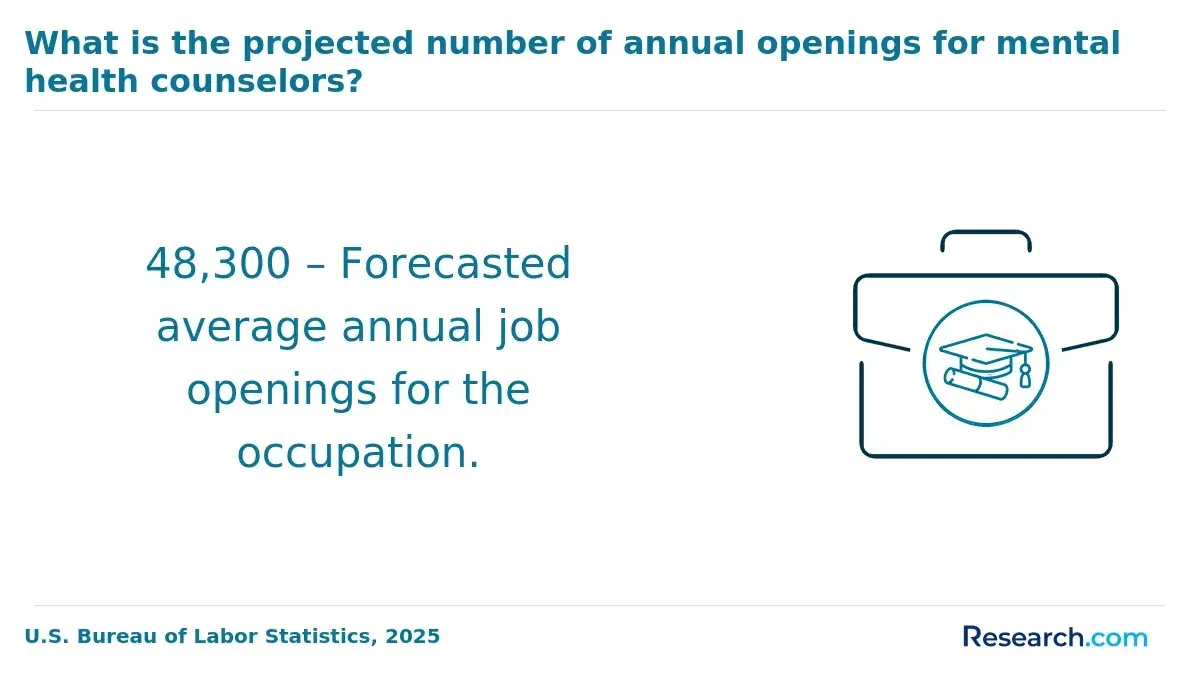
Counseling careers in the United States, including Chicago, reflect a global trend toward increased demand and professional recognition. According to the U.S. Bureau of Labor Statistics, the employment of mental health counselors is projected to grow 23% from 2021 to 2031, much faster than average. This growth aligns with worldwide recognition of mental health's importance, emphasizing culturally competent care.
Globally, counseling professions vary in regulation and scope, but U.S. counseling degrees, especially those offered in Chicago, are widely respected for their rigorous training. Chicago-based programs often incorporate multicultural competencies, preparing students to work with diverse populations.
As mental health gains priority around the world, Chicago's counseling graduates benefit from curricula designed to meet both local and international needs.
Gaining practical experience while studying for a counseling degree in Chicago is essential for developing real-world skills. Many Chicago universities offer internship opportunities as part of their counseling programs, allowing students to work in local clinics, schools, or community agencies. These internships provide hands-on exposure under licensed professionals' supervision.
Additionally, students can participate in practicum courses, which are often mandatory and focus on direct client interaction. Chicago's diverse population offers valuable learning environments for skill-building across various counseling specialties. According to the Illinois Department of Financial and Professional Regulation, practical experience is required for licensure, so gaining it during your studies is critical.
Choosing the right concentration within a counseling degree program in Chicago involves evaluating your career goals and interests. Common concentrations include clinical mental health, school counseling, marriage and family therapy, and addiction counseling. Each area requires unique skills and leads to different licensure paths. For example, clinical mental health counselors in Illinois must meet specific requirements set by the Illinois Department of Financial and Professional Regulation.
Consider Chicago's local demand: according to the U.S. Bureau of Labor Statistics, the Chicago metropolitan area employs over 9,000 mental health counselors, indicating strong opportunities in clinical roles. Research program curriculum, fieldwork options, and faculty expertise to find a concentration aligning with your passion and the city's workforce needs.
Related Counseling Rankings for Nearby Cities
- 2027 Best Counseling Degree Programs Ranking in Madison
- 2027 Best Counseling Degree Programs Ranking in Grand Rapids
- 2027 Best Counseling Degree Programs Ranking in Cincinnati
- 2027 Best Counseling Degree Programs Ranking in Saint Louis
- 2027 Best Counseling Degree Programs Ranking in Louisville
- 2027 Best Counseling Degree Programs Ranking in Cleveland
- 2027 Best Counseling Degree Programs Ranking in Des Moines
- 2027 Best Counseling Degree Programs Ranking in Saint Paul
- 2027 Best Counseling Degree Programs Ranking in Minneapolis
- 2027 Best Counseling Degree Programs Ranking in Nashville
Top Trending Counseling Rankings
See What Experts Have To Say About Studying Counseling
Read our interview with Counseling experts
Meredith A. Rausch
Counseling Expert
Associate Professor
University of Alabama
References
- Financial Counseling https://www.jcfs.org/find-help/family-support/financial-counseling
- The 9 Top Additional Certifications for Mental Health Counselors in New York - Counseling Degrees New York https://counselingnewyork.org/certifications/
- Internship Opportunities at Momentum https://momentumcac.com/internship/
- How to Pick the Right Master's in Counseling: Illinois Student Success Guide - Counseling Illinois https://counselingillinois.org/how-to-pick/
- 11 Challenges That Counselors & Therapists Face — Talkspace https://www.talkspace.com/blog/counselor-challenges/
- How To Attract Ideal Therapy Clients - Owl Practice https://owlpractice.ca/blog/therapy-niche-how-to-attract-ideal-clients/
- Counselor Salary https://onlinecounselingprograms.com/become-a-counselor/salary/
- Where therapists work and what they do https://www.bacp.co.uk/careers/counselling-and-therapy-as-a-career/where-therapists-work-and-what-they-do/
- Creating Your Niche In Counseling Private Practice https://practiceoftherapy.com/creating-niche-counseling-private-practice/
- metrics https://ojed.org/jis/article/view/3444/1955