2027 Easiest Online Counseling Degree Programs Ranking in Alabama

Co-Founder and Chief Data Scientist
Choosing the right counseling degree program can feel overwhelming, especially with so many options available online. This article introduces the 2027 Easiest Online Counseling Degree Programs Ranking in Alabama, carefully developed by the Research.com team of data scientists. It helps students in Alabama confidently explore programs that suit their needs and goals.
By reading this ranking, you'll discover programs designed for flexibility and success, making your journey toward becoming a counselor more accessible and rewarding. Pursuing a counseling degree opens doors to meaningful careers focused on helping others grow and heal.
Key benefits of getting online counseling degree in Alabama
- Graduates with a counseling degree in Alabama can expect strong earning potential, such as Addiction Counselors earning around $60,080 annually and Community Outreach Coordinators making about $54,020 per year.
- Counseling degree holders from Alabama universities often pursue rewarding careers in areas like rehabilitation, addiction counseling, or family support, offering meaningful ways to help communities thrive.
- Completing a counseling degree online from Alabama schools provides flexibility and convenience, enabling students to balance work and life while gaining the skills needed for a successful counseling career.
- 2027 Easiest Online Counseling Degree Programs Ranking in Alabama
- What can I expect from online counseling degree in Alabama?
- Where can I work with online counseling degree in Alabama?
What can I expect from online counseling degree in Alabama?
The average cost of an online counseling degree in Alabama tends to be quite reasonable, especially when compared to national averages. Many students from reputable institutions like the University of Alabama or Auburn University have shared how the in-state tuition discounts made their journey more affordable than they initially feared. For example, one graduate mentioned that paying around $400 to $600 per credit hour, plus some additional fees, was manageable thanks to Alabama's residency benefits and the flexibility of online learning.
Online programs also help reduce expenses related to commuting, housing, and materials, which lightens the financial load significantly. Graduates often find that this balance allows them to focus more on mastering counseling skills rather than worrying about exorbitant costs. While prices vary by school and credit load, expecting a total tuition expense in the range of $15,000 to $30,000 is reasonable for completing the entire degree comfortably from home.
Remember, investing in an Alabama online counseling degree not only paves the way to state licensure but also opens doors to meaningful careers helping others grow and heal.
Where can I work with online counseling degree in Alabama?
Graduates with an online counseling degree in Alabama find rewarding careers across schools, healthcare, and community agencies. For example, many graduates from the University of Alabama and Auburn University step into roles as school counselors, guiding students through challenges like academic stress and career choices. These positions require state certification, which you'll be prepared for through accredited online programs that align with Alabama's licensure standards.
Others thrive in community mental health settings, working with nonprofits and government agencies to support clients facing trauma or addiction. Imagine collaborating with licensed supervisors while gaining hands-on experience, just like many graduates do in Birmingham's robust mental health network.
Healthcare facilities such as hospitals and rehab centers in Huntsville also hire counselors who specialize in behavioral health. Licensed Professional Counselors or Marriage and Family Therapists play a key role in patient recovery there, working in supportive teams that truly make a difference.
By pursuing your degree through respected Alabama colleges, you position yourself for meaningful work that helps others and meets the state's growing demand for skilled counselors.
Graduates from online counseling programs in Alabama, such as those offered by the University of Alabama or Auburn University, can look forward to promising salary prospects that reflect their dedication and training. Entry-level positions like Rehabilitation Specialists start with mean annual wages around $48,430, providing a solid foundation as you build your career.
If you pursue roles such as Addiction Counselor, the rewards grow, with mean salaries near $60,080. This is particularly encouraging for graduates passionate about making a difference in individuals' lives, whether in urban centers like Birmingham or Montgomery or in more rural communities across Alabama.
Other opportunities include working as Family Support Workers or Community Outreach Coordinators, each offering mean incomes around $54,020. These roles allow graduates to engage deeply with families and communities, combining meaningful work with stable earnings.
Many alumni report how their online degrees positioned them for licensure and specialized roles, unlocking higher salaries and greater job satisfaction. The key lies in pursuing certifications and experience that match Alabama's mental health demands, turning your education into rewarding career opportunities.
- Tuition for online counseling programs in Alabama ranges from $8,000 to $15,000 per year at public universities, with private schools sometimes charging over $20,000 annually.
- Alabama employs about 3,000 licensed counselors, with a projected job growth rate of 12% over the next decade.
- Starting salaries for counselors in Alabama are typically between $40,000 and $45,000, while experienced professionals can earn $50,000 to $65,000 per year.
- Online programs must meet Alabama licensure requirements, including accreditation and possibly in-person practicum or internship components within the state.
- Specializations such as clinical mental health, school counseling, and marriage and family therapy affect licensure paths and salary potential.
Completing an online counseling degree in Alabama requires commitment and varies by your chosen level of study. Many graduates from universities like the University of Alabama nurture their passion by spending about two years finishing associate degrees, a pathway perfect for getting a quick start. If you're aiming higher, most students pursuing a bachelor's degree, often at Troy University or Auburn University, dedicate around four years. This timeline fits well for those balancing work and study, allowing steady progress toward their dreams.
Master's degrees-essential for becoming licensed counselors-generally take between two and three years of full-time study at schools such as UAB or Alabama State University. Graduates often appreciate the flexibility of online formats, which help them juggle practicum hours and internships required for licensure. Some choose part-time paths, extending the journey but keeping momentum strong.
Remember, Alabama requires 3,000 hours of supervised clinical work after graduation, a challenge that many find rewarding as it builds confidence and competence beyond the classroom.
Choosing between online and on-campus counseling degrees in Alabama often comes down to how you want to balance your life and learning. Graduates from the University of Alabama at Birmingham appreciate the flexibility of online programs, where they can attend lectures at midnight after work and still complete their clinical hours in local settings. This flexibility is a game-changer for those managing jobs or families, letting you progress at your own pace without sacrificing quality.
On the other hand, graduates from Auburn University emphasize the value of face-to-face interactions. The energy of in-person group discussions and campus events builds a network that feels immediately supportive and motivating. They experienced hands-on practice in campus facilities, crucial for mastering counseling techniques through role-plays and real-time supervision.
Both paths meet Alabama's licensing requirements-48 semester hours of coursework plus supervised internships-so you're assured rigorous training either way. For working adults, reliable internet and comfort with digital platforms are key to thriving online, while campus learners benefit from immersive social and practical engagement.
The average cost of an online counseling degree in Alabama typically centers around $17,280 for the entire program. Many students find this figure encouraging, especially when compared to national figures, since Alabama offers a balance of quality education and affordability. Graduates from universities like the University of Alabama or Troy University often share how these programs allow them to pursue their passion without overwhelming debt.
In Alabama, public universities usually have in-state tuition ranging between $8,000 and $15,000 per year, making the pursuit of counseling degrees more accessible. Private institutions, while pricier-often $20,000 to $30,000 annually-offer helpful scholarships and financial aid options that make their programs manageable. Many students appreciate that cost transparency and flexible payment plans help ease financial stress during their studies.
Considering affordable online counseling degree tuition Alabama means understanding how fees are structured. Some schools charge per credit hour-often between $300 and $600-while others may offer flat rates for online semesters. For students balancing work and study, this clarity plays a key role in planning their educational journey.
To truly navigate these costs wisely, it's valuable to explore all financial aid available, including federal loans, Pell Grants, and work-study programs. Those who have graduated with degrees from Auburn University or similar institutions often highlight how these resources made their education possible. Choosing the right degree path is also easier when aligning your plans with the most useful college majors, which you can review in detail here.
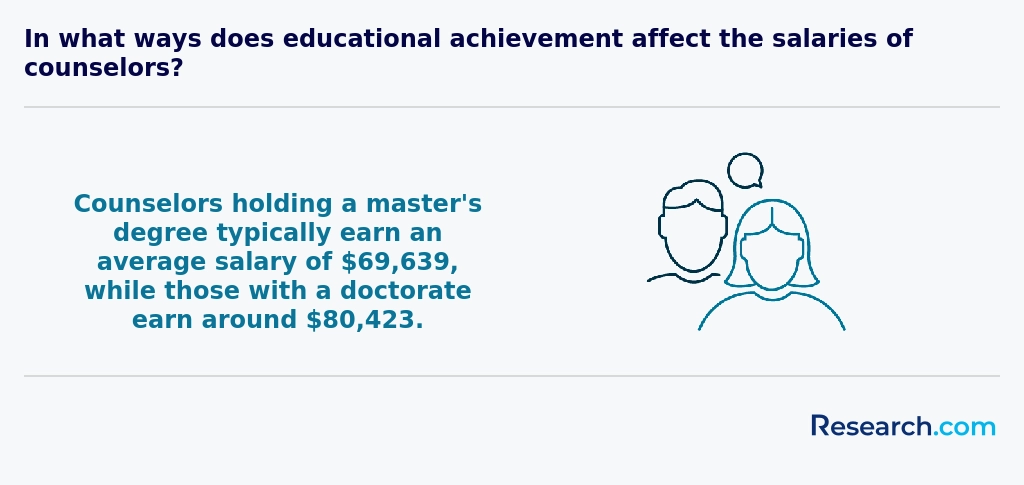
When pursuing an online counseling degree in Alabama, financial aid options can truly transform what seems like a daunting investment into an achievable goal. Many graduates from institutions like the University of Alabama or Auburn University have found federal aid through FAFSA to be a game-changer, unlocking access to grants, work-study, and unsubsidized loans tailored for graduate students.
State programs add another layer of support. For example, the Alabama Student Grant Program has helped numerous counseling students reduce tuition costs, while the Alabama Tuition Grant offers aid specifically for those attending private colleges within the state. These resources often fly under the radar but can significantly ease financial strain.
Graduate assistantships at these universities also present a golden opportunity-working part-time as a research or teaching assistant not only provides a stipend but also a tuition waiver, combining experience with financial relief. Plus, many online learners tap into employer tuition reimbursement, especially if they're already in healthcare or social services, turning their current job into a source of educational funding.
Joining counseling organizations like the Alabama Counseling Association can open doors to scholarships or grants designed just for students like you. These pathways, while varied, create a supportive financial safety net, making your counseling degree journey in Alabama not just possible but inspiring.
To enroll in an online counseling degree program in Alabama, you typically need a bachelor's degree, preferably in psychology, social work, or human services from an accredited institution. Many graduates from schools like the University of Alabama or Auburn University found that having this relevant background made coursework feel more approachable and allowed them to build confidence from day one.
A solid academic record is essential, usually a GPA around 3.0 or higher. For example, graduates often share how maintaining this standard reassured admission committees of their readiness for the program's demands.
While the GRE is sometimes requested, many Alabama programs waive it if you bring strong professional experience or robust undergraduate grades. One graduate recalled how their hands-on volunteer hours in a local counseling center helped bypass the GRE requirement, opening doors more quickly.
Finally, preparing a thoughtful statement of purpose and securing letters of recommendation is a chance to showcase your passion and dedication to counseling-key traits Alabama schools value deeply alongside academic credentials.

When pursuing an online counseling degree in Alabama, you'll engage with a rich variety of courses designed to build your confidence and competence as a future counselor. Graduates from programs at well-known institutions like the University of Alabama and Auburn University often reflect on how courses such as Introduction to Counseling Theories and Techniques and Human Growth and Development laid the foundation for understanding client behaviors and life stages.
Courses in Multicultural and Diversity Counseling prepare you to meet the needs of Alabama's diverse communities with empathy and cultural awareness, which past students found transformational in their ability to connect across backgrounds.
You'll also delve deeply into Ethics and Professional Issues in Counseling, learning how to navigate real-world dilemmas with integrity.
Practical courses like Career Development Counseling and Group Counseling Methods help sharpen your skills through hands-on assignments, similar to experiences shared by those who trained at Troy University and Jacksonville State University.
Finally, the rigorous Practicum and Internship Experience offers you supervised hours that bring classroom lessons to life-turning theory into meaningful client interactions needed for Alabama's licensing requirements.
When exploring online counseling degree specializations Alabama offers, you'll find programs designed to fit diverse passions and professional goals. Graduates from schools like the University of Alabama and Auburn University often share how choosing pathways such as Clinical Mental Health Counseling allowed them to make a real difference by supporting individuals facing mental health challenges, gaining licensure as LPCs to work in hospitals or community centers. Others focused on School Counseling, helping K-12 students navigate academic and emotional hurdles, which is especially rewarding in Alabama's education system.
Some students gravitate toward Marriage and Family Counseling, preparing to address complex family dynamics even if the LMFT license isn't currently available in Alabama, while others feel driven to specialize in Substance Abuse Counseling, playing a crucial role amid the state's opioid crisis. If you're unsure which path suits you best, consider programs that offer supervised internships and practicum placements within Alabama. These real-world experiences bring clarity and confidence to your journey.
For more on choosing a degree path that fits your life, explore this link to understand your options outside counseling and broaden your career perspective.
When choosing the best online counseling degree programs Alabama offers, prioritize programs with CACREP accreditation to ensure your education meets rigorous standards recognized by the Alabama Board of Examiners in Counseling. Graduates from institutions like the University of Alabama or Auburn University often share how this accreditation boosted their confidence when applying for licensure as Licensed Professional Counselors (LPC).
Affordability is key-look for affordable online counseling degrees in Alabama that fit your budget without sacrificing quality. Many students find public universities' online options both accessible and cost-effective, which helped them manage tuition while balancing work and family life.
Flexibility also plays a huge role. Graduates frequently mention how asynchronous classes and part-time schedules allowed them to continue working while advancing their careers. Programs that offer robust practicum placements within Alabama prepare you well for real-world challenges.
Remember to explore tuition rates carefully, and consider financial aid or scholarships. Some students even combine their studies with other online programs, such as a phd online cheap, to extend their learning while managing expenses.

If you pursue an online counseling degree in Alabama, a world of meaningful career paths opens up before you. Many graduates from popular programs at universities such as the University of Alabama and Auburn University find themselves thriving as Licensed Professional Counselors (LPCs), providing therapy and support to individuals and families in need. These roles require completing supervised clinical hours and passing the National Counselor Examination, but they offer the rewarding independence of practicing counseling on your own terms.
Others discover fulfilling opportunities as school counselors, helping students in Alabama's public education system navigate academic and emotional challenges. This path not only fulfills a growing demand for mental health support in schools but also offers an average salary around $55,000. Graduates often describe the satisfaction of seeing students flourish as highly motivating for their careers, especially when trained within Alabama's education standards.
For those passionate about addiction recovery, substance abuse counseling plays a vital role across community agencies and hospitals, making a huge difference in many lives. Certification through entities like the NCC AP enhances these job prospects. Many online counseling careers Alabama graduates share how their hands-on experience in these settings made their work deeply impactful. If you're considering combining interests, explore the best colleges for dual degree options to broaden your expertise and options.
The job market for online counseling degree holders in Alabama is encouraging for those ready to make a difference in their communities. Graduates from popular Alabama universities often find positions in settings like schools, hospitals, and community health centers, where their skills directly impact lives. Many benefit from a growing demand in rural areas where mental health services are scarce, giving them a meaningful purpose beyond just a paycheck. Those pursuing online counseling jobs in Alabama appreciate the flexibility of completing their degrees while gaining real-world experience.
For example, graduates from well-known counseling programs in Alabama describe the satisfaction of helping students overcome challenges in school settings or supporting adults battling substance abuse. The state's licensing board supports accredited online programs, enabling many online learners to become Licensed Professional Counselors quickly. If you're seeking guidance, programs around the state offer manageable tuition that fits working students' budgets, making it an excellent time to explore options like the easiest online degrees to get.
With average wages aligning well with national trends and expanding healthcare access, the Alabama counseling degree employment outlook is optimistic, particularly in high-need areas like school counseling and community mental health.
2027 Easiest Online Counseling Degree Programs Ranking in Alabama
Investing in your education is a significant decision that can shape your future, and the Research.com team understands the importance of making informed choices. To assist prospective students in Alabama, we have meticulously crafted the "2027 Easiest Online Counseling Degree Programs Ranking in Alabama." Our commitment to quality, credibility, and accuracy is reflected in the extensive research and analysis conducted to compile this ranking.
We utilized the following reputable data sources to ensure a comprehensive evaluation of counseling programs:
By exploring this ranking, readers will gain valuable insights into the easiest online counseling degree programs in Alabama, enabling them to make informed decisions tailored to their educational and career goals. For more details on our methodology, please visit our Research.com methodology page.


# 4 position
Amridge University
Master of Professional Counseling

Frequently Asked Questions About counseling
Online counseling degree students in Alabama can maximize their learning by engaging actively in virtual discussions and utilizing campus resources. Many accredited programs provide online libraries and counseling simulations, which enhance practical skills. Students should also seek opportunities for supervised internships, as Alabama requires 2,000 hours of supervised experience for licensure as a Licensed Professional Counselor (LPC), according to the Alabama Board of Examiners in Counseling.
Staying organized with a study schedule helps manage coursework alongside personal commitments. Alabama students benefit from state-specific courses covering local counseling laws and cultural factors, improving readiness for practice within the state.
Emerging niches within the counseling field in Alabama reflect broader national trends driven by changing social needs and healthcare demands. One rapidly growing area is telehealth counseling, which gained significant traction during the COVID-19 pandemic and continues to expand. This modality offers greater access to care for rural Alabama communities, where mental health resources are often limited. According to the Alabama Board of Examiners in Counseling, demand for licensed professional counselors specializing in teletherapy has increased by nearly 20% since 2020.
Another niche gaining prominence is substance abuse counseling, especially given Alabama's ongoing efforts to combat opioid addiction. Specialized training in addiction counseling is increasingly incorporated into online degree programs to meet this need. Additionally, school counseling is evolving to address diverse student populations and behavioral health challenges enhanced by the pandemic's impact. Online counseling degrees often offer tracks in these specialized fields to prepare students for these targeted roles.
After completing an online counseling degree in Alabama, preparing for the job market involves key steps to increase employability. Graduates should pursue state licensure through the Alabama Board of Examiners in Counseling, which requires supervised clinical hours and passing the National Counselor Examination. Alabama's demand for licensed professional counselors is projected to grow by over 15% through 2030, indicating strong job prospects (U.S. Bureau of Labor Statistics).
Building a professional network by joining organizations like the Alabama Counseling Association can provide valuable support and job leads. Additionally, gaining relevant internship experience during studies enhances practical skills employers seek.
Continuing education helps counselors keep up with evolving best practices and state regulations.
Employers in Alabama seeking graduates with counseling degrees prioritize a set of core skills crucial for effective practice. Strong communication skills top the list, enabling counselors to build trust and understanding with diverse clients. Emotional intelligence and empathy are equally vital, supporting sensitive and ethical client interactions.
Analytical abilities also matter, as counselors must assess client needs and develop tailored treatment plans. Familiarity with evidence-based counseling techniques and Alabama's specific licensing requirements is important, given local regulatory standards outlined by the Alabama Board of Examiners in Counseling.
Additionally, employers value cultural competence due to Alabama's diverse population, ensuring counselors can work inclusively across different backgrounds and communities.
Finding internships in Alabama relevant to a counseling degree involves targeting local agencies and educational institutions that offer practical experience. Students should explore partnerships between Alabama universities and community organizations, such as mental health clinics, schools, and social service agencies. The Alabama Board of Examiners in Counseling recommends seeking internships that provide supervised clinical hours, which are essential for licensure.
Online counseling students can also utilize resources like the Alabama Counseling Association's internship listings or connect with university career centers for placement support. Additionally, the Alabama Department of Mental Health provides information on approved agencies where internships may be available. Networking through professional organizations greatly increases opportunities in this field.
Obtaining an online counseling degree in Alabama significantly enhances career mobility and advancement opportunities within the state's mental health sector. Alabama's demand for licensed professional counselors is projected to grow by 16% through 2030, according to the Bureau of Labor Statistics, indicating a strong job market for graduates.
Online programs accredited by the Council for Accreditation of Counseling and Related Educational Programs (CACREP) meet Alabama Board of Examiners requirements, allowing degree holders to qualify for licensure as Licensed Professional Counselors (LPCs). This credential opens doors to private practice, school counseling, and clinical roles.
Additionally, Alabama's continuing education mandates encourage counselors to pursue advanced degrees, which improves promotion prospects and salary potential. Online degrees offer flexibility, making career advancement accessible for working professionals balancing employment and education.
Studying for a counseling degree in Alabama equips students with skills to work in diverse interdisciplinary settings. Programs often include coursework in psychology, social work, and education, fostering collaboration across these fields. This broad-based training aligns with Alabama's growing demand for integrated care professionals, especially in mental health and community services. According to the Alabama Board of Examiners in Counseling, graduates must understand multiple perspectives to effectively coordinate with healthcare providers, educators, and social workers. Many online programs incorporate case studies and practicum experiences designed to develop communication and teamwork skills vital for interdisciplinary roles in professional environments.
Choosing between a thesis and a non-thesis counseling degree program in Alabama depends largely on your career goals. A thesis option involves conducting original research, which is ideal if you plan to pursue a doctoral degree or a career in academia. The process typically requires strong writing skills and extra time to complete a formal research project.
On the other hand, non-thesis programs focus more on practical skills and may include comprehensive exams or additional coursework instead. These programs suit students aiming directly for clinical practice or licensure as a Licensed Professional Counselor (LPC) in Alabama. According to the Alabama Board of Examiners in Counseling, practical experience and supervised hours play a crucial role in licensure. Therefore, selecting a program aligned with your professional aims and licensing requirements is essential.
Students based in Alabama who wish to study counseling abroad have limited direct online degree options from foreign institutions due to licensure and accreditation requirements. Most international counseling degrees are not automatically recognized by Alabama licensure boards, such as the Alabama Board of Examiners in Counseling. Therefore, many students opt to enroll in U.S.-based online counseling programs that meet Alabama's licensure criteria while exploring study abroad experiences through exchange programs or short-term residencies.
Some universities with international partnerships offer hybrid models, combining online coursework with in-person study abroad opportunities. However, these are usually coordinated through U.S. institutions accredited by the Council for Accreditation of Counseling and Related Educational Programs (CACREP).
According to the National Board for Certified Counselors (NBCC), more than 1,000 licensed counselors practice in Alabama, highlighting the importance of completing accredited programs that satisfy local standards. Prospective students should prioritize enrollment in programs aligned with Alabama's educational and professional regulations to ensure eligibility for licensure after graduation.
Students pursuing online counseling degrees in Alabama can benefit from part-time jobs that align with their academic and career goals. Roles such as behavioral health technicians, social work aides, or case management assistants offer practical experience. According to the Alabama Department of Labor, behavioral health support jobs are expected to grow by 15% through 2030, reflecting increasing demand.
Working in community mental health centers or nonprofit organizations provides real-world exposure to counseling principles. Additionally, roles in school support services or crisis helplines can enhance communication and empathy skills critical for future counselors. These positions often offer flexible hours suitable for students balancing coursework.
Online counseling students in Alabama have access to several valuable networking opportunities despite studying remotely. Many accredited programs in the state encourage participation in virtual workshops, webinars, and discussion boards that connect students with faculty and peers. These platforms foster professional relationships and allow students to share experiences and resources.
Additionally, organizations like the Alabama Counseling Association provide student memberships, offering access to conferences, local chapter meetings, and mentorship programs. According to the Alabama State Board of Examiners in Counseling, such involvement can be essential for licensure and career advancement.
Internships coordinated by online programs also place students in local counseling settings, further expanding their professional networks.
Alumni networks play a significant role in supporting online counseling degree students in Alabama by providing professional connections and mentorship opportunities. Graduates often gain access to job referrals and advice from experienced counselors who understand the local healthcare landscape. According to the Alabama Board of Examiners in Counseling, networking is crucial for licensure and employment in the state, where demand for licensed counselors is expected to grow by 15% through 2030.
In addition, alumni groups often organize webinars and workshops tailored to online learners, helping them stay updated with state-specific ethical standards and counseling techniques. These networks promote collaboration and lifelong learning, essential for career advancement in counseling professions across Alabama.
Customizing your online counseling degree program in Alabama begins with choosing a specialization that aligns with your career goals. Many Alabama universities offer concentrations such as clinical mental health, school counseling, or marriage and family therapy. This allows you to focus your coursework on areas that suit your intended profession.
Another way to tailor your degree is through elective courses and practicum placements. Selecting internships or fieldwork in settings like schools, hospitals, or community centers provides practical experience relevant to your desired job.
Additionally, consider programs accredited by the Council for Accreditation of Counseling and Related Educational Programs (CACREP), as this enhances licensure prospects in Alabama. The Alabama Board of Examiners in Counseling requires specific training hours, so ensuring your program meets these is essential for career readiness. According to the Alabama Department of Labor, counselors in specialized areas often earn higher salaries, emphasizing the importance of targeted education.
Online counseling students in Alabama often face challenges balancing their coursework with personal and professional responsibilities. Many learners juggle jobs and family while meeting program deadlines, which can increase stress levels. Limited access to high-speed internet in rural areas of Alabama also poses a significant barrier for some students, affecting their ability to participate in live sessions or submit assignments on time.
Another common challenge is the need for hands-on practicum experiences, which are essential for state licensure. Coordinating local placements while enrolled online can be difficult, as Alabama requires supervised fieldwork for counseling credentials. Additionally, students may encounter less peer interaction, which can impact networking and collaborative learning opportunities critical to counseling education.
With an online counseling degree in Alabama, graduates can pursue several professional certifications essential for clinical and school counseling careers. The most common certification is the Licensed Professional Counselor (LPC), which requires a master's degree, supervised experience, and passing the National Counselor Examination.
Another key certification is the Licensed Marriage and Family Therapist (LMFT), open to those with specialized training in family systems and therapy. For school counselors, the Alabama State Department of Education offers the Pupil Personnel Services (PPS) Certification, necessary to work in public schools.
These certifications ensure counselors meet state standards and enhance job prospects. According to the Alabama Board of Examiners in Counseling, LPC holders have increased by over 10% in recent years, reflecting growing demand.
To write a winning application for an online counseling program in Alabama, start by carefully researching accredited schools recognized by the Alabama Board of Examiners in Counseling. Accreditation ensures your degree meets professional standards and eligibility for licensure.
Highlight your relevant academic background and any related experience, such as volunteer work or internships in counseling or social services. Many programs value demonstrated commitment and practical skills.
Personal statements should clearly explain your motivation to pursue counseling, particularly within Alabama's diverse communities. Tailor your narrative to show an understanding of local mental health needs, referencing resources like the Alabama Department of Mental Health.
Strong letters of recommendation from academic or professional mentors familiar with your character and work ethic can significantly strengthen your application. Be sure to meet all deadlines and submit any required test scores or transcripts promptly.
Globally, a career in counseling is valued for its vital role in mental health and well-being. In the United States, including Alabama, counseling professions are growing rapidly. The Bureau of Labor Statistics projects a 23% growth rate for mental health counselors between 2021 and 2031, higher than average for all occupations.
International perspectives often emphasize cultural competence and ethical standards to address diverse populations. In Alabama, counselors must be licensed by the Alabama Board of Examiners in Counseling, ensuring strict adherence to professional guidelines. This local focus aligns with global trends emphasizing rigorous training and certification.
Online counseling degrees available in Alabama offer students a chance to meet these standards while gaining flexible education. The demand for qualified counselors reflects a broader recognition worldwide of the importance of mental health support.
Gaining practical experience while studying for an online counseling degree in Alabama is essential for licensure and career readiness. Most programs require students to complete supervised fieldwork or internships. These experiences often take place in approved clinical settings across Alabama, such as community mental health centers, schools, or private practices.
Alabama's Board of Examiners in Counseling mandates a minimum of 3,000 hours of post-master's supervised experience for licensure as a professional counselor. Many online programs assist with placement to meet this requirement.
Students should also consider joining professional organizations like the Alabama Counseling Association for networking and continuing education opportunities that support practical skill development.
Choosing the right concentration within an online counseling degree program in Alabama begins with understanding your career goals. The state offers various specializations such as school counseling, clinical mental health, and marriage and family therapy, each aligned with specific licensure paths governed by the Alabama Board of Examiners in Counseling.
Research the demand for counselors in Alabama: school counselors, for example, are increasingly needed due to statewide initiatives improving student mental health. According to the Alabama Department of Labor, employment for mental health counselors is projected to grow 15% by 2030, higher than the national average.
Consider program accreditation. Look for programs accredited by CACREP (Council for Accreditation of Counseling and Related Educational Programs), as Alabama licensure requirements often prefer or require graduates from such programs.
Lastly, reflect on your personal interests and strengths, as choosing a concentration that fits your passion can improve success and job satisfaction after graduation.
- 2027 Easiest Online Counseling Degree Programs Ranking in Georgia
- 2027 Easiest Online Counseling Degree Programs Ranking in Florida
- 2027 Easiest Online Counseling Degree Programs Ranking in Kentucky
- 2027 Easiest Online Counseling Degree Programs Ranking in Texas
- 2027 Easiest Online Counseling Degree Programs Ranking in Virginia
- 2027 Easiest Online Counseling Degree Programs Ranking in Ohio
- 2027 Easiest Online Counseling Degree Programs Ranking in Pennsylvania
- 2027 Easiest Online Counseling Degree Programs Ranking in Michigan
- 2027 Easiest Online Counseling Degree Programs Ranking in New York
- 2027 Easiest Online Counseling Degree Programs Ranking in California
See What Experts Have To Say About Studying Counseling
Read our interview with Counseling experts

Meredith A. Rausch
Counseling Expert
Associate Professor
University of Alabama

- The Power of Alumni Networks in Career Advancement https://www.husson.edu/online/blog/2025/10/benefits-of-alumni-networks
- Counseling Degrees & Licenses in Alabama https://www.counselingschools.com/licenses/alabama
- Master's in Mental Health Counseling Salary Guide https://www.bridgeport.edu/news/masters-in-counseling-salary-guide/
- Utilize Your Alumni Networks https://www.keg.com/news/ways-to-use-your-alumni-networks-for-the-better
- How to Become a Licensed Counselor (LPC) in Alabama https://onlinecounselingprograms.com/become-a-counselor/counseling-licensure/how-to-become-a-counselor-in-alabama/
- 8 In-Demand Career Paths for a Master's Degree ... https://paloaltou.edu/resources/blog/8-demand-career-paths-masters-degree-counseling
- Best Online Counseling Degree Programs 2026 https://www.psychology.org/rankings/best-online-counseling-programs/
- Steps to Effective Career Planning and Development https://psychology.town/assessment-counselling-guidance/steps-to-career-planning-development/
- Building Connections for Career Success & Client Care https://www.mentalyc.com/blog/networking-for-therapists
- counselor education programs https://www.alasu.edu/_qa/instructional-support-programs-counselor-programs.php