
2027 Easiest Online Counseling Degree Programs Ranking in Kentucky

Co-Founder and Chief Data Scientist
Choosing the right counseling degree program in Kentucky can feel overwhelming. To help, the Research.com team of data scientists created the 2027 Easiest Online Counseling Degree Programs Ranking in Kentucky. This ranking highlights programs that balance quality education with flexibility, making it easier for you to earn your degree online.
Reading this article will guide you toward programs that fit your lifestyle and goals. Pursuing a counseling degree opens doors to meaningful careers helping others and making a positive impact. Let this guide support your journey toward a rewarding future.
Key benefits of getting online counseling degree in Kentucky
- Counseling degree graduates in Kentucky can expect rewarding salaries such as $76,000 for Intervention Specialists and $60,080 for Addiction Counselors, reflecting strong earning potential in meaningful careers.
- Graduates often pursue diverse paths including roles like Family Support Worker or Community Outreach Coordinator, offering opportunities to impact local communities positively.
- Online counseling degrees from Kentucky universities provide flexible schedules and access to quality education, perfect for those balancing work or family commitments without sacrificing career goals.
- 2027 Easiest Online Counseling Degree Programs Ranking in Kentucky
- What can I expect from online counseling degree in Kentucky?
- Where can I work with online counseling degree in Kentucky?
What can I expect from online counseling degree in Kentucky?
The average cost of an online counseling degree in Kentucky is pretty reasonable, especially if you stick with public universities like the University of Kentucky or Eastern Kentucky University. Many grads share how the in-state tuition helped keep their budgets in check, making it easier to focus on studying rather than stressing about debt. You're generally looking at tuition rates that can range from around $8,000 to $15,000 per year for these programs, depending on whether you're pursuing a bachelor's or master's degree. Plus, financial aid options often make a big difference for students juggling work and family.
One graduate talked about how virtual counseling labs and career advising at EKU really boosted their confidence without any extra travel costs. At the University of Kentucky, students appreciate the chance to complete clinical hours locally through partnerships, so the hands-on experience feels real and manageable alongside their daily life. All in all, the affordability paired with quality support makes studying counseling online in Kentucky a smart choice for many.
Where can I work with online counseling degree in Kentucky?
If you earn an online counseling degree in Kentucky, you've got plenty of solid job options waiting for you. Graduates from popular schools like the University of Kentucky or Eastern Kentucky University often find themselves working as licensed professional counselors in community mental health centers. Imagine helping families or kids in Louisville or Lexington navigate tough times-that's a rewarding, real-world impact you can make.
Some grads love the flexibility of joining private practices where they can focus on areas like addiction or trauma counseling, crafting their own schedules and building close client relationships. Others land school counseling roles in local districts, supporting students' mental health and academic goals every day. It's great to know Kentucky is seriously investing in school counselors, so your role really matters.
Hospitals and mental health clinics also snap up counselors to work alongside docs and social workers, giving a team approach to care. Plus, with so many efforts to fight opioid addiction, substance abuse centers are growing, offering steady, meaningful work. Many grads feel proud knowing their skills are making a difference statewide.
If you're thinking about earning an online counseling degree in Kentucky, you'll be glad to know that graduates often step into roles with solid earning potential. For example, many find jobs as addiction counselors making around $60,080 a year, which is pretty encouraging when you're starting out. Those who become rehabilitation specialists pull in about $48,430 annually, while community outreach coordinators and family support workers both earn roughly $54,020 a year.
Graduates from popular programs at schools like the University of Kentucky and Murray State often share how landing these positions helped them feel confident about their future finances. One alum mentioned starting out as a community outreach coordinator and feeling motivated by the chance to make a real difference while earning a steady wage.
It's also worth noting that if you move into more specialized roles or gain extra certifications, your paycheck might rise. So, whether you're working in a nonprofit or private practice, Kentucky's counseling degree path offers rewarding opportunities both emotionally and financially.
- Kentucky offers accredited online and hybrid counseling degree programs that meet state licensing requirements.
- In-state tuition at public universities ranges from approximately $7,000 to $12,000 per year, while private schools may charge $15,000 or more.
- Licensure as a Licensed Professional Counselor (LPC) requires completing a master's program with at least 60 credit hours, supervised clinical experience, and passing a national exam.
- Entry-level counselors in Kentucky typically earn between $40,000 and $45,000 annually, with experienced professionals making over $60,000.
- The counseling job market in Kentucky is expected to grow about 10% in the next decade, driven by demand for mental health, school, and substance abuse counselors.
- Online programs often include local practicum placements to help students fulfill licensure requirements and gain local professional experience.
If you're thinking about finishing an online counseling degree in Kentucky, here's the scoop on timing. Most grads from schools like the University of Kentucky or Northern Kentucky University say it usually takes around two years if you're diving in full-time for a master's degree-the most common path into counseling. But if life's busy with work or family, going part-time can stretch that to three years or so, and that's totally okay. One graduate shared how juggling a job while studying online made the extra year worth it, letting them really absorb what they were learning without burning out.
Associate degrees tend to wrap up in about two years, while bachelor's take the typical four years. Most programs follow CACREP standards, requiring about 60 credit hours plus internships, so you get some hands-on experience which can sometimes extend your timeline depending on placement availability.
It's pretty flexible, and many folks appreciate being able to balance real-life stuff while earning a degree that leads straight into licensed counseling careers here in Kentucky.
Online counseling degrees in Kentucky are a lifesaver if you're juggling work or can't make it to places like the University of Kentucky or Bellarmine University every day. Graduates often say they loved the freedom of setting their own schedules and being able to study from home, which made balancing family and classes way easier. On the flip side, students who chose on-campus programs talk about how great it was to connect face-to-face with professors and classmates, which helped them build real confidence in their counseling skills.
Both paths require hands-on experiences-Kentucky schools make sure you get those practicum hours whether you're online or on-campus, so you won't miss out on the real-world practice you need. Tuition can be less stressful with online programs since you're not paying for parking or housing, though traditional campuses sometimes offer scholarships to help out.
Just keep in mind, going online means you'll need to be comfortable with tech and self-motivation, but plenty of Kentucky grads say it's totally doable and super rewarding.
The average cost of getting an online counseling degree in Kentucky usually lands around $20,400 total, with in-state students often paying closer to $13,644. For many, this is a manageable price compared to private options, especially at popular schools like the University of Louisville or Western Kentucky University, where students have shared how the balance of cost and quality made pursuing their degree feel like a smart investment.
One recent graduate mentioned feeling relieved that their tuition wasn't sky-high but still delivered solid coursework and supportive faculty, which really made the experience worthwhile. These programs often mix affordability with convenience, letting students work around their busy lives while staying within reasonable budgets.
Finding affordable online counseling programs in Kentucky can sometimes feel like a treasure hunt, but once you spot those quality programs with in-state tuition benefits, it gets a lot easier. It's important to remember that beyond tuition, there might be extra fees for textbooks or technology. A lot of students find financial aid options or scholarships to help ease these costs.
For folks thinking about deeper studies, say a master's degree, the costs add up but usually stay within a predictable range. If you want to explore a path that's a bit more straightforward, you might want to check out an easiest doctorate degree, which some students find fits their goals and budgets well.

If you're diving into an online counseling degree in Kentucky, there's good news about financial help. Many students who've studied at popular schools like the University of Louisville or Eastern Kentucky University found federal aid super helpful. Filling out the FAFSA opens doors to grants, and loans like Stafford or Graduate PLUS keep tuition manageable without drowning you in debt.
On top of that, Kentucky's own programs, like those offered through KHEAA, can give you a financial boost-especially if you're attending an in-state school. Some graduates shared how the Kentucky Tuition Grant helped ease their costs, even if it's mostly aimed at undergrads, because some schools have special options for grad students too.
Plus, universities often throw in scholarships or assistantships if you bring good grades or relevant experience. One graduate mentioned how a flexible payment plan at their college made balancing work and school way less stressful.
Don't forget professional groups like the American Counseling Association-they have scholarships that Kentucky students can grab. And if you work in underserved areas, employers or state programs might pitch in with tuition reimbursement or loan forgiveness.
Chatting with your school's financial aid office early on really pays off-they'll help you piece together what works best for you.
If you're thinking about enrolling in an online counseling degree program in Kentucky, you'll want to have your basics covered first. Most programs you'll find at places like the University of Kentucky or Bellarmine University expect you to have a high school diploma or GED for undergrad tracks. If you're aiming for a Master's, like in Clinical Mental Health Counseling, having a bachelor's degree from an accredited school is key.
Graduates often mention how helpful it was to have some courses in psych or social sciences before jumping in-it really built a foundation that made later topics click. Schools usually ask for official transcripts, a couple of recommendation letters, and a personal essay explaining why counseling's your passion. Some programs still want GRE scores, but many in Kentucky are easing up on that.
Practical experience is a bonus too. One grad shared how volunteering at a local community center before starting her program made her feel more confident and ready. So, if you can, get some hands-on work or volunteer hours-they're not just busywork but really prep you for the journey ahead.

When you dive into an online counseling degree in Kentucky, you'll tackle courses that really build your confidence for real-world counseling. Graduates from schools like the University of Kentucky often mention how foundational classes such as Abnormal Psychology and Human Development helped them understand what clients bring to the table - whether it's mental health struggles or life changes across the lifespan.
Beyond that, courses like Counseling Theories and Techniques let you explore different ways to connect with people, which many students find super eye-opening. Plus, a class on Ethics and Professional Issues gets you ready to navigate tricky situations with strong professionalism, a must-have for licensure in Kentucky.
Hands-on classes like Psychological Assessment and Research Methods teach you how to make sense of client data, a skill grads say made them feel truly equipped for their internships. They also share how specialized courses like Group Counseling or Marriage and Family Therapy brought practical insight you can't wait to apply in your future career.
If you're eyeing an online counseling degree in Kentucky, you'll find a bunch of specializations designed to fit what you want to do. Graduates from popular schools here often talk about how Mental Health Counseling helped them get ready for the state's Licensed Professional Clinical Counselors (LPCC) exams, focusing on real therapeutic skills. Others loved diving into School Counseling, which gears you up to support kids and teens in K-12 settings-great for those wanting to stay connected to local communities while meeting Kentucky's certification rules.
Marriage and Family Therapy is another popular path, especially if you're into understanding family dynamics and relationships. There's also Addiction Counseling, which is super relevant in Kentucky due to the opioid crisis-graduates often find jobs in public or private treatment centers helping people recover. Clinical Rehabilitation Counseling is perfect if you want to work with folks overcoming disabilities, aiming for real-life vocational success.
Kentucky's online counseling degree specializations Kentucky students choose come with practical perks, and if you want to explore degree options further, some also check out easy online phd degrees that fit their lifestyles nicely.
Picking the best online counseling degree in Kentucky really comes down to what fits your lifestyle and goals. Many grads from schools like the University of Kentucky or Northern Kentucky University rave about programs that offer flexible, asynchronous classes - perfect if you're juggling work or family. These programs usually focus on degrees like the Master of Arts or Master of Science in Counseling, which are essential for Kentucky's LPCC licensure. Graduates often mention how important it was for their programs to provide virtual practicum options within the state, making the required clinical hours much easier to manage.
Cost matters too. Affordable counseling degrees Kentucky online stand out because they offer in-state tuition rates and solid financial aid options, helping you avoid overwhelming debt. Some graduates recommend checking out resources like top accredited non profit online colleges to find programs that don't just fit your pocket but also hold strong CACREP accreditation, which is crucial for licensing.
Finally, think about the specialization. Graduates who aligned their programs with career goals-like school counseling or clinical mental health-felt more confident stepping into their roles. It's all about matching what you study with where you want your career to go, ensuring a smoother path forward.
Graduates with an online counseling degree in Kentucky find a variety of career paths waiting for them. Many jump straight into roles as licensed professional counselors (LPCs), working in places like private practices, schools, or mental health clinics. For instance, those who studied at popular universities in Kentucky often share how rewarding it feels helping clients navigate tough emotional challenges or supporting K-12 students as school counselors.
Others explore counseling jobs within rehabilitation centers or substance abuse programs, assisting clients on the road to recovery. Some find their calling in community mental health centers, providing crisis support and ongoing care. Employee assistance programs (EAPs) at local companies also hire counseling grads to offer workplace counseling services. If you're curious about the affordability of these programs, check out some affordable online universities in Kentucky that make pursuing these dreams easier.
Because mental health jobs Kentucky online counseling degree holders offer are in demand, many grads feel optimistic about long-term growth and meaningful impact in their communities.
The job market for online counseling degree graduates in Kentucky is pretty upbeat right now. Many folks finishing their programs at well-known schools like the University of Kentucky or Western Kentucky University find plenty of opportunities, especially with the growing demand for mental health services across the state. Graduates share that working within local communities-whether in schools or health centers-feels rewarding because the need is real and personal.
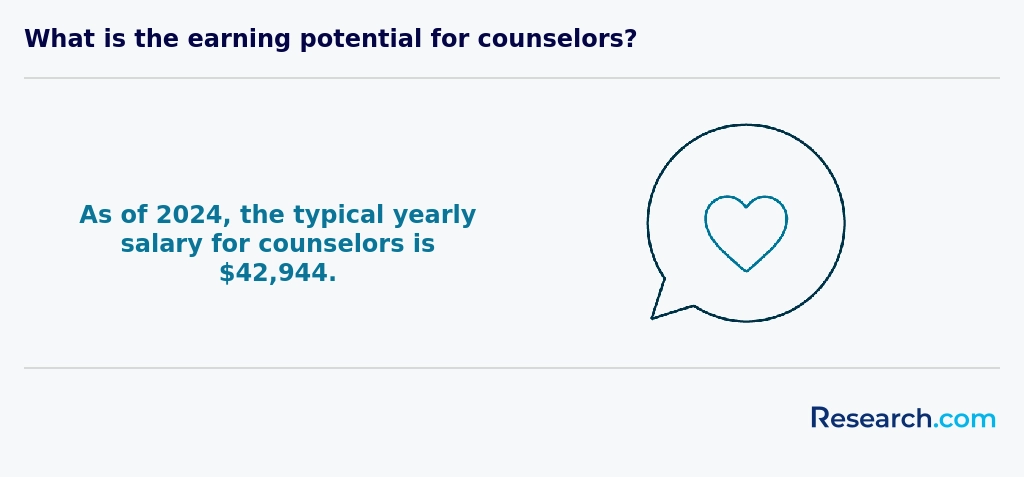
One big plus is Kentucky's focus on mental health through state initiatives and addiction programs, which means more openings for counselors. If you're thinking about online counseling jobs Kentucky, you'll hear from grads that starting salaries usually hover around $35,000 but can definitely climb with experience and specializations. The average salary is about $48,000, reflecting Kentucky's lower living costs compared to other states.
Licensure is key here, and completing the requirements often leads to solid career options, whether you want to work in private practice or join community agencies. Many graduates find that getting their degree online from Kentucky universities fits well with their life pace and career goals. For a deeper dive into programs, check out anchors part-time Ph.D. in economics for useful resources on counseling pathways.
2027 Easiest Online Counseling Degree Programs Ranking in Kentucky
Investing in your education is a significant decision that can shape your future, and the Research.com team understands the importance of making informed choices. To assist prospective students in Kentucky, we have carefully developed the "2027 Easiest Online Counseling Degree Programs Ranking in Kentucky." Our dedication to quality, credibility, and accuracy is demonstrated through rigorous research and analysis. We utilized the following reputable data sources to ensure a comprehensive evaluation of online counseling programs:
By exploring this ranking, readers will gain valuable insights into the easiest and most accessible online counseling degree programs available in Kentucky, empowering them to make well-informed decisions about their academic journeys. For more details on our methodology, please visit our Research.com methodology page.


# 3 position
Union Commonwealth University
Master of Substance Abuse

Frequently Asked Questions About counseling
Online counseling degree students in Kentucky can maximize their learning by actively engaging with course materials and participating in virtual discussions. The Council for Accreditation of Counseling and Related Educational Programs (CACREP) accredits many programs, ensuring quality education aligned with state licensure requirements.
Students should take advantage of practicum and internship opportunities approved by Kentucky's Board of Licensed Professional Counselors, which allow hands-on experience in real clinical settings.
Utilizing university tutoring services and networking with peers and faculty helps deepen understanding and professional connections. According to the Kentucky Higher Education Assistance Authority, online learners benefit significantly from structured schedules and dedicated study periods.
Finally, staying informed about Kentucky's specific licensing exam requirements early in the program aids in focused preparation.
The counseling field is evolving with several emerging niches attracting students in Kentucky. One growing area is telehealth counseling, which expanded rapidly due to increased demand for remote mental health services, especially during the COVID-19 pandemic. Kentucky has seen a rise in licensed telehealth providers, supported by state regulations that now allow wider use of online platforms.
Another niche gaining attention is addiction counseling, driven by the opioid crisis affecting Kentucky communities. The Kentucky Office of Drug Control Policy highlights the urgent need for qualified addiction counselors to support recovery programs statewide.
Additionally, career counseling focused on workforce development is expanding as Kentucky responds to shifting job markets and economic changes. This niche helps clients navigate career transitions and education pathways.
Emerging subfields such as trauma-informed counseling and geriatric mental health are also notable. The Kentucky Board of Licensed Professional Counselors provides resources tailored to these specialties. For students seeking online programs, understanding these niches can guide degree choices to meet local employment demands.
After completing an online counseling degree in Kentucky, preparing for the job market involves several key steps. First, graduates should seek licensure through the Kentucky Board of Licensed Professional Counselors, which requires passing the National Counselor Examination and completing supervised clinical hours.
Networking is crucial; joining state organizations such as the Kentucky Counseling Association can provide valuable professional connections and job leads. Additionally, gaining experience through internships or volunteer work enhances employability.
The demand for counselors in Kentucky is growing, with the Bureau of Labor Statistics projecting a 23% increase in employment for mental health counselors from 2021 to 2031, signaling strong job prospects in the region.
Employers in Kentucky highly value counseling degree graduates who demonstrate strong communication skills, critical for effective client interaction and rapport building. According to the Kentucky Board of Licensed Professional Counselors, graduates must also exhibit ethical decision-making and cultural competence to serve the state's diverse populations.
Problem-solving abilities and knowledge of evidence-based therapeutic techniques are essential, helping counselors address varied mental health issues. The Kentucky Counseling Association emphasizes teamwork and adaptability as top workplace skills, given evolving healthcare environments.
Lastly, proficiency in technology, including telehealth platforms, is increasingly important for online counseling roles across Kentucky's expanding mental health services.
Finding internships in Kentucky relevant to a counseling degree involves several strategic steps. Start by consulting your online program's career services, which often have partnerships with local clinics, mental health centers, and schools. The Kentucky Board of Licensed Professional Counseling requires graduate internship hours for licensure, making accredited placements essential.
Additionally, explore opportunities with organizations such as the Kentucky Psychological Association or regional counseling agencies. Many internships focus on areas like substance abuse, school counseling, or community mental health.
Networking at professional events and using the Kentucky Career Center's resources can also be helpful.
According to the Kentucky Counseling Association, internships typically last between 6 to 12 months and require 100-600 supervised hours, depending on the counseling focus.
Obtaining an online counseling degree in Kentucky can significantly enhance career mobility and advancement. Kentucky requires counselors to hold a master's degree in counseling or a related field for licensure as a Licensed Professional Clinical Counselor (LPCC). Graduates of accredited online programs meet these educational prerequisites, enabling them to pursue state licensure and expand job opportunities.
The Kentucky Board of Licensed Professional Counselors recognizes degrees from regionally accredited institutions, including many online universities, ensuring that online education aligns with professional standards.
According to the U.S. Bureau of Labor Statistics, employment for mental health counselors in Kentucky is projected to grow 12% through 2031, faster than the national average. This growth signals increased demand, where advanced credentials can lead to supervisory roles or specialization.
Completion of an online counseling degree also provides flexibility for working professionals to upgrade skills without career interruption, which supports continuous advancement in diverse counseling settings.
Studying for a counseling degree in Kentucky equips students with skills applicable across multiple professional fields. Programs emphasize interdisciplinary approaches by integrating coursework in psychology, social work, and healthcare. This broad foundation allows graduates to collaborate effectively with educators, medical professionals, and social service providers.
Kentucky's accredited online counseling programs often include training on cultural competence and ethical practice, preparing students for diverse work environments. According to the Kentucky Board of Licensed Professional Counselors, multidisciplinary knowledge improves client outcomes by addressing mental, physical, and social needs together.
Many programs promote practical experience through internships in various settings such as schools, clinics, and community agencies. This real-world exposure fosters teamwork and adaptable communication skills, essential for interdisciplinary roles within the state's growing behavioral health sector.
When choosing between a thesis and a non-thesis counseling degree program in Kentucky, it is important to consider your career goals and interests. A thesis option typically involves conducting original research and writing a detailed paper, which can be valuable if you plan to pursue doctoral studies or a research-focused career. In contrast, a non-thesis program often emphasizes practical skills and coursework, making it suitable for those aiming for immediate professional licensing or clinical practice.
In Kentucky, counseling licensure requirements emphasize supervised practice and coursework, not necessarily thesis completion, according to the Kentucky Board of Licensed Professional Counselors. Therefore, students focused on becoming Licensed Professional Clinical Counselors (LPCC) might prefer non-thesis options for timely completion.
Consider also program flexibility and length, as thesis tracks may extend study duration. Reviewing specific college requirements and speaking with academic advisors can clarify the best fit for your educational and professional objectives.
Students based in Kentucky seeking to study counseling abroad through online programs have limited but viable options within the U.S. higher education system. While Kentucky offers several accredited online counseling degrees locally, those wanting international perspectives often enroll in U.S. institutions with global partnerships or study abroad components.
Because counseling licensure requirements vary by state, students should choose programs accredited by the Council for Accreditation of Counseling & Related Educational Programs (CACREP), which are widely recognized, including by Kentucky licensing boards. Online programs from schools with international faculty or exchange opportunities can provide exposure to diverse counseling practices.
Data from the Kentucky Board of Licensed Professional Counselors highlights that nearly 40% of its licensees hold degrees from out-of-state institutions, reflecting flexibility but emphasis on accreditation and state compliance. Researching program details and Kentucky's licensure rules is critical before committing to an online counseling degree with international scope.
Students pursuing an online counseling degree in Kentucky can benefit from part-time jobs that strengthen their practical skills. Roles such as behavioral health technicians, peer support specialists, or case managers provide direct experience working with clients. According to the Kentucky Cabinet for Health and Family Services, demand for mental health aides is rising, reflecting a growing state focus on behavioral health.
Additionally, many universities encourage internships and assistantships within academic counseling centers, which offer flexible hours. These roles help students develop communication and assessment skills essential for licensed counselors. Public agencies and nonprofit organizations also frequently seek part-time staff, creating opportunities that align closely with counseling education.
Online counseling students in Kentucky benefit from diverse networking opportunities despite the remote format of their studies. Many accredited Kentucky institutions offering online counseling degrees facilitate virtual networking events, webinars, and discussion forums. These platforms allow students to connect with peers, faculty, and practicing professionals statewide.
The Kentucky Counseling Association (KCA) plays a key role, providing membership options for students to access conferences, workshops, and local chapter meetings. Participation helps students build professional relationships and stay informed about licensure requirements and employment trends.
Additionally, Kentucky schools often partner with local clinical sites for internships, enabling students to gain real-world experience and expand their professional networks within the state's mental health community.
Alumni networks play a key role in supporting online counseling degree students in Kentucky. These networks connect current students with graduates who have navigated Kentucky's licensure requirements, offering valuable insights and mentorship. According to the Kentucky Board of Licensed Professional Counselors, understanding state-specific exam and internship standards is crucial for success, and alumni can guide students through these processes.
Moreover, alumni often share job leads and professional opportunities within Kentucky's mental health community. This networking can be particularly important given that the state's counselor workforce demand is expected to grow by over 16% through 2030 (Kentucky Office of Employment and Training).
Participation in alumni events and online forums also fosters a sense of professional identity and ongoing education, essential for maintaining licensure and expanding counseling competencies in Kentucky's evolving healthcare environment.
In Kentucky, prospective students can customize their online counseling degree programs by selecting specialized tracks such as school counseling, mental health counseling, or marriage and family therapy. Many accredited universities offer electives and practicum placements aligned with these focus areas, allowing customization according to career goals.
The Kentucky Board of Licensed Professional Counselors requires specific coursework and supervised hours, so tailoring your program to meet these ensures eligibility for licensure. Additionally, courses in trauma counseling or substance abuse counseling can be added to address rising local needs, as reported by the Kentucky Department for Behavioral Health.
Flexible scheduling and part-time options further support working professionals adjusting studies around job commitments. Researching program accreditation and state approval is essential for aligning your education with Kentucky's counseling standards.
Online counseling students in Kentucky encounter several challenges unique to remote learning and the state's regulatory environment. One major difficulty is meeting the supervised clinical hours required for licensure. Kentucky mandates 3,000 post-master's supervised hours for Licensed Professional Clinical Counselors (LPCC), which can be hard to secure remotely, according to the Kentucky Board of Licensed Professional Counselors.
Another challenge is limited local resources. Students often struggle to find in-state supervisors familiar with Kentucky's specific counseling laws and ethical standards. This is critical because supervisors must understand state rules for effective guidance.
Additionally, students face technical issues such as unstable internet connections, which can disrupt access to coursework and live sessions. Balancing online studies with personal and professional lives adds further complexity, especially since many students pursue degrees while working full-time.
With an online counseling degree in Kentucky, graduates can pursue several professional certifications to advance their careers. The most common credential is the Licensed Professional Clinical Counselor (LPCC), which allows individuals to provide therapy under state regulations. The Kentucky Board of Licensed Professional Counselors requires candidates to complete supervised clinical experience and pass a national exam.
Other certifications include the Certified Addictions Counselor (CAC), suitable for those focusing on substance abuse treatment. Additionally, obtaining the National Board for Certified Counselors (NBCC) credential, such as the National Certified Counselor (NCC), can enhance employment prospects nationwide. These certifications reflect specialized knowledge and adherence to professional standards in counseling.
Writing a winning application for an online counseling program in Kentucky requires clear demonstration of your career goals and commitment to the field. Start by researching accredited programs approved by the Kentucky Board of Licensed Professional Counselors to ensure eligibility for licensure after graduation.
Highlight relevant experience, such as volunteer work or internships in mental health settings, as these strengthen your profile. Include a well-crafted personal statement that explains why you chose counseling and how you plan to contribute to Kentucky's counseling community.
Strong letters of recommendation from professionals familiar with your academic or work ethic are essential. Kentucky's counseling field emphasizes ethical practice and cultural competence, so reflect these qualities throughout your application.
The global view of counseling as a career highlights its vital role in supporting mental health across diverse cultures. In the United States, including Kentucky, counseling is recognized as a growing profession with significant demand. The Bureau of Labor Statistics projects a 22% growth in mental health counselor jobs nationwide from 2020 to 2030, reflecting increased awareness globally.
Kentucky, through institutions offering online counseling degrees, aligns with international standards by emphasizing cultural competence and ethics. These programs prepare students to address unique challenges faced by various communities.
Internationally, counseling frameworks often differ by country, but the emphasis on licensed qualifications and continuing education remains consistent, supporting career mobility for graduates.
Gaining practical experience while studying for an online counseling degree in Kentucky is essential to meet state licensure requirements. Most programs include practicum and internship components, allowing students to work under supervision in real-world settings.
Students typically complete around 700 to 1,000 hours of supervised experience, as required by the Kentucky Board of Licensed Professional Counselors. These hours can be fulfilled through partnerships with clinics, schools, or community agencies across Kentucky.
Additionally, many universities assist students in finding approved local sites to complete their practical work safely and conveniently. This hands-on training enhances counseling skills and prepares students for professional practice.
When choosing a concentration within an online counseling degree program in Kentucky, consider your career goals and the licensure requirements set by the Kentucky Board of Licensed Professional Counselors. Popular concentrations include clinical mental health, school counseling, and marriage and family therapy.
Look for concentrations aligned with Kentucky's workforce demand. For instance, the Kentucky Center for Statistics notes a growing need for mental health professionals in rural areas, where clinical mental health counseling is in high demand.
Review program curriculum, specialization options, and whether it prepares you for Kentucky's specific licensing exams. Choosing a concentration that fits your interests and the state's job market improves career prospects.
- 2027 Easiest Online Counseling Degree Programs Ranking in Ohio
- 2027 Easiest Online Counseling Degree Programs Ranking in Virginia
- 2027 Easiest Online Counseling Degree Programs Ranking in Georgia
- 2027 Easiest Online Counseling Degree Programs Ranking in Alabama
- 2027 Easiest Online Counseling Degree Programs Ranking in Pennsylvania
- 2027 Easiest Online Counseling Degree Programs Ranking in Michigan
- 2027 Easiest Online Counseling Degree Programs Ranking in Florida
- 2027 Easiest Online Counseling Degree Programs Ranking in New York
- 2027 Easiest Online Counseling Degree Programs Ranking in Texas
- 2027 Easiest Online Counseling Degree Programs Ranking in California
See What Experts Have To Say About Studying Counseling
Read our interview with Counseling experts

Charles Figley
Counseling Expert
Kurzweg Distinguished Chair in Disaster Mental Health
Tulane University

- Job Opportunities https://www.ub.bw/connect/job-opportunities/part-time-lecturer-counseling-and-human-services
- Counselor Salary https://onlinecounselingprograms.com/become-a-counselor/salary/
- The Challenges of Guidance Counselors in Supporting Students’ Mental Health https://theaspd.com/index.php/ijes/article/view/2406
- How Can a Graduate Degree Advance Your Career in Counseling? https://paloaltou.edu/resources/blog/how-can-graduate-degree-advance-your-career-counseling
- Why Future Counselors Are Choosing Accelerated Online Counseling Degrees https://kentuckycounselingcenter.com/why-future-counselors-are-choosing-accelerated-online-counseling-degrees/
- For Students - CACREP https://www.cacrep.org/for-students/
- Fastest Online Master's In Counseling Programs https://www.psychology.org/counseling/fastest-online-degrees/
- Paid Clinical Internship https://www.pathwaysmhs.org/internship-program.html
- Online Program Benefits https://online.lindsey.edu/programs/chd/
- How to Find Therapist Jobs https://agentsofchangeprep.com/blog/how-to-find-therapist-jobs/


