2027 Easiest Online Counseling Degree Programs Ranking in Virginia
Exploring online counseling degree programs in Virginia can feel overwhelming, but finding the right fit is easier with the right guidance. This article introduces the 2027 Easiest Online Counseling Degree Programs Ranking in Virginia, created by the Research.com team of data scientists. It offers a clear and data-driven look at accessible programs to help you make an informed choice.
Whether you're starting fresh or seeking advancement, earning a counseling degree opens rewarding career paths. Dive in to discover programs that balance quality and ease, making your educational journey smoother and more fulfilling.
Key benefits of getting online counseling degree in Virginia
- Graduates with counseling degrees in Virginia can expect competitive salaries, such as Intervention Specialists earning around $76,000 annually and Addiction Counselors making about $60,080 per year, providing financial stability.
- Career options are diverse, including roles like Community Outreach Coordinator or Family Support Worker, often pursued by graduates from universities like James Madison University in Virginia.
- Completing a counseling degree online from schools such as Liberty University offers flexibility and the ability to balance work and study, making it easier to pursue education without sacrificing personal commitments.
What can I expect from online counseling degree in Virginia?
The average cost of an online counseling degree in Virginia ranges from $30,000 to $50,000 for the entire program, depending on the institution and accreditation status. Graduates from well-regarded universities such as George Mason University or Regent University often report that the investment reflects the quality of curriculum aligned with Virginia's Board of Counseling requirements.
Students frequently emphasize the value of flexible learning formats that allow them to manage coursework alongside work and family commitments. For example, one graduate described balancing synchronous seminars with asynchronous modules while completing supervised practicum hours locally. This balance made the cost worthwhile by supporting steady progress toward licensure.
The requirement of at least 60 credit hours and over 3,400 supervised post-degree experience hours contributes to program length and expense. However, many report that CACREP accreditation enhances their employment prospects, making the financial commitment more rewarding in the long run.
Overall, the tuition cost reflects programs designed to thoroughly prepare students for Virginia's licensing exam and a mental health field projected to expand by 17% through 2032, according to the U.S. Bureau of Labor Statistics.
Where can I work with online counseling degree in Virginia?
Graduates with an online counseling degree from Virginia's respected institutions, such as Liberty University or Virginia Commonwealth University, often find employment in diverse settings. For example, many work in community mental health centers, providing vital support to children, adults, and veterans-roles that are both rewarding and impactful. The Virginia Department of Behavioral Health and Developmental Services confirms these centers as major employers of counseling professionals.
Those pursuing school counseling often secure roles within Virginia's public schools, where licensed counselors help students navigate academic and emotional challenges. This pathway requires a master's degree, attainable through online programs, making it an accessible option for many.
Graduates licensure-ready through supervised clinical hours and exams often open private practices, offering autonomy and direct client connections. Hospital and healthcare environments also hire counselors to address behavioral health needs, matching the U.S. Bureau of Labor Statistics' forecast of a 16% job growth rate in Virginia through 2031.
Other graduates find fulfilling careers in correctional facilities or non-profits, applying specialized skills in addiction counseling or crisis intervention learned online.
How much can I make with online counseling degree in Virginia?
Graduates of online counseling degree programs in Virginia commonly start their careers in roles such as Rehabilitation Specialist or Community Outreach Coordinator, with mean annual wages around $48,430 and $54,020 respectively, according to recent U.S. Bureau of Labor Statistics data. These salaries reflect entry-level to mid-tier positions and align with experiences reported by graduates from well-known Virginia institutions like Old Dominion University and Radford University.
Many alumni report the rewarding feeling of applying their counseling skills in real community settings, where Rehabilitation Specialists earn about $23.28 per hour, helping clients navigate recovery and reintegration challenges. Similarly, Community Outreach Coordinators, drawing on their counseling expertise, earn a mean of $54,020 annually while fostering supportive local networks.
More specialized roles, such as Addiction Counselors, can command higher salaries-meaning around $60,080 per year-highlighting the value of additional certifications and experience in fields particularly vital in Virginia's public health landscape. This salary progression encourages graduates to pursue advanced licenses or certifications, much like peers from George Mason University who have found success advancing into these niche specialties.
For those interested in family support services, Family Support Workers make approximately $54,020 annually, reinforcing the diverse pathways an online counseling degree offers within Virginia's varied healthcare and social services sectors.
- Key benefits of getting online counseling degree in Virginia
- What can I expect from online counseling degree in Virginia?
- Where can I work with online counseling degree in Virginia?
- How much can I make with online counseling degree in Virginia?
- How do we rank schools?
- 2027 Easiest Online Counseling Degree Programs Ranking in Virginia
- What online counseling degree graduates have to say
- Key Findings
- How long does it take to complete online counseling degree in Virginia?
- Admission Requirements and Process
- What's the difference between online and on-campus counseling degree?
- Licensure Requirements in Virginia
- What is the average cost of online counseling degree in Virginia?
- Licensing and Accreditation Requirements in Virginia
- What financial aid is available to online counseling degree students in Virginia?
- Licensing and Certification Requirements in Virginia
- What are the prerequisites for enrolling in online counseling degree program in Virginia?
- Licensure Requirements in Virginia
- What courses are typically in online counseling degree programs in Virginia?
- What types of specializations are available in online counseling degree programs in Virginia?
- How do you choose the best online counseling degree in Virginia?
- What career paths are available for online counseling degree students in Virginia?
- What is the job market for online counseling degree in Virginia?
- Frequently Asked Questions About counseling
- Related Counseling Rankings for Nearby States
- Top Trending Counseling Rankings
- See What Experts Have To Say About Studying Counseling
How do we rank schools?
Investing in your education is a significant decision that can shape your future, and the Research.com team recognizes the importance of making well-informed choices. To support prospective students in Virginia, we have carefully developed the "2027 Easiest Online Counseling Degree Programs Ranking in Virginia." Our dedication to quality, credibility, and accuracy is demonstrated through extensive research and rigorous analysis performed to compile this ranking.
We utilized the following reputable data sources to ensure a comprehensive evaluation of online counseling degree programs:
By reviewing this ranking, readers will obtain valuable insights into the easiest and most accessible online counseling degree programs in Virginia, empowering them to make confident decisions about their educational paths. For more information about how this ranking was created, please visit our Research.com methodology page.
2027 Easiest Online Counseling Degree Programs Ranking in Virginia
# 1 position
Regent University
Master
The Regent University Master's program focuses on Counseling and Education, lasting 24 months. It maintains a graduation rate of 57% and enrolls 9,624 online students. The acceptance rate is moderately selective at 38%. The average total cost is $43,800, with a high level of financial aid available to 97% of students.
# 2 position
Regent University
Doctor
Regent University offers a Doctoral program focused on Counseling and Education, lasting 36 months. The program has a graduation rate of 57%, indicating a moderate completion success. It is moderately selective with an acceptance rate of 38%. The average total cost is $59,400. A high level of financial aid is available, with 97% of students receiving assistance. Currently, 9,624 students are enrolled in the online format.
# 3 position

Virginia Commonwealth University offers a Master's program focused on Clinical Mental Health Counseling, Counseling, and Healthcare. The program lasts 48 months with an average total cost of $32,400. It has an open admission policy with a 93% acceptance rate. The graduation rate is 63%. A high level of financial support is available, with 92% of students receiving aid.
# 4 position
Old Dominion University
Bachelor
Old Dominion University offers a Bachelor program focused on Counseling and Education. It has an open admission policy with a 90% acceptance rate, making it accessible for most applicants. The program's graduation rate stands at 46%, and it serves a significant number of online students, currently at 7,401. The average total cost is $43,200, and a high level of financial aid is available to 94% of students enrolled.
# 5 position
Liberty University
Master
Liberty University offers a Master's program focused on Counseling and Education. The program has an open admission policy with a 99% acceptance rate, making it easily accessible. Approximately 97% of students receive high levels of financial aid. The graduation rate is 65%, reflecting the proportion of students who complete the program. There are currently 70,750 online students enrolled in this program.
What online counseling degree graduates have to say
- "Studying online counseling at Liberty University gave me the flexibility to balance work and family while earning a respected degree. The engaging professors and interactive courses truly prepared me for a counseling career. I feel confident and supported throughout my journey." - Emily
- "Old Dominion University's online counseling program exceeded my expectations with comprehensive curriculum and real-world applications. The ability to connect with peers nationwide enhanced my learning, making this program both challenging and rewarding. It's the perfect step toward my professional goals." - Marcus
- "Virginia Tech's online counseling degree offered a supportive community and excellent resources. The program's emphasis on ethical practice and mental health diversity broadened my perspective. Studying at my own pace helped me grow both personally and professionally." - Sophia
Key Findings
- Virginia offers online counseling degrees through accredited public and private institutions, ensuring program quality and licensure eligibility.
- Tuition for a master's counseling degree ranges from $10,000 to $25,000, with public universities generally charging less for in-state students.
- Licensure requires a master's degree with at least 60 credit hours and 3,000 hours of supervised post-graduate counseling experience.
- Starting salaries for counseling graduates average $45,000 to $50,000 annually, increasing to $60,000 to $75,000 or more with experience and licensure.
- The growing demand for mental health counselors in schools, healthcare, and private practice supports a positive job outlook in Virginia.
- Programs must include clinical practicum or internship components within Virginia to meet licensure and skill development requirements.
How long does it take to complete online counseling degree in Virginia?
Completing an online counseling degree in Virginia typically aligns with standard national durations but varies by degree level and student pace. Associate degrees, though less common, usually take about 2 years full-time. Most students begin with a bachelor's degree, requiring approximately 4 years full-time or up to 6 years part-time at institutions like George Mason University or Liberty University.
Master's level programs, the most sought path, generally span 2 to 3 years full-time. Graduates from popular Virginia programs often appreciate flexible pacing options, allowing completion in as little as 18 months if they have a related undergraduate degree, such as from James Madison University. These programs demand 48 to 60 credits plus 700-900 supervised clinical hours, reflecting licensure requirements set by the Virginia Board of Counseling.
Many students report satisfaction balancing work and study via online platforms while progressing steadily toward licensure. The typical additional 2-year supervised practice after graduation ensures readiness for professional counselor roles, making the extended timeline manageable and motivating for career-focused learners.
Admission Requirements and Process
To enroll in an online Counseling program in Virginia, prospective students typically need to meet specific prerequisites, which may vary depending on the institution and the type of degree being pursued. For instance, to be eligible for a Master's in Counseling program at a reputable university such as Virginia Tech or George Mason University, applicants usually need to hold a Bachelor's degree from an accredited institution, with a minimum GPA of 3.0. Some programs may also require prerequisite courses in psychology, statistics, or research methods. According to the Council for Accreditation of Counseling and Related Educational Programs (CACREP), which accredits many Counseling programs in Virginia, applicants may need to submit official transcripts, letters of recommendation, and a personal statement outlining their career goals and motivations for pursuing a degree in Counseling. Some key prerequisites for online Counseling programs in Virginia include:
- A minimum of 30 semester hours of graduate-level coursework
- Completion of a practicum or internship experience
- A background check and liability insurance for fieldwork
- A minimum GPA of 3.0 or higher in graduate coursework
- Successful completion of a comprehensive exam or final project. Graduates of online Counseling programs in Virginia, such as those at Old Dominion University or Liberty University, have reported that meeting these prerequisites can be challenging, but ultimately rewarding. For example, one graduate recalled that submitting a personal statement that highlighted their passion for helping others and their commitment to the field of Counseling was a crucial step in their enrollment process. Another graduate noted that completing a practicum experience at a local mental health agency helped them gain valuable hands-on experience and build connections in the field. With the right prerequisites and support, students can thrive in online Counseling programs in Virginia and go on to pursue fulfilling careers as licensed professional counselors. Many graduates have reported feeling a sense of excitement and anticipation as they begin their programs, knowing that they are taking the first steps towards a rewarding career in Counseling.
What's the difference between online and on-campus counseling degree?
Online and on-campus counseling degrees in Virginia differ mainly in delivery format and student experience. On-campus programs, such as those at James Madison University, require physical attendance, enabling face-to-face interactions with professors and peers, hands-on access to campus resources like counseling labs, and dynamic networking opportunities. Graduates often recall the energizing effect of in-person group work and immediate feedback during practicum placements.
In contrast, online counseling degrees offered by institutions like George Mason University provide flexibility through digital platforms, allowing students to balance coursework with work or family. Online students appreciate the convenience of accessing lectures and assignments remotely but report needing strong self-discipline to engage actively in virtual discussions and complete regional practicum hours within Virginia.
Both formats adhere to CACREP accreditation standards, ensuring comparably rigorous curricula. However, online students must ensure their programs incorporate supervised local clinical experiences essential for Virginia licensure. Tuition differences are modest, with in-state public university costs around $20,000-$25,000 annually; online learners often save on commuting and housing.
Licensure Requirements in Virginia
To practice as a licensed professional counselor (LPC) in Virginia, follow these key steps:
- Earn a CACREP-accredited master’s degree (or state-equivalent curriculum).
- Complete 3,360 hours of supervised clinical experience (at least 150 hours of direct client contact).
- Pass the National Counselor Examination (NCE) or National Clinical Mental Health Counseling Examination (NCMHCE).
- Submit your application, transcripts and fee to the Virginia Board of Counseling.
- Complete 20 hours of approved continuing education every two years to maintain licensure.
For those aiming to work in schools, review state-specific guidelines and explore school counselor certification to ensure you meet all requirements.
What is the average cost of online counseling degree in Virginia?
The average cost of an online counseling degree in Virginia typically centers around $37,800 for in-state students and rises closer to $40,620 for out-of-state students, with the median total cost reaching about $46,320 overall. Many graduates from well-known institutions such as George Mason University and Radford University report tuition rates consistent with these figures, appreciating the balance of affordability and quality education. These universities often charge between $400 and $600 per credit hour for residents, which reflects the Virginia online counseling degree tuition fees in the state.
For out-of-state or private institutions, tuition often exceeds $700 per credit hour, pushing total costs beyond $40,000. However, students find encouragement in scholarship opportunities and financial aid packages that help ease the financial burden. Graduates commonly express relief and satisfaction when financial support reduces the effective cost, enabling a focus on their studies and future counseling careers.
Beyond tuition, students should anticipate additional expenses spanning textbooks, exam preparation materials, technology, and sometimes travel for practicum residencies. These costs add approximately $1,000 to $3,000 or more to the overall investment. Many counseling candidates find practical ways to manage these through employer tuition assistance or specific scholarships available through state resources.
Those considering an online counseling degree in Virginia might also explore specialized options like a christian counseling degree, which some find aligns closely with their career goals and values.
Licensing and Accreditation Requirements in Virginia
Before enrolling in an online counseling degree in Virginia, it’s essential to confirm that your chosen program meets both accreditation and state licensure standards. In Virginia, the Board of Counseling requires applicants for the Licensed Professional Counselor (LPC) credential to graduate from a program accredited by the Council for Accreditation of Counseling and Related Educational Programs (CACREP) or to complete equivalent coursework. Most LPC hopefuls must accumulate at least 60 graduate credit hours, including 9 credits in practicum, 6 credits in supervised internship, and 3 credits in ethics, all under CACREP-approved faculty. After graduation, candidates must complete a minimum of 3,500 post-master’s supervised clinical hours under a Virginia-licensed supervisor, pass the National Counselor Examination (NCE) administered by the National Board for Certified Counselors (NBCC), and submit to a Virginia jurisprudence exam on state statutes and regulations. Renewal of the LPC license occurs every two years and requires 20 continuing education hours, including 4 hours in ethics or professional responsibility. If you’re exploring niche pathways, you may also find value in specialized curricula, such as a christian counseling degree. Always verify that practicum placements align with Virginia’s requirements and consult the Virginia Board of Counseling’s official website to ensure seamless licensure eligibility and a clear path to professional practice.
What financial aid is available to online counseling degree students in Virginia?
Students pursuing online counseling degrees in Virginia can access several financial aid options that help mitigate the average annual cost ranging from $15,000 to over $30,000. Federal aid, including grants, subsidized loans, and work-study programs, is available through FAFSA applications. For example, graduates from well-known Virginia institutions often highlight the benefit of Perkins loans and occasional TEACH Grants when planning careers in high-need areas.
State aid like the Virginia Tuition Assistance Grant (VTAG) supports students attending private colleges, reducing burdens for some graduate students depending on institutional policies. Scholarships from organizations such as the American Counseling Association and Virginia Counseling Association have positively impacted many online counseling students by easing out-of-pocket expenses.
Employers' tuition reimbursement programs are another practical resource, especially for current human services professionals enhancing their credentials. Graduates frequently praise the flexibility of reduced residency tuition rates and payment plans offered by Virginia's counseling programs, which make continuing education more manageable and financially feasible.
Licensing and Certification Requirements in Virginia
After earning your online Counseling degree in Virginia, obtaining proper licensure is essential to practice legally and advance your career. In Virginia, the Board of Counseling regulates licensure for mental health professionals, and the typical pathway includes: 1. Degree and Accreditation • Completion of a master’s degree in Counseling from a CACREP-accredited institution • Verification of coursework in human growth and development, counseling theories, ethics, and research methods 2. Supervised Clinical Experience • Accumulation of at least 3,400 hours of supervised clinical practice • A minimum of 2,000 client contact hours under a qualified LPC or LMFT supervisor • Documentation of supervision in accordance with Virginia Board guidelines 3. Examination Requirements • Passing score on the National Counselor Examination (NCE) or the National Clinical Mental Health Counseling Examination (NCMHCE) • Successful completion of the Virginia Jurisprudence Exam on state laws and ethical standards 4. Application and Provisional Licensure • Submission of official transcripts, exam scores, and supervision logs to the Virginia Board of Counseling • Issuance of a Provisional Licensed Professional Counselor (LPC-OT) status, valid for up to three years 5. Full Licensure and Continuing Education • After meeting all provisional requirements, apply for full LPC licensure • Maintain licensure with 20 hours of continuing education every two years, including ethics and cultural competence For students balancing affordability with quality, explore our 2025 Most Affordable Online Master's in Counseling Degree Programs Ranking in Philadelphia, PA to identify cost-effective, CACREP-accredited master’s programs that fulfill Virginia’s licensure prerequisites.
What are the prerequisites for enrolling in online counseling degree program in Virginia?
To enroll in an online counseling degree program in Virginia, students must hold a high school diploma or GED for bachelor's level entry, while graduate programs require a completed bachelor's degree from an accredited institution. For example, graduates from programs at popular institutions like Liberty University often highlight how meeting these requirements gave them confidence entering their studies. Many programs expect a minimum GPA around 3.0, reflecting consistent academic performance, and some still request GRE scores, though more schools are waiving this to ease access.
Successful applicants also submit letters of recommendation and personal statements outlining their motivation, often drawn from real human service experiences. Graduates from Virginia Commonwealth University emphasize that sharing their volunteer counseling work made their applications stand out.
Additional elements like interviews or writing samples may be needed, especially for competitive programs. Understanding these prerequisites helps students navigate admission smoothly and prepare for the supervised clinical hours required later by the Virginia Board of Counseling.
Licensure Requirements in Virginia
After completing a master’s in counseling, Virginia mandates licensure steps to practice.
- Graduate from a CACREP-accredited or Board-approved program.
- Complete 3,000 post-master’s supervised clinical hours.
- Pass the National Counselor Examination (NCE).
- Pass the Virginia Jurisprudence Exam.
- Submit application, transcripts, exam scores and a $100 Board fee.
Renewal requires 40 continuing education units every two years. For programs aligning with these requirements, see our counselor degree online guide.
What courses are typically in online counseling degree programs in Virginia?
Online counseling degree programs in Virginia typically include core courses designed to build a strong foundation for licensure and professional practice. Graduates from well-regarded institutions like Liberty University or Regent University report that courses such as Human Growth and Development and Counseling Theories and Techniques provide essential insights into client behavior and intervention strategies, preparing them to face real-world challenges confidently.
Programs emphasize practical skills through classes in Group Counseling and Counseling Ethics and Professional Issues, which guide students in managing therapy groups and navigating complex ethical dilemmas. Many find value in specialized subjects like Career Counseling and Multicultural Counseling, reflecting Virginia's diverse populations and workforce demands.
Additionally, students benefit from courses on Assessment and Testing, crucial for accurately evaluating client needs. Graduates recall how hands-on internships, coordinated with local Virginia agencies, bring classroom theory to life, enhancing their readiness and optimism about entering the counseling field.
What types of specializations are available in online counseling degree programs in Virginia?
Online counseling specializations in Virginia cater to varied career goals, with prominent options including Clinical Mental Health Counseling, School Counseling, Marriage and Family Therapy (MFT), Substance Abuse Counseling, and Rehabilitation Counseling. Each specialization meets specific licensure requirements set by the Virginia Board of Counseling, ensuring graduates are well-prepared for professional roles. For instance, graduates from public universities such as Old Dominion University report feeling confident entering clinical settings as licensed professional counselors after focusing on mental health counseling.
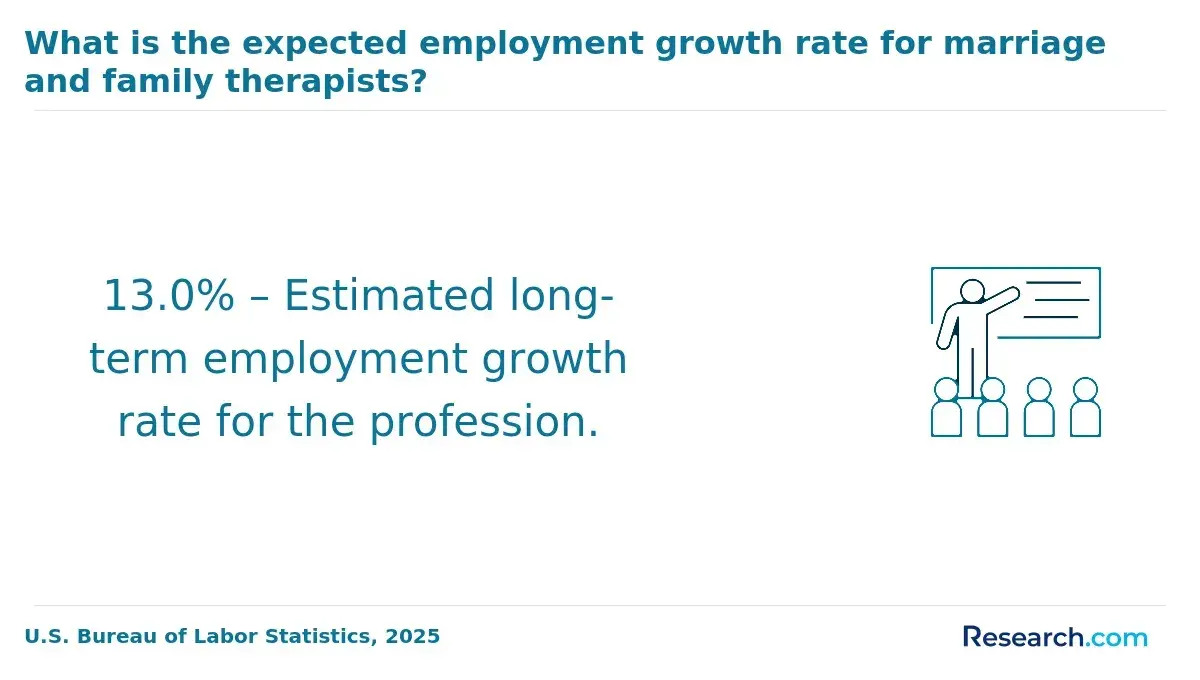
In Virginia counseling degree focus areas like School Counseling align strictly with Virginia Department of Education standards, equipping students to support K-12 students' emotional and academic needs. Moreover, those who concentrate on Marriage and Family Therapy benefit from steady job growth in that sector, providing reassuring career prospects.
The financial aspect also matters, with affordable tuition options at institutions like Radford University supporting students pursuing these specializations. For a detailed look at accessible programs, prospective students can explore the 2025 Most Affordable Online Master's in Counseling Degree Programs Ranking in Philadelphia, PA.
How do you choose the best online counseling degree in Virginia?
When choosing the best online counseling degree in Virginia, accreditation is paramount. Graduates from CACREP-accredited programs at institutions like George Mason University or Old Dominion University typically report feeling confident entering the Licensed Professional Counselor (LPC) exam. These programs ensure alignment with Virginia's licensure requirements by including key courses such as counseling theories and supervised practicum experiences, which graduates highlight as critical for real-world readiness.
Cost considerations also play a major role. Public universities in Virginia often offer more affordable online options, with tuition around $10,000 annually for in-state students. This affordability allows students to manage expenses effectively while pursuing their degree. One graduate expressed relief at balancing quality education and reasonable cost, which is essential when comparing affordable online counseling programs Virginia-wide.
Practical support during the program is another differentiator. Many students praise the flexible practicum placements and responsive technical support provided by online counseling degree programs. For those evaluating career outcomes, researching graduation and LPC exam pass rates-as published by the Virginia Board of Counseling-can offer valuable insight. Some alumni note how robust advising services helped them transition smoothly into counseling careers.
Students should also consider program curriculum carefully and may want to review related educational paths. For example, exploring the highest earning bachelor degrees can help frame long-term career goals when selecting a counseling specialization.
What career paths are available for online counseling degree students in Virginia?
Graduates with an online counseling degree in Virginia have access to diverse career options tailored to the state's licensure and workforce demands. Key roles include Licensed Professional Counselor (LPC), School Counselor, Marriage and Family Therapist (MFT), and Licensed Substance Abuse Counselor (LSAC). These positions require meeting Virginia's specific credentialing standards, such as completing supervised clinical hours and passing state licensing exams. For example, graduates from popular Virginia institutions often find rewarding work providing individual and group therapy or supporting students' mental health in K-12 settings, reflecting the expanding need for school counselors.
Job prospects for online counseling degree Virginia holders remain strong, especially in areas addressing family dynamics, substance use disorders, and wellness. Many find positions within mental health clinics, hospitals, or community organizations, taking pride in their ability to facilitate healing and growth. Some graduates have even transitioned into corporate wellness and human resources, applying counseling principles to enhance workplace environments. Those exploring accelerated options can benefit from online one year masters programs that offer flexible, cost-effective paths to licensure.
What is the job market for online counseling degree in Virginia?
The online counseling degree job outlook Virginia offers is robust, with employment for mental health counselors expected to grow about 12% through 2031. This growth surpasses many other fields, driven by increased statewide awareness of mental health and funding for community mental health centers and schools. Graduates from popular Virginia institutions often share that the flexibility of telehealth roles enhances their job satisfaction and expands their client reach beyond local limitations.
The Virginia counseling degree employment opportunities tend to concentrate in community mental health centers, schools, and private practices, reflecting the state's focus on addressing ongoing shortages in rural and underserved areas. Counselors report positive experiences balancing remote work and in-person sessions, helping diverse populations effectively. Salaries typically range from $45,000 to $70,000, improving with experience and licensure.
Potential students weighing cost and benefit may consider the average tuition for online counseling degrees, which falls between $15,000 and $30,000 for a master's degree. Those interested in accelerated paths often look into one year master degree programs that meet Virginia licensure requirements and offer supervised clinical hours, positioning them well in this growing job market.
Frequently Asked Questions About counseling
Students pursuing online counseling degrees in Virginia can enhance their learning by actively engaging in virtual discussions and benefiting from interactive class tools. Virginia's licensing board requires supervised clinical experience, so seeking local internships or practicum placements is essential to meet licensing standards. Utilizing resources from the Virginia Board of Counseling ensures students stay updated on state-specific regulations and ethical guidelines.
Consistent time management helps balance study, work, and clinical hours, which improves knowledge retention. According to the Virginia Department of Education, online learners who participate in peer study groups show higher course completion rates. Finally, leveraging faculty expertise through virtual office hours strengthens understanding and professional development.
The counseling field in Virginia is expanding into specialized niches that meet diverse community needs. One emerging area is telehealth counseling, driven by high demand for remote mental health services, especially after the COVID-19 pandemic. This niche offers flexibility and greater access for clients across rural and urban regions.
Another growing specialty is trauma-informed counseling, which addresses the needs of individuals affected by violence, natural disasters, or military service. Virginia's large veteran population makes this a significant focus for many practitioners.
School counseling also adapts to focus on social-emotional learning and mental wellness, responding to increased awareness of youth mental health challenges in Virginia public schools.
After completing an online counseling degree in Virginia, preparing for the job market involves several strategic steps. First, earning proper licensure is crucial. Virginia requires counselors to hold a Licensed Professional Counselor (LPC) credential, which includes supervised clinical hours and a passing score on the National Counselor Examination (NBCC).
Networking plays a vital role-joining local organizations like the Virginia Counselors Association helps build professional contacts. Additionally, considering internships or volunteer roles can provide valuable hands-on experience and strengthen resumes.
According to the U.S. Bureau of Labor Statistics, Virginia expects a 12% growth in counselor employment through 2031, indicating a positive job outlook for graduates.
Employers in Virginia highly value a combination of interpersonal and practical skills when hiring counseling degree graduates. Key abilities include active listening, empathy, and strong communication, which are essential for effectively supporting diverse client needs. According to the Virginia Board of Counseling, graduates must also demonstrate proficiency in ethical decision-making and cultural competence, reflecting the state's diverse population.
Analytical skills and knowledge of evidence-based counseling methods are critical, as employers expect graduates to apply research-backed techniques in their practice. Familiarity with Virginia's specific mental health laws and regulations is another important skill, ensuring compliance and professional accountability. These competencies prepare graduates to meet local demands effectively.
Finding internships in Virginia relevant to a counseling degree often begins with exploring opportunities through university career centers. Many accredited online counseling programs in Virginia partner with local clinics, nonprofit organizations, and mental health facilities to offer practical experience. The Virginia Department of Behavioral Health and Developmental Services (DBHDS) also lists approved internship sites for counseling students.
Students should search the Virginia Board of Counseling's resources, which provide guidelines on supervised experience required for licensure. Networking with licensed counselors and joining associations such as the Virginia Counseling Association can increase internship chances.
Internships typically involve 1,500 to 4,000 hours of supervised work, depending on licensure goals. This hands-on training is essential for graduation and state licensure.
An online counseling degree in Virginia can significantly enhance career mobility and advancement opportunities for professionals. Graduates gain essential credentials required for licensure as professional counselors in the state, such as the Licensed Professional Counselor (LPC) credential governed by the Virginia Board of Counseling. Holding an accredited degree allows access to a growing job market with an expected 18% growth in counselor positions statewide through 2030, according to the U.S. Bureau of Labor Statistics.
Online degrees also offer flexibility, enabling working professionals to balance education with current jobs. Additionally, obtaining advanced degrees like a master's or doctorate opens doors to higher-level roles including clinical supervisors and program directors. Many Virginia employers value the combination of accredited online training and in-state licensure for promoting counselors within healthcare, education, and social service sectors.
Studying for a counseling degree in Virginia equips students with skills essential for interdisciplinary roles across healthcare, education, and social services. Virginia's online programs often include coursework in psychology, social work, and communication, fostering collaboration with professionals from diverse fields.
Virginia Board of Counseling requirements emphasize ethical practice, which is crucial when working on multidisciplinary teams. Many programs encourage field experiences in varied settings, such as schools and healthcare facilities, enhancing practical knowledge.
This comprehensive training aligns with national trends where 61% of counselors collaborate with other disciplines to support client well-being, according to the American Counseling Association. Thus, Virginia's counseling degrees prepare graduates to effectively engage in interdisciplinary environments.
When choosing between a thesis and a non-thesis counseling degree program in Virginia, consider your career goals and learning preferences. A thesis program typically involves conducting original research and writing a substantial paper, which can benefit those aiming for doctoral studies or research roles. Non-thesis options focus more on practical skills and applied knowledge, often appealing to students seeking immediate clinical work or licensure.
Virginia's Board of Counseling reports that clinical licensure requires supervised experience and passing the National Counselor Examination, regardless of program type. Cost and program length may also differ, with non-thesis tracks sometimes offering quicker completion. Consult accreditation status and curriculum details from the Council for Accreditation of Counseling and Related Educational Programs (CACREP) to ensure quality.
Students based in Virginia interested in studying counseling abroad face limited direct options due to licensing and accreditation requirements within the United States. Most American counseling programs emphasize completion at regionally accredited U.S. institutions to meet Virginia's licensure standards governed by the Virginia Board of Counseling.
However, Virginia students may consider enrolling in foreign universities offering online counseling degrees that have earned accreditation recognized by U.S. authorities, such as the Council for Higher Education Accreditation (CHEA). Careful evaluation is essential because not all international programs align with Virginia's licensing prerequisites.
Virginia hosts several fully online counseling programs, but for international exposure, students often pursue study-abroad opportunities separately through short-term exchanges or global internships rather than full degree programs abroad. According to the Virginia Department of Education, approximately 20% of counseling graduates enter licensure pathways annually, highlighting the importance of accredited and locally recognized degrees.
Students pursuing online counseling degrees in Virginia can benefit from part-time jobs that provide relevant experience and income. Common opportunities include working as mental health aides, behavioral technicians, or case managers, often found in community health centers or nonprofit organizations. These roles offer practical exposure to client interaction and support strategies, reinforcing academic learning.
Virginia's Department of Behavioral Health and Developmental Services reports steady growth in counseling-related job openings, emphasizing entry-level positions suitable for students. Additionally, peer support specialist roles are in demand, providing a pathway to develop interpersonal skills while earning flexible hours.
Positions within school systems as teacher assistants or crisis intervention aides also complement counseling studies. These roles allow students to observe counseling in educational environments, essential for those interested in school counseling careers.
Online counseling students in Virginia have various opportunities to build professional networks despite studying remotely. Many Virginia universities offer virtual events, webinars, and discussion forums designed to connect students with faculty and peers. These platforms mimic in-person networking by facilitating collaboration and professional support.
The Virginia Counseling Association (VCA) supports students statewide, providing access to conferences, workshops, and local chapter meetings where students can engage with licensed counselors and potential employers. Participation in VCA activities enhances visibility within the counseling community.
Internship placements, often coordinated by Virginia programs, enable students to gain real-world experience while making connections at counseling agencies and hospitals. This practical exposure is essential for licensure and career advancement.
Alumni networks provide important benefits for online counseling degree students in Virginia, mainly by offering access to professional connections. Graduates can leverage these networks to find job opportunities and internships in Virginia's competitive counseling field. According to the Virginia Board of Counseling, networking plays a crucial role in securing licensure-related positions.
These networks often share job leads and continuing education events relevant to Virginia's counseling laws. Members can also receive mentorship from experienced counselors, enhancing their practical knowledge. For online students, this connection helps reduce isolation by fostering a sense of community among peers.
Many Virginia counseling programs promote active alumni involvement to support licensed professional growth and local employment trends.
Customizing an online counseling degree program in Virginia involves selecting specializations, electives, and practical experiences that align with your career goals. Many Virginia schools offer various concentrations like clinical mental health, school counseling, or marriage and family therapy. According to the Virginia Department of Education, choosing a program accredited by CACREP ensures relevant coursework and licensure eligibility.
Students can also tailor practicums and internships to gain experience in settings most relevant to their interests, such as community agencies or schools. Additionally, flexible online formats allow balancing study with work or family commitments, helping you progress toward licensure as a Licensed Professional Counselor (LPC) in Virginia.
Students pursuing online counseling degrees in Virginia often face challenges balancing coursework with personal and professional responsibilities. Many are working adults who must manage jobs and family alongside their studies.
Technical issues can arise, as reliable internet access and familiarity with online learning platforms are essential. According to Virginia's Department of Education, approximately 10% of students report occasional connectivity problems that interrupt study sessions.
Another challenge is limited face-to-face interaction, which some students find hinders networking and practical skill development. In counseling programs, supervised clinical hours are required, and arranging these placements remotely can be complicated.
Lastly, understanding state-specific licensure requirements adds complexity. Virginia mandates over 3,000 supervised hours post-degree for Licensed Professional Counselors, which requires careful planning early in the academic journey.
With an online counseling degree in Virginia, graduates can pursue several professional certifications to enhance their career prospects. The most common certification is the Licensed Professional Counselor (LPC), which requires completing a master's degree, supervised experience, and passing the National Counselor Examination. According to the Virginia Board of Counseling, LPCs are in high demand due to the growing need for mental health services across the state.
Other certifications include Certified Rehabilitation Counselor (CRC) and Licensed Marriage and Family Therapist (LMFT), depending on the individual's focus. These credentials often require additional specialized training and exams.
National certifications from organizations like the National Board for Certified Counselors (NBCC) can also be pursued to demonstrate expertise and commitment to the profession.
When applying to an online counseling program in Virginia, it is crucial to carefully follow each school's application instructions. Most programs require official transcripts showing a bachelor's degree from an accredited institution, preferably with relevant coursework in psychology or related fields.
Highlight your motivation for pursuing counseling by crafting a clear personal statement. This essay should explain your career goals, relevant experiences, and why you chose online learning. Including any volunteer or work experience in mental health can strengthen your application.
Virginia counseling programs typically ask for letters of recommendation. Choose individuals who can speak to your academic abilities and professional potential.
Some programs may require GRE scores, but many have waived this in recent years to increase accessibility (Council for Accreditation of Counseling and Related Educational Programs, 2023).
The counseling profession is recognized worldwide for its vital role in supporting mental health and wellbeing. In the United States, including Virginia, counseling careers are shaped by the demand for qualified professionals and evolving certification requirements. According to the Virginia Board of Counseling, licensed counselors must complete a master's degree and supervised clinical hours, reflecting rigorous standards common across many countries.
Globally, attitudes toward counseling vary, but the trend toward professionalization and regulation is strong. For example, the U.S. Bureau of Labor Statistics projects a 22% growth in employment for mental health counselors through 2031, indicating high demand.
This growth aligns with increased recognition of mental health's importance worldwide. Virginia benefits from multiple accredited online counseling programs that meet these professional standards, enabling students to join a global community of mental health practitioners. These programs prepare candidates to address diverse populations and apply evidence-based practices recognized internationally.
Gaining practical experience while studying for an online counseling degree in Virginia is essential to meet licensure requirements. Most programs incorporate supervised clinical internships or practicums, providing students with hands-on experience in settings such as community mental health centers, schools, or hospitals. Virginia mandates a minimum of 3,400 hours of post-master's supervised clinical experience for Licensed Professional Counselors (LPC), which often begins during these internships.
Online students typically coordinate local placements with their university's clinical advisor. Utilizing Virginia's diverse counseling networks helps secure quality sites. The Virginia Board of Counseling and resources like the Virginia Mental Health Access Program offer guidance on approved practicum settings.
Choosing the right concentration within an online counseling degree in Virginia requires understanding your career goals and the state's licensing requirements. Virginia offers various counseling specializations, such as school counseling, clinical mental health counseling, and marriage and family therapy. Each focus aligns with different Virginia Board of Counseling licensure paths and job markets.
Research shows Virginia expects a 14% growth in mental health counseling jobs by 2030, especially in regions like Northern Virginia and Richmond, according to the Virginia Employment Commission. Selecting a concentration that matches local demand can improve employment opportunities.
Additionally, ensure your chosen concentration fulfills Virginia's required coursework for licensure to avoid extra certification challenges.
Related Counseling Rankings for Nearby States
- 2027 Easiest Online Counseling Degree Programs Ranking in Pennsylvania
- 2027 Easiest Online Counseling Degree Programs Ranking in Ohio
- 2027 Easiest Online Counseling Degree Programs Ranking in Georgia
- 2027 Easiest Online Counseling Degree Programs Ranking in New York
- 2027 Easiest Online Counseling Degree Programs Ranking in Florida
- 2027 Easiest Online Counseling Degree Programs Ranking in Michigan
- 2027 Easiest Online Counseling Degree Programs Ranking in Texas
- 2027 Easiest Online Counseling Degree Programs Ranking in California
Top Trending Counseling Rankings
See What Experts Have To Say About Studying Counseling
Read our interview with Counseling experts
Charles Figley
Counseling Expert
Kurzweg Distinguished Chair in Disaster Mental Health
Tulane University
References
- How a Strong Alumni Network Can Benefit Students https://www.pacificu.edu/blog/how-strong-alumni-network-can-benefit-students
- How Can a Graduate Degree Advance Your Career in Counseling? https://paloaltou.edu/resources/blog/how-can-graduate-degree-advance-your-career-counseling
- Strategies for School Counselors-in-Training to Maximize Their Supervision Experience https://tpcjournal.nbcc.org/tag/strategies/
- Best Online Master's In Mental Health Counseling 2025 https://www.psychology.org/rankings/best-mental-health-counseling-programs/
- Homepage https://onlinecounselingprograms.com/
- Study Abroad Counseling https://professionaladvancement.mercer.edu/academic-programs/graduate-and-professional/counseling-programs/study-abroad/
- Paid Clinical Internship https://www.pathwaysmhs.org/internship-program.html
- Home https://www.counselingdegreeguide.org/
- For Students - CACREP https://www.cacrep.org/for-students/
- Becoming An International School Counselor https://iscainfo.com/becoming-an-international-school-counselor/