2027 Fastest Online Counseling Degree Programs Ranking in Virginia

Co-Founder and Chief Data Scientist
Choosing the right counseling degree program is an important step toward a rewarding career in helping others. For students in Virginia, exploring fast online options can make your educational journey more flexible and efficient.
This article introduces the 2027 Fastest Online Counseling Degree Programs Ranking in Virginia, developed by the Research.com team of data scientists. It's designed to guide you through trustworthy information, helping you find programs that fit your goals and lifestyle.
Reading this ranking can empower you to make a confident and informed decision about your future in counseling. Pursuing this path opens doors to personal growth and meaningful work.
Key benefits of getting online counseling degree in Virginia
- Counseling degree graduates in Virginia can expect competitive salaries, such as Intervention Specialists earning around $76,000 annually and Addiction Counselors making approximately $60,080 per year, offering strong financial stability.
- Graduates from well-known Virginia schools often pursue diverse careers including Rehabilitation Specialist, Community Outreach Coordinator, and Family Support Worker, providing meaningful opportunities to impact communities positively.
- An online counseling degree offers flexibility and accessibility, allowing students from Virginia to balance work and life while gaining quality education, similar to graduates from respected universities who thrive with this convenient learning format.
- 2027 Fastest Online Counseling Degree Programs Ranking in Virginia
- What can I expect from online counseling degree in Virginia?
- Where can I work with online counseling degree in Virginia?
What can I expect from online counseling degree in Virginia?
When it comes to the cost of an online counseling degree in Virginia, most students find that public universities offer the most budget-friendly options. Expect to pay somewhere between $7,000 and $12,000 per year if you're attending one of the popular state schools. Graduates often share how the lower tuition helped them manage work and family commitments without stressing about sky-high expenses.
Private colleges tend to charge more, but many graduates feel the small classes and personalized attention are totally worth the extra cost, especially when they're aiming for licensure. For example, students from well-known Virginia institutions often mention how financial aid and scholarships made a huge difference, turning what seemed like a steep price into a manageable investment in their future.
In real life, this might mean budgeting for tuition alongside everyday expenses while juggling internships and coursework-all doable with the flexibility online programs offer. So, if you're eyeing counseling degrees in Virginia, there's a range of price points to fit different budgets and lifestyles.
Where can I work with online counseling degree in Virginia?
With an online counseling degree in Virginia, you've got plenty of cool paths to explore. Graduates from popular schools like James Madison University or George Mason University often land jobs in hospitals or community health centers, helping people work through life's tough spots. Imagine yourself supporting students at a local school, where licensed counselors really make a difference in kids' daily lives-that's a common role thanks to Virginia's emphasis on mental health in education.
Many grads also find fulfilling work in nonprofits or government agencies like the Virginia Department of Behavioral Health, offering support for things like trauma recovery or substance abuse. And if you're aiming for independence, private practice is totally doable once you get licensed through the Virginia Board of Counseling, something online programs prep you well for. A lot of graduates say the hands-on experience and licensure prep from their Virginia-based online degree made stepping into these roles feel natural and exciting.
If you've earned an online counseling degree in Virginia, you can expect to earn anywhere from about $48,000 to $76,000 a year depending on your role. For example, graduates working as Rehabilitation Specialists make around $48,430 annually, while Addiction Counselors earn closer to $60,080. Community Outreach Coordinators and Family Support Workers typically see salaries in the $54,000 range, making these solid career options after finishing your degree.
Many students from Virginia's popular counseling programs-like those at James Madison University or the University of Virginia's online graduate courses-share stories of landing jobs with salaries that match or beat these figures. In fact, some graduates who become Intervention Specialists find themselves earning around $76,000 a year, which is pretty exciting when you're starting out.
Plus, if you get licensed or specialize, your pay can rise quickly, especially in areas like Northern Virginia where demand is strong. So, whether you're working in hospitals, schools, or community agencies, your counseling degree sets you up for meaningful work with steady, competitive pay in the Old Dominion State.
- Online counseling degrees in Virginia are available at associate, bachelor's, master's, and doctoral levels, with a master's degree usually required for licensure.
- Tuition for a master's degree ranges from $12,000 to $30,000, with public universities typically offering lower costs than private institutions.
- Graduates can expect starting salaries between $45,000 and $50,000 annually, increasing to $60,000 to $70,000 with experience or specialized roles.
- The job market for mental health counselors is projected to grow about 13% from 2020 to 2030, with demand highest in urban areas but increasing in rural regions via telehealth.
- Licensure in Virginia requires completing a CACREP-accredited program or equivalent, supervised clinical hours, and passing the National Counselor Examination.
If you're thinking about getting your online counseling degree in Virginia, the usual timeline varies but is pretty flexible depending on your pace. Most grads from popular Virginia schools say they wrap up their master's programs in around two to three years if they go full-time. For example, students at well-known CACREP-accredited universities often finish in about two years when fully committed, juggling coursework and those 700 to 1,000 clinical hours the Virginia Board of Counseling requires.
Part-time learners, who might balance work or family, often take three to four years, but many find the flexibility helpful to avoid burnout. Someone I heard from mentioned how the program's design let them study evenings after work while slowly ticking off those practicum hours, making it feel doable without pressure.
Undergrad degrees, like psychology or human services, usually take a solid four years but won't cut it for licensure here-you'll need that graduate degree. All in all, Virginia's programs feel geared toward helping busy folks succeed.
To become a Licensed Professional Counselor in Virginia, students must meet education, supervision, examination, application, and renewal requirements. Online coursework may be acceptable when the program satisfies the same academic and clinical standards required of campus-based programs.
- Earn a master’s degree in counseling from a CACREP-accredited program, such as the cheapest cacrep-accredited programs online.
- Complete 3,000 hours of supervised clinical experience under a board-approved supervisor.
- Pass the National Counselor Examination (NCE) or the National Clinical Mental Health Counseling Examination (NCMHCE).
- Submit an application to the Virginia Board of Counseling with official transcripts, supervision logs, exam scores, and a background check.
- Maintain licensure with 40 hours of continuing education every two years, including ethics and Virginia-specific law.
Before choosing a program, ask the admissions or program director whether the curriculum is designed for Virginia LPC eligibility, whether graduates have successfully pursued licensure in the state, and what support the school provides for practicum, internship, and post-graduation supervision planning.
If you're weighing online versus on-campus counseling degrees in Virginia, it mainly boils down to how you want to learn and live during your studies. Online programs, like those offered through popular schools in Richmond or Charlottesville, let you study from home-perfect if you're juggling work or family. Graduates often say they loved fitting their classes around their schedules and appreciated avoiding a daily commute. You'll watch videos, join virtual discussions, and practice with simulations, which makes learning super flexible.
On the other hand, if you crave face-to-face time and hands-on practice, traditional programs at places like George Mason or James Madison University shine. Graduates mention that real-time feedback and chatting directly with professors and classmates boosted their confidence, especially practicing crucial counseling skills in person.
Both paths require practicum hours, but online students usually organize these locally, which means getting creative about placements. Costs can be similar, though online programs in Virginia sometimes save you money on campus fees. Either way, make sure the program is CACREP-accredited so your degree counts everywhere you want to practice.
In Virginia, independent practice as a Licensed Professional Counselor (LPC) requires graduate education, supervised clinical experience, a qualifying examination, and approval by the Virginia Board of Counseling. Online students should verify these requirements before enrolling because licensure rules are tied to coursework, credit hours, fieldwork, and supervision-not simply the delivery format of the degree.
1. Educational credentials
- Hold a master’s degree in counseling or a closely related field from a CACREP-accredited institution.
- Verify that your coursework meets Virginia’s 60-credit requirement, including core competencies in counseling theory, ethics, and assessment.
2. Supervised experience
- Accumulate 3,000 hours of supervised clinical experience under an LPC Supervisor approved by the Virginia Board of Counseling.
- Ensure at least 1,500 hours involve direct client contact and 150 hours of face-to-face supervision.
3. Examination
- Pass the National Counselor Examination (NCE) or the National Clinical Mental Health Counseling Examination (NCMHCE).
- Schedule your exam through the National Board for Certified Counselors (NBCC) and score above the state’s passing threshold.
4. Application and fees
- Submit the LPC application, official transcripts, supervisor evaluation forms, and relevant fees to the Virginia Board of Counseling.
- Applicants pay an initial licensure fee of approximately $100 and an exam registration fee of around $275.
5. Continuing education and renewal
- Renew your license biennially by completing 20 hours of board-approved continuing education, including at least one hour in ethics.
- Stay informed on new regulations and best practices to maintain compliance.
If you plan to specialize in addiction treatment, estimate the full credentialing cost early. Research.com’s guide to how much does it cost to become a substance abuse counselor can help you plan for additional training, certification, and career-specific expenses.
The typical cost of getting an online counseling degree in Virginia usually falls around $37,800 for in-state students and about $40,620 for those coming from out of state. Many graduates from popular Virginia colleges remember feeling pretty relieved to find tuition rates that didn't blow their budgets while still getting the quality education they wanted. This makes pursuing that degree much more manageable, especially if you're eyeing schools known for their counseling programs.
For example, students enrolled in public universities in Virginia find the in-state tuition more affordable compared to private options, which can sometimes push the price up considerably. But even with private schools, the investment often feels worth it, especially when you consider the robust online coursework and hands-on practicum opportunities included.
Aside from tuition, it's good to keep in mind additional costs like textbooks, supervision fees, and sometimes clinical experience expenses. That's why many students actively explore scholarships, employer tuition support, or federal loans to help reduce the financial strain.
When thinking about Virginia counseling degree tuition and fees, it's helpful to dig deeper into specific programs. You can also check out the most affordable counseling schools in Virginia to find a fit that balances quality with cost.
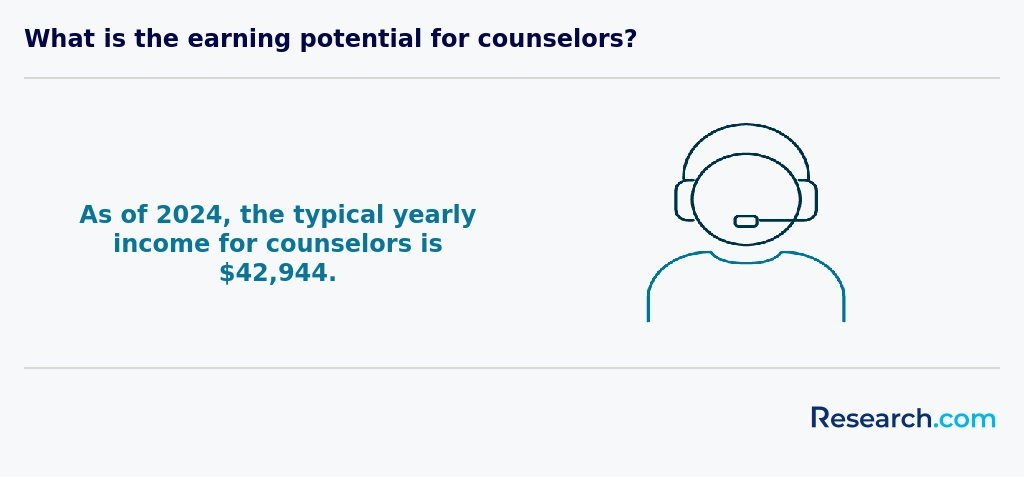
Before practicing independently as an LPC in Virginia, graduates must meet education, clinical experience, examination, and application requirements set by the Virginia Board of Counseling. Online counseling degrees can meet these expectations, but students should confirm accreditation and state alignment in writing before committing to a program.
Education and accreditation
- Earn a master’s degree in counseling or a related field from a regionally accredited institution.
- Ensure your program is CACREP-accredited to streamline licensure; non-CACREP graduates may face additional coursework.
Supervised experience
- Complete 60 credit hours of graduate coursework plus a minimum of 3,000 hours of supervised clinical experience, including at least 1,500 direct client contact hours.
- Supervision must be provided by a Virginia-licensed LPC or an equivalent licensed mental health professional.
Examinations
- Pass the National Counselor Examination (NCE) or National Clinical Mental Health Counseling Examination (NCMHCE).
- Complete the Virginia Jurisprudence Exam, which covers state laws and ethical guidelines for counseling practice.
Application process
- Submit an online application to the Virginia Board of Counseling, including official transcripts, supervisor verification forms, and exam scores.
- Pay the required application and licensure fees, currently totaling approximately $220.
- Undergo a criminal background check and fingerprinting as part of the final approval process.
Timeline and renewal
- From degree completion to full licensure, expect 2–3 years: roughly 2 years for supervised hours and 2–4 months for application processing.
- Renew your LPC license biennially, completing 20 hours of continuing education per renewal cycle.
Students comparing cost and pacing across states can review Research.com’s Most Affordable Online Master’s in Counseling Degree Programs Ranking in New York to see how tuition and clinical training expectations may differ outside Virginia.
If you're thinking about an online counseling degree in Virginia, you'll be happy to know there are quite a few financial aid options to help ease the cost. For example, many students at popular schools like James Madison University or Virginia Commonwealth University tap into federal aid by filling out the FAFSA-you'll get access to Pell Grants, federal loans, and even work-study programs that let you earn while you learn.
Virginia residents get a bonus with state-specific help such as the Virginia Tuition Assistance Grant, which supports those attending private colleges here. Plus, schools often offer merit scholarships or assistantships, which not only cut down tuition but sometimes let you work part-time in counseling centers-earning a stipend or tuition waiver. Graduates often share how these assistantships made juggling study and expenses way less stressful.
If you're planning to become a licensed counselor later, check out grants from the Virginia Department of Health Professions or national programs like the National Health Service Corps. These can pay you back for committing to underserved communities. Many students also find employer tuition reimbursement helpful, especially if they're already working in healthcare or social services.
Affordability matters because counseling students often need to plan for more than tuition. In addition to program charges, you may need to budget for application fees, textbooks, technology fees, background checks, liability insurance, travel to practicum or internship sites, exam fees, and licensure-related costs after graduation.
The most affordable online counseling degree is usually the one that balances four factors: total program cost, accreditation, licensure alignment, and placement support. A lower tuition rate is not a good value if the program does not meet Virginia requirements or leaves you to find approved clinical supervision without guidance.
- Compare total tuition, not only per-credit cost. A program with a lower per-credit price may still cost more if it requires additional credits, campus visits, or extra fees.
- Check in-state pricing. Public universities may offer lower rates for Virginia residents, while private schools may use one flat online tuition rate.
- Ask about practicum and internship placement. Local placement support can reduce travel costs and delays.
- Review scholarship and employer benefits early. Counseling students may qualify for institutional aid, federal loans, state programs, or tuition reimbursement.
- Confirm licensure fit before enrolling. A program that is not aligned with Virginia LPC requirements can create expensive gaps later.
Students comparing budget-conscious programs can start with Research.com’s guide to the most affordable counseling schools in Virginia. Use affordability rankings as a starting point, then verify the program’s accreditation, clinical training model, admissions requirements, and expected time to completion.
If you're looking to enroll in an online counseling degree in Virginia, you'll want to have a few things ready before you dive in. Most programs, like those at popular schools in Virginia such as James Madison University or George Mason University, expect you to have a high school diploma or GED for undergrad programs. Graduates often mention that having a GPA around 2.5 to 3.0 helps smooth the application process, especially since some schools still ask for SAT or ACT scores, though many are test-optional these days.
For the master's programs, you'll need a bachelor's degree from an accredited school. It doesn't always have to be in psychology, but having taken classes in psychology or human development can really make you feel more confident and prepared. Many grads from Virginia colleges say that providing solid letters of recommendation and writing a heartfelt personal statement about why counseling matters to you are key steps that helped them stand out.
And if you've volunteered or worked in mental health, that experience definitely adds weight to your application. Some selective programs might ask for interviews too, making it feel a bit nerve-wracking but exciting since it's your chance to show your passion for the field directly.

After completing an online counseling degree, Virginia students should follow a structured licensure plan. Requirements can vary by counseling path, so always confirm the current process with the Virginia Board for Counseling before making enrollment or supervision decisions.
- Graduate from a CACREP-accredited master’s program, usually 60 credit hours.
- Complete 3,000 hours of supervised clinical experience under a board-approved supervisor.
- Pass the required exam: National Counselor Exam (NCE) for LPCs or National Clinical Mental Health Counseling Exam (NCMHCE).
- Submit your application to the Virginia Board for Counseling, including transcripts, exam scores, and supervision logs.
- Hold a two-year provisional license while fulfilling any remaining supervised hours before earning full LPC or MFT status.
The most common delay is incomplete documentation, so keep copies of transcripts, supervision agreements, logs, evaluations, and exam records. If you are pursuing a Marriage and Family Therapy focus, compare marriage and family therapy masters programs online to identify options that may align with MFT licensure requirements.
If you're diving into an online counseling degree in Virginia, expect to roll up your sleeves with courses like Counseling Theories and Techniques, where you'll learn all about different ways to help people through tough times. Graduates from places like Virginia Commonwealth University often say this class gave them the confidence to connect with clients from day one.
You'll also tackle Human Growth and Development, understanding how people change physically and emotionally through life. Imagine helping a teenager navigate identity struggles or advising a retiree adjusting to a new lifestyle-these real moments often come to life in coursework.
Other must-have classes cover Multicultural Counseling and ethics, which are super important here in Virginia because you'll need to know local laws and how culture shapes therapy. Courses in Group Counseling and Career Development round out your toolkit, prepping you to lead therapy groups or give career advice.
And don't forget the practicum and internship-those hours you spend hands-on are priceless. Virginia grads often say this was where everything clicked, turning theory into real change for real people.
If you're exploring an online counseling degree in Virginia, you'll find a bunch of specializations to fit your vibe and career goals. For example, Clinical Mental Health Counseling is huge for grads who want to support folks dealing with all kinds of mental health struggles. It's popular at universities around Virginia and sets you up perfectly for LPC licensure.
School Counseling is another big one, especially for those hoping to work in K-12 settings. Graduates from local colleges often share how rewarding it feels to guide kids through tough times at school, and Virginia's growing demand for school counselors means stable jobs. Then there's Marriage and Family Therapy, which focuses on helping couples and families navigate challenges-many grads find it really fulfilling.
Thanks to Virginia's public health priorities, specializations like Substance Abuse Counseling are growing too. If you're curious about how much does it cost to become a substance abuse counselor, some schools have great programs tailored to that path.
Overall, Virginia online counseling program concentrations cover a lot-from career counseling to rehab-so you're sure to find a path that fits your passion and the local job market.
Picking the best online counseling degree programs Virginia has to offer means focusing on what really matters for your goals. Graduates from popular Virginia schools often say how crucial it was to choose a program with CACREP accreditation-it's the golden ticket for licensure in the state. Imagine balancing your job and studies; flexible scheduling options with part-time or hybrid formats can make a huge difference, especially when life gets busy.
Cost is another biggie. Many students found that Virginia's in-state tuition rates, often around $12,000 per year, helped keep things affordable compared to the national averages. It's smart to compare tuition along with fees and financial aid options before committing.
Also, plenty of graduates highlight the value of programs that line up their coursework with Virginia's Board of Counseling requirements and offer solid internship support. If you want a solid rundown on affordable options, check out the Most Affordable Online Master's in Counseling Degree Programs Ranking in New York-it's helped many find great fits.
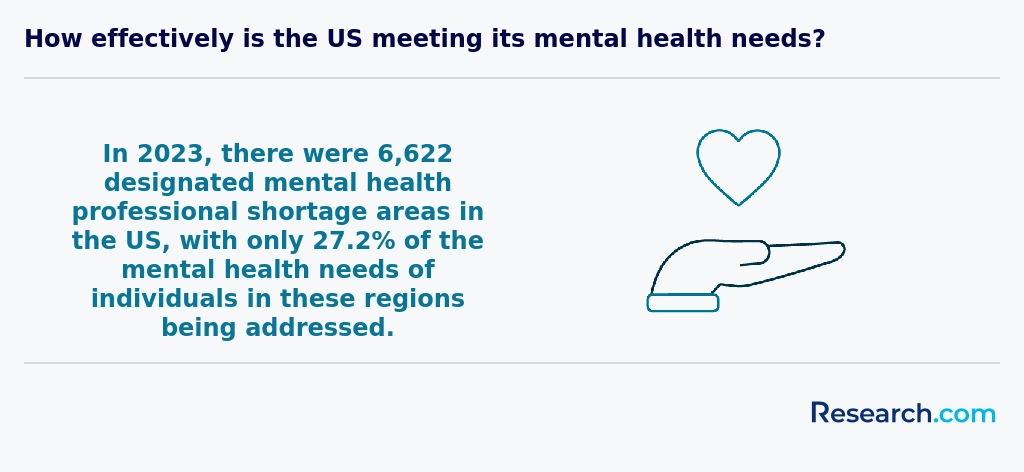
If you're diving into an online counseling degree in Virginia, there are plenty of career opportunities waiting for you. Graduates from popular schools in the state often find themselves working as clinical mental health counselors, helping people in hospitals, private practices, or community centers. Imagine being that go-to person who supports someone through tough emotional times-it's pretty rewarding!
Many also become school counselors in Virginia's K-12 system, offering guidance and support to students in public and private schools. Graduates talk about the joy of making a real difference in kids' lives, balancing academics and emotional well-being. This path is a solid choice thanks to the Virginia Department of Education's certification process.
Others are drawn to specialized roles like marriage and family therapy or substance abuse counseling, fields that Virginia takes seriously with strong licensing requirements. The growing demand for these roles means job prospects look bright. If you want a quicker start, check out some fast track college degree options that blend flexibility and quality.
Many grads appreciate the variety of job options after earning their degree, showing how career opportunities with online counseling degree Virginia really open doors in human services. It's a smart move if you care about making a positive impact while growing your career.
The job market for graduates with an online counseling degree in Virginia is looking really strong right now. Many who earned their degree from popular colleges around Richmond or Northern Virginia have found ample opportunities, especially with the state pushing mental health initiatives and funding. Graduates often land roles in schools, hospitals, or private practices, and thanks to telehealth's rise, they can even offer remote counseling-perfect if you want flexibility.
If you're thinking about getting your Virginia counseling degree employment outlook, it's good to know that counselors here earn between $45,000 and $70,000 annually, with higher pay near D.C. Some graduates from programs at universities in Norfolk or Charlottesville mention how being bilingual boosted their job chances given Virginia's diverse population. Plus, many online students appreciate how their programs match the state's licensure requirements, making it smoother to step into the field.
Job seekers should also explore resources like the Virginia Board of Counseling. For those wondering about which career fits, checking out careers for an introvert might help you find your perfect counseling niche.
2027 Fastest Online Counseling Degree Programs Ranking in Virginia
Investing in your education is a significant decision that can shape your future, and the Research.com team understands the importance of making informed choices. To assist prospective students in Virginia, we have meticulously compiled the "2027 Fastest Online Counseling Degree Programs Ranking in Virginia." Our dedication to quality, credibility, and accuracy is demonstrated through the thorough research and analysis behind this ranking.
We utilized the following reputable data sources to ensure a comprehensive evaluation of counseling programs:
By exploring this ranking, readers will gain valuable insights into the fastest online counseling degree programs in Virginia, which can aid them in making well-informed decisions about their educational journey. For more details on our methodology, please visit our Research.com methodology page.


Frequently Asked Questions About counseling
Online counseling degree students in Virginia can maximize their learning experience by engaging actively with course materials and faculty. Many accredited programs emphasize interactive elements such as live discussions and virtual office hours, which enhance understanding and retention. Additionally, students benefit from joining professional organizations like the Virginia Counselors Association for networking and continued education opportunities.
Virginia requires supervised clinical hours for licensure, so students should seek programs offering robust practicum placements within the state. According to the Virginia Board of Counseling, completing 3,400 hours of supervised experience is mandatory for LPC licensure.
Utilizing available state resources and maintaining consistent communication with advisors help ensure timely progression through degree requirements, improving overall outcomes.
Emerging niches within the counseling field reflect evolving societal needs and technological advances. In Virginia, online counseling programs increasingly highlight specialties like teletherapy, allowing services across rural and underserved areas. The Virginia Board of Counseling notes a rise in demand for counselors trained in substance use disorders, reflecting ongoing public health concerns.
Additionally, trauma-informed counseling is growing, with professionals addressing the mental health impacts of pandemics and social unrest. School counseling with a focus on diversity and inclusion is also expanding as K-12 systems prioritize mental wellness. Career counseling incorporating digital tools is another emerging area, catering to a shifting job market.
After completing an online counseling degree in Virginia, it is essential to focus on licensure requirements to enter the job market. Virginia mandates that counselors obtain licenses, such as the Licensed Professional Counselor (LPC) credential, which typically requires supervised clinical hours and passing a national examination. Graduates should plan to accumulate the 3,360 hours of supervised experience within the state, as required by the Virginia Board of Counseling. Networking with local professional groups like the Virginia Counselors Association can improve job prospects and provide mentorship opportunities. Additionally, staying updated on state-specific counseling trends and continuing education is crucial for career growth.
Employers in Virginia prioritize several key skills when hiring counseling degree graduates. First, strong communication abilities are essential. Counselors must effectively listen and respond to clients with empathy and clarity. According to the Virginia Board of Counseling, interpersonal skills directly impact client outcomes and job success.
Second, critical thinking and problem-solving are highly valued. Graduates should analyze client situations and develop tailored treatment plans. These skills align with Virginia's licensure requirements, which emphasize evidence-based approaches.
Additionally, cultural competence is crucial. Virginia's diverse population demands counselors who understand and respect different backgrounds. The U.S. Bureau of Labor Statistics reports that such skills increase employability in the mental health sector.
Finally, ethical judgment and professionalism are mandatory, as highlighted by both state standards and national counseling organizations.
Finding internships in Virginia for counseling degrees involves several practical steps. Start by exploring resources offered through accredited online programs, which often maintain partnerships with local clinics and mental health agencies for internship placement.
The Virginia Department of Behavioral Health and Developmental Services lists approved internship sites that comply with state licensure requirements. It's important to select internships that meet Virginia Board of Counseling criteria, as these experiences count toward supervised hours needed for licensure.
Networking with professional organizations, such as the Virginia Counseling Association, can also provide leads on internships. Many universities and counseling centers in Virginia, including those affiliated with major universities, post opportunities on their websites.
According to the Bureau of Labor Statistics, Virginia employs over 7,000 mental health counselors, reflecting a growing need that increases internship availability.
Obtaining an online counseling degree in Virginia significantly enhances career mobility and advancement opportunities. The Virginia Board of Counseling requires counselors to hold a master's degree from an accredited program, making an online degree a valid and flexible pathway. Graduates can pursue licensure as Licensed Professional Counselors (LPC), a credential that unlocks diverse roles in mental health care, schools, and private practice.
According to the Virginia Employment Commission, counseling jobs are projected to grow 13% from 2021 to 2031, faster than the average for all occupations. This growth translates into increasing demand for qualified professionals with recognized degrees.
Furthermore, online programs often allow working professionals to earn degrees without relocating, enabling career advancement while maintaining employment. As the mental health sector expands, holding a specialized degree supports salary growth and eligibility for supervisory positions in Virginia's competitive counseling field.
Studying for a counseling degree in Virginia equips students with skills essential for interdisciplinary work in health, education, and social services. Virginia's online programs emphasize collaboration, communication, and ethical practices that align with the standards of bodies like the Council for Accreditation of Counseling & Related Educational Programs (CACREP).
Courses often include training on working with diverse populations and understanding roles in medical, school, and community settings. This prepares graduates to coordinate care effectively with professionals such as social workers, educators, and healthcare providers.
According to the Virginia Department of Health Professions, graduates with interdisciplinary training demonstrate higher employment rates in integrated care teams. This reflects the region's growing focus on holistic mental health services.
When choosing between a thesis and a non-thesis counseling degree program in Virginia, consider your career goals and learning preferences. Thesis programs typically require original research, which can be beneficial if you plan to pursue a doctorate or a research-focused role. According to the Virginia Department of Education, about 40% of counseling graduates aim for licensure roles that value practical experience over research.
Non-thesis programs often emphasize applied skills and internships, making them ideal for students targeting immediate clinical work or licensure as Licensed Professional Counselors (LPC) in Virginia.
Cost and time investment also differ; thesis tracks may take longer due to research requirements. Reviewing Virginia's licensing board prerequisites can help align your choice with state certification needs.
Students based in Virginia interested in studying counseling abroad have limited direct options because most recognized counseling programs follow the U.S. accreditation standards to ensure licensure eligibility. However, many Virginia residents pursue online counseling degrees from American universities that offer global access, combining international perspectives with U.S.-based curriculum.
For those considering fully abroad programs, it's important to verify that foreign degrees align with Virginia Board of Counseling requirements for licensure. Currently, Virginia mandates that counseling degrees come from accredited institutions recognized by the Council for Accreditation of Counseling and Related Educational Programs (CACREP) or equivalents. This often limits the practical benefit of international degrees unless paired with U.S.-approved credentials.
According to the Virginia Board of Counseling, approximately 2,500 licensed professional counselors hold credentials that require domestic accredited degrees. Students with ambitions of practicing in Virginia should carefully evaluate foreign programs and consider hybrid or fully online degrees from U.S.-based institutions with international coursework components.
Virginia offers several part-time job opportunities that align well with online counseling degree studies. Positions such as behavioral health technician, crisis hotline worker, or peer support specialist provide practical experience while allowing flexible hours. These roles help students develop essential skills in client interaction, assessment, and crisis management.
According to the Virginia Department of Behavioral Health and Developmental Services, the demand for mental health support workers has grown steadily, reflecting the state's focus on expanding counseling services.
Additionally, community centers and local nonprofits often seek part-time counseling interns or assistants, enabling students to engage directly with diverse populations and apply theoretical knowledge. These experiences enhance resume strength and professional networks for aspiring counselors in Virginia.
Online counseling students in Virginia have access to multiple networking opportunities that enhance their educational experience. Many accredited Virginia programs encourage participation in virtual student organizations related to counseling and mental health. These groups provide a platform for students to connect, share resources, and attend online workshops and webinars.
Additionally, partnerships between universities and local mental health agencies often allow students to engage in internships or practicum placements across Virginia, helping build professional relationships.
The Virginia Counselors Association also offers memberships for students, providing access to conferences, continuing education, and a statewide network of professionals in counseling.
Such connections are crucial for career advancement and licensure preparation within the state.
Alumni networks offer significant advantages to students pursuing online counseling degrees in Virginia. These networks create valuable professional connections that can assist with job placements and internships, crucial in a state where the counseling field is growing. According to the Virginia Department of Health Professions, nearly 15% employment growth is expected for counselors through 2030, making networking vital.
Through alumni events and online platforms, students gain insights into real-world experiences and licensure processes specific to Virginia, such as the Licensed Professional Counselor (LPC) credential requirements set by the Virginia Board of Counseling.
Moreover, alumni often share job leads and mentorship, helping graduates navigate local healthcare systems or school counseling roles, enhancing career prospects in the competitive Virginia counseling market.
Students pursuing an online counseling degree in Virginia can customize their programs by selecting specializations aligned with their career goals. Popular areas include clinical mental health counseling, school counseling, and marriage and family therapy. Choosing relevant electives and practicum placements enhances practical skills tailored to specific settings.
Many accredited Virginia schools offer flexible credit transfer options and allow part-time study, helping students balance education with professional or personal commitments. Additionally, integration of state licensure requirements into coursework is common, ensuring alignment with Virginia Board of Counseling standards.
According to the Virginia Department of Health Professions, tailoring your degree streamlines the path to state licensure while maximizing relevant experience for your desired counseling role.
Online counseling students in Virginia face several common challenges. One primary difficulty is balancing coursework with personal and work responsibilities, especially since many students are working adults. According to the Virginia Department of Education, time management is a significant hurdle for over 60% of online learners statewide. Technical issues also impact students, including unreliable internet connections and unfamiliarity with digital learning platforms. Additionally, some students find limited face-to-face interaction with instructors and peers hinders their ability to develop essential counseling skills. Meeting Virginia Board of Counseling internship and practicum requirements online can also be complex, requiring careful planning and local placement arrangements.
With an online counseling degree in Virginia, graduates can pursue several key professional certifications to enhance their careers. The most common certification is the Licensed Professional Counselor (LPC), which requires meeting education, supervised experience, and exam components as regulated by the Virginia Board of Counseling.
Other certifications include the National Certified Counselor (NCC), offered by the National Board for Certified Counselors (NBCC). Holding an NCC credential can increase employment opportunities nationwide.
Virginia also supports specialties such as Licensed Marriage and Family Therapist (LMFT) and Licensed Clinical Social Worker (LCSW), which typically require relevant degrees and supervised clinical hours. These certifications reflect advanced expertise in specific counseling areas.
According to the Virginia Department of Health Professions, LPCs made up over 60% of counseling licenses issued in 2023, demonstrating strong demand.
Applying to an online counseling program in Virginia requires careful preparation to stand out. Start by thoroughly researching programs accredited by the Council for Accreditation of Counseling and Related Educational Programs (CACREP), as Virginia employers prioritize this credential.
Highlight your relevant experience in healthcare, education, or social services within your application. Virginia's demand for licensed counselors continues to grow, with a 15% job increase projected through 2030 according to the Bureau of Labor Statistics, so emphasize your commitment to the field.
Strong letters of recommendation from supervisors or professors who can attest to your interpersonal skills help strengthen your application. Additionally, craft a clear personal statement outlining your career goals and motivation for studying counseling online in Virginia's specific context.
Global perspectives on a counseling career recognize the profession as vital in supporting mental health and wellbeing. In the United States, including Virginia, counseling is a regulated field requiring licensure, which ensures high standards of professional competence. According to the Virginia Board of Counseling, demand for licensed counselors is growing due to rising awareness of mental health issues.
Internationally, approaches to counseling vary but tend to emphasize cultural sensitivity and adaptability. The US system, noted for its comprehensive accreditation and stringent licensure processes, serves as a model for many countries seeking to develop their counseling workforce.
Virginia's expanding online counseling degree programs reflect this trend, preparing students to enter a globally relevant field with strong local demand, as the US Bureau of Labor Statistics projects a 23% job growth rate for counselors nationally through 2031.
Gaining practical experience while studying for an online counseling degree in Virginia is essential for developing professional skills. Many Virginia programs incorporate supervised clinical internships or practicum placements, often requiring 600 to 1,000 hours of direct client contact, in accordance with the Commonwealth's licensing board standards.
Students can partner with local healthcare facilities, schools, or community organizations in Virginia to fulfill these requirements. The Virginia Board of Counseling provides guidelines to ensure internships meet licensure eligibility.
Additionally, some universities offer virtual simulated counseling scenarios to supplement hands-on experience. This helps students refine counseling techniques before real-world practice.
Virginia's growing emphasis on mental health means internships often expose students to diverse populations, enhancing cultural competence and employment prospects.
Choosing the right concentration within an online counseling degree program in Virginia depends heavily on your career goals and the specific licensure requirements of the state. Virginia offers multiple counseling specialties recognized by the Virginia Board of Counseling, including Clinical Mental Health, School Counseling, and Substance Abuse Counseling. Each concentration prepares students for different roles and licensure paths.
Consider Virginia's strong demand for Licensed Professional Counselors (LPCs), especially in mental health and substance abuse fields, according to the Virginia Employment Commission. Align your focus with such market needs.
Review coursework, practicum opportunities, and licensing exam preparation provided by programs. Ensure the program is accredited by the Council for Accreditation of Counseling and Related Educational Programs (CACREP), standard in Virginia. This accreditation often facilitates easier licensure and employment.
Finally, evaluate your personal interests and strengths. If passionate about working with youth, a school counseling concentration may be suitable; if interested in clinical work, mental health counseling offers broad options. Understanding Virginia's licensure law and workforce needs will guide you to a concentration that best fits your professional goals.
- 2027 Fastest Online Counseling Degree Programs Ranking in Kentucky
- 2027 Fastest Online Counseling Degree Programs Ranking in Pennsylvania
- 2027 Fastest Online Counseling Degree Programs Ranking in Ohio
- 2027 Fastest Online Counseling Degree Programs Ranking in Indiana
- 2027 Fastest Online Counseling Degree Programs Ranking in New York
- 2027 Fastest Online Counseling Degree Programs Ranking in Florida
- 2027 Fastest Online Counseling Degree Programs Ranking in Alabama
- 2027 Fastest Online Counseling Degree Programs Ranking in Michigan
- 2027 Fastest Online Counseling Degree Programs Ranking in Wisconsin
- 2027 Fastest Online Counseling Degree Programs Ranking in Kansas
See What Experts Have To Say About Studying Counseling
Read our interview with Counseling experts

Charles Figley
Counseling Expert
Kurzweg Distinguished Chair in Disaster Mental Health
Tulane University

- Virginia Counselor Education Programs - Virginia Counselors Association https://www.vcacounselors.org/page/176/Virginia-Counselor-Education-Programs.htm
- Paid Clinical Internship https://www.pathwaysmhs.org/internship-program.html
- How Long Does It Take to Become a Licensed Counselor? https://onlinecounselingprograms.com/become-a-counselor/how-long-does-it-take/
- Interdisciplinary Training: Preparing Counselors for Collaborative Practice https://nexusipe.org/informing/resource-center/interdisciplinary-training-preparing-counselors-collaborative-practice
- How to Choose a Niche in Private Practice (and Why It Matters) https://www.coastlinecounselingassociation.com/blog/how-to-choose-a-niche-in-private-practice-and-why-it-matters
- 11 Challenges That Counselors & Therapists Face - Talkspace https://www.talkspace.com/blog/counselor-challenges/
- Guide To Online Counseling Degrees https://www.psychology.org/online-degrees/counseling/
- Online Therapy For Students In Virginia https://myspectrumcc.com/tele-student-therapy/
- Building High-Quality School Counseling Programs To Ensure Student Success - EdResearch for Action https://edresearchforaction.org/research-briefs/building-high-quality-school-counseling-programs-to-ensure-student-success/
- 6 Benefits of an Online Counseling MS | University of Bridgeport https://www.bridgeport.edu/news/benefits-of-online-counseling-ms/