2027 Best Counseling Degree Programs Ranking in Los Angeles

Co-Founder and Chief Data Scientist
Choosing the right counseling degree program in Los Angeles can feel overwhelming, but you're not alone. To guide you, this article presents the 2027 Best Counseling Degree Programs Ranking in Los Angeles, developed by the Research.com team of data scientists. This ranking helps you see which programs stand out based on thorough data analysis.
By reading this article, you'll discover valuable insights to make a confident, informed decision about your education. Pursuing a counseling degree opens doors to meaningful careers where you can truly make a difference.
Key benefits of getting counseling degree in Los Angeles
- Salary benefits: Graduates with a counseling degree in Los Angeles can expect roles like Addiction Counselor earning around $60,080 annually or Community Outreach Coordinator making about $54,020 per year, offering a stable and rewarding income.
- Career paths: Counseling graduates from local universities often move into diverse roles such as Rehabilitation Specialist or Family Support Worker, providing opportunities to make a real difference in the community.
- Online degree advantages: Earning a counseling degree online from a respected Los Angeles university allows flexible scheduling and the ability to balance work and study effectively, making education more accessible and convenient.
- 2027 Best Counseling Degree Programs Ranking in Los Angeles
- What can I expect from counseling degree in Los Angeles?
- Where can I work with counseling degree in Los Angeles?
What can I expect from counseling degree in Los Angeles?
The average cost of a counseling degree in Los Angeles typically ranges between $7,000 and $25,000 per year for graduate programs. This wide range reflects the difference between public institutions, where many graduates recall manageable tuition fees, and private colleges known for their higher rates but often richer resources and smaller class sizes. For example, a student attending a well-regarded public university in LA might find it easier to budget for tuition while benefiting from strong faculty support and fieldwork opportunities at local clinics.
Many students report balancing tuition costs by applying for scholarships aimed at those committed to serving underserved communities in Los Angeles. Financial aid counselors at these universities often help prospective students map out feasible payment plans or grants. Graduates emphasize the value of investing in their degree here, noting how hands-on internships and state-specific licensure prep embedded in the programs helped them feel confident entering LA's diverse counseling job market.
Since most master's programs last 2 to 3 years, planning for total costs-including living expenses-is crucial. Graduates often recommend connecting early with career services to identify funded internship opportunities, which provide both income and critical clinical hours toward licensure.
Where can I work with counseling degree in Los Angeles?
Graduates from counseling programs at institutions like UCLA and Loyola Marymount frequently find employment in community mental health centers across Los Angeles. These centers, particularly those operated by LA County's Department of Mental Health, offer hands-on experience helping underserved populations, a stepping stone that fills many graduates with a sense of purpose and accomplishment.
School counseling is another frequent path. For example, counseling grads working with LAUSD help thousands of students navigate academic challenges and personal crises, making a tangible difference each day. Many appreciate the direct impact they have on youth development within the city's expansive public school system.
Private practice is often appealing for those wanting flexibility and specialization. Several graduates open their own therapy practices focusing on marriage counseling or trauma-informed care, thriving in Los Angeles' diverse market. This independence offers both rewarding client relationships and professional autonomy.
Hospitals and healthcare facilities employ counselors to support patients facing addiction or chronic illnesses. Graduates often describe this work as deeply fulfilling, combining clinical skills with compassionate care within multidisciplinary teams.
Nonprofits addressing homelessness or domestic violence also hire counseling professionals eager to serve culturally diverse communities. Working in these settings nurtures a strong connection to social causes important to many grads from local counseling programs.
Graduates with a counseling degree in Los Angeles can expect varied salary outcomes based on their chosen roles and experience. For instance, intervention specialists typically earn around $76,000 annually, reflecting roles that demand targeted skills in behavioral support.
Rehabilitation specialists earn about $48,430 per year, offering a strong starting point for those entering the field after studies at institutions like Loyola Marymount University or California State University, Los Angeles. These positions often appeal to grads interested in hands-on therapeutic support.
Community outreach coordinators and family support workers both average $54,020 annually, making them realistic options for recent graduates focused on serving local communities through schools or non-profits.
Addiction counselors can expect around $60,080 yearly, often reflecting higher demand and specialized training pursued during or after counseling programs at universities such as USC or Pepperdine. Graduates have shared that licensing and practical experience gained through internships in Los Angeles clinics often directly influence their ability to reach these salary levels.
- Tuition for a counseling master's degree in Los Angeles ranges from $10,000 to $30,000 per year, with additional living expenses estimated at $20,000 to $25,000 annually.
- Entry-level counselors in Los Angeles typically earn between $45,000 and $55,000 per year, with experienced professionals making $70,000 to $85,000 annually.
- Employment for counselors in the Los Angeles area is expected to grow 13% from 2022 to 2032, which is faster than the national average.
- California requires about 3,000 post-master's supervised clinical hours for full professional counselor licensure, usually completed two to three years after graduation.
- Attending a CACREP-accredited counseling program is recommended to meet educational standards and ease the licensure process.
Completing a counseling degree in Los Angeles depends largely on your chosen level of education and program format. Graduates from popular programs at universities like UCLA or Loyola Marymount typically spend about two to three years in a full-time master's counseling program. These years are intense but rewarding, filled with practical coursework, internships, and supervised clinical hours required for licensing.
Many students start with a bachelor's degree, often taking four years at schools such as California State University, Northridge. While this alone doesn't grant licensure, it lays a strong foundation and prepares you for advanced study.
For those aiming even higher, doctoral programs in LA universities usually stretch over four to six years. These combine research and advanced clinical work, offering graduates a deep, fulfilling expertise.
After the master's, expect to invest around two more years completing 3,000 supervised post-degree hours to meet California's licensing board standards. Some graduates appreciate part-time evening courses, which stretch program length but fit busy lifestyles perfectly, making the journey achievable without sacrificing work or family.
Financial planning is essential for counseling students because the path can include tuition, fees, books, technology, transportation, fieldwork costs, exam preparation, and post-degree licensure expenses. Students comparing Los Angeles programs should also consider lower-cost statewide options, including the cheapest counseling programs in California.
Start by separating direct costs from indirect costs. Direct costs include tuition and required fees. Indirect costs may include housing, commuting, childcare, internet access, a computer, professional clothing for practicum, liability insurance, background checks, and time away from paid work. Online programs may reduce commuting demands, but they can still require technology investments and in-person field placements.
| Cost category | Why it matters | Questions to ask |
| Tuition and fees | Usually the largest program expense | What is the total program cost, not just per-credit tuition? |
| Fieldwork expenses | Internships may require travel, attire, insurance, or schedule changes | Are placements paid or unpaid, and how far do students typically commute? |
| Online learning costs | Technology and internet reliability affect participation | Are there technology fees, residency requirements, or required software? |
| Licensure-related costs | Graduates may need exams, applications, fingerprinting, and supervision | Which costs occur after graduation, and when should students budget for them? |
| Financial aid | Grants and scholarships can reduce debt | What aid is renewable, and does it apply to summer or part-time enrollment? |
To evaluate return on investment, compare total estimated debt with realistic salary expectations for your intended role. A higher-cost program may be worth considering if it offers strong field placements, licensure support, and scholarships, but students should be cautious about borrowing more than their target career path can reasonably support.
If you're balancing work or family life in Los Angeles, an online counseling degree can offer the flexibility you need. Graduates from these programs often appreciate the ability to study from home while scheduling practicum hours locally, as required by California's licensing rules. For example, students complete supervised clinical hours within Los Angeles communities, merging online coursework with real-world experience.
On the other hand, on-campus programs at institutions like Loyola Marymount University or Pepperdine provide daily face-to-face interactions with professors and peers. Graduates often mention how this environment helped them build strong professional networks and access campus-specific resources like counseling labs and career services, boosting their confidence and practical skills.
Cost is another factor. Public Los Angeles-area universities typically charge between $7,000 and $20,000 annually, while private schools may exceed $30,000. Online formats sometimes reduce tuition slightly, but this varies. When choosing, consider your learning style, need for structure, and how much hands-on support you want.
Understanding California’s licensure requirements early can help counseling graduates avoid delays after completing their degrees. To become a Licensed Professional Clinical Counselor (LPCC) in California, candidates must complete several steps and prepare for required examinations.
- Complete a CACREP-accredited master’s or doctoral program in counseling.
- Accumulate at least 3,000 hours of supervised clinical experience, including a minimum of 1,700 direct client-contact hours.
- Register as an Associate Professional Clinical Counselor (APCC) with the California Board of Behavioral Sciences (BBS) before beginning supervised practice.
- Pass two exams: the National Counselor Examination (NCE) or National Clinical Mental Health Counseling Examination (NCMHCE), and the California Law and Ethics Exam.
Exam preparation strategies
- Create a study schedule that assigns time to each major content area, such as human development, assessment, group counseling, ethics, diagnosis, and treatment planning.
- Use reputable prep materials, including NBCC official practice guides, flashcards, sample questions, and exam outlines.
- Join peer-led study groups or review workshops through your university, alumni network, or professional associations.
- Review California-specific legal and ethical standards carefully, because state law and ethics questions require precise understanding of professional responsibilities.
Students watching tuition and exam-prep expenses may also compare budget-conscious options in other markets, such as Research.com’s Affordable Counseling Degree Programs Ranking in Washington, DC. A disciplined plan for supervised hours, documentation, and exam preparation can make the licensure process more manageable.
The average cost of obtaining a counseling degree in Los Angeles varies based on residency status and institution type. Graduates from public universities report median total costs around $18,491 for in-state students, while out-of-state and private school students face median costs closer to $42,500. For example, students attending California State University, Los Angeles find tuition more affordable but should plan for additional expenses. Those at private institutions like Pepperdine University often manage higher fees, but appreciate the smaller class sizes and specialized clinical training opportunities.
When budgeting, counseling degree tuition and fees in Los Angeles are just part of the equation. Typical budgets also include books and supplies costing between $1,000 and $2,000 per year. Clinical internship fees can add to this total, especially for programs that emphasize hands-on practicum experience, essential for licensure preparation. Living expenses in Los Angeles can significantly impact overall costs, with housing typically ranging from $1,200 to over $2,000 monthly, depending on neighborhood and proximity to campus.
Many counseling graduates highlight how scholarships and financial aid helped alleviate financial pressure. It's important for prospective students to research funding options early, including those available specifically for counseling students. Understanding the full scope of expenses, including tuition, fees, and living costs, can make the difference between feeling overwhelmed and confident throughout your studies. For details on local licensure and costs related to counseling careers, visit here.
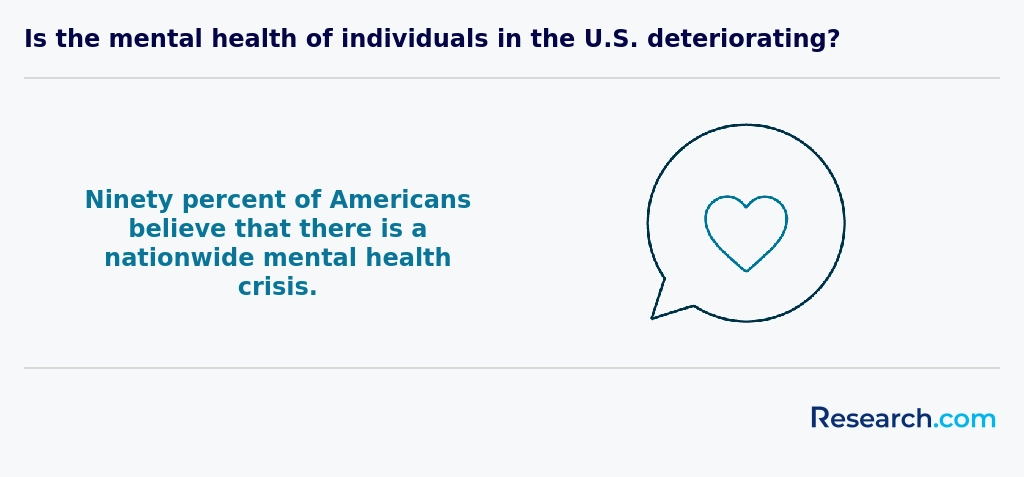
To practice as a Licensed Professional Clinical Counselor (LPCC) in California, students should plan for education, supervised experience, examinations, and formal application requirements. Each step requires documentation, so keeping organized records is important from the start of graduate training.
- Education: Earn a master’s degree in counseling from a CACREP-accredited program such as CACREP accredited online master’s counseling programs.
- Supervised Experience: Accumulate 3,000 hours of supervised clinical practice under a qualified LPCC supervisor, including a minimum 1,700 direct client-contact hours.
- Examinations: Pass the National Clinical Mental Health Counseling Examination (NCMHCE) and the California Law & Ethics Exam.
- Application: Submit your application to the California Board of Behavioral Sciences, complete fingerprinting, and pay required fees.
The typical timeline is 2–3 years post-degree to fulfill supervised hours and exam requirements. Students who understand these expectations before enrolling can choose programs that better support their clinical goals and California licensure pathway.
Many counseling students in Los Angeles begin by completing the FAFSA to access federal aid. This opens doors to Federal Pell Grants-a vital, no-repayment option that can provide up to $7,395 annually, helping cover essentials beyond tuition. Federal Direct Loans offer flexible financing with either subsidized or unsubsidized options, useful for balancing living costs in a city like L.A.
Graduates from programs at institutions such as the University of Southern California and Loyola Marymount University often recommend applying early for Cal Grants, which can cover up to $12,940 annually for public university tuition. This aid significantly lightens the financial load when pursuing counseling degrees locally.
Scholarships specific to counseling are competitive but worth pursuing through professional groups like the California Association for Licensed Professional Clinical Counselors. Many students working in health or social services employers also benefit from tuition assistance programs, making it easier to continue education without pausing income. Thoughtful planning using these resources can make your counseling degree more attainable and less stressful.
California LPCC licensure requires a sequence of education, supervised practice, examinations, application review, and continuing education. Students should verify current requirements with the California Board of Behavioral Sciences because rules, forms, and processing timelines can change.
- Education: Earn a master’s degree in counseling from a CACREP-accredited program; students comparing flexible options can explore CACREP online counseling programs.
- Supervised Experience: Complete 3,000 hours of post-degree supervised clinical practice over at least two years.
- Examinations: Pass the California Law and Ethics Exam and the National Clinical Mental Health Counseling Examination (NCMHCE) or National Counselor Examination (NCE).
- Application: Submit the LPCC application, official transcripts, exam scores, and supervision verification to the California Board of Behavioral Sciences.
- Continuing Education: Complete 36 hours of board-approved continuing education every two years to renew your license.
To enroll in a counseling degree program in Los Angeles, most undergraduates start by securing their high school diploma or GED. Many graduates from institutions like California State University, Los Angeles, share how meeting the 2.5 minimum GPA requirement helped them confidently pass admissions. Test scores such as the SAT or ACT may also be needed, although some local colleges have embraced test-optional policies, easing stress for applicants.
For graduate programs, a bachelor's degree from an accredited institution is non-negotiable. Graduates from Loyola Marymount University often highlight how having at least a 3.0 GPA and relevant volunteer experience in counseling services gave their applications a strong edge. Letters of recommendation and a compelling personal statement showcasing genuine passion for helping others play a critical role too.
Many students note the value in completing prerequisite courses like human development or abnormal psychology before applying. These classes, commonly required at schools such as UCLA Extension, provide a solid foundation, making the transition to advanced counseling studies smoother and more rewarding.
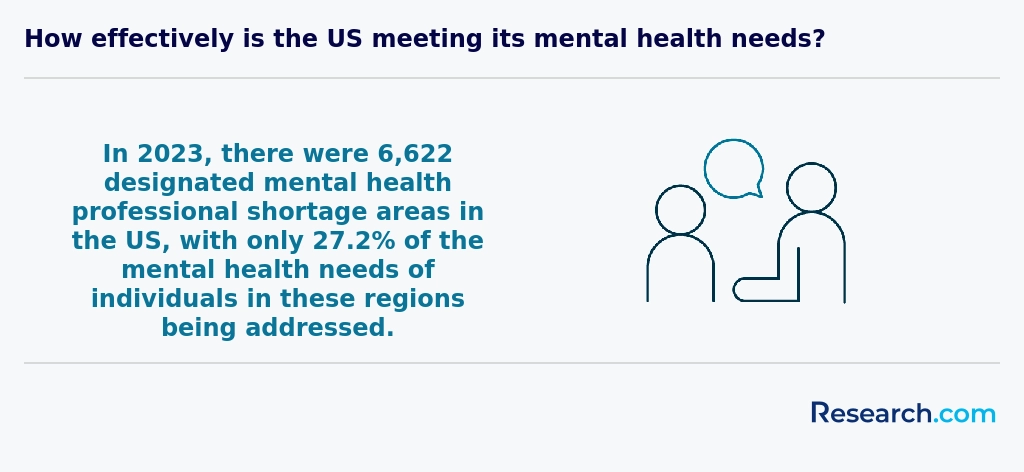
Students who want to practice professionally in California should understand the licensure pathway before choosing a counseling program. Licensure requirements affect which degree you need, what curriculum matters, how supervised hours are counted, and which exams you must pass.
The first step is graduating from a CACREP-accredited program or an equivalent curriculum that satisfies educational standards for supervised practice. After the degree, candidates must complete 3,000 hours of post-graduate supervised clinical work under a Licensed Professional Clinical Counselor (LPCC) or another approved supervisor. This typically involves one to two years of full-time counseling practice, with at least 1,750 hours spent in direct client contact.
After fulfilling supervised experience requirements, candidates must pass two state exams: the California Law and Ethics Examination, administered by the California Board of Behavioral Sciences, and the National Clinical Mental Health Counseling Examination (NCMHCE), offered by the National Board for Certified Counselors (NBCC). Many graduates use workshops, university review sessions, or online prep resources, including options associated with the most affordable school counseling online degree programs, to review ethical standards, diagnostic concepts, and counseling techniques.
The final step is submitting the LPCC application with official transcripts, supervised experience verification, exam scores, and fingerprint clearance to the Board of Behavioral Sciences. Processing times can vary from 6 to 12 weeks, so students should plan ahead and keep documentation organized throughout supervised practice.
In counseling degree programs in Los Angeles, you'll tackle foundational courses that build your professional toolkit step-by-step. Graduates from well-known schools often share how starting with counseling theories helped them confidently understand client behaviors and therapy methods, which was crucial during their practicum placements.
Research methods and statistics courses play an essential role, teaching you to evaluate studies critically and apply evidence-based practices. This practical knowledge proved invaluable for many students when assessing real-world counseling cases in Los Angeles' diverse communities.
Human development classes illustrate psychological growth across life stages-something graduates found particularly relevant when working with school-age children or families in local clinics. Ethics and professional standards are another must-have subject, ensuring you can navigate California's strict confidentiality rules and cultural competence requirements, a common focus at popular LA universities.
Hands-on courses like individual and group counseling techniques, crisis intervention, and assessments prepare you to face real client situations. Supervised internships at community agencies or healthcare centers around Los Angeles offer the direct experience students often say gave them confidence to start their careers effectively.
Electives targeting specialties such as marriage and family therapy or substance abuse counseling allow you to tailor your education to LA's workforce demands, making your degree immediately applicable in the city's mental health and education sectors.
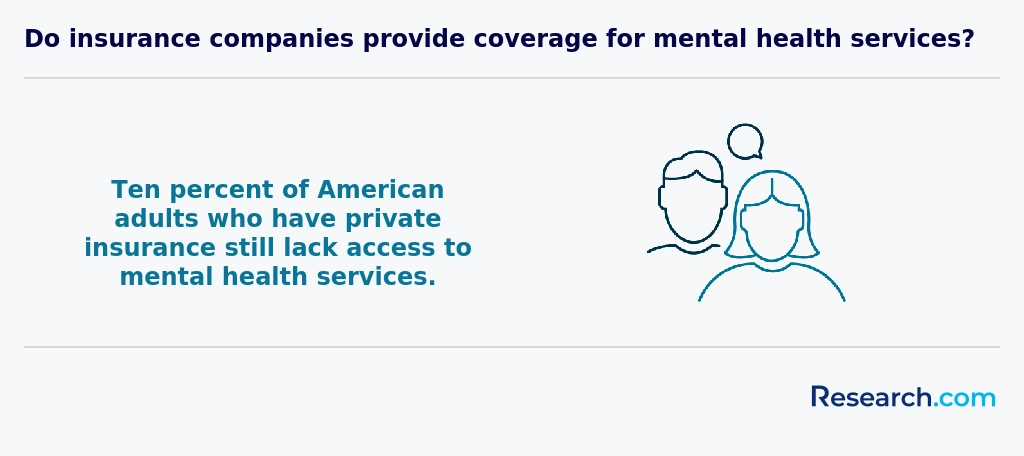
Counseling degree specializations in Los Angeles offer practical paths tailored to meet local and state licensing requirements. For example, many graduates choose Mental Health Counseling to work in clinical settings, gaining experience through the state-required 3,000 supervised hours to become Licensed Professional Clinical Counselors. This focus is especially relevant in Los Angeles, where mental health awareness continues to grow.
Another popular route is Marriage and Family Therapy (MFT). Graduates appreciate how this specialization equips them to address family dynamics, a vital skill in LA's diverse communities. Licensing demands additional clinical hours and exams spread over several years, which graduates often find rewarding as they see real improvements in client relationships.
Los Angeles schools also emphasize School Counseling, ideal for those wanting to support K-12 students' academic and emotional needs in urban districts. Additionally, students often explore Substance Abuse Counseling, which is crucial given the region's focus on addiction support.
Other options include career and rehabilitation counseling tailored to LA's economy and diverse population. Many counseling students looking for broader program choices also explore online psychology programs Texas, expanding their perspectives beyond local offerings.
Start by verifying that the counseling program is accredited by both WASC and CACREP, since graduates from Los Angeles campuses like California State University often emphasize how this boosted their confidence in licensure readiness. Next, consider what specialization fits your career goals; some students choose clinical mental health tracks while others prefer school counseling, reflecting the city's diverse community needs. Many grateful graduates recall their internships at local hospitals and schools, where hands-on experience made theory come alive and helped them build professional networks within Los Angeles.
Cost is a major factor-public universities generally offer more affordable counseling degrees Los Angeles residents appreciate, but remember to factor in extra expenses like textbooks and licensing exams. Flexibility also matters; working students praise programs with evening or online classes that fit around their schedules. Check licensure exam pass rates and job placement data to gauge program quality. For a clear timeline, explore the typical years to complete a psychology degree, as counseling often parallels this path.
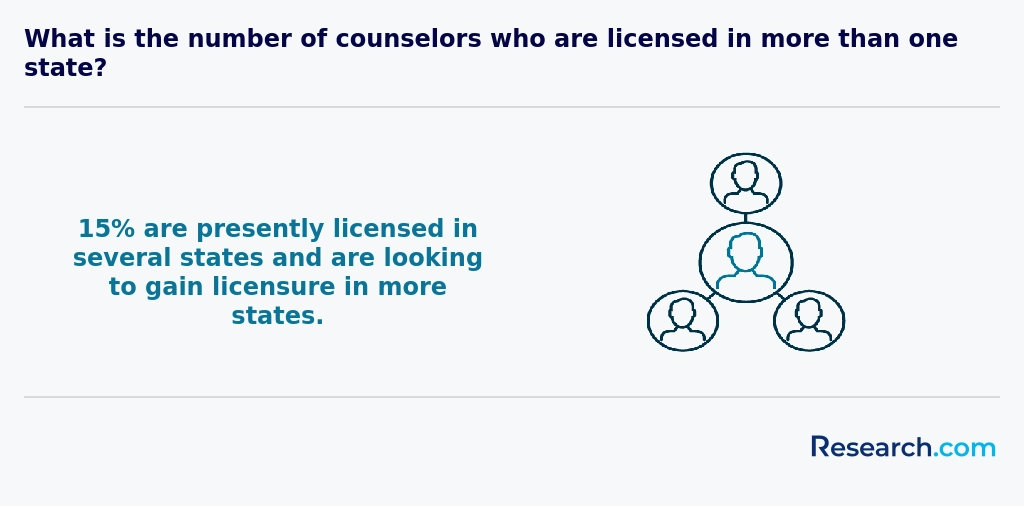
Graduates with a counseling degree in Los Angeles frequently pursue licensure as Professional Clinical Counselors (LPCC), requiring about 3,000 supervised clinical hours. Those studying at well-known institutions such as Loyola Marymount University or the University of Southern California often find job prospects for counseling graduates Los Angeles rewarding, as they step into roles addressing mental health challenges like anxiety and trauma. One graduate described feeling hopeful while working in community mental health centers where demand continues to grow.
School counseling within Los Angeles Unified School District offers another practical path. Graduates typically secure a PPS credential to support K-12 students' academic and emotional growth, making a tangible impact on youth in diverse neighborhoods. This aligns with many counseling career opportunities in Los Angeles that emphasize serving the city's varied population.
Other hands-on roles include rehabilitation counseling, substance abuse programs, marriage and family therapy, or career counseling in college settings. To understand the requirements for clinical practice beyond your degree, see local supervision guidelines such as the kentucky lpc supervision requirements, which share similarities with California's process.

The job market for those holding a counseling degree in Los Angeles is growing steadily, driven by strong demand in schools, hospitals, and community health centers. Graduates from local programs at universities like Loyola Marymount and California State University, Los Angeles often find opportunities quickly by targeting roles supported by state initiatives and expanding private outpatient services. With mental health career opportunities in Los Angeles expanding, counselors specializing in marriage and family therapy or substance abuse frequently report positive early employment experiences.
Salaries typically range from $55,000 to $65,000 for entry-level positions, with experienced counselors earning over $80,000, reflecting the higher living costs in the area. Graduates emphasize the importance of completing supervised clinical hours and state licensure to remain competitive. Many find practical value in understanding the market by exploring varied roles, including school counseling or substance abuse programs.
To make an informed choice, students can review the health psychology job description for related fields and weigh educational costs against strong job prospects. This outlook offers a realistic yet encouraging pathway for those pursuing a counseling degree job outlook Los Angeles.
2027 Best Counseling Degree Programs Ranking in Los Angeles
Investing in your education is a significant decision that can shape your future, and the Research.com team understands the importance of making informed choices. To assist prospective students in Los Angeles, we have meticulously crafted the "2027 Best Counseling Degree Programs Ranking in Los Angeles." Our commitment to quality, credibility, and accuracy is reflected in the extensive research and analysis conducted to compile this ranking.
We utilized the following reputable data sources to ensure a comprehensive evaluation of counseling programs:
By exploring this ranking, readers will gain valuable insights into the best counseling degree programs available in Los Angeles, helping them make informed decisions about their educational paths. For more details on our methodology, please visit our Research.com methodology page.


# 4 position
The Chicago School at Los Angeles
Master of Science in Counseling


# 7 position
World Mission University
Master of Arts in Counseling Psychology

# 8 position
World Mission University
Bachelor of Arts in Christian Counseling

# 10 position
The Chicago School at Los Angeles
Ph.D. Counselor
Frequently Asked Questions About counseling
Students pursuing counseling degrees in Los Angeles can enhance their learning by engaging in diverse practical experiences. Los Angeles offers a wide range of internship opportunities in hospitals, schools, and community centers, enabling students to apply theoretical knowledge in real-world settings. According to the California Association of Marriage and Family Therapists, supervised clinical hours are essential for licensure, making early and varied fieldwork crucial.
Networking with local professionals and joining organizations like the Los Angeles County Psychological Association can provide mentorship and insight into current practices. Additionally, utilizing the resources of California State University and University of Southern California libraries supports academic growth.
Leveraging technology, such as telehealth platforms taught in many programs, prepares students for evolving counseling methods. Staying informed about state licensure changes through the California Board of Behavioral Sciences ensures students meet all educational and clinical requirements efficiently.
Emerging niches within the counseling field in Los Angeles reflect growing community needs and cultural diversity. One expanding area is trauma-informed counseling, driven by increased awareness of the mental health impact of violence and natural disasters in the region, as noted by the California Psychological Association. Another significant niche is substance abuse counseling, particularly amid the opioid crisis affecting Southern California.
Additionally, career counseling that integrates digital skills training is gaining traction due to the city's dynamic job market. Multicultural counseling is essential too, given Los Angeles' diverse population, requiring specialists who understand varied cultural backgrounds. These niches offer promising opportunities for those pursuing counseling degrees locally.
After completing a counseling degree in Los Angeles, preparing for the job market involves several key steps to increase your employability. First, ensure you obtain the required California state licensure, such as the Licensed Professional Clinical Counselor (LPCC) credential, which requires supervised clinical hours post-graduation. According to the California Board of Behavioral Sciences, completing 3,000 hours of supervised experience is mandatory.
Networking is also crucial; Los Angeles hosts numerous professional organizations like the California Association for Licensed Professional Clinical Counselors (CALPCC) that offer valuable connections and job leads.
Additionally, consider specializing in high-demand areas such as substance abuse, trauma, or family counseling, as local workforce reports highlight these fields' growth.
Continuing education and internships with local agencies can provide practical experience and enhance résumés to better compete in the competitive Los Angeles counseling job market.
Employers in Los Angeles highly value counseling graduates with strong communication skills and cultural competence. As the city is diverse, professionals must effectively engage clients from varied ethnic backgrounds. According to the California Board of Behavioral Sciences, employers expect familiarity with evidence-based therapeutic techniques, including cognitive-behavioral therapy and trauma-informed care.
Additionally, critical thinking and ethical decision-making are crucial skills. Many counseling roles require licensure, so graduates must understand legal guidelines and confidentiality standards in California. The Los Angeles Economic Development Corporation highlights the growing demand for counselors skilled in crisis intervention and substance abuse treatment, reflecting regional mental health challenges.
Finding internships in Los Angeles relevant to a counseling degree involves leveraging local resources and professional networks. Many universities in the area, such as the University of Southern California and California State University, Los Angeles, share internship opportunities through their career centers tailored to counseling students.
The Los Angeles County Department of Mental Health offers numerous internship programs that provide practical experience in diverse settings, including schools, clinics, and community centers. According to recent data, this department is one of the largest mental health agencies in the U.S., employing thousands of counselors who often mentor interns.
Professional associations like the California Association for Licensed Professional Clinical Counselors also post internship listings and help students connect with supervisors for fieldwork required by licensure.
A counseling degree in Los Angeles significantly enhances career mobility and advancement opportunities. According to the California Employment Development Department, mental health counselors in the Los Angeles metropolitan area have a projected job growth rate of 19% from 2022 to 2032, well above the national average. Holding this degree qualifies graduates for licensure as Licensed Professional Clinical Counselors (LPCC), a critical step for advancement in clinical roles.
Graduates with counseling degrees may pursue various specialties, including marriage and family therapy or substance abuse counseling, allowing for flexible career paths. Employers in hospitals, schools, and private practices prioritize candidates with recognized degrees, increasing hiring chances and potential salary growth.
Certification and continuing education opportunities further support professional development, promoting upward mobility in Los Angeles's diverse mental health sector.
Studying for a counseling degree in Los Angeles equips students with skills essential for interdisciplinary roles across healthcare, education, and social services. Local programs emphasize collaboration with professionals in psychology, social work, and medical fields to address diverse client needs.
According to the California Board of Behavioral Sciences, Los Angeles counselors often work within integrated teams, fostering cross-disciplinary communication. Coursework frequently includes topics like mental health law, cultural competency, and community resources, promoting a broad understanding beyond traditional counseling.
Additionally, internships in Los Angeles provide hands-on experience in varied settings, such as hospitals, schools, and nonprofit organizations, preparing students to navigate complex professional environments effectively.
When choosing between a thesis and a non-thesis counseling degree program in Los Angeles, consider your career goals and learning preferences. Thesis programs typically involve original research and are well-suited for students aiming for clinical research or doctoral studies. Non-thesis programs focus more on practical skills, preparing students for licensure and immediate counseling work.
In Los Angeles, accredited programs may require 48 to 60 credit hours, with thesis options adding research-based coursework. According to the California Board of Behavioral Sciences, hands-on experience is crucial for licensure, often emphasized in non-thesis paths.
Evaluate faculty expertise, time commitment, and job market demands when deciding between these tracks.
Students based in Los Angeles who wish to study counseling abroad have several options tied to international partnerships and exchange programs from local universities. Institutions such as the University of Southern California (USC) and California State University, Los Angeles (CSULA) often offer study abroad opportunities in countries with reputable counseling programs, including the United Kingdom and Australia. These programs allow students to gain global perspectives on mental health practices while earning credits transferable to their US degrees.
According to the Institute of International Education (2023), counseling-related fields rank among the popular disciplines for study abroad among US students. Prospective students in Los Angeles should also consider accreditation standards, especially those aligning with the Council for Accreditation of Counseling and Related Educational Programs (CACREP), to ensure their foreign studies meet US licensing requirements.
Part-time job opportunities in Los Angeles that complement counseling degree education often involve roles in social services, mental health support, and educational settings. Many students work as behavioral health technicians or case management assistants, gaining hands-on experience with clients while earning competitive hourly wages, typically ranging from $15 to $20 in the LA area, according to the U.S. Bureau of Labor Statistics.
Additionally, working as a crisis line counselor or peer support specialist offers valuable exposure to counseling skills and practices. Nonprofit organizations in Los Angeles frequently seek part-time volunteers or staff for these roles.
Jobs in school counseling support or community outreach can also enhance practical knowledge relevant to counseling careers.
Counseling students in Los Angeles benefit from a range of networking opportunities crucial for their career development. Many universities, such as UCLA and Loyola Marymount University, offer access to professional organizations like the California Association for Licensed Professional Clinical Counselors (CALPCC). These groups provide events, workshops, and conferences that connect students with licensed professionals and potential employers.
Additionally, Los Angeles hosts numerous mental health symposiums and community outreach programs, allowing students to gain practical experience and build contacts. According to the California Board of Behavioral Sciences, nearly 25,000 licensed counselors practice in the state, offering a broad local network.
Internships through university partnerships with hospitals and agencies also play a key role in expanding students' professional circles.
Alumni networks provide valuable support to counseling degree students in Los Angeles by connecting them with professionals working across diverse community settings. These networks offer mentorship opportunities, which can help students navigate licensure requirements and graduate internship placements, critical in California's counseling profession regulated by the California Board of Behavioral Sciences. According to a 2023 LA County Workforce report, over 70% of counseling graduates found employment within six months through alumni referrals. Networking events and online platforms foster relationships that enhance career knowledge and access to specialized job openings. For students, alumni connections also offer guidance on continuing education and emerging trends in mental health care.
In Los Angeles, customizing a counseling degree program to fit career goals involves selecting specialized tracks such as marriage and family therapy, school counseling, or substance abuse counseling. Many universities offer elective courses and practicum placements tailored to specific populations or treatment approaches. According to the California Board of Behavioral Sciences, students can align coursework with licensing requirements for Clinical Social Worker (LCSW) or Marriage and Family Therapist (MFT) credentials, both in high demand locally.
Internship opportunities in diverse Los Angeles communities enable practical experience relevant to career interests. Utilizing academic advisors to plan your path also ensures alignment with professional standards and job market trends, where counseling roles are projected to grow by 14% over the next decade per the U.S. Bureau of Labor Statistics.
Counseling students in Los Angeles face several challenges throughout their education. One key difficulty is managing the cost of tuition combined with the high living expenses in the city. According to the California Student Aid Commission, average annual tuition at public universities in California can exceed $7,000, while rent prices in Los Angeles average over $2,000 per month in 2024.
Another challenge is gaining sufficient clinical hours in diverse settings. The California Board of Behavioral Sciences requires 3,000 supervised hours for licensure, which can be hard to complete due to competitive internship placements.
Additionally, students often encounter stress balancing coursework, practical training, and personal responsibilities. Mental health support services for students are improving, but the demand remains high. These factors make counseling degrees demanding yet rewarding for those dedicated to the profession.
With a counseling degree in Los Angeles, graduates can pursue various professional certifications that enhance their qualifications and career opportunities. One common certification is the Licensed Professional Clinical Counselor (LPCC), required to practice independently in California. This license typically requires a master's degree in counseling, 3,000 hours of supervised experience, and passing the National Clinical Mental Health Counseling Examination (NCMHCE).
Other certifications include the Certified Rehabilitation Counselor (CRC), which focuses on helping individuals with disabilities, and the Licensed Marriage and Family Therapist (LMFT) credential for those interested in family dynamics. According to the California Board of Behavioral Sciences, these certifications are critical for higher earning potential and job stability in the Los Angeles area.
To write a winning application for a counseling program in Los Angeles, start by thoroughly researching each school's requirements. Many programs require a minimum GPA of 3.0, demonstrated commitment to counseling, and relevant experience. Highlight any volunteer or work experience in mental health settings, as it strengthens your application. California's Board of Behavioral Sciences reports that practical experience is crucial for licensure, so emphasize hands-on skills.
Craft a clear personal statement explaining your motivation and goals within counseling, focusing on local community needs in Los Angeles. Letters of recommendation from professional supervisors or professors who know your abilities add credibility. Finally, ensure your application is complete, error-free, and submitted before deadlines, which often fall six months before program start dates.
Counseling careers are recognized worldwide as vital to mental health and community well-being. In the United States, including Los Angeles, counseling professionals often require a master's degree and state licensure. Globally, approaches and qualifications vary, but the counseling profession consistently emphasizes empathy, ethical standards, and evidence-based practices.
Los Angeles reflects a diverse population needing culturally competent counselors, influencing degree programs to include global and multicultural perspectives. According to the U.S. Bureau of Labor Statistics, California employs the highest number of counselors nationally, with a growth rate of 22% projected through 2031.
Internationally, degrees may differ in length and specialization, but the U.S. system, especially in California, is considered rigorous and comprehensive, attracting many international students aiming to practice domestically or abroad.
Gaining practical experience while studying for a counseling degree in Los Angeles is essential for success in this field. Many accredited programs require students to complete supervised internships or practicum hours as part of their curriculum. These placements typically occur in community mental health centers, schools, or healthcare facilities throughout Los Angeles County.
Additionally, Los Angeles offers numerous opportunities through partnerships with organizations like the Los Angeles County Department of Mental Health, which is one of the largest public mental health programs in the U.S. According to the department's reports, students can access diverse client populations that enhance learning and skill development.
Volunteering and part-time work in relevant settings can also build experience and improve employability. Colleges often have dedicated career centers to help students secure such positions and provide professional networking options within the local counseling community.
Choosing the right concentration within a counseling degree program in Los Angeles begins with assessing your career goals and interests. Counseling in Los Angeles often focuses on areas like marriage and family therapy, school counseling, or substance abuse counseling, reflecting local community needs as reported by the California Board of Behavioral Sciences.
Research local licensure requirements carefully, since specific concentrations may align better with licensure options such as Licensed Marriage and Family Therapist (LMFT) or Licensed Professional Clinical Counselor (LPCC). According to the Bureau of Labor Statistics, employment opportunities in Los Angeles for counselors are projected to grow by 12% through 2030, particularly in mental health and substance abuse sectors.
Consider programs that offer fieldwork or internships in settings typical of Los Angeles, such as urban schools or community health centers, to gain relevant experience. Look for accredited institutions, as this ensures quality education and eligibility for licensure. Gathering information from school websites and the California Association for Licensed Professional Clinical Counselors can guide you toward concentrations with strong local demand.
- 2027 Best Counseling Degree Programs Ranking in San Diego
- 2027 Best Counseling Degree Programs Ranking in Stockton
- 2027 Best Counseling Degree Programs Ranking in San Francisco
- 2027 Best Counseling Degree Programs Ranking in Phoenix
- 2027 Best Counseling Degree Programs Ranking in Tempe
- 2027 Best Counseling Degree Programs Ranking in Tucson
- 2027 Best Counseling Degree Programs Ranking in Portland
- 2027 Best Counseling Degree Programs Ranking in Denver
- 2027 Best Counseling Degree Programs Ranking in Lubbock
- 2027 Best Counseling Degree Programs Ranking in Seattle
See What Experts Have To Say About Studying Counseling
Read our interview with Counseling experts

Meredith A. Rausch
Counseling Expert
Associate Professor
University of Alabama

- Los Angeles Training Institute For Alcohol & Drug Counseling https://www.training4aod.org/
- Utilize Your Alumni Networks https://www.keg.com/news/ways-to-use-your-alumni-networks-for-the-better
- Interdisciplinary Training: Preparing Counselors for Collaborative Practice https://nexusipe.org/informing/resource-center/interdisciplinary-training-preparing-counselors-collaborative-practice
- 25+ California Master's in Counseling Programs (w/ CACREP) https://californiadegrees.org/mental-health/masters-in-counseling/
- Counselor Salary https://onlinecounselingprograms.com/become-a-counselor/salary/
- On-Campus vs. Online Master’s in Counseling | University of Bridgeport https://www.bridgeport.edu/news/on-campus-vs-online-counseling-degree/
- The Challenges of Guidance Counselors in Supporting Students’ Mental Health https://theaspd.com/index.php/ijes/article/view/2406
- Know more about thesis vs non- thesis: what is the difference? https://studyfans.com/en/blogs/816
- Therapy Group of Charlotte How Career Counseling Boosts Professional Growth - Therapy Group of Charlotte https://therapistsincharlotte.com/therapists-charlotte-blog/how-career-counseling-boosts-professional-growth/
- Mental Health, Counseling & Therapy Internships https://www.counselingschools.com/blog/preparing-for-a-mental-health-internship