2027 Most Valuable Online Counseling Degree Programs Ranking in the USA

Co-Founder and Chief Data Scientist
Choosing the right counseling degree program can feel overwhelming with so many options available. This article introduces the 2027 Most Valuable Online Counseling Degree Programs Ranking in the USA, created by the Research.com team of data scientists. It's designed to help you make an informed choice about which programs truly stand out.
By exploring this ranking, you'll discover valuable insights that highlight programs offering strong career potential and meaningful learning experiences. Pursuing a counseling degree opens doors to a rewarding profession focused on helping others grow and heal.
Take the first step toward a fulfilling future by learning more about these important programs.
Key benefits of getting online counseling degree in America
- Counseling degree graduates can expect competitive salaries, such as Intervention Specialists earning around $76,000 annually and Addiction Counselors about $60,080 per year, reflecting rewarding financial prospects.
- Many counseling graduates from universities like the University of Michigan explore diverse careers, including Rehabilitation Specialists and Community Outreach Coordinators, offering meaningful work in varied settings.
- Online counseling degrees from institutions like Arizona State University provide flexibility and accessibility, allowing students to balance study with life commitments while gaining the same respected credentials as traditional programs.
- Key benefits of getting online counseling degree in America
- What can I expect from online counseling degree in America?
- Where can I work with online counseling degree in America?
- How much can I make with online counseling degree in America?
- 2027 Most Valuable Online Counseling Degree Programs Ranking in the USA
- Key Findings
- How long does it take to complete online counseling degree in America?
- Licensure and Certification Requirements for Online Counseling Graduates
- What's the difference between online and on-campus counseling degree?
- Accreditation and Licensure Requirements
- What is the average cost of online counseling degree in America?
- Most Affordable Online Counseling Degree Programs
- What financial aid is available to online counseling degree students in America?
- Accreditation and Licensure Requirements
- What are the prerequisites for enrolling in online counseling degree program in America?
- Licensure Requirements and Certification for Online Counseling Graduates
- What courses are typically in online counseling degree programs in America?
- What types of specializations are available in online counseling degree programs in America?
- How do you choose the best online counseling degree in America?
- What career paths are available for online counseling degree students in America?
- What is the job market for online counseling degree in America?
- Top Trending Counseling Rankings
- See What Experts Have To Say About Studying Counseling
What can I expect from online counseling degree in America?
The average cost of an online counseling degree in America typically ranges between $15,000 and $45,000, depending on the level of study and the institution. Graduates from well-known universities, such as those offering CACREP-accredited programs, often mention how the investment felt worthwhile given the flexibility and quality of education they received. For example, students balancing full-time jobs found that asynchronous courses allowed them to study comfortably from home, while still gaining essential clinical training through local internships.
Many students appreciate that these programs provide not just theory but hands-on experience, often requiring visits to nearby practicum sites. This practical approach helps build confidence for real-world counseling careers. Institutions like State Universities and private colleges popular in the counseling field offer financial aid and scholarships, which can help manage costs.
Ultimately, investing in an accredited online counseling degree opens rewarding opportunities in a growing mental health field, with graduates feeling proud of their ability to help others while embracing a flexible learning path.
Where can I work with online counseling degree in America?
Graduates with an online counseling degree in America often find themselves stepping confidently into roles within schools, healthcare centers, and private practices, energized by the impact they can make. Many who studied at renowned institutions like the University of Southern California or the University of Florida share how their training opened doors to becoming school counselors, supporting students' emotional growth every day. Imagine collaborating with teachers and parents to help a struggling teen find their path-this is a powerful and rewarding role.
Others move into mental health counseling, working in hospitals or community clinics where their skills ease anxiety and depression. With a growing national demand, as shown by the U.S. Bureau of Labor Statistics projecting 23% growth, these graduates feel a sense of purpose in contributing to essential care. Some pursue specialized counseling fields like substance abuse or marriage and family therapy, leveraging their accredited degree to fulfill licensure requirements.
Many find joy in private practices, joining over half of counselors who choose flexible, personalized career journeys. Whether working with nonprofits, employee assistance programs, or social services, these graduates reflect on their journey with pride, knowing their online degree laid a solid foundation.
How much can I make with online counseling degree in America?
Graduates from online counseling programs in America can anticipate a rewarding salary that reflects their dedication and skills. For example, those stepping into roles as Addiction Counselors earn a mean annual wage of about $60,080, which is a satisfying return on investment after studying at well-known institutions like the University of Southern California or Liberty University.
Community Outreach Coordinators and Family Support Workers, often roles taken by counselors passionate about making a direct impact, earn around $54,020 annually. This income supports a meaningful career helping communities and families thrive, a path many graduates from Arizona State University have pursued with great success.
Intervention Specialists, known for their focused support in educational or clinical settings, typically make approximately $76,000 annually-one of the higher salary options available. Many graduates from institutions such as Walden University have found that pursuing licensure and specialized certifications significantly boosts their earning potential in these roles.
Meanwhile, Rehabilitation Specialists earn around $48,430. While this might start closer to entry-level, the role offers steady growth and the chance to create transformational change in clients' lives, making every dollar earned feel truly meaningful.
2027 Most Valuable Online Counseling Degree Programs Ranking in the USA
How do we rank schools?
Investing in your education is a significant decision that can shape your future, and the Research.com team understands the importance of making informed choices. To assist prospective students, we have meticulously crafted the "2027 Most Valuable Online Counseling Degree Programs Ranking in the USA." Our commitment to quality, credibility, and accuracy is reflected in the extensive research and analysis conducted to compile this ranking.
We utilized the following reputable data sources to ensure a comprehensive evaluation of online counseling programs:
By exploring this ranking, readers will gain valuable insights into the most valuable online counseling degree programs across the USA, empowering them to make informed educational decisions. For more details on how the ranking was created, please visit our Research.com methodology page.
# 1 position
Cameron University
Master of Behavioral Science


# 15 position
Nova Southeastern University
Master of Counseling (Concentrations-Clinical Mental Health Counseling; School Counseling; Applied Behavior Analysis)



Key Findings
- Online counseling degrees range from bachelor's to doctoral levels, with the Master of Science in Counseling being the most common for licensure.
- The total tuition cost for a master's degree in counseling online typically falls between $15,000 and $30,000, with public universities generally being more affordable.
- Licensure requires a master's degree from an accredited program like CACREP and the completion of specific coursework and supervised clinical hours.
- Employment for mental health counselors is projected to grow by about 23% from 2021 to 2031, faster than average for all jobs.
- Starting salaries for counseling graduates are around $40,000 to $50,000, rising to $60,000 to $65,000 annually with experience and licensure.
How long does it take to complete online counseling degree in America?
Completing an online counseling degree in America varies by level but often fits well into busy lives. For example, many graduates from well-known universities like the University of Florida and Arizona State University finish their bachelor's degree in about four years of full-time study. This timeline aligns with on-campus programs, giving students confidence that online learning holds the same value.
For those pursuing a master's in counseling, it typically takes two to three years full-time. Many graduates share how practical training, like internships required by CACREP standards, became stepping stones to real-world success. Some motivated students even accelerate their degree, finishing in 18 to 24 months by taking summer courses and heavier loads.
Part-time options extend this journey, often up to six years, making it possible for working professionals to advance without sacrificing stability. Doctoral candidates, seeking expertise beyond, spend three to six years balancing research and clinical work. This flexibility lets students at schools such as Northwestern University shape their pace while fulfilling essential licensure hours.
Licensure and Certification Requirements for Online Counseling Graduates
Obtaining licensure is an essential step for online counseling graduates looking to practice professionally and ensure compliance with state regulations. Most states require candidates to graduate from a CACREP-accredited or regionally accredited program, complete a specified number of supervised clinical hours (often between 2,000 and 3,000), and pass a national examination such as the National Clinical Mental Health Counseling Examination (NCMHCE). Ensuring your program meets these criteria from the outset will streamline your path to licensure and reduce delays in starting your counseling career. State requirements for licensure can vary significantly. For example, while California mandates 3,000 supervised hours and two years of post-graduate supervision, Pennsylvania requires 3,000 hours but allows for a combination of practicum, internship, and post-master’s supervision. It’s important to review your target state board’s website for detailed guidelines. Prospective students interested in cost-effective pathways to licensure may find valuable options in the Cheapest Counseling Degree Programs Ranking in Philadelphia, PA, which highlights accredited online programs meeting Pennsylvania’s standards. After completing the required clinical hours, candidates must pass their state’s counseling exam, which typically covers ethics, assessment, intervention strategies, and professional practice. Maintaining certification also involves fulfilling continuing education (CE) credits-often 20 to 40 hours every two years-on topics such as trauma-informed care, evidence-based interventions, and cultural competence. Many online programs offer integrated CE modules, simplifying the renewal process and keeping graduates up to date with emerging best practices. Finally, some states offer specialized certifications, such as school counseling credentials or substance abuse counseling licenses, which may involve additional coursework or examinations. Understanding these distinctions early helps you tailor your coursework and practicum experiences to meet both general and specialized licensure requirements, ensuring a smooth transition from graduation to professional practice.
What's the difference between online and on-campus counseling degree?
The main difference between online and on-campus counseling degrees in America lies in how you engage with your coursework. Graduates from well-known institutions like the University of Florida or Arizona State University often describe online programs as liberating-they allow you to study at your own pace from anywhere, which is a huge advantage if you're balancing work or family. Imagine attending lectures after putting your kids to bed or revising materials during your lunch break. This flexibility is a game-changer.
On the other hand, graduates from traditional universities such as Boston College or Loyola University cherish the face-to-face interactions that on-campus programs provide. They emphasize how those in-person discussions and group activities helped them deepen their understanding and build lasting professional networks. It's a vibrant, immersive experience that can boost your confidence in real-time settings.
Both paths require clinical internships. For online students, securing local placements means tailoring your practical experience close to home, which adds convenience but also requires proactive planning. Tuition at public institutions like the University of North Carolina typically ranges from $7,000 to $12,000 annually, with private schools often charging more. Online programs sometimes reduce costs by eliminating campus fees, but remember to budget for technology and local internship expenses.
Choosing between these options depends on your lifestyle and learning preferences. If you thrive independently and need flexibility, online counseling degrees are a powerful way to advance your career without uprooting your life. If you value close connections and campus resources, on-campus study might be your perfect fit.
Accreditation and Licensure Requirements
Accreditation ensures program quality and eligibility for licensure. Key considerations:
- Choose programs accredited by CACREP; explore our list of cheapest cacrep-accredited programs online
- Understand your state’s licensure board requirements for supervised clinical hours (often 1,500–3,000 postdegree hours)
- Prepare for required exams (e.g., NCMHCE or state-specific counselor exams)
- Submit application materials, background checks, and continuing education to maintain your license
What is the average cost of online counseling degree in America?
The average cost of an online counseling degree in America typically falls around $34,842, reflecting median total tuition and fees that many students encounter. Graduates from public universities often share how pursuing their degrees at well-known institutions provided affordable options, especially when they qualified for in-state tuition rates, which average closer to $25,920. On the other hand, those attending private universities or studying out-of-state might pay more, with median totals near $32,595 to $35,000 or beyond. These numbers go beyond just tuition - they often include expenses for books, technology, and essential clinical practicum fees.
Many counseling students recall the relief of finding scholarships or federal aid to ease the financial weight. Practical advice from alumni emphasizes researching accredited programs carefully to ensure that the investment aligns with career goals and licensing requirements. The median costs mentioned here reflect a real-world snapshot that students encounter when budgeting for their education and help clarify typical expenses beyond simply looking at per-credit rates.
For those exploring cost-effective options, insights gathered from graduates at popular universities inspire confidence. They highlight the value of assessing total tuition fees alongside additional costs to get a clear picture of the average cost of online counseling degree USA programs. If you want to explore institutions with competitive pricing, you might consider reviewing the cheapest counseling colleges that fit your goals and budget.

Most Affordable Online Counseling Degree Programs
To pursue a career in counseling without accumulating significant debt, it's essential to explore the most affordable online counseling degree programs available. When considering affordability, prospective students should not only look at tuition costs but also factor in additional expenses such as technology requirements, books, and fees for services like background checks. For those aiming to minimize their financial burden, researching institutions that offer competitive pricing without compromising on the quality of education is crucial. For instance, checking out the cheapest counseling colleges can provide valuable insights into affordable options. Many of these programs are designed to be flexible, allowing students to balance their studies with work or family commitments, which can also help reduce the overall cost by enabling students to maintain their income while pursuing their degree. Ultimately, finding an affordable online counseling degree program that is accredited and reputable can be the first step towards a fulfilling career in counseling without the weight of substantial student debt.
What financial aid is available to online counseling degree students in America?
When pursuing an online counseling degree in America, financial aid can transform the journey from daunting to achievable. Many graduates from well-known institutions like the University of Southern California and the University of North Carolina found that completing the FAFSA unlocked Pell Grants, which significantly eased their tuition expenses-sometimes covering up to $7,395 annually.
Federal student loans, with their fixed interest rates and flexible repayment plans, provide important support but require responsible borrowing. Imagine working toward your degree with this manageable funding in hand, instead of worrying about immediate full payment.
State-specific scholarships and loan forgiveness programs are also game-changers, especially for those committed to underserved communities. Graduates from places such as Arizona State University have leveraged these offers to serve school and mental health counseling roles without drowning in debt.
Beyond federal aid, organizations like the American Counseling Association reward commitment and merit with private scholarships. Plus, many employers in healthcare or education support tuition reimbursement, making it possible to balance work and study confidently.
Finally, exploring institutional scholarships or payment plans at your chosen college can uncover exclusive aid tailored just for you, turning that online counseling degree dream into a welcoming reality.
Accreditation and Licensure Requirements
Before enrolling in an online counseling degree, verify the program’s CACREP accreditation to ensure you meet licensure and certification criteria.
- Confirm CACREP status: accredited programs signal quality and meet exam eligibility standards.
- Check state board rules: each state outlines required supervised hours and exam prerequisites.
- Plan for portability: CACREP accreditation eases license reciprocity across states.
- Compare affordable options: explore cheapest cacrep-accredited programs online without sacrificing quality.
What are the prerequisites for enrolling in online counseling degree program in America?
To enroll in an online counseling degree in America, you must meet specific prerequisites that prepare you for success in this rewarding field. For bachelor's programs, a high school diploma or equivalent is essential, along with a solid GPA and sometimes SAT or ACT scores. Many successful graduates from well-known schools like the University of Southern California highlight how their volunteer work in community mental health settings helped strengthen their applications.
At the graduate level, universities such as New York University expect applicants to hold a bachelor's degree, preferably with coursework in psychology or sociology, and maintain at least a 3.0 GPA. Graduates reflect on how submitting strong letters of recommendation and personal statements genuinely showcasing their passion made a difference during admissions.
Practical requirements like criminal background checks and immunization records are common since hands-on internships are crucial. Programs striving for CACREP accreditation, such as those at Boston College, emphasize these standards, ensuring your education aligns with licensing needs and client safety.
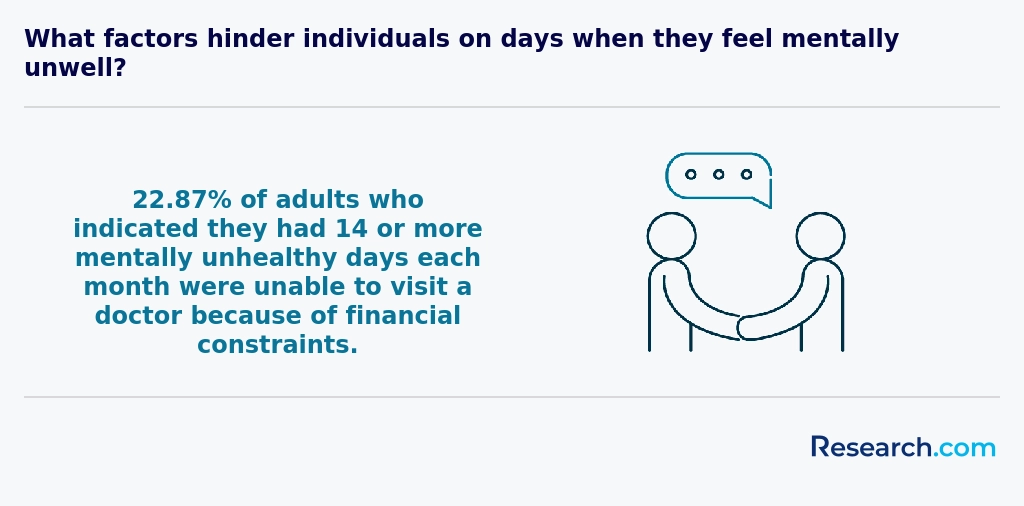
Licensure Requirements and Certification for Online Counseling Graduates
Navigating state licensure is a critical step after earning your online counseling degree, as requirements can vary widely across the U.S. Most states mandate graduation from a CACREP-accredited program, completion of 2,000–3,000 hours of supervised clinical experience, and passing the National Counselor Examination (NCE) or National Clinical Mental Health Counseling Examination (NCMHCE). To streamline this process, it’s essential to verify that your chosen program aligns with the educational criteria set by your state board and professional associations. Many graduates find value in choosing a curriculum designed around core competencies-ethics, multicultural counseling, assessment, and diagnosis-because these directly map to licensure examinations. When researching options, consider programs recognized for high pass rates on licensure exams and strong internship placement services. For instance, prospective students often compare resources on our site, including the most comprehensive list of masters in counseling pathways that meet or exceed state educational standards. After program completion, you’ll typically apply for an associate or provisional license to accumulate supervised hours. During this phase, maintain meticulous documentation of your supervision sessions and client contact hours, as boards may audit records to confirm compliance. Once you fulfill the supervised hours requirement, submit proof to your state board and schedule your exam; many test centers now offer the NCE and NCMHCE year-round at multiple locations. Finally, upon licensure, counselors must stay current through continuing education units (CEUs), which often include ethics updates, multicultural competency workshops, and specialty courses in areas like trauma-informed care. Prioritizing an accredited program with built-in CEU opportunities ensures a smoother transition into full licensure and long-term professional growth.
What courses are typically in online counseling degree programs in America?
In an online counseling degree program in America, you'll encounter courses that build a strong foundation for your career. Graduates from well-known universities like the University of Southern California or Boston College often reflect on how courses such as Foundations of Counseling and Psychotherapy and Human Growth and Development helped them understand real client challenges deeply. These courses teach you to apply theories like cognitive-behavioral therapy in everyday counseling sessions, making the learning feel practical and alive.
Ethical and multicultural aspects are central too. Programs emphasize cultural competence and the American Counseling Association's Code of Ethics, ensuring you're prepared to work with diverse communities with empathy and respect-something graduates cherish when recalling diverse internship experiences at state-licensed clinics.
Research methods and program evaluation courses sharpen your ability to base decisions on evidence, just like many Boston University students describe applying new insights during their practicum. Finally, supervised practicum and internships offer hands-on learning that transforms theory into meaningful client support, a highlight for most who pursue licensure.
What types of specializations are available in online counseling degree programs in America?
When choosing your online counseling degree in America, you'll find a range of specializations designed to fit your passion and career goals. Common paths include Clinical Mental Health Counseling, where graduates gain skills to support those dealing with anxiety or substance abuse-a favorite among many who studied at well-known institutions like Arizona State University or the University of Southern California. Another inspiring route is School Counseling, perfect for those who want to make a difference in K-12 environments; many graduates have shared how this specialization helped them foster real change in students' lives.
Other rewarding concentrations include Marriage and Family Therapy and Addiction Counseling, both experiencing strong growth in job opportunities nationwide. Some students also pursue less common but impactful fields like Rehabilitation or Gerontological Counseling, tailoring their education to meaningful niches. If you're exploring options, consider how online programs at top colleges enable you to find the best counseling program concentrations in America that align with your calling. For a clearer path forward, check out guides on the masters in counseling.
How do you choose the best online counseling degree in America?
Choosing the best online counseling degree in America means focusing on accreditation and licensure preparation from the start. Graduates from well-known programs at universities such as those in California or New York often share how CACREP accreditation unlocked doors for them, ensuring their education met high standards required for licensing as professional counselors. This is vital because counseling licensure rules vary by state, and your program's curriculum must align with where you plan to practice.
Many students balancing work and family find that flexible, asynchronous class schedules make pursuing a master's degree manageable and rewarding-great examples come from those enrolled in top affordable counseling programs America offers. Budget is another consideration; tuition can vary widely, so exploring options like scholarships or checking out the Cheapest Counseling Degree Programs Ranking in Philadelphia, PA helps keep costs realistic.
Ultimately, seek programs rich in faculty expertise and career services, which graduates often credit for feeling confident entering the counseling workforce. If you want to thrive in this expanding field, choosing a degree that supports your growth and fits your life is essential when exploring best online counseling degrees USA.
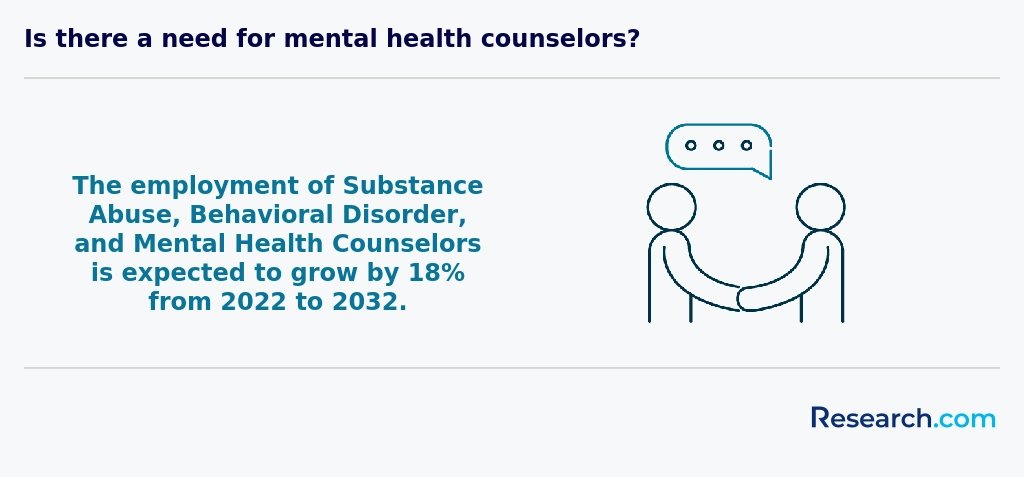
What career paths are available for online counseling degree students in America?
Graduates of an online counseling degree in America often find fulfilling roles that truly make a difference in people's lives. Many become Licensed Professional Counselors (LPCs), providing vital therapy for individuals dealing with anxiety, trauma, or depression in settings like clinics, schools, or private practices. For example, graduates from well-known institutions such as Arizona State University have shared how their training enabled them to support clients with empathy and practical tools for growth. Exploring career opportunities for counseling graduates America reveals diverse paths including school counselors who uplift student success, marriage and family therapists who heal relationship challenges, substance abuse counselors guiding recovery journeys, and career counselors who empower professional development.
These roles not only offer a steady income but also deep satisfaction from helping others overcome challenges. Many students appreciate how programs from popular colleges balance academic rigor with flexibility, allowing them to gain clinical experience while managing work or family commitments. For those researching options, the list of top online universities helps identify schools that combine affordability with strong support for career readiness in this growing field.
What is the job market for online counseling degree in America?
The job market for graduates holding an online counseling degree in America is dynamic and growing, driven by increasing awareness of mental health needs nationwide. Graduates from well-known universities offering online counseling programs often find themselves in demand across various settings such as schools, community agencies, and hospitals. Many report the rewarding experience of impacting lives directly while enjoying the flexibility their education afforded them. The 23% projected growth in mental health counseling jobs highlights that this career path is not only meaningful but also stable and promising.
For those weighing their options, understanding the counseling career opportunities in America is crucial. Licensed counselors can work in diverse environments, and the rise of telehealth has opened new doors for remote client sessions, creating more accessible job roles. Programs accredited by CACREP prepare students well for licensure, ensuring graduates meet state requirements while balancing online coursework with required clinical hours.
Financially, investing in an online counseling degree can be a wise decision. Many graduates from top schools find that the median wage near $48,710 grows substantially with experience and specialization. Students should also explore shorter options like 3-month certificate programs that pay well to supplement their skills and income potential.
Frequently Asked Questions About counseling
Online counseling degree students in America can maximize their learning experience by actively engaging with their coursework and peers. Participating in virtual discussions and study groups helps reinforce concepts and develop communication skills essential for counseling professions. According to the American Counseling Association, practical experience through internships or practicum hours is crucial, so students should seek programs offering strong fieldwork opportunities.
Time management is also key; dedicating regular hours to study prevents falling behind. Utilizing university resources, such as online libraries and counseling labs, enhances understanding. Lastly, staying updated on counseling ethics and licensure requirements in the state where they plan to practice ensures that learning is relevant and practical.
The counseling field in the United States is evolving, with several emerging niches gaining attention. One rapidly growing area is telehealth counseling, which expands access to mental health services via online platforms. According to the American Counseling Association, demand for telehealth increased by over 60% since 2020. Another niche is trauma-informed counseling, focusing on patients affected by adverse experiences, a response to rising awareness of mental health impact.
In addition, school counseling is adapting to address social-emotional learning and crisis intervention. Substance abuse counseling also remains critical, given the ongoing opioid epidemic. Career counseling with a focus on digital workforce transitions is becoming more relevant as well.
Preparing for the job market after completing an online counseling degree in America requires strategic steps. First, obtaining state licensure is critical; requirements vary but usually include supervised clinical hours and passing exams like the National Counselor Examination (NCE).
Networking with professionals through organizations such as the American Counseling Association (ACA) can provide valuable job leads and mentorship. In 2022, the Bureau of Labor Statistics reported a 23% growth in counselor jobs by 2031, highlighting strong demand.
Gaining experience via internships or practicum placements during your degree enhances employability. Finally, tailoring your resume to emphasize skills such as client assessment and ethical counseling practices is essential.
Employers in the United States highly value counseling graduates with strong communication skills. Effective listening and clear verbal expression are essential when working with diverse client populations. According to the American Counseling Association (ACA), empathy and cultural competence are critical, as counselors must understand various backgrounds and experiences.
Problem-solving and critical thinking also rank high, enabling graduates to develop tailored treatment plans. Additionally, ethical judgment and professionalism are required given the sensitive nature of counseling work.
Research from the Bureau of Labor Statistics (BLS) highlights that technological literacy, including proficiency with telehealth platforms, is increasingly important for online counseling roles.
Finding internships relevant to a counseling degree in America involves multiple strategic steps. Start by consulting your online program's career services, as many universities have partnerships with local clinics, schools, and mental health centers offering internships.
The American Counseling Association (ACA) maintains a job board and internship listings tailored to counseling students nationwide. Utilizing this resource can increase your chances of finding quality placements.
Networking is important; connecting with licensed counselors and joining professional groups on platforms like LinkedIn helps uncover unadvertised opportunities. According to the Bureau of Labor Statistics, counseling internships often lead to job offers, making them crucial for licensure and practical experience.
Finally, check state licensing board requirements since many states require supervised clinical hours during internships before granting counselor licensure.
An online counseling degree in America significantly enhances career mobility by providing flexibility in education and access to a broad range of specializations. According to the U.S. Bureau of Labor Statistics, employment of counselors is projected to grow 22% from 2022 to 2032, faster than average, creating more advancement opportunities. Graduates with such degrees can qualify for licensure as Licensed Professional Counselors (LPCs), a crucial step for career progression in mental health and school counseling fields.
Online programs also offer pathways to advanced roles, such as clinical supervisors or counseling directors, often requiring master's or doctoral credentials. The Council for Accreditation of Counseling and Related Educational Programs (CACREP) accreditation increases employability and the potential to work in higher-paying settings like private practices or hospitals.
Studying for a counseling degree in America equips students with skills that extend beyond traditional therapy settings, preparing them for interdisciplinary roles. Programs accredited by the Council for Accreditation of Counseling and Related Educational Programs (CACREP) emphasize collaboration with professionals in healthcare, education, and social services. This multidisciplinary training reflects labor market demands; according to the U.S. Bureau of Labor Statistics, employment of counselors is projected to grow 23% from 2021 to 2031, often within integrated care teams.
Students learn about diverse client needs and treatment approaches, including mental health, substance abuse, and crisis intervention. Coursework combines theory with practical experience, fostering communication and coordination skills essential for team-based care environments. Additionally, online programs offer flexible access to training that incorporates case studies and interprofessional education, helping graduates work effectively in varied settings like schools, hospitals, and community agencies.
When choosing between a thesis and a non-thesis online counseling degree program in America, consider your career goals and time commitment. Thesis programs require original research and writing, which can take more time but prepare students for doctoral studies or research-based roles in counseling. Non-thesis tracks typically focus on coursework and practical skills, allowing faster completion and suitability for those aiming directly for licensure or clinical practice.
According to the Council for Accreditation of Counseling and Related Educational Programs (CACREP), many online programs offer both options to meet diverse needs. About 70% of counseling master's students choose non-thesis tracks for quicker entry into the workforce, while thesis options appeal to those considering academia or advanced study.
Evaluate faculty expertise, program flexibility, and your own learning preferences before deciding. Research indicates students in thesis programs often develop stronger analytical skills but require greater self-discipline for research demands.
American students interested in studying counseling abroad face limited options due to differing accreditation standards and licensing requirements. Most U.S. states require degrees from regionally accredited institutions, which many foreign programs do not meet. However, some universities abroad offer counseling degrees aligned with American frameworks, especially those with U.S. partnerships or dual accreditation.
Online degrees from foreign universities are generally less recognized in the U.S., complicating licensure. According to the Council for Accreditation of Counseling and Related Educational Programs (CACREP), U.S. accreditation remains crucial for clinical practice. Still, some students pursue international study for cultural exposure or specialized topics not widely available in the U.S.
Careful verification of program accreditation and state licensure compatibility is essential before enrolling in any overseas counseling degree.
Part-time job opportunities can greatly enhance the education of students pursuing online counseling degrees in America. Roles such as mental health technician or behavioral health aide provide practical experience working under licensed counselors, allowing students to observe counseling techniques firsthand. According to the U.S. Bureau of Labor Statistics, employment in these support roles is projected to grow 10% from 2022 to 2032, reflecting steady demand.
Additionally, positions as crisis hotline workers or peer support specialists help build communication and empathy skills essential for counselors. These roles often offer flexible hours suitable for students.
Working in community outreach or advocacy can also complement academic learning by exposing students to diverse populations, which is critical in counseling careers.
Online counseling students in America have access to several valuable networking opportunities that enhance their educational experience. Many accredited programs encourage participation in virtual student organizations and counseling clubs, fostering peer connections and professional growth. Students may also attend webinars, online conferences, and workshops hosted by major organizations like the American Counseling Association (ACA), which reported over 50,000 members in 2023.
Additionally, many online programs offer virtual internships and practicum placements through partnerships with local clinics and counseling centers, allowing students to build professional networks crucial for future employment. These opportunities help students connect with licensed counselors and supervisors across the country.
Alumni networks for online counseling degree students in America provide critical professional support and connections. These networks connect graduates with licensed counselors practicing nationwide, enhancing job placement opportunities. According to the American Counseling Association, nearly 60% of counseling professionals found their first position through networking. Such networks often offer mentorship programs, allowing new graduates to gain insights and guidance from experienced counselors. Furthermore, alumni groups host workshops and webinars tailored to counselor licensure and continuing education requirements, which vary by state.
Active alumni participation can also lead to collaborations in research and community projects, enriching career development. For online students, these networks reduce isolation by fostering a sense of community.
Customizing an online counseling degree in America allows students to align their studies with specific career objectives. Many programs offer elective courses and concentrations in areas such as school counseling, marriage and family therapy, or clinical mental health. This flexibility lets students develop expertise targeted to their desired field.
Students can also choose programs accredited by the Council for Accreditation of Counseling and Related Educational Programs (CACREP), which meets state licensure requirements in over 45 states. Selecting a CACREP-accredited program can streamline licensure and employment opportunities.
Additionally, some schools provide options for practicum settings or internships in specialized environments, tailoring hands-on experience to individual career goals. According to the Bureau of Labor Statistics, demand for counselors in diverse sectors is projected to grow 22% by 2032, underscoring the value of personalized training.
Students pursuing online counseling degrees in America face several notable challenges. One primary difficulty is gaining practical experience since licensure often requires a significant number of supervised clinical hours. Completing these hours remotely can be complex due to limited local resources or preceptor availability.
Another challenge involves staying engaged in a fully online environment. Research by the National Center for Education Statistics (NCES) highlights that online learners often report feelings of isolation, which can impact motivation and retention rates.
Additionally, students must navigate varying state regulations for counseling licensure, which affects curriculum choices and post-graduation employment options.
Technical issues and balancing studies with personal responsibilities also commonly affect online counseling students.
Graduates with an online counseling degree in the U.S. can pursue several key professional certifications to advance their careers. One common path is becoming a Licensed Professional Counselor (LPC), which requires completing a master's degree, supervised clinical hours, and passing a state exam. This credential allows counselors to provide mental health services independently.
Other certifications include Certified Rehabilitation Counselor (CRC) and National Certified Counselor (NCC), offered by the Commission on Rehabilitation Counselor Certification and the National Board for Certified Counselors, respectively. These certifications can enhance job prospects and salary potential.
According to the Bureau of Labor Statistics, employment for counselors is projected to grow 22% from 2020 to 2030, highlighting the value of these credentials.
Writing a winning application for an online counseling program in America requires clear focus and preparation. Start by researching accredited programs recognized by the Council for Accreditation of Counseling and Related Educational Programs (CACREP), as about 70% of counseling programs nationally hold this standard.
Highlight your relevant experience, including volunteer work or internships, which can strengthen your application. According to the American Counseling Association, programs often seek applicants demonstrating commitment to helping others. Your personal statement should clearly explain your motivation for pursuing counseling and how the program fits your career goals.
Strong letters of recommendation from professionals familiar with your skills can improve acceptance chances. Finally, ensure your academic records meet the program's GPA requirements, typically around 3.0 or higher.
Globally, counseling is recognized as a vital profession addressing mental health and well-being. In the United States, the demand for qualified counselors is notably high, with the Bureau of Labor Statistics projecting a 22% growth in counseling jobs from 2020 to 2030, which is much faster than the average for all occupations. This growth reflects a broader international trend emphasizing mental health care accessibility.
American counseling degrees, especially those obtained online, align with international standards, providing graduates with versatile skills relevant worldwide. The U.S. education system stresses clinical training, ethics, and cultural competence, preparing counselors to work in diverse settings, including schools, healthcare, and private practice.
Worldwide, mental health awareness is increasing, influencing global counseling approaches. Countries often look to U.S. research and training models to improve their frameworks. For U.S. students, this means their online counseling degree can open doors not only domestically but also internationally, thanks to recognized accreditation bodies like CACREP (Council for Accreditation of Counseling & Related Educational Programs).
Gaining practical experience while studying for an online counseling degree in America is essential for career readiness and licensure. Many accredited programs incorporate supervised internships or practicums, which require students to complete a set number of clinical hours, typically ranging from 600 to 1,000 hours depending on state requirements. These experiences often take place in community agencies, schools, or healthcare settings close to the student's location.
Students can also seek volunteer opportunities related to counseling to build skills and professional networks. According to the Council for Accreditation of Counseling and Related Educational Programs (CACREP), hands-on experience is critical for meeting licensure standards in 50 states.
Universities often assist with placement, ensuring students meet state counseling board requirements while gaining real-world exposure.
Choosing the right concentration within an online counseling degree program in America depends largely on your career goals and interests. Popular concentrations include mental health counseling, school counseling, and marriage and family therapy. According to the U.S. Bureau of Labor Statistics, mental health counselors are expected to grow 23% from 2021 to 2031, reflecting strong demand.
Consider your preferred work environment: schools, healthcare, or private practice. Each concentration aligns with different licensing requirements, which vary by state and influence job options. Research accredited programs by bodies like CACREP, as these ensure curriculum quality and facilitate licensure.
Review career outlooks on official sites such as the BLS or professional associations for the latest data. This approach will guide you in selecting a concentration tailored to your professional ambitions.
Top Trending Counseling Rankings
See What Experts Have To Say About Studying Counseling
Read our interview with Counseling experts

Charles Figley
Counseling Expert
Kurzweg Distinguished Chair in Disaster Mental Health
Tulane University

References
- Alternative Careers for Counselors Who Are Burnt Out [2025 Update] - The Bad Therapist https://www.thebadtherapist.coach/blog/alternative-careers-for-counselors
- Virtual Counseling Jobs - DirectShifts https://www.directshifts.com/virtual-counseling-jobs
- Paid Clinical Internship https://www.pathwaysmhs.org/internship-program.html
- Bringing the benefits of career counselling/guidance to youth https://euroguidance.eu/to-bring-the-benefits-of-career-counseling-guidance-to-the-youth
- Internship Opportunities | PCS https://pacounseling.com/internships/
- The School Counselor and Academic Development https://www.schoolcounselor.org/Standards-Positions/Position-Statements/ASCA-Position-Statements/The-School-Counselor-and-Academic-Development
- Internship Opportunities at Momentum https://momentumcac.com/internship/
- What Degree Do I Need to Become a Counselor or Therapist? https://paloaltou.edu/resources/blog/what-degree-do-i-need-become-counselor-or-therapist
- Mental Health challenges that counselors and therapists experience - RESILIENCE PSYCHOLOGY COUNSELLING http://resonsindiyo.com/mental-health-challenges-that-counselors-and-therapists-experience-due-to-the-nature-of-their-profession/
- Counselor Salary https://onlinecounselingprograms.com/become-a-counselor/salary/