2027 Cheapest and Shortest Online Addiction Counseling Degree Programs That Pay Well: Cost, Duration, and Salary Outlook

Co-Founder and Chief Data Scientist
Choosing an online addiction counseling degree usually comes down to three questions: Can you afford it, can you finish it quickly, and will it help you qualify for the counseling role you want? For working adults, career changers, and students with family responsibilities, the right program must be flexible without cutting corners on accreditation, supervised experience, or state credential requirements.
Online education has become a practical route for many counseling students. According to recent data, online education enrollment surged by over 20% in the past decade, reflecting demand for programs that fit around work schedules and reduce relocation or commuting costs. In addiction counseling, that flexibility matters because students often need to complete coursework, fieldwork, and certification preparation while managing other obligations.
This guide explains what to expect from the cheapest and shortest online addiction counseling degree programs: typical tuition, financial aid options, accelerated formats, skills gained, legitimacy checks, job outcomes, and how to compare programs before enrolling.
Key Benefits of the Cheapest and Shortest Online Addiction Counseling Degree Programs That Pay Well
- Choosing the cheapest online addiction counseling programs reduces average tuition costs by 30%, easing financial burden and enabling quicker degree completion without excessive debt.
- Shortest programs often finish within 12-18 months, accelerating entry into the workforce, compared to traditional programs averaging 2-4 years.
- Graduates find median earnings of around $59,190 annually, reflecting a strong return on investment given lower upfront costs and high demand in behavioral health sectors.
How Much Does an Affordable Online Addiction Counseling Degree Typically Cost?
An affordable online addiction counseling degree commonly costs less than many campus-based options, but the final price depends on credit requirements, residency status, school type, fees, and whether the program is an associate, bachelor’s, or graduate pathway. The National Center for Education Statistics reports an average in-state cost of about $320 per credit hour for online undergraduate courses, which is a useful benchmark when comparing advertised tuition rates.
Most affordable online addiction counseling degree cost estimates fall within a broad range, so students should calculate the full program price rather than focusing only on the per-credit rate.
| Cost factor | Typical range or detail | What to check before enrolling |
| Total tuition | Most affordable online addiction counseling degree cost falls between $15,000 and $40,000 in total tuition. | Confirm whether the figure includes all required credits or only major coursework. |
| Cost per credit hour | The average cost per credit hour generally ranges from $300 to $600 at public universities offering online programs. | Ask whether online students pay in-state, out-of-state, or separate distance-learning tuition. |
| Additional expenses | Mandatory fees, textbooks, technology costs, and clinical practicum materials can add several hundred dollars annually. | Request a written cost breakdown that includes fees, books, background checks, and placement-related expenses. |
| Program length | Accelerated programs can be completed in as little as 18 to 24 months for associate degrees or 2 to 3 years for bachelor’s degrees. | Make sure faster pacing does not reduce required supervised practice hours for your state or credential goal. |
The cheapest option is not always the best value. A low-cost program that does not meet certification, transfer, or licensure expectations can cost more in the long run if you need additional coursework later. Compare tuition alongside accreditation, field placement support, faculty qualifications, and state requirements.
Students comparing counseling with other health-related online pathways may also review online SLP programs to understand how tuition, clinical requirements, and professional outcomes differ across fields.
Can You Get Financial Aid in the Cheapest Online Addiction Counseling Programs?
Yes. Students in the cheapest online addiction counseling programs may qualify for financial aid, but eligibility depends on the school’s accreditation status, the student’s enrollment level, and the type of program. Nearly 85% of online learners receive some form of financial assistance, and aid can be especially important in programs where tuition often ranges from $200 to $400 per credit hour in the most accessible options.
Before applying, confirm that the institution participates in federal student aid programs and that your chosen degree or certificate is aid-eligible. Some short certificates, noncredit training programs, or continuing education options may not qualify for the same aid as degree programs.
- Federal Pell Grants: Pell Grants provide non-repayable aid to eligible undergraduates with demonstrated financial need. They are often the best first source of support because they do not need to be repaid.
- Scholarships: Nonprofit organizations, community foundations, treatment organizations, and professional associations may offer scholarships for students preparing for addiction counseling or behavioral health careers. These awards can reduce borrowing, but deadlines and eligibility rules vary.
- Loans: Federal and private loans can help cover remaining costs after grants and scholarships. Borrow cautiously, compare interest terms, and estimate monthly payments against realistic entry-level earnings before taking on debt.
- Employer tuition assistance: Working adults may be able to use tuition reimbursement or education benefits from employers, especially if they already work in healthcare, human services, corrections, or community support roles. Many accelerated programs that can be completed in 12 to 24 months fit well with employer-sponsored upskilling plans.
A practical financial aid strategy is to apply broadly, prioritize grants and scholarships, use employer benefits when available, and borrow only what is needed. Also ask each school whether online students qualify for the same institutional aid as campus students.
Students still comparing career directions may also explore the cheapest business degree online as another affordable online pathway with different career and salary outcomes.
What Are the Shortest Online Addiction Counseling Degree Programs?
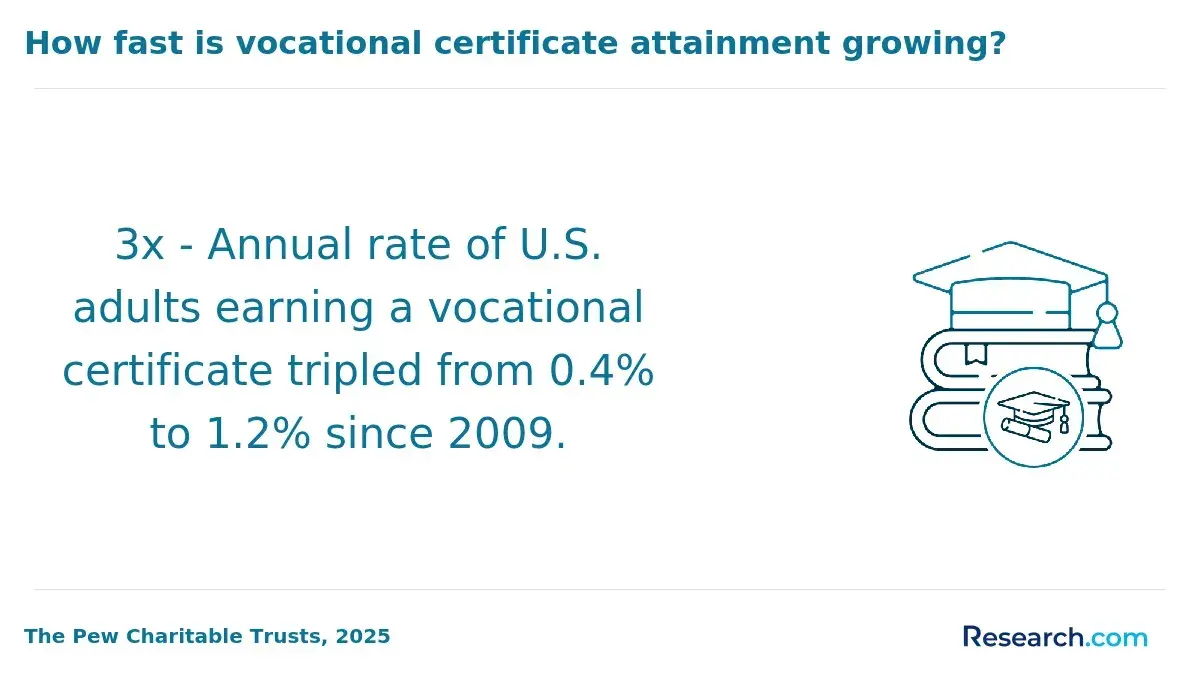
The shortest online addiction counseling degree programs are usually accelerated associate degree pathways, followed by fast-track bachelor’s completion programs for students who already have transfer credits. Nearly 40% of online students prefer programs completed within two years or less, which helps explain the demand for compressed formats in behavioral health education.
- Associate degree options: The shortest online addiction counseling degree programs typically include associate degrees completed in 12 to 24 months. These programs often use condensed terms, year-round scheduling, and focused course sequencing.
- Bachelor’s degree formats: Accelerated addiction counseling degrees online often range from 2 to 3 years for bachelor’s degrees, compared with traditional four-year timelines. Students with prior college credit may finish faster than first-time students.
- Modular and competency-based designs: Some programs divide coursework into smaller competency blocks. Competency-based education may allow students with prior knowledge to move more quickly through certain requirements, though policies differ by school.
- Cost and outcomes: Associate degrees in addiction counseling can cost between $10,000 and $15,000 total, with graduates earning median annual salaries around $40,000 to $50,000. Specialized counseling roles or advanced certification often lead to higher earnings.
- Planning beyond speed: A short program can be efficient, but students should verify whether it includes the coursework and supervised experience needed for their intended credential. State rules for addiction counseling titles and scopes of practice can vary.
Students looking for a related behavioral science pathway may also compare the most affordable accredited online psychology degrees. Psychology programs may offer broader transfer or graduate-school preparation, while addiction counseling programs may be more directly aligned with substance use treatment roles.
The shortest online addiction counseling degree programs usually use accelerated, modular formats designed for steady progress. Around 40% of online learners prefer streamlined pacing, but faster completion requires disciplined scheduling because students cover the same core concepts in less calendar time.
- Term length: Accelerated courses commonly run 5 to 8 weeks rather than a traditional full semester. This allows students to complete more courses across the year but leaves less time to recover if they fall behind.
- Course delivery: Most instruction is asynchronous, meaning students can watch lectures, read materials, and complete assignments on their own schedule. Some programs also include live webinars, group discussions, or skills demonstrations.
- Weekly workload: Students generally commit 15 to 20 hours of study weekly. The workload may increase during research projects, practicum preparation, or courses involving case documentation and treatment planning.
- Student interaction: Online students usually communicate through discussion boards, email, video meetings, instructor feedback, and group projects. Strong programs make interaction purposeful rather than treating discussion posts as busywork.
- Fieldwork expectations: Even when classes are online, counseling programs may require supervised practice, observation, or practicum experiences. Students should ask how placements are arranged and whether the school helps identify approved local sites.
Graduates of accelerated programs often describe the format as manageable but demanding. The flexibility to study at different times can help students balance work and family responsibilities, while the short terms require consistent weekly progress. Falling behind in a 5 to 8 week course can be difficult to fix, so the best candidates are students who can plan assignments early and communicate quickly with instructors when problems arise.
Online classes in accelerated addiction counseling degrees are typically organized around weekly modules. Each module may include readings, recorded lectures, case studies, discussion activities, quizzes, written assignments, and applied counseling exercises. Approximately 75% of addiction counseling students enrolled online finish their programs within the accelerated timeframe, reflecting how structured pacing can support completion when students stay engaged.
- Asynchronous learning: Students access recorded lectures, readings, assignments, and quizzes through a learning management system. This format works well for students with work shifts, caregiving duties, or unpredictable schedules.
- Synchronous sessions: Some courses include live video meetings for role plays, group discussions, faculty check-ins, or case analysis. These sessions can help students practice communication skills that are harder to develop through readings alone.
- Weekly structure: Short terms require frequent deadlines. Students may complete multiple modules each week, especially in programs with 5 to 8 week courses.
- Assignment pacing: Quizzes, discussion posts, reflection papers, treatment plans, and case study assignments are often spaced throughout the term to keep students moving. This pacing reduces last-minute cramming but requires consistent time blocks.
- Peer and faculty interaction: Students engage through discussion boards, virtual group projects, instructor comments, and one-on-one meetings. In counseling education, feedback on communication, ethics, and case reasoning is especially important.
- Time management: Accelerated online classes reward students who read the syllabus early, map deadlines, and set weekly study routines. Flexibility is useful, but it does not mean the program is self-paced unless the school specifically says so.
Before enrolling, ask to see a sample course schedule. This can reveal whether the program’s pace fits your work hours, family obligations, and comfort with online learning technology.
A shortest-track online addiction counseling degree should develop practical counseling, documentation, ethics, and client-support skills—not just provide a fast credential. Programs that stress practical competencies alongside theory report job placement rates exceeding 70% within six months after graduation, which suggests that employers value applied preparation.
- Assessment and treatment planning: Students learn how to recognize substance use disorders, gather client information, identify risks, and contribute to treatment plans appropriate to the client’s needs and setting.
- Evidence-based counseling methods: Coursework often introduces approaches used in addiction treatment, including motivational interviewing, relapse prevention planning, and recovery-oriented support.
- Communication skills: Students practice active listening, professional questioning, empathy, rapport building, and clear documentation. These skills are central to client trust and continuity of care.
- Critical thinking: Addiction counseling often involves complex client situations, including co-occurring mental health concerns, family stress, legal issues, housing instability, or relapse risk. Students learn to analyze cases without oversimplifying them.
- Ethics and confidentiality: Programs emphasize professional boundaries, privacy expectations, informed consent, mandated reporting, and ethical decision-making in clinical and community settings.
- Time management and self-discipline: Accelerated coursework requires students to organize readings, assignments, exams, and fieldwork responsibilities while often balancing employment or family obligations.
Graduates often report that the most valuable parts of accelerated programs are structured modules, case-based assignments, and opportunities to apply concepts to realistic client scenarios. As one recent graduate described, balancing coursework with a full-time job was difficult, but consistent scheduling and applied exercises helped build confidence for counseling work.
Cheap and fast online addiction counseling degree programs can be legitimate, but affordability and speed are not enough to prove quality. A credible program should be accredited, transparent about outcomes, aligned with state requirements, and honest about what graduates can and cannot do after completion.
- Accreditation: Accreditation is the first legitimacy check. Programs accredited by reputable organizations like the Council for Accreditation of Counseling and Related Educational Programs (CACREP) meet established educational standards. Students should also confirm institutional accreditation because it can affect financial aid, transfer credit, and employer recognition.
- Faculty credentials: Legitimate programs employ instructors with relevant academic, clinical, and professional experience. Faculty should understand addiction counseling practice, ethics, and the credentialing expectations students may face.
- Curriculum quality: A credible curriculum covers substance use disorders, counseling theories, assessment, treatment planning, ethics, multicultural practice, crisis response, documentation, and referral practices. It should not promise professional readiness from a few short courses alone.
- Licensing and certification alignment: Completing a degree does not automatically make someone licensed. Students should compare the curriculum with their state’s requirements for addiction counseling credentials and ask whether the school’s coursework supports eligibility.
- Practicum or field experience: Many counseling-related credentials require supervised experience. Programs should clearly explain whether fieldwork is included, how placements are approved, and what students must arrange locally.
- Industry recognition: Employer acceptance, professional association alignment, graduate outcomes, and transparent student support are all signs that a program is more than a low-cost credential.
Be cautious of programs that guarantee licensure, avoid accreditation details, provide vague curriculum descriptions, or pressure students to enroll quickly. A legitimate school should be willing to answer detailed questions before you apply.
The highest-paying addiction counseling jobs usually require more than a basic entry-level credential. Graduates with online addiction counseling degrees may improve their earning potential by pursuing state licensure, advanced certification, supervisory experience, or leadership roles in treatment settings.
- Licensed addiction counselors: These professionals provide counseling, treatment planning, relapse prevention support, and recovery-focused services for people with substance use disorders. According to the U.S. Bureau of Labor Statistics, median annual salaries are around $48,720, with top earners exceeding $82,000, especially in metropolitan or private healthcare settings.
- Clinical supervisors: Clinical supervisors oversee treatment teams, review documentation, support staff development, and help maintain ethical and program standards. Their salaries typically range from $60,000 to $75,000, reflecting higher responsibility and experience expectations.
- Program directors: Program directors manage addiction treatment centers, outpatient programs, or behavioral health service lines. They combine clinical knowledge with budgeting, staffing, compliance, and operations responsibilities. Their compensation often surpasses $80,000, influenced by the organization’s size and location.
Higher pay is often tied to factors such as state licensure requirements, certifications like CADC or MAC, years of experience, geographic location, and employer type. Private clinics, hospitals, and government agencies are generally higher-paying than some community organizations, though community roles may offer valuable supervised experience and mission-driven work.
Students pursuing affordable and accelerated online addiction counseling degrees should choose programs with clear credential pathways, strong practicum preparation, and transparent advising. Those comparing broader education options may also review the best bachelor degrees to see how different majors align with top-paying careers.
The job placement rate for online addiction counseling graduates often exceeds 70% within six months, especially when programs include career support, supervised experience, and employer connections. Placement rates can vary widely, so students should ask each school how it defines placement and whether the rate includes full-time, part-time, related-field, or continuing-education outcomes.
- Industry demand: Rising awareness of substance use disorders and expanded behavioral health services fuel a projected 17% growth for substance abuse, behavioral disorder, and mental health counselors until 2034. This demand can support strong job prospects for qualified graduates.
- Program reputation: Accreditation, faculty expertise, and employer familiarity can influence hiring outcomes. Graduates from programs recognized by organizations like the National Association for Alcoholism and Drug Abuse Counselors (NAADAC) may benefit from stronger professional alignment.
- Internship and practicum experience: Programs with hands-on clinical hours can help students build local connections with treatment centers, social service agencies, hospitals, or community organizations. Practical experience is often a major hiring advantage.
- Alumni networks: Established online programs may use alumni connections to share job leads, mentorship, and advice on credentialing steps after graduation.
- Program length and cost efficiency: Typical online addiction counseling degrees range from 24 to 48 credit hours and can be completed in 12 to 18 months, with tuition averaging between $300 and $600 per credit. Students considering related entry-level pathways may also compare the easiest associates degree programs.
- Salary outlook: Median annual salaries for addiction counselors vary from $42,000 to $60,000, with experienced practitioners in high-demand areas earning more. Program quality, credential eligibility, practicum strength, and location can all affect earnings.
When evaluating placement claims, ask for recent outcome data, the survey response rate, common employer types, and whether graduates found jobs in addiction counseling specifically. A high placement rate is more meaningful when it is transparent and tied to relevant employment.
The best cheap online addiction counseling degree program is not simply the one with the lowest tuition. It is the program that fits your budget, timeline, state credential requirements, and career goal without leaving you underprepared. Use cost as one factor, then verify quality and career alignment.
- Confirm accreditation: Check institutional accreditation and, where relevant, programmatic accreditation. Accreditation affects financial aid eligibility, transfer options, employer confidence, and possible certification or licensure pathways.
- Match the curriculum to your goal: Review courses in behavioral health, substance use counseling, ethics, assessment, treatment planning, crisis response, and multicultural practice. If your goal requires supervised hours, confirm how the program supports them.
- Compare total cost, not just tuition: Add tuition, fees, books, technology costs, background checks, practicum expenses, and travel for any required in-person components. A low per-credit price can be misleading if fees are high.
- Evaluate program length carefully: An ideal duration ranges from 12 to 24 months for students seeking a faster route. However, a shorter timeline should still allow enough time for skill development, advising, and fieldwork preparation.
- Ask about graduation and certification pass rates: High rates may indicate strong advising, clear course sequencing, and effective instruction. Ask for the most recent data and how the school calculates it.
- Review student support services: Look for academic advising, career counseling, technical support, writing help, field placement guidance, and access to faculty. Online students need responsive support, especially in accelerated programs.
- Check state requirements before enrolling: Addiction counseling credentials vary by state. Contact your state board or credentialing authority and ask the school to explain how its program aligns with those requirements.
A strong program should be transparent about costs, completion time, accreditation, fieldwork, graduate outcomes, and limits of the credential. If admissions staff cannot answer these questions clearly, continue comparing options.
What Graduates Say About Their Cheapest and Shortest Online Addiction Counseling Degree
- Sarah: "Finding an affordable and fast online addiction counseling program was a game-changer for me. The total cost was less than I expected-around $10,000-making it manageable without student loans. Completing the program quickly allowed me to start working as a counselor sooner, and I now feel confident supporting clients on their recovery journeys."
- Pearl: "After researching various options, I decided on a budget-friendly and accelerated online addiction counseling degree that costs about $9,500. Looking back, the investment was well worth it; the course structure helped me balance work and study efficiently. This degree opened doors in the mental health field and gave me practical tools that I use daily in my career."
- Claire: "Choosing a streamlined online addiction counseling program was both a professional and financial decision, costing roughly $12,000 compared to traditional degrees. The affordability and duration allowed me to upskill without a career break, significantly enhancing my credibility as a counselor. This program truly elevated my career prospects and expanded my professional expertise."
Other Things You Should Know About Addiction Counseling Degrees
Yes, most online addiction counseling degree programs in 2027 require an internship or practicum component to ensure practical, hands-on experience. These experiences typically range from 300 to 600 hours and are necessary for licensure in many states.
In 2027, graduates of the most affordable and shortest online addiction counseling degree programs can expect a salary range from $40,000 to $60,000 annually, depending on factors such as location, experience, and certifications. This field is growing, and opportunities for advancement and increased salaries are strong with further experience and credentials.
Most online addiction counseling degree programs in 2027 require applicants to have a high school diploma or equivalent. Some programs may also require previous coursework in psychology or related fields. It's important to check specific program requirements before applying.
- Top Online Addiction Counselor Degree and Certificate Options https://www.addiction-counselors.com/online-degrees/
- Guide To Online Addiction Counseling Degrees https://www.accreditedschoolsonline.org/counseling/bachelors/addiction-counseling/
- 7 Online Counseling Program Skills | University of Bridgeport https://www.bridgeport.edu/news/online-counseling-program-skills/
- Addiction Counseling Online Degree Schools - Addiction Counselor Degree Programs https://beal.edu/programs/addiction-counseling/
- Substance Use Counselor Certification Online https://sobercollege.com/substance-use-counselor/online-counseling-courses/
- Fastest Online Master's In Counseling Programs https://www.psychology.org/counseling/fastest-online-degrees/
- How Much Can You Make as an Addiction Counselor? https://www.hazeldenbettyford.org/graduate-school-addiction-studies/drug-alcohol-counselor-salary