2027 How to Compare Addiction Counseling Degree Programs Effectively

Co-Founder and Chief Data Scientist
Many prospective students struggle to choose the right addiction counseling degree program amid diverse offerings that vary in curriculum focus, accreditation, and delivery format. This confusion often leads to enrolling in programs that do not meet state licensure requirements or career goals. According to the Bureau of Labor Statistics, employment for substance abuse, behavioral disorder, and mental health counselors is projected to grow 16% from 2021 to 2031, highlighting the rising demand for qualified professionals. This article will guide readers through critical factors in evaluating addiction counseling programs to select options that best align with their needs and aspirations.
Key Benefits of Comparing Addiction Counseling Degree Programs Effectively
- Verify program accreditation to ensure industry credibility and eligibility for certification; over 70% of employers prefer graduates from accredited addiction counseling degrees.
- Assess curriculum alignment with your desired specialization, such as clinical practice or community outreach, to match your career goals effectively.
- Compare total costs against potential salary outcomes, considering average addiction counselor salaries exceed $45,000 annually, to evaluate long-term return on investment.
What Types of Accreditation Should a Addiction Counseling Degree Program Have?
Accreditation helps prospective students compare the quality, credibility, and long-term value of different addiction counseling degree programs by ensuring they meet recognized standards. According to the National Center for Education Statistics, graduates from accredited institutions experience higher employment rates and better earning potential, underscoring the importance of selecting properly accredited programs. Below are key types of accreditation to consider when evaluating the best addiction counseling program accreditation.
- Regional Accreditation: This accreditation evaluates the institution as a whole and is the most widely recognized in the U.S. It is essential for credit transfer between schools and eligibility for federal financial aid, enhancing both flexibility and financial accessibility for students.
- Programmatic Accreditation: Specific to addiction counseling and counseling studies, this type focuses on curriculum quality and faculty expertise. It ensures the program meets industry standards, making graduates more trusted by employers and licensure boards.
- State Licensing Board Approval: Required by many states, this approval confirms that a program meets licensing standards necessary for professional practice. It is crucial for graduates seeking certification and legal authorization to work as addiction counselors.
For those exploring accredited addiction counseling degree programs, selecting one with recognized accreditation boosts career prospects and transferability of credits. Working professionals and career changers can also benefit from programs that align with licensure requirements and offer financial support options. Students interested in affordable, flexible learning paths may consider options like the MSW degree, which can complement addiction counseling credentials for broader social work roles.
What Specializations Are Offered in Addiction Counseling Degree Programs?
Specializations in addiction counseling degree programs allow students to compare options based on career alignment and academic focus, helping them choose a path suited to their goals. Labor market projections indicate a 15% growth in job opportunities in related fields over the next decade, highlighting strong demand for specialized skills. Below are some common focus areas found in these programs.
- Behavioral Health Counseling: Focuses on psychological therapies, equipping students with skills in cognitive-behavioral techniques and relapse prevention, preparing them for clinical counseling roles.
- Pharmacology and Medication-Assisted Treatment: Emphasizes knowledge of medications used in addiction recovery, blending counseling with medical interventions to meet employer demand in integrated care settings.
- Prevention and Community Education: Trains students to develop prevention programs and public awareness campaigns, fostering skills in outreach and policy advocacy.
- Dual Diagnosis Counseling: Concentrates on treating clients with co-occurring mental health and substance use disorders, requiring expertise in complex case management.
Choosing a specialization is key for students focused on addiction counseling degree program focus areas that align with workforce needs and personal interests. For those exploring flexible learning options, programs offering the fastest online psychology degree pathways can be an attractive alternative to traditional formats.
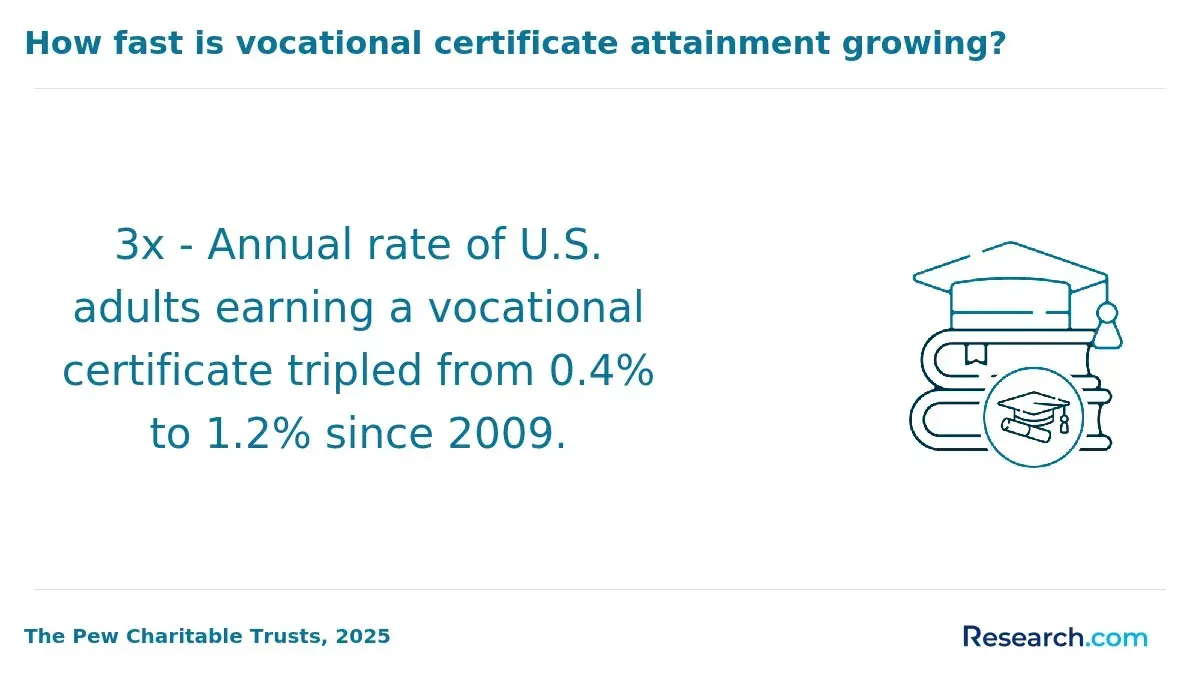
How Can You Compare Courses Across Addiction Counseling Degree Programs?
Comparing courses across addiction counseling degree programs is essential for prospective students to evaluate program rigor, skill development, and alignment with career goals. Programs with comprehensive clinical practice components have demonstrated a 20% higher course completion rate, reflecting stronger student engagement and success. To make informed choices, students should consider multiple factors when conducting an addiction counseling program course comparison.
- Course Syllabi Details: Examining course topics and learning outcomes reveals curriculum relevance and depth. This insight helps identify programs covering key skills and knowledge critical for future professionals.
- Clinical Practicum Opportunities: Assess the availability and extent of supervised hands-on training. More practicum hours generally translate to better applied skills and increased readiness for certification.
- Credit Requirements and Course Load: Comparing weekly hours and total credits enables students to evaluate workload feasibility and program intensity. This helps balance education with personal and professional commitments.
- Faculty Qualifications: Programs led by experienced and licensed professionals often offer higher-quality instruction and ensure the curriculum is up to date with industry standards.
- Licensure Alignment: Verifying that courses meet state certification requirements supports smoother transitions into professional roles after graduation.
Prospective students seeking an informed approach may also explore related fields through resources like an online psychology degree, which can complement addiction counseling studies in some career paths.
Breakdown of Public Fully Online Title IV Institutions

Flexible scheduling is crucial for students exploring addiction counseling degree programs, as many juggle work, family, and other responsibilities alongside their studies. Choosing a program with varied scheduling helps maintain balance and supports successful completion. Here are common formats to consider:
- Full-Time: Designed for students who can dedicate most of their week to coursework, full-time programs offer a faster path to completion but require a significant time commitment.
- Part-Time: These programs extend the duration of study while reducing weekly class hours, allowing students to better manage personal and professional demands without overwhelming workloads.
- Evening Classes: Tailored for those employed during the day, evening sessions provide in-person learning opportunities without conflicting with regular work hours.
- Weekend Courses: Weekend options support students who can't attend weekday classes, giving flexibility to stay engaged in their careers or family duties during the week.
- Online Learning: Online programs offer the convenience of studying from anywhere, often with the ability to progress at a self-determined pace, ideal for remote learners or those needing maximum flexibility.
- Hybrid Formats: Combining online coursework with occasional on-campus meetings, hybrid models balance flexibility with face-to-face interaction, accommodating diverse learning preferences.
Choosing the format of an addiction counseling degree significantly impacts your educational experience and career readiness. In fall 2019, about 33% of higher education students enrolled in at least one online course, highlighting the growing role of digital learning. Below is a comparison of online and campus-based program strengths and limitations.
Online Programs
- Flexible Scheduling: Students can study anytime, fitting courses around work or family obligations without strict class times.
- Location Independence: Materials and lectures are accessible from anywhere, reducing commuting time and expenses.
- Reduced Networking: Limited face-to-face contact can hinder spontaneous connections and in-person mentorship important for counseling careers.
- Variable Quality: Program rigor and support services differ widely, so careful selection is essential.
Campus-Based Programs
- Immersive Learning: Direct interaction with faculty and peers fosters deeper engagement and collaborative skill-building.
- Hands-On Experience: Access to internships, group activities, and role-playing enhances practical training crucial in the field.
- Less Flexibility: Fixed schedules and commuting can conflict with other responsibilities.
- Higher Costs: Tuition, housing, and transportation expenses often increase the total investment.
I spoke with a graduate who completed an online addiction counseling degree to hear his views on the choice between formats. He recalled spending weeks weighing options, worried about losing the peer support that campus classes offer. "What really tipped the scale was being able to keep my full-time job while studying," he said. However, he admitted that maintaining motivation alone was tough at times without immediate access to instructors or classmates. He emphasized that regularly scheduling virtual meetings with professors and joining online study groups helped bridge that gap. "You have to be disciplined and proactive, but the flexibility made completing my degree possible," he explained.
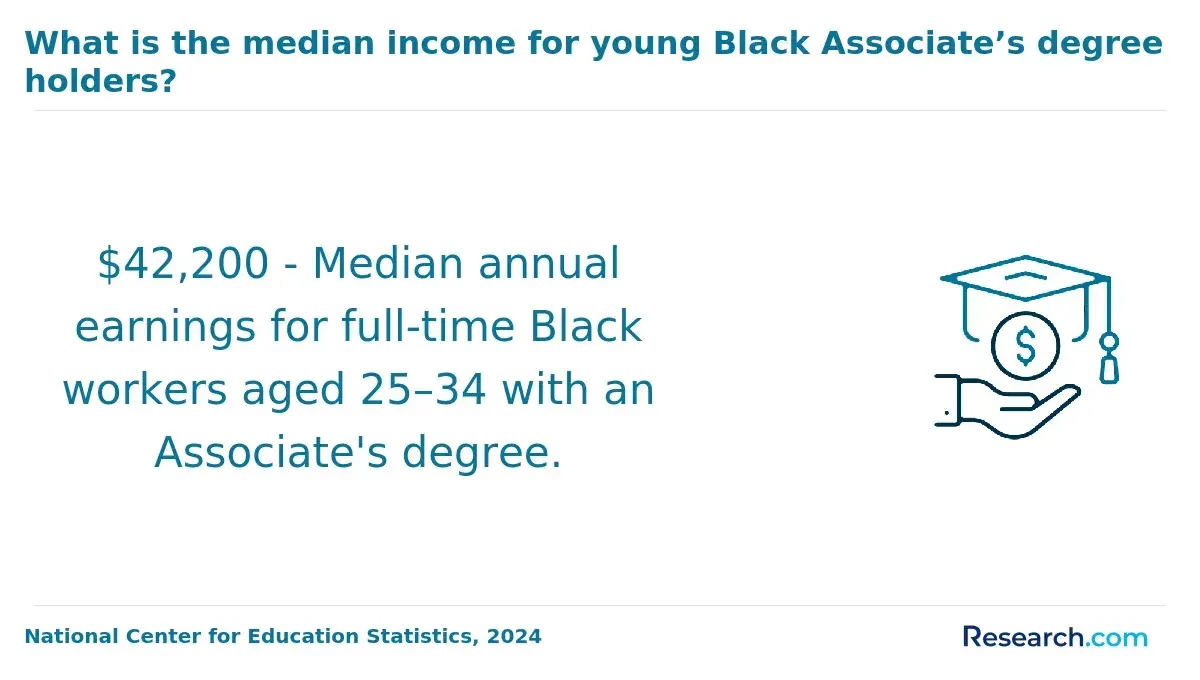
GPA requirements play a crucial role in evaluating addiction counseling degree programs because they impact admission chances and reflect a program's selectivity. The following points highlight key differences and considerations regarding GPA policies across various programs.
- Requirement Variability: GPA minimums often range between 2.5 and 3.0 on a 4.0 scale, but some programs have stricter cutoffs than others. These differences usually depend on the program level, such as bachelor's, associate, or certificate options.
- Admissions Flexibility: Several programs offer conditional acceptance or provisional enrollment for applicants whose GPAs fall below stated thresholds, allowing students to demonstrate capability through coursework or other means.
- Holistic Review: Rather than relying solely on GPA, many programs assess an applicant's entire profile, including work history, volunteer involvement, recommendation letters, and personal statements to identify well-rounded candidates.
- Program Format Impact: Part-time and online addiction counseling programs tend to have more lenient GPA policies, catering to individuals balancing education with employment or other responsibilities.
Comparing tuition is a crucial step for students seeking an addiction counseling degree, as costs vary widely and impact your financial commitment. In 2022-23, the average yearly tuition and fees at public U.S. colleges were approximately $10,440, with private schools charging more. Here are key points to consider when evaluating tuition costs across programs:
- Total Program Cost: Look beyond just tuition by including mandatory fees, books, and other expenses to understand the full financial commitment required for completion.
- Cost Per Credit: Breaking down tuition by credit hour can help if you plan to study part-time or transfer credits, providing clarity on how each course affects your budget.
- Fees and Additional Expenses: Some programs have unique fees like technology, lab, or clinical practicum costs that can increase overall expenses substantially.
- Financial Aid Availability: Scholarships, grants, and federal aid may drastically reduce what you pay out of pocket. Research each institution's aid options carefully to maximize savings.
- Employer Tuition Reimbursement: Certain employers offer tuition benefits or reimbursement programs. If you qualify, this can lower your effective tuition and improve affordability.
- Long-Term Value: Consider outcomes such as certification rates and employment placement after graduation. Sometimes, a higher upfront cost leads to better career prospects and financial returns.
When I spoke with a graduate who completed an addiction counseling degree, she described the challenge of navigating varying tuition structures as stressful but ultimately rewarding. "I had to dig deep into the fees and financial aid details, which weren't always clear upfront," she said. "Balancing part-time study with work meant the per-credit cost was a huge factor for me." She reflected on how that careful comparison allowed her to choose a program that fit not just her budget but also her work schedule. "It wasn't easy, but knowing all the hidden costs and potential aid beforehand made a big difference." Her experience highlights the importance of thorough research and patience when comparing program costs.
Ensuring an addiction counseling degree aligns with licensure requirements is essential for students entering regulated professions or making career changes. Nearly 72% of roles in healthcare and counseling require professional certification or licensure to practice. To evaluate programs effectively, consider these critical factors:
- Curriculum Alignment: Review whether the program's curriculum meets current state licensure criteria, emphasizing ethics, counseling methods, and substance use disorder competencies necessary for certification.
- Accreditation Status: Confirm the program is accredited by recognized bodies like national or regional agencies, as this impacts license acceptance and professional credibility.
- State-Specific Requirements: Understand the unique eligibility rules for supervised clinical experience, including required hours, which vary by state and affect licensure readiness.
- Exam Eligibility: Verify that graduates qualify to sit for licensure examinations such as the Licensed Addiction Counselor (LAC) or Certified Alcohol and Drug Counselor (CADC), ensuring smooth entry into the workforce.
Examining these elements helps students select addiction counseling degrees that not only deliver quality education but also streamline the path toward obtaining necessary licensure credentials.
Career placement rates play a crucial role in evaluating addiction counseling degree programs because they demonstrate how effectively graduates secure employment after completing their studies. Some programs report employment rates exceeding 85% within six months of graduation, reflecting strong preparation and industry connections. Several factors help prospective students gauge these rates accurately:
- Employer Partnerships: Robust relationships with employers can indicate direct recruitment or internship opportunities. Programs that foster these connections often provide smoother transitions into the workforce for their graduates.
- Internship Pipelines: The presence of integrated practicum or internship experiences within the curriculum offers valuable hands-on training. This practical exposure significantly improves job readiness and employability.
- Alumni Outcomes: Surveys, published success stories, or career tracking data from program graduates help demonstrate long-term support and overall satisfaction with the education received. Positive outcomes reflect a program's effectiveness in building lasting career foundations.
- Program Support Services: Dedicated career services such as resume workshops, interview coaching, and job fairs reveal a commitment to student success beyond academics. These resources assist in refining job search skills and expanding professional networks.
Prospective students looking for the best addiction counseling programs for career placement should consider how well a program performs in these areas to maximize future employment opportunities. Additionally, exploring degrees that pay well can complement an informed decision about investing in education that leads to sustainable career paths.
Post-graduation salary outcomes are a key factor for prospective students comparing addiction counseling degree programs because they directly reflect potential return on investment and career viability. On average, addiction counseling program graduates in the U.S. earn between $35,000 and $50,000 annually. The following points highlight key aspects of salary comparisons among addiction counseling program alumni.
- Role & Industry: Salaries vary widely depending on job roles and sectors. Entry-level addiction counselors typically start near the lower salary range, while those working in private practices or government positions often earn more compared to nonprofit settings.
- Location Differences: Geographic region significantly influences pay. Graduates working in metropolitan areas or states with higher living costs, such as California or New York, tend to achieve higher earnings than those in rural or less expensive regions.
- Experience Impact: Years of experience are strongly correlated with increased salary. Counselors with several years in the field or who move into supervisory or clinical roles usually surpass the national average wage.
- Certifications & Advancement: Obtaining specialized certifications enhances earning potential by qualifying graduates for advanced or specialized roles within the addiction counseling profession.
- Degree Comparisons: When comparing with other credential options, including various associate degrees, addiction counseling graduates should assess how salary data aligns with their career goals and education investment.
What Graduates Say About Comparing Addiction Counseling Degree Programs Effectively
- Levi: "Before enrolling in the addiction counseling degree program, I was uncertain about the value of investing time and money due to the high average cost of attendance. However, the program's affordable tuition compared to similar fields made it a practical choice. Completing the degree has empowered me to confidently support individuals battling addiction, significantly advancing my career."
- Emer: "Choosing to pursue a degree in addiction counseling involved careful consideration of costs, as I initially weighed it against other healthcare degrees with much higher fees. The accessible pricing allowed me to start my education without overwhelming debt, which was crucial. Now, I see the direct impact of this degree through the meaningful work I do in my community-based practice. "
- Taylor: "My decision to pursue an addiction counseling degree stemmed from a professional desire to specialize, but cost was a major deciding factor since many programs were prohibitively expensive. Finding a reasonably priced program helped me take that leap. Earning this degree has enhanced my qualifications and opened new opportunities in clinical settings, proving it was an excellent investment. "
Other Things You Should Know About Addiction Counseling Degrees
When comparing 2027 addiction counseling degree programs, consider the clinical practicum and internship requirements. These components are critical for hands-on experience, often requiring several hundred hours of supervised practice. Verify program partnerships with reputable facilities and the structure for supporting these practical experiences.
State licensure and certification boards often have varying educational requirements for addiction counselors. When comparing programs, it's important to verify that the curriculum aligns with the state where you plan to practice. This includes checking whether the program provides the necessary supervised clinical hours and coursework required for state-specific credentialing.
A strong addiction counseling degree should include at least 700 to 1,000 supervised fieldwork hours, with placement in approved treatment settings and documented supervision by a licensed counselor or clinical supervisor. Compare whether the program separates practicum from internship and whether hours meet your state board’s licensure rules.
- Substance Abuse Online Degree Programs in California https://www.onlinepsychologydegrees.com/specialty/substance-abuse-counseling/california/
- Degrees for Substance Abuse Counselors | All Psychology Schools https://www.allpsychologyschools.com/degrees/substance-abuse-counseling/
- Become a Substance Abuse Counselor in Wyoming | LAT & CAP in WY https://addiction-counselor.org/how-to-become/wyoming/
- Licensure and Certification | Master of Arts in Counseling Programs at TCNJ https://counselored.tcnj.edu/licensure-information/
- How to Become a Licensed Addiction Counselor - City Vision University https://www.cityvision.edu/state-licensure-requirements-for-addiction-counseling/
- Substance Abuse Counseling Education | Reynolds Community College https://www.reynolds.edu/programs/program-pages/substance-abuse-counseling-education-csc.html
- Substance Abuse Counselor Salary and Career Profile https://online.fit.edu/degrees/undergraduate/applied-psychology/clinical-psych/substance-abuse-counselor-salary-and-career-profile/
- How Much Does an Addiction Counselor Make - ACI Rehab https://www.acirehab.org/how-much-does-an-addiction-counselor-make-66c77/
- Substance Abuse/Addiction Counseling Program Tuition and Statistics https://www.collegetuitioncompare.com/health-professions/substance-abuse-addiction-counseling/
- California Substance Abuse Certification https://centerforaddictionstudies.com/certification-requirements/us-substance-abuse-certification/california/