Research.com is an editorially independent organization with a carefully engineered commission system that’s both transparent and fair. Our primary source of income stems from collaborating with affiliates who compensate us for advertising their services on our site, and we earn a referral fee when prospective clients decided to use those services. We ensure that no affiliates can influence our content or school rankings with their compensations. We also work together with Google AdSense which provides us with a base of revenue that runs independently from our affiliate partnerships. It’s important to us that you understand which content is sponsored and which isn’t, so we’ve implemented clear advertising disclosures throughout our site. Our intention is to make sure you never feel misled, and always know exactly what you’re viewing on our platform. We also maintain a steadfast editorial independence despite operating as a for-profit website. Our core objective is to provide accurate, unbiased, and comprehensive guides and resources to assist our readers in making informed decisions.
2026 Easiest Online Master's in Counseling Degree Programs Ranking in the USA
Choosing an online master’s in counseling is not only about finding a convenient format. The larger question is whether the program can help you qualify for licensure, complete supervised clinical training, manage tuition, and prepare for the counseling role you want after graduation. This 2026 guide to the Easiest Online Master’s in Counseling Degree Programs in the USA is designed to help you compare programs with those practical outcomes in mind.
The ranking focuses on online counseling master’s programs that may be more manageable for working adults, career changers, and students balancing school with family or employment. “Easiest” should not be read as low-effort or less rigorous. Counseling programs must still meet academic, ethical, clinical, and state licensure expectations. Instead, this guide emphasizes accessibility factors such as online delivery, flexibility, student support, admissions clarity, affordability, and pathways to supervised practice.
Use this article to understand common program requirements, accreditation and licensure issues, expected costs, financial aid options, career paths, salary expectations, and the differences between online and on-campus study. Before enrolling, always confirm that a program aligns with the licensing board in the state where you plan to practice.
Key benefits of getting a Online counseling degree in America
Flexible access to graduate counseling education: Online programs can make a counseling master’s more manageable for students who work, care for family, or live far from campus. Many programs combine online coursework with local practicum or internship experiences.
Preparation for licensed counseling roles: Online counseling degrees at the master’s level are commonly designed for students pursuing professional licensure, provided the program meets state requirements for coursework and supervised experience.
Career path variety: Counseling graduates from universities like the University of California often pursue roles as Marriage and Family Therapists or Substance Abuse Counselors, depending on specialization, licensure, and state rules.
Salary potential across roles: Graduates can expect competitive salaries such as $52,360 for Licensed Professional Counselors and up to $134,440 for Clinical Supervisors, showing how earnings can vary by role, experience, setting, and credentials.
Comparable academic expectations: Earning a counseling degree online from schools like Arizona State University can provide flexibility and accessibility while still requiring serious academic work, supervised training, and professional readiness.
What can I expect from Online counseling degree in America?
An online counseling degree in America typically combines graduate-level theory, counseling skills practice, ethics, assessment, multicultural training, and supervised clinical experience. Students should expect a demanding professional program, not a self-paced credential that can be completed without fieldwork.
The average cost of an online counseling degree in America typically ranges between $15,000 and $30,000 for the entire program, depending on the institution and your residency status. Your actual cost may also include technology fees, textbooks, background checks, liability insurance, travel to clinical sites, and exam or licensure application fees.
Online coursework may include asynchronous lessons, live virtual classes, discussion boards, recorded lectures, case analysis, and skills demonstrations. Programs often require students to participate in supervised practicum or internship placements in their local communities, which helps connect academic learning to real client or student support settings.
Graduates from popular programs at universities like Liberty or Arizona State often describe online study as flexible, but flexibility does not remove the need for structured deadlines, faculty interaction, and clinical accountability. The best fit is usually a program that offers clear placement support, responsive advising, and a curriculum aligned with CACREP-accredited expectations or state licensure standards.
Where can I work with Online counseling degree in America?
An online counseling degree can lead to work in many settings, but the specific roles you qualify for depend on your specialization, state license, supervised experience, and employer requirements. A master’s degree is often the key credential for counseling practice, while independent clinical work generally requires licensure.
Common workplaces include community mental health centers, where counselors support clients facing anxiety, depression, trauma, substance use, family stress, and other behavioral health concerns. These settings can provide broad clinical experience and may serve clients who have limited access to care.
School settings are another major pathway. School counselors help students with academic planning, social-emotional development, career readiness, and crisis response. Requirements for school counseling roles vary by state and may include a specific school counseling track or certification.
Hospitals and healthcare organizations also hire counseling professionals to support patients coping with emotional, behavioral, or life-adjustment challenges related to medical care. In these environments, counselors may collaborate with physicians, nurses, social workers, and other healthcare professionals.
Some graduates eventually open private practices after meeting state requirements for independent licensure. Others work in correctional facilities, rehabilitation programs, employee assistance programs, nonprofit organizations, substance abuse treatment centers, or advocacy-focused mental health agencies.
How much can I make with Online counseling degree in America?
Earnings for online counseling degree graduates vary by license, role, location, employer, specialization, and years of experience. A degree alone does not guarantee a specific salary; licensure and supervised clinical experience often have a major effect on pay and advancement.
Many licensed professional counselors (LPCs) report mean annual wages of around $52,360. Licensed mental health counselors can have mean salaries close to $60,080, while substance abuse counselors report similar earnings, around $60,080.
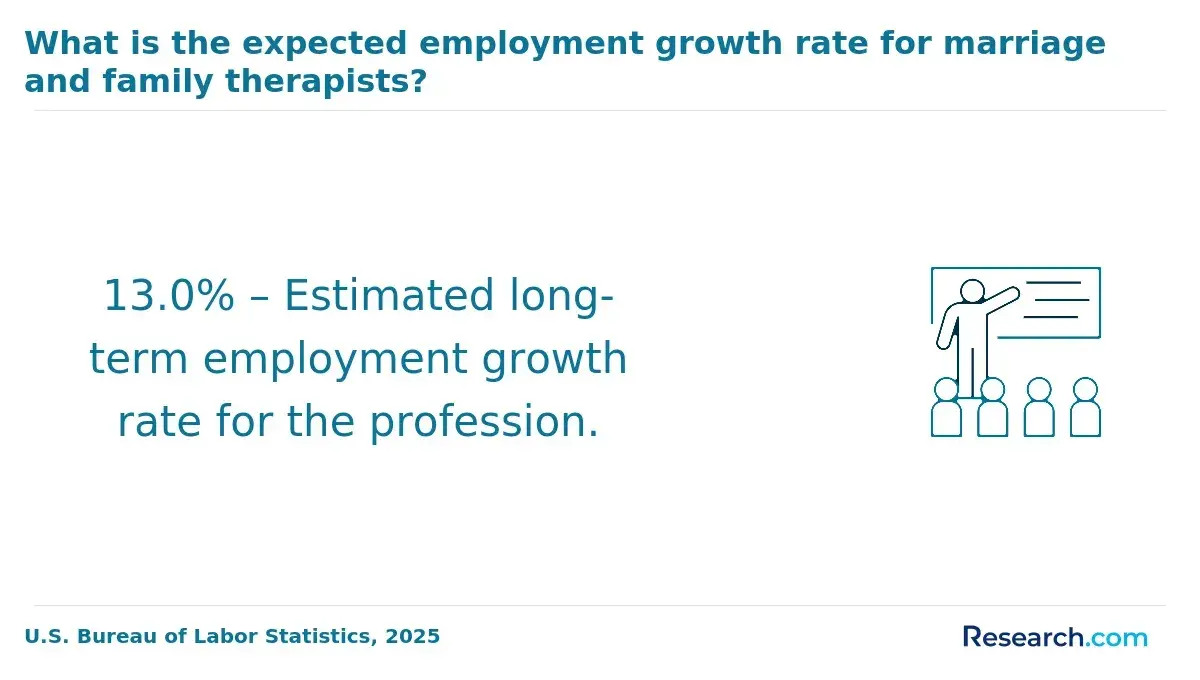
Graduates who pursue specializations such as marriage and family therapy may earn on average $68,730 annually. These roles usually require specific training and licensure, so students should confirm that their online program supports the credential they plan to pursue.
More experienced professionals may move into leadership, supervision, clinical administration, or program management. Clinical supervisors earn a mean annual salary of $134,440, reflecting how advanced experience, management responsibility, and additional credentials can affect compensation.
When comparing programs, look beyond advertised salary outcomes. Ask whether the program reports licensure exam preparation, field placement support, alumni employment data, and career advising for the counseling setting you are targeting.
Research.com develops rankings to help students compare programs using credible, education-focused data. For the "2026 Easiest Online Master's in Counseling Degree Programs Ranking in the USA," the goal is to identify programs that may be more accessible for online learners while still supporting informed decision-making around quality, affordability, and student outcomes.
We utilized the following reputable data sources to create this ranking:
Rankings should be used as a starting point, not the only basis for enrollment. Prospective counseling students should also verify accreditation, licensure alignment, practicum expectations, tuition, financial aid, admissions requirements, and student support directly with each institution.
The National University offers an 18-month master's program with a moderate level of financial aid, as 77% of students receive support. The program's acceptance rate is not available, so its selectivity cannot be determined. Data regarding the program's focus, graduation rate, total cost, and number of online students enrolled are not provided. This information is essential for prospective students seeking details about costs and outcomes.
The University of Arizona offers a 24-month Master's program. This program provides high levels of financial assistance, with 98% of students receiving aid. Specific details regarding the degree focus, graduation rate, acceptance rate, enrollment of online students, and average total cost are not available. The acceptance rate data is missing, so the selectivity of admission cannot be determined at this time.
Grand Valley State University offers an 18-month Master's program with a high level of financial aid, as 93% of students receive assistance. Information about the program's discipline, graduation rate, acceptance rate, average total cost, and online enrollment numbers is not available. The program's length and the financial support availability are notable aspects for prospective students looking for timely completion and affordability.
The Regent University Master's program lasts 24 months and offers high levels of financial aid, with 96% of students receiving assistance. Specific data on acceptance rate, graduation rate, program discipline, total cost, and online enrollment numbers are not available.
Morehead State University offers a 24-month Master's program with a high level of financial aid available, as 99% of students receive support. The program's specific discipline, graduation rate, cost, enrollment numbers, and acceptance rate are not provided, limiting insight into selectivity and affordability. This program may appeal to those prioritizing financial assistance in their graduate studies at a U. S. institution.
East Carolina University offers a 24-month Master's program. The program provides moderate financial aid, with 79% of students receiving assistance. Details on graduation rate, total cost, online enrollment, and acceptance rate are not available, so prospective students should seek further information before applying.
Program Length
24
Financial Aid for online learning
Yes
% of student receiving financial aid
79
Cost per credit
994
Required Credits to Graduate
60
Accreditation
CACREP
# 7 position
Cameron University
Master
Cameron University offers a 24-month Master's program with a high level of financial aid, available to 87% of its students. Although specific data on graduation rate, acceptance rate, program focus, total cost, and number of online enrollees is unavailable, the program's duration and financial aid availability highlight important factors for prospective students. Detailed metrics on selectivity and enrollment remain unspecified.
Program Length
24
Financial Aid for online learning
Yes
% of student receiving financial aid
87
Cost per credit
582
Required Credits to Graduate
33
Accreditation
Data not available
# 8 position
Bob Jones University
Master
Bob Jones University offers a 24-month Master's degree program designed for students seeking advanced education. The program supports a high financial aid availability, with 99% of students receiving some form of aid. Although key data such as graduation rate, online enrollment, and acceptance rate are not provided, the program's length and strong financial support are important considerations for prospective students.
The George Washington University offers a 24-month Master's program with a moderate level of financial aid, reaching 79% of students. Applicants face an unspecified acceptance level due to missing data. The program's total cost and graduation rate details are not available, nor is information on the number of online students enrolled. This program is suitable for prospective students seeking a structured graduate degree over two years.
The Emporia State University Master's program spans 36 months, offering an extended path for graduate studies. A high 95% of students receive financial aid, indicating strong support availability. Detailed data on graduation rate, online enrollment, acceptance rate, and program focus are not available, limiting full evaluation of selectivity and cost. Prospective students should consider these factors alongside the program length and financial aid prevalence when making decisions.
The Master's program at Virginia Commonwealth University spans 48 months and offers high financial support, with 100% of students receiving aid. The program has an acceptance rate that cannot be specified, but prospective students can expect a comprehensive curriculum. Enrollment numbers and graduation rates were not provided. This degree is suited for those seeking a lengthy, fully supported graduate experience.
West Virginia University offers a 24-month Master's program with a high level of financial aid available to 97% of students. The program's acceptance rate is not specified, but the high aid percentage suggests significant support opportunities. Enrollment numbers for online students, graduation rate, and average total cost data are not available for this program. This degree aims to deliver advanced academic training over a two-year period.
AdventHealth University offers a 36-month Master's program with a high level of financial aid available, supporting 93% of its students. The program's acceptance rate and graduation rate data are not provided. Information on the number of online students and the average total cost is also unavailable, making it important for prospective students to inquire directly about these aspects.
The University of Southern California offers a Master's program lasting 36 months. This program provides moderate financial aid, with 72% of students benefiting from support. Due to missing data, details on graduation rate, average total cost, enrollment numbers, acceptance rate, and specific program focus are unavailable. Prospective students should consider these factors alongside the program length and aid availability when evaluating this Master's degree option.
Troy University offers a Master's degree program with a high level of financial aid, as 96% of students receive assistance. Detailed data regarding the program's discipline, length, graduation rate, online enrollment, total cost, and acceptance rate are unavailable, which limits assessment of duration, competitiveness, and affordability. Prospective students should note the strong financial aid availability as a significant benefit of this program.
Upper Iowa University offers a Master's program with a high level of financial aid support, as 99% of students receive assistance. Specific details about the program's discipline, length, cost, graduation rate, number of online enrollees, and acceptance rate are not available. Prospective students should consider the financial aid availability when evaluating this program for their graduate studies.
Concordia University Wisconsin offers a Master's level program with 100% of students receiving financial aid, indicating high aid availability. Due to missing data, specific details such as program length, graduation rate, acceptance rate, and enrollment numbers are unavailable. Prospective students should consider the strong financial support when evaluating this program despite the limited information provided.
The University of North Dakota offers a Master's program lasting 36 months. A significant 93% of students receive financial aid, indicating a high level of support. Although data on acceptance rate, graduation rate, total cost, and online enrollment are unavailable, this program may appeal to those seeking a long-term degree trajectory with strong financial assistance options.
Mercy University offers a Master's degree program with a high level of financial aid, as 99% of students receive support, indicating strong institutional assistance. The program's acceptance rate is not specified, so details about selectivity remain unknown. Other key information, including graduation rate, program length, total cost, and online enrollment, is currently unavailable, limiting a full assessment of its structure and accessibility.
Bluefield University offers a Master's degree program with a high level of financial aid, as 99% of students receive assistance, indicating strong support for enrolled students. The program has an open admission acceptance rate, allowing broad access to applicants. Specific details on the program's focus, graduation rate, length, cost, and online enrollment numbers are not available.
Program Length
Financial Aid for online learning
Yes
% of student receiving financial aid
99
Cost per credit
480
Required Credits to Graduate
60
Accreditation
CACREP
What Online counseling degree graduates have to say
Emily: Studying the Online Counseling degree at the University of Florida allowed me to balance work and family while gaining comprehensive clinical skills. The flexible schedule and supportive faculty made learning enjoyable and practical, preparing me well for licensure and a fulfilling career in mental health counseling.
James: The University of Washington's online program exceeded my expectations. Their cutting-edge curriculum combined with interactive virtual sessions helped me stay engaged and connected despite distance. The diverse student community enriched my experience, making me confident and ready to serve various populations effectively.
Monica: Completing my Online Counseling degree through Liberty University was empowering. The faith-based approach aligned with my values and deepened my empathy as a counselor. The program's robust practicum opportunities and personalized mentorship gave me the hands-on experience I needed to thrive professionally and personally.
Student experiences can be useful, but they should be weighed alongside objective factors such as accreditation, licensure alignment, completion requirements, tuition, clinical placement support, and faculty access. A program that worked well for one student may not be the best fit for another state, specialization, or career goal.
Key Findings
Online counseling degrees usually range from master's to doctoral levels and prepare students for professional licensure.
Tuition for a master's degree typically falls between $15,000 and $35,000, with some public universities offering in-state rates under $10,000.
The counseling job market is expected to grow by about 23% from 2021 to 2031, driven by increasing demand in schools, healthcare, and private practice.
Starting salaries for recent graduates range from $45,000 to $50,000, with mid-career counselors earning between $60,000 and $70,000.
Licensure requirements usually include completing an accredited master's program, 2,000 to 3,000 supervised clinical hours, and passing a national exam.
The main takeaway is that online counseling programs can be accessible and career-focused, but students should verify state licensure fit before enrolling. The best program is not simply the lowest-cost or shortest option; it is the one that supports your intended license, specialization, clinical placement needs, and long-term career plan.
The chart above shows the distribution of median earnings for Online Counseling graduates in 2024 in America. The median earnings were evaluated 1 year after completing the course. Each bar shows the number of institutions that were included in our ranking and that offer a specific level of earnings.
How long does it take to complete Online counseling degree in America?
Completing an online counseling degree in America typically takes between two to three years for students pursuing a master’s degree, which is the essential credential for many counseling careers. Timeline depends on credit load, practicum sequencing, internship availability, and whether the student enrolls full time or part time.
Many programs require 48 to 60 credit hours and combine coursework with supervised clinical practice. Students usually complete foundational classes first, then move into practicum and internship experiences after meeting program readiness requirements.
Some accelerated paths may allow highly focused students to finish in as little as 18 months. These options can be efficient, but they may be difficult for students working full time because counseling programs require reading, skills practice, synchronous meetings, documentation, and field hours.
Part-time students, especially working professionals, may take four or more years. A longer timeline can still be practical if it allows students to maintain employment, meet family obligations, and complete clinical requirements without sacrificing performance or professional preparation.
Accreditation and Licensure Requirements for Online Counseling Master’s Programs in America
Accreditation and licensure are the two issues that can determine whether an online counseling master’s degree leads to the career you want. A flexible online format is useful only if the program’s coursework and supervised clinical training satisfy the requirements of the state where you plan to become licensed.
Start by checking whether the program is accredited by the Council for Accreditation of Counseling and Related Educational Programs (CACREP) or by a recognized regional accreditor. CACREP accreditation is widely recognized in counselor education and can make it easier to show that your curriculum includes the academic and clinical preparation expected by many licensing boards.
Most states require graduates to complete 60–72 credit hours of graduate coursework, plus 2,000–4,000 supervised clinical practicum hours under a licensed supervisor. After completing education and supervised-practice requirements, candidates typically must pass a national licensure exam, commonly the National Counselor Examination (NCE) or the National Clinical Mental Health Counseling Examination (NCMHCE), before applying to a state board for a Licensed Professional Counselor (LPC) or equivalent credential.
Because counseling licensure is state regulated, requirements can vary significantly. Review your state board’s rules for required courses, acceptable internship settings, supervisor credentials, exam eligibility, background checks, and post-graduate supervised hours. If you are considering a faith-based counseling path, a cheap online christian counseling masters degree may include theological coursework, but you should still verify whether it meets the counseling license requirements in your state.
Before enrolling, ask the program for written confirmation of how it supports licensure preparation. Useful services include clinical placement advising, exam-prep workshops, licensure checklists by state, and help completing practicum and internship documentation.
What's the difference between online and on-campus counseling degree?
The main difference between online and on-campus counseling degrees is delivery format, not necessarily academic rigor. Both formats can include the same core counseling theories, ethics, assessment, multicultural counseling, diagnosis, research, and supervised clinical training requirements.
Online programs usually offer more flexibility. Students may complete lectures, assignments, and discussions remotely while arranging approved practicum and internship placements near where they live. This format can work well for working adults, parents, military-connected students, and those who do not live near a counseling program.
On-campus programs provide more regular face-to-face interaction with faculty and classmates. Some students prefer in-person skills practice, campus counseling labs, immediate access to faculty offices, and a stronger sense of local cohort community.
Both options require students to develop professional counseling skills through observation, feedback, role-play, supervision, and direct client or student service. When choosing between formats, compare licensure alignment, placement support, schedule requirements, residency or campus visit expectations, and how the program evaluates counseling competencies.
Frequently Asked Questions About Online Master's in Counseling Degree Programs
Online master’s in counseling programs can be a strong option for students who need flexibility, but they still require careful planning. The most important questions usually involve accreditation, licensure eligibility, clinical placements, cost, and whether the program fits your intended counseling career.
How long does an online master’s in counseling usually take?
The typical duration of an online Master’s in Counseling degree program can range from two to three years, depending on the institution and the student’s enrollment status. Full-time students may finish sooner, while part-time students often take longer so they can continue working.
Are online master’s in counseling programs accredited?
Yes, many online Master’s in Counseling degree programs are accredited by recognized accrediting agencies, such as the Council for Accreditation of Counseling and Related Educational Programs (CACREP). Accreditation matters because licensing boards often review whether your coursework, practicum, and internship meet professional standards.
Can I choose a counseling specialization?
Yes. Many online Master’s in Counseling degree programs offer specializations or concentrations in areas such as mental health counseling, school counseling, or substance abuse counseling. Choose a specialization based on the license or credential you plan to pursue, not only on personal interest.
How do online programs handle practicum and internship requirements?
Online Master’s in Counseling degree programs often handle clinical training and practicum requirements through partnerships with local organizations or by allowing students to complete these requirements in their own communities. Before applying, ask whether the school helps secure placements or whether students must find approved sites independently.
What support services should online counseling students expect?
Online Master’s in Counseling degree programs often provide support services such as academic advising, career counseling, and technical support to help students succeed in their programs. Strong programs should also offer licensure guidance, placement support, faculty access, and clear communication about clinical documentation.
How do I know if an online counseling master’s is right for me?
An online Master’s in Counseling degree program may be right for you if it matches your career goals, learning style, schedule, state licensure requirements, and budget. Review accreditation, curriculum, clinical placement procedures, faculty qualifications, student support, and total cost before committing.
What is the average cost of Online counseling degree in America?
The average cost of an online counseling degree in America varies by school type, residency status, credit requirements, and fees. On average, the total tuition and fees for online counseling master’s degrees range between $28,800 and $42,600, depending on residency and school type.
In-state students at public institutions may see costs closer to $28,800. Out-of-state students and those attending private institutions may pay more. Students should compare total program cost rather than only per-credit tuition because counseling degrees may include technology fees, clinical course fees, textbooks, background checks, insurance, residency requirements, and licensure-related expenses.
Accreditation and licensure fit should remain central to the cost decision. A lower-cost program may not be a good value if it does not meet the requirements for the counseling license you need. Programs accredited by CACREP may be especially useful for students who want a curriculum aligned with widely recognized counseling standards.
Students comparing education pathways can also review accredited trade schools online, though counseling licensure typically requires graduate-level counseling education rather than short-term vocational training.
Accreditation and Licensure Requirements
A strong online Master’s in Counseling program should meet academic quality standards and help students prepare for state licensure. For many students, CACREP accreditation is the clearest signal that a counseling curriculum has been reviewed against national expectations for coursework, faculty, field experience, and professional ethics.
The Council for Accreditation of Counseling and Related Educational Programs (CACREP) is the gold-standard accreditor recognized by most state licensing boards. Enrolling in a CACREP-accredited program can help ensure that your coursework, clinical training, and ethical preparation align with the requirements commonly used for the National Counselor Examination (NCE) or the National Clinical Mental Health Counseling Examination (NCMHCE).
After graduation, candidates must complete supervised clinical practice, often 2,000–3,000 hours depending on the state, before applying for licensure as a Licensed Professional Counselor (LPC), Licensed Mental Health Counselor (LMHC), or equivalent. States may also require specific coursework in areas such as diagnosis using DSM-5, multicultural counseling, addiction studies, human development, ethics, or local mental health law.
Licensure planning should begin before you apply, not after you graduate. Compare each program’s curriculum against the rules of the state where you want to practice. Also review whether the school approves clinical sites in your area and whether its internship model works for online students who live outside the institution’s home state.
Cost matters as well, but affordability should not come at the expense of licensure eligibility. Students comparing options in Utah can use the Inexpensive Counseling Degree Programs Ranking in Utah to weigh program cost alongside accreditation and career preparation.
The safest choice is a program that clearly identifies its accreditation status, explains how it maps to state requirements, and provides direct advising for students pursuing counseling licensure.
What financial aid is available to Online counseling degree students in America?
Online counseling degree students in America may use several forms of financial aid, but availability depends on the school, program level, enrollment status, and student eligibility. Graduate students should begin by submitting the FAFSA and asking each institution for a full aid estimate.
Federal Direct Unsubsidized Loans are a common option for graduate students. Federal Pell Grants are rarely available for graduate students, but Grad PLUS Loans may help cover remaining tuition costs after other aid has been applied.
Some states offer grants, loan repayment assistance, or service-based programs for counselors who work in underserved communities. Programs in places like California and New York may point students toward state-specific opportunities, but students should confirm eligibility requirements before relying on these funds.
Institutional scholarships, assistantships, and department awards may be available at some universities, especially for students pursuing areas such as school counseling or mental health counseling. Professional organizations like the American Counseling Association may also provide scholarships and funding resources.
Working professionals should ask employers about tuition reimbursement. If you plan to use employer benefits, check whether your employer requires a minimum grade, continued employment after graduation, or enrollment in an accredited program.
Licensure and Certification Requirements
Licensure is required for most counseling roles involving independent clinical practice. Because each state sets its own rules, students should treat licensure planning as a core part of choosing an online counseling master’s program.
Choose a CACREP-accredited program to meet core coursework standards.
Complete 2,000–3,000 supervised clinical hours, noting that requirements vary by state.
Pass the NCE or NCMHCE national licensing exam.
Apply for a Licensed Professional Counselor (LPC) or equivalent license in your state.
Check reciprocity agreements if you plan to relocate.
Also ask your program how it tracks clinical hours, approves supervisors, verifies internship sites, and prepares students for the exam required in their state. Selecting a reputable counseling degree online can help align your education with licensure pathways and reduce avoidable delays after graduation.
What are the prerequisites for enrolling in Online counseling degree program in America?
Most online counseling master’s programs in America require applicants to hold a bachelor’s degree from a regionally accredited institution. The bachelor’s degree does not always have to be in psychology or counseling, but prior coursework in psychology, social sciences, human development, statistics, or related fields can strengthen preparation.
Many programs request a minimum GPA around 3.0. Applicants may also need to submit official transcripts, letters of recommendation, a resume, a personal statement, and sometimes an interview. The personal statement is often important because counseling programs look for emotional maturity, ethical awareness, communication skills, and a clear understanding of the profession.
Standardized tests like the GRE are becoming less common requirements, though policies vary by school. Some programs may still request test scores or additional materials if an applicant’s academic record needs more context.
Because counseling students complete practicum and internship experiences, programs may require background checks, immunization records, liability insurance, or other documentation before fieldwork begins. Applicants should review these requirements early, especially if they plan to work with schools, healthcare organizations, or vulnerable populations.
Licensure and Certification Requirements
After completing your online master’s in counseling, you will generally need state licensure before practicing independently. Exact requirements vary by board, so students should verify rules directly with the licensing authority in the state where they plan to work.
Most licensing boards require some combination of the following:
A set number of supervised clinical hours, commonly 2,000–4,000
Passing a national exam, such as the NCMHCE or NBCC
A jurisprudence or state law exam
Submission of official transcripts and application fees
Students pursuing school-based roles should review state-specific school counselor certification requirements, which may differ from clinical mental health counseling licensure. The safest approach is to keep a licensure checklist from the beginning of the program and update it as your state board issues new guidance.
What courses are typically in Online counseling degree programs in America?
Online counseling degree programs in America usually include coursework that builds both theoretical knowledge and applied counseling skills. The exact course list varies by specialization and licensure track, but most programs cover core areas expected in graduate counselor preparation.
Counseling theories and techniques: Students study major approaches to helping, including cognitive-behavioral therapy and other evidence-informed methods.
Ethics and professional standards: Courses address confidentiality, informed consent, boundaries, mandated reporting, documentation, and counselor responsibilities.
Human development: Students learn how people change across the lifespan and how development affects counseling needs.
Multicultural counseling: Coursework prepares students to work with clients from diverse cultural, racial, socioeconomic, religious, and identity backgrounds.
Psychopathology and diagnosis: Programs may teach students to recognize mental health disorders using DSM-5 criteria.
Assessment and treatment planning: Students learn how to gather client information, use assessment tools responsibly, and design appropriate interventions.
Research and program evaluation: Courses help students interpret counseling research and apply evidence-informed practices.
Practicum and internship: Supervised field experiences allow students to apply counseling skills in approved settings.
Electives or track-specific courses may include school counseling, family therapy, addiction counseling, trauma counseling, rehabilitation counseling, or career counseling.
What types of specializations are available in Online counseling degree programs in America?
Online counseling degree programs in America often offer specializations that align with specific client populations, practice settings, and licensure pathways. Choosing the right specialization is important because it can affect required coursework, field placements, credentials, and job options.
Clinical Mental Health Counseling: Prepares students to support individuals facing mental health concerns in clinical, community, healthcare, or private-practice settings.
School Counseling: Focuses on K-12 student development, academic planning, social-emotional support, and state school counselor certification requirements.
Marriage and Family Therapy: Emphasizes counseling with couples, families, and relational systems, often with distinct licensure requirements.
Rehabilitation Counseling: Prepares graduates to help people with disabilities pursue independence, employment, and improved quality of life.
Addiction Counseling: Focuses on substance use disorders, recovery support, relapse prevention, and treatment planning.
When comparing specializations, ask whether the track leads to the license or certification required in your state. Some concentrations may require additional certifications, supervised hours, or exams beyond the master’s degree.
How do you choose the best Online counseling degree in America?
The best online counseling degree in America is the one that matches your target license, career setting, budget, schedule, and learning needs. A program that is highly flexible but poorly aligned with your state’s requirements can create serious problems after graduation.
Confirm accreditation: Look for CACREP accreditation or appropriate institutional accreditation, and verify how the program is viewed by your state licensing board.
Check licensure alignment: Ask for a state-by-state licensure disclosure and compare required courses, supervised hours, and exam preparation.
Review clinical placement support: Determine whether the school helps secure practicum and internship sites or expects students to arrange them independently.
Compare total cost: Include tuition, fees, books, technology, travel, supervision costs, and licensing expenses.
Evaluate format: Check whether courses are asynchronous, synchronous, hybrid, or include campus residencies.
Assess student support: Strong advising, faculty access, writing support, technical help, and career services can improve the online experience.
Look at completion fit: Decide whether full-time, part-time, or accelerated study is realistic for your work and family responsibilities.
Students interested in shorter or more intensive timelines can explore fast paced degree programs, but accelerated counseling study should still leave enough time for skills development and supervised clinical training.
What career paths are available for Online counseling degree students in America?
Online counseling degree students in America can pursue several career paths, but most professional roles depend on the type of degree, specialization, license, and supervised experience completed after graduation.
Licensed Professional Counselor: LPCs often work in community agencies, clinics, hospitals, private practice, or nonprofit settings after meeting state licensure requirements.
School Counselor: School counselors support students with academic, career, social, and emotional development, usually under state-specific education or counseling credentials.
Marriage and Family Therapist: These professionals work with couples and families, often under a separate licensure pathway.
Substance Abuse Counselor: Counselors in this area support individuals and groups dealing with substance use disorders and recovery needs.
Career Counselor: Career counselors help clients explore education, employment, and vocational goals.
Vocational Rehabilitation Counselor: These professionals assist individuals with disabilities in achieving employment and independent living goals.
Students comparing programs should make sure the curriculum and supervised experience match the career they want. To compare institutions offering online study options, review this list of top ranked online colleges.
What is the job market for Online counseling degree in America?
The job market for online counseling degree graduates in America is supported by continued demand for mental health services in schools, healthcare settings, community agencies, substance use treatment programs, and private practice. Demand is especially relevant for students who complete accredited training and meet state licensure requirements.
Graduates from popular universities such as the University of Southern California and Pennsylvania State University may pursue roles in schools, hospitals, and private practices after completing required education and licensing steps. Online study can help students prepare while remaining in their communities, which may also make it easier to build local professional connections through practicum and internship placements.
Licensed Professional Counselors often have competitive salary potential, with clinical mental health counselors in metropolitan regions earning above $60,000 annually. Actual earnings depend on role, location, employer, licensure level, caseload, and experience.
Students should remember that licensing requirements vary by state. Before enrolling, confirm whether the online program prepares you for the state where you plan to work. Those comparing different online education timelines may also be interested in learning how fast can you get an associate's degree, though counseling careers generally require graduate education and licensure rather than an associate-level credential.
Frequently Asked Questions About counseling
How can Online counseling degree students in America maximize their learning experience?
Online counseling degree students in America can maximize their learning by actively engaging with course materials and participating in virtual discussions. Research from the American Counseling Association emphasizes the importance of consistent interaction to build practical skills. Utilizing available resources such as video lectures, web-based seminars, and online libraries enhances understanding beyond textbooks.
Time management is vital; American students often juggle work and study, so developing a structured schedule helps maintain steady progress. Additionally, seeking internships or practicum opportunities that comply with state licensing requirements enriches real-world experience. According to the National Board for Certified Counselors, practical training is essential for licensure preparation.
Finally, networking through online platforms targeted at counseling professionals supports career growth and provides peer support throughout the program.
What are the 2026 Easiest Online Master's in Counseling Degree Programs in the USA?
In 2026, the easiest online Master’s in Counseling degree programs in the USA were ranked based on factors such as program flexibility, course workload, and student-to-faculty ratio. Institutions offering self-paced learning and minimal on-campus requirements were often seen as particularly accessible options for students.
How does studying for a counseling degree in America prepare for interdisciplinary roles?
Studying for a counseling degree in America equips students with skills to work effectively within interdisciplinary teams. Programs emphasize collaboration with professionals in psychology, social work, healthcare, and education. This approach aligns with standards set by the Council for Accreditation of Counseling and Related Educational Programs (CACREP), ensuring graduates understand diverse roles and communication strategies.
The curriculum often includes courses in human development, ethics, and crisis intervention, fostering adaptability across various settings. According to the U.S. Bureau of Labor Statistics, employment for mental health counselors is projected to grow 22% from 2020 to 2030, illustrating demand for professionals who can integrate knowledge from multiple disciplines.
Online degrees also simulate real-world teamwork through case studies and supervised practicum experiences, preparing graduates for collaborative environments found in schools, hospitals, and community agencies.
How to choose between a thesis and a non-thesis counseling degree program in America?
When choosing between a thesis and a non-thesis online counseling degree in America, consider your career goals. A thesis option involves original research and is ideal for students planning to pursue a PhD or careers in research or academia. According to the Council for Accreditation of Counseling and Related Educational Programs (CACREP), thesis programs typically take longer due to research and writing requirements.
Non-thesis programs focus on practical skills and coursework, often favored by those aiming for licensure as professional counselors or immediate clinical work. They usually require internships or practicums instead of research.
Employment data from the U.S. Bureau of Labor Statistics shows that 57% of licensed counselors hold non-thesis master's degrees, highlighting the popularity of applied training.
What options do students based in America have for studying counseling abroad?
Students based in America who want to study counseling abroad have several options, though these are limited compared to domestic programs. Most U.S. counseling degrees focus on accreditation by CACREP or other American bodies, which are essential for licensure. Studying abroad can involve enrolling in international online counseling programs, often in English, that may offer unique cultural perspectives.
Some U.S. students choose programs in countries like the UK, Canada, or Australia, where counseling education standards align closely with American requirements. However, students should carefully check if foreign degrees meet state licensure criteria in the U.S.
Data from the U.S. Bureau of Labor Statistics indicates growing demand for licensed counselors, emphasizing accredited education for employment.
Advisors often recommend verifying program accreditation and licensure eligibility before enrolling in any international counseling degree.
What are the networking opportunities for Online counseling students in America?
Online counseling students in America have access to various networking opportunities despite their remote learning format. Many accredited programs encourage participation in virtual workshops, webinars, and discussion forums to connect students with peers and faculty.
Professional organizations such as the American Counseling Association (ACA) offer student memberships, providing access to conferences, special interest networks, and mentoring programs. These connections are valuable for career development and licensure guidance.
Additionally, some universities facilitate local meetups or hybrid events where online learners can engage with regional professionals. According to the ACA, networking significantly improves job placement rates for counseling graduates in the U.S.
What are the 2026 Easiest Online Master's in Counseling Degree Programs in the USA?
The 2026 Easiest Online Master's in Counseling Degree Programs in the USA include institutions known for flexible curriculums and supportive learning environments. Programs at universities like University X, University Y, and University Z have received acclaim for their user-friendly online platforms and tailored support services, ensuring a smooth academic journey.
What are the typical challenges that Online counseling students in America are facing?
Online counseling students in America often face challenges related to balancing rigorous coursework with personal and professional responsibilities. Many students juggle jobs, family, and study, which can cause stress and fatigue. According to the American Psychological Association, time management is a top difficulty reported.
Another common challenge is limited hands-on clinical experience. Although online programs provide theoretical knowledge, gaining sufficient practical hours for state licensure can be complicated and may require travel to approved sites.
Additionally, some students struggle with feelings of isolation due to reduced face-to-face interaction with peers and instructors. This can affect motivation and engagement, impacting overall academic success.
Technical issues and access to reliable internet can also disrupt learning, especially in rural areas where connectivity is weaker. These barriers collectively shape the online counseling education landscape in the US.
What professional certifications can I pursue with a Online counseling degree?
Graduates with an online counseling degree in America can pursue various professional certifications to advance their careers. One of the most common is the Licensed Professional Counselor (LPC) credential, which requires completing supervised clinical hours and passing a state exam. Another option is becoming a Licensed Marriage and Family Therapist (LMFT), focusing on relationship and family counseling.
For specialized areas, certifications like Certified Clinical Mental Health Counselor (CCMHC) are available through the National Board for Certified Counselors. These certifications enhance job opportunities and are often mandatory for insurance reimbursement.
According to the Bureau of Labor Statistics, demand for counseling professionals is projected to grow 23% from 2022 to 2032, highlighting strong career prospects.
How to write a winning application for a Online counseling program in America?
Writing a winning application for an online counseling program in America requires clear focus on key elements valued by admissions committees. Start by carefully reviewing program prerequisites and aligning your experiences with their expectations. Many programs look for applicants with a bachelor's degree in psychology or related fields and relevant volunteer or work experience.
Highlight your motivation for pursuing counseling, emphasizing interpersonal skills and commitment to helping others. The American Counseling Association notes that personal statements reflecting genuine interest can strongly impact decisions.
Additionally, submit strong letters of recommendation from academic or professional sources who can vouch for your readiness and character. Meeting application deadlines and ensuring all materials are complete is essential.
How can I gain practical experience while studying for a Online counseling degree in America?
Gaining practical experience while studying for an online counseling degree in America is essential for licensure and career readiness. Most accredited programs require students to complete practicum and internship hours under supervised settings. These experiences typically range between 600 to 1,200 hours, depending on state requirements and program guidelines. Many students arrange placements at mental health clinics, schools, or community organizations near their residence. Some universities offer virtual supervision to support remote learners during fieldwork. According to the Council for Accreditation of Counseling and Related Educational Programs (CACREP), supervised practical training is critical for skill development and meeting licensing board criteria in the U.S.
How do I choose the right concentration within a Online counseling degree program in America?
Choosing the right concentration within an online counseling degree program in America depends on your career goals and interests. Popular concentrations include school counseling, mental health counseling, marriage and family therapy, and substance abuse counseling. According to the U.S. Bureau of Labor Statistics, employment for mental health counselors is projected to grow 22% from 2020 to 2030, faster than average.
Assess your preferred work environment, such as schools, private practice, or hospitals. Also, consider state licensing requirements, which vary by concentration and impact your eligibility to practice.
Research programs accredited by the Council for Accreditation of Counseling and Related Educational Programs (CACREP), as this can affect licensure success rates.
Introducing an Approach for Interdisciplinary Supervision in Vocational Rehabilitation Counseling | Published in Rehabilitation Counselors and Educators Journal https://rcej.scholasticahq.com/article/123259