Research.com is an editorially independent organization with a carefully engineered commission system that’s both transparent and fair. Our primary source of income stems from collaborating with affiliates who compensate us for advertising their services on our site, and we earn a referral fee when prospective clients decided to use those services. We ensure that no affiliates can influence our content or school rankings with their compensations. We also work together with Google AdSense which provides us with a base of revenue that runs independently from our affiliate partnerships. It’s important to us that you understand which content is sponsored and which isn’t, so we’ve implemented clear advertising disclosures throughout our site. Our intention is to make sure you never feel misled, and always know exactly what you’re viewing on our platform. We also maintain a steadfast editorial independence despite operating as a for-profit website. Our core objective is to provide accurate, unbiased, and comprehensive guides and resources to assist our readers in making informed decisions.

2027 Fastest Online Master's in Counseling Degree Programs Ranking in the USA

Imed Bouchrika, PhD

by Imed Bouchrika, PhD

Co-Founder and Chief Data Scientist

What can I expect from online counseling degree in America?

The average cost of pursuing an online counseling degree in America typically ranges from approximately $10,000 to over $30,000 for the full program. This variation depends on the institution attended and whether the student qualifies for in-state or out-of-state tuition. Graduates from well-known universities often recall balancing their coursework with other life commitments, appreciating the flexible pacing that allowed them to manage tuition payments alongside personal budgets.

Many students report satisfaction with the value of their investment, especially when programs offer access to financial aid and scholarships designed to reduce costs. For example, those enrolled in popular counseling programs at respected colleges have shared how asynchronous classes, combined with virtual practicum placements, allowed them to maintain full-time employment while advancing their education.

This affordability, paired with rigorous training, equips graduates for licensure and success as professional counselors, making the degree a practical and attainable goal for many pursuing mental health careers in the United States.

Where can I work with online counseling degree in America?

Graduates holding an online counseling degree in America find diverse employment opportunities that match their ambitions and skills. Many enter community mental health centers, providing vital support to individuals facing mental health challenges or substance abuse, reflecting the growing 23% job increase projected by the U.S. Bureau of Labor Statistics. For example, graduates from well-regarded institutions like Liberty University often describe feeling fulfilled when working directly with clients in these settings.

Others pursue careers as school counselors in educational institutions, helping students manage academic and social pressures. The American School Counselor Association notes approximately 100,000 school counselors nationwide, illustrating a stable demand. Graduates from programs such as those at the University of Southern California frequently express satisfaction in guiding young people through critical life stages.

Private practice remains a popular path after obtaining licensure, offering counselors the chance to run independent therapy or career counseling services. Those trained at colleges like Capella University commonly report a sense of empowerment in creating their own client-focused approaches.

Additional roles include healthcare facilities, corporate employee assistance programs, rehabilitation centers, and government agencies, where online degree holders apply their skills to support mental wellbeing in varied contexts.

How much can I make with online counseling degree in America?

Graduates of online counseling degree programs in America can expect a range of earnings depending on their chosen career path and level of experience. For instance, Licensed Professional Counselors typically earn a mean annual wage of about $52,360, while Licensed Mental Health Counselors average higher, with salaries around $60,080 per year. Those who pursue Marriage and Family Therapist roles, a common specialty among graduates from respected institutions like the University of Southern California or Northwestern University, can anticipate earnings near $68,730 annually.

Many graduates find opportunities to work in diverse settings, from hospitals to private practices, and these environments influence their income potential. For example, Substance Abuse Counselors earn roughly $60,080 annually, reflecting the demand and responsibilities unique to that specialization.

Advancement into supervisory roles is also a promising prospect. Clinical Supervisors, often former counselors from universities with strong online programs such as Boston University, report mean annual wages exceeding $134,000. Such financial outcomes underscore the value of continued professional development and certification.

Table of Contents

2027 Fastest Online Master's in Counseling Degree Programs Ranking in the USA

# 1 position

College logo

The Master's program in Counseling at Southeastern University offers a 12-month curriculum with an average total cost of $17,820. The program has a graduation rate of 43% and enrolls over 6,000 online students. With a 53% acceptance rate, it is considered less selective. Additionally, 96% of students receive financial aid, indicating a high level of support for those enrolled.

Program Length
12
Financial Aid for online learning
Yes
% of students receiving financial aid
96
Cost per credit
495
Required Credits to Graduate
Data not available
Accreditation
Data not available

# 2 position

College logo

The National University offers an 18-month Master's program focused on Counseling and Psychology. The program has a graduation rate of 43% and an average total cost of $39,780. A high level of financial aid is available to 84% of students. The program enrolls 20,886 online students, making it a significant option for remote learners.

Program Length
18
Financial Aid for online learning
Yes
% of students receiving financial aid
84
Cost per credit
442
Required Credits to Graduate
Data not available
Accreditation
Data not available

# 3 position

College logo

Grand Valley State University offers an 18-month Master's program focused on Counseling and Healthcare. The program has an open admission policy with an 83% acceptance rate and a graduation rate of 67%. Approximately 10,715 students are enrolled online, with 94% receiving high levels of financial aid. The average total cost is $25,509, making it an accessible option for students seeking advanced education in health-related counseling fields.

Program Length
18
Financial Aid for online learning
Yes
% of students receiving financial aid
94
Cost per credit
773
Required Credits to Graduate
Data not available
Accreditation
Data not available

# 4 position

College logo

Prairie View A & M University offers a Master's program focused on Counseling and Education with an 18-month duration. The program has an open admission policy with a 79% acceptance rate, making it accessible to many applicants. The average total cost is $191,815. About 88% of students receive high levels of financial aid. The graduation rate is 43%, reflecting the percentage of students completing the program successfully.

Program Length
18
Financial Aid for online learning
Yes
% of students receiving financial aid
88
Cost per credit
3996
Required Credits to Graduate
Data not available
Accreditation
CACREP

# 5 position

Antioch University New England

Master
College logo

Antioch University New England offers a Master's program focused on Counseling and Healthcare, designed to be completed in 18 months. The program enrolls 360 online students, providing access to distance learning. The average total cost of the degree is $65,024. This program is suited for individuals seeking advanced training in counseling and healthcare within a relatively short timeframe through an established university.

Program Length
18
Financial Aid for online learning
Yes
% of students receiving financial aid
Data not available
Cost per credit
1016
Required Credits to Graduate
Data not available
Accreditation
Data not available

# 6 position

College logo

The University of Arizona offers a Master's program focused on Counseling and Education that lasts 24 months. The program has an open admission policy with an 86% acceptance rate. It maintains a 68% graduation rate and serves a large online student population of 13,864. The average total cost is $28,404, with 96% of students receiving financial aid, reflecting high support for enrolled learners.

Program Length
24
Financial Aid for online learning
Yes
% of students receiving financial aid
96
Cost per credit
789
Required Credits to Graduate
Data not available
Accreditation
CACREP

# 7 position

College logo

East Carolina University offers a Master's program focused on Counseling and Education, lasting 24 months. The program has an open admission policy with an 89% acceptance rate. Approximately 77% of students receive moderate financial aid. The graduation rate stands at 63%, and there are 8,352 online students currently enrolled. The average total cost of the program is $15,829, making it accessible for many prospective students.

Program Length
24
Financial Aid for online learning
Yes
% of students receiving financial aid
77
Cost per credit
263
Required Credits to Graduate
Data not available
Accreditation
CACREP

The George Washington University offers a 24-month Master's program focusing on Counseling and Education. The program is moderately selective with a 47% acceptance rate and boasts an 84% graduation rate. Approximately 5,000 students are enrolled online, benefiting from high levels of financial aid available to 80% of students. The average total cost of the program is $24,480, making it a viable option for many prospective students.

Program Length
24
Financial Aid for online learning
Yes
% of students receiving financial aid
80
Cost per credit
1530
Required Credits to Graduate
Data not available
Accreditation
CACREP

# 9 position

College logo

The Regent University Master's program focuses on Counseling and Education, lasting 24 months. It maintains a graduation rate of 57% and enrolls 9,624 online students. The acceptance rate is moderately selective at 38%. The average total cost is $43,800, with a high level of financial aid available to 97% of students.

Program Length
24
Financial Aid for online learning
Yes
% of students receiving financial aid
97
Cost per credit
730
Required Credits to Graduate
Data not available
Accreditation
CACREP

# 10 position

College logo

Morehead State University offers a 24-month Master's program focused on Counseling and Education. The program has an open admission policy with a 77% acceptance rate and serves 4,745 online students. The average total cost is $13,644, and 99% of students receive financial aid, indicating high support levels. The graduation rate is 52%, reflecting student success within the program's duration.

Program Length
24
Financial Aid for online learning
Data not available
% of students receiving financial aid
99
Cost per credit
379
Required Credits to Graduate
Data not available
Accreditation
Data not available

# 11 position

College logo

West Virginia University offers a Master's program focused on Counseling and Psychology, spanning 24 months. The program has an open admission policy with an acceptance rate of 89%. Approximately 97% of students receive high levels of financial aid. The average total cost for completing this degree is $33,660, and the graduation rate is 65%, reflecting a moderate completion outcome for enrolled students.

Program Length
24
Financial Aid for online learning
Yes
% of students receiving financial aid
97
Cost per credit
561
Required Credits to Graduate
Data not available
Accreditation
CACREP

# 12 position

College logo

Central Michigan University offers a 24-month Master's program focused on Counseling and Education. The program has an open admission policy with a 90% acceptance rate, making it accessible to many applicants. The average total cost is $47,580, and 96% of students receive financial aid, indicating a high level of support. The graduation rate for this program is 59%, reflecting the percentage of students who complete their studies successfully.

Program Length
24
Financial Aid for online learning
Yes
% of students receiving financial aid
96
Cost per credit
793
Required Credits to Graduate
Data not available
Accreditation
CACREP

# 13 position

College logo

The University of Wisconsin - Stout offers a Master's program focused on Marriage & Family Counseling, Counseling, and Healthcare. The program spans 24 months, with an average total cost of $30,780. It has an open admission acceptance rate of 88% and a moderate financial aid availability, with 78% of students receiving support. The reported graduation rate for this program is 55%.

Program Length
24
Financial Aid for online learning
Yes
% of students receiving financial aid
78
Cost per credit
570
Required Credits to Graduate
Data not available
Accreditation
Data not available

The University of Tennessee at Martin offers a 24-month Master's program focused on Counseling and Education. With an open admission acceptance rate of 88%, the program enrolls 2,280 online students. The average total cost amounts to $29,760. The graduation rate is 53%, reflecting moderate student success. Nearly all students, 99%, receive financial aid, indicating high support for learners throughout their studies.

Program Length
24
Financial Aid for online learning
Yes
% of students receiving financial aid
99
Cost per credit
620
Required Credits to Graduate
Data not available
Accreditation
Data not available

# 15 position

College logo

Delta State University's Master program focuses on Counseling and Education and spans 24 months. It offers open admission with a 100% acceptance rate, making it accessible for many applicants. The program has a graduation rate of 48% and serves 2,144 online students. Financial aid is widely available, with 97% of students receiving support. The average total cost of the program is $28,140.

Program Length
24
Financial Aid for online learning
Yes
% of students receiving financial aid
97
Cost per credit
469
Required Credits to Graduate
Data not available
Accreditation
CACREP

# 16 position

College logo

Anderson University in Indiana offers a Master's program focused on Counseling lasting 24 months. The program has an open admission policy with a 79% acceptance rate. It features a graduation rate of 54%, reflecting the completion success among students. The average total cost to complete the degree is $20,580. Students benefit from high levels of financial aid, with 100% receiving support to help manage expenses.

Program Length
24
Financial Aid for online learning
Yes
% of students receiving financial aid
100
Cost per credit
420
Required Credits to Graduate
Data not available
Accreditation
Data not available

The State University of New York College at Cortland offers a 24-month Master's program focused on Counseling and Healthcare. It has a less selective acceptance rate of 60% and enrolls 2,863 online students. The average total cost is $16,014, with 87% of students receiving high levels of financial aid. The program's graduation rate stands at 68%, reflecting solid student achievement and support throughout the course.

Program Length
24
Financial Aid for online learning
Yes
% of students receiving financial aid
87
Cost per credit
471
Required Credits to Graduate
Data not available
Accreditation
Data not available

# 18 position

Cameron University

Master
College logo

Cameron University offers a 24-month Master's program focused on Counseling and Psychology. The program has a graduation rate of 31% and enrolls 3,418 online students. The average total cost is $6,897, making it an affordable option. A high percentage of students, 87%, receive financial aid, reflecting strong support for learners pursuing this degree.

Program Length
24
Financial Aid for online learning
Yes
% of students receiving financial aid
87
Cost per credit
209
Required Credits to Graduate
Data not available
Accreditation
Data not available

# 19 position

Bob Jones University

Master
College logo

Bob Jones University offers a 24-month Master's program focusing on Counseling and Psychology. The program has a graduation rate of 65% and enrolls 828 online students. The average total cost is $18,450, with a high level of financial aid available to 93% of students. Acceptance rate data is not available for this program.

Program Length
24
Financial Aid for online learning
Yes
% of students receiving financial aid
93
Cost per credit
450
Required Credits to Graduate
Data not available
Accreditation
Data not available

The University of Southern California offers a highly competitive Master's program focused on Counseling and Education. The program lasts 36 months and has a graduation rate of 92%. Students can expect moderate financial aid, with 73% receiving support. The average total cost is $97,755. This program demands strong academic qualifications due to its low acceptance rate of 10%.

Program Length
36
Financial Aid for online learning
Data not available
% of students receiving financial aid
73
Cost per credit
1995
Required Credits to Graduate
Data not available
Accreditation
Data not available

What online counseling degree graduates have to say

  • Samantha: Studying my online counseling degree at the University of Florida allowed me to balance work and family seamlessly. The interactive modules and supportive faculty made learning engaging and flexible. It truly prepared me for real-world challenges with confidence and compassion, all from the comfort of my home.
  • Jason: The online counseling program at Arizona State University was a game-changer for me. Their cutting-edge technology and practical approach helped me build essential skills without sacrificing my daytime job. This flexible education empowered me to expand my career opportunities and feel genuinely ready to help others.
  • Emily: Pursuing my counseling degree online through Boston University was an inspiring journey. The diverse virtual community and expert instructors enriched my experience beyond expectations. I felt supported every step of the way, and now I'm proud to apply what I've learned in impactful, meaningful ways.

How long does it take to complete online counseling degree in America?

Completing an online counseling degree in America typically takes 2 to 3 years for full-time students pursuing a master's degree, which is the standard requirement for licensure. For example, graduates from well-known programs at universities like the University of Southern California or Columbia University often report finishing within this timeframe while balancing coursework and practical experience totaling 1,800 to 2,100 hours.

Part-time students, who often juggle work and family commitments, may extend their studies to 4 or more years, appreciating the flexibility these programs provide. Many appreciate this adaptability, finding personal fulfillment in progressing at a comfortable pace without sacrificing quality.

Accelerated options available at institutions such as Northwestern University enable students to complete their degrees in as little as 18 to 24 months by offering intensive, year-round classes. While demanding, these programs attract motivated learners eager to enter the counseling profession swiftly.

Accreditation and Licensure Requirements

Accreditation ensures your degree meets national standards and paves the way for professional licensure. To secure a clear path to practice:

  • Confirm CACREP accreditation to cover all core counseling competencies and ease state approval.
  • Check your state board’s requirements for supervised clinical hours (often 600+) and the National Counselor Examination (NCE) or equivalent.
  • Map out post‐graduation supervision and exam timelines to align with licensure application deadlines.

Choosing CACREP‐accredited programs like cacrep accredited online masters counseling programs can enhance interstate reciprocity and accelerate your journey to becoming a licensed counselor.

What's the difference between online and on-campus counseling degree?

Choosing between online and on-campus counseling degrees in America hinges on differences in structure and learning experience. Online programs, popular at institutions like the University of Southern California, provide flexibility that suits working professionals and parents balancing family commitments. Graduates often appreciate the ability to engage with coursework asynchronously, allowing them to watch lectures and participate in discussions on their own schedule. This mode fosters independence and skill in digital communication, essential for today's counseling environments.

In contrast, traditional on-campus programs at colleges such as Boston College immerse students in face-to-face interactions with faculty and peers. Graduates frequently cite the value of real-time feedback and the development of interpersonal skills through in-person networking opportunities as major benefits. The physical classroom setting uniquely supports building therapeutic presence, which many find critical to their professional growth.

Both pathways require practicum placements, with online students arranging local internships approved by their programs, while on-campus students benefit from university-facilitated connections. Tuition can vary widely, with online options sometimes offering cost savings, though quality and accreditation should guide the decision.

Licensure Requirements for Counseling Practice in America

After earning an online master’s in counseling, graduates must satisfy state licensure requirements to practice professionally. Most states mandate completion of a minimum number of supervised clinical hours—often between 2,000 and 4,000—under a board-approved supervisor, followed by passing the National Counselor Examination (NCE) or an equivalent licensing exam. Candidates should verify specific criteria with their state board, as some require additional jurisprudence exams or background checks. To begin the licensure process, applicants typically:

  • Submit official transcripts and proof of clinical supervision hours
  • Register for and pass the NCE or National Clinical Mental Health Counseling Examination (NCMHCE)
  • Complete any state-specific ethics or law exams
  • Apply for a Licensed Professional Counselor (LPC) or equivalent credential through their state’s licensing board Because licensure costs and supervision fees vary by region, prospective students may benefit from exploring affordable programs that align with these requirements. For example, our Inexpensive Counseling Degree Programs Ranking in Pennsylvania highlights accredited online master’s options that meet Pennsylvania’s supervised hours and exam prerequisites, helping graduates streamline their path to professional certification.

What is the average cost of online counseling degree in America?

The average cost of an online counseling degree in America typically centers around a median total cost of $31,980. Students studying as in-state residents generally pay closer to $17,820, while out-of-state students might expect to invest approximately $32,424. These figures reflect the tuition fees associated with accredited master's programs, which usually require between 48 and 60 credit hours. Graduates from well-known universities in states with robust public systems often share positive experiences of balancing affordability with program quality, citing how their investment translated into professional growth and licensure success.

Considering total expenses for counseling master's programs 2027, it's crucial to factor in costs beyond tuition, such as technology fees, textbooks, and internship placements-elements vital for practical training. For example, students attending prominent public institutions have highlighted the advantage of lower per-credit costs combined with strong faculty support and accessible online resources, which collectively enhance the learning journey while maintaining financial manageability.

Prospective students should explore aid opportunities, including scholarships and employer tuition reimbursement. Those seeking the most budget-conscious options may refer to cheapest counseling programs, which can substantially lower the overall financial burden without sacrificing educational quality.

What is the average cost of online counseling degree in America?

Cost Considerations and Financial Aid for Online Counseling Degree Programs

When considering an online counseling degree, one of the most crucial factors to evaluate is the cost and the availability of financial aid. Understanding the costs involved, including tuition, fees, and living expenses, is essential for planning and budgeting. Prospective students can explore various financial aid options, such as federal student loans, grants, and scholarships, to help offset these costs. For instance, students interested in the cheapest counseling programs can research institutions that offer affordable tuition rates while maintaining high educational standards. Additionally, many universities provide assistantships, work-study programs, and private scholarships that can significantly reduce the financial burden of pursuing an online counseling degree. By meticulously examining the cost considerations and available financial aid, students can make informed decisions about their educational investments, ensuring they can achieve their career goals in counseling without undue financial stress.

What financial aid is available to online counseling degree students in America?

Students pursuing online counseling degrees in America commonly access federal financial aid through the Free Application for Federal Student Aid (FAFSA), enabling them to secure grants, loans, and work-study opportunities. Graduates from institutions like the University of Southern California report that federal Direct Unsubsidized Loans considerably eased their tuition burden, allowing flexible repayment after graduation.

Many universities renowned for counseling, such as New York University and Boston College, provide institutional scholarships and grants. These awards often target students demonstrating merit or need, and those who commit to serving underserved communities-a path many graduates find deeply rewarding.

State-specific programs also support counseling students, with residents often qualifying for grants in high-demand fields. For example, California and Texas offer aid conditioned on post-graduation service, which some online students embrace to gain valuable clinical experience while easing their educational costs.

Professional organizations like the American Counseling Association supplement these resources by awarding fellowships that promote specialization areas. Working professionals benefit further from employer tuition reimbursement programs, common among healthcare and education sectors, helping graduates pursue degrees without financial stress.

Accreditation and Licensure Requirements

Choosing an accredited program ensures your degree meets state licensing standards and supports seamless career entry. Look for recognized accreditation bodies and verify state board approval before applying.

  • Seek CACREP accreditation to satisfy licensing criteria in most states and guarantee a rigorous curriculum—compare cacrep accredited online masters counseling programs for cost-effective options.
  • Confirm your program aligns with your target state’s board requirements, including coursework and practicum hours.
  • Plan for post-degree steps: complete supervised clinical hours (often 2,000–3,000), pass the National Counselor Examination (NCE) or equivalent, and submit applications for your LPC, LMHC, or equivalent license.
  • Stay informed about renewal and continuing education mandates to maintain your license and advance your counseling career.

What are the prerequisites for enrolling in online counseling degree program in America?

Prospective students aiming to enroll in online counseling degree programs in America must typically hold a bachelor's degree from an accredited institution, often in psychology, social work, or education. Graduates from well-known universities share how maintaining a minimum GPA of around 3.0 ensured their readiness to tackle rigorous graduate courses. While some programs no longer require GRE scores, others might still request them, so verifying each institution's application policies is crucial.

Applicants also benefit from submitting strong letters of recommendation that highlight their interpersonal skills and dedication to counseling. Many graduates reflect on how crafting a compelling personal statement helped convey their passion and career aspirations, resonating with admissions committees. Additionally, prior experience, such as volunteering at community centers or interning in mental health clinics, strengthens applications by demonstrating real-world commitment to helping roles.

Finally, enrollment in a CACREP-accredited program, such as those offered by leading American colleges, assures students receive a quality education aligned with licensure requirements, fostering confidence and motivation throughout their studies.

What are the prerequisites for enrolling in online counseling degree program in America?

Licensure Examination Preparation

Preparing effectively for the licensure exams is a critical step toward becoming a fully credentialed counselor. Most states require candidates to pass either the National Counselor Examination (NCE) or the National Clinical Mental Health Counseling Examination (NCMHCE), both administered by the National Board for Certified Counselors (NBCC). To optimize your study plan: 1. Understand Exam Content: Begin by reviewing the NBCC’s official content outlines, which detail topic areas such as human growth and development, counseling theories, group work, and ethics. 2. Create a Study Schedule: Allocate 8–12 weeks of consistent study time, breaking down topics into weekly goals. Incorporate daily review sessions and weekly full-length practice tests to build endurance and reinforce learning. 3. Use Quality Study Materials: Invest in up-to-date prep books and question banks. Many candidates report that simulated practice exams and flashcards significantly boost confidence. 4. Join Study Groups: Collaborating with peers—either through your program’s cohorts or online forums—can expose you to diverse perspectives and case scenarios, enhancing critical thinking. 5. Leverage Program Resources: Some accelerated programs integrate exam prep modules directly into their curriculum. When evaluating options, explore our list of easiest counseling degree programs to identify those offering built-in licensure support. 6. Master Test Strategies: Practice time management, question deconstruction, and stress-reduction techniques like mindfulness exercises. 7. Schedule Early: Apply for your exam date as soon as you meet eligibility requirements to secure your preferred testing window. By following a structured approach and utilizing targeted resources, you’ll enhance your readiness, increase your pass rate, and accelerate your entry into professional practice.

What courses are typically in online counseling degree programs in America?

Online counseling degree programs in America typically offer a comprehensive curriculum that blends theoretical knowledge with practical application. Graduates from recognized universities report that foundational courses such as human growth and development and counseling theories and techniques provide a solid understanding of psychological stages and therapeutic approaches like cognitive-behavioral therapy. This grounding enables students to confidently engage with clients from diverse backgrounds.

Many students appreciate the inclusion of specialized classes in group counseling, career development, and multicultural counseling, which reflect real-world counseling scenarios. For example, students from well-established institutions often describe how multicultural counseling prepared them to sensitively address issues of race, ethnicity, and socioeconomic status in America's diverse communities.

Hands-on practicums and internships are also vital components. Graduates emphasize that completing 600 to 1,000 hours of supervised clinical experience helped transform classroom learning into meaningful, empathetic client interactions. This combination of rigorous coursework and practical training, as found in many accredited programs, fully equips students for successful licensure and careers in counseling.

What types of specializations are available in online counseling degree programs in America?

Online counseling degree programs in America typically offer a range of specializations tailored to meet the diverse needs of students and the growing mental health workforce. Common concentrations include Clinical Mental Health Counseling, which equips graduates from universities known for rigorous counseling curricula with skills to assist individuals facing emotional and behavioral challenges. Graduates often describe the rewarding experience of applying clinical techniques in real-world settings.

School Counseling is another popular specialization, favored by students from reputable colleges who value contributing to student success in K-12 environments. These programs often align with state certification standards, facilitating licensure and employment. Many online counseling degree specializations in America further include Marriage and Family Therapy (MFT), where graduates appreciate learning relational approaches to support families and couples.

Additional tracks such as Addiction Counseling, Rehabilitation Counseling, and Career Counseling provide focused expertise for students aiming to address specific client needs. Prospective students should review options carefully and can explore a list of easiest counseling degree programs to identify the best counseling concentrations in America that fit their goals and timelines.

How do you choose the best online counseling degree in America?

Choosing the best online counseling degree in America requires careful evaluation of accreditation and program quality to ensure eligibility for licensure. Graduates from well-known universities often share that programs with CACREP accreditation or strong regional accreditation provide confidence in meeting state requirements and preparing effectively for licensure exams.

Many students appreciate programs offering flexible pacing, often completed within 18 to 24 months, allowing them to balance work and study. Affordability is also critical; prospective students often find value in exploring affordable counseling masters programs America-wide, ensuring they invest wisely without compromising educational standards. Reviewing financial aid opportunities further supports this goal.

Practical experience with supervised clinical hours becomes tangible through schools that assist with local clinical placements, enabling students to gain hands-on skills essential for their careers. Positive student experiences from popular colleges highlight the importance of accessible faculty support and career services.

For those prioritizing cost, consulting the Inexpensive Counseling Degree Programs Ranking in Pennsylvania can provide helpful guidance tailored to affordability without sacrificing quality.

How do you choose the best online counseling degree in America?

What career paths are available for online counseling degree students in America?

Graduates holding an online counseling degree in America can pursue diverse career paths that align with their passion for helping others. Popular roles include mental health counselors, providing crucial support to individuals coping with mental disorders and stress. Many graduates from universities known for strong counseling programs share how their training involved real-world clinical practicum, preparing them to excel in community mental health centers. Another common avenue is becoming a school counselor, where professionals foster students' academic and social development in K-12 or higher education settings. This role offers rewarding opportunities to impact young lives directly, a frequent theme among alumni experiences from leading American colleges.

Other career options for counseling degrees in America involve specialization as marriage and family therapists or rehabilitation counselors, each allowing graduates to work closely with families or individuals overcoming disabilities. Many students appreciate the flexibility of online degree programs, which enable them to tailor learning to specific interests such as substance abuse or career counseling, enhancing their employability in various social service environments. Those considering an easiest degree course in counseling often find the credit toward licensure through accredited programs invaluable for career progression.

What is the job market for online counseling degree in America?

The job market for graduates holding an online counseling degree in America is robust and expanding, driven by increasing mental health awareness and the growing acceptance of telehealth services. Graduates from reputable programs at popular American universities often find rewarding career paths in schools, healthcare facilities, and private practices. These roles are vital in supporting student and patient mental wellness, reflecting the positive societal shift toward valuing mental health.

Those pursuing an online counseling degree jobs USA benefit from the requirement of state licensure, which typically involves completing a master's degree program and supervised clinical hours. Such credentials open doors to licensed professional counseling positions, where graduates report high job satisfaction and meaningful engagement. Many express gratitude for the flexibility online programs provide, enabling them to work while completing their degrees.

For prospective students seeking the fastest way to get bachelor's degree online, some universities offer streamlined counseling pathways that accelerate entry into the workforce. The career outlook for counseling graduates America shows a projected employment growth far exceeding average rates, reflecting both increased demand and expanded access to remote counseling opportunities.

Frequently Asked Questions About counseling

How can online counseling degree students in America maximize their learning experience?

Students pursuing online counseling degrees in America can maximize their learning by actively engaging with interactive course materials and participating in virtual discussions. According to the Council for Accreditation of Counseling and Related Educational Programs (CACREP), programs that emphasize experiential learning, such as role-plays and simulated counseling sessions, significantly improve skill development.

Time management is critical; setting consistent study schedules enhances retention and prevents overload. Utilizing campus resources like virtual libraries and academic advising supports comprehensive understanding. Additionally, networking with peers and professionals via online platforms can provide practical insights and career guidance.

Since clinical hours are required for licensure, students should seek accredited programs with strong practicum placement services to ensure smooth transition into supervised practice.

What are the emerging niches within the counseling field?

The counseling field in America is rapidly evolving, with several emerging niches gaining attention. One growing area is telehealth counseling, driven by increased demand for remote mental health services, especially after the COVID-19 pandemic. According to the American Counseling Association, telehealth has expanded access and is expected to continue growing. Another niche is substance abuse counseling, as opioid and other substance use disorders remain critical public health issues in the U.S.

Additionally, there is rising interest in career counseling specializing in technology and remote work transitions. School counseling focused on diversity and inclusion also expands due to changing student demographics. These specialized areas offer promising opportunities for online counseling degree students.

How to prepare for the job market after completing online counseling degree in America?

After completing an online counseling degree in America, preparing for the job market involves several key steps. First, obtaining licensure is crucial; most states require passing the National Counselor Examination (NCE) or a similar test. According to the American Counseling Association, nearly 90% of counseling jobs demand licensure.

Networking is also important. Joining professional organizations like the American Mental Health Counselors Association can provide connections and job leads. Practical experience gained through internships or supervised clinical hours enhances employability.

Additionally, developing soft skills such as communication and cultural competence is recommended. The U.S. Bureau of Labor Statistics projects a 22% growth in mental health counseling jobs through 2031, reflecting strong demand.

What are the top skills employers look for in counseling degree graduates in America?

Employers in the United States looking to hire counseling degree graduates prioritize a combination of interpersonal and technical skills. According to the American Counseling Association, effective communication is vital, as counselors must listen actively and convey empathy clearly. Problem-solving abilities and ethical decision-making are also emphasized due to the sensitive nature of mental health work.

Additionally, cultural competence is increasingly important. The U.S. Department of Labor highlights that counselors who understand diverse backgrounds and promote inclusivity have a competitive edge. Familiarity with evidence-based practices and proficiency in digital counseling tools are growing requirements in online or hybrid care settings.

These capabilities help graduates meet the evolving demands of the mental health job market in America.

How to find internships in America relevant to a counseling degree?

Finding internships in America relevant to a counseling degree involves several practical steps. First, students should utilize their university's career services, which often have established partnerships with local clinics, schools, and mental health organizations. According to the American Counseling Association (ACA), internships are essential for hands-on training and licensure requirements.

Next, online platforms like Handshake and the National Board for Certified Counselors (NBCC) job bank list numerous internships specific to counseling. Networking through professional associations, such as ACA or state counseling boards, also increases internship opportunities. Students must ensure the internships align with their state's licensure prerequisites, typically requiring a set number of supervised hours.

How does a online counseling degree influence career mobility and advancement in America?

An online counseling degree in America significantly enhances career mobility and advancement opportunities. With the U.S. Bureau of Labor Statistics projecting a 23% growth in counseling jobs from 2021 to 2031, candidates with accredited online degrees stand out in a competitive market. These programs often provide flexible schedules, allowing professionals to gain credentials without pausing their careers.

The degree enables graduates to meet licensing requirements in most states, a crucial step for clinical positions. Additionally, a master's or higher degree opens doors to specialized roles such as school counselors, mental health therapists, or substance abuse counselors, often accompanied by higher salaries. According to the National Board for Certified Counselors, certified counselors earn a median annual wage of $48,720, with higher qualifications correlating to faster career progression.

The convenience and accessibility of online counseling degrees help diverse populations enter the field swiftly, promoting both upward mobility and geographical employment flexibility.

How does studying for a counseling degree in America prepare for interdisciplinary roles?

Studying for a counseling degree in America equips students with skills relevant to interdisciplinary roles by emphasizing collaboration across various fields such as psychology, social work, education, and healthcare. Online programs accredited by bodies like CACREP integrate coursework that covers mental health, human development, and ethical practices, fostering a broad understanding necessary for working in diverse settings.

The curriculum typically includes training in communication, assessment, and intervention strategies that align with other professional disciplines. According to the American Counseling Association, about 60% of counseling professionals engage in interdisciplinary teams, highlighting the importance of this preparation.

Moreover, students often gain experience through practicum placements in hospitals, schools, or community agencies, where they work alongside different specialists. This exposure builds adaptability and a holistic outlook, which are essential in today's complex service environments.

How to choose between a thesis and a non-thesis counseling degree program in America?

When choosing between a thesis and a non-thesis online counseling degree program in America, consider your career goals and time commitment. Thesis programs usually require conducting original research and writing a substantial paper, which can take additional months. This path suits students interested in clinical research, academic roles, or doctoral studies. Non-thesis programs often focus on practical skills and coursework, appealing to those aiming for immediate counseling licensure and practice.

According to the Council for Accreditation of Counseling and Related Educational Programs (CACREP), most online counseling degrees meet licensure requirements regardless of the thesis option. However, thesis degrees might provide an edge in research-oriented careers.

What options do students based in America have for studying counseling abroad?

Students based in America interested in studying counseling abroad have several online options that cater to international or globally focused programs. Many U.S. universities offer online counseling degrees with curricula designed to meet both American licensing requirements and international perspectives. According to the Council for Accreditation of Counseling and Related Educational Programs (CACREP), more than 200 programs are accredited, some with flexibility for cross-border study through partnerships or online delivery.

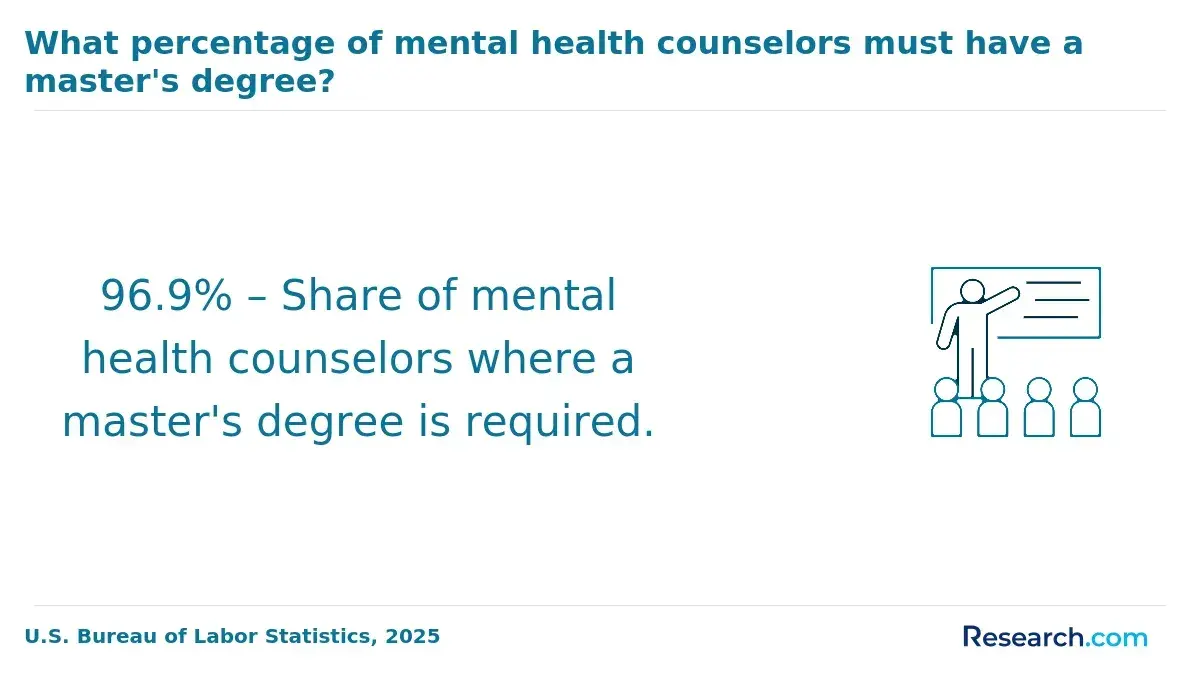
Additionally, some American students opt for international universities offering counseling degrees online, though they must ensure these programs align with U.S. licensure standards. The U.S. Bureau of Labor Statistics highlights that a master's degree in counseling is typically required for licensure, so it is critical to verify accreditation.

Students should also consider language, curriculum relevance, and clinical practicum requirements when choosing abroad programs. Many schools integrate telehealth practicum options to facilitate international experiential learning without relocation, providing quality training accessible worldwide.

What part-time job opportunities in America can complement counseling degree education?

Part-time job opportunities that complement counseling degree education in America often involve roles focused on helping and supporting others. Common positions include behavioral health technician, case manager assistant, and mental health aide. These roles provide hands-on experience with clients, which enhances practical skills relevant to counseling.

According to the U.S. Bureau of Labor Statistics, employment in mental health support occupations is expected to grow 13% from 2022 to 2032, faster than the average for all occupations. Working in these roles while studying offers valuable exposure to client interaction and administrative procedures in healthcare settings.

Additionally, some students find positions as peer counselors or crisis hotline workers, which develop communication and crisis intervention skills. These experiences not only strengthen resumes but also provide insight into professional counseling environments.

What are the networking opportunities for online counseling students in America?

Online counseling students in America have various networking opportunities that enhance their professional growth. Many accredited programs offer virtual events, workshops, and discussion forums connecting students with faculty and peers. According to the Council for Accreditation of Counseling and Related Educational Programs (CACREP), about 75% of online counseling programs include supervised practicum or internship placements, which help students build in-person professional networks.

Students also gain access to national organizations like the American Counseling Association (ACA), which hosts conferences and local chapter meetings. These platforms facilitate mentorship and job placement connections within the counseling field. Such networks are crucial for licensure and career advancement in the U.S. counseling industry.

How do alumni networks benefit online counseling degree students in America?

Alumni networks offer valuable support to students enrolled in online counseling degree programs in America. These networks connect current students with graduates who have firsthand experience in the counseling field, providing mentorship and career advice. According to the American Counseling Association, such connections can increase job placement rates by guiding students toward opportunities in various counseling specialties.

Active alumni groups often share internship openings and licensure exam tips, which are crucial in a regulated profession like counseling. Additionally, networking through alumni can lead to professional collaborations, enhancing a student's practical skills and confidence.

Many programs also host alumni events online, allowing students to build relationships despite geographical distances.

How can I customize my online counseling degree program in America to fit my career goals?

Customizing an online counseling degree in America allows students to align their education with specific career goals. Many programs offer specialization options such as clinical mental health, school counseling, or marriage and family therapy. According to the Council for Accreditation of Counseling and Related Educational Programs (CACREP), accredited programs provide flexible electives and practicum placements tailored to industry needs.

Students can also select course formats that fit their schedule, such as asynchronous or synchronous classes. Additionally, some universities allow credit transfers or offer dual certifications to enhance career credentials. This flexibility helps graduates meet state licensure requirements and employer expectations efficiently.

What are the typical challenges that online counseling students in America are facing?

Online counseling students in America often face unique challenges that can impact their educational experience. One major difficulty is meeting practicum and internship requirements, which typically demand in-person client interactions. According to the Council for Accreditation of Counseling and Related Educational Programs (CACREP), many programs require around 700 hours of supervised clinical experience, which can be tough to coordinate remotely.

Another common challenge is maintaining engagement and motivation in a virtual environment. Students frequently report feelings of isolation due to limited face-to-face interaction with peers and instructors, which can affect learning outcomes.

Technical issues and access to reliable internet also present barriers, especially for those in rural areas. Furthermore, understanding licensure requirements across different states adds complexity for online students aiming to practice counseling nationwide.

What professional certifications can I pursue with a online counseling degree?

With an online counseling degree in America, graduates can pursue several professional certifications that enhance career opportunities. One of the most common is the Licensed Professional Counselor (LPC) credential, which requires passing a state-recognized exam and completing supervised clinical hours. According to the American Counseling Association, over 140,000 counselors held LPC licenses as of 2023.

Other certifications include the National Certified Counselor (NCC) credential, offered by the National Board for Certified Counselors. The NCC is nationally recognized and requires a graduate degree, supervised experience, and passing an exam. Specialized certifications, such as Licensed Clinical Mental Health Counselor (LCMHC), are also available depending on state regulations.

These certifications often lead to higher salaries and increased job prospects in schools, healthcare, and private practice settings in the U.S.

How to write a winning application for a online counseling program in America?

Writing a strong application for an online counseling program in America requires clear demonstration of your commitment to mental health and professional readiness. Begin with a compelling personal statement that explains your motivation and goals related to counseling.

Highlight any relevant experience, such as internships or volunteer work, and mention your understanding of ethical issues in counseling. According to the American Counseling Association, programs value applicants who show cultural competence and a willingness to engage in ongoing learning.

Provide transcripts that show solid academic performance, particularly in psychology or related fields. Many accredited programs require a minimum GPA of 3.0 or higher.

Lastly, secure letters of recommendation from professionals familiar with your abilities in counseling or education. These components collectively strengthen your application and reflect your readiness for graduate study.

What are the global perspectives on a counseling career?

The global view of counseling careers highlights growing recognition of mental health's importance. In America, the demand for licensed counselors is expected to increase by 23% from 2021 to 2031, according to the U.S. Bureau of Labor Statistics. This growth reflects broader international trends emphasizing professional mental health support.

Many countries value licensed counselors for their role in wellness and crisis intervention. However, licensing standards and required education vary worldwide. In the U.S., a master's degree in counseling paired with supervised clinical hours and state licensure is essential.

The global focus on evidence-based practice influences American counseling education, encouraging research-driven approaches. This alignment helps U.S. graduates remain competitive and skilled for diverse cultural settings in mental health careers.

How can I gain practical experience while studying for a online counseling degree in America?

Gaining practical experience is essential while studying for an online counseling degree in America. Most accredited programs require students to complete supervised internships or practicum hours. These experiences typically involve working directly with clients under professional supervision, allowing students to develop real-world counseling skills.

Many universities collaborate with local clinics, schools, or mental health agencies to place students in appropriate settings. According to the Council for Accreditation of Counseling and Related Educational Programs (CACREP), accredited programs usually mandate at least 700 hours of fieldwork, including 280 hours of direct client contact.

This hands-on training prepares students to meet state licensure requirements effectively.

How do I choose the right concentration within a online counseling degree program in America?

Choosing the right concentration within an online counseling degree program in America depends on your career goals and interests. Popular areas include clinical mental health, school counseling, marriage and family therapy, and addiction counseling. Each concentration has unique licensing requirements governed by state boards, so check the specific rules in the state where you intend to practice.

The U.S. Bureau of Labor Statistics (BLS) projects a 22% growth in mental health counselor jobs from 2020 to 2030, signaling strong demand. Consider concentrations aligning with this growth or your passion. Look for programs accredited by CACREP, which ensures quality and meets many states' licensure requirements.

Additionally, review course content and practicum opportunities, as these greatly impact your preparedness for certification exams and real-world experience.

See What Experts Have To Say About Studying Counseling

Read our interview with Counseling experts

Charles Figley

Charles Figley

Counseling Expert

Kurzweg Distinguished Chair in Disaster Mental Health

Tulane University

Meredith A. Rausch

Meredith A. Rausch

Counseling Expert

Associate Professor

University of Alabama

Do you have any feedback for this article?

Related Articles
2026 How to Become a Licensed Counselor (LPC) in Colorado thumbnail
Careers AUG 19, 2026

2026 How to Become a Licensed Counselor (LPC) in Colorado

by Imed Bouchrika, PhD
2026 Fastest Way To Become a Counselor in New Hampshire thumbnail
Careers AUG 19, 2026

2026 Fastest Way To Become a Counselor in New Hampshire

by Imed Bouchrika, PhD
2026 How to Become a Mental Health Counselor in Irvine, CA: Education Requirements & Certification thumbnail
2026 Fastest Way To Become a Counselor in New York thumbnail
Careers AUG 19, 2026

2026 Fastest Way To Become a Counselor in New York

by Imed Bouchrika, PhD
2026 How to Become a School Counselor in Ohio thumbnail
Careers AUG 19, 2026

2026 How to Become a School Counselor in Ohio

by Imed Bouchrika, PhD
2026 How to Become a School Counselor in Idaho thumbnail
Careers AUG 19, 2026

2026 How to Become a School Counselor in Idaho

by Imed Bouchrika, PhD