
2027 Best Counseling Degree Programs Ranking in New York

Co-Founder and Chief Data Scientist
Choosing the right counseling degree program can shape your future career and personal growth. This article presents the 2027 Best Counseling Degree Programs Ranking in New York, created by the Research.com team of data scientists. Their detailed analysis helps students like you discover the programs that stand out for quality and opportunity.
Whether you're starting fresh or seeking advancement, reading this ranking provides valuable insights. Pursuing a counseling degree opens doors to meaningful work, offering support and guidance to others while building a rewarding professional life.
Key benefits of getting counseling degree in New York
- Counseling degree graduates in New York can expect rewarding salaries, such as $76,000 annually for Intervention Specialists and around $60,080 for Addiction Counselors, reflecting stable financial prospects.
- Graduates from popular New York colleges often find diverse career paths, including roles like Family Support Worker or Community Outreach Coordinator, offering meaningful opportunities to impact communities.
- Completing a counseling degree online provides flexibility and convenience, allowing students to balance work and study while gaining credentials from respected New York institutions.
- 2027 Best Counseling Degree Programs Ranking in New York
- What can I expect from counseling degree in New York?
- Where can I work with counseling degree in New York?
What can I expect from counseling degree in New York?
The average cost of a counseling degree in New York can feel like a significant investment, with tuition ranging roughly from $10,000 to $30,000 per year depending on whether you attend a public university like the City University of New York (CUNY) or a private institution. Graduates often recall balancing financial pressures with the rewarding hands-on experiences provided by their programs, such as supervised practicum and internships, which are indispensable for licensure. One typical graduate reflects on attending a CUNY campus, where lower in-state tuition eased the financial burden, allowing more focus on mastering counseling techniques and ethics through real-world practice.
Another graduate from a private CACREP-accredited program highlights how the higher tuition was offset by access to extensive networking and clinical placements, fostering confidence and readiness for the demanding post-master's supervised hours required by New York's LMHC licensure. This blend of cost and opportunity challenges prospective students to weigh how tuition investments translate not just into debt but into a foundation for a meaningful career addressing mental health needs across the state.
Where can I work with counseling degree in New York?
Graduates from counseling programs at institutions like New York University or Columbia often find themselves at the heart of mental health services in the state. With a counseling degree, many step confidently into roles as Licensed Mental Health Counselors (LMHCs), working in private practices, hospitals, or outpatient clinics. These positions allow them to provide therapy to individuals and families, a profoundly rewarding experience that validates their training and passion.
Others choose the path of school counseling, becoming vital supports within New York's vast public school system. Imagine the impact of guiding students through emotional and academic hurdles in a bustling New York City school-an experience graduates often describe as both challenging and deeply fulfilling. Certification through the New York State Education Department unlocks these opportunities across elementary to college-level education.
Many graduates embrace roles in community mental health centers or nonprofits, tackling substance abuse and trauma head-on alongside state programs like OASAS. The fulfillment comes not only from employment but from meaningful engagement with diverse populations recovering hope and stability. Even corporate wellness programs or rehabilitation centers offer dynamic spaces where counseling skills translate into real change.
In all, New York's counseling graduates often reflect on their versatility and the unexpected avenues their degrees open. Their work shapes the social fabric of countless communities, making the question "Where can I work?" a gateway to profound, life-affirming careers.
Graduates holding a counseling degree in New York often find themselves pleasantly surprised by the earning potential tied to their qualifications. For instance, those stepping into roles such as Intervention Specialists can expect an average annual wage around $76,000, reflecting the value placed on their expertise in urban settings like New York City. Rehabilitation Specialists, with a mean annual wage of about $48,430 and hourly earnings near $23.28, provide crucial services that are increasingly in demand, especially within local hospital systems.
Community Outreach Coordinators and Family Support Workers, common career paths for counseling graduates from institutions such as Columbia University or Syracuse University, earn approximately $54,020 annually. These roles often blend direct community impact with rewarding personal growth.
Addiction Counselors, another vital area of specialization valued in New York's healthcare landscape, draw an average wage near $60,080 with hourly pay of $28.89. Graduates frequently share stories of meaningful work paired with financial stability, challenging the notion that counseling careers must lack financial reward.
Such figures underline that earning potential in New York's counseling field varies but can be robust, especially when graduates leverage advanced skills acquired at top programs across the state.
- Tuition for a master's degree in counseling in New York ranges from $10,000 to $25,000 per year at public universities and $30,000 to $50,000 at private schools.
- Additional costs include books, fees, and clinical practicum expenses that students should budget for.
- Entry-level counselors typically earn between $50,000 and $55,000 annually, while experienced licensed counselors may earn $65,000 to $80,000 or more.
- The job market is projected to grow by about 10% over the next decade, driven by rising demand for mental health services.
- State licensure requires completing an accredited counseling degree, a supervised clinical internship, and passing a licensing exam.
Completing a counseling degree in New York often stretches beyond the classroom, challenging students to balance rigorous academics with real-world experience. Graduates from programs at renowned institutions like Columbia University and Fordham describe their journey as a blend of intellectual growth and hands-on learning. For those pursuing a master's degree, it typically takes two to three years of full-time study, melding extensive coursework with clinical internships that anchor theory in practice.
Yet, the clock doesn't stop after graduation. New York's requirement of 3,000 supervised hours means many spend an additional two years refining skills under professional mentors. Imagine balancing this while working part-time, as some graduates do, to manage tuition costs that can soar above $60,000. This reality reshapes the perception of a "three-year degree" into a broader, more rewarding investment of about five years, especially for those starting from a bachelor's degree.
Doctoral paths, favored by some at institutions like the City University of New York, demand even more time-four to seven years-but are less common for licensure-focused careers. Ultimately, embracing this timeline reflects a readiness to engage deeply with the counseling field, beyond just earning a diploma.
One of the most critical indicators of a counseling program’s quality is its measurable outcomes, including graduation rates, licensure exam pass rates, and early-career job placement. In New York, top counseling degree programs report an average graduation rate of 85%–92%, reflecting strong student support services and rigorous academic standards. Licensure exam pass rates for graduates-particularly the National Counselor Examination (NCE) and state-specific LMHC exams-often exceed 88%, underscoring effective exam preparation within accredited curricula. Job placement is another key metric: within six months of graduation, 90% of counseling alumni secure positions in settings such as community mental health centers, schools, and private practice. The median time to employment is approximately 3–4 months, facilitated by institutional career centers and field internship partnerships. Graduates also report an average starting salary of $50,000–$60,000, with salaries rising as professionals gain years of supervised experience. For prospective students seeking cost-effective, high-quality options, it’s valuable to compare outcome data alongside tuition and support services. For example, many online programs balance affordability with strong career outcomes; see our list of most affordable cacrep accredited online counseling programs to explore options that combine low tuition with robust licensure preparation and graduate success rates. By evaluating these outcomes-graduation rates, licensure success, job placement statistics, and average starting salaries-prospective students can make more informed decisions about which New York counseling program best aligns with their professional goals and financial considerations.
Graduates from prominent New York counseling programs often reflect on how on-campus study transformed their experience. Immersed in vibrant campuses like those of Fordham or St. John's University, they recall lively discussions with professors and peers that sparked immediate insights. These face-to-face interactions cultivated an energetic learning environment, reinforcing both professional skills and a sense of belonging.
In contrast, alumni of online counseling degrees appreciate the freedom to learn from anywhere in New York-whether a bustling borough or a quiet town upstate. These students balance jobs and family, valuing the flexibility of virtual classes yet acknowledging the challenge of creating meaningful connections without physical proximity. Online learners must proactively arrange local internships, which deepen their practical skills and embed them within real-world communities.
Tuition across both paths in New York ranges widely, often $15,000 to $30,000 annually for on-campus programs, with online options sometimes including extra technology fees. But whether live or digital, all programs demand rigorous clinical practicums under CACREP accreditation, affirming quality and licensure readiness. This duality encourages students to weigh interpersonal engagement against flexibility, pushing beyond simple cost or convenience comparisons.
Aspiring counselors in New York must navigate a structured licensure pathway to become Licensed Mental Health Counselors (LMHC). First, candidates must graduate from a CACREP-accredited master’s program or one that meets New York State education standards, ensuring core coursework in human development, ethics, and diagnosis. When selecting an accredited program that fulfills state requirements, you can compare tuition rates in our Low Cost Counseling Degree Programs Ranking in New York to minimize debt while adhering to licensure prerequisites. Next, applicants must complete 3,000 hours of supervised clinical experience under an approved supervisor. At least 1,500 hours must involve direct client contact, with the remainder comprising assessment, record-keeping, and consultation activities. Documentation should follow the New York State Education Department’s (NYSED) guidelines, including detailed logs signed by supervisors. Upon completing supervised hours, candidates apply to NYSED’s Office of the Professions and sit for the National Clinical Mental Health Counseling Examination (NCMHCE). Passing scores must be submitted alongside transcripts, supervision affidavits, and application fees. Typical processing times range from 4 to 6 weeks. Licensed counselors must also fulfill 36 hours of continuing education every three years, covering topics like ethics, diversity, and evidence-based practices. Many universities and professional associations in New York offer certified workshops and online modules to satisfy these requirements. Understanding each step-from accredited coursework to examination and ongoing professional development-ensures a smooth transition from student to practicing LMHC, empowering graduates to deliver high-quality mental health services across New York’s communities.
The average cost of obtaining a counseling degree in New York often surprises many prospective students. While the median total cost stands around $50,462, this figure encompasses a wide spectrum influenced by whether a student is attending as an in-state or out-of-state resident, the choice between public and private institutions, and additional living expenses. For instance, graduates from public universities often share stories of balancing their budgets more effectively, benefiting from in-state tuition rates which bring costs closer to $39,567 overall. However, those attending private colleges or coming from out-of-state typically face significantly higher expenses, echoing the nationwide trend of tuition fees that hover between $20,000 and $40,000 annually.
Reflecting on New York counseling degree tuition and fees, it becomes clear that costs extend beyond just educational expenses. Fieldwork, books, and even certification exam fees add layers to the financial commitment, compelling students to seek opportunities like assistantships or scholarships. Many graduates describe the rewarding experience of leveraging such financial supports, which help make their degree journey less daunting. The emotional relief tied to offsetting costs through aid is often a pivotal factor that encourages continued dedication despite the challenge of high prices.
New York's bustling academic environment, featuring institutions like Columbia University and New York University, also shapes the perception of value in a counseling education here. Many find that the investment reflects the unique educational and cultural benefits offered, highlighting why some choose to embrace the cost despite the financial weight. For those seeking alternatives, exploring the cheapest counseling programs in New York presents a practical approach to balancing aspiration with affordability, making the dream of becoming a counselor in New York more attainable.

To practice as a Licensed Mental Health Counselor (LMHC) in New York, you must meet state standards:
- Earn a master’s in counseling from a CACREP-accredited or regionally accredited program.
- Complete 3,000 hours of supervised post-master’s clinical experience under an approved supervisor.
- Pass the National Clinical Mental Health Counseling Examination (NCMHCE).
- Submit an application, official transcripts, and fees to the New York State Office of the Professions.
- Maintain licensure with 36 hours of continuing education every three years.
For affordable program options, consider cheapest online lpc programs.
Many counseling students in New York find financial aid to be more than just a number on a spreadsheet; it becomes a lifeline. At institutions like Columbia University or the City College of New York, graduates frequently share how federal Pell Grants and Direct Loans eased their stress, allowing focus on their practicum rather than looming bills. These forms of aid aren't merely about money-they open doors to opportunities that feel otherwise out of reach.
The New York State Tuition Assistance Program (TAP) often surprises students with how much it offsets tuition, especially for those attending SUNY or private colleges. One graduate recalls TAP helping reduce out-of-pocket costs so significantly that they could commit fully to their intensive internship without juggling multiple jobs.
Scholarships from organizations like the New York Counseling Association also transform the experience. Hearing stories of recipients securing grants that felt tailor-made for counseling students inspires a sense of belonging and purpose.
Beyond traditional funding, many find paid practicum placements and university assistantships invaluable, turning academic requirements into meaningful work that supports both learning and living expenses.
After earning your degree, follow these steps to become a Licensed Professional Counselor (LPC) in New York:
- Graduate from a CACREP-accredited counseling master’s program – check out cheapest online lpc programs
- Complete 3,000 hours of supervised post-master’s counseling
- Pass the National Counselor Examination (NCE) or State licensure exam
- Apply to the NYS Education Department Office of the Professions and pay required fees
- Renew your LPC license every three years with 36 continuing education credits
Pursuing a counseling degree in New York is far more than just meeting standard academic boxes-it's about forging a path that balances passion with preparation. Graduates from universities such as Columbia or Fordham often recount how earning a bachelor's degree, typically with a GPA of 3.0 or higher, laid a solid foundation yet did not limit their aspirations beyond the classroom. Many found that letters of recommendation and a compelling statement of purpose were opportunities to express their unique motivation, setting them apart in competitive programs.
While prerequisite courses in psychology or human development might feel daunting initially, these were crucial for students at New York University to confidently engage with advanced concepts. Some programs still require GRE scores, but many have waived this, reflecting flexible admissions that acknowledge diverse strengths and life experiences.
The emphasis on CACREP-accredited programs is not just bureaucratic-it's a gateway to licensure and professional credibility deeply valued by those aiming for New York's mental health field. Practical internships embedded in curricula turn theory into impactful, real-world experience, often sparking a profound sense of purpose and readiness in graduates who've walked the same halls.

When considering a counseling degree program in New York, one of the critical factors to think about is affordability. The costs associated with pursuing higher education can be daunting, and it's essential to have a clear understanding of what to expect. For those looking to minimize their expenses, exploring the cheapest counseling programs in New York can be a practical first step. This not only involves looking at tuition fees but also considering other costs such as textbooks, materials, and living expenses, especially for those attending on-campus programs. Furthermore, understanding the potential return on investment is crucial; counseling graduates in New York can expect competitive salaries, with mean annual wages ranging from $51,620 for Community Outreach Coordinators to $74,310 for Intervention Specialists. Financial aid options, including grants, scholarships, and loans, are available to help offset the costs, making it more accessible for aspiring counselors to pursue their educational and professional goals without being overly burdened by financial concerns.
Students pursuing counseling degrees in New York often find themselves immersed in a curriculum that balances theory with deeply practical skills. For instance, graduates from well-known institutions like Hunter College or Fordham University recall how courses such as Counseling Techniques and Skills transformed their ability to engage empathetically with clients facing real-world challenges.
The journey typically begins with foundational classes like Introduction to Counseling Theories, where students explore diverse modalities-cognitive-behavioral, psychodynamic, and person-centered-inviting them to rethink human behavior beyond textbooks. Human Growth and Development paints a vivid picture of life's evolving emotional and social landscapes, making every lecture feel like a personal discovery journey.
Ethics and Professional Issues in Counseling gain urgency when graduates reflect on navigating New York's complex legal standards, reminding them that counseling is as much about responsibility as compassion. Practicum and Internship courses compel students to step into community settings, translating classroom knowledge into impactful support, often sharing moments of profound connection and personal growth.
The variety of counseling degree specializations in New York challenges students to think beyond traditional roles, offering paths like mental health counseling-a popular choice among graduates from institutions such as New York University and Hunter College. These programs prepare students for the Licensed Mental Health Counselor credential, equipping them to support clients through anxiety or trauma with real-world skills. Another common focus is school counseling, where graduates feel a deep sense of fulfillment helping students navigate academic and emotional challenges within NYC public schools. The distinct types of counseling programs New York offers also include marriage and family therapy, which invites students to consider the complex dynamics of relationships and family systems, even though New York's licensing differs from other states.
Many students find themselves drawn to niches such as addiction counseling or clinical rehabilitation counseling, inspired by personal or community experiences with recovery and resilience. For those weighing their next steps, exploring a list of most affordable cacrep accredited online counseling programs can reveal options that balance cost with high-quality education and licensure preparation.
Choosing the best counseling degree programs in New York means looking beyond surface factors like reputation or location. Many graduates from well-known New York universities emphasize how vital CACREP accreditation was in easing their licensure journey with the state's Office of the Professions. This accreditation isn't just a checkbox; it shapes curriculum relevance and internship quality, especially when practicum placements in New York's diverse urban or upstate settings offer irreplaceable real-world experience.
Cost often dominates the conversation, but graduates advise considering total expenses-tuition plus supervision fees and exam costs-and balancing these with financial aid options and flexibility. Some have found unexpected relief in hybrid class formats that allow working professionals to succeed without sacrificing income. For those weighing affordable counseling degrees New York options, exploring the Low Cost Counseling Degree Programs Ranking in New York provides practical insights into managing finances while pursuing a meaningful career.
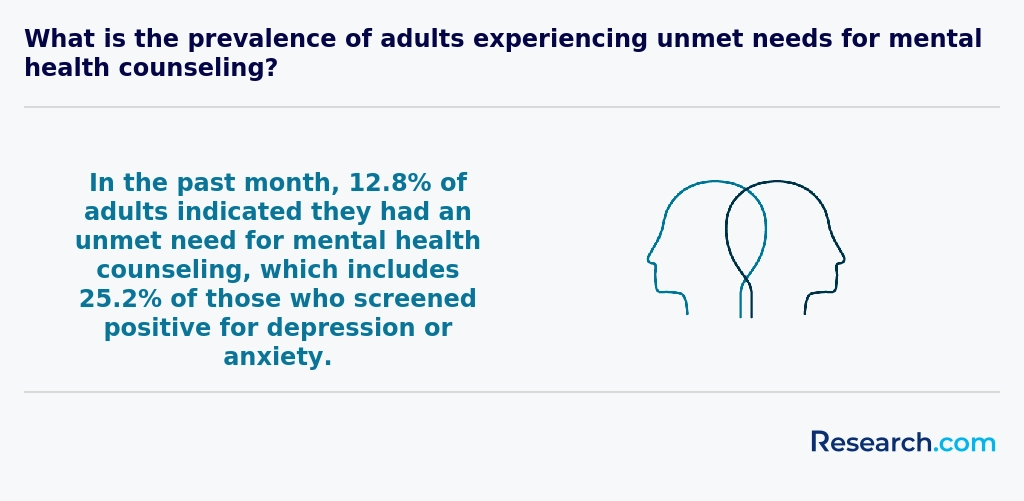
Graduates with a counseling degree in New York find themselves at the crossroads of diverse and impactful career paths. Licensed mental health counselors, school counselors, and substance abuse specialists represent just a few directions that many from institutions like Fordham University or New York University eagerly pursue. These roles resonate deeply with graduates who often recall the rewarding challenges of their fieldwork, helping real people navigate mental health struggles and addiction issues firsthand. The spectrum of mental health counseling jobs New York offers reflects a growing societal recognition of emotional well-being, fueling both strong job growth and personal fulfillment.
Beyond traditional clinical settings, counselors trained in New York's programs also branch into rehabilitation counseling and family therapy, tailoring their skills to fit community needs. Graduates from large public universities emphasize the competitive tuition rates, which make the investment in their counseling degree not just affordable but a strategic move toward a meaningful career. For those curious about this field's prospects, exploring the best college degrees for employment can provide further clarity and confidence.
The job market for counseling graduates in New York is proving to be both promising and complex. Graduates from well-regarded institutions like Columbia University and New York University often share how the high demand in mental health counseling roles reflects the state's diverse population and growing awareness around mental wellness. Employment opportunities stretch across schools, hospitals, and community centers, but success hinges on navigating licensure requirements such as obtaining the Licensed Mental Health Counselor credential. This reality challenges many but also ensures that those with these qualifications enjoy competitive salaries and career advancement.
Exploring the job outlook for counseling graduates in New York reveals consistent growth fueled by interdisciplinary needs, including roles in program coordination and advocacy. Many graduates from these programs highlight how understanding both clinical skills and administrative work broadens their prospects. Beyond campus, the integration of behavioral health in primary care and educational settings opens unconventional paths for counselors.
Cost remains a vital consideration, with tuition ranging significantly between public and private universities. Prospective students might find relief exploring financial aid tailored for mental health fields or discovering degree programs for seniors online that offer flexible routes to licensure and practice.
2027 Best Counseling Degree Programs Ranking in New York
Investing in your education is a significant decision that can shape your future, and the Research.com team understands the importance of making informed choices. To assist prospective students in New York, we have meticulously crafted the "2027 Best Counseling Degree Programs Ranking in New York." Our commitment to quality, credibility, and accuracy is reflected in the extensive research and analysis conducted to compile this ranking.
We utilized the following reputable data sources to ensure a comprehensive evaluation of counseling programs:
By exploring this ranking, readers will gain valuable insights into the best counseling degree programs available in New York, helping them make informed decisions about their educational paths. For more details on our methodology, please visit our Research.com methodology page.


# 6 position
Columbia University in the City of New York
Master of Education in Mental Health Counseling



Frequently Asked Questions About counseling
Students pursuing counseling degrees in New York can enhance their learning by engaging actively in both academic and practical experiences. The New York State Education Department requires a minimum of 700 supervised practicum hours for licensure, highlighting the importance of hands-on training.
Participating in internships or placements within diverse social service agencies enriches understanding of real-world counseling challenges. Networking with local professionals and joining state organizations like the New York State Counseling Association provides valuable mentorship and career guidance.
Additionally, staying updated on state-specific licensing requirements and emerging mental health trends supports informed career decisions. Utilizing campus resources and attending workshops also fosters skill development, preparing students to serve New York's diverse populations effectively.
The counseling field in New York is evolving with several emerging niches gaining prominence. One notable area is trauma-informed counseling, which addresses the growing need for therapists skilled in helping clients manage experiences related to violence, abuse, or disasters. According to the New York State Education Department, demand for licensed mental health counselors specializing in trauma has increased by over 12% in recent years.
Another expanding niche is gerontological counseling, focusing on mental health challenges faced by New York's aging population, which is expected to grow by 15% over the next decade, as reported by the U.S. Census Bureau.
Additionally, substance abuse counseling remains critical, with New York State's opioid crisis driving heightened demand for credentialed counselors trained in addiction treatment.
After earning a counseling degree in New York, preparing for the job market involves several key steps. First, graduates should obtain professional licensure, such as the Licensed Mental Health Counselor (LMHC), which requires completing 3,000 supervised hours. This licensure is essential for practicing independently in New York State (NYS Office of Prof. Discipline).
Networking is another crucial aspect. Joining organizations like the New York Mental Health Counselors Association can connect candidates with job openings and mentorship. Additionally, gaining experience through internships or volunteer work in community health centers enhances practical skills and employability.
Job seekers should also tailor resumes to highlight clinical skills and knowledge of evidence-based therapies. Knowing that the Bureau of Labor Statistics projects a 17% growth for counselors nationwide through 2031 can motivate pursuing continuing education to stay competitive.
Employers in New York seeking counseling degree graduates prioritize strong communication skills. Graduates must effectively listen and articulate ideas to support diverse client needs. According to the New York State Education Department, cultural competence is also essential, given the state's diverse population.
Critical thinking and problem-solving abilities are highly valued as counselors diagnose and devise treatment plans. Additionally, ethical judgment plays a key role, especially for licensed mental health counselors regulated by New York State laws.
Data from the Bureau of Labor Statistics shows that adaptability and knowledge of evidence-based practices contribute to higher employment rates in New York's counseling field.
Finding internships in New York related to a counseling degree involves proactive research and networking. Many universities with counseling programs maintain partnerships with local agencies, hospitals, and schools, offering students direct internship placements. Students should consult their program advisors early to explore available opportunities.
The New York State Office of Mental Health provides listings of approved internship sites, including clinics and community mental health centers. According to the New York State Education Department, counseling internships often require 600 to 1000 hours for licensure eligibility, highlighting the importance of securing a substantial placement.
Professional organizations like the New York Mental Health Counselors Association also post internship openings and provide networking events that can connect students with potential supervisors. Utilizing platforms such as Handshake and contacting local nonprofit organizations further expands options for relevant counseling internships.
Obtaining a counseling degree in New York significantly enhances career mobility and advancement opportunities. The state requires a master's degree in counseling or a related field for licensure as a Licensed Mental Health Counselor (LMHC), a credential essential for many professional roles. According to the New York State Education Department, licensed counselors earn median salaries above $50,000 annually, with experience and specialization increasing earning potential.
Graduates can access diverse settings such as schools, hospitals, and private practices, which broadens job prospects. Additionally, counseling degrees pave the way to supervisory roles or doctoral studies, facilitating upward professional growth. The growing demand for mental health services in New York further improves job stability.
Studying for a counseling degree in New York offers strong preparation for interdisciplinary roles by integrating diverse fields such as psychology, social work, education, and healthcare. Many New York programs emphasize collaboration skills, promoting teamwork with professionals from various backgrounds. This approach aligns with the state's demand for versatile counselors who can work in schools, hospitals, and community organizations.
New York's licensing requirements encourage coursework in areas like multicultural competence and ethical practice, supporting comprehensive interdisciplinary training. According to the New York State Education Department, over 60% of counseling graduates find roles requiring coordination with other specialists, demonstrating the importance of this preparation.
Programs often include practicum and internship experiences in varied settings, further building skills to navigate complex client needs alongside educators, medical staff, and social workers. The strong network of agencies in New York facilitates these diverse experiences, making graduates well-equipped for collaborative roles.
When choosing between a thesis and a non-thesis counseling degree program in New York, consider your career goals and time availability. Thesis programs typically require original research, preparing students for clinical practice, licensure, or doctoral studies. According to the New York State Education Department, a thesis can strengthen applications for certain licenses, like Licensed Mental Health Counselor (LMHC).
Non-thesis programs often focus on coursework and practical experience, useful for professionals aiming to enter the workforce quickly. Many New York universities report higher enrollment in non-thesis options due to the faster completion time.
Evaluate program flexibility, your interest in research, and long-term plans before deciding.
Students based in New York who wish to study counseling abroad have several pathways to consider. While U.S. accreditation and licensure requirements vary by state, New York students can pursue counseling degrees through established exchange programs or international universities recognized by the Council for Accreditation of Counseling and Related Educational Programs (CACREP).
Many institutions in New York have partnerships with universities in countries like the United Kingdom, Canada, and Australia. These programs often allow students to complete part of their coursework overseas while maintaining eligibility for New York State licensure.
According to New York's Office of Professions, maintaining compliance with state-specific clinical hour requirements is essential when studying abroad.
Students are encouraged to verify that international programs align with New York's Licensed Mental Health Counselor (LMHC) standards before enrolling.
Students pursuing counseling degrees in New York can enhance their education through part-time job opportunities that offer relevant experience. Common roles include behavioral health technician, case manager assistant, and crisis hotline responder. These positions allow students to apply theoretical knowledge in practical settings, a valuable asset for licensure preparation.
According to the New York State Education Department, gaining supervised clinical experience is essential for licensure, and part-time roles supporting mental health services are highly regarded. Additionally, community centers and nonprofit organizations in New York City often seek interns and part-time staff to assist with counseling programs.
Such jobs not only bolster a resume but also help in networking within the local mental health field, which is critical given that New York employs over 30,000 mental health professionals as of 2023 (Bureau of Labor Statistics).
Counseling students in New York benefit from numerous networking opportunities through professional organizations like the New York Mental Health Counselors Association (NYMHCA). This group hosts conferences and workshops that facilitate connections with licensed counselors and mental health professionals across the state.
Additionally, universities offering counseling degrees often organize career fairs and alumni events, providing access to internships and job openings in New York's diverse mental health sector. The state's accreditation by the Center for Credentialing & Education (CCE) also supports student engagement in certification programs, enhancing networking prospects.
According to the New York State Education Department, counseling programs commonly encourage participation in local mental health initiatives, offering real-world experience and professional contacts valuable for future careers.
Alumni networks play a vital role for counseling degree students in New York by offering valuable professional connections. These networks provide access to experienced counselors who can offer mentorship and career guidance, which is essential in a competitive job market. According to the New York State Education Department, nearly 40% of counseling graduates find employment through personal connections made during or after school.
Additionally, alumni groups often share job openings and internship opportunities specifically tailored to counseling fields within New York. They also organize workshops and events that help current students stay updated on licensure requirements and emerging trends in mental health care.
Such networks contribute to a sense of community and support, beneficial for students navigating rigorous academic and practical training demands in counseling programs.
Customizing a counseling degree program in New York allows students to align their education with specific career goals. Many colleges offer specializations such as mental health counseling, school counseling, or marriage and family therapy. Choosing relevant electives and practicum sites can further tailor the experience. For example, according to the New York State Education Department, selecting clinical experiences in local communities enhances practical skills directly related to desired professions. Additionally, students may pursue dual certifications or licenses by meeting extra state requirements, broadening employment opportunities. Customization supports meeting New York's licensing standards while addressing individual professional interests.
Counseling students in New York commonly face several challenges during their education. One significant issue is the high cost of tuition and living expenses, as New York ranks among the states with the highest education costs, which can create financial stress. Additionally, gaining sufficient supervised clinical hours is often difficult due to limited internship placements in urban areas.
Students also report balancing coursework with practical training while managing personal and professional responsibilities. According to the New York State Education Department, meeting the state's licensing requirements demands extensive preparation and time commitment, which can be overwhelming.
Finally, counseling students in New York must stay informed about evolving mental health policies and cultural competency expectations to effectively serve diverse populations in the state.
With a counseling degree in New York, graduates can pursue several professional certifications that enhance their career opportunities. The most common certification is the Licensed Mental Health Counselor (LMHC), required to practice independently, which involves completing 3,000 hours of supervised experience and passing a state exam, according to the New York State Education Department.
Other certifications include credentials like Certified Alcohol and Substance Abuse Counselor (CASAC), which is important given New York's increasing focus on addiction treatment. Additionally, school counselors may seek certification from the New York State Union Free School Districts for employment in educational settings.
These certifications ensure adherence to professional standards and expand counseling roles across clinical, school, and substance abuse fields.
Writing a winning application for a counseling program in New York requires clear demonstration of your passion and qualifications. Start by thoroughly researching each school's specific requirements, including prerequisite coursework and required exams, such as the GRE, if applicable.
Highlight relevant experience, such as internships or volunteer work in mental health settings, to show practical knowledge. Emphasize your understanding of New York's counseling licensure requirements, governed by the New York State Education Department, to demonstrate your commitment to professional goals.
Strong letters of recommendation from academic or professional mentors can significantly enhance your application. Finally, craft a focused personal statement that clearly explains why you want to pursue counseling in New York and how you plan to contribute to the community.
Counseling careers are increasingly viewed as vital in addressing mental health needs worldwide. In the United States, including New York, counseling professionals must meet state licensing requirements, which often include a master's degree and supervised clinical hours. Globally, similar standards apply, focusing on ethical practice and cultural competence.
New York's counseling workforce reflects diverse populations and growing demand. According to the U.S. Bureau of Labor Statistics, employment of mental health counselors in New York is projected to grow over 20% from 2020 to 2030, highlighting strong local job prospects.
Internationally, counseling professionals often adapt to different health systems and regulations, emphasizing cross-cultural understanding. This global perspective stresses the importance of adaptable skills for graduates of New York counseling programs.
Gaining practical experience while studying for a counseling degree in New York typically involves internships, practicums, and supervised clinical hours. Most accredited programs require a minimum of 700 to 1,200 hours of direct client contact for licensure, which students accumulate through placements in clinics, schools, hospitals, or community agencies. New York State licenses counselors through the Office of the Professions, emphasizing hands-on experience to develop essential skills. Universities often partner with local organizations to provide these opportunities, allowing students to work under licensed professionals. According to the New York State Education Department, completing these hours is mandatory before applying for the Licensed Mental Health Counselor (LMHC) exam.
Choosing the right concentration within a counseling degree program in New York depends largely on your career goals and the population you wish to serve. Common specializations include mental health counseling, school counseling, and addiction counseling. Each area requires specific licensure; for example, to become a licensed mental health counselor (LMHC) in New York, graduates must complete 3,000 hours of supervised experience and pass the state exam, as outlined by the New York State Office of the Professions.
Research from the New York State Education Department shows strong demand for mental health professionals, reflecting a growing need fueled by increased awareness of behavioral health. School counseling focuses on supporting students' academic and emotional development, while addiction counseling addresses substance use disorders, a critical public health issue in New York. Academic institutions often provide resources and guidance to help students align concentrations with workforce trends and personal interests.
- 2027 Best Counseling Degree Programs Ranking in New Jersey
- 2027 Best Counseling Degree Programs Ranking in Pennsylvania
- 2027 Best Counseling Degree Programs Ranking in Connecticut
- 2027 Best Counseling Degree Programs Ranking in Massachusetts
- 2027 Best Counseling Degree Programs Ranking in Maryland
- 2027 Best Counseling Degree Programs Ranking in Ohio
- 2027 Best Counseling Degree Programs Ranking in Virginia
- 2027 Best Counseling Degree Programs Ranking in Indiana
- 2027 Best Counseling Degree Programs Ranking in Michigan
- 2027 Best Counseling Degree Programs Ranking in Georgia
See What Experts Have To Say About Studying Counseling
Read our interview with Counseling experts

Charles Figley
Counseling Expert
Kurzweg Distinguished Chair in Disaster Mental Health
Tulane University

- How Can I Gain Counselling Work Experience? https://oxbridgehomelearning.uk/blog/how-can-i-gain-counselling-work-experience/
- Mental Health Counseling, M.A. - Brooklyn College https://www.brooklyn.edu/academics/programs/mental-health-counseling-ma/
- Internship Opportunities | PCS https://pacounseling.com/internships/
- Networking: Are You Connected? https://www.apaservices.org/practice/business/marketing/building/networking
- Requirements To Become A Licensed Counselor In New York https://www.psychology.org/counseling/licensure/new-york/
- Counseling - Mental Health Counseling M.S. https://manhattan.edu/academics/programs/mental-health-counseling-ms
- Study Counseling Abroad - Top Universities for Masters, MBA, PhD Degree Programs https://studee.com/degree/abroad/counseling
- Student Counselor Cover Letter Sample https://www.kickresume.com/en/help-center/student-counselor-1-cover-letter-sample/
- How To Attract Ideal Therapy Clients - Owl Practice https://owlpractice.ca/blog/therapy-niche-how-to-attract-ideal-clients/
- Become a Counselor in New York (NY): State Licensing & Schools https://www.counselingschools.com/licenses/new-york


