
2027 Best Counseling Degree Programs Ranking in Grand Rapids

Co-Founder and Chief Data Scientist
Choosing the right counseling degree program in Grand Rapids can shape your future and career path. The 2027 Best Counseling Degree Programs Ranking in Grand Rapids was created by the Research.com team of data scientists to guide you through the best options available.
In this article, you'll find carefully analyzed programs to help you make an informed decision. Pursuing a counseling degree opens doors to meaningful work, personal growth, and the chance to make a real difference in others' lives.
Let this resource support you in finding the program that fits your goals and aspirations.
Key benefits of getting counseling degree in Grand Rapids
- Salary: Graduates with a counseling degree in Grand Rapids can expect competitive salaries, such as Addiction Counselors earning around $60,080 annually and Community Outreach Coordinators making approximately $54,020 annually, offering financial stability and growth.
- Career Paths: Counseling degree holders from local schools like Grand Rapids Community College often pursue diverse roles including Family Support Worker or Rehabilitation Specialist, enabling them to impact various community health areas positively.
- Online Degree Benefits: Earning a counseling degree online from institutions like Aquinas College allows flexibility for working adults in Grand Rapids, helping balance study and life while gaining the same respected credentials as traditional programs.
- Key benefits of getting counseling degree in Grand Rapids
- What can I expect from counseling degree in Grand Rapids?
- Where can I work with counseling degree in Grand Rapids?
- How much can I make with counseling degree in Grand Rapids?
- 2027 Best Counseling Degree Programs Ranking in Grand Rapids
- Key Findings
- How long does it take to complete counseling degree in Grand Rapids?
- What's the difference between online and on-campus counseling degree?
- What is the average cost of counseling degree in Grand Rapids?
- Licensure Requirements in Michigan
- What financial aid is available to counseling degree students in Grand Rapids?
- What are the prerequisites for enrolling in counseling degree program in Grand Rapids?
- What courses are typically in counseling degree programs in Grand Rapids?
- What types of specializations are available in counseling degree programs in Grand Rapids?
- How do you choose the best counseling degree in Grand Rapids?
- What career paths are available for counseling degree students in Grand Rapids?
- What is the job market for counseling degree in Grand Rapids?
- Top Trending Counseling Rankings
- See What Experts Have To Say About Studying Counseling
What can I expect from counseling degree in Grand Rapids?
The average cost of pursuing a counseling degree in Grand Rapids varies depending on the level and institution, but students often find the investment rewarding and manageable. For a bachelor's degree, tuition typically spans four years, with many graduates recalling the balance between academic dedication and personal growth as uniquely fulfilling. Master's programs, such as those offered by Grand Valley State University, generally last two to three years, and students appreciate the flexible schedules that accommodate work and life commitments.
Graduates frequently describe the value of hands-on experiences through practicum placements in local clinics and schools, which enrich their learning beyond textbooks. These real-world opportunities, combined with strong program accreditation, ensure graduates feel confident and well-prepared to meet Michigan's licensure requirements.
While exact costs differ, many find scholarships, financial aid, and part-time enrollment helpful in managing expenses. This support enables aspiring counselors in Grand Rapids to pursue their passion with optimism, knowing their education is a meaningful step toward impacting lives positively.
Where can I work with counseling degree in Grand Rapids?
Graduates with counseling degrees from institutions like Grand Rapids Community College and Ferris State University discover a variety of rewarding career paths that truly make a difference in people's lives. Many find themselves working in mental health clinics, offering compassionate therapy to individuals facing challenges such as anxiety or trauma. One graduate shared how their role at a local counseling center empowered them to support families rebuilding hope.
Hospitals like Spectrum Health welcome counseling professionals to join integrated behavioral health teams, creating a collaborative space where counselors assist patients managing complex health conditions. Others pursue school counseling careers, partnering with students and educators across Grand Rapids' public and private schools, helping young people unlock their potential and navigate their futures confidently.
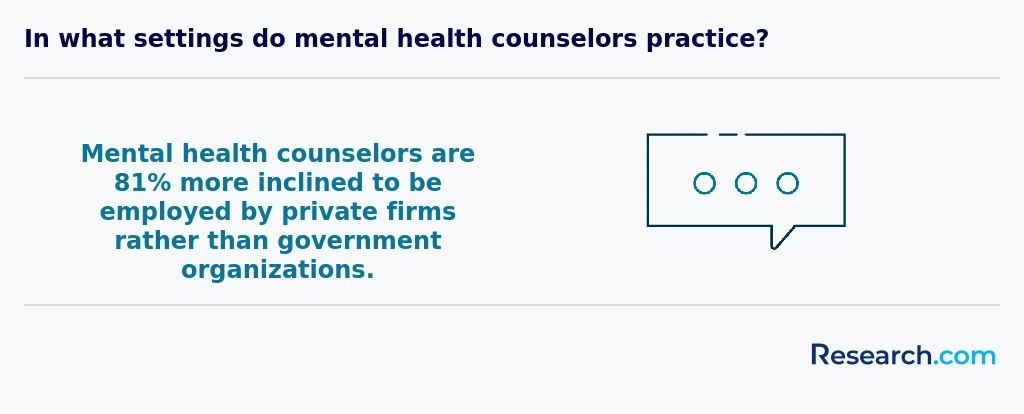
Community organizations and nonprofits offer exciting opportunities for counselors passionate about outreach and prevention programs. Many graduates celebrate the fulfillment from seeing real change in their neighborhoods. Those with entrepreneurial spirits often open private practices, crafting flexible schedules and specialties tailored to their passions, fueling ongoing growth in Grand Rapids' mental health services.
How much can I make with counseling degree in Grand Rapids?
Graduates with a counseling degree from well-regarded institutions in Grand Rapids often find rewarding career paths with strong earning potential. For example, intervention specialists typically earn an average annual wage of about $76,000, reflecting the value of advanced skills in managing client care and support. Rehabilitation specialists enjoy mean salaries near $48,430, highlighting a steady entry point into community health roles.
Many graduates from Grand Rapids-area universities step confidently into roles like addiction counselors, where the mean annual wage reaches $60,080, a figure representing both the demand and critical impact of their work. Community outreach coordinators and family support workers, roles common for counseling graduates, each earn around $54,020 yearly, combining meaningful social impact with financial stability.
Picture a recent graduate from a Grand Rapids college starting their journey in an outpatient mental health facility, earning a solid salary that allows them to grow professionally and personally. This positive start often fuels passion and motivation, empowering graduates to make a difference while securing a comfortable lifestyle in a vibrant Michigan community.
2027 Best Counseling Degree Programs Ranking in Grand Rapids
How do we rank schools?
Investing in your education is a significant decision that can shape your future, and the Research.com team understands the importance of making informed choices. To assist prospective students in Grand Rapids, we have carefully developed the "2027 Best Counseling Degree Programs Ranking in Grand Rapids." Our dedication to quality, credibility, and accuracy is demonstrated through rigorous research and analysis behind this ranking.
We utilized the following reputable data sources to ensure a comprehensive evaluation of counseling programs:
By exploring this ranking, readers will gain valuable insights into the top counseling degree programs available in Grand Rapids, enabling them to make well-informed decisions about their educational journeys. For more information on how this ranking was created, please visit our Research.com methodology page.


Key Findings
- Counseling graduate programs in Grand Rapids usually require two to three years of full-time study for licensure.
- Tuition for a master's degree ranges from $10,000 to $25,000 per year, with public institutions generally offering more affordable rates for in-state students.
- Employment of mental health counselors in the area is expected to grow by about 15% over the next decade, faster than the national average.
- Entry-level counseling salaries range from $40,000 to $50,000 annually, increasing to $55,000-$65,000 with experience and advanced licensure.
- Licensure requires a graduate degree, approximately 3,000 hours of supervised clinical experience, and passing a state exam; school counselors may need additional certification.
How long does it take to complete counseling degree in Grand Rapids?
Completing a counseling degree in Grand Rapids is an exciting journey that varies depending on your educational path. Many graduates from local institutions find that earning a bachelor's degree takes about four years of full-time study, giving them a strong foundation in human behavior and counseling principles. This sets the stage for further professional growth.
For those inspired to become licensed counselors, the master's degree is the key, typically requiring two to three years at respected Grand Rapids universities offering CACREP-accredited programs. Many students share how the blend of coursework and hands-on internships-often totaling 700 to 1000 clinical hours-deepens their confidence and skills, making every challenging moment worthwhile.
Doctoral programs, though more demanding, span four to seven years and prepare graduates for advanced leadership and research roles, often within Grand Rapids' vibrant academic community. Studying here means embracing a supportive environment that encourages lasting professional and personal growth.
What's the difference between online and on-campus counseling degree?
Choosing between online and on-campus counseling degrees in Grand Rapids means embracing the learning style that fits your life and goals. Online programs provide inspiring flexibility-graduates often share how they balanced work, family, and studies seamlessly while attending schools with strong reputations in Michigan. Picture completing coursework at your own pace, then stepping into local Grand Rapids clinics for hands-on practicum experiences, connecting classroom knowledge with real-world practice.
On-campus programs, offered by well-known colleges in Grand Rapids, create an energizing environment through face-to-face interactions. Many graduates cherish the sense of community and immediate support from professors and peers, which fuels their passion and confidence. Imagine engaging in lively discussions in campus counseling labs and building lasting networks within the local counseling community, all while accessing resources like libraries and career services that nurture your professional growth.
Both paths lead to fulfilling opportunities, preparing compassionate counselors ready to make a difference right here in Grand Rapids.
What is the average cost of counseling degree in Grand Rapids?
For students eager to pursue a counseling degree in Grand Rapids, understanding the average cost of counseling degree in Grand Rapids can provide clarity and motivation. Graduates from popular universities like Grand Valley State University often share how the investment, typically around $33,160 total, reflects a valuable journey toward a fulfilling career. In-state students may find costs closer to $24,466, making the pursuit even more accessible and encouraging for local residents.
Many students recall balancing textbooks, clinical practices, and part-time work, feeling proud knowing their dedication was matched by manageable tuition and fees. Schools in Grand Rapids often provide options that help ease financial stress, such as scholarships or financial aid, allowing students to focus on their passion for helping others.
The counseling degree tuition and fees Grand Rapids students encounter include not only tuition but also costs for books, supplies, and exam fees. These are essential steps toward becoming licensed professionals, and many students view these expenses as meaningful investments in their futures. Those who choose part-time or online formats find additional flexibility, crafting a path that fits their lifestyle.
Exploring programs and understanding costs is part of the excitement as future counselors envision their impact. To learn more about career paths and financial planning, students often look into how to become a marriage and family therapist, broadening their opportunities and hope.

Licensure Requirements in Michigan
Becoming a licensed counselor in Michigan involves meeting education, experience, and exam standards set by the Michigan Board of Counseling. Key steps include:
- Earn a CACREP-accredited master’s degree in counseling or a closely related field.
- Complete at least 3,000 hours of supervised clinical experience, including a minimum of 700 direct client-contact hours.
- Pass the National Counselor Examination (NCE) or the National Clinical Mental Health Counseling Examination (NCMHCE).
- Submit an application to the Michigan Department of Licensing and Regulatory Affairs (LARA) with official transcripts, verified supervision logs, and exam scores.
- Renew your license every two years by completing 40 continuing education hours.
For guidance on specialized family systems pathways, visit how to become a marriage and family therapist.
What financial aid is available to counseling degree students in Grand Rapids?
Students pursuing counseling degrees in Grand Rapids can tap into a wealth of financial aid options designed to lighten the financial load and empower their educational journey. Graduates from Grand Valley State University share how federal aid, such as subsidized loans through FAFSA, played a vital role in making their degrees attainable without overwhelming debt. While Pell Grants are rarer for graduate students, federal loans remain accessible with favorable interest rates.
State programs like the Michigan Competitive Scholarship and Tuition Incentive Program offer meaningful support, especially for residents eager to advance their careers in counseling. At Calvin University, many students have benefited from merit-based scholarships and need-based grants that recognize both academic achievements and financial need, turning aspirations into reality.
Graduate assistantships and work-study positions provide not only financial relief but invaluable hands-on experience. Several alumni recall how these opportunities offered tuition waivers while honing skills crucial for their counseling careers. Additionally, loan forgiveness programs such as Public Service Loan Forgiveness inspire many by promising debt relief for those committed to serving communities in need within the Grand Rapids area.
What are the prerequisites for enrolling in counseling degree program in Grand Rapids?
Enrolling in a counseling degree program in Grand Rapids begins with a foundation that's both achievable and motivating. For those aiming at bachelor's programs at well-known local institutions like Grand Valley State University, having a high school diploma or GED opens the door to transformative education. Many graduates recall feeling encouraged when their diverse backgrounds and test-optional policies gave them flexibility to apply confidently.
When moving toward a master's degree, essential for many counseling careers, holding a bachelor's degree is key-whether it's in counseling, psychology, or a related human services field. Recent graduates from counseling programs in Grand Rapids often reflect on how supportive admissions processes valued their volunteer work and life experiences in social services, helping them stand out. Providing official transcripts with a solid GPA, letters of recommendation, and a heartfelt statement of purpose helps illustrate one's dedication.
Grand Rapids schools emphasize practical readiness, linking coursework with Michigan's licensing standards, so students feel inspired knowing their clinical training will prepare them to make a meaningful impact in the community.
What courses are typically in counseling degree programs in Grand Rapids?
Counseling degree programs in Grand Rapids offer a vibrant blend of engaging and essential courses that inspire students to become compassionate and skilled professionals. Graduates from institutions like Calvin University and Grand Valley State University often recall how core classes such as Introduction to Counseling Theories provided a fascinating dive into cognitive-behavioral and humanistic approaches, helping them understand diverse client needs deeply.
Hands-on courses like Group Counseling Techniques allow students to confidently practice leading therapy sessions and support groups, fostering real-world skills that build both empathy and leadership. Other classes, such as Human Growth and Development, spark a genuine appreciation for the life stages clients experience, enabling students to connect personally and meaningfully.
- Ethics and Professional Issues empower future counselors with a strong moral compass and an understanding of legal responsibilities.
- Career Development and Counseling prepares them to guide clients toward fulfilling life choices.
- Multicultural Counseling celebrates diversity, helping students embrace cultural sensitivity in every interaction.
Grand Rapids counseling students find that these courses ignite both passion and confidence, setting the foundation for impactful careers in local schools, agencies, and beyond.
What types of specializations are available in counseling degree programs in Grand Rapids?
In Grand Rapids, counseling degree specializations offer vibrant pathways tailored to students' passions and the community's needs. Graduates from popular universities embrace Clinical Mental Health Counseling, where they confidently support individuals facing mental health challenges through therapy and compassionate care. This specialization resonates deeply as students witness real transformations in community agencies and private practices.
School Counseling is another cherished focus, preparing graduates to empower K-12 students academically and emotionally within Grand Rapids Public Schools. Many find joy in fostering a supportive environment for young learners, making a meaningful difference in their daily lives. Substance Abuse Counseling draws students passionate about recovery work, addressing urgent local and statewide challenges with hope and impactful programs.
Those exploring varied interests appreciate the dynamic options, including Marriage and Family Therapy and Rehabilitation Counseling, which nurture skills to enrich relationships and aid individuals with disabilities. Exploring such options at respected local colleges encourages motivation, especially when combined with flexible learning paths like the accelerated undergraduate degree offerings. This diversity in the best counseling programs Grand Rapids helps students envision a rewarding and empowering future.
How do you choose the best counseling degree in Grand Rapids?
Choosing the best counseling degree programs Grand Rapids offers means focusing on accreditation, cost, and real-world experience. Graduates from local universities often highlight the value of CACREP-accredited programs that prepare them well for Michigan licensure and fulfilling careers. Affordability plays a big role too; many find affordable counseling degrees in Grand Rapids through public institutions that offer strong financial aid and part-time or online formats tailored for busy learners. This flexibility helped a recent graduate balance work and study while growing their skills.
Look for programs with specializations that match your passion, whether it's school counseling or family therapy. Graduates frequently share how hands-on internships at nearby clinics and community centers enriched their learning and boosted confidence for the future. Exploring employment outcomes in Grand Rapids reveals promising opportunities, inspiring many to embark on this rewarding path.
To explore further options, consider visiting a list of top programs for older adults online that also support diverse student needs and aspirations.
What career paths are available for counseling degree students in Grand Rapids?
Graduates with a counseling degree in Grand Rapids step into a world of impactful career opportunities, from mental health counseling to marriage and family therapy. Many find rewarding roles in private practices, community mental health centers, and schools where they facilitate healing and growth. Those pursuing specialties like mental health counseling or school counseling experience the joy of supporting individuals and students through life's challenges, often practicing locally after completing degrees at respected universities in Grand Rapids.
Grand Rapids graduates often share how their education equipped them to thrive in diverse settings-whether helping clients overcome addiction through substance abuse counseling or providing compassionate guidance in rehabilitation centers. These counseling career opportunities in Grand Rapids reflect a vibrant demand, fueled by an expanding awareness of mental health. As they gain licensure, graduates confidently build their careers in dynamic environments such as nonprofit agencies and behavioral health consulting, making a meaningful difference every day.
For those curious about the financial outlook, exploring what bachelor's degrees make the most money can offer insightful comparisons as you plan your path forward.
What is the job market for counseling degree in Grand Rapids?
The job market for counseling degree holders in Grand Rapids is vibrant and full of opportunity, reflecting strong career opportunities for counseling graduates in Grand Rapids. Graduates from well-regarded institutions like Grand Valley State University share how their education opened doors to positions in schools, community centers, and private practices where they make a meaningful impact. The city's diverse population and state initiatives create a welcoming environment for new professionals eager to grow their careers.
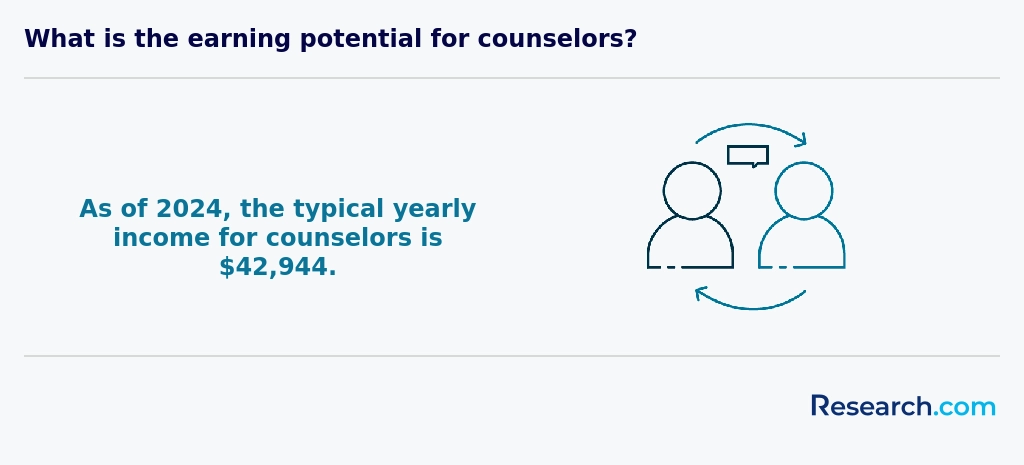
Graduates often find themselves thriving in roles as clinical mental health counselors, substance abuse counselors, or rehabilitation counselors thanks to the region's expanding healthcare networks. With salaries typically ranging from $50,000 to $60,000 annually and rising with experience, the outlook is promising and motivates many to invest in their future here.
For those exploring how to begin, affordable programs with in-state tuition rates and options through colleges that accept fafsa provide accessible routes to licensure and employment. The counseling degree job outlook Grand Rapids offers a hopeful path for anyone passionate about supporting mental wellness in their community.
Frequently Asked Questions About counseling
Counseling degree students in Grand Rapids can maximize their learning experience by engaging with local internships and practicum opportunities. These hands-on experiences provide practical skills essential for licensure and employment. Grand Rapids offers partnerships with mental health clinics and community organizations, supporting real-world training.
Students should also take advantage of networking opportunities through professional bodies like the Michigan Counseling Association. Participation in workshops and seminars hosted in the area helps expand their knowledge and connections. According to the U.S. Bureau of Labor Statistics, the demand for counselors in Michigan is expected to grow by 12% through 2030, highlighting the importance of applied experience.
Finally, utilizing resources from Grand Rapids' universities, such as academic advising and tutoring, can enhance academic success. Combining theoretical study with fieldwork and local engagement prepares students effectively for counseling careers.
The counseling field in Grand Rapids is evolving with several emerging niches that respond to community needs and broader societal changes. One growing area is trauma-informed counseling, reflecting increased awareness of mental health impacts from adverse experiences. According to data from the Michigan Department of Licensing and Regulatory Affairs, demand for trauma specialists in West Michigan has risen by 12% over the past five years.
Another expanding niche is substance abuse counseling, especially important given the opioid crisis affecting Michigan. Grand Rapids has seen a 15% growth in programs offering specialized training in addiction therapy since 2019, noted by local education centers.
Additionally, career counseling focused on youth and adult workforce transitions is gaining traction as economic shifts require adaptable skill sets. This sector is expected to grow alongside Grand Rapids' emphasis on workforce development initiatives.
After earning a counseling degree in Grand Rapids, preparing for the job market involves several important steps. First, obtaining state licensure is essential. Michigan requires counselors to pass the National Counselor Examination and complete supervised clinical hours to become a Licensed Professional Counselor (LPC).
Networking within local professional organizations, such as the Michigan Counseling Association, can provide valuable job leads and mentorship. Internships and practicum experiences during your program also strengthen your resume and provide real-world skills.
According to the U.S. Bureau of Labor Statistics, Michigan's employment for mental health counselors is expected to grow 14% through 2031, suggesting positive job prospects. Staying informed about regional job boards and healthcare facilities in Grand Rapids will further assist in securing employment.
Employers in Grand Rapids seek counseling degree graduates with strong interpersonal skills, emphasizing empathy and active listening. These skills are essential for building trust with diverse clients, a critical aspect identified by the Michigan Counseling Association. Additionally, graduates must demonstrate cultural competence due to the city's growing multicultural population. Another key skill is critical thinking, enabling counselors to develop effective treatment plans based on evidence-based practices.
Knowledge of ethical standards and confidentiality is also mandatory, aligning with state licensing rules from the Michigan Department of Licensing and Regulatory Affairs. Communication skills, both verbal and written, are highly valued for client interaction and documentation purposes.
Finding internships in Grand Rapids for counseling degree students involves leveraging both academic and community resources. Local universities such as Grand Valley State University and Calvin University often offer internship placement assistance through their counseling or psychology departments.
Additionally, the city has a number of healthcare organizations, counseling centers, and nonprofits that regularly provide internship opportunities. Examples include Pine Rest Christian Mental Health Services and the Family Counseling Center of Grand Rapids.
Students should also utilize Michigan's Department of Licensing and Regulatory Affairs website for licensed counseling agencies offering supervised internships required for licensure.
Networking through professional associations like the Michigan Counseling Association can further expand internship prospects.
A counseling degree in Grand Rapids significantly enhances career mobility and advancement opportunities within the local mental health field. According to the Michigan Department of Licensing and Regulatory Affairs, licensure as a professional counselor requires a master's degree, which opens doors to higher-paying roles and leadership positions. The demand for licensed counselors in Kent County is expected to grow by 15% over the next decade, creating a favorable job market for degree holders.
Obtaining a counseling degree also allows for specialization areas, such as school or clinical counseling, which can further increase employability. Salaries for licensed counselors in Grand Rapids average around $50,000 to $65,000 annually, with potential increases linked to advanced credentials and experience, as reported by the U.S. Bureau of Labor Statistics.
Studying for a counseling degree in Grand Rapids equips students with skills essential for interdisciplinary collaboration. Local programs emphasize integrated learning, combining counseling theories with knowledge in psychology, social work, and healthcare. This approach reflects Grand Rapids' diverse professional environment, where counselors often work alongside educators, medical professionals, and social service providers.
The curriculum typically includes experiential training that fosters communication and problem-solving skills across disciplines. According to Michigan's Department of Education, over 35% of counseling-related roles in Kent County require teamwork with multiple service sectors.
Students also benefit from practicum placements in community agencies, enhancing their ability to operate in varied, interdisciplinary settings.
When choosing between a thesis and a non-thesis counseling degree program in Grand Rapids, students should consider their career goals and learning preferences. Thesis programs typically require original research, preparing students for roles in academia or clinical research. This option demands strong writing and analytical skills.
Non-thesis programs often focus on practical skills and coursework, ideal for those aiming to enter counseling practice quickly. According to Grand Rapids area universities' data, about 60% of counseling students opt for non-thesis tracks to streamline licensure pathways.
Licensure in Michigan requires supervised clinical hours regardless of the track, so students should assess how each program supports these requirements.
Students based in Grand Rapids seeking to study counseling abroad have several pathways through partnerships and exchange programs supported by US universities. Although direct international counseling degree programs are limited, many institutions encourage study-abroad experiences to enhance cultural competence, a key skill in counseling professions.
Programs often include semester exchanges or internships in countries with established counseling frameworks, such as the United Kingdom, Australia, or Canada. The Council for Accreditation of Counseling & Related Educational Programs (CACREP) highlights the importance of global perspectives, influencing Grand Rapids programs to collaborate internationally.
Students interested in international licensure must consider differing certification requirements. Currently, no Grand Rapids counseling programs offer fully remote international degrees recognized in the US. Instead, students typically complete domestic degrees supplemented with abroad experiences to broaden their training.
Students pursuing counseling degrees in Grand Rapids can benefit from various part-time job opportunities that enhance their education and practical skills. Local mental health clinics and community centers often hire interns or support workers, providing experience in client interaction and case management.
Additionally, schools and nonprofit organizations in the area frequently offer roles such as teaching assistants or youth mentors, enabling students to develop counseling techniques and communication skills.
According to the Michigan Department of Health and Human Services, these experiential positions are crucial for meeting supervised practice requirements for licensure.
Hospital volunteer programs also provide exposure to behavioral health settings, complementing academic learning with real-world insight.
Counseling students in Grand Rapids have various networking opportunities that can enhance their academic and professional careers. Local universities such as Grand Valley State University offer counseling-specific events and workshops where students meet faculty, alumni, and local practitioners. According to the Michigan Counseling Association, the Greater Grand Rapids chapter hosts regular meetings and conferences that focus on professional development and networking.
Community organizations and mental health agencies in Grand Rapids also provide internships and volunteer positions. These experiences enable students to connect directly with professionals in diverse counseling fields. Additionally, students may join national associations with local chapters, offering access to broader counseling networks.
Alumni networks play a crucial role for counseling degree students in Grand Rapids by providing access to professional connections and mentorship opportunities. These networks often connect current students with graduates working in local clinics, schools, and counseling centers, helping them navigate the job market. According to the National Board for Certified Counselors, over 60% of counseling positions are filled through professional referrals, highlighting the importance of networking.
Additionally, alumni events and online platforms foster knowledge exchange about evolving counseling practices and licensure requirements in Michigan. This ongoing support benefits students preparing for the National Counselor Examination and state licensure.
Students also gain potential internship placements through alumni, which are vital for practical experience and fulfilling degree requirements.
Customizing a counseling degree program in Grand Rapids begins with selecting the right institution offering flexibility in course options. Many local colleges and universities enable students to choose specializations such as clinical mental health, school counseling, or marriage and family therapy.
Additionally, students can often tailor their practicum and internship placements to align with career goals, gaining hands-on experience in desired settings like community centers or healthcare facilities. Grand Rapids boasts partnerships with various counseling agencies, broadening opportunities for applied learning.
Elective courses and workshop participation further allow degree customization, helping students build skills relevant to emerging counseling fields. According to the Michigan Department of Licensing and Regulatory Affairs, staying current with state licensure requirements also shapes degree choices to ensure professional readiness.
Counseling students in Grand Rapids face several common challenges during their education. A major difficulty is balancing coursework with required field placements, where hands-on experience is crucial. Students often report stress managing time between rigorous classes and clinical hours. Additionally, the cost of tuition and living expenses can be a significant burden. According to data from the National Center for Education Statistics, counseling programs often require 60 to 70 credit hours, extending study time and expenses.
Another challenge is meeting Michigan's licensing requirements, which include post-graduate supervised experience. For many, securing quality practicum sites in Grand Rapids can be competitive due to limited local placements. Furthermore, students must stay updated with evolving counseling ethics and diverse community needs in the region, which demands ongoing professional development.
With a counseling degree in Grand Rapids, you can pursue several professional certifications that expand your career options. One common credential is the Licensed Professional Counselor (LPC) license, which allows you to provide therapy independently in Michigan.
Beyond the LPC, graduates often seek certification as a National Certified Counselor (NCC) through the National Board for Certified Counselors (NBCC). This credential is nationally recognized and can enhance employment prospects.
Specialized certifications include Licensed Marriage and Family Therapist (LMFT) and Licensed Clinical Social Worker (LCSW) if additional training is completed. These licenses reflect specific expertise and are in demand across Grand Rapids' mental health services.
According to the Michigan Department of Licensing and Regulatory Affairs, demand for licensed counselors continues to grow, making these certifications valuable for local professionals.
To write a winning application for a counseling program in Grand Rapids, start by thoroughly researching the specific program's requirements at local institutions, such as Grand Valley State University or Calvin University. Highlight relevant academic achievements and any experience in psychology, social work, or volunteer counseling roles.
Include a clear, well-structured personal statement explaining your motivation for pursuing counseling and how you plan to contribute to the local community. Admissions committees in Grand Rapids often value firsthand knowledge of cultural and social issues prevalent in the area.
Request strong letters of recommendation from professors or professionals familiar with your interpersonal skills and academic abilities.
Ensure your resume is concise and focused on counseling-related activities or employment. Grand Rapids programs may also require GRE scores; verify each school's criteria beforehand.
Global perspectives on a counseling career emphasize its growing importance across cultures and healthcare systems. In the United States, including Grand Rapids, counseling is recognized as a vital profession addressing mental health challenges. According to the U.S. Bureau of Labor Statistics, employment for substance abuse, behavioral disorder, and mental health counselors is projected to grow 23% from 2021 to 2031, faster than average. Grand Rapids reflects this trend with increasing local demand driven by rising awareness of mental health issues. Globally, counseling roles vary but share core goals: supporting individuals' well-being and improving societal health, making it a respected and evolving profession worldwide.
Gaining practical experience while studying for a counseling degree in Grand Rapids is essential for career readiness. Many local universities and colleges integrate internships or practicum placements into their counseling programs. These placements often occur in community mental health centers, schools, or hospitals across Kent County. According to the Michigan Department of Licensing and Regulatory Affairs, supervised experience of 3,000 hours is required for professional licensure, so starting early is beneficial.
Additionally, professional organizations like the Michigan Counseling Association offer networking and volunteer opportunities. Students may also seek part-time roles in local agencies to build skills in real-world settings.
Choosing the right concentration within a counseling degree program in Grand Rapids starts with understanding local workforce demands and your career goals. Popular focuses include mental health counseling, school counseling, and marriage and family therapy. According to the Michigan Department of Labor, demand for licensed professional counselors in West Michigan is projected to grow by 14% through 2030, especially in mental health sectors.
Consider your personal interests and strengths, as well as licensure requirements. For instance, school counselors need specific state certifications, while clinical mental health counseling often requires different practicum experiences. Exploring Grand Rapids programs' curriculum details and internship partnerships can help align your choice with regional opportunities.
Related Counseling Rankings for Nearby Cities
- 2027 Best Counseling Degree Programs Ranking in Chicago
- 2027 Best Counseling Degree Programs Ranking in Madison
- 2027 Best Counseling Degree Programs Ranking in Cleveland
- 2027 Best Counseling Degree Programs Ranking in Cincinnati
- 2027 Best Counseling Degree Programs Ranking in Louisville
- 2027 Best Counseling Degree Programs Ranking in Pittsburgh
- 2027 Best Counseling Degree Programs Ranking in Saint Louis
- 2027 Best Counseling Degree Programs Ranking in Saint Paul
- 2027 Best Counseling Degree Programs Ranking in Minneapolis
- 2027 Best Counseling Degree Programs Ranking in Des Moines
Top Trending Counseling Rankings
See What Experts Have To Say About Studying Counseling
Read our interview with Counseling experts

Charles Figley
Counseling Expert
Kurzweg Distinguished Chair in Disaster Mental Health
Tulane University

References
- Internship Opportunities | PCS https://pacounseling.com/internships/
- Networking: Are You Connected? https://www.apaservices.org/practice/business/marketing/building/networking
- How To Become A Licensed Counselor: A Step-by-Step Guide | Psychology.org https://www.psychology.org/careers/counseling/
- Networking for Therapists: Building Connections for Career Success & Client Care https://www.mentalyc.com/blog/networking-for-therapists
- Mental Health Counseling MS Salary Guide | University of Bridgeport https://www.bridgeport.edu/news/masters-in-counseling-salary-guide/
- Low Cost Therapy - Grand Rapids, MI - Health For Life Counseling https://healthforlifegr.com/counseling-services/low-cost-therapy/
- Master's in Clinical Mental Health Counseling https://www.cornerstone.edu/programs/ms-clinical-mental-health-counseling/
- Becoming An International School Counselor https://iscainfo.com/becoming-an-international-school-counselor/
- Mental Health challenges that counselors and therapists experience - RESILIENCE PSYCHOLOGY COUNSELLING http://resonsindiyo.com/mental-health-challenges-that-counselors-and-therapists-experience-due-to-the-nature-of-their-profession/
- How do I Gain Practical Experience as a Counselling Student? https://www.firstpsychologytraining.co.uk/blog-detail


