Research.com is an editorially independent organization with a carefully engineered commission system that’s both transparent and fair. Our primary source of income stems from collaborating with affiliates who compensate us for advertising their services on our site, and we earn a referral fee when prospective clients decided to use those services. We ensure that no affiliates can influence our content or school rankings with their compensations. We also work together with Google AdSense which provides us with a base of revenue that runs independently from our affiliate partnerships. It’s important to us that you understand which content is sponsored and which isn’t, so we’ve implemented clear advertising disclosures throughout our site. Our intention is to make sure you never feel misled, and always know exactly what you’re viewing on our platform. We also maintain a steadfast editorial independence despite operating as a for-profit website. Our core objective is to provide accurate, unbiased, and comprehensive guides and resources to assist our readers in making informed decisions.

2027 Most Valuable Counseling Degree Programs Ranking in Texas

Imed Bouchrika, PhD

by Imed Bouchrika, PhD

Co-Founder and Chief Data Scientist

What can I expect from counseling degree in Texas?

When it comes to the cost of earning a counseling degree in Texas, most students find themselves budgeting for around $25,000 to $40,000 for the entire master's program. This range fits especially well for schools like Texas A&M University or the University of Texas at Austin, where graduates often share how accessibility in cost combined with quality education made their journey feel manageable and worthwhile.

Many students appreciate that these programs usually span two to three years, with about 60 credit hours, so they can plan their finances carefully over time. Some grads recall using federal loans and scholarships to cover tuition, which helped ease the stress. Plus, since these programs include hands-on practicum experience, students often feel energized and confident moving into their internships, knowing they're getting real-world practice alongside their academic studies.

Where can I work with counseling degree in Texas?

If you earn a counseling degree in Texas, you're stepping into a world full of cool and meaningful job options. Many grads from places like the University of Texas at Austin or Texas State University find themselves working in hospitals or mental health clinics, supporting folks through tough times. Helping people heal and grow feels pretty rewarding, especially when you're part of a team making a real difference.

Others head into schools, whether public or private, where they guide students through everything from stress to social struggles. Picture working in a Dallas high school helping teens figure out their path-super inspiring!

Community centers and nonprofits are also popular stops. Graduates often share how meaningful it is to work with diverse groups, offering career advice or family support. Some even create their own private practices around Austin or Houston, shaping their own schedules and specialties.

Plus, counseling careers keep growing in Texas, so there's plenty of room to find your perfect fit where you can truly connect and help.

How much can I make with counseling degree in Texas?

If you're studying counseling in Texas, you're probably wondering, "How much can I make once I graduate?" Well, the numbers vary depending on the career path you take, but here's the scoop. Graduates from schools like the University of Texas at Austin or Texas A&M have landed roles as Addiction Counselors making around $60,080 a year. That's a solid paycheck for helping people turn their lives around!

Other grads often find work as Rehabilitation Specialists, where the average salary is about $48,430 annually. It's a meaningful job and pays enough to cover living expenses comfortably in cities like Dallas or Houston. If community support is your passion, being a Community Outreach Coordinator or Family Support Worker could get you about $54,020 per year-perfect for those who love connecting with people and making an impact.

And if you're aiming high, becoming an Intervention Specialist can land you a bigger salary, around $76,000 yearly. Many graduates from Texas State University share how gaining hands-on experience and certifications during their studies boosted their salary offers. So, whether you're all about making a difference in schools, rehab centers, or community programs, Texas has some pretty good earning potential for counseling grads.

Table of Contents

2027 Most Valuable Counseling Degree Programs Ranking in Texas

# 1 position

College logo

Texas Woman's University offers a Master's program focused on counseling, with an open admission acceptance rate of 96%, making it easily accessible for applicants. The program has a total cost of $32,650. It serves a large applicant pool of 8,353 candidates. Additionally, 94% of students enrolled receive financial aid, indicating a high level of support available for funding the degree.

Texas A& M University-Central Texas offers a Master's program focused on counseling with an open admission policy, accepting 100% of applicants. The program has a total cost of $30,498. Financial aid is highly accessible, with all students receiving some form of support. In 2025, there were 62 applicants seeking admission to this program, indicating a relatively small applicant pool.

# 3 position

College logo

Saint Edward's University offers a Master's program focused on counseling with a total cost of $70,078. The acceptance rate is 81%, indicating an open admission policy. A high level of financial aid is available, with 98% of students receiving assistance. The program attracts 5,830 applicants, reflecting significant interest and accessibility for prospective students pursuing advanced counseling studies.

The University of Texas at San Antonio offers a Master's program focused on counseling with an open admission acceptance rate of 87%. The total cost of the program is $34,976. It attracts a large applicant pool of 25,422 candidates. A high percentage of students, 86%, receive financial aid, indicating strong support for enrolled students in managing tuition expenses.

# 5 position

College logo

Southern Methodist University offers a Master's program focused on counseling, with a total cost of $79,154. The acceptance rate is 63%, indicating a less selective admission process. Approximately 71% of students benefit from moderate financial aid support. The program attracts a large number of applicants each year, with 15,245 submissions, reflecting significant interest from prospective students.

The University of Houston-Clear Lake offers a Master's program focused on counseling with a total cost of $36,844. The program has an open admission policy, accepting 91% of its 2,352 applicants. About 80% of students receive high levels of financial aid, making it more accessible to many. This program provides a cost-effective option for those seeking advanced counseling education with considerable financial support available.

# 7 position

College logo

Nelson University offers a Bachelor's program focused on counseling with a total cost of $41,614. The university has an open admission policy, accepting 89% of applicants, making it accessible for prospective students. There were 656 applicants for this program. A significant 99% of students receive financial aid, indicating a high level of support for those enrolled in this degree.

Texas A& M University-College Station offers a Bachelor program focused on counseling with a total cost of $52,304. The acceptance rate is 57%, indicating a less selective admissions process. Out of 54,669 applicants, 74% of students receive moderate financial aid, providing substantial support for those enrolled. This program suits prospective students seeking an accessible degree with significant aid opportunities in counseling studies.

# 9 position

College logo

St. Mary's University offers a Master's program focused on counseling with an open admission acceptance rate of 98%, welcoming a large number of applicants each year (4,724). The total cost for completing the program is $51,628. This program provides a high level of financial aid, as 100% of its students receive some form of assistance, making it accessible to many prospective students seeking counseling education.

# 10 position

College logo

Dallas Baptist University offers a Master's program focused on counseling with a total cost of $58,926. The program admits 89% of its 6,163 applicants, indicating an open admission policy. Students in this program benefit from a high level of financial aid, with 97% receiving support.

The University of Mary Hardin-Baylor offers a Master's program focused on counseling, with a total cost of $43,560. This program has an open admission policy, accepting 96% of its 13,004 applicants. A high percentage of students, 99%, receive financial aid, indicating strong support for students pursuing this degree.

# 12 position

College logo

Lamar University offers a Master's program focused on counseling with a total cost of $29,631. The program has an open admission policy, accepting 86% of its 8,990 applicants. A high percentage of students, 93%, receive financial aid, indicating substantial support opportunities available for enrolled candidates.

# 13 position

College logo

Angelo State University offers a Master's program focused on counseling with a total cost of $31,640. The program has an open admission policy, accepting 83% of its 6,415 applicants. A high level of financial aid is available, as 98% of students receive assistance, making it accessible for many prospective students seeking advanced counseling education.

# 14 position

College logo

Houston Christian University offers a Master's program focused on counseling with an open admission acceptance rate of 84%. The program has a total cost of $53,358. It attracts a large number of applicants, totaling 8,455 for the year. All students receive financial aid, reflecting a very high level of support to assist with educational expenses.

# 15 position

College logo

Sam Houston State University offers a Master's program focused on counseling with a total cost of $32,168. The program has an open admission policy, accepting 90% of its 17,179 applicants. A high 85% of students enrolled receive financial aid, indicating strong support for funding education in this program.

# 16 position

Amberton University

Master
College logo

Amberton University offers a Master's program focused on counseling. Specific details regarding the total cost of the program, acceptance rate, number of applicants, and percentage of students receiving financial aid are not available. The program is designed for individuals seeking advanced knowledge in counseling, although prospective students should seek additional information directly from the university to understand admissions and financial support options.

# 17 position

College logo

East Texas A& M University offers a Master's program focused on counseling with a total cost of $35,578. The program has an open admission policy, accepting 92% of its 10,625 applicants. Students benefit from high financial aid availability, as 95% receive assistance to help fund their education.

# 18 position

College logo

Abilene Christian University offers a Master's program focused on counseling, with a total cost of $59,990. The program is less selective, admitting 66% of its 11,332 applicants. Students benefit from high levels of financial aid, as 100% receive some form of support. This combination of accessibility and financial assistance can make it an attractive option for prospective graduate students seeking counseling expertise.

# 19 position

College logo

The Master's program in counseling at West Texas A & M University features an open admission policy, accepting 99% of applicants. With a total cost of $21,400, it attracts 3,717 applicants. This program offers high financial aid opportunities, with 94% of students receiving some form of support, making it accessible for many prospective students seeking advanced counseling education.

# 20 position

College logo

Tarleton State University offers a Master's program focused on counseling with an open admission policy, accepting 90% of its 13,705 applicants. The total cost of the program is $32,682. This program provides a high level of financial aid, with 97% of students receiving assistance. Prospective students should consider these factors when evaluating their options for graduate study in counseling.

What counseling degree graduates have to say

  • Maria: The University of Texas at Austin offered me an exceptional counseling program with hands-on clinical practice. The faculty's support helped me build confidence and deepen my skills, making me feel prepared for real-world challenges. Studying here truly enriched both my professional and personal growth.
  • David: Texas Tech University's focus on community-based counseling gave me valuable insights into diverse populations. The smaller class sizes created a close-knit learning environment that encouraged open dialogue and collaboration. I left feeling empowered to make a meaningful difference in people's lives.
  • Jessica: At Baylor University, the curriculum beautifully balances theory and practical training. The internship opportunities within Texas allowed me to gain vital experience early on. The welcoming campus culture made every day inspiring, and I'm grateful for the lifelong connections I formed here.

How long does it take to complete counseling degree in Texas?

If you're aiming for a counseling degree in Texas, expect the journey to take around six to seven years if you're studying full-time. Most students start with a bachelor's degree, which takes about four years, covering essential topics like psychology and counseling basics. Graduates from popular schools like the University of Texas at Austin often mention how these four years really build the groundwork for what's ahead.

After that, a master's degree is the next step and usually takes two to three years, depending on your schedule. Many students at places like Texas A&M University find the master's program intense but rewarding, focusing on practical skills and ethical counseling work. And if you're working while studying, part-time options can stretch this out but also provide great flexibility.

Then comes the supervised experience-about 3,000 hours, done over 18 to 24 months-which helps you feel confident and ready for real-world counseling. It's a bit of a marathon, but graduates often say it's worth it when they finally start making a difference in clients' lives.

Affordability and Value of Counseling Degree Programs in Texas

When considering a counseling degree in Texas, affordability is a crucial factor, as the cost of education can significantly impact one's financial stability and career choices. Students seeking the most affordable options can expect to find a range of pricing among public and private institutions. For those looking for the cheapest counseling programs in Texas, researching and comparing tuition rates, additional fees, and financial aid opportunities is essential. Exploring options like cheapest counseling programs in Texas can provide valuable insights, helping students make informed decisions that balance educational aspirations with financial realities. By understanding the total cost of attendance, including tuition, fees, books, and living expenses, prospective students can better plan their educational investment and seek out programs that offer the best value for their money.

What's the difference between online and on-campus counseling degree?

Choosing between online and on-campus counseling degrees in Texas really comes down to your lifestyle and how you like to learn. Online programs give you the freedom to study from anywhere-great if you're juggling a job, family, or just prefer studying in your pajamas. Texas schools like Texas Tech offer online classes with interactive videos and group chats, but you'll still need to complete some hands-on practicum nearby to meet state requirements.

On-campus programs at places like the University of Houston provide that face-to-face vibe. You get to build closer connections with professors and classmates, hit up campus resources like counseling labs, and enjoy a solid routine. Graduates often say that the in-person feedback and networking opportunities really helped them feel confident stepping into their careers.

The cost can vary too-while online might save you money on things like commuting and housing, tuition depends on the school and whether you're an in-state student. Either way, picking a program that's properly accredited in Texas is key to making sure you're set up for success.

Licensure and Certification Pathway in Texas

Obtaining licensure in Texas is a critical step toward practicing as a professional counselor. After earning a master’s degree from a CACREP-accredited program, aspiring counselors must complete 3,000 hours of supervised clinical experience—typically over two years—under the guidance of a Board-approved supervisor. This supervised practice sharpens skills in assessment, diagnosis, and evidence-based intervention, ensuring graduates are ready to meet diverse client needs. Once clinical hours are fulfilled, candidates apply to the Texas State Board of Examiners of Professional Counselors (TSBEPC) and must pass two exams: the National Counselor Examination (NCE) for professional practice and the Texas Jurisprudence Exam on state regulations and ethical standards. Successful completion grants the Licensed Professional Counselor (LPC) credential, enabling practice in schools, clinics, hospitals, and private practice settings. Maintaining active licensure requires 40 hours of continuing education every two years, including ethics, multicultural counseling, and suicide prevention. Many counselors pursue specialized certifications—such as Licensed Marriage and Family Therapist (LMFT) or Certified Clinical Mental Health Counselor (CCMHC)—to expand career opportunities. For those balancing costs and quality, exploring affordable yet respected programs can be invaluable; for instance, see Most Affordable Counseling Degree Programs Ranking in Kentucky for comparative insights. Networking through professional bodies like the Texas Counseling Association and attending annual conferences helps fulfill CE requirements while staying current on best practices. By understanding and planning for these licensure and certification steps early, students can streamline their path from graduation to a rewarding counseling career in Texas.

What is the average cost of counseling degree in Texas?

If you're thinking about pursuing a counseling degree in Texas, one of the first questions probably is: how much is this going to cost? On average, the total cost of a counseling degree in Texas can hover around $36,818. But here's the thing - that figure covers both in-state and out-of-state students combined. For residents of Texas, the price looks a lot friendlier, typically around $10,580. This makes getting a counseling degree here pretty affordable compared to many other states.

Graduates from popular schools like Texas State University and the University of North Texas often talk about how manageable their tuition was. These universities offer quality programs that don't break the bank, helping students feel more confident about their investment. Meanwhile, private schools like Southern Methodist University might be pricier but can sweeten the deal with scholarships or assistantships, which many students find to be a real financial lifesaver.

The cost obviously varies depending on if you live in Texas or not, since out-of-state tuition is generally higher. But lots of students find ways to make it work, especially when considering the cheapest counseling programs in Texas. Plus, the Texas counseling degree tuition and fees often don't include extra expenses like books or living costs, so it's good to factor those in when budgeting. Still, many grads remember feeling excited rather than overwhelmed about their decision, appreciating the value Texas offers to future counselors.

What is the average cost of counseling degree in Texas?

Licensing and Certification Requirements in Texas

In Texas, professional counseling and marriage and family therapy careers require state licensure. Follow these core steps to become a licensed provider:

  1. Earn a master’s degree from a CACREP-accredited counseling program or an AAMFT-approved MFT program.
  2. Complete 3,000 hours of supervised post-graduate counseling practice, typically over two years.
  3. Pass the National Counselor Examination (NCE) for LPC candidates or the AMFTRB exam for LMFT applicants.
  4. Submit your licensure application and fees to the Texas Behavioral Health Executive Council (TBHEC).
  5. Fulfill continuing education requirements—40 hours every two years—to maintain an active license.

For a cost-effective path to MFT licensure, consider exploring affordable online mft programs that meet Texas standards.

What financial aid is available to counseling degree students in Texas?

If you're thinking about getting a counseling degree in Texas, the good news is there are plenty of ways to ease the financial load. Many students at places like the University of Texas or Texas State find federal aid a total game-changer. Filling out the FAFSA unlocks options like Pell Grants and work-study gigs that let you earn while you learn-no need to swim in debt right away.

State grants are also a big help. The TEXAS Grant program supports students at public colleges across Texas, and even if it's tricky for grads, some schools offer their own scholarships specifically for counseling programs. Imagine attending Texas Tech on a merit-based scholarship-that's money off your tuition right there!

Lots of students tap into scholarships from groups like the Texas Counseling Association. And if you're already working in health or social services, your employer might chip in with tuition assistance, making balancing work and school way easier.

Federal loans with low interest are an option too, and many graduates appreciate starting repayments only after finishing their degree. It's all about mixing and matching to keep costs manageable while chasing your counseling career dreams in Texas.

Licensure Requirements and Pathway in Texas

Completing an accredited counseling program in Texas is just the first step toward full professional practice. To earn your license:

  • Earn a master’s degree from a CACREP-accredited institution or equivalent.
  • Accrue 3,000 hours of supervised post-graduate counseling under an approved supervisor.
  • Pass the National Counselor Examination (NCE) or the Texas Jurisprudence Exam.
  • Submit your application and background check to the Texas Behavioral Health Executive Council.
  • For Marriage and Family Therapy, follow the LMFT curriculum and practicum requirements—explore affordable online mft programs.

What are the prerequisites for enrolling in counseling degree program in Texas?

If you're thinking about jumping into a counseling degree in Texas, you'll need to have a bachelor's degree first-usually from an accredited school. It doesn't always have to be in psychology, but having some classes in psych or human services definitely helps. For example, grads from popular Texas schools like the University of Houston or Texas State say showing those classes on transcripts made the process smoother.

You'll also want to keep your GPA around 3.0 or higher. Many programs use that as a baseline to know you can handle the tougher graduate courses. Some programs, especially competitive ones in Austin or Dallas, might look for even higher GPAs or relevant work experience, so think about volunteering or internships to boost your application.

  • Some schools ask for GRE scores, but plenty now skip this if you have solid academic or professional experience.
  • Letters of recommendation from professors or supervisors who really know your skills are usually a must-have.
  • And don't forget about that personal statement-they want to hear your story, your goals, and why counseling is your passion.

Lastly, seeking programs accredited by CACREP can be a smart move. Graduates often share how this makes licensing and future job steps in Texas way less stressful.

What are the prerequisites for enrolling in counseling degree program in Texas?

Step-by-Step Guide to Counseling Licensure in Texas

Earning your Texas counseling license requires a clear roadmap that aligns with state regulations and industry best practices. Follow these critical steps to become a Licensed Professional Counselor (LPC) in Texas: 1. Complete an Accredited Master’s Program Enroll in a CACREP-accredited or regionally accredited Master of Counseling or related program. This ensures you meet the educational standards established by the Texas State Board of Examiners of Professional Counselors (TSBEPC). 2. Acquire Supervised Experience Accumulate at least 3,000 hours of supervised clinical experience under an LPC-Supervisor. Document client contact hours, including diagnosis, treatment planning, and psychotherapeutic sessions, to comply with TSBEPC requirements. 3. Pass Licensing Examinations Prepare for and pass the National Clinical Mental Health Counseling Examination (NCMHCE) and the Texas Jurisprudence Exam. Utilize study guides, practice exams, and workshops to boost your success rate. 4. Submit Your Application File your LPC application through the TSBEPC portal, including official transcripts, verification of supervised hours, exam scores, and the application fee. Confirm that all documents meet TSBEPC guidelines to avoid delays. 5. Maintain Active Status After licensure, fulfill continuing education (CE) requirements—30 clock hours every two years, with specific ethics and substance abuse training. Track CE credits through approved providers to stay in good standing. By understanding each phase of the licensure process, you can confidently navigate the path to becoming a fully credentialed counselor in Texas. For students seeking cost‐effective education pathways, explore our ranking of affordable online colleges for counseling degree to find programs that balance quality and budget.

What courses are typically in counseling degree programs in Texas?

If you're diving into a counseling degree in Texas, expect to take courses that really get you ready for the real world. Graduates from schools like the University of Texas or Texas A&M often mention how classes like Introduction to Counseling Theories and Human Growth and Development helped them see people's struggles through fresh eyes. It's not just textbook stuff - you learn how to guide kids dealing with school stress or adults facing life changes, which makes the learning super relatable.

Many also find the Group Counseling Methods class valuable because it prepares you for running group sessions, something counselors often do. Plus, Texas places a big emphasis on ethics, so courses on confidentiality and professional boundaries are no joke; graduates say it taught them how to build trust with clients while keeping everything above board.

Hands-on training is a big deal too. Practicum experiences let you work under supervision, sometimes at popular Texas clinics or community centers. This is where theory really clicks, and many grads say this is when counseling became a passion, not just a subject.

What types of specializations are available in counseling degree programs in Texas?

If you're eyeing a counseling degree in Texas, you'll find plenty of specializations to fit what really sparks your interest. From Clinical Mental Health Counseling, where graduates often share how rewarding it is to help people tackle tough mental health challenges, to School Counseling, popular at places like the University of Houston, where future counselors work closely with kids and teens dealing with school and life stress. Then there's Marriage and Family Counseling, which feels super relatable for those wanting to guide families through ups and downs. Substance Abuse Counseling is another big one, especially given Texas's need for addiction support specialists. And let's not forget Rehabilitation Counseling, which students love because it lets them make a real difference helping folks manage disabilities or chronic illnesses. Many students from Texas State University say these hands-on options make the programs feel both practical and inspiring. If you want more options or cost-friendly routes, check out the ranking of affordable online colleges for counseling degree.

Exploring counseling degree specializations in Texas means tapping into solid training designed for the real world. Whether you want to work in schools, clinics, or community centers, Texas counseling program specialization options give you a chance to find your best fit and build a career that really matters to you.

How do you choose the best counseling degree in Texas?

When choosing the best counseling degree in Texas, start by making sure the program is approved by the Texas State Board of Examiners of Professional Counselors (TSBEPC). Graduates from universities like the University of Texas or Texas State University often mention how important it was to pick a program that checked this box, since it directly affects your ability to become a Licensed Professional Counselor (LPC) in Texas.

Many folks also look for CACREP-accredited programs because they simplify the licensure journey and mean the curriculum meets top national standards. If you're balancing work or family, consider the flexible online or hybrid options offered by several Texas colleges-this flexibility helped several graduates manage their time and still earn their degrees on schedule.

Cost is another big deal; public schools usually offer more affordable counseling degrees Texas residents love. Don't forget to explore scholarships and aid. If you want a sense of how affordability and quality mix, check out the Most Affordable Counseling Degree Programs Ranking in Kentucky-it's a helpful reference even if you're in Texas.

Finally, pick programs near big cities like Dallas or Houston for better practicum and internship spots. Graduates often share how those urban clinical placements gave them real-world experience and boosted their confidence going into the field.

How do you choose the best counseling degree in Texas?

What career paths are available for counseling degree students in Texas?

If you're thinking about a counseling career in Texas, you'll be happy to know there are plenty of paths to explore. Graduates from popular Texas universities often find roles as school counselors helping students navigate challenges and keep up with their academics, or as mental health counselors working in community centers, hospitals, or private practice. It's a rewarding experience to support people in real moments of change and growth. Others dive into substance abuse counseling or become marriage and family therapists, offering specialized care that makes a big difference in people's lives. Many Texas counseling students appreciate programs that combine classroom learning with hands-on clinical hours, setting them up well for licensure and real-world success.

There's even flexibility if you're looking to learn remotely. Some graduates recommend checking out the most affordable online master's options, which blend affordability with solid training. Exploring counseling career opportunities in Texas is exciting because the demand for these skilled professionals keeps growing, opening up rewarding job prospects. Whether you're in Austin, Houston, or Dallas, your degree can lead to meaningful work that truly impacts your community.

Texas counseling degree job prospects often include specialties like school counseling, clinical mental health, or rehab counseling, so you can find a niche that fits your passion. The best part? Many graduates feel proud knowing they're ready to meet licensing requirements and step into roles that pay well while doing meaningful work.

What is the job market for counseling degree in Texas?

If you're thinking about a counseling degree employment outlook Texas really shines with plenty of promise. Graduates from popular universities in Texas often share how the job market is buzzing, especially in cities like Houston and Austin where community health organizations and school districts are always looking for fresh talent. It's not just about finding a job quickly; many appreciate how the demand for mental health counselors keeps growing, making it easier to find roles in private practices or rehab centers.

One graduate from a well-known Texas college mentioned how getting licensed as a Licensed Professional Counselor really opened doors, boosting their confidence stepping into diverse work settings. Plus, the state's focus on behavioral health means you'll likely see continuous job opportunities after graduation. If you're worried about tuition, you can explore options like an online bachelor degree cheap to help manage those costs while staying on track. Overall, Texas offers a solid career path with truly encouraging prospects for anyone with a counseling background.

Frequently Asked Questions About counseling

How can counseling degree students in Texas maximize their learning experience?

Counseling degree students in Texas can maximize their learning by actively engaging in both coursework and practical experiences. Texas mandates supervised clinical hours for licensure, so students should seek internships and practicum placements early to gain real-world skills. Universities like the University of Houston and Texas A&M provide strong field training opportunities, which align with Texas Behavioral Health Executive Council requirements.

Additionally, joining professional organizations such as the Texas Counseling Association offers networking, workshops, and access to state-specific resources. Staying updated on Texas licensure laws and exam changes is crucial. Utilizing campus academic support and faculty expertise enhances mastery of counseling theories and ethics, which are critical for Texas licensing exams and future practice.

What are the emerging niches within the counseling field?

The counseling field in Texas is evolving with several emerging niches gaining prominence. One notable area is telehealth counseling, which expanded rapidly following the COVID-19 pandemic. According to the Texas Counseling Association, remote therapy sessions now account for a significant portion of clinical practice, increasing access for rural and underserved populations.

Another growing specialty is substance abuse and addiction counseling. The Texas Department of State Health Services reports rising demand for professionals skilled in treating opioid and alcohol dependence, especially in urban centers like Houston and Dallas.

Additionally, school counseling focused on mental health support is expanding due to increased awareness of student emotional well-being. The Texas Education Agency highlights this as a priority in public schools. Finally, trauma-informed counseling and crisis intervention continue to develop as essential services within the state.

How to prepare for the job market after completing counseling degree in Texas?

After completing a counseling degree in Texas, preparing for the job market involves several strategic steps. First, obtaining licensure is essential. Texas requires counselors to be Licensed Professional Counselors (LPC), which involves completing 3,000 hours of supervised experience and passing the National Counselor Examination (NCE), as outlined by the Texas Behavioral Health Executive Council.

Networking is also important. Joining professional organizations like the Texas Counseling Association can connect graduates with job opportunities and continuing education.

Additionally, gaining experience through internships or practicum roles during studies can improve employability.

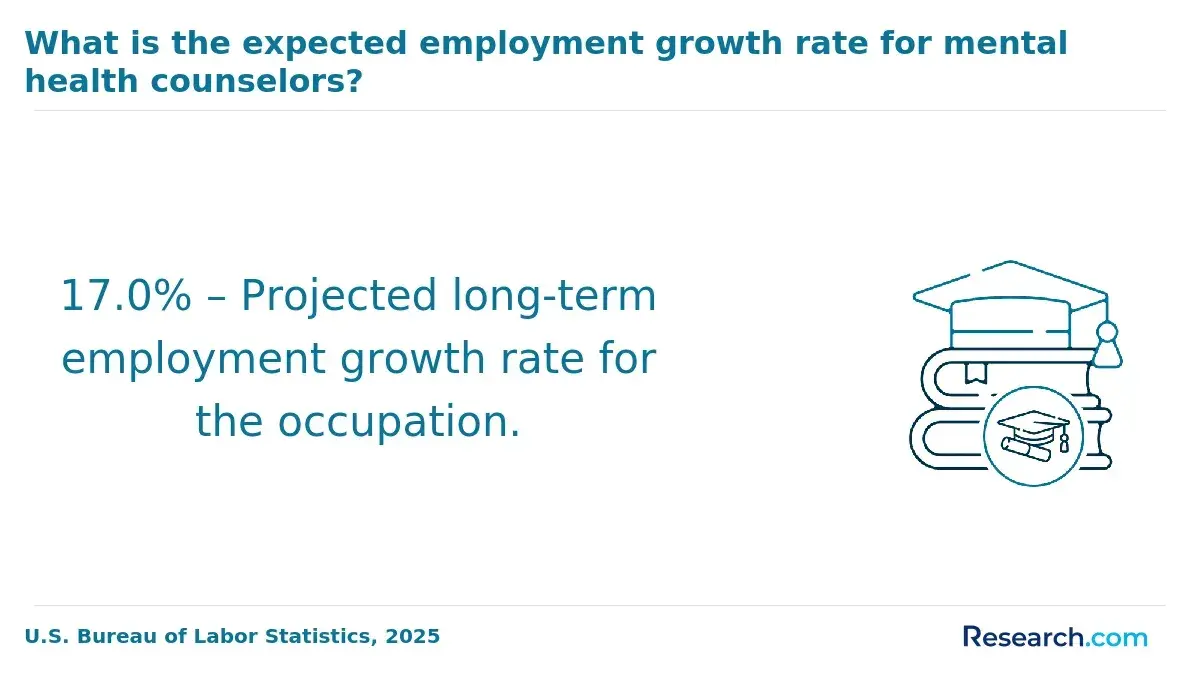
According to the U.S. Bureau of Labor Statistics, Texas is expected to see a 17% growth in counseling jobs through 2031, highlighting positive job prospects in this field.

What are the top skills employers look for in counseling degree graduates in Texas?

Employers in Texas highly value counseling graduates who demonstrate strong communication skills. The ability to actively listen and convey empathy is crucial for effective client relationships, as emphasized by the Texas Behavioral Health Executive Council.

Another key skill is cultural competence. Texas is diverse, and counselors must be prepared to work with clients from various ethnic and socioeconomic backgrounds. According to the Texas Department of State Health Services, understanding cultural nuances improves treatment outcomes.

Critical thinking and problem-solving skills also top the list. Counselors often face complex cases requiring sound judgment and ethical decision-making, as outlined by the National Board for Certified Counselors.

Additionally, familiarity with evidence-based practices and proficiency in documentation and record-keeping are essential for Texas counseling professionals to meet licensure standards and maintain client confidentiality.

How to find internships in Texas relevant to a counseling degree?

Finding internships in Texas relevant to a counseling degree involves connecting with accredited universities and professional organizations. The Texas Higher Education Coordinating Board lists many counseling programs that offer structured internship opportunities as part of degree requirements. Students can also explore partnerships between universities and local mental health agencies, schools, and hospitals.

Additionally, organizations like the Texas Counseling Association provide internship listings and networking events. According to the U.S. Bureau of Labor Statistics, Texas has a growing demand for licensed counselors, making internships valuable for gaining supervised experience crucial for licensure.

Exploring job boards such as Handshake or Indeed with filters for Texas counseling internships helps identify openings. Candidates should prepare a strong resume highlighting counseling coursework and any volunteer experience to improve chances.

How does a counseling degree influence career mobility and advancement in Texas?

In Texas, earning a counseling degree significantly enhances career mobility and advancement opportunities. According to the Texas Workforce Commission, counselors in Texas are projected to grow by 12% from 2020 to 2030, outpacing many other professions. This degree provides access to licensed professional roles such as Licensed Professional Counselor (LPC), which is required for many advanced counseling positions within schools, mental health facilities, and private practice.

Having a counseling degree also expands eligibility for supervisory and specialized roles. Many employers in Texas prioritize candidates with a master's or doctoral degree for leadership positions. Additionally, professionals with counseling credentials often see higher earning potential and greater job stability in the state's competitive health and social services market.

How does studying for a counseling degree in Texas prepare for interdisciplinary roles?

Studying for a counseling degree in Texas equips students with skills necessary for interdisciplinary roles by integrating knowledge from psychology, social work, and healthcare fields. Texas programs emphasize collaboration with diverse professionals such as educators, medical practitioners, and social service providers. This approach aligns with Texas Behavioral Health Executive Council standards, which highlight the importance of teamwork in client care.

Students often engage in practicum experiences across varied settings, including hospitals, schools, and community agencies. These real-world environments foster an understanding of how counseling interrelates with other services. According to the Texas Higher Education Coordinating Board, interdisciplinary training enhances employability in complex systems like healthcare and education.

How to choose between a thesis and a non-thesis counseling degree program in Texas?

When choosing between a thesis and non-thesis counseling degree program in Texas, consider your career goals and interests. A thesis program requires original research and is ideal for those who plan to pursue a doctoral degree or a research career. In Texas, universities like The University of Texas at Austin offer thesis options that emphasize research skills.

Non-thesis programs focus more on practical skills and coursework, which suits students aiming for immediate clinical practice or licensure as a Licensed Professional Counselor (LPC). Non-thesis paths are typically shorter and may include internships or supervised counseling hours.

According to the Texas Higher Education Coordinating Board, LPC licensure requires specific supervised experience, often integrated better in non-thesis tracks.

What options do students based in Texas have for studying counseling abroad?

Students based in Texas who wish to study counseling abroad have several viable options through exchange programs and international partnerships offered by Texas universities. Many institutions, like the University of Texas and Texas A&M, participate in study-abroad programs allowing students to gain global perspectives in counseling practices.

These programs often last from a few weeks to a full semester and emphasize cross-cultural counseling skills, valuable for Texas's growing diverse population. According to the Texas Higher Education Coordinating Board, approximately 5% of Texas counseling students engage in study-abroad activities, reflecting growing interest in international training.

Additionally, students can enroll in accredited counseling programs globally that align with the Council for Accreditation of Counseling and Related Educational Programs (CACREP) standards, easing credit transfer and licensure recognition upon return to Texas.

What part-time job opportunities in Texas can complement counseling degree education?

Students pursuing counseling degrees in Texas can benefit from various part-time job opportunities that complement their education. Positions such as crisis hotline responders and mental health technician roles offer hands-on experience in client communication and crisis intervention. These jobs provide practical skills valued in licensure requirements overseen by the Texas Behavioral Health Executive Council. Additionally, working as a teacher's aide or peer counselor in schools helps develop counseling techniques and understanding of diverse populations. According to the Texas Workforce Commission, demand for mental health support roles is growing, creating ample employment opportunities that align well with counseling degree studies.

What are the networking opportunities for counseling students in Texas?

Counseling students in Texas benefit from numerous networking opportunities that connect them with professionals and peers. Many universities, such as the University of Texas and Texas A&M, offer active student organizations focused on counseling and mental health. These groups often host workshops, guest lectures, and career fairs.

The Texas Counseling Association (TCA) is a major statewide organization that students can join. It provides access to conferences, continuing education, and regional meetups, fostering valuable relationships with licensed counselors and educators. According to TCA data, membership has grown steadily, reflecting increasing engagement within the counseling community across Texas.

Additionally, Texas offers practicum and internship partnerships with diverse healthcare and educational institutions, facilitating real-world networking. These connections can be crucial for career placement after graduation and professional mentorship.

How do alumni networks benefit counseling degree students in Texas?

Alumni networks offer significant benefits to counseling degree students in Texas by providing valuable professional connections and mentorship opportunities. According to the Texas Counseling Association, strong alumni ties often connect current students with licensed counselors practicing statewide, facilitating job placements and internships.

These networks also support career growth by sharing industry insights and licensure exam preparation tips, which are crucial given the Texas State Board of Examiners of Professional Counselors' requirements. Networking events and online platforms hosted by universities help students engage with alumni working in diverse areas, such as mental health clinics and schools across Texas.

Such relationships can boost employability in a competitive market by expanding students' understanding of regional counseling demands and resources.

How can I customize my counseling degree program in Texas to fit my career goals?

Customizing a counseling degree program in Texas involves selecting courses and specializations that align closely with your career goals. Many Texas universities offer concentrations such as school counseling, clinical mental health, or addictions counseling, allowing students to tailor their studies to specific fields.

Students should also consider programs accredited by the Council for Accreditation of Counseling and Related Educational Programs (CACREP), as these meet rigorous standards and prepare graduates for licensure in Texas. Incorporating practicum and internship experiences in local settings enhances practical skills relevant to Texas communities.

Utilizing elective courses to focus on areas like trauma, crisis intervention, or substance abuse can further refine your expertise. Consulting with academic advisors and Texas licensing boards ensures your path meets both educational and professional requirements.

What are the typical challenges that counseling students in Texas are facing?

Counseling students in Texas often face significant challenges related to the demanding nature of their academic and practical training. One major hurdle is completing the required supervised clinical hours, which in Texas typically exceeds 3,000 hours for full licensure as a Licensed Professional Counselor (LPC) according to the Texas Behavioral Health Executive Council. These hours require finding qualified supervisors, which can be scarce in rural areas.

Another challenge is managing the financial burden. Tuition costs for counseling programs in Texas can range widely, with some programs exceeding $20,000, excluding additional fees. Students also face emotional stress from coursework focused on sensitive mental health topics.

Finally, navigating state-specific licensing requirements and stay updated on evolving regulations adds complexity during and after education.

What professional certifications can I pursue with a counseling degree?

With a counseling degree in Texas, graduates can pursue several professional certifications to enhance their careers. The most common certification is the Licensed Professional Counselor (LPC), which requires a master's degree in counseling, 3,000 hours of supervised experience, and passing the National Counselor Examination. LPC status allows counselors to provide mental health services independently in Texas.

Another key certification is the Licensed Marriage and Family Therapist (LMFT), focusing on therapy for couples and families. This also demands a related degree, clinical hours, and a state exam. Additionally, Certified Addiction Counselors (CAC) address substance abuse issues and require specialized training and testing.

These certifications are regulated by the Texas Behavioral Health Executive Council. According to the Texas Department of State Health Services, over 21,000 licensed counselors practiced in Texas as of 2023, reflecting strong demand for certified professionals in the field.

How to write a winning application for a counseling program in Texas?

To write a winning application for a counseling program in Texas, start by thoroughly researching the specific program requirements. Many Texas universities, such as the University of Texas at Austin and Texas A&M, value strong academic records, especially in psychology or related fields.

Highlight relevant experience, including volunteer work or internships in counseling or mental health settings. Texas programs often look for candidates with clear career goals and understanding of state licensing requirements, such as those from the Texas Behavioral Health Executive Council.

Craft a compelling personal statement that explains your motivation for counseling and how you plan to contribute to Texas communities. Include clear evidence of interpersonal skills, resilience, and cultural sensitivity, which are crucial in Texas's diverse population.

What are the global perspectives on a counseling career?

Counseling careers are increasingly recognized worldwide, with growing demand for mental health professionals across many countries. In the United States, including Texas, the profession is governed by state licensure and national standards, such as those set by the American Counseling Association.

The U.S. Bureau of Labor Statistics projects a 23% growth in counselor jobs from 2022 to 2032, much faster than average. Texas follows this trend, partly due to its large and diverse population needing expanded mental health services.

Globally, counseling roles vary, but the U.S. emphasizes formal degrees and certification. Texas requires specific graduate programs and supervised clinical hours for licensure, ensuring a strong educational foundation.

Internationally, counselors often address cultural competence and trauma care, skills also stressed in Texas programs to prepare graduates for diverse client populations.

How can I gain practical experience while studying for a counseling degree in Texas?

Gaining practical experience is essential when pursuing a counseling degree in Texas. Most accredited programs require supervised fieldwork or internships. For example, Texas State Board of Examiners of Professional Counselors mandates at least 3,000 hours of supervised experience for licensure.

Students often complete internships at hospitals, schools, or community agencies. These settings provide hands-on learning by working directly with clients under licensed professionals' supervision.

Universities in Texas usually have partnerships with local counseling centers, easing placement for students. Additionally, some programs offer practicum courses, which combine classroom learning with field experience.

Seeking licensure also involves specific experience types, including individual and group counseling hours. The Texas Department of State Health Services provides detailed requirements and resources for students entering counseling fields in Texas.

How do I choose the right concentration within a counseling degree program in Texas?

Choosing the right concentration within a counseling degree program in Texas depends on your career goals and interests. Texas colleges typically offer concentrations such as mental health counseling, school counseling, and marriage and family therapy. Each concentration prepares students for specific licensure and professional paths, like the Licensed Professional Counselor (LPC) or Licensed Marriage and Family Therapist (LMFT).

Consider the Texas workforce needs: recent Texas Workforce Commission data highlights a growing demand for mental health counselors, with employment expected to increase 21% by 2030. Assess your desired work setting, whether clinical, educational, or community-based.

Also, investigate program accreditation. Look for CACREP-accredited programs, which meet national standards and often simplify licensure.

See What Experts Have To Say About Studying Counseling

Read our interview with Counseling experts

Meredith A. Rausch

Meredith A. Rausch

Counseling Expert

Associate Professor

University of Alabama

Charles Figley

Charles Figley

Counseling Expert

Kurzweg Distinguished Chair in Disaster Mental Health

Tulane University

Do you have any feedback for this article?

Related Articles
2026 Addiction Recovery Careers: Guide to Career Paths, Options & Salary thumbnail
2026 How to Become a Licensed Therapist (LPC) in Los Angeles, CA thumbnail
Careers AUG 19, 2026

2026 How to Become a Licensed Therapist (LPC) in Los Angeles, CA

by Imed Bouchrika, PhD
2026 How to Become a Substance Abuse Counselor in Hawaii thumbnail
Careers AUG 19, 2026

2026 How to Become a Substance Abuse Counselor in Hawaii

by Imed Bouchrika, PhD
2026 How to Become a Licensed Counselor (LPC) in West Virginia thumbnail
Careers AUG 19, 2026

2026 How to Become a Licensed Counselor (LPC) in West Virginia

by Imed Bouchrika, PhD
2026 How to Become a School Counselor in Ohio thumbnail
Careers AUG 19, 2026

2026 How to Become a School Counselor in Ohio

by Imed Bouchrika, PhD
2026 How to Become a Mental Health Counselor in Virginia Beach, VA: Education Requirements & Certification thumbnail