
2027 Best Counseling Degree Programs Ranking in Baltimore

Co-Founder and Chief Data Scientist
Choosing the right counseling degree program can shape your future and help you make a meaningful impact in people's lives. This article introduces the 2027 Best Counseling Degree Programs Ranking in Baltimore, developed by the Research.com team of data scientists to guide you toward the best options available.
By exploring this ranking, you'll gain valuable insights to make an informed decision about your education. Pursuing a counseling degree opens doors to fulfilling careers where you can support others and grow personally. Let this guide be your trusted companion on that exciting journey.
Key benefits of getting counseling degree in Baltimore
- Counseling degree graduates in Baltimore can earn competitive salaries, such as Addiction Counselors making around $60,080 annually and Community Outreach Coordinators earning about $54,020 per year, providing financial stability and rewarding career options.
- Graduates often pursue diverse career paths including Rehabilitation Specialist and Family Support Worker roles, benefiting from meaningful work that positively impacts the local community and fosters personal growth.
- Online counseling degrees from Baltimore institutions offer flexible scheduling and personalized learning, allowing students to balance life commitments while gaining valuable skills for a successful counseling career.
- Key benefits of getting counseling degree in Baltimore
- What can I expect from counseling degree in Baltimore?
- Where can I work with counseling degree in Baltimore?
- How much can I make with counseling degree in Baltimore?
- 2027 Best Counseling Degree Programs Ranking in Baltimore
- Key Findings
- How long does it take to complete counseling degree in Baltimore?
- Licensing and Certification Requirements in Maryland
- What's the difference between online and on-campus counseling degree?
- Cost Considerations and Financial Planning for Counseling Degree Programs
- What is the average cost of counseling degree in Baltimore?
- Accreditation and Licensing Requirements in Maryland
- What financial aid is available to counseling degree students in Baltimore?
- Licensure and Certification Requirements in Maryland
- What are the prerequisites for enrolling in counseling degree program in Baltimore?
- Licensure Requirements in Maryland
- What courses are typically in counseling degree programs in Baltimore?
- What types of specializations are available in counseling degree programs in Baltimore?
- How do you choose the best counseling degree in Baltimore?
- What career paths are available for counseling degree students in Baltimore?
- What is the job market for counseling degree in Baltimore?
- Top Trending Counseling Rankings
- See What Experts Have To Say About Studying Counseling
What can I expect from counseling degree in Baltimore?
The average cost of pursuing a counseling degree in Baltimore varies but generally falls between $10,000 and $25,000 per year, depending on the institution and program type. Graduates from Towson University, Johns Hopkins University, and Loyola University Maryland often share how their investment was well worth it, emphasizing the valuable hands-on clinical experience and personalized mentorship they received. For many, the financial commitment ignites a powerful sense of purpose, knowing they are building the skills needed to support real people in meaningful ways.
Students often describe their time in Baltimore's counseling programs as transformative, filled with opportunities to connect deeply with diverse communities. Experiencing supervised clinical hours in vibrant local settings-schools, hospitals, and community centers-adds rich practical understanding that textbooks alone can't provide. This immersive learning builds confidence and resilience, empowering future counselors to thrive both personally and professionally while making a lasting impact.
Choosing Baltimore means embracing a supportive network of professional organizations and peers, fostering growth beyond the classroom. Ultimately, the investment in these programs cultivates fulfilling careers dedicated to helping others heal and grow, making every dollar spent a step toward a rewarding future.
Where can I work with counseling degree in Baltimore?
Graduates with a counseling degree in Baltimore step into a thriving job market filled with meaningful opportunities. Many find rewarding roles in mental health clinics like Chesapeake Life Center, where they support individuals navigating their wellness journeys. At well-known local schools, including Baltimore City Community College, counselors help students tackle academic pressures and social challenges, creating a safe space for growth and success.
Some graduates share how working at substance abuse centers, such as those affiliated with Baltimore Substance Abuse Systems, has allowed them to make a powerful difference in lives affected by addiction. Others cherish positions in community agencies that serve veterans and families, reflecting Baltimore's commitment to compassion and support.
Many graduates from Morgan State University find joy in private practice, building trusting relationships as licensed professionals. This pathway offers independence and the ability to customize care, inspiring hope in clients facing mental health struggles. Baltimore's diverse environment and rich healthcare network make it an ideal place to transform your counseling degree into a fulfilling career.
How much can I make with counseling degree in Baltimore?
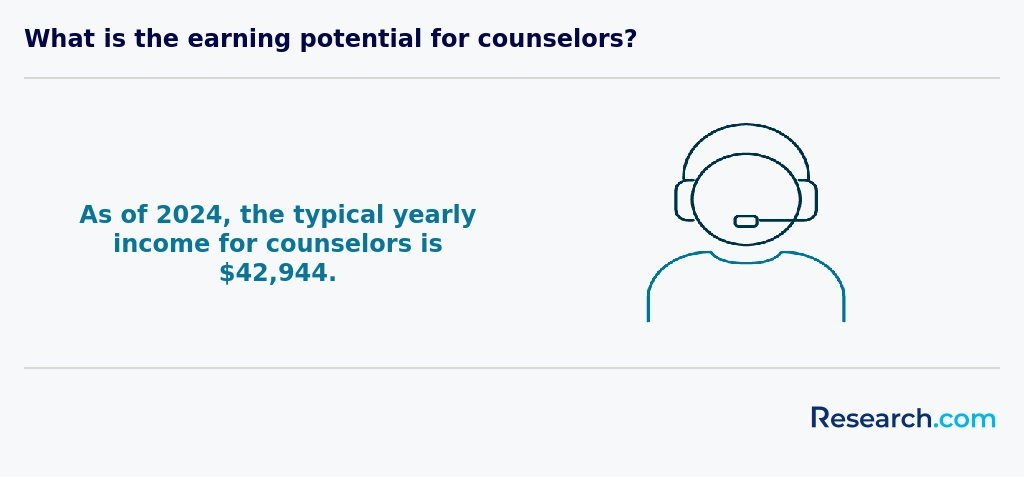
Graduates with counseling degrees from Baltimore institutions such as Loyola University Maryland or Johns Hopkins University find encouraging earning potential in the local market. Entry-level roles like Rehabilitation Specialists earn an average annual wage of about $48,430, offering a strong start for new professionals eager to make a difference in their communities.
Many alumni enjoy moving into positions such as Addiction Counselors or Community Outreach Coordinators, with mean salaries of $60,080 and $54,020 respectively. These roles reflect impactful careers helping individuals overcome challenges while providing rewarding financial growth.
For those passionate about specializing further, becoming an Intervention Specialist can be especially lucrative, boasting a mean annual wage of $76,000. Baltimore's vibrant healthcare and social service sectors truly allow counseling graduates to thrive, combining meaningful work with competitive compensation.
Many graduates find motivation in the success stories of peers who, starting with modest salaries, have advanced into leadership or private practice roles that surpass $80,000 annually. This path exemplifies how dedication and additional certifications can transform your career and income prospects in Baltimore's supportive environment.
2027 Best Counseling Degree Programs Ranking in Baltimore
How do we rank schools?
Investing in your education is a significant decision that can greatly influence your future, and the Research.com team recognizes the importance of making well-informed choices. To support prospective students in Baltimore, we have carefully developed the "2027 Best Counseling Degree Programs Ranking in Baltimore." Our dedication to quality, credibility, and accuracy is demonstrated through comprehensive research and rigorous analysis.
We utilized the following reputable data sources to ensure a thorough evaluation of counseling degree programs:
By reviewing this ranking, readers will gain valuable insights into the top counseling programs in Baltimore that can guide them toward making confident educational decisions. For more information about how this ranking was created, please visit our Research.com methodology page.


Key Findings
- Baltimore offers accredited counseling programs with Master's degrees requiring 48 to 60 credit hours.
- Tuition costs range from $15,000 to $35,000 for in-state students, with out-of-state tuition generally higher.
- New counseling graduates in Baltimore typically earn between $45,000 and $50,000 annually.
- Experienced counselors with licensure can earn $60,000 to $75,000 or more per year in the area.
- Baltimore counseling jobs are growing faster than the national average due to increased demand in mental health.
- Graduates must complete supervised clinical hours and pass the National Counselor Examination to become licensed professional counselors (LPC) in Maryland.
How long does it take to complete counseling degree in Baltimore?
Completing a counseling degree in Baltimore offers a rewarding journey that matches your passion with real-world impact. Graduates from popular institutions like Loyola University Maryland or Towson University often share how their bachelor's degrees took about four years, filling their minds with valuable foundations in psychology and human development, setting the stage for meaningful careers.
For those eager to become licensed counselors, the master's degree is the golden path and usually takes two to three years of full-time study in Baltimore. Many students describe the supervised internships and practicum experiences as transformative moments-where classroom knowledge blossomed into confidence and compassionate client support.
Doctoral programs, which take about four to seven years, empower students to reach academic and clinical heights. Graduates often express pride in their dedication, knowing each year brought them closer to becoming leaders in counseling. Whether studying full-time or part-time, Baltimore's vibrant universities provide flexibility and community, making every step feel purposeful and achievable.
Licensing and Certification Requirements in Maryland
To practice as a Licensed Professional Counselor (LPC) in Baltimore, MD, graduates must navigate a structured certification pathway overseen by the Maryland Board of Professional Counselors and Therapists. First, candidates must hold a master’s degree in Counseling or a closely related field from a CACREP-accredited institution. Next, they complete a minimum of 3,000 supervised clinical hours-typically broken down into 1,500 hours of direct client counseling and 1,500 hours of indirect client care-under the guidance of a Board-approved supervisor. Key steps include: • Education Verification: Submit official transcripts demonstrating completion of required coursework (e.g., counseling theories, ethics, assessment). • Supervised Experience: Document all practicum and internship hours using the Board’s Activity Log Form, ensuring each clinical hour is supervised by an LPC or LMFT. • Examination: Pass the National Counselor Examination (NCE) with a score meeting or exceeding the Maryland Board’s cut-score requirement. • Application and Fees: Complete the online LPC application, pay the non-refundable application fee, and undergo a background check. After initial licensure, counselors must renew biennially, completing 40 continuing education units (CEUs), including six hours in ethics. Staying informed about program costs and licensure support can streamline this process; for insights into affordable training options beyond Baltimore, see our Cheapest Counseling Degree Programs Ranking in Cincinnati, OH. Continuous engagement with professional associations-such as the American Counseling Association (ACA)-provides access to workshops, peer networks, and updates on evolving licensure standards, ensuring long-term career success.
What's the difference between online and on-campus counseling degree?
Choosing between online and on-campus counseling degrees in Baltimore offers exciting opportunities tailored to your lifestyle and learning preferences. On-campus programs at local institutions like Johns Hopkins University or Loyola University Maryland create vibrant environments where graduates recall the energy of engaging directly with professors and peers. Imagine attending classes in person, exploring campus resources like counseling labs, and participating in hands-on practicum experiences right in Baltimore's supportive community-this close connection often builds confidence and real-world skills through direct client interaction.
Conversely, online programs give you the freedom to design your education around busy work schedules or family life. Graduates from fully online Master's programs appreciate the flexibility of accessing lectures anytime while still completing their crucial in-person practicum locally. This blend of independence and essential real-world practice empowers many Baltimore students to thrive without sacrificing quality or accreditation.
Both paths share a proud commitment to excellence, ensuring you receive a respected credential that opens doors as a licensed counselor in Maryland. Whether you crave the campus camaraderie or the convenience of online study, Baltimore's counseling degrees welcome you to a fulfilling journey.
Cost Considerations and Financial Planning for Counseling Degree Programs
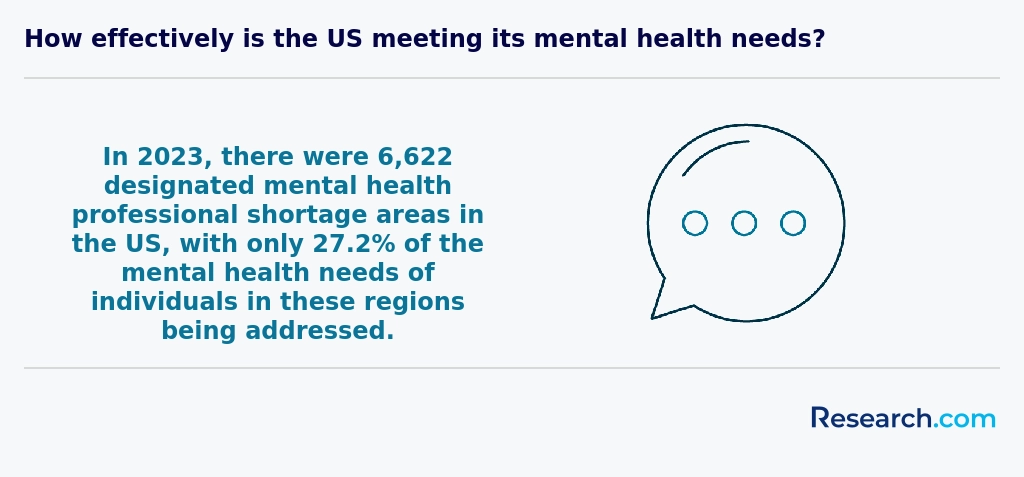
When considering a counseling degree program, one of the crucial factors to think about is the cost and how to navigate financial planning effectively. Prospective students often find it challenging to balance the desire for a high-quality education with the financial realities of tuition costs, living expenses, and other related fees. Understanding the average cost of a counseling degree in Baltimore, MD, is essential for making informed decisions. For those looking for affordable options, exploring the most affordable counseling schools in Maryland can provide valuable insights. By examining the financial aid options, such as scholarships, grants, and tuition waivers, students can better plan their educational journey. Additionally, considering the potential return on investment, including salary expectations and job growth projections, can help students make a more informed decision about their counseling degree program.
What is the average cost of counseling degree in Baltimore?
The average cost of a counseling degree in Baltimore reflects a balanced investment in a rewarding future. Graduates from popular institutions in the area often report that the total median cost hovers around $67,950, whether they are in-state or out-of-state students. This mix of affordability and quality empowers local students to pursue their passion without overwhelming financial stress. For example, those attending public universities in Baltimore typically enjoy tuition that aligns with this median, making it feasible for many to manage their educational expenses with careful planning.
Many counseling students describe their journey as an exciting step toward a meaningful career, especially when they consider that the cost of a counseling degree programs Baltimore embodies not just tuition but also other essential fees and living expenses. These graduates highlight how living in Baltimore allows them to balance reasonable housing costs and vibrant city life while focusing on their studies. The supportive financial aid and scholarship opportunities at notable institutions make the investment even more accessible.
For those beginning their academic path, starting at community colleges or regional public universities can be a smart strategy. These options often lead to transfer programs that reduce overall expenses, all while laying a strong foundation in counseling. Students who explore these routes often appreciate the opportunity to minimize costs while maximizing educational outcomes.
Prospective students balancing career goals might also benefit from considering bachelor degrees with the most job demand, which can be discovered through specialized resources like bachelor degrees with the most job demand. This approach ensures their investment aligns with strong professional prospects and personal fulfillment as they advance in the counseling field.
Accreditation and Licensing Requirements in Maryland
Selecting a properly accredited counseling program ensures your degree meets state standards and accelerates your path to licensure. In Maryland, the Board of Professional Counselors and Therapists requires graduation from a CACREP-accredited master’s program (or an equivalent curriculum) to qualify for the Licensed Professional Counselor (LPC) exam. CACREP accreditation guarantees rigorous training in ethics, clinical practice, and cultural competence-essential for serving Baltimore’s diverse communities. To pursue your LPC in Maryland: 1. Complete a 60-credit CACREP-accredited master’s degree or an equivalent program with clearly defined counseling competencies. 2. Accumulate at least 3,000 supervised clinical hours, including direct client contact and mentorship under a licensed supervisor. 3. Pass the National Counselor Examination (NCE). 4. Submit your application and supervised practice verification to the Maryland Board of Professional Counselors and Therapists. For working professionals balancing career and family commitments, explore our list of most affordable online school counseling degrees that meet CACREP standards. These programs blend flexibility with accreditation, helping you satisfy licensure requirements without pausing your professional life. By prioritizing accredited programs and following Maryland’s licensure timeline, aspiring counselors can navigate their educational journey with confidence and step into licensed roles in Baltimore’s thriving mental health sector.
What financial aid is available to counseling degree students in Baltimore?
Many Baltimore students pursuing counseling degrees find powerful financial support through federal aid like the Free Application for Federal Student Aid (FAFSA). Graduate students at Loyola University Maryland often rely on Direct Unsubsidized Loans, helping cover up to $20,500 annually with manageable repayment options, easing their journey toward licensure.
Undergraduates exploring foundational counseling courses at Notre Dame of Maryland University may receive the Pell Grant, which can provide up to $7,395 per year, making early education more accessible. Additionally, Maryland's State Grant Program offers vital assistance to eligible students, allowing them to focus on their studies without overwhelming financial stress.
Merit scholarships from local institutions reward hard work and dedication, inspiring students to excel. Graduates share how support from the American Counseling Association's grants fueled their passion and growth. For working professionals, Baltimore's healthcare employers provide tuition reimbursement, turning career advancement dreams into reality.
Loan forgiveness programs for service in underserved communities ignite hope, encouraging students to make a difference while easing their debt.
Licensure and Certification Requirements in Maryland
To practice as a Licensed Professional Counselor (LPC) in Maryland, graduates must meet specific state board standards to ensure professional competency and client safety.
- Graduate from a CACREP-accredited master’s program (accredited online counseling programs also qualify).
- Accrue 3,000 supervised clinical hours under a board-approved LPC supervisor.
- Pass the National Counselor Examination (NCE) or the National Clinical Mental Health Counseling Examination (NCMHCE).
- Submit an application, fees, and official transcripts to the Maryland Board of Professional Counselors.
- Complete 40 hours of continuing education every two years for license renewal.
What are the prerequisites for enrolling in counseling degree program in Baltimore?
To enroll in a counseling degree program in Baltimore, you'll need a bachelor's degree from an accredited college, which many local students have earned at popular institutions like the University of Baltimore or Towson University. While your undergraduate major doesn't have to be counseling or psychology, having coursework in social sciences or human behavior can give you a running start.
Many graduates recall how submitting a thoughtful personal statement helped express their passion for making a difference through counseling. Letters of recommendation from professors or supervisors bring your dedication to life, reinforcing your readiness for graduate studies.
Applicants often find that showcasing volunteer or work experience in mental health settings makes their applications stand out. Picture yourself gaining valuable insight through hands-on time in counseling centers around Baltimore, which future graduates say was pivotal in confirming their career goals.
Some programs may request GRE scores, although many have become flexible since the pandemic. Additionally, be prepared for background checks and possibly interviews, which help schools see your sincere commitment to this meaningful path.
- Completed application with transcripts
- Personal statement revealing your motivation
- Strong letters of recommendation
- Relevant counseling or social service experience
- Background check and potential interviews
Licensure Requirements in Maryland
Becoming a licensed professional counselor in Maryland requires a clear sequence of education, training and exams:
- Earn a master’s degree from a CACREP-accredited program to satisfy academic criteria.
- Complete 3,000 hours of post-master’s supervised clinical experience (typically over two years).
- Pass the National Counselor Examination (NCE) and/or the National Clinical Mental Health Counseling Examination (NCMHCE).
- Apply to the Maryland Board for Professional Counselors and Therapists with official transcripts and supervisor verification.
- Fulfill continuing education: 40 clock hours every two years, including ethics and clinical supervision courses.
Selecting one of the top cacrep accredited online masters counseling programs can streamline your path to meeting these requirements.
What courses are typically in counseling degree programs in Baltimore?
Counseling degree programs in Baltimore offer an inspiring blend of foundational and specialized courses that truly prepare students for impactful careers. Graduates from well-regarded institutions like Loyola University Maryland and Morgan State University recall diving deep into Introduction to Counseling Theories, where they explored transformative approaches like cognitive-behavioral therapy and humanistic models. These courses bring counseling to life, helping students envision supporting clients through real emotional struggles and growth.
Many students also find Multicultural Counseling especially rewarding, gaining the skills to connect with Baltimore's richly diverse communities. This course empowers future counselors to create inclusive, empathetic spaces for every client's unique story.
Specialized classes such as Group Counseling and Substance Abuse Counseling offer hands-on techniques that graduates remember using eagerly during internships in Baltimore's dynamic social service settings.
Ethics and professional practice studies instill strong integrity and confidence, ensuring students feel ready to step into roles that make a real difference in local schools, hospitals, and community centers.
What types of specializations are available in counseling degree programs in Baltimore?
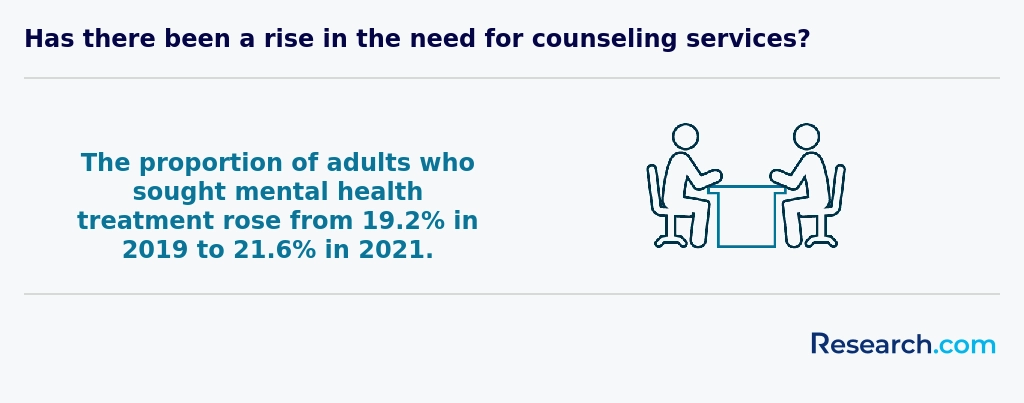
Baltimore counseling degree specializations offer students exciting paths to make a meaningful difference in their communities. Graduates from popular universities here often choose Clinical Mental Health Counseling, preparing them to support individuals facing emotional and behavioral challenges with compassion and skill. Many find fulfillment working toward becoming Licensed Professional Counselors, blending strong academic foundations with hands-on clinical experience.
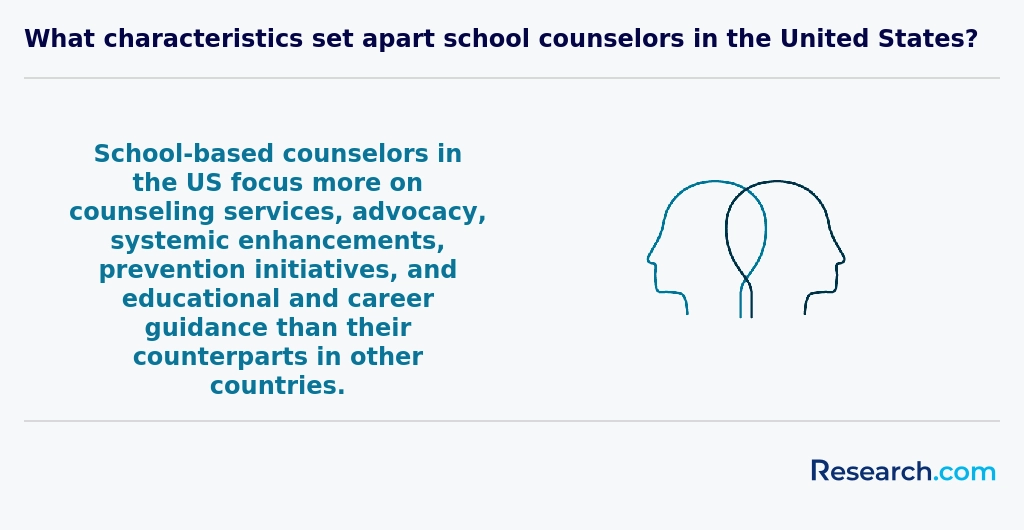
Specialized counseling programs in Baltimore also include School Counseling, where students learn to help K-12 learners thrive academically and emotionally. Graduates cherish the opportunity to impact Baltimore's youth directly, meeting the needs of diverse urban school environments that demand dedicated licensed counselors.
Another inspiring specialization is Marriage and Family Therapy, which equips students to nurture healthier relationships and family dynamics. Those attracted to this discipline appreciate the deep connections they build while guiding couples and families through life's complexities.
Others dive into specialized areas like Addiction Counseling or Rehabilitation Counseling, both critical fields given Baltimore's community needs. Many students here also explore related career insights, such as comparing salary potentials through resources like the criminology degree salary to plan their futures thoughtfully.
How do you choose the best counseling degree in Baltimore?
Choosing the best counseling degree in Baltimore means focusing on what truly aligns with your passion and career goals. Graduates from popular universities here often highlight the importance of accreditation by CACREP, as it unlocks licensure and opens doors to rewarding roles throughout Maryland. Imagine yourself gaining hands-on experience in vibrant local clinics or schools, knowing your specialized training in clinical mental health or school counseling is respected and effective.
Many students pursuing affordable counseling degrees in Baltimore appreciate the city's blend of flexible online options and immersive on-campus programs. This flexibility allows you to balance studies with work or family while connecting with supportive faculty and peers who inspire confidence and growth. When you compare costs, exploring scholarships and financial aid available at these institutions can make your dream more accessible.
Finally, consider how programs here prepare students for success by sharing strong licensure exam pass rates and excellent job placement. To explore related fields, you might also look into psychology courses Ohio as complementary learning avenues that enrich your understanding. Selecting a degree with these positive elements ensures your counseling journey in Baltimore is both fulfilling and impactful.
What career paths are available for counseling degree students in Baltimore?
Graduates with a counseling degree in Baltimore discover a wide range of fulfilling career paths that truly make a difference in their communities. From becoming a licensed professional counselor in private practices or hospitals to supporting students as school counselors, these roles inspire personal growth and impact lives daily. Many graduates from well-known Baltimore institutions share how their master's programs prepared them to provide compassionate care, especially in substance abuse counseling, where they guide individuals through recovery with hope and resilience. Exploring job opportunities for counseling graduates Baltimore reveals career counselors helping clients navigate education and career planning, reflecting how versatile and rewarding this degree can be. The strong connections between local universities and community services empower students, especially when they take advantage of advanced social science courses, which deepen their understanding and effectiveness. Pursuing counseling careers in Baltimore is an exciting journey filled with opportunities to uplift others while building a meaningful future.
What is the job market for counseling degree in Baltimore?
The counseling degree job outlook Baltimore is very promising, especially for graduates from well-regarded universities and colleges in the area. Many students who have pursued counseling degrees at Baltimore institutions find themselves stepping confidently into roles at mental health clinics, hospitals, and schools, where their skills are deeply valued. The city's diverse population and strong focus on mental health services create abundant opportunities for new counselors to make meaningful impacts in their communities.
Graduates often share how rewarding it feels to work in Baltimore's dynamic social service agencies, where they support individuals grappling with addiction, trauma, and family challenges. The median annual salary, typically between $45,000 and $65,000, combined with the steady demand for Licensed Professional Counselors and Licensed Clinical Social Workers, inspires many to pursue further licensure and professional growth. If you want to explore options for affordable education, check out the most affordable counseling schools in Maryland, many of which are located close to Baltimore's core.
Your future as a counselor in Baltimore looks bright. The Baltimore counseling career opportunities 2027 will continue to expand as awareness grows nationally, reflecting an exciting time to join this vital profession.
Frequently Asked Questions About counseling
Students pursuing counseling degrees in Baltimore can maximize their learning experience by engaging in hands-on training opportunities offered through local internships and practicum placements. Baltimore's diverse population presents a valuable setting for gaining experience with different cultural and socio-economic backgrounds, an important aspect highlighted by the Council for Accreditation of Counseling & Related Educational Programs (CACREP).
Networking with professionals through organizations like the Maryland Counseling Association can provide valuable mentorship and career guidance. Additionally, attending workshops and seminars at nearby institutions increases exposure to the latest counseling theories and practices.
Utilizing resources at Baltimore's universities, such as counseling labs and research centers, also enhances practical skills. According to the Maryland Higher Education Commission, approximately 60% of counseling students in the state participate in clinical experiences before graduation, which improves job placement rates.
The counseling field is evolving with emerging niches that reflect changing societal needs. In Baltimore, mental health counselors specializing in trauma-informed care are increasingly in demand, addressing issues from urban violence and PTSD. Additionally, substance abuse counseling remains a critical area due to the ongoing opioid crisis in Maryland, which saw over 2,000 related deaths statewide in 2022, according to the Maryland Department of Health.
Another growing niche is school counseling with a focus on equity and diversity, supporting Baltimore's diverse student populations. Career counseling within tech and healthcare sectors is also expanding, reflecting local industry trends. These specialties require tailored skills and certifications, offering new pathways for counseling graduates in Baltimore.
Preparing for the job market after completing a counseling degree in Baltimore involves several key steps. First, gaining licensure is critical; Maryland requires candidates to pass the National Counselor Examination and complete supervised clinical hours. Familiarity with local regulations through the Maryland Board of Professional Counselors is essential. Networking with local counseling organizations, such as the Maryland Counseling Association, can open opportunities. Additionally, Baltimore's healthcare and social service sectors are significant employers, so focusing on skills relevant to these settings helps. According to the Bureau of Labor Statistics, Maryland's counseling employment is projected to grow by 15% through 2030, indicating a positive job outlook.
Employers in Baltimore value counseling degree graduates who demonstrate strong communication skills, as effective listening and empathy are crucial for client success. According to the Maryland Behavioral Health Administration, professionals with the ability to build trust and rapport tend to achieve better therapy outcomes.
Analytical skills are also important, enabling counselors to assess client needs and develop tailored treatment plans. Additionally, cultural competence is highly sought after, especially given Baltimore's diverse population. Counselors must understand and respect various backgrounds to provide inclusive care.
Time management and ethical decision-making are other key qualities, ensuring that professionals meet regulatory standards and manage caseloads efficiently. The U.S. Bureau of Labor Statistics notes these skills significantly impact job performance in the counseling field.
Finding internships in Baltimore relevant to a counseling degree involves several strategic steps. First, students should explore opportunities at local mental health organizations, hospitals, and community centers, as Baltimore has a strong network of such institutions including the Johns Hopkins Hospital and Kennedy Krieger Institute. Many counseling programs in Maryland require or recommend internships, so contacting your college's career services can provide tailored leads.
The Maryland Board of Professional Counselors posts regulated internship openings, which are needed for licensure. Additionally, networking with professional groups like the Maryland Psychological Association or Baltimore Counseling Center can help secure placements. Baltimore's diverse population creates demand for counselors in fields like substance abuse, school counseling, and trauma recovery, providing a range of internship options.
Obtaining a counseling degree in Baltimore significantly enhances career mobility and advancement opportunities. According to the Maryland Higher Education Commission, professionals with a master's in counseling are positioned for roles requiring licensure, such as Licensed Professional Counselors (LPC), which is highly valued in the Baltimore job market.
Career growth often includes movement into specialized fields like mental health, school counseling, or substance abuse counseling. The Maryland Department of Labor reports a 12% employment growth for mental health counselors statewide, indicating strong demand.
Holding a counseling degree also qualifies individuals for supervisory and administrative roles within healthcare organizations, community agencies, and educational institutions in Baltimore.
Furthermore, networking opportunities through Baltimore-area accredited programs can provide critical connections for advancing careers locally.
Studying for a counseling degree in Baltimore equips students with skills relevant to interdisciplinary roles through diverse coursework and practical experiences. Programs often emphasize collaboration with professionals in psychology, social work, education, and healthcare. This approach reflects the increasing demand for counselors who can navigate complex client needs across various systems.
Many Baltimore institutions integrate community-based internships that expose students to real-world interdisciplinary settings. According to the Maryland Higher Education Commission, over 60% of counseling graduates participate in such programs, enhancing their teamwork and communication abilities across fields.
Additionally, Baltimore's counseling curricula frequently include training in cultural competence and ethical practices, preparing graduates to work effectively with diverse populations alongside other specialists.
Choosing between a thesis and a non-thesis counseling degree program in Baltimore depends on your career goals and learning preferences. Thesis programs emphasize original research, requiring students to develop a significant study, which suits those aiming for academic or research-based careers. Non-thesis options focus more on coursework and practical experience, appealing to professionals planning to enter clinical practice quickly.
The Council for Accreditation of Counseling and Related Educational Programs (CACREP) accredits many Baltimore-area programs, ensuring consistent standards regardless of the chosen path. According to Maryland Higher Education Commission, over 60% of counseling students in Baltimore prefer non-thesis tracks for faster completion.
Consider job market demands too: licensing boards often value practical skills, making non-thesis degrees competitive. However, if you intend to pursue a doctoral degree later, a thesis might provide a stronger foundation.
Students based in Baltimore seeking to study counseling abroad have several practical pathways. Many U.S. universities with counseling programs offer study-abroad opportunities or international internships, allowing students to gain global experience while earning credits.
Additionally, Baltimore's proximity to Washington, D.C., means access to various exchange programs affiliated with national and international institutions. Programs accredited by the Council for Accreditation of Counseling and Related Educational Programs (CACREP) often include global learning options.
While fully foreign counseling degrees require careful attention to U.S. licensure reciprocity, students can benefit from hybrid programs combining domestic coursework with international fieldwork.
Part-time job opportunities in Baltimore that complement counseling degree education are varied and valuable for gaining practical experience. Positions such as mental health technician, case manager assistant, or crisis hotline volunteer offer direct exposure to counseling environments. According to Maryland's Department of Labor, mental health support roles are growing by 15% annually in the Baltimore area, highlighting increased local demand.
Working in community centers or nonprofit organizations focused on youth or substance abuse can also enhance counseling skills. These roles provide client interaction and help build essential communication and assessment abilities, often required for licensure. Baltimore's extensive social service network makes such opportunities accessible for students pursuing counseling degrees.
Counseling students in Baltimore have access to several valuable networking opportunities within the local mental health and education communities. Many universities offering counseling degrees maintain connections with Baltimore-based organizations such as the Maryland Counseling Association, which hosts regular events and workshops. These gatherings allow students to meet practicing professionals and explore internships.
Baltimore's proximity to major healthcare providers like Johns Hopkins and University of Maryland Medical Center also presents chances for students to gain supervised clinical experience and build professional relationships. Local conferences and career fairs frequently focus on counseling roles, supporting students in job search and mentorship.
Alumni networks play a crucial role for counseling degree students in Baltimore by offering strong professional connections after graduation. These networks facilitate mentorship opportunities, helping students navigate licensure requirements and clinical placements in Maryland. According to the Maryland Higher Education Commission, nearly 60% of counseling graduates find job opportunities through alumni referrals. This local support system provides access to job leads, internships, and continuing education, which is vital in the competitive counseling field.
Additionally, alumni events and online groups allow students to stay informed about new research and regulations affecting counseling practices in Baltimore. Such networking enhances career advancement and professional growth.
Customizing a counseling degree program in Baltimore allows students to align their education with specific career objectives. Many local universities offer various specializations, such as clinical mental health, school counseling, or marriage and family therapy, enabling learners to focus on their intended career paths.
Students can also choose elective courses that reflect emerging trends in counseling, including trauma-informed care or substance abuse treatment. Practical experiences like internships or practicum placements in Baltimore-area clinics and schools provide valuable, hands-on learning and networking opportunities.
Some programs facilitate flexible scheduling or online classes, which benefit working professionals aiming to balance studies with employment.
According to Maryland Higher Education Commission data, program customization improves licensure exam pass rates and job placement success for Baltimore graduates.
Counseling students in Baltimore frequently encounter challenges related to balancing rigorous academic requirements and practical fieldwork experiences. Many programs demand significant internship hours, which can be difficult to manage alongside part-time jobs or family responsibilities. According to the Maryland Higher Education Commission, nearly 40% of counseling students report stress stemming from these time pressures.
Additionally, students face competition for limited local clinical placement opportunities, essential for licensure eligibility. Baltimore's urban setting offers diverse populations, which requires students to develop cultural competence but can also present complex client needs early in training. Access to affordable mental health resources for personal well-being is another concern, as highlighted by regional student support surveys.
Lastly, navigating state licensure requirements for counselors in Maryland requires careful planning, as students must meet specific coursework, supervised hours, and exam criteria to practice professionally.
With a counseling degree, graduates in Baltimore can pursue various professional certifications that enhance their career opportunities. One key credential is the Licensed Clinical Professional Counselor (LCPC), required in Maryland for independent practice. To earn this, candidates must complete a master's degree, accumulate supervised clinical hours, and pass a state exam.
Other common certifications include the National Certified Counselor (NCC) through the National Board for Certified Counselors, which is nationally recognized and often boosts employability. Additionally, specialized certifications such as Certified Substance Abuse Counselor (CSAC) are available for those focusing on addiction.
According to the Maryland Board of Professional Counselors and Therapists, Baltimore sees steady demand for licensed counselors, reflecting a growing need for mental health services.
Writing a winning application for a counseling program in Baltimore requires careful attention to academic and personal qualifications. Programs often expect a minimum GPA of 3.0, especially for clinical counseling tracks, aligning with standards set by the Council for Accreditation of Counseling and Related Educational Programs (CACREP).
Strong letters of recommendation from professionals familiar with your counseling experience can significantly strengthen your application. Highlighting relevant volunteer or work experience within Baltimore's diverse communities demonstrates cultural competence, a key skill valued by local programs.
Personal statements should clearly outline your career goals and reflect understanding of the specific challenges faced by Baltimore's populations. According to the Maryland Higher Education Commission, incorporating how you plan to address mental health disparities in Baltimore can enhance your application's impact.
Counseling careers in Baltimore reflect a broader global trend emphasizing mental health support. Worldwide, counseling is recognized as essential for improving individual well-being, and this is mirrored in the U.S. through robust training and certification processes. In Baltimore, earning a counseling degree often leads to licensure as a Licensed Professional Counselor (LPC), aligning with national standards set by the Council for Accreditation of Counseling and Related Educational Programs (CACREP).
Globally, counseling roles adapt to cultural needs, but in the U.S. system, emphasis is placed on evidence-based practice and ethics. According to the U.S. Bureau of Labor Statistics, employment for counselors is projected to grow 23% from 2021 to 2031, reflecting rising demand.
Local Baltimore institutions often incorporate global perspectives into their curricula, preparing students for culturally competent care that meets diverse community needs, an approach supported by recent research from Johns Hopkins University.
Gaining practical experience while studying for a counseling degree in Baltimore is essential for career readiness. Many local universities and colleges in Baltimore integrate supervised internships into their counseling programs. These internships often take place in community mental health centers, schools, or hospitals, providing real-world exposure.
In addition, students can seek practicum placements that allow them to work under licensed counselors, fulfilling state licensure requirements. Baltimore's diverse population offers varied counseling settings, ranging from urban community services to specialized clinics.
According to the Maryland Board of Professional Counselors and Therapists, hands-on experience is required for licensure, making practical training a core part of education in the region.
Choosing the right concentration within a counseling degree program in Baltimore requires careful consideration of your career goals and local demand. Common concentrations include clinical mental health, school counseling, and marriage and family therapy. Each area has distinct licensure requirements regulated by Maryland's Board of Professional Counselors and Therapists.
Review labor market data from the Maryland Department of Labor, which highlights strong demand for school counselors and mental health professionals in Baltimore's public and private sectors. Consider your personal interests and strengths, as well as workplace settings you prefer, such as hospitals, schools, or private practice.
Additionally, confirm the program's accreditation by CACREP, ensuring quality education aligned with state licensing standards. Networking with local professionals and attending informational sessions can also provide valuable insights.
Related Counseling Rankings for Nearby Cities
- 2027 Best Counseling Degree Programs Ranking in Washington
- 2027 Best Counseling Degree Programs Ranking in Philadelphia
- 2027 Best Counseling Degree Programs Ranking in Harrisonburg
- 2027 Best Counseling Degree Programs Ranking in Scranton
- 2027 Best Counseling Degree Programs Ranking in New York
- 2027 Best Counseling Degree Programs Ranking in Norfolk
- 2027 Best Counseling Degree Programs Ranking in Virginia Beach
- 2027 Best Counseling Degree Programs Ranking in Bronx
- 2027 Best Counseling Degree Programs Ranking in Lynchburg
- 2027 Best Counseling Degree Programs Ranking in Pittsburgh
Top Trending Counseling Rankings
See What Experts Have To Say About Studying Counseling
Read our interview with Counseling experts

Charles Figley
Counseling Expert
Kurzweg Distinguished Chair in Disaster Mental Health
Tulane University

References
- Financial Aid | College Counseling | The Park School of Baltimore https://parkschool.net/college-counseling/financial-aid/
- Career Counseling Baltimore MD https://www.therapistsinbaltimore.com/career-counseling-baltimore
- Job Announcements https://www.mdcounseling.org/Employment
- Best programs to become a clinical in Maryland https://clema.ai/maryland/occupations/clinical-and-counseling-psychologists
- Paid Clinical Internship https://www.pathwaysmhs.org/internship-program.html
- Best Online Counseling Degree Programs 2025 https://www.psychology.org/rankings/best-online-counseling-programs/
- Mindful Career : Career Coaching https://mindful-career.com/student-career-guidance
- The Challenges of Guidance Counselors in Supporting Students’ Mental Health https://theaspd.com/index.php/ijes/article/view/2406
- How Can I Gain Counselling Work Experience? https://oxbridgehomelearning.uk/blog/how-can-i-gain-counselling-work-experience/
- 5 Ways Counselling Skills Can Boost Career Prospects - Open Colleges https://www.opencolleges.edu.au/blogs/articles/how-counselling-skills-can-boost-your-employability-and-help-you-excel


