
2027 Most Affordable Counseling Degree Programs Ranking in Baltimore

Co-Founder and Chief Data Scientist
Choosing the right counseling degree program in Baltimore can feel overwhelming, but understanding your options is key to making a confident decision. This article introduces the 2027 Most Affordable Counseling Degree Programs Ranking in Baltimore, created by the Research.com team of data scientists. It's designed to help you discover quality, affordable programs that fit your goals.
By exploring this ranking, you'll gain clarity on which programs offer great value, helping you invest in your future with assurance. Pursuing a counseling degree opens doors to rewarding careers that truly make a difference.
Key benefits of getting counseling degree in Baltimore
- Counseling degree graduates in Baltimore can expect competitive salaries, with roles like Addiction Counselors earning around $60,080 annually and Community Outreach Coordinators about $54,020, offering financial stability and rewarding work.
- Graduates often explore diverse careers, such as Rehabilitation Specialists or Family Support Workers, reflecting the flexible opportunities available in fields that support community well-being and personal growth.
- Online counseling degrees from Baltimore institutions provide convenient learning options, allowing students to balance work and life while gaining the same skills and careers as traditional graduates, perfect for busy adults seeking advancement.
- Key benefits of getting counseling degree in Baltimore
- What can I expect from counseling degree in Baltimore?
- Where can I work with counseling degree in Baltimore?
- How much can I make with counseling degree in Baltimore?
- 2027 Most Affordable Counseling Degree Programs Ranking in Baltimore
- Key Findings
- How long does it take to complete counseling degree in Baltimore?
- Licensure and Certification in Maryland
- What's the difference between online and on-campus counseling degree?
- The Importance of Affordability in Counseling Education
- What is the average cost of counseling degree in Baltimore?
- Accreditation and Licensure Pathways in Baltimore, MD
- What financial aid is available to counseling degree students in Baltimore?
- Licensure and Certification: Navigating State Requirements for Counseling Practice
- What are the prerequisites for enrolling in counseling degree program in Baltimore?
- Licensure and Certification Requirements
- What courses are typically in counseling degree programs in Baltimore?
- What types of specializations are available in counseling degree programs in Baltimore?
- How do you choose the best counseling degree in Baltimore?
- What career paths are available for counseling degree students in Baltimore?
- What is the job market for counseling degree in Baltimore?
- Top Trending Counseling Rankings
- See What Experts Have To Say About Studying Counseling
What can I expect from counseling degree in Baltimore?
Expecting to pay around $10,000 per year for in-state tuition at institutions like the University of Maryland, Baltimore County offers a realistic baseline for budgeting your counseling degree in Baltimore. Graduates often describe moments of relief and pride upon realizing this cost, especially when factoring in financial aid or scholarships tailored to counseling students. In contrast, private colleges may challenge you with steeper fees, provoking careful reflection on value versus investment.
Many students recount balancing rigorous coursework, including counseling theories and ethics, while managing the financial demands of tuition. The pressure is real, but so is the sense of accomplishment when fieldwork and internships-integral to licensing-are completed. Baltimore's counseling programs embed these practical experiences, making costs feel more like stepping stones toward a rewarding career.
This tuition landscape prompts you to consider the long-term benefits of studying here: growing job prospects amidst Baltimore's mental health needs and enhanced licensure opportunities through CACREP-accredited programs.
Where can I work with counseling degree in Baltimore?
Graduates with a counseling degree from institutions like Loyola University Maryland or Towson University often find themselves stepping into diverse roles across Baltimore's vibrant mental health and social services landscape. Imagine starting your career at Johns Hopkins Hospital, providing support to patients grappling with complex emotional challenges, or working within Baltimore City Public Schools, where over 200 school counselors help students navigate their academic and personal lives every day.
Many grads share that the real fulfillment comes from social service agencies such as the Baltimore Children's Alliance, where counseling meets crisis intervention and trauma recovery. These environments underscore the impact counselors have beyond traditional therapy rooms.
Others pursue private practice, tapping into Maryland's expanding telehealth options to reach clients across city neighborhoods. The tangible sense of empowerment felt by counselors who can shape their own path, whether independently or in group settings, is a common theme among recent alum.
Correctional and rehabilitation facilities also offer meaningful opportunities, challenging counselors to contribute to offender rehabilitation and substance abuse treatment. In Baltimore, a counseling degree opens doors to careers grounded in real community change and personal connection.
How much can I make with counseling degree in Baltimore?
Graduates from counseling programs in Baltimore, such as those at Johns Hopkins University or Morgan State University, find their earning potential varies widely based on the career path they choose. An Intervention Specialist, for instance, averages around $76,000 annually, reflecting a high-demand niche that rewards specialized skills. Meanwhile, Addiction Counselors bring in about $60,080, a figure that resonates with many alumni working in Baltimore's vibrant healthcare and rehabilitation sectors.
Others, like Rehabilitation Specialists or Community Outreach Coordinators, earn approximately $48,430 and $54,020 respectively, blending meaningful work with solid paychecks. Many graduates recall their first jobs at nonprofit agencies where salaries were closer to $40,000-$50,000 but grew steadily with experience and additional certification.
This data challenges the common belief that counseling is a low-paying field. With dedication and the right local connections, Baltimore counselors can achieve salaries above the national average, especially while serving communities that truly need their expertise. The investment in a counseling degree here can unlock both purpose and financial stability.
2027 Most Affordable Counseling Degree Programs Ranking in Baltimore
How do we rank schools?
Investing in your education is a significant decision that can shape your future, and the Research.com team understands the importance of making informed choices. To assist prospective students in Baltimore, we have meticulously crafted the "2027 Most Affordable Counseling Degree Programs Ranking in Baltimore." Our commitment to quality, credibility, and accuracy is reflected in the extensive research and analysis conducted to compile this ranking.
We utilized the following reputable data sources to ensure a comprehensive evaluation of counseling programs:
By exploring this ranking, readers will gain valuable insights into affordable and high-quality counseling degree programs available in Baltimore, enabling them to make well-informed decisions about their educational paths. For more details on our methodology, please visit our Research.com methodology page.


Key Findings
- In-state tuition for master's degrees in counseling in Baltimore ranges from $10,000 to $20,000 per year, with private programs sometimes exceeding $30,000 annually.
- Counseling master's programs usually take two to three years and often offer flexible scheduling such as evening or hybrid online classes.
- Starting salaries for counselors in Baltimore are typically between $45,000 and $50,000 per year, increasing to $65,000-$75,000 with experience and certifications.
- Job growth for counselors is strong, projected at about 22% nationally over the next decade, with demand high in healthcare, mental health, social services, and schools in the Baltimore area.
- Licensure in Maryland requires completing an accredited program, passing a national exam like the NCE, and finishing around 3,000 supervised clinical hours post-degree.
How long does it take to complete counseling degree in Baltimore?
Completing a counseling degree in Baltimore is often seen as a straightforward timeline, but the reality reveals a more dynamic journey. Graduates from Towson University, a local favorite, attest that the traditional two-year master's program feels intense yet rewarding, balancing coursework with fieldwork that deeply shapes their professional identity.
For many, the bachelor's degree lays a solid four-year foundation, yet some find this period unlocks unexpected personal growth beyond academics. Master's students sometimes stretch their studies over three years, especially when juggling jobs or family, embracing the flexibility while savoring each practical experience.
Doctoral candidates, who might spend up to seven years immersed in research and clinical practice, often describe their path as transformative, filled with moments of challenge and fulfillment that redefine their approach to counseling itself.
Maryland's 3,000 hours of post-master's supervised experience integrate real-world application into the timeline, encouraging many Baltimore students to view completion not as a deadline but as the next chapter of meaningful professional development.
Licensure and Certification in Maryland
To practice as a licensed professional counselor in Baltimore, you must fulfill Maryland Board of Professional Counselors requirements:
- Earn a master’s degree in counseling from a CACREP-accredited program.
- Complete at least 3,000 supervised clinical hours (post-degree), including a minimum of 1,500 direct client contact hours.
- Pass the National Counselor Examination (NCE) or a board-approved equivalent.
- Submit an application to the Maryland Board, including official transcripts, supervisor evaluations, and a background check.
- Maintain licensure through 40 hours of continuing education every two years, covering ethics and clinical updates.
Choosing an accredited counseling degree online program ensures you satisfy the educational prerequisites and lays a clear path toward meeting Maryland’s licensure standards.
What's the difference between online and on-campus counseling degree?
Choosing online versus on-campus counseling degrees in Baltimore often revolves around how students experience learning and connection. Graduates from Coppin State University's online program frequently mention the freedom to balance family or work commitments with coursework, appreciating the ability to log in from home at any hour. Yet, they also stress the challenge of arranging in-person practicum hours locally, essential for Maryland licensure, which demands extra planning.
Meanwhile, on-campus students at Johns Hopkins University describe the energizing environment of face-to-face interactions with faculty and peers. They value real-time feedback and hands-on clinical practice in Baltimore's counseling labs, which fosters confidence and professional networking opportunities that feel tangible and immediate.
Cost nuances shape decisions too. Baltimore public universities generally offer lower tuition on-campus, yet online programs might charge tech fees that balance savings. Both paths require discipline and CACREP accreditation, but your choice truly hinges on whether you thrive in digital independence or in-person community support.
The Importance of Affordability in Counseling Education
When considering a counseling degree in Baltimore, MD, one of the most critical factors to consider is affordability. Given the rising costs of higher education, finding a program that balances quality with financial accessibility is essential. For prospective students, understanding the costs associated with counseling programs can help in making informed decisions. To research affordable options, looking into the cheapest counseling school in maryland can provide valuable insights into institutions that offer competitive pricing without compromising on the educational experience. This allows students to weigh their options carefully, ensuring they can pursue their passion for counseling without being overwhelmed by financial burdens. By prioritizing affordability, students can set themselves up for success, both academically and professionally, in the field of counseling.
What is the average cost of counseling degree in Baltimore?
The average cost of a counseling degree in Baltimore often challenges expectations by reflecting a balance between accessibility and quality education. Graduates from local institutions like the University of Baltimore and Morgan State University typically find the total tuition for a master's counseling program falls near $57,000 for in-state students, with out-of-state fees rising closer to $68,000. These figures underscore the reality that pursuing counseling in Baltimore involves a significant financial investment, but one that is generally more manageable than similar programs in larger metropolitan areas.
Experiences from recent graduates reveal how tuition costs can feel like an investment in both professional development and community impact. Students at Loyola University Maryland, which has a higher per-credit rate, often note the advantage of smaller class sizes and enriched clinical training, which can justify the higher sticker price. For many, navigating Baltimore affordable counseling degree tuition fees means carefully balancing scholarship opportunities and in-state discounts, fueling both motivation and a strong sense of belonging within the local mental health field.
Beyond tuition, the added expenses of textbooks, supervision fees, and clinical placements highlight practical considerations students frequently share as unexpected challenges. Support systems like financial aid and employer tuition reimbursement programs help ease these burdens. Prospective students should also explore state-specific guidance, such as the oklahoma board of psychology licensure, to fully understand the financial and professional landscape they will enter.
Accreditation and Licensure Pathways in Baltimore, MD
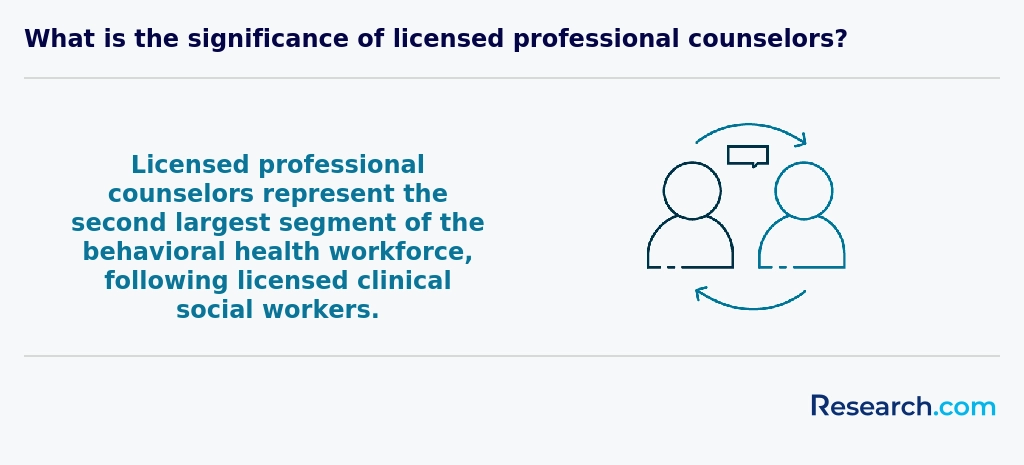
Accreditation ensures that counseling programs meet rigorous academic and professional standards. In Maryland, most top-tier counseling degrees hold CACREP (Council for Accreditation of Counseling and Related Educational Programs) recognition, which streamlines licensure and enhances employability. When evaluating programs, verify institutional accreditation through the Middle States Commission on Higher Education and specialist CACREP status. Accredited programs typically feature standardized curricula, qualified faculty, and clinical practicum placements that satisfy Maryland’s supervised experience requirements. To become a Licensed Professional Counselor (LPC) in Maryland, graduates must complete a master’s degree with at least 60 semester hours, accumulate 3,000 hours of supervised clinical experience, and pass the National Counselor Examination (NCE) or the National Clinical Mental Health Counseling Examination (NCMHCE). Application to the Maryland Board of Professional Counselors and Therapists includes submission of official transcripts, supervisor evaluations, and exam scores. Understanding these steps early helps candidates budget for licensing fees (approximately $100–$200), exam preparation courses, and required background checks. For students seeking flexible or cost-effective pathways, comparing out-of-state online options can be valuable. For example, prospective counselors might explore the 2025 Most Cheapest Online Counseling Degree Programs Ranking in Philadelphia, PA, which highlights accredited online programs that align with Maryland’s licensure criteria. By prioritizing accredited programs and mapping licensure milestones, Baltimore students can confidently navigate their journey from classroom to counseling licensure.
What financial aid is available to counseling degree students in Baltimore?
Financial aid for counseling students in Baltimore extends beyond the typical assumptions of federal loans and grants. Graduates of popular institutions like Johns Hopkins University and Loyola University often share how federal resources such as Direct Unsubsidized Loans and Grad PLUS Loans provided crucial flexibility during their studies, allowing them to focus on their clinical skills rather than immediate repayment worries.
State-specific grants like Maryland's Educational Assistance Grant (EAG) turn out to be transformative, especially for Baltimore residents enrolled full-time in counseling programs. These grants often bridge the daunting tuition gap, making graduate education feel less like a financial burden and more like an achievable goal.
Moreover, many Baltimore colleges offer assistantships that don't just reduce tuition but immerse students in teaching or research, deepening their connection to the counseling field while offering a meaningful income or stipend. Graduates frequently recount how these opportunities cultivated confidence and professional growth simultaneously.
External scholarships from organizations such as the American Counseling Association, combined with employer tuition reimbursement programs, create a mosaic of support that makes pursuing a counseling degree in Baltimore uniquely attainable and emotionally empowering.
Licensure and Certification: Navigating State Requirements for Counseling Practice
Earning a counseling degree is only the first step; securing your professional license ensures you can practice legally and confidently. In Maryland, aspiring Licensed Professional Counselors (LPCs) must typically:
- Complete a CACREP-accredited master’s program with at least 60 semester hours in counseling coursework.
- Accrue a minimum of 3,000 hours of supervised clinical experience, including both direct client contact and supervision hours.
- Pass a national exam such as the National Counselor Examination (NCE) or the National Clinical Mental Health Counseling Examination (NCMHCE).
- Submit official transcripts, supervision logs, background clearances, and application fees to the Maryland Board of Professional Counselors and Therapists. Once licensed, counselors must fulfill continuing education requirements-often 40 hours every two years in ethics, cultural competence, and clinical specialties-to maintain active status. For professionals considering interstate practice or relocation, understanding reciprocity agreements and individual state rules is crucial. For example, Maryland LPCs can explore licensure transfer options, while those eyeing practice in Georgia should review the lpc georgia requirements to ensure a smooth transition. By proactively mapping out each state’s educational prerequisites, supervised hours, examination criteria, and renewal obligations, graduates can build a clear path from diploma to licensed counselor-maximizing both career mobility and patient trust.
What are the prerequisites for enrolling in counseling degree program in Baltimore?
Enrolling in a counseling degree program in Baltimore involves more than just submitting an application; it requires demonstrating readiness through specific academic and personal qualifications. Graduates from local institutions like Loyola University Maryland or Johns Hopkins University often reflect on how meeting these prerequisites-such as holding a bachelor's degree in psychology or social work with a decent GPA, usually around 2.5 to 3.0-was the first step in their transformative journey.
For those pursuing master's degrees, the expectations intensify. Many found that completing foundational courses in human development, abnormal psychology, and research methods not only prepared them academically but also sparked a deeper passion for counseling. This academic groundwork, combined with submitting compelling personal statements and letters of recommendation, shaped a narrative about their suitability and commitment to the field.
Applicants recall how relevant volunteer or work experiences in local community centers gave their applications a genuine edge, reflecting real-life compassion beyond grades. While some colleges still request GRE scores, many Baltimore programs have moved past this hurdle, recognizing the value of holistic admissions over standardized testing.
Licensure and Certification Requirements
To practice as a professional counselor in Baltimore, MD, graduates must complete state-mandated education, experience, and examination steps:
- Earn a master’s degree from a CACREP-accredited program (online or on-campus). Many students choose a counselor degree online to balance work and study.
- Complete at least 3,000 hours of supervised clinical experience under a licensed supervisor, typically over two years.
- Pass the National Counselor Examination (NCE) administered by NBCC, covering counseling theories, ethics, and interventions.
- Apply for the Licensed Professional Counselor (LPC) credential through the Maryland Board of Professional Counselors, submitting transcripts, supervisor evaluations, and exam scores.
- Maintain licensure with 40 continuing education units (CEUs) every two years, including ethics and diagnosis updates to stay current in practice.
What courses are typically in counseling degree programs in Baltimore?
Students pursuing counseling degrees in Baltimore often find their coursework deeply rooted in real-world relevance, not just theory. Graduates from well-regarded institutions like Johns Hopkins and Towson University emphasize how courses such as Introduction to Counseling Theories challenge them to reconsider what "helping" truly means, exposing a range of therapeutic models beyond the popular stereotypes.
Classes on Human Growth and Development compel learners to connect abstract psychological stages to actual client stories, fostering empathy for diverse ages-from anxious adolescents to resilient seniors. The ethical dilemmas dissected in Ethics and Professional Issues in Counseling courses often awaken students' sense of responsibility, especially as Baltimore's unique social fabric demands culturally sensitive approaches.
Hands-on courses like Practicum/Internship Experiences bring theory into Baltimore's community centers and hospitals, where students feel the fulfillment of creating positive change. Many recount how mastering Multicultural Counseling equips them to engage Baltimore's diverse populations with confidence and respect, transforming their anxiety about cultural gaps into enthusiasm.
- Introduction to Counseling Theories
- Human Growth and Development
- Ethics and Professional Issues in Counseling
- Psychological Assessment and Testing
- Multicultural Counseling
- Practicum/Internship Experiences

What types of specializations are available in counseling degree programs in Baltimore?
Baltimore students pursuing counseling degrees often find themselves drawn to a range of specialized paths that go beyond traditional therapy roles, reflecting the city's unique mental health landscape. Graduates from well-known universities in Baltimore share how clinical mental health counseling offers them powerful skills to diagnose and treat disorders in diverse settings-from urban hospitals to intimate private practices. For those seeking purpose in education, school counseling prepares them to support students facing real challenges like bullying and career uncertainty in Baltimore's varied public schools.
Marriage and family therapy graduates describe how their training in systemic approaches opens doors to deeper understanding of family dynamics, empowering them to foster meaningful change. Meanwhile, those focused on substance abuse counseling find their work both urgent and rewarding, addressing the opioid crisis gripping Maryland. These stories reveal that Baltimore counseling degree concentration options not only meet professional trends but also address critical local needs.
Many of these students emphasize how affordability shapes their choices, noting that programs here align with national averages. Exploring the benefits of online MSW programs has also expanded their horizons, blending accessibility with specialized expertise.
How do you choose the best counseling degree in Baltimore?
Choosing the best counseling degree in Baltimore means looking beyond surface factors like tuition prices and prestige. Graduates from Johns Hopkins University often recount how CACREP accreditation proved indispensable, ensuring their coursework met licensure requirements and prepared them for real-world challenges. Meanwhile, those attending Coppin State University appreciate the smaller class sizes and hands-on practicum opportunities that foster a supportive learning community.
Affordability is sometimes overlooked, yet it shapes your entire educational experience. Finding affordable counseling degree programs Baltimore offers, especially through local public universities, can ease financial stress and allow students to focus more on mastering their skills. Balancing part-time or hybrid options lets working adults engage deeply without sacrificing income.
Reflect on your career goals: will a Clinical Mental Health focus or School Counseling track better serve you? Look closely at each program's commitment to preparing you for the National Counselor Examination and practical internships. For nuanced details on licensure pathways, consider visiting the new mexico psychology licensure requirements overview. Baltimore's counseling schools differ widely, so deliberate thoughtfully on how each element aligns with your future.
What career paths are available for counseling degree students in Baltimore?
Graduates with a counseling degree in Baltimore often find themselves at the crossroads of multiple meaningful career paths, each with its own set of challenges and rewards. Many graduates from well-known Baltimore institutions are drawn to becoming licensed professional counselors (LPCs), working in environments like community health centers or private practices, where they see firsthand the transformative impact of their guidance on individuals and families. This hands-on experience highlights the importance of rigorous training, as required by the Maryland Board of Professional Counselors.
Others pursue school counseling roles within Baltimore City Public Schools, addressing critical social-emotional needs of students in urban settings. These counselors become pillars of support, often creating brighter futures by helping students navigate academic and personal challenges. Exploring different paths of counseling career opportunities in Baltimore reveals specialists in addiction, mental health, marriage and family, or rehabilitation counseling - areas where the demand continues to grow.
Some graduates leverage their degree toward related fields, inspired by stories of those combining social work and counseling, particularly through initiatives like online social work programs california. Such interdisciplinary approaches broaden their skill set and expand job prospects, affirming that those with a Baltimore counseling degree hold a versatile, sought-after professional edge.

What is the job market for counseling degree in Baltimore?
The job market for counseling degree holders in Baltimore defies the expectation of saturation, particularly for graduates from well-known local institutions. These graduates often reflect on how their Master's training and licensure, especially becoming Licensed Clinical Professional Counselors, open doors in hospitals, schools, and community centers throughout the city. This steady demand, fueled by Baltimore's unique public health priorities, encourages many to see counseling not just as a job but as a vital public service with meaningful impact.
Graduates frequently discuss the emotional rewards experienced while addressing real community issues such as opioid addiction and mental health stigma. With employment growth in counseling fields outpacing national averages, Baltimore offers a dynamic landscape where you can grow professionally and personally. For students assessing the costs and benefits, the reality of tuition fees between $10,000 and $25,000 per year is balanced by federal aid and scholarships, making local programs accessible. Exploring options like the cheapest counseling school in maryland can be a smart step for those concerned about finances.
Understanding Baltimore counseling career opportunities means recognizing that while average salaries may range from $48,000 to $60,000, the job satisfaction and community impact often outweigh numerical measures. Students from popular Baltimore colleges attest to how the practical skills learned during their programs translate into diverse employment settings, from private practices to mental health centers, reflecting a truly expansive and hopeful counseling degree job outlook Baltimore offers.
Frequently Asked Questions About counseling
Students pursuing counseling degrees in Baltimore can enhance their learning by engaging with local clinical practicum opportunities, which are integral to licensure. Baltimore hosts a variety of mental health facilities and community organizations where students can complete required internship hours, offering real-world experience.
Additionally, joining professional associations like the Maryland Counseling Association provides networking, workshops, and conferences that support skill development. Baltimore's universities often partner with local agencies, creating accessible experiential learning environments.
According to the Maryland Higher Education Commission, students balancing coursework with practical experiences tend to achieve higher job placement rates post-graduation, emphasizing the importance of applying theoretical knowledge in real settings.
Emerging niches within the counseling field reflect growing societal needs and evolving mental health challenges. In Baltimore, one rapidly expanding area is trauma-informed counseling, addressing the high rates of violence and adverse childhood experiences reported by local agencies such as the Baltimore City Health Department. Another niche gaining attention is telehealth counseling, amplified by the COVID-19 pandemic, which allows counselors to reach underserved populations across Maryland.
Substance abuse counseling remains critical, given Baltimore's ongoing opioid crisis documented by the Maryland Department of Health. Additionally, career counseling focusing on workforce development is increasingly important due to Baltimore's diverse and changing economy. These specialized counseling areas offer promising career paths for prospective students seeking degrees in counseling in Baltimore.
After earning a counseling degree in Baltimore, preparing for the job market involves several strategic steps. First, obtaining licensure is essential; Maryland requires candidates to become a Licensed Graduate Professional Counselor (LGPC) before advancing to Licensed Professional Counselor (LPC), which involves completing supervised clinical hours and passing the National Counselor Examination. According to the Maryland Board of Professional Counselors and Therapists, this process ensures readiness for independent practice.
Networking within Baltimore's behavioral health community can improve job prospects. Joining local organizations such as the Maryland Counseling Association provides valuable connections. Additionally, gaining experience through internships or volunteer work at Baltimore clinics enhances practical skills and resumes. Familiarity with Baltimore's specific population needs, including urban and diverse communities, also benefits new counselors entering the workforce.
Employers in Baltimore seek counseling degree graduates with strong communication skills. These include active listening, empathy, and the ability to convey complex ideas clearly. According to the Maryland Department of Labor, effective interpersonal communication improves client outcomes and workplace collaboration.
Analytical thinking and problem-solving are also essential. Counselors must assess client needs and develop tailored intervention plans. The Bureau of Labor Statistics notes that graduates with these skills tend to have higher employment rates in Maryland's mental health sector.
Additionally, cultural competence is critical in Baltimore's diverse communities. Knowledge of local demographics helps counselors deliver inclusive and sensitive care.
Finding internships in Baltimore relevant to a counseling degree starts with exploring partnerships between local universities and health organizations. Many Baltimore institutions, such as Towson University and the University of Maryland, Baltimore County, maintain strong ties with community mental health centers, hospitals, and nonprofit agencies.
The Maryland Department of Health and Behavioral Health Administration provides listings and resources for counseling internships across the state. Students should also utilize platforms like Handshake and the National Board for Certified Counselors' internship directories for updated opportunities.
Networking through professional groups like the Maryland Counseling Association, which has active Baltimore chapters, can connect students with practitioners offering supervised internships essential for licensure. Internships in Baltimore often include settings such as public schools, substance abuse centers, and crisis intervention teams, reflecting diverse practical experiences.
In Baltimore, earning a counseling degree significantly enhances career mobility and advancement opportunities. According to the Maryland Higher Education Commission, counseling professionals with master's degrees see employment growth faster than average, particularly in mental health and school counseling sectors.
With a counseling degree, graduates can pursue various roles such as licensed professional counselors, school counselors, or substance abuse specialists. Many Baltimore employers require licensure, which mandates at least a master's degree and supervised clinical hours, emphasizing the degree's importance.
The Bureau of Labor Statistics projects a 23% job growth for counselors in Maryland through 2031, outpacing national averages. This growth signals strong advancement potentials within healthcare, education, and social services fields in Baltimore.
Studying for a counseling degree in Baltimore equips students with skills essential for interdisciplinary roles by emphasizing collaboration across health, social work, and education sectors. Baltimore's programs often integrate coursework in psychology, social justice, and community health, reflecting the city's diverse population needs. According to the Maryland Higher Education Commission, many local counseling degrees include practical internships in interdisciplinary settings such as hospitals and schools, promoting real-world teamwork experiences.
Graduates learn effective communication strategies and ethical decision-making that apply in multidisciplinary teams, preparing them to coordinate care and support. This holistic training aligns with trends identified by the American Counseling Association, advocating for versatile counselors able to navigate varied professional environments.
When choosing between a thesis and a non-thesis counseling degree program in Baltimore, consider your career goals and time commitment. A thesis program requires original research, which may be preferable for students aiming for doctoral studies or research roles. Non-thesis options focus on practical skills and coursework, often suiting those who want to enter the counseling workforce quickly.
According to the Maryland Higher Education Commission, many Baltimore institutions offer both paths with similar accreditation. Thesis tracks might take longer to complete-typically 2-3 years compared to 1.5-2 years for non-thesis-impacting tuition costs and time investment.
Additionally, if you plan to apply for licensure as a Licensed Professional Counselor (LPC) in Maryland, check that your program meets the Maryland Board of Professional Counselors' requirements, which both tracks generally fulfill.
Students based in Baltimore who wish to study counseling abroad have several avenues to explore, mainly through exchange programs and accredited online degrees with international components. Many Baltimore institutions offer partnerships with foreign universities, allowing students to complete a portion of their counseling education overseas while maintaining U.S. accreditation.
The Council for Accreditation of Counseling and Related Educational Programs (CACREP) accredits many U.S. counseling programs, including some with international study options. These programs ensure students meet licensure requirements in Maryland and other states. Students should verify whether foreign coursework aligns with Maryland's counseling licensure standards available through the Maryland Board of Professional Counselors and Therapists.
Financial aid opportunities and scholarships may also support study abroad experiences. According to the Institute of International Education, about 10% of U.S. graduate students participate in study abroad, with counseling disciplines growing in interest. Overall, Baltimore students have structured pathways to gain international experience without compromising professional goals.
Students pursuing counseling degrees in Baltimore can benefit from various part-time job opportunities that complement their education. Positions such as behavioral health technician or peer support specialist offer hands-on experience with clients in hospitals or community centers. According to the Maryland Department of Health, the demand for behavioral health workers is growing by 8% annually, highlighting strong local job prospects.
Additionally, school counseling assistant roles in Baltimore City Public Schools provide practical exposure to educational counseling environments. These jobs enhance communication and crisis intervention skills, important for future licensure.
Volunteer opportunities in nonprofits focused on mental health also strengthen counseling competencies while accommodating student schedules.
Networking opportunities for counseling students in Baltimore are diverse and accessible. Many universities in the area, including Johns Hopkins University and Loyola University Maryland, encourage students to join professional organizations such as the American Counseling Association (ACA) and the Maryland Counseling Association (MCA). These groups offer local events, workshops, and conferences, providing excellent chances to connect with practicing counselors and faculty.
Additionally, Baltimore's healthcare facilities and community centers often collaborate with counseling programs for internships and practicum placements. These partnerships allow students to gain hands-on experience and develop important professional relationships within the city's mental health sector.
According to the Maryland Higher Education Commission, approximately 75% of counseling graduates in Baltimore find employment through networks established during their studies.
Alumni networks offer significant advantages to counseling degree students in Baltimore by enhancing professional connections. Graduates from Baltimore's counseling programs often join active alumni groups that provide mentorship, internships, and job referrals within the local mental health community.
These networks bridge the gap between education and employment, with many alumni employed in Baltimore's diverse healthcare settings, including hospitals, schools, and private practices. According to the Maryland Higher Education Commission, over 60% of counseling graduates find work through alumni recommendations.
Additionally, alumni events foster continuing education and collaboration, helping students stay updated on state licensure requirements set by the Maryland Board of Professional Counselors and Therapists.
Customizing a counseling degree program in Baltimore begins with selecting a specialization that matches your career goals. Many local institutions offer tracks such as mental health counseling, school counseling, or marriage and family therapy. This allows students to focus on areas aligned with their professional interests.
In addition, Baltimore's programs often provide elective courses and practicum opportunities within diverse community settings. These experiences help build relevant skills and local connections.
Licensure requirements in Maryland can influence curriculum choices, so students should ensure their program meets the state's criteria to practice professionally.
According to the Maryland Higher Education Commission, approximately 65% of counseling graduates find employment within their chosen specialty in the Baltimore area within six months of graduation.
Counseling students in Baltimore often face challenges balancing rigorous coursework with practical experience requirements. Many programs require extensive clinical hours in local mental health settings, which can be difficult to schedule alongside classes and personal responsibilities. A 2023 Maryland Higher Education Commission report highlights that nearly 40% of counseling students cite time management as a primary obstacle.
Financial pressure is another common issue. While Baltimore offers various scholarships, the average tuition for counseling programs still ranges between $8,000 and $20,000 annually, posing challenges for students without strong financial aid. Additionally, some students struggle with navigating licensing exam preparations, as passing the National Counselor Examination requires both knowledge and hands-on skill development documented through supervised hours.
With a counseling degree in Baltimore, graduates can pursue several professional certifications to enhance their career opportunities. Among the most recognized is the Licensed Professional Counselor (LPC) credential, which allows individuals to provide clinical mental health services. To obtain this license in Maryland, candidates must complete a master's degree in counseling, accumulate supervised clinical hours, and pass the National Counselor Examination.
The Certified Addiction Counselor (CAC) certification is another option for those interested in substance abuse counseling. Additionally, graduates may seek certification as a National Certified Counselor (NCC), which is nationally recognized and demonstrates a strong commitment to the profession.
These credentials not only improve job prospects but also typically lead to higher salaries in Baltimore's growing mental health field, as reported by the Maryland Department of Labor.
When applying to counseling programs in Baltimore, start by highlighting your commitment to helping others, a key trait counselors need. Admissions committees look for clear evidence of your interpersonal skills and understanding of mental health issues.
Include relevant experience, such as volunteering or work in community health, which is especially valued in Baltimore's diverse neighborhoods. According to the Maryland Higher Education Commission, schools often prefer applicants with practical exposure in social services.
Strong letters of recommendation are crucial; seek references from supervisors or professors familiar with your dedication and character. Also, tailor your personal statement to reflect your goals aligned with Baltimore's counseling demands, referencing local mental health challenges.
Counseling careers are gaining recognition worldwide due to increasing mental health awareness. In the United States, including Baltimore, the demand for qualified counselors is expected to grow by 22% from 2020 to 2030, according to the U.S. Bureau of Labor Statistics. This growth reflects a global trend emphasizing mental health support and accessibility.
While licensing and educational requirements differ internationally, U.S. counseling degrees are often respected abroad for their rigor and practical focus. Baltimore's universities offer programs emphasizing multicultural competence, which aligns with the global need for culturally aware professionals.
Understanding these global perspectives can help Baltimore students prepare for diverse career opportunities in counseling both locally and internationally.
Gaining practical experience while pursuing a counseling degree in Baltimore is essential for career readiness. Many local universities and colleges incorporate internships or practicum placements as part of their degree requirements. These opportunities allow students to work directly with clients under professional supervision, often in community mental health centers, hospitals, or school counseling settings.
Baltimore's rich network of healthcare and social service organizations offers diverse placement options. According to the Maryland Board of Professional Counselors and Therapists, hands-on experience is crucial for licensure eligibility in the state.
Students can also engage in volunteer work or participate in research projects at institutions like Johns Hopkins University or University of Maryland, adding depth to their practical skills.
Choosing the right concentration within a counseling degree program in Baltimore depends on your career goals and interests. Counseling fields vary widely, including clinical mental health, school counseling, and marriage and family therapy. Each concentration prepares students for different licensure paths and work environments.
Consider Baltimore's demand for counselors by concentration. For example, the Maryland Department of Labor projects a 22% growth in mental health counselor jobs through 2030, which is above the national average. This growth signals strong opportunities for clinical mental health counseling graduates.
You should also evaluate program curriculum and practicum opportunities specific to Baltimore's diverse population. Local internships in schools, hospitals, or community centers can enhance practical experience. Accreditation by CACREP is another important factor; it ensures the program meets quality standards recognized across the US.
Related Counseling Rankings for Nearby Cities
- 2027 Most Affordable Counseling Degree Programs Ranking in Washington
- 2027 Most Affordable Counseling Degree Programs Ranking in Philadelphia
- 2027 Most Affordable Counseling Degree Programs Ranking in Harrisonburg
- 2027 Most Affordable Counseling Degree Programs Ranking in Scranton
- 2027 Most Affordable Counseling Degree Programs Ranking in New York
- 2027 Most Affordable Counseling Degree Programs Ranking in Norfolk
- 2027 Most Affordable Counseling Degree Programs Ranking in Virginia Beach
- 2027 Most Affordable Counseling Degree Programs Ranking in Bronx
- 2027 Most Affordable Counseling Degree Programs Ranking in Lynchburg
- 2027 Most Affordable Counseling Degree Programs Ranking in Pittsburgh
Top Trending Counseling Rankings
See What Experts Have To Say About Studying Counseling
Read our interview with Counseling experts

Charles Figley
Counseling Expert
Kurzweg Distinguished Chair in Disaster Mental Health
Tulane University

References
- Career Counseling Baltimore MD - Baltimore Therapy Group - Accepting New Patients https://www.therapistsinbaltimore.com/career-counseling-baltimore
- How Long Does It Take to Become a Licensed Counselor? https://onlinecounselingprograms.com/become-a-counselor/how-long-does-it-take/
- Professional Networking For Psychologists | Psychology.org https://www.psychology.org/resources/professional-networking/
- Internship Opportunities at Momentum https://momentumcac.com/internship/
- Online Master's Degree: Clinical Professional Counseling https://www.umgc.edu/online-degrees/masters/clinical-professional-counseling
- Alternative Careers for Counselors Who Are Burnt Out [2025 Update] - The Bad Therapist https://www.thebadtherapist.coach/blog/alternative-careers-for-counselors
- Counseling Psychology https://www.ubalt.edu/schools-and-colleges/yale-gordon-college-of-arts-and-sciences/academics/explore-all-programs/masters-counseling-psychology/index.cfm
- Utilize Your Alumni Networks https://www.keg.com/news/ways-to-use-your-alumni-networks-for-the-better
- Mental Health Counseling MS Salary Guide | University of Bridgeport https://www.bridgeport.edu/news/masters-in-counseling-salary-guide/
- Financial Aid | College Counseling | The Park School of Baltimore https://parkschool.net/college-counseling/financial-aid/


