2027 Most Affordable Counseling Degree Programs Ranking in Pittsburgh

Co-Founder and Chief Data Scientist
Choosing the right counseling degree program in Pittsburgh can feel overwhelming, but finding an affordable option is key. This article features the 2027 Most Affordable Counseling Degree Programs Ranking in Pittsburgh created by the Research.com team of data scientists to guide you toward smart decisions.
By exploring this ranking, you'll discover quality programs that balance cost and education value. Earning a counseling degree opens doors to meaningful careers helping others, and this resource makes your journey clearer, more confident, and exciting.
Key benefits of getting counseling degree in Pittsburgh
- Counseling degree graduates in Pittsburgh can expect competitive salaries, such as $60,080 for Addiction Counselors, $54,020 for Family Support Workers, and up to $76,000 for Intervention Specialists, offering a strong financial foundation.
- Graduates from local institutions often explore varied career paths including Rehabilitation Specialist and Community Outreach Coordinator roles, enabling meaningful work in diverse community and healthcare settings.
- Online counseling degrees from Pittsburgh universities provide flexible learning schedules, allowing students to balance work and life commitments while still engaging with expert faculty and practical experiences.
- Key benefits of getting counseling degree in Pittsburgh
- What can I expect from counseling degree in Pittsburgh?
- Where can I work with counseling degree in Pittsburgh?
- How much can I make with counseling degree in Pittsburgh?
- 2027 Most Affordable Counseling Degree Programs Ranking in Pittsburgh
- Key Findings
- How long does it take to complete counseling degree in Pittsburgh?
- Licensure Requirements in Pennsylvania
- What's the difference between online and on-campus counseling degree?
- Navigating Pennsylvania Licensure and Interstate Reciprocity
- What is the average cost of counseling degree in Pittsburgh?
- Licensure Requirements in Pennsylvania
- What financial aid is available to counseling degree students in Pittsburgh?
- eyond Academics: Exploring Affordable Counseling Programs in Pittsburgh
- What are the prerequisites for enrolling in counseling degree program in Pittsburgh?
- Return on Investment for Counseling Degrees in Pittsburgh, PA
- What courses are typically in counseling degree programs in Pittsburgh?
- What types of specializations are available in counseling degree programs in Pittsburgh?
- How do you choose the best counseling degree in Pittsburgh?
- What career paths are available for counseling degree students in Pittsburgh?
- What is the job market for counseling degree in Pittsburgh?
- Top Trending Counseling Rankings
- See What Experts Have To Say About Studying Counseling
What can I expect from counseling degree in Pittsburgh?
The average cost of pursuing a counseling degree in Pittsburgh typically ranges from $20,000 to $50,000 for a master's program, depending on the institution and residency status. Graduates from well-known local universities often reflect on the value of their investment, emphasizing how the blend of rigorous coursework and practical field experiences outweighed financial challenges. One graduate noted that while tuition felt steep at first, the extensive supervised internships in community centers and schools made the expense worthwhile, providing essential hands-on skills that textbooks alone cannot teach.
Many students find that public institutions offer more affordable options without compromising the quality of education, while private colleges may carry higher tuition but grant smaller class sizes and more personalized mentorship. Part-time or accelerated pathways also influence total costs, allowing for greater flexibility in balancing work and study, which several graduates praised for easing financial stress during their programs.
Ultimately, the cost in Pittsburgh reflects not just classroom learning but access to vibrant local networks and licensure preparation, empowering graduates to confidently enter a rapidly growing mental health sector.
Where can I work with counseling degree in Pittsburgh?
Graduates from counseling programs at institutions like the University of Pittsburgh often find themselves drawn to mental health clinics and community centers, where licensed professional counselors provide essential support ranging from crisis intervention to substance abuse therapy. Imagine stepping into a community health center in Pittsburgh, where your skills directly impact lives by guiding individuals through their toughest moments-this is a common, rewarding reality.
Others discover meaningful careers in local school districts such as Pittsburgh Public Schools, specializing in school counseling. These roles challenge you to become an advocate for students' emotional well-being, helping them navigate complex social and academic pressures while holding certifications earned during your degree journey.
Hospitals like UPMC call on counseling graduates to offer patient and family support amid recovery, emphasizing professional licenses in mental health care. Many find personal fulfillment working in private practice, tailoring therapy to families or individuals seeking marriage counseling or addiction recovery.
Pittsburgh's nonprofit sector also welcomes counselors eager to expand their reach into youth services and career counseling, partnering with universities and healthcare providers to foster community wellness. Such varied paths reflect the vibrant demand and heartfelt satisfaction counseling grads report throughout the city.
How much can I make with counseling degree in Pittsburgh?
With a counseling degree in Pittsburgh, earnings vary widely depending on your chosen path. Graduates from local institutions like the University of Pittsburgh or Carlow University often find roles matching the salary data from the Bureau of Labor Statistics. For example, an Intervention Specialist in Pittsburgh can expect a mean annual wage of around $76,000, which shows how specialization can sharply raise income prospects.
Other graduates starting as Rehabilitation Specialists typically earn about $48,430 per year, reflecting entry-level roles with room to grow as they gain experience. Community Outreach Coordinators and Family Support Workers both hover near $54,000 annually, demonstrating steady earning potential in community-focused counseling careers.
Addiction Counselors stand out with mean wages of approximately $60,080 per year, combining meaningful work with solid financial rewards. Many graduates share how gaining hands-on experience through internships enhances their confidence and opens doors to higher-paying positions.
These figures challenge the misconception that counseling careers are low-paying, especially in a city like Pittsburgh where demand and specialization fuel competitive salaries. Graduates often express pride and optimism when seeing their income reflect their dedication and expertise.
2027 Most Affordable Counseling Degree Programs Ranking in Pittsburgh
How do we rank schools?
Investing in your education is a significant decision that can shape your future, and the Research.com team understands the importance of making informed choices. To assist prospective students in Pittsburgh, we have meticulously crafted the "2027 Most Affordable Counseling Degree Programs Ranking in Pittsburgh." Our commitment to quality, credibility, and accuracy is reflected in the extensive research and analysis conducted to compile this ranking.
We utilized the following reputable data sources to ensure a comprehensive evaluation of counseling programs:
By exploring this ranking, readers will gain valuable insights into affordable and quality counseling degree options in Pittsburgh, empowering them to make well-informed educational decisions. For more details on our methodology, please visit our Research.com methodology page.


Key Findings
- Tuition for counseling graduate programs in Pittsburgh ranges from $15,000 to $30,000 per year, with additional fees for clinical practicum and licensing exam preparation.
- Employment for counselors in the Pittsburgh area is expected to grow by about 10% over the next decade, matching national growth trends.
- Starting salaries for counseling graduates typically range from $45,000 to $50,000 annually, increasing to $60,000-$75,000 with experience and licensure.
- Many Pittsburgh counseling programs are CACREP accredited, which supports licensure and employment in Pennsylvania.
- Pittsburgh's cost of living is slightly below the national average, and various financial aid options like scholarships, grants, and loans are available to students.
How long does it take to complete counseling degree in Pittsburgh?
Completing a counseling degree in Pittsburgh often surprises many students with its layered timeline. Graduates from the University of Pittsburgh or Carlow University recall how a bachelor's degree in psychology or human services typically demands about four years of steady commitment. Yet, this is just the foundation.
Moving into a master's program, such as Clinical Mental Health Counseling or School Counseling, the journey extends two to three years full-time-sometimes longer if balancing part-time classes or work. These programs, especially those CACREP-accredited, emphasize more than textbooks: engaging in practicum and internships that feel both challenging and rewarding.
One graduate described these practicum hours as transformative, turning theoretical knowledge into real connections with clients. But even after diplomas come, Pennsylvania requires at least 3,000 hours of supervised clinical experience, adding another one to two years before licensing. This post-degree phase often tests persistence and passion, where each hour logged deepens skills and confidence.
For some, this entire process-bachelor's, master's, supervised hours-feels immense yet fulfilling, anchored by Pittsburgh's supportive academic communities that foster real growth amid the city's unique counseling landscape.
Licensure Requirements in Pennsylvania
To practice as a Licensed Professional Counselor (LPC) in Pennsylvania, graduates must follow these key steps. Consider accredited programs like online counseling degrees that meet state licensure prerequisites:
- Educational Requirements: Earn a CACREP-accredited master’s degree in counseling from a regionally accredited institution.
- Supervised Experience: Complete at least 3,000 hours of post-master’s supervised clinical practice, documented over a minimum of two years.
- Examinations: Pass the National Counselor Examination (NCE) or the National Clinical Mental Health Counseling Examination (NCMHCE), plus the Pennsylvania jurisprudence (law and ethics) exam.
- Application Process: Submit official transcripts, supervised experience verification, exam results, and the licensure application to the Pennsylvania State Board of Social Workers, Marriage & Family Therapists and Professional Counselors.
- Renewal and CEUs: Renew your LPC license every two years by completing 30 hours of approved continuing education.
Understanding these requirements ensures a smooth transition from academic studies to professional counseling practice.
What's the difference between online and on-campus counseling degree?
Choosing between an online and on-campus counseling degree in Pittsburgh often boils down to how you envision your learning journey. Graduates from the University of Pittsburgh recall the energizing buzz of sitting in lecture halls, sharing insights directly with professors and classmates, which helped them build strong professional networks and gain confidence in interpersonal skills. In contrast, graduates from programs offering online formats appreciate the freedom to balance coursework with jobs or family life, studying late at night after putting kids to bed without the commute stress.
Yet, both paths demand rigorous clinical hours near Pittsburgh, blending theory with practice in real counseling settings. Chatham University students share that on-campus programs make accessing supervised sessions and campus resources feel seamless, while online students often arrange local internships, turning their communities into classrooms. Tuition differences matter too-online learners save on housing and travel, though some on-campus residencies still require in-person attendance. Reflecting on these choices reveals it's not just format but your lifestyle and learning style that shape success in counseling education.
Navigating Pennsylvania Licensure and Interstate Reciprocity
Earning your Counseling degree in Pittsburgh is just the first step toward professional practice-understanding licensure requirements and interstate reciprocity ensures you can build a sustainable career. In Pennsylvania, aspiring counselors must complete a CACREP-accredited master’s program, accumulate at least 3,000 supervised clinical hours, and pass the National Counselor Examination (NCE) administered by the National Board for Certified Counselors (NBCC). After licensure, ongoing continuing education (CE) credits-often 30 hours every two years-maintain your status and deepen your expertise. For counselors interested in expanding their practice beyond Pennsylvania, reciprocal agreements can streamline the process. While each state sets its own criteria, many accept Pennsylvania’s rigorous standards as a foundation. For example, professionals seeking to relocate or offer telehealth services in Georgia can become a therapist in georgia by meeting the Georgia Composite Board of Professional Counselors, Social Workers, and Marriage & Family Therapists’ exam and supervision requirements. Understanding these parallels not only broadens your job market but also enhances your ability to serve diverse communities. Begin by contacting Pennsylvania’s State Board of Social Workers, Marriage and Family Therapists, and Professional Counselors to verify your academic transcripts and supervised hours. Next, schedule the NCE and prepare with study materials keyed to Pennsylvania’s counseling ethics and practice standards. Upon passing, submit an application, background check, and proof of CE completion. If you plan to practice in another state, research their board’s reciprocity application, often requiring a verification of your Pennsylvania license and any additional state-specific jurisprudence exams. Staying informed about licensure updates-such as changes in required clinical hours or new telehealth regulations-keeps you competitive. Professional associations like the Pennsylvania Counseling Association (PCA) and the American Counseling Association (ACA) offer workshops, mentorship, and legal guidance. By mastering both Pennsylvania’s licensure pathway and interstate reciprocity, you’ll secure a robust foundation for a dynamic counseling career.
What is the average cost of counseling degree in Pittsburgh?
In Pittsburgh, the average cost of a counseling degree is a nuanced figure that challenges many assumptions. The median total cost stands at around $65,756, with in-state students typically paying closer to $46,806. Graduates from universities like the University of Pittsburgh often reflect on how these costs, while significant, represent an investment in a rewarding career path focused on mental health and community support.
Many students pursuing counseling degrees find that managing expenses goes beyond tuition. Living costs in Pittsburgh are moderate compared to larger cities, offering some financial relief, but books, clinical practicums, and internships add to the overall budget. For example, a graduate might recall budgeting carefully for textbooks and placement fees, which can unexpectedly impact the final tally.
When exploring affordable counseling degree programs Pittsburgh offers options that blend quality and reasonable pricing, particularly at public institutions where residency status heavily influences tuition fees. The financial considerations encourage students to seek out scholarships and grants, making the journey more attainable and rewarding.
Future students passionate about psychology might also consider online bachelor's in psychology programs accredited to complement or transition into their counseling careers, often finding these programs more cost-effective and flexible alongside traditional graduate studies.
Licensure Requirements in Pennsylvania
After completing a counseling degree, you must fulfill Pennsylvania’s licensure requirements to practice as a Licensed Professional Counselor (LPC). The process ensures you meet academic, clinical, and ethical standards.
- Hold a CACREP-accredited master’s in counseling or equivalent.
- Accumulate 3,000 hours of supervised clinical experience over at least two years.
- Pass the National Counselor Examination (NCE) administered by the National Board for Certified Counselors.
- Apply to the Pennsylvania State Board of Social Workers, Marriage and Family Therapists and Professional Counselors and pay the required fee.
- Complete 30 hours of continuing education every two years to renew your LPC license.
- Choose a flexible counselor degree online program to support coursework and exam preparation.
What financial aid is available to counseling degree students in Pittsburgh?
Many counseling students in Pittsburgh find federal financial aid indispensable, especially when tuition at local institutions such as Duquesne University or Point Park University seems daunting. Graduates often share how filing the FAFSA unlocked access to Direct Unsubsidized Loans and Graduate PLUS Loans, providing essential funds to stay focused on studies rather than juggling jobs. While Pell Grants rarely benefit graduate students, the promise of loan options still offers relief when tuition surpasses $12,000 annually.
State-level aid through Pennsylvania's PHEAA also plays a crucial role. Counseling grads at Carnegie Mellon University recall applying for these grants, which helped ease financial pressures while deepening their commitment to serve the community. The pride in receiving such support fuels their motivation to excel.
Institutional scholarships and assistantships remain a beacon of hope. Many Pittsburgh counseling students describe how merit-based awards or research assistant roles reduced tuition burdens, sometimes allowing them to immerse themselves fully in clinical practice without financial distraction. This blend of aid feels personal, as it reflects their talents and dedication.
Professional organizations and local employer tuition reimbursements add further layers of opportunity, reminding students that their investment in counseling is valued beyond academics-it's a community endeavor.
eyond Academics: Exploring Affordable Counseling Programs in Pittsburgh
For students considering counseling degree programs in Pittsburgh, understanding the nuances of program affordability is crucial. When evaluating options, it's essential to look into the cheapest counseling programs in pennsylvania, as these can significantly impact one's financial situation upon graduation. Balancing academic rigor with financial responsibility is key to making the most out of a counseling education in Pittsburgh. By exploring these affordable options and understanding the financial implications of their choices, prospective students can set themselves up for success, both financially and professionally, in the counseling field.
What are the prerequisites for enrolling in counseling degree program in Pittsburgh?
Enrolling in a counseling degree program in Pittsburgh often requires more than just holding a bachelor's degree; graduates from local universities recall how their diverse academic backgrounds-ranging from education to social work-helped bridge gaps in prerequisite knowledge. Contrary to the assumption that psychology is mandatory, programs at Pittsburgh-area colleges value varied experiences, reflecting the city's holistic approach to mental health care.
Official transcripts with a solid GPA, typically around 3.0, play a pivotal role in admissions decisions, yet many students remember how well-crafted personal statements made their commitment tangible beyond numbers. Imagine sitting down during a quiet evening to distill your passion for counseling and your career dreams onto paper-this is where your story truly begins to resonate.
- Letters of recommendation, usually from professors or workplace mentors, are essential for showcasing character and professional potential, as graduates attest from their interview preparations.
- Some programs, especially clinical tracks in Pittsburgh, require prerequisite courses like statistics or abnormal psychology, highlighting the expectation to blend analytics with empathy.
- Applicants often face interviews or must submit resumes that reveal hands-on experience in mental health environments, intensifying the sense of readiness for future challenges.
International applicants also reflect on the hurdle of demonstrating English proficiency through tests like TOEFL, underscoring the universal challenge of communication in counseling. Such prerequisites in Pittsburgh's counseling programs encourage more than academic readiness-they cultivate emotional resilience and personal growth.

Return on Investment for Counseling Degrees in Pittsburgh, PA
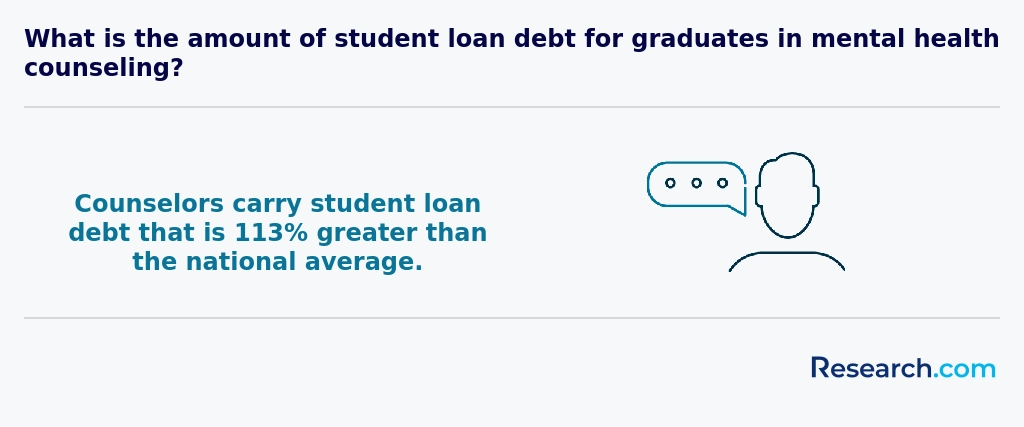
When evaluating counseling programs, understanding the return on investment (ROI) is as crucial as comparing tuition rates. On average, graduates of master’s in counseling programs in Pittsburgh incur total student loan debt of approximately $35,000, which, given an entry-level salary of $51,620 for roles like Community Outreach Coordinator, translates to a repayment period of roughly 8–10 years under standard 10-year plans. By contrast, Intervention Specialists earning $74,310 can expect to repay similar debt in about 5–6 years. Several factors can shorten repayment timelines and improve ROI: • Income-Driven Repayment Plans – Federal plans such as PAYE or REPAYE cap monthly payments at 10–15% of discretionary income and forgive remaining balances after 20–25 years. • Public Service Loan Forgiveness (PSLF) – Graduates working in accredited nonprofit clinics or school districts may qualify for PSLF after 120 qualifying payments, potentially eliminating remaining debt. • Employer Tuition Assistance – Some Pittsburgh-area hospitals and school systems offer reimbursement of up to $5,000 per year toward graduate tuition, significantly reducing out-of-pocket costs. Beyond financial considerations, ROI encompasses career satisfaction and professional growth. Counseling graduates in Pittsburgh report high levels of job fulfillment, citing strong community demand, robust licensure support services, and opportunities for specialization. Prospective students might also explore comparable affordable options in neighboring states; for example, our Low Cost Counseling Degree Programs Ranking in Kentucky showcases programs with competitive tuition and solid ROI metrics. By factoring in both monetary and professional returns, you can select a counseling program that delivers lasting value for your career and your wallet.
What courses are typically in counseling degree programs in Pittsburgh?
Graduates from counseling programs at Pittsburgh institutions often recall how foundational courses like Human Growth and Development reshaped their understanding of client journeys across a lifetime. It's not just theory; these classes invite you to vividly imagine walking alongside someone from childhood struggles to adult challenges, grounding abstract concepts in real human experience.
Ethics and Professional Issues in Counseling frequently spark lively debates among students about their own values and how these will impact their future practice in Pittsburgh's diverse communities. The hands-on focus on Assessment, Diagnosis, and Treatment Planning equips learners with practical tools, such as using the DSM-5, making the jump from classroom to real counseling sessions smoother and more confident.
Many appreciate how Multicultural Counseling and Social Justice courses in Pittsburgh programs emphasize not just knowledge but empathy, challenging students to see the world through their clients' eyes. Practicum experiences at local mental health centers create powerful, positive moments where theory clicks with the raw realities of diverse client backgrounds.
- Foundations of Counseling Theory and Practice
- Human Growth and Development
- Ethics and Professional Issues in Counseling
- Assessment, Diagnosis, and Treatment Planning
- Multicultural Counseling and Social Justice
- Research Methods and Program Evaluation
- Practicum and Internship Experience

What types of specializations are available in counseling degree programs in Pittsburgh?
In Pittsburgh, counseling degree specializations reveal more than standard categories; they embody the city's unique blend of urban complexity and community spirit. Graduates from local universities often highlight clinical mental health counseling as a pathway that immerses them in hands-on settings like hospitals and community agencies, delivering real relief to people grappling with mental health challenges. Others pursuing school counseling find meaningful purpose working in K-12 institutions across Pittsburgh's diverse neighborhoods, where their training in crisis intervention and student advocacy becomes a daily lifeline, reflecting the deep societal weave of education and mental wellness.
Meanwhile, marriage and family therapy programs accredited in Pittsburgh emphasize relational healing, shaping counselors ready to navigate the intricate dynamics of families and couples in a city undergoing constant change. Rehabilitation counseling students bring a hopeful perspective, focusing on empowering individuals with disabilities to reclaim independence and workplace inclusion, a crucial mission in Pittsburgh's social services network. These varied paths reflect Pittsburgh counseling career focus areas that resonate personally with each graduate's drive to make a tangible impact.
Choosing these specializations also aligns with practical considerations-local programs offer pathways that prepare graduates for licensure and employment tailored to the city's needs, often at costs that balance quality and affordability. If you're exploring future opportunities, consider that counseling degrees here also open doors to some of the best paying bachelor's degree jobs, adding a layer of economic promise to the fulfilling nature of this work.
How do you choose the best counseling degree in Pittsburgh?
Choosing the best counseling degree in Pittsburgh goes beyond checking off accreditation and tuition costs. Graduates from the University of Pittsburgh often share how attending CACREP-accredited programs gave them confidence when pursuing licensure and helped them connect with local agencies for practicums, making their education feel immediately relevant. Meanwhile, students from private schools like Point Park University highlight the value of specialized tracks, such as marriage and family therapy, which deeply align with their personal passions and career goals.
Reflect on your own ambitions: Are you drawn to clinical mental health, or does school counseling feel more urgent in your community? Balancing affordability with program outcomes is key-comparing Pittsburgh counseling degree programs cost comparison data reveals public universities tend to offer solid value without sacrificing quality. Some graduates emphasize how the city's lower living expenses allowed them to focus fully on their studies and practical experience.
Finally, consider how faculty expertise and support services shaped others' journeys. One former student remarked that career counseling and job placement helped her transition seamlessly into work. For those exploring broader possibilities, investigating educational psychology careers may reveal other fulfilling paths worth your consideration.
What career paths are available for counseling degree students in Pittsburgh?
Graduates from counseling programs in Pittsburgh, especially those from institutions like the University of Pittsburgh and Carlow University, often find their career possibilities surprisingly expansive and fulfilling. Beyond traditional roles, many are drawn to becoming licensed professional counselors (LPC) or licensed clinical professional counselors (LCPC), thriving in clinical environments and private practices where they directly impact mental health outcomes. This reflects the growing demand for mental health jobs with counseling degree Pittsburgh, offering graduates both stability and purpose.
Others embrace roles as school counselors, supporting youth development in K-12 schools, or specialize as career and rehabilitation counselors helping clients overcome complex life challenges. These paths encourage deep interpersonal connections and a rewarding sense of contribution. Some graduates are even exploring the organizational counseling niche, enhancing corporate cultures and employee wellbeing.
Among these options, the journey to licensure can be complex, but resources like the wisconsin lpc applicationprocess offer clarity. Pittsburgh students benefit from competitive tuition rates that further open doors to these diverse counseling career opportunities in Pittsburgh.

What is the job market for counseling degree in Pittsburgh?
The job market for counseling degree jobs in Pittsburgh offers promising opportunities that often surprise new graduates. Those finishing their counseling programs at local universities frequently share stories of how readily they found roles within major healthcare systems like UPMC or community agencies addressing mental health and substance abuse. The city's growing emphasis on mental health means that these graduates step into roles that feel both vital and fulfilling, far beyond traditional expectations.
Unlike some cities where counseling jobs are concentrated narrowly, Pittsburgh's landscape includes schools, non-profits, and telehealth services expanding rapidly. Graduates emphasize how this diversity allows them to tailor their career paths, whether through school counseling at a local public school or remote sessions offering flexible schedules. With licensure support readily available in the region, students feel encouraged to pursue continued specialization, boosting their confidence and employability.
For those considering how to finance their education, Pittsburgh's affordability stands out. Students often discover affordable options, including the cheapest counseling programs in pennsylvania, which ease financial concerns and empower graduates to focus fully on entering the workforce.
Frequently Asked Questions About counseling
Counseling degree students in Pittsburgh can maximize their learning experience by engaging in hands-on clinical practice, which is a critical component of accredited counseling programs under CACREP (Council for Accreditation of Counseling and Related Educational Programs). Local universities such as the University of Pittsburgh and Chatham University provide valuable internship placements in diverse settings like hospitals, community centers, and schools. These practical experiences enhance skills and improve job readiness.
Students should also take advantage of Pittsburgh's professional networks, including events hosted by the Pennsylvania Counseling Association (PCA), which offers workshops and networking opportunities. According to the Bureau of Labor Statistics, Pennsylvania is projected to grow counselor employment by 12% through 2030, making professional connections vital for career entry.
Finally, counseling students benefit from staying current with evidence-based practices, utilizing university libraries and research databases to access the latest findings in mental health. These strategies collectively support a well-rounded and competitive educational experience.
Emerging niches within the counseling field reflect evolving societal needs and greater awareness around mental health. In Pittsburgh, areas like trauma-informed counseling and substance abuse treatment are growing rapidly due to increased local demand. According to the Pennsylvania Department of Labor & Industry, substance abuse counseling jobs in the region are projected to grow by 15% through 2028, outpacing many other specialties.
Another significant niche is geriatric counseling, addressing the mental health challenges of an aging population. With Pittsburgh's large and expanding senior community, counselors trained in aging-related issues are becoming essential.
Additionally, school counseling is emphasizing social-emotional learning, responding to rising youth mental health concerns exacerbated by the COVID-19 pandemic. These specialized areas offer new career opportunities for counseling graduates in the Pittsburgh area.
Preparing for the job market after completing a counseling degree in Pittsburgh involves several strategic steps. First, graduates should obtain state licensure, such as the Licensed Professional Counselor (LPC) credential, which requires supervised clinical hours and passing a national exam. Pittsburgh's growing healthcare and social service sectors offer job opportunities in schools, hospitals, and private practices.
Networking is crucial; joining local professional associations like the Pennsylvania Counseling Association can provide valuable connections. Internships or practicum experiences completed during the degree program are often a gateway to employment. According to the U.S. Bureau of Labor Statistics, Pittsburgh's mental health counselor jobs are projected to grow by 12% through 2030, higher than the national average.
Continuing education and specialized certifications can enhance employability by signaling expertise in areas such as substance abuse or trauma counseling.
Employers in Pittsburgh seek several key skills in counseling degree graduates to meet the region's diverse mental health needs. Strong communication skills are essential, enabling counselors to build trust and understand clients effectively.
Critical thinking and problem-solving abilities are highly valued, as they help professionals tailor interventions to individual situations. According to the Pennsylvania Department of Labor & Industry, adaptability and cultural competence rank among top employer priorities in mental health fields statewide.
Additionally, knowledge of ethical standards and confidentiality laws is critical for counseling roles in Pittsburgh's healthcare and social service sectors. Employers also emphasize skills in crisis intervention and collaboration within multidisciplinary teams to provide comprehensive support.
Finding internships in Pittsburgh relevant to a counseling degree involves leveraging local educational institutions and community resources. Many counseling programs in Pittsburgh, such as those at the University of Pittsburgh and Chatham University, have established partnerships with mental health clinics and social service agencies that offer internship placements. According to the Pittsburgh Internship Network, students can access listings tailored to counseling fields.
Additionally, students should explore opportunities with organizations like the Allegheny County Department of Human Services, which frequently offers internships for counseling students. Networking events and career fairs organized by Pittsburgh colleges also help connect students with potential internships. Early application and direct contact with site supervisors improve chances of acceptance.
Obtaining a counseling degree in Pittsburgh significantly enhances career mobility and advancement opportunities within the region's growing mental health sector. According to the Pennsylvania Department of Labor & Industry, employment for counselors in the Pittsburgh metropolitan area is expected to grow by approximately 15% between 2020 and 2030, faster than the national average. This growth supports upward mobility for degree holders seeking roles such as licensed professional counselors (LPCs), clinical supervisors, or program directors.
Higher education credentials like a master's in counseling are often required for licensure by the Pennsylvania State Board. Licensed professionals tend to earn notably higher salaries; for example, Bureau of Labor Statistics data for Pittsburgh shows a median wage increase of about 20% when advancing from provisional to fully licensed status.
Additionally, specialized counseling certifications and degrees equip graduates with skills valued by local healthcare providers, schools, and social service agencies, improving job competitiveness. Therefore, pursuing a counseling degree in Pittsburgh provides a clear pathway for professional advancement and greater career flexibility within the mental health field.
Studying for a counseling degree in Pittsburgh offers comprehensive preparation for interdisciplinary roles through coursework that integrates psychology, social work, and healthcare topics. Programs often emphasize collaboration with professionals from education, mental health, and medical fields, reflecting the region's strong focus on community-based and integrated care models.
Local universities align their curricula with standards from the Council for Accreditation of Counseling and Related Educational Programs (CACREP), ensuring graduates are well-versed in ethical practices and diverse client needs. According to the Pennsylvania Department of Labor & Industry, counselors in Pittsburgh typically work alongside social workers and nurses, highlighting the importance of interdisciplinary skills.
Field placements in various settings, including hospitals, schools, and community agencies, enable students to gain practical experience working within multidisciplinary teams. This real-world exposure equips graduates with the communication and coordination abilities necessary for effective collaboration in complex environments.
When choosing between a thesis and a non-thesis counseling degree program in Pittsburgh, students should consider their career goals and learning preferences. A thesis option involves original research and is ideal for those interested in pursuing further academic work or research-oriented roles. Non-thesis programs focus more on practical training and coursework, fitting students aiming for immediate clinical practice or licensure.
In Pittsburgh, universities such as the University of Pittsburgh and Duquesne University offer both paths, each accredited by CACREP. According to the National Center for Education Statistics, counseling graduates in Pennsylvania have a strong job placement rate over 80%, reflecting demand for clinical skills.
Cost and time commitments also vary: thesis programs might require more semesters to complete. Prospective students should consult academic advisors to match program structure with professional licensing requirements in Pennsylvania.
Students in Pittsburgh interested in counseling degrees who want to study abroad have several pathways available through U.S. institutions partnering with foreign universities. Many Pittsburgh-based universities, such as the University of Pittsburgh, offer exchange programs and joint degrees that allow students to experience counseling education in countries like the United Kingdom and Canada. These programs often include supervised clinical practice aligned with U.S. licensure requirements.
According to the National Center for Education Statistics, nearly 15% of U.S. students enrolled in graduate counseling programs participate in some form of study abroad or international training.
Due to licensure variations, students should ensure foreign programs meet Pennsylvania's counseling board standards to facilitate seamless credential recognition.
Students pursuing counseling degrees in Pittsburgh can find several part-time job opportunities that enhance their education. Working as a behavioral health aide or mental health technician in local hospitals or clinics helps build practical skills. Organizations like the Allegheny County Department of Human Services often hire part-time support staff, offering valuable exposure to diverse client needs. Additionally, roles such as peer support specialist or crisis hotline volunteer provide hands-on experience in counseling frameworks.
The Pittsburgh area reports a steady demand for mental health workers, with Pennsylvania's Department of Labor projecting a 16% growth in counseling-related jobs through 2030. These positions complement academic learning and improve employability post-graduation.
Counseling students in Pittsburgh benefit from multiple networking opportunities through local universities and professional organizations. Institutions like the University of Pittsburgh and Chatham University host events where students can connect with licensed counselors and alumni working in the field. These universities often collaborate with the Pennsylvania Counseling Association (PCA), which organizes conferences and workshops in the region, providing valuable chances for students to engage with experienced professionals.
Additionally, Pittsburgh's healthcare systems, such as UPMC, offer internship and practicum placements that help students build networks in clinical settings. According to PCA, over 60% of counseling students in Pennsylvania find employment through such connections after graduation.
Alumni networks provide valuable benefits to counseling degree students in Pittsburgh by connecting them with experienced professionals and recent graduates. These networks often facilitate mentorship opportunities, helping students navigate licensure requirements, such as Pennsylvania's LPC (Licensed Professional Counselor) certification process. Access to a local alumni community can increase awareness of job openings in Pittsburgh's mental health agencies, schools, and private practices.
According to the Pennsylvania Department of Education, alumni connections can improve employment rates for counseling graduates by nearly 20%. Furthermore, many Pittsburgh universities host regular alumni events, offering students chances to build relationships that support career advancement and professional development.
Customizing a counseling degree program in Pittsburgh involves selecting specializations that align with your career goals. Many local universities offer options such as school counseling, mental health counseling, or addiction counseling, allowing students to tailor coursework through electives and practica. For instance, programs accredited by CACREP ensure curriculum flexibility supporting different counseling tracks.
Additionally, Pittsburgh's counseling programs often provide opportunities for internships in diverse settings like hospitals, schools, and community centers, helping students gain relevant experience. Consulting academic advisors early can help you choose the right courses and field experiences to meet Pennsylvania's licensure requirements.
According to the Pennsylvania Department of Education, aligning your program with licensure standards is crucial to practice professionally in the region. Customizing your degree also involves balancing theoretical knowledge with practical skills, which local programs accommodate through flexible part-time or evening classes designed for working professionals.
Counseling students in Pittsburgh face several common challenges during their academic journey. One major difficulty involves balancing rigorous coursework with practicum and internship requirements, which typically demand 600 to 1,000 supervised hours. These field experiences are essential for licensure but can strain students' time and financial resources.
Another challenge is navigating the licensing process in Pennsylvania, which includes passing the National Counselor Examination and fulfilling post-master's supervised experience. According to the Pennsylvania Department of State, many students find securing qualified supervisors in the Pittsburgh area competitive.
Additionally, students often confront the high cost of education. Although Pittsburgh offers affordable programs compared to national averages, students still face financial barriers, particularly when managing living expenses alongside tuition.
With a counseling degree in Pittsburgh, graduates can pursue several professional certifications that enhance their career prospects. One common certification is the Licensed Professional Counselor (LPC), which requires completing supervised clinical hours and passing the National Counselor Examination. The Pennsylvania Department of State oversees this licensure for local practitioners.
Another option is the Certified Clinical Mental Health Counselor (CCMHC), a nationally recognized credential offered by the National Board for Certified Counselors. The CCMHC focuses on advanced clinical skills and is respected in Pittsburgh's healthcare community.
Additionally, graduates may consider certifications in school counseling or addiction counseling, depending on their specialization and career goals.
Writing a winning application for a counseling program in Pittsburgh requires careful preparation. Start by researching each program's specific requirements, as some may ask for personal statements, recommendation letters, or relevant experience. According to the Pennsylvania Department of Education, emphasizing your commitment to mental health and community service in Pittsburgh can strengthen your application.
Highlight any volunteer or work experience related to counseling, especially in local organizations. Programs often value practical experience alongside academic achievements. Additionally, meeting or exceeding the GPA standards, typically around 3.0, is essential for competitive admissions.
Tailor your personal statement to reflect your understanding of Pittsburgh's diverse population and counseling needs. Be clear and concise, showcasing your career goals and how the program aligns with them. Finally, ensure all documents are error-free and submitted before deadlines to avoid disqualification.
Globally, counseling is recognized as an essential profession aimed at supporting mental health and emotional well-being. In the United States, including Pittsburgh, counseling careers are expanding due to increased awareness of mental health issues. According to the Bureau of Labor Statistics, employment of mental health counselors is projected to grow 22% from 2020 to 2030, faster than the average for all occupations.
In Pittsburgh, counseling professionals often engage with diverse populations, reflecting national trends emphasizing multicultural competence. U.S. accreditation bodies like CACREP set rigorous education standards ensuring counselors are prepared for varied cultural contexts, which aligns with global moves to standardize mental health care quality.
Overall, counseling is increasingly valued worldwide, but licensing and educational requirements in the U.S. remain distinct, making local degrees critical for professional practice in regions such as Pittsburgh.
Gaining practical experience while studying for a counseling degree in Pittsburgh is essential for career readiness. Many universities in the area, such as the University of Pittsburgh and Carlow University, offer practicum and internship opportunities integrated within their counseling programs. These experiences allow students to work directly with clients under licensed supervision, building essential skills.
Local hospitals, schools, and community organizations provide additional placements, enabling students to engage with diverse populations. According to the Pennsylvania Department of Education, hands-on training is required for licensure as a professional counselor.
Networking through Pittsburgh's counseling associations can also open doors to volunteer and part-time roles, enriching practical knowledge before graduation.
Choosing the right concentration within a counseling degree program in Pittsburgh depends on your career goals and interests. Common specializations include mental health counseling, school counseling, addiction counseling, and marriage and family therapy. According to the Pennsylvania Department of Education, school counseling is a growing field locally due to increased emphasis on student mental health.
Research the licensure requirements for each concentration, as they vary by career path and state. For example, Licensed Professional Counselors (LPCs) in Pennsylvania often pursue clinical mental health tracks. Evaluating local job market trends through sources like the Bureau of Labor Statistics can also guide your choice.
Finally, consider programs affiliated with Pennsylvania Department of Education-approved institutions in Pittsburgh, which offer relevant practicum and internship opportunities.
Related Counseling Rankings for Nearby Cities
- 2027 Most Affordable Counseling Degree Programs Ranking in Cleveland
- 2027 Most Affordable Counseling Degree Programs Ranking in Harrisonburg
- 2027 Most Affordable Counseling Degree Programs Ranking in Washington
- 2027 Most Affordable Counseling Degree Programs Ranking in Baltimore
- 2027 Most Affordable Counseling Degree Programs Ranking in Lynchburg
- 2027 Most Affordable Counseling Degree Programs Ranking in Rochester
- 2027 Most Affordable Counseling Degree Programs Ranking in Dayton
- 2027 Most Affordable Counseling Degree Programs Ranking in Scranton
- 2027 Most Affordable Counseling Degree Programs Ranking in Philadelphia
- 2027 Most Affordable Counseling Degree Programs Ranking in Cincinnati
Top Trending Counseling Rankings
See What Experts Have To Say About Studying Counseling
Read our interview with Counseling experts

Charles Figley
Counseling Expert
Kurzweg Distinguished Chair in Disaster Mental Health
Tulane University

References
- Counselor Salary https://onlinecounselingprograms.com/become-a-counselor/salary/
- On-Campus vs. Online Master’s in Counseling | University of Bridgeport https://www.bridgeport.edu/news/on-campus-vs-online-counseling-degree/
- Study Counseling Abroad - Top Universities for Masters, MBA, PhD Degree Programs https://studee.com/degree/abroad/counseling
- 11 Challenges That Counselors & Therapists Face - Talkspace https://www.talkspace.com/blog/counselor-challenges/
- How a Strong Alumni Network Can Benefit Students https://www.pacificu.edu/blog/how-strong-alumni-network-can-benefit-students
- Networking for Therapists: Building Connections for Career Success & Client Care https://www.mentalyc.com/blog/networking-for-therapists
- How do I Gain Practical Experience as a Counselling Student? https://www.firstpsychologytraining.co.uk/blog-detail
- Alternative Careers for Counselors Who Are Burnt Out [2025 Update] - The Bad Therapist https://www.thebadtherapist.coach/blog/alternative-careers-for-counselors
- Internship Opportunities at Momentum https://momentumcac.com/internship/
- Becoming An International School Counselor https://iscainfo.com/becoming-an-international-school-counselor/