
2027 Best Counseling Degree Programs Ranking in the West

Co-Founder and Chief Data Scientist
Choosing the right counseling degree program can feel overwhelming, especially with so many options available in the West. To help you navigate this important decision, this article features the 2027 Best Counseling Degree Programs Ranking in the West created by the Research.com team of data scientists.
By exploring this ranking, you'll gain insight into top programs that match your goals and values. Pursuing a counseling degree opens doors to meaningful careers dedicated to helping others, making it a rewarding investment in your future.
Let this guide support your journey toward a fulfilling education and career.
Key benefits of getting counseling degree in the West
- Graduates with a counseling degree often enjoy competitive salaries, such as Addiction Counselors earning around $60,080 annually and Rehabilitation Specialists making approximately $48,430 per year.
- Potential career paths include roles like Community Outreach Coordinator or Family Support Worker, offering meaningful work and opportunities to make a positive difference in people's lives.
- Online counseling degrees provide flexibility and accessibility, allowing students to balance work and study, as seen with graduates from popular Western institutions who report smooth transitions into rewarding careers.
- Key benefits of getting counseling degree in the West
- What can I expect from counseling degree in the West?
- Where can I work with counseling degree in the West?
- How much can I make with counseling degree in the West?
- 2027 Best Counseling Degree Programs Ranking in the West
- Key Findings
- How long does it take to complete counseling degree in the West?
- Licensure Requirements for Counseling Graduates in the West
- What's the difference between online and on-campus counseling degree?
- Licensure Requirements in the West
- What is the average cost of counseling degree in the West?
- Licensure Requirements in the West
- What financial aid is available to counseling degree students in the West?
- FAQs About Counseling Degree Programs in the West
- What are the prerequisites for enrolling in counseling degree program in the West?
- Licensure and Certification Requirements
- What courses are typically in counseling degree programs in the West?
- What types of specializations are available in counseling degree programs in the West?
- How do you choose the best counseling degree in the West?
- What career paths are available for counseling degree students in the West?
- What is the job market for counseling degree in the West?
- Top Trending Counseling Rankings
- See What Experts Have To Say About Studying Counseling
What can I expect from counseling degree in the West?
When considering the cost of earning a counseling degree in the West, many students are surprised by the diverse range of tuition expenses they encounter. For example, graduates from well-known state universities may pay between $15,000 and $30,000 annually, while those attending private colleges face higher tuition that can reach upwards of $40,000 per year. This significant investment often reflects the comprehensive, accredited programs offered in California, Washington, Oregon, and Colorado. But many alumni describe the cost as an investment, not just monetarily but emotionally, citing the invaluable supervised internships and real-world experiences that shape their confidence and competence.
One graduate recalls managing internship hours in a bustling urban clinic near Los Angeles, feeling the profound reward of applying learned counseling theories to diverse clients. Another fondly remembers late-night study sessions supported by scholarships and campus resources at a Pacific Northwest university, affirming that the financial challenges were balanced by strong community and professional preparation. These experiences highlight that while tuition can be steep, the return is measured in growth, readiness, and meaningful career opportunities in a culturally rich region.
Where can I work with counseling degree in the West?
Graduates with counseling degrees in the West often discover that their career paths extend far beyond what they initially imagined. Many find rewarding roles within healthcare settings-hospitals, outpatient clinics, and community health agencies-with states like California leading a surge in hiring Licensed Professional Clinical Counselors. Imagine a recent graduate from the University of Washington thriving in an outpatient clinic, helping veterans navigate trauma and mental health recovery.
School counseling is another vibrant arena, with public and private K-12 schools in Oregon and Colorado increasingly seeking counselors to support diverse student populations. Alumni from Portland State University often share how their work empowers young people to overcome academic and emotional challenges, creating a deep sense of fulfillment.
Private practice, while demanding licensure and clinical hours, appeals to graduates from Western institutions longing for flexible, autonomous careers. Meanwhile, nonprofit agencies and government offices offer avenues to aid underserved communities, addressing urgent crises like homelessness and substance abuse-a calling embraced by many counseling graduates throughout the region.
How much can I make with counseling degree in the West?
Graduates with counseling degrees in the Western United States often navigate a complex salary landscape shaped by specialization and location. For those coming from top programs at universities like the University of Washington or California State University, salary expectations reflect both opportunity and challenge. For example, Intervention Specialists earn a solid mean annual wage of $76,000, a number that surprises many early-career counselors who might expect less immediate financial reward.
Other common roles, such as Addiction Counselors, average around $60,080 annually, showing that focused expertise on substance abuse can elevate earnings beyond more generalized counseling roles. Graduates entering Family Support Worker or Community Outreach Coordinator positions face mean wages of about $54,020, which aligns with the passion and community impact often emphasized during their studies.
These figures reflect real experiences of Western counseling graduates who balance meaningful work with financial realities. While entry-level pay may seem modest compared to private sector roles, the emotional fulfillment and steady wage growth reported by licensed professionals justify the investment in their degree and training.
2027 Best Counseling Degree Programs Ranking in the West
How do we rank schools?
Investing in your education is a significant decision that can shape your future, and the Research.com team recognizes the importance of making well-informed choices. To support prospective students in the Western region, we have carefully developed the "2027 Best Counseling Degree Programs Ranking in the West." Our dedication to quality, credibility, and accuracy is demonstrated through the rigorous data collection and analysis involved in creating this ranking.
We utilized the following reputable data sources to ensure a comprehensive evaluation of counseling programs:
By exploring this ranking, readers will gain valuable insights into the leading counseling degree programs in the West, empowering them to make confident decisions about their educational journeys. For more information about our methodology, please visit our Research.com methodology page.


Key Findings
- The cost of a master's degree in counseling in the Western US ranges from $25,000 to $45,000, with doctoral programs exceeding $50,000.
- Employment for counselors is expected to grow 23% from 2021 to 2031, driven by increasing demand for mental health services.
- Starting salaries for counseling graduates typically range from $40,000 to $50,000 annually, varying by specialization and work setting.
- With experience, counselors can earn between $55,000 and $75,000 per year, with higher pay possible in private practice or specialized roles.
- Licensure as a Licensed Professional Counselor (LPC) requires a master's degree, 2,000 to 3,000 supervised hours, and passing a state exam; requirements vary by state.
How long does it take to complete counseling degree in the West?
In the Western United States, completing a counseling degree often unfolds over diverse timelines, prompting students to reconsider the notion that education must fit neatly into fixed durations. At well-known institutions like University of California campuses or Portland State University, graduates recall immersive two-year master's programs that combine intense coursework with practicum hours, preparing them swiftly yet thoroughly for licensure challenges.
However, those pursuing doctoral paths-such as PhDs or EdDs in Counseling Psychology-embrace a longer commitment, often spanning four to six years beyond the master's degree. Graduates describe this as a transformative journey of research and clinical practice, where the extended time fosters deep expertise and personal growth. The variations between states like California and Washington also shape how long programs last, influenced by differing licensing standards and required supervised clinical hours.
Undergraduate degrees offer a different timeline, typically four years, but graduates often reflect on the added value of a master's to meet professional goals. Those balancing part-time study with work experience testify to the rewarding but flexible nature of extending their learning journey in this vibrant region.
Licensure Requirements for Counseling Graduates in the West
A counseling degree does not automatically qualify you to practice independently. In Western states, licensure is a separate process that usually involves a qualifying graduate degree, supervised clinical experience, examinations, and board approval. Because rules differ by state and license type, students should verify requirements with the board in the state where they plan to practice before choosing a program.
Most licensure pathways require candidates to hold a CACREP-accredited master’s degree or an equivalent graduate counseling degree, complete 2,000–3,000 supervised clinical hours, and pass the National Counselor Examination (NCE) or a state-specific licensure exam. Boards such as California’s Board of Behavioral Sciences and Washington’s Department of Health may also require background checks, jurisprudence or ethics assessments, official transcripts, supervision verification, application fees, and continuing education after licensure.
When comparing programs, ask whether the curriculum maps to the licensure requirements in your target state, whether practicum and internship placements satisfy board standards, and whether graduates are eligible to sit for the required exam. If you are trying to plan the most direct route, review guidance on the fast way to become a licensed counselor and confirm every step with your state licensing board.
What's the difference between online and on-campus counseling degree?
When comparing online and on-campus counseling degrees in the West, the differences go beyond just where you attend class. Graduates from universities like California State University emphasize how online programs provide remarkable flexibility-balancing work, family, and study without sacrificing quality. Imagine logging into lectures after putting kids to bed or fitting coursework around a full-time job. This adaptability creates a sense of empowerment and control over one's learning journey.
On the other hand, graduates from traditional campus programs frequently describe the energizing impact of face-to-face engagement. Being physically present at institutions renowned in the West offers structured clinical experiences and personal mentorship that many find irreplaceable. Sharing real-time feedback during supervised internships fosters confidence and immediate skill development, essential for the demanding licensure process.
Both pathways meet rigorous accreditation standards, but the emotional texture differs-online learners prize independence and convenience, while on-campus students often celebrate camaraderie and embodied learning. For those weighing cost, online courses at places like California State can cut tuition by up to half, reflecting not just financial relief but a strategic choice to invest wisely in education and life.
Licensure Requirements in the West
Counseling graduates must meet state-specific standards before practicing as licensed counselors. Although requirements differ, the main steps are similar across many Western states.
- Accredited degree: Most states require a CACREP-accredited master’s program or a qualifying equivalent.
- Supervised experience: Candidates typically complete 2,000–3,000 post-degree clinical hours.
- Examinations: Applicants may need to pass the National Counselor Examination (NCE), the NCMHCE, or a state-specific test.
- Application: State boards generally require transcripts, proof of supervision, exam results, fees, and background checks.
State highlights include:
- California: 60 semester units, 3,000 supervision hours, and the California Law and Ethics Exam.
- Washington: 2,400 hours of supervised practice and the NCE or NCMHCE.
- Oregon: 2,000 hours, the NCE, plus a jurisprudence exam.
Because licensure rules can change, students should confirm requirements before enrolling and again before graduation. If affordability is central to your search, compare cheapest cacrep-accredited programs online and verify that the program satisfies your state’s education standards.
What is the average cost of counseling degree in the West?
Understanding the average cost of counseling degree programs in the West often surprises many prospective students. While tuition at public universities can seem manageable, with median in-state total costs around $13,484, the out-of-state or private institution expenses can quickly escalate. Graduates from well-known Western universities frequently share stories of balancing tight budgets while navigating technology fees, textbooks, and mandatory licensing prep, which push their total cost closer to $45,606.
One graduate recalls attending a popular counseling program at a state university where part-time enrollment and veteran discounts helped reduce financial strain. Yet, even then, supplementary costs like supervised clinical hours required by state licensing boards added unforeseen expenses. The complexity lies not only in base tuition but in these additional fees that many initially overlook.
Financial aid and scholarships can be a beacon of hope. Some institutions and states recognize the varied financial backgrounds of their students, offering tailored support or reduced tuition to working professionals and military veterans. This context challenges the standard narrative of always needing six figures to complete a counseling degree in the Western US, providing a grounded sense of optimism for those willing to explore their options thoroughly.
Students interested in pursuing the fast way to become a licensed counselor find that careful planning around these average costs makes achieving their goals more attainable than expected.
The total tuition and fees for counseling degrees Western US frequently exceed initial expectations but reflect a real investment in an emotionally rewarding career that many graduates affirm was worth every penny.

Licensure Requirements in the West
Licensure requirements in the West vary by state, but most counseling pathways include graduate education, supervised clinical practice, an exam, and state board approval. Students should verify the latest requirements with the board in the state where they plan to practice.
- Graduate from a CACREP-accredited or regionally accredited master’s program, typically 60 semester credits.
- Complete state-mandated supervised clinical hours.
- California: 3,000 hours.
- Washington: 2,000 hours.
- Oregon: 1,500 hours.
- Pass a national or state licensing exam, such as the National Counselor Examination.
- Submit your application, official transcripts, exam scores and fee to the state board.
Choosing a program that maps directly to these requirements can reduce delays after graduation. Students comparing cost-conscious accredited options can review cheapest cacrep-accredited programs online while confirming that each program is accepted by their target state board.
What financial aid is available to counseling degree students in the West?
Many counseling students in the West find hope in federal aid, yet the reality is more nuanced. Graduate students typically rely on Federal Direct Unsubsidized Loans and Grad PLUS loans, which, while helpful, mean accumulating debt that lingers long after graduation. However, those studying at institutions like UCLA or the University of Washington often discover that state-specific grants can be a lifeline-for example, California's Cal Grant offers substantial support that transforms daunting tuition fees into manageable investments. Graduates frequently share how these scholarships brought both relief and motivation amid intense coursework.
Universities themselves can be surprisingly generous; assistantships at schools such as Arizona State University not only cut costs but enrich the learning experience through teaching or research roles, creating a sense of belonging and professional growth. Meanwhile, professional groups like the American Counseling Association provide an emotional boost alongside financial aid, reminding students they belong to a supportive community beyond their campuses.
Work-study programs and employer tuition reimbursements also support many Western students, marrying financial relief with hands-on counseling practice, fostering confidence through real-world exposure.
FAQs About Counseling Degree Programs in the West
Counseling programs can lead to meaningful work in mental health, schools, addiction recovery, rehabilitation, and family services, but the best choice depends on your license goal and state requirements. These frequently asked questions address the decisions most students face before applying.
- How long does a counseling degree program usually take? Most master’s programs take around two to three years to complete. Bachelor’s degrees typically require four years of full-time study. Part-time, online, and hybrid options can extend the timeline, especially when students balance coursework with employment or practicum requirements.
- Are online counseling degree programs available in the West? Yes. Many institutions in the West offer online counseling degree programs. Online study can help working adults and students with family commitments, but counseling programs still require in-person practicum, internship, or supervised clinical experiences. Before enrolling, confirm how the school helps online students secure approved placements in their local area.
- How do I choose the best counseling degree program for my career goals? Start with accreditation and licensure alignment. Then compare specialization options, curriculum, faculty experience, practicum and internship support, job placement outcomes, tuition, financial aid, and whether the format fits your schedule. A strong program should clearly explain which licenses or certifications its curriculum is designed to support.
- What career opportunities are available for counseling degree graduates in the West? Graduates may pursue roles in clinical mental health counseling, school counseling, marriage and family therapy, addiction counseling, rehabilitation counseling, community outreach, and family support. Some roles require a master’s degree and state licensure, while others may be accessible with a bachelor’s degree and relevant experience.
- What is the job outlook for counseling degree graduates in the West? Demand for mental health professionals is increasing, with a projected 23% growth in employment opportunities for counselors by 2030. Students should still evaluate local hiring conditions, license requirements, and specialization demand in the state where they plan to work.
What are the prerequisites for enrolling in counseling degree program in the West?
Enrolling in a counseling degree program in the West demands more than just a high school diploma or bachelor's degree; it requires a demonstrated commitment to understanding human behavior and a readiness to face real-world challenges. Graduates from prominent Western institutions often recall how prerequisite courses in psychology and human development provided them with essential insights before diving into deeper counseling theories. For example, many students at universities like the University of Washington or San Diego State University emphasize how early volunteer experiences in mental health settings solidified their passion and gave them confidence to pursue graduate programs.
Applicants must typically maintain a minimum GPA around 3.0 and submit personal statements that reveal genuine motivation-these narratives often resonate because they show applicants' awareness of the sensitive nature of counseling. Moreover, letters of recommendation from supervisors or mentors working in social services add credibility to applicants' readiness. While cost concerns linger, knowing that in-state tuition averages between $7,000 and $15,000 annually can help ambitions remain attainable through scholarships and aid.
Licensure and Certification Requirements
Licensure and certification requirements determine whether your degree will actually support the counseling career you want. Before enrolling, review the exact rules for your intended state, license title, and practice setting.
- Accredited degree completion: Many states require a CACREP-accredited master’s in counseling or an equivalent degree from a recognized institution. If cost is a major factor in your search, you can compare budget-focused options such as the Cheapest Counseling Degree Programs Ranking in Oklahoma.
- Supervised clinical experience: Candidates commonly complete 2,000–3,000 supervised hours through internship, practicum, and post-master’s experience under an approved licensed professional counselor or comparable supervisor.
- National examinations: States may require the National Counselor Examination (NCE) or the National Clinical Mental Health Counseling Examination (NCMHCE), depending on board criteria.
- State jurisprudence or ethics exam: Some boards require an exam covering local laws, ethical standards, reporting duties, and professional conduct rules.
- Application and background check: Applicants typically submit official transcripts, exam scores, supervision documentation, fees, and a criminal background check.
- Continuing education units: Licensed counselors generally maintain credentials through annual or biennial continuing education units, often 20–40 hours, including topics such as ethics, diversity, and evidence-based practice.
The safest approach is to choose a program that publishes licensure disclosures by state and has advising staff familiar with counseling board requirements. This reduces the risk of completing a degree that falls short of your target license.
What courses are typically in counseling degree programs in the West?
Courses in counseling degrees across the Western US go far beyond textbooks, shaping students into empathetic, skilled professionals ready for real-world challenges. At universities like those in California or Washington, graduates often describe how foundational classes such as Human Growth and Development and Counseling Theories and Techniques transformed their understanding of clients as dynamic individuals, evolving through life's complexities.
Many recall the intensity of Ethics and Professional Issues courses, where deep discussions about confidentiality and multicultural competence forced them to reevaluate their own biases. This is not just theory-students at these programs often confront cases in practicum settings that demand culturally sensitive approaches, especially given the region's diverse populations.
Specialized topics like Psychopathology and Diagnosis prepare students to discern real symptoms amidst complex narratives, an irreplaceable skill in states where mental health demand soars. Meanwhile, Research Methods and Statistics empower them to question prevailing studies, sparking that thrilling moment when evidence-based practice suddenly feels like a powerful tool in their hands.
Hands-on training through Practicum and Internship integrates these lessons, making the leap from classroom knowledge to meaningful client impact, an experience often described by graduates as both humbling and exhilarating.
What types of specializations are available in counseling degree programs in the West?
Students pursuing counseling degrees in the West quickly discover a rich array of specializations that go beyond the typical classroom discussions. Clinical Mental Health Counseling remains a popular choice, with graduates from universities in California or Washington sharing their rewarding experiences helping clients manage mental health challenges in both urban and rural settings. Meanwhile, those drawn to working in educational environments often gravitate toward School Counseling, where understanding child psychology equips them to support K-12 students' academic and emotional growth-a focus highly relevant in states like Oregon and Colorado.
Graduates specializing in Marriage and Family Therapy find themselves navigating the delicate dynamics of relationships, reflecting on their own growth as they guide families through complex issues. Others choose Rehabilitation Counseling, particularly in progressive public health systems of California and Oregon, where empowering people with disabilities fosters deep personal fulfillment. Emerging fields such as Addiction Counseling and Trauma Counseling increasingly attract students eager to address urgent societal needs with certification paths supplementing master's degrees.
For those interested in exploring the diversity of counseling degree specializations in the West, evaluating program costs, accreditation, and licensure is crucial. Prospective students seeking affordable options might explore the Cheapest Counseling Degree Programs Ranking in Oklahoma, which offers guidance beyond typical Western programs and highlights a broader perspective on educational investment.
How do you choose the best counseling degree in the West?
Choosing the best counseling degree in the West is not just about picking a school with a high ranking. Graduates from popular universities like those in California often reflect on how CACREP accreditation made their licensure process smoother and expanded their job prospects. Within the landscape of best counseling degree programs West 2027, considering how the institution's curriculum aligns with your personal goals can transform your educational experience. One graduate from a school in Oregon shared how selecting a program with specialized clinical mental health hours opened doors to meaningful internships close to home, sparking both confidence and career clarity.
Cost comparisons are more than numbers; they're about opportunity. Affordable counseling degrees Western states provide differ drastically-from public university options offering in-state tuition as low as $8,000 to private ones exceeding $20,000 annually. Yet, it's the access to scholarships and financial aid that truly shapes a student's journey. Many find that balancing tuition with the flexibility of evening or online classes enables them to continue working while pursuing their degrees, leading to more sustainable progress and satisfaction.
Researching beyond tuition and accreditation, look into how programs foster employability and network support. Graduates often credit programs near dynamic mental health communities for accelerating their job placements. As you explore your path, also consider certifications that pay the most to complement your degree and enhance your future stability in the West's competitive counseling market.
What career paths are available for counseling degree students in the West?
Graduates of counseling programs in the West find themselves at the crossroads of diverse and meaningful career opportunities. Far beyond the familiar roles, these professionals become catalysts for change-whether as clinical mental health counselors offering solace in bustling urban centers or school counselors guiding youth through the unique pressures of Western academic environments. Those who trained at institutions known for strong programs, like those in California or Washington, often share stories of transforming lives amidst the region's growing mental health needs.
Exploring career opportunities for counseling degree graduates in the West reveals paths in marriage and family therapy, where specialists nurture complex family dynamics deeply rooted in varied cultural landscapes. Substance abuse counseling is another vital avenue, especially given the opioid challenges faced across these states. Rehabilitation counseling invites graduates into empowering roles that enable individuals with disabilities to reclaim agency. These real-world applications often come alive in the experiences of recent graduates navigating licensure and job landscapes in the West.
With so many routes, prospective students must ask themselves what truly motivates them-and understanding licensing nuances and program quality is essential. For those wondering what are the easiest masters degrees to pivot toward counseling, regional insights prove invaluable.
What is the job market for counseling degree in the West?
The job market for counseling degree holders in the West challenges traditional expectations, revealing dynamic opportunities shaped by rapid population growth and evolving mental health needs. Graduates from prominent programs like the University of Washington often share how their advanced credentials open doors not only in private practice but also in schools and community agencies where demand is robust. These counseling career opportunities in the West reflect a terrain where policy-driven ratios and state licensure create both barriers and advantages, rewarding persistence and adaptability.
Rather than settling for modest roles, many find themselves embraced by a welcoming professional landscape energized by increased awareness and funding. With annual salaries in California often ranging between $56,000 and $65,000, graduates relate vibrant stories of impactful careers in diverse settings-from rural clinics to urban schools. Understanding tuition against potential earnings becomes vital; insights into high paying master degrees enable smarter choices for those weighing programs in this region.
Exploring the job outlook for counseling graduates West region reveals a compelling narrative: strategic licensure and specialization can transform a degree into a fulfilling, stable career that truly meets community needs and personal ambitions.
Frequently Asked Questions About counseling
Students pursuing counseling degrees in the Western US can maximize their learning by engaging deeply with both coursework and practical experiences. Accredited programs often require supervised internships; selecting placements in diverse settings enhances exposure to different client populations. According to the Council for Accreditation of Counseling & Related Educational Programs (CACREP), nearly 90% of quality programs in the West emphasize hands-on training to develop real-world skills. Networking with faculty and local professionals allows students to access mentorship and job opportunities upon graduation. Additionally, staying informed about state licensing requirements ensures smooth progress toward becoming licensed counselors in states like California or Washington.
Emerging niches within the counseling field in the Western United States reflect growing social and economic needs. One rapidly developing area is telehealth counseling, which expanded during the COVID-19 pandemic and remains in high demand. According to the American Counseling Association, telehealth allows counselors to reach rural or underserved populations effectively.
Another niche gaining prominence is trauma-informed counseling, especially for veterans and first responders. California and Oregon have seen increased funding for specialized training programs in this area.
Additionally, substance abuse counseling continues to grow due to the opioid crisis, with new certifications available through Western universities.
Finally, career counseling focusing on tech industry transitions has become popular, aligning with the West Coast's economic landscape.
Preparing for the job market after completing a counseling degree in the West requires strategic planning. First, obtaining licensure is critical; most states require passing the National Counselor Examination (NCE) and completing supervised clinical hours, typically between 2,000 and 4,000 hours, depending on state regulations (CACREP, 2023).
Networking plays a vital role in securing employment. Joining professional organizations such as the American Counseling Association (ACA) provides access to job boards, mentorship, and conferences. Additionally, internships or practicum experiences while studying offer practical skills and often lead to job referrals.
Graduates should also develop specialized skills in areas like substance abuse or marriage counseling, where demand is growing faster than average, with a 22% employment growth projected in the West by 2030 (BLS, 2024).
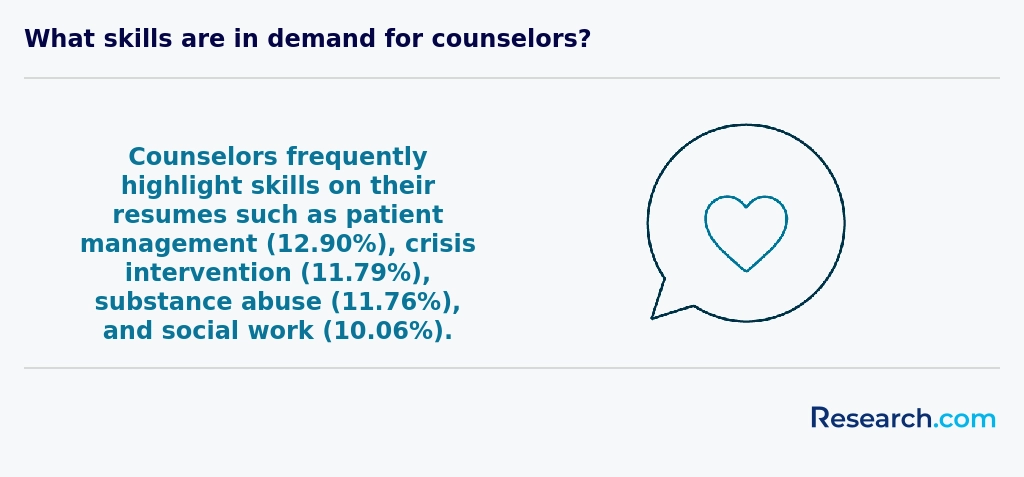
Employers in the Western United States prioritize several key skills in graduates with counseling degrees. Communication skills top the list, as counselors must effectively listen and convey empathy to diverse clients. According to the U.S. Bureau of Labor Statistics, interpersonal abilities are crucial for successful therapeutic outcomes.
Critical thinking and problem-solving skills are also essential. Counselors analyze client issues and develop tailored intervention plans. Data from the American Counseling Association highlights that adaptability and cultural competence are increasingly important due to the region's diverse populations.
Finally, ethical decision-making and strong organizational skills are demanded, ensuring compliance with state licensure requirements and managing caseloads efficiently.
Finding internships in the Western United States for counseling degree students involves proactive research and networking. Many universities in this region have partnerships with local clinics, schools, and mental health organizations that offer internship placements as part of their counseling programs.
The California Board of Behavioral Sciences reports that about 70% of counseling internships in the state are secured through university affiliations. Checking with your school's career center or counseling department can provide leads on approved sites where supervised practice is available.
Additionally, professional organizations such as the California Association for Licensed Professional Clinical Counselors (CALPCC) offer job boards and internship listings specifically for counseling students.
Students should also explore community mental health agencies, hospitals, and nonprofit organizations in urban centers like Los Angeles, Seattle, and Portland, where demand for counseling interns is high due to growing mental health needs.
A counseling degree significantly enhances career mobility and advancement opportunities in the Western United States. Accredited programs meeting state licensure requirements allow graduates to become Licensed Professional Counselors (LPCs), expanding job eligibility across multiple states in the region.
According to the Bureau of Labor Statistics (2023), employment of mental health counselors in the West is projected to grow by 20% through 2030, faster than the average for all occupations. This growth supports various roles in schools, healthcare, and private practice.
Higher degree levels, such as a master's or doctorate, often lead to supervisory or specialized positions, increasing salary potential and leadership opportunities. Additionally, continuing education requirements promote lifelong learning, helping counselors keep pace with evolving regulations and best practices.
Studying for a counseling degree in the West equips students with skills necessary for interdisciplinary collaboration. Western counseling programs emphasize integrating knowledge from psychology, social work, and health sciences, reflecting the complex needs of diverse populations. According to the Council for Accreditation of Counseling and Related Educational Programs (CACREP), over 90% of accredited programs include interdisciplinary coursework, fostering teamwork across sectors.
Students learn to coordinate with professionals in education, healthcare, and community services. This approach prepares graduates to address multifaceted challenges, such as mental health and substance abuse, in cooperative settings. Training often includes case management, ethical decision-making, and communication skills essential for working in hybrid roles.
By situating counseling within broader systems, these programs promote holistic care models increasingly adopted in Western U.S. states, enhancing graduates' employment opportunities across varied environments.
When choosing between a thesis and a non-thesis counseling degree program in the Western US, students should consider their career goals and time commitments. Thesis programs typically require original research and a formal written document, which can prepare students for doctoral studies or research-focused roles. Non-thesis options often involve more coursework and practical training, appealing to those aiming for licensure and clinical practice sooner.
According to the Council for Accreditation of Counseling and Related Educational Programs (CACREP), many Western programs align with licensure requirements, yet only some mandate a thesis. Students should check specific university guidelines and state licensing board expectations.
Cost and duration vary; non-thesis paths may allow faster completion, often within 2 years, while thesis tracks might take longer.
Students based in the Western United States have several options when considering studying counseling abroad. Many American universities offer exchange programs or dual-degree options with institutions in countries such as Canada, the United Kingdom, and Australia, which are known for strong counseling education. According to the Council for Accreditation of Counseling and Related Educational Programs (CACREP), international experience can enhance cultural competence, a critical component in counseling careers.
Popular choices for study abroad include Canadian programs, which align closely with U.S. accreditation standards, easing licensure transfer. The number of Western students pursuing counseling abroad grew by approximately 12% between 2018 and 2022, per the Institute of International Education.
Additionally, some students opt for summer intensives or online hybrid programs that partner with foreign universities, offering flexibility while gaining global perspectives on counseling theories and practices.
Part-time job opportunities for students pursuing counseling degrees in the Western United States often include roles such as mental health technician, peer support specialist, and behavioral aide. According to the Bureau of Labor Statistics, these positions provide practical experience by allowing students to work directly with clients under supervision.
Many universities in the West encourage counseling students to seek internships or jobs in community health centers and nonprofit organizations. These placements offer exposure to diverse populations, an essential aspect of counseling education.
Additionally, roles like crisis hotline volunteer or case management assistant enable hands-on practice with communication and intervention skills. These jobs often offer flexible hours, ideal for balancing study and work.
According to a 2023 National Board for Certified Counselors report, students who engage in related part-time work see improved academic performance and licensure success rates.
Counseling students in the Western United States have many networking opportunities through local and regional professional organizations. For example, the California Association of Marriage and Family Therapists (CAMFT) offers workshops, conferences, and online forums serving over 30,000 members, making it one of the largest state counseling organizations in the country.
Universities often host career fairs and alumni networking events tailored specifically to counseling and mental health students. These occasions connect students with licensed professionals and potential employers, enhancing job prospects.
Additionally, the National Board for Certified Counselors (NBCC) supports Western students by sponsoring local chapters and events. Engaging with these groups allows students to gain mentorship, participate in research projects, and attend skill-building webinars.
Alumni networks play a crucial role for counseling degree students in the West by providing valuable connections and professional support. Graduates often share internship opportunities, job leads, and licensure advice, which is essential given the competitive nature of counseling jobs in the region. According to the Western Association of Schools and Colleges, strong alumni engagement is linked to higher employment rates post-graduation.
These networks also help students navigate licensure requirements unique to Western states like California and Washington. Mentorship programs connect current students with experienced counselors, improving success rates in certification exams. Access to real-world insights enhances both academic and career preparedness for counseling graduates.
Customizing a counseling degree program in the West allows students to align their education with specific career goals. Many universities offer concentrations such as mental health counseling, school counseling, or marriage and family therapy. Choosing a focus can enhance job prospects in targeted fields. Additionally, students can select electives that deepen skills in areas like trauma, substance abuse, or multicultural counseling, reflecting regional needs. Practicum and internship placements often let students gain experience in local clinics or schools, providing relevant hands-on learning. According to the Bureau of Labor Statistics, states like California and Washington show strong demand for licensed counselors, underscoring the usefulness of tailored training.
Counseling students in the Western United States commonly encounter several challenges during their degree programs. One major issue is the rigorous clinical training required, often involving hundreds of supervised hours before graduation, which can be difficult to balance with coursework and personal commitments. According to the Council for Accreditation of Counseling and Related Educational Programs (CACREP), students must complete a minimum of 700 practicum and internship hours, adding intense time demands.
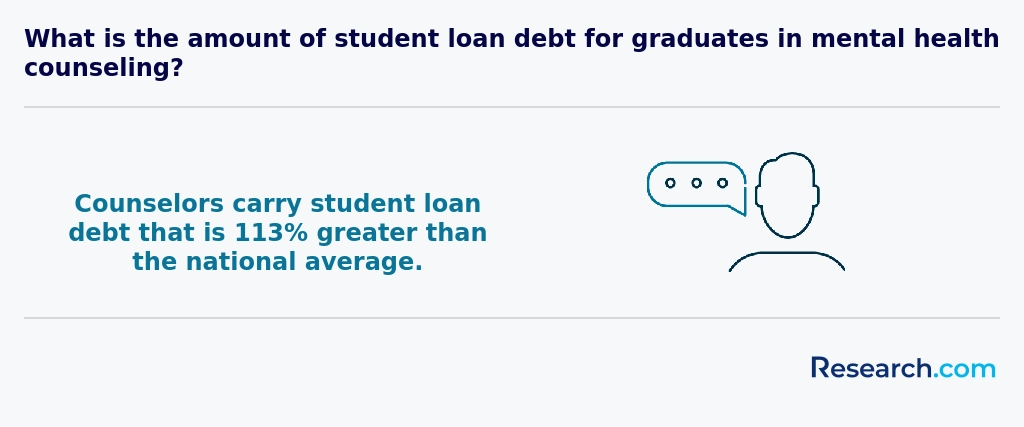
Another challenge is the financial burden; tuition costs at Western universities frequently exceed national averages, with some programs costing over $30,000 annually. Furthermore, students often face stress related to licensing exam preparation, as passing state licensure exams is necessary to practice. The Psychological Association notes that passing rates vary, adding uncertainty to the process.
Lastly, counseling students must navigate evolving ethical and cultural competency standards to serve diverse populations effectively, requiring ongoing education and self-reflection throughout their training.
A counseling degree in the Western United States opens doors to several professional certifications that enhance career opportunities. Graduates commonly pursue the Licensed Professional Counselor (LPC) credential, which is required to practice independently in states like California, Washington, and Oregon. This certification ensures clinicians meet standards for supervised experience and pass a national exam.
Another widely recognized certification is the National Certified Counselor (NCC) offered by the National Board for Certified Counselors (NBCC). Earning the NCC can improve job prospects across the West and is often a stepping stone toward state licensure. For those interested in school counseling, the School Counselor Certification varies by state but generally requires a counseling degree plus specific coursework and exams.
These certifications often require continuing education to maintain. According to the American Counseling Association, over 60% of counseling jobs in the Western US prefer or require such credentials for licensure and employment. This makes obtaining these certifications an essential step for career advancement.
When applying to counseling programs in the Western US, start by highlighting your relevant academic background and practical experience. Admissions committees often look for applicants with a strong foundation in psychology or social sciences. According to the Council for Accreditation of Counseling and Related Educational Programs (CACREP), programs favor candidates who demonstrate commitment through volunteer work or internships.
Reflect on your personal motivation in a clear and focused personal statement. Be specific about your career goals and how the program aligns with them. Include any research or work experience that shows your readiness for graduate-level study.
Strong recommendation letters are crucial. Ask professors or supervisors familiar with your counseling-related skills to provide detailed evaluations. Also, maintain a competitive GPA, typically above 3.0, to increase your chances.
In the United States, counseling is recognized as a vital profession addressing mental health and social needs. According to the Bureau of Labor Statistics, employment for counselors is projected to grow 22% from 2020 to 2030, faster than average for all occupations.
Globally, there is increasing appreciation for counseling services, although certification and credentialing vary widely. Western countries, including the US, emphasize accredited degrees and licensure, such as the Licensed Professional Counselor (LPC) credential.
US counseling programs often include supervised clinical experience and align with standards from the Council for Accreditation of Counseling and Related Educational Programs (CACREP). This focus on practical training distinguishes counseling education in the West from other regions.
Financially, counseling careers offer median annual wages around $48,720 as of 2021, making them competitive within the health service sector.
Gaining practical experience while studying for a counseling degree in the West is essential for career readiness. Most accredited programs incorporate practicum and internship hours as part of their curriculum. For example, students commonly complete 600 to 1,200 hours of supervised clinical experience, required by state licensing boards such as those in California and Washington.
Many universities partner with local agencies, schools, or hospitals, giving students opportunities to work directly with clients under professional supervision. Additionally, joining counseling associations in the region, like the California Association for Licensed Professional Clinical Counselors (CALPCC), can provide access to workshops and networking events.
Some programs also offer research assistant roles or community service projects, enhancing applied skills. Taking advantage of these resources increases practical knowledge and supports licensure requirements in Western states.
Choosing the right concentration within a counseling degree program in the Western United States depends largely on your career goals and interests. Popular concentrations include clinical mental health, school counseling, marriage and family therapy, and addiction counseling. Each area prepares you for different licensure and job opportunities, so it is important to research state-specific licensing requirements through organizations like the California Board of Behavioral Sciences or the Oregon Health Licensing Office.
Look at employment data from the Bureau of Labor Statistics, which predicts a 17% growth in counseling jobs in the West by 2030, especially in mental health and substance abuse roles. Consider programs accredited by the Council for Accreditation of Counseling and Related Educational Programs (CACREP), as these are widely recognized for quality.
Evaluate how each concentration aligns with your long-term goals and the populations you wish to serve, such as children, families, or individuals struggling with addiction. Speak with current students, faculty, or industry professionals to gain further insights specific to Western states like California, Washington, or Colorado.
Top Trending Counseling Rankings
See What Experts Have To Say About Studying Counseling
Read our interview with Counseling experts

Charles Figley
Counseling Expert
Kurzweg Distinguished Chair in Disaster Mental Health
Tulane University

References
- Mindful Career : Career Coaching https://mindful-career.com/student-career-guidance
- Career Counseling in a Rapidly Evolving Job Market | IWU https://www.indwes.edu/articles/2025/11/career-counseling-rapidly-evolving-job-market
- Creating Your Niche In Counseling Private Practice https://practiceoftherapy.com/creating-niche-counseling-private-practice/
- Home https://www.husson.edu/online/blog/2025/10/benefits-of-alumni-networks
- What Degree Do I Need to Be a Counselor? | University of Bridgeport https://www.bridgeport.edu/news/degree-needed-to-be-a-counselor/
- Counseling Degree Programs Online with Financial Aid https://www.edumed.org/online-schools/counseling-degrees/financial-aid/
- The Challenges of Guidance Counselors in Supporting Students’ Mental Health https://theaspd.com/index.php/ijes/article/view/2406
- Best Online Counseling Degree Programs 2026 https://www.psychology.org/rankings/best-online-counseling-programs/
- 5 Ways Counselling Skills Can Boost Career Prospects - Open Colleges https://www.opencolleges.edu.au/blogs/articles/how-counselling-skills-can-boost-your-employability-and-help-you-excel
- Networking for Therapists: Building Connections for Career Success & Client Care https://www.mentalyc.com/blog/networking-for-therapists


