2027 Online Creative Writing Degree Programs With No Personal Statement or Admissions Essay Required

Co-Founder and Chief Data Scientist
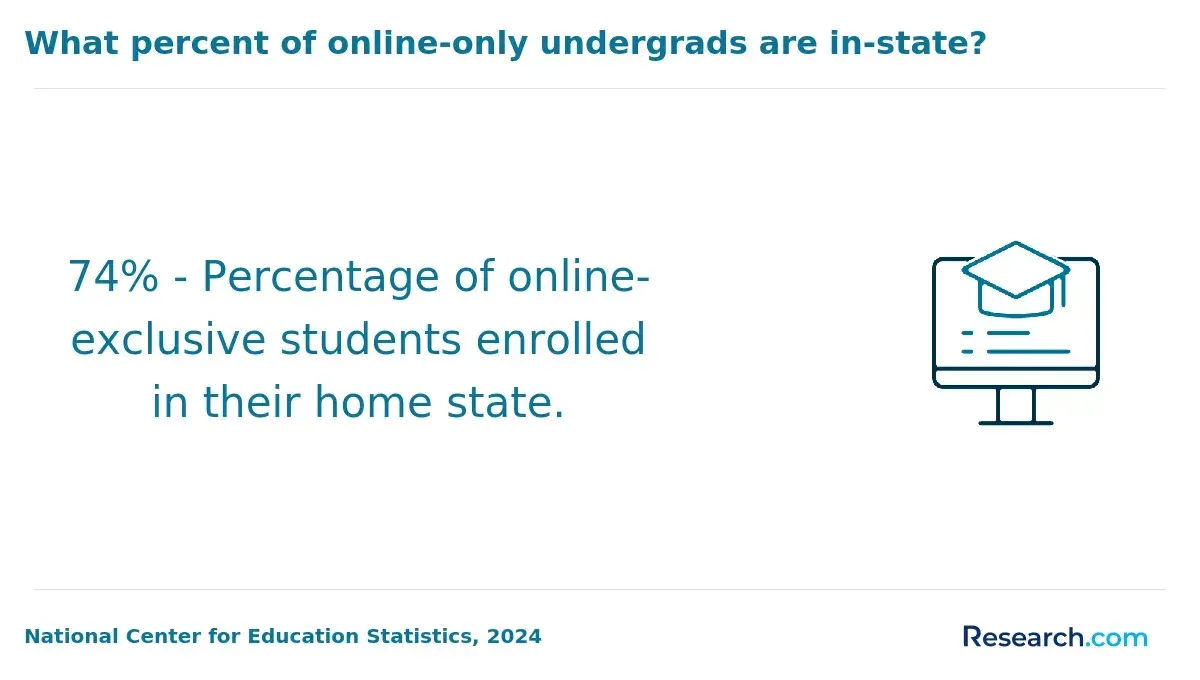
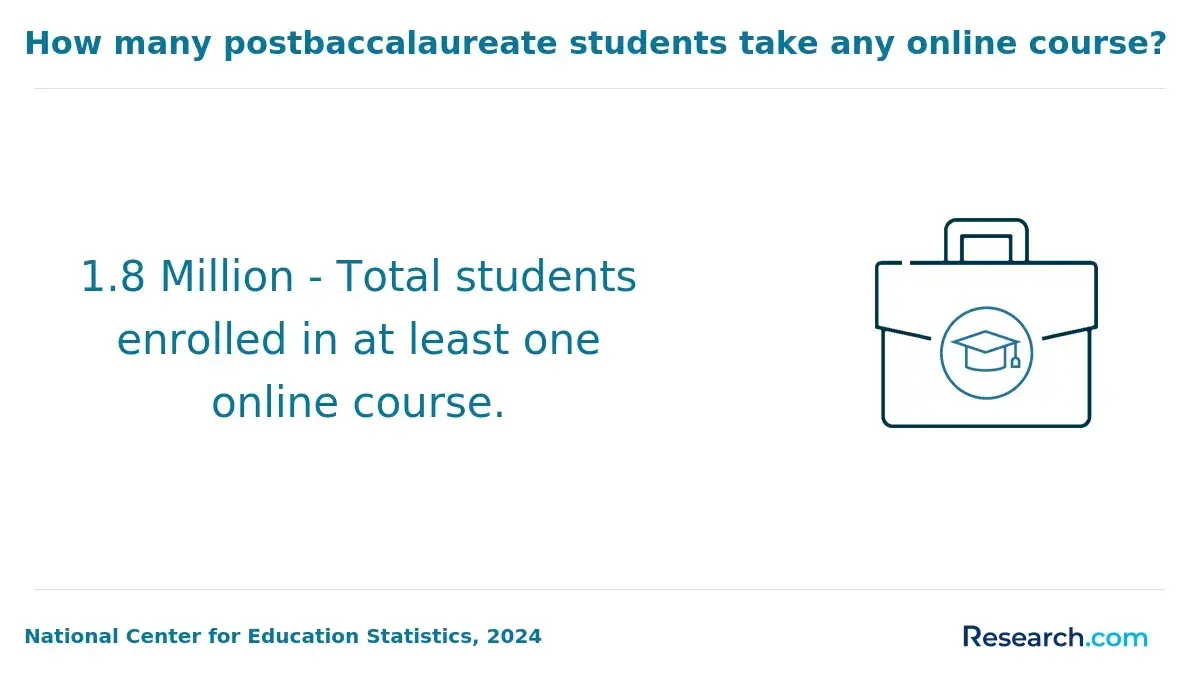
An online creative writing degree may offer a simpler application when a personal statement is not required, but transcripts, GPA rules, and portfolio expectations can still shape admission. This matters as online learning remains mainstream: the National Center for Education Statistics reported in 2024 that 7.5 million U.S. undergraduates took at least one distance-education course.
This guide is for applicants who want less admissions writing without sacrificing program quality. Learn how to identify true no-essay policies, compare academic requirements, verify accreditation, and choose a program aligned with your writing and career goals.
Key Things You Should Know
- A true no-essay online creative writing degree application does not request a personal statement for standard admission, but it may still require official transcripts, a minimum GPA, placement testing, prerequisite coursework, or a portfolio for advanced writing tracks.
- "Essay-optional" means you may submit an essay, while "essay-waived" usually means a normally required essay is temporarily or conditionally removed; scholarship, honors, and competitive program applications can still require writing samples.
- Application simplicity is not the same as open admission or guaranteed acceptance. Compare institutional accreditation, total tuition, transfer-credit policies, faculty feedback, workshop format, and outcomes before enrolling.
What Does No Personal Statement or Admissions Essay Required Mean for Online Creative Writing Degree Programs?
A no-personal-statement or no-admissions-essay policy means the school does not require an applicant to submit a written narrative explaining their background, goals, or reasons for applying as part of the standard admissions file. It usually applies to general undergraduate admission, not necessarily to every concentration, scholarship, or selective cohort within the institution.
For online creative writing degrees, this policy can reduce the time needed to apply, especially for adult learners, transfer students, and applicants who prefer to let their academic record speak for itself. It does not mean the program ignores writing ability. Some schools assess readiness through completed English coursework, grades in composition classes, placement measures, or an optional portfolio rather than an admissions essay.
Applicants should confirm whether the policy applies to the exact credential and entry point they want. A Bachelor of Arts with a creative writing concentration may have different requirements from an MFA, a post-baccalaureate certificate, an honors college, or a competitive fiction-writing workshop.
Students exploring other fields should use the same careful approach. For example, requirements for a associate's degree may be straightforward, but program-level prerequisites and transfer rules can still differ substantially by school.
What Admissions Requirements Do Online Creative Writing Degree Programs Use Instead of an Essay?
When an essay is not required, admissions offices generally rely more heavily on objective records and administrative eligibility criteria. Requirements differ by institution and whether you are a first-year, transfer, returning, or international applicant.
The table below shows common substitutes for an admissions essay and how they can affect an application decision.
| Requirement | What the school evaluates | Why it matters |
| Official transcripts | Completed courses, grades, graduation status, and academic trends | Transcripts often confirm eligibility and transfer-credit placement. |
| Minimum GPA | Overall, high school, or transferable college GPA | A stated minimum is an eligibility threshold, not always a guarantee of admission. |
| English prerequisites | College composition, literature, or developmental coursework | These courses may establish readiness for upper-level writing workshops. |
| Test scores | SAT, ACT, or placement results when applicable | Many schools are test-optional, but placement measures may still be used after admission. |
| Portfolio or writing sample | Creative work, usually for selective tracks or graduate study | This is different from a personal statement and may be evaluated for artistic fit. |
| Recommendation or resume | Experience, preparation, or professional background | These are more common for graduate, honors, and scholarship applications. |
Before paying an application fee, ask whether a minimum GPA applies to admission, to the creative writing major, or to financial aid renewal. Those are separate decisions, and meeting one requirement does not necessarily meet the others.
Who Is a Good Fit for Online Creative Writing Degree Programs With No Admissions Essay?
A no-essay pathway can fit students who have a solid academic record and want a more efficient application process. It can be particularly useful for working adults returning to college, students applying to several institutions, military-connected learners, and transfer applicants with substantial documented coursework.
It may also work well for applicants who want to focus their effort on evaluating the curriculum rather than producing a generic admissions narrative. A quality online creative writing program should still provide regular workshop feedback, instruction in revision, opportunities to study genre, and clear expectations for participating in peer critique.
Applicants should consider an essay-required or portfolio-reviewed program when they have circumstances that transcripts do not explain well. A personal statement can help address a large academic gap, uneven grades, a change in academic direction, significant caregiving or work responsibilities, or a distinctive writing objective. It can also help in competitive programs where faculty seek a particular artistic fit.
Students comparing career-focused graduate options may encounter different admissions standards. For instance, fast-track MSW programs online often evaluate professional preparation and field-placement eligibility in ways that do not apply to an undergraduate creative writing degree.
What Is the Difference Between No-Essay, Essay-Optional, and Essay-Waived Creative Writing Degree Admissions?
These terms are often used interchangeably in marketing, but they describe different policies. Reading the admissions checklist for your applicant type is more reliable than relying on a program advertisement.
The comparison below helps applicants identify whether writing is truly unnecessary or simply optional under certain conditions.
| Policy | Meaning for standard admission | Best applicant approach |
| No essay required | No personal statement or admissions essay appears on the standard application checklist. | Confirm whether special programs, scholarships, or portfolio reviews add written requirements. |
| Essay-optional | The essay is not mandatory, but the school accepts it as additional context. | Submit one only if it adds useful, well-written information not shown elsewhere. |
| Essay-waived | A normally required essay is removed for a stated term, applicant group, GPA level, or application route. | Verify the waiver conditions in writing and save the confirmation. |
| Essay required | A personal statement, response prompt, or statement of purpose is mandatory. | Allow time for drafting, revising, and matching the response to the prompt. |
A common mistake is treating an essay waiver as permanent. A waiver can expire, apply only to students who meet a GPA threshold, or exclude applicants to an honors program. Likewise, an optional essay may be valuable when it clearly explains circumstances that could otherwise raise questions in the admissions review.
Are Online Creative Writing Degree Programs With No Admissions Essay Easier to Get Into?
Not necessarily. Removing one application component makes applying less writing-intensive, but selectivity depends on the school's enrollment capacity, applicant pool, academic thresholds, major-entry rules, and institutional admissions policy. A school may admit students broadly to the university while requiring stronger grades or a portfolio to enter an advanced creative writing sequence.
No-essay admission also differs from open admission. Open-admission institutions generally accept qualified applicants with limited selectivity, while a no-essay institution may still deny applicants who do not meet GPA, transcript, residency, prerequisite, or documentation requirements.
Creative writing itself is a skills-based field. An applicant who wants intensive faculty mentorship, small workshops, publication opportunities, or a selective genre concentration may find that a portfolio review offers a better academic match than a simpler general-admission route. Choose based on learning structure and outcomes, not application length alone.
For career context, the U.S. Bureau of Labor Statistics projected 4% employment growth for writers and authors through 2033. That broad category includes many roles beyond creative writing, so applicants should treat it as labor-market context rather than a prediction of employment after any particular degree.
How Can You Verify Accreditation and Quality in No-Essay Online Creative Writing Degree Programs?
Start by confirming institutional accreditation through the school's official accreditation disclosure and the accreditor it names. Institutional accreditation is especially important for federal financial aid eligibility, transfer-credit evaluation, and recognition of the degree by other colleges. Creative writing does not usually require specialized professional accreditation, so the quality of the curriculum and learning experience matters greatly.
Use the following checks to look beyond an easy application and assess whether an online program can support serious writing development.
- Confirm that the institution, not just a third-party platform or website, awards the degree.
- Review the degree plan for fiction, poetry, nonfiction, screenwriting, editing, publishing, literature, and revision coursework that matches your goals.
- Ask how workshops work online, including class size, peer-review expectations, live-session requirements, and faculty feedback frequency.
- Check faculty biographies for relevant publishing, editing, teaching, or industry experience without assuming publication alone determines teaching quality.
- Request written confirmation of transfer-credit limits, residency requirements, technology expectations, and whether the degree appears as "online" on the transcript.
- Review total program cost, not only per-credit tuition, including fees, books, software, and any required residency or travel expenses.
This due diligence is useful across online professional programs. Students considering regulated fields, for example, should prioritize standards verification in resources about accredited online speech pathology programs, where program approval and clinical requirements have direct licensure implications.
How Does the Application Process Work for Online Creative Writing Degree Programs With No Personal Statement?
A true no-personal-statement application is usually document-driven. The applicant completes the institutional form, identifies the intended online program, submits required records, and monitors the applicant portal for missing items. The process can be shorter than an essay-based application, but transcript processing and transfer evaluation may still take time.
Use these steps to avoid discovering an additional requirement after you have submitted your application.
- Select the exact online creative writing degree, concentration, and start term rather than relying on a general university admissions page.
- Read the admissions checklist for your applicant category, such as first-year, transfer, adult re-entry, military, or nondegree student.
- Look for separate requirements labeled personal statement, statement of purpose, writing sample, portfolio, supplemental question, or scholarship essay.
- Order official transcripts early and verify that all prior institutions, including dual-enrollment schools, are included.
- Submit the application and any required fee or fee-waiver request before the stated deadline.
- Check the portal and email regularly, then respond promptly if the institution requests identity, residency, immunization, financial-aid, or academic records.
- Keep copies of the published requirements and any admissions-advisor confirmation until enrollment is complete.
A school can request more information after reviewing an application. That does not mean its no-essay policy was inaccurate; admissions staff may need clarification about transfer coursework, academic standing, English-language proficiency, or an inconsistent record.
Can Transfer and Adult Students Apply to Online Creative Writing Degree Programs Without an Essay?
Yes, many transfer and adult applicants can apply through no-essay pathways, but their requirements are often different from those for first-time students. Transfer admission commonly emphasizes official college transcripts, a minimum number of transferable credits, cumulative GPA, and academic standing at the last institution attended.
Adult learners should ask whether prior learning, military training, professional writing experience, or standardized examinations can count toward credit. These options vary widely, and credit awards are not automatic. A school may accept a student without an essay while still requiring an evaluation before applying transfer credits to major requirements.
Pay close attention to the distinction between admission to the institution and admission to the major. Students transferring into creative writing may need specific composition or literature courses before enrolling in advanced workshops. They may also need to complete a minimum number of credits through the degree-granting school.
Cost-conscious transfer applicants can apply this same review process to other graduate routes, including a cheapest online master's in social work search, where transferability, field requirements, and total cost should be assessed separately from initial application convenience.
Do No-Essay Online Creative Writing Degree Programs Affect Tuition, Financial Aid, or Scholarships?
A no-essay admissions policy does not inherently lower tuition or change eligibility for federal financial aid. Tuition is set by the institution and may vary by residency, delivery format, credit load, and fees. Students should submit the Free Application for Federal Student Aid if they may seek federal grants, loans, or work-study, then compare each school's net cost and aid offer.
Scholarships are a major exception to the no-essay rule. An institution may admit a student without a personal statement but require a separate scholarship essay, creative writing sample, recommendation, or interview for merit awards, honors funding, and departmental prizes. Do not skip those opportunities simply because the admission application did not request an essay.
The table below separates costs and funding questions that applicants should evaluate independently of admissions format.
| Factor | Connection to no-essay admission | What to verify |
| Tuition | Usually unrelated | Per-credit rate, required credits, residency pricing, and annual increases. |
| Mandatory fees | Usually unrelated | Technology, distance-learning, graduation, and course-material charges. |
| Federal financial aid | Usually unrelated | Institutional eligibility, enrollment status, satisfactory academic progress, and FAFSA deadlines. |
| Institutional scholarships | May involve additional writing | Separate applications, deadlines, essay prompts, writing samples, and renewal rules. |
| Application fee | May be reduced or waived separately | Whether a fee waiver exists and whether it changes required documentation. |
When comparing affordability across fields, a guide to the cheapest online master's in human resources can illustrate why total credits, mandatory fees, and aid policies matter more than an application's essay requirement.
How Should You Compare Online Creative Writing Degree Programs With No Admissions Essay?
Compare programs using a consistent set of factors, beginning with whether the no-essay policy applies to you and ending with whether the degree supports the kind of writing work you want to do. A quick application is beneficial only when the academic experience, cost, and credential fit your plan.
Use this comparison framework when narrowing your list. It distinguishes convenience factors from indicators of academic and financial fit.
| Comparison area | Questions to ask | Decision signal |
| Admissions policy | Is a personal statement absent for my applicant type and intended term? | Written confirmation prevents confusion about waivers and supplements. |
| Curriculum | Which genres, workshop courses, literature courses, and publishing classes are required? | A strong match supports your intended writing practice. |
| Online format | Are classes asynchronous, live, hybrid, or residency-based? | The schedule should suit your work, caregiving, and feedback needs. |
| Faculty interaction | How often do instructors provide individualized manuscript feedback? | Frequent, substantive critique is central to creative writing development. |
| Accreditation and transfer | Who accredits the institution, and how are prior credits evaluated? | Clear policies reduce credit-loss and aid risks. |
| Cost and aid | What is the estimated total cost after grants, scholarships, fees, and materials? | Compare net cost rather than advertised tuition alone. |
| Outcomes and support | What career services, literary journals, internships, alumni networks, or publishing resources exist? | Relevant support can strengthen the value of the learning experience. |
Before applying, contact admissions with focused questions: "Does the no-essay policy apply to transfer applicants?" "Is a writing sample required for the creative writing major?" "Do scholarships require a separate essay?" "What is the total estimated cost to complete the remaining credits?" "How are online workshops facilitated?" Clear answers in writing are a useful safeguard.
Avoid choosing solely because the application is easy. Red flags include vague accreditation claims, unclear total pricing, no identifiable faculty, promises of automatic admission, and a curriculum that offers little structured revision or workshop practice.
Other Things You Should Know About Creative Writing
Yes. A writing sample or portfolio is different from a personal statement. Schools may request creative work for a selective concentration, advanced workshop, honors program, or graduate-level application.
Not always. First-year, transfer, international, readmission, and nondegree applicants can have different checklists. Confirm the policy for your applicant category, program, and start term.
Often, yes. Merit scholarships, departmental awards, and honors programs may use essays, recommendations, interviews, or creative portfolios to make funding decisions.
Yes. Graduates may pursue or build skills for editing, content writing, communications, publishing support, grant writing, marketing, teaching with appropriate additional credentials, and freelance work. Outcomes depend on experience, portfolio quality, networking, location, and employer requirements.
References
- The Writer's Toolbox - Faculty Articles - Gotham Writers Workshop https://www.writingclasses.com/toolbox/articles/how-to-write-the-personal-statement-for-college-applications
- What do Colleges Look For (In a College Essay)? https://www.collegeessayguy.com/blog/what-do-colleges-look-for-essay
- Crafting Your Story: How to Write a Compelling College Application Essay https://www.envisionexperience.com/blog/how-to-write-a-compelling-college-application-essay
- College Personal Statement Examples and Writing Tips - Wordvice https://wordvice.com/blog/examples-of-successful-college-personal-statements/
- College Applications Without Essays: Do They Exist? https://collegewise.com/blog/college-application-without-essay
- 12 Best Colleges for Creative Writing [2023] | Outlier https://articles.outlier.org/best-colleges-for-creative-writing
- College Application Series - Part 8: SUPPLEMENTAL ESSAYS AND NON-COMMON APP ESSAYS - College Parents https://collegeparents.org/blog/supplemental-essays
- Colleges Without Supplemental Essays? Yes, Please. - Top Tier Admissions https://toptieradmissions.com/colleges-without-supplemental-essays-yes-please/