2027 How to Become a Mental Health Counselor in Arkansas

Co-Founder and Chief Data Scientist
Becoming a licensed professional counselor in Arkansas is a serious education and licensure decision, not just a career interest. The state needs more qualified mental health professionals, especially in communities where cost, distance, and workforce shortages make counseling difficult to access. National Alliance on Mental Illness (NAMI) 2021 data shows that 25% of Arkansas adults who experienced symptoms of anxiety or depression did not receive the counseling or therapy they needed.
This guide explains how to become a mental health counselor in Arkansas, what the Licensed Associate Counselor (LAC) and Licensed Professional Counselor (LPC) pathway involves, how supervised experience works, what specializations are available, and how to evaluate whether this career makes sense for your goals. It is designed for students, career changers, out-of-state counselors considering Arkansas, and anyone comparing counseling-related graduate programs.
Quick answer: How do you become a licensed counselor in Arkansas?
To become an LPC in Arkansas, you generally need a graduate degree primarily in counseling, a passing score on the National Counselor Examination (NCE), approval from the Arkansas Board of Examiners in Counseling and Marriage and Family Therapy, an oral examination, an LAC license while completing supervised practice, and 3,000 hours of supervised experience. After meeting the clinical, examination, background check, and documentation requirements, you may qualify for the LPC credential.
| Step | What it means for applicants | Why it matters |
| Earn a relevant bachelor’s degree | Psychology, counseling, human services, social sciences, or a related field can prepare you for graduate study. | Graduate counseling programs usually expect prior preparation in behavioral science or a related academic area. |
| Complete a graduate counseling degree | Your program should meet Arkansas Board expectations and include required counseling coursework. | Licensure approval depends heavily on whether your education satisfies state requirements. |
| Pass the NCE | You must apply for the National Counselor Examination and have results sent to the Arkansas Board. | The exam is part of the state’s professional screening process. |
| Complete the oral examination | After application approval and the NCE, the Board schedules an oral examination. | This step helps confirm readiness for supervised counseling practice. |
| Obtain the LAC credential | The LAC allows temporary practice while you complete post-degree supervised experience. | You need supervised practice before becoming fully licensed as an LPC. |
| Complete 3,000 supervised hours | Supervised experience must be documented according to Board requirements. | This is the major clinical training stage before full LPC licensure. |
| Maintain the LPC license | Arkansas LPCs must complete 24 hours of continuing education for renewal every two years. | Continuing education keeps counselors current on ethics, clinical practice, and state expectations. |
Key things to know before choosing this path
- Arkansas has a strong need for mental health counselors, with projected job growth of 27% through 2030.
- Common counseling needs in the state include anxiety, depression, trauma, substance abuse, and access barriers in rural communities.
- The LPC route requires graduate-level counseling education and 3,000 hours of supervised experience.
- Average annual earnings for mental health counselors in Arkansas are roughly $55,000 to $73,000, while experienced and higher-earning professionals may earn over $82,000 up to $135,000.
- Rural workforce shortages can create meaningful opportunities for counselors who want to serve underserved communities.
- What does a mental health counselor do in Arkansas?
- What are the steps to become a mental health counselor in Arkansas?
- How should Arkansas students prepare for a counseling career?
- Why is practicum and supervised experience so important?
- Which counseling specializations are available in Arkansas?
- Is Arkansas a good state for mental health counselors?
- What is the job demand for mental health counselors in Arkansas?
- Can mental health counselors add substance abuse counseling to their practice?
- What is the fastest route to becoming a counselor in Arkansas?
- What jobs can mental health counseling graduates pursue in Arkansas?
- What trends are shaping mental health counseling in Arkansas?
- How can counselors and school psychologists support student mental health?
- Can social work practices strengthen counseling services?
- What specialized counseling careers can Arkansas LPCs pursue?
- How should counselors manage legal and ethical issues?
- How do you choose the right counseling program in Arkansas?
- What mistakes slow down LPC licensure applications?
- How do marriage and family counseling licensure steps differ?
- What challenges should Arkansas counselors expect?
- Resources for aspiring mental health counselors in Arkansas
- How can mental health and school counseling expertise work together?
What does a mental health counselor do in Arkansas?
Mental health counselors help clients understand emotional, behavioral, and relationship challenges, then use evidence-based counseling methods to support change. In Arkansas, this work is especially important because NAMI reports that 457,000 adults in the state live with mental health issues. Counselors may work with individuals, couples, families, groups, students, veterans, people in recovery, and clients managing long-term stress or trauma.
An Arkansas mental health counselor’s responsibilities may include:
- Assessment and treatment planning: Counselors gather information about a client’s symptoms, background, strengths, risks, and goals, then create a care plan that fits the client’s needs.
- Individual and group counseling: They provide structured support for concerns such as anxiety, depression, grief, trauma, family conflict, substance use, and life transitions.
- Crisis response and referral: Counselors identify immediate safety concerns and connect clients with emergency, psychiatric, medical, or community services when needed.
- Support for rural access: In parts of Arkansas where mental health providers are limited, counselors may be one of the few accessible sources of ongoing behavioral health care.
- Culturally responsive care: Effective counselors adapt their approach to a client’s community, values, identity, family system, and lived experience.
The job is not limited to listening. Licensed counselors document care, coordinate with other professionals, follow Arkansas law and ethical standards, maintain confidentiality, and evaluate whether treatment is helping clients make progress.
| Work setting | Typical clients | Common counselor responsibilities |
| Community mental health centers | Adults, families, and clients with limited access to private care | Assessment, therapy, crisis support, care coordination, and referrals |
| Schools and colleges | Children, adolescents, and young adults | Academic, emotional, social, and crisis support |
| Hospitals and integrated care settings | Clients with medical, psychiatric, or acute behavioral health needs | Short-term counseling, safety planning, discharge support, and team-based care |
| Substance use treatment programs | Clients affected by addiction or co-occurring mental health concerns | Recovery counseling, relapse prevention, group work, and family support |
| Private practice | Individuals, couples, families, or specialty populations | Therapy, intake, documentation, billing, compliance, and business management |
The chart below shows the industries with the highest employment levels for mental health counselors as of 2022.
What are the steps to become a mental health counselor in Arkansas?
The Arkansas LPC pathway has several checkpoints, and applicants should treat it as a multi-year process. The most common route starts with undergraduate preparation, moves through a graduate counseling degree, then continues through examination, supervised practice, and full licensure.
- Complete a bachelor’s degree. A major in psychology, counseling, social services, human development, or a related field can help you prepare for graduate coursework. Your undergraduate degree does not by itself qualify you for LPC licensure, but it is the usual entry point for master’s-level study.
- Enroll in a qualifying graduate counseling program. Arkansas requires graduate education primarily in counseling. Before enrolling, compare the curriculum against Board expectations, not just the school’s marketing language.
- Apply for and pass the National Counselor Examination. The NCE is developed by the National Board for Certified Counselors. Applicants are responsible for applying for the exam and ensuring that scores are sent directly to the Arkansas Board of Examiners in Counseling and Marriage and Family Therapy.
- Complete the Board’s oral examination. Once your application is approved and you have passed the NCE, the Board schedules an oral examination. Applicants may attend one of the Board’s monthly meetings to observe how oral examinations are conducted before their own exam.
- Apply for the Licensed Associate Counselor credential. The LAC license allows you to practice temporarily while completing additional supervised experience required for the LPC.
- Finish the supervised clinical experience requirement. Arkansas requires 3,000 hours of supervised experience. These hours usually occur after graduation and after receiving the LAC credential.
- Submit final documentation and complete required checks. After supervised hours are completed, applicants must submit required documents and pass a security and background check before receiving the LPC credential.
- Renew the license through continuing education. Arkansas LPCs renew every two years and must complete 24 hours of continuing education credits.
Licensure rules vary significantly by state. For example, the counselor licensure requirements in North Carolina differ from Arkansas requirements, including renewal expectations. If you plan to move, provide telehealth across state lines, or hold licenses in multiple states, confirm requirements with each state licensing board before making decisions.
| Licensure stage | Common decision point | Practical advice |
| Before graduate school | Which program should I choose? | Verify Board approval, CACREP accreditation when applicable, required coursework, practicum quality, and state licensure alignment. |
| During graduate school | How do I become competitive for supervised placements? | Build relationships with faculty, complete strong practicum work, join professional associations, and document training carefully. |
| After graduation | How do I avoid licensing delays? | Track transcripts, exam scores, supervision forms, background checks, and Board communication in one organized file. |
| During LAC practice | How do I select a supervisor? | Choose someone whose specialty, availability, ethics, and documentation habits support your long-term goals. |
| After LPC approval | How do I maintain the license? | Plan continuing education early rather than waiting until the renewal deadline. |
How should Arkansas students prepare for a counseling career?
Students who plan ahead usually have an easier time moving from graduate school to supervised practice. The most important preparation steps involve choosing the right program, gaining relevant experience, understanding licensure rules, and building a professional network before graduation.
- Prioritize licensure-aligned education. Choose a school approved by the Board or accredited by the Council for Accreditation of Counseling and Related Educational Programs (CACREP). If you are comparing affordable online master’s in counseling programs, confirm that the curriculum includes required areas such as professional identity and ethics, social and cultural diversity, and human growth and development.
- Match your program to your career direction. A student interested in school counseling, substance abuse counseling, marriage and family work, or clinical mental health counseling should look for relevant coursework, supervised placements, and faculty expertise.
- Build experience before licensure. Volunteer work, crisis line training, peer support roles, youth programs, shelters, and community health settings can help you decide whether counseling work fits your temperament.
- Join professional communities early. The Arkansas Counseling Association can help students learn about continuing education, networking, advocacy, and local job markets.
- Keep documentation from the beginning. Save syllabi, practicum records, supervisor information, course descriptions, and official transcripts. Missing records can slow down Board review later.
Questions to ask before enrolling in a counseling program
| Question | Why it matters |
| Does the program meet Arkansas LPC educational requirements? | A degree that does not align with Board expectations can create delays or require additional coursework. |
| Is the program CACREP-accredited or Board-approved? | Accreditation and approval can simplify credential review and reassure employers about training quality. |
| Where do students complete practicum and internship placements? | Strong field placements help students build confidence, references, and job leads. |
| Can online students complete clinical placements near home? | Online convenience is only useful if the program can support local field experience. |
| What percentage of students receive advising for licensure? | Licensure advising can prevent avoidable mistakes in coursework, forms, and supervision planning. |
| Does the program support your intended specialization? | Specialty preparation can influence your practicum options, first job, and future client population. |
Why is practicum and supervised experience so important?
Practicum, internship, and post-degree supervised experience are where counseling students learn to translate theory into client care. Arkansas requires at least 3,000 hours of supervised experience for aspiring professional counselors, and those hours are not a formality. They are the bridge between classroom learning and independent clinical judgment.
Supervised experience matters because it helps future counselors:
- Develop clinical judgment. Real clients rarely fit textbook examples. Supervision helps new counselors make sound decisions when cases are complicated.
- Practice ethical documentation. Accurate notes, treatment plans, consent forms, and supervision logs protect both clients and counselors.
- Receive feedback on counseling technique. A skilled supervisor can identify blind spots in rapport-building, assessment, boundaries, and treatment planning.
- Understand local systems of care. Arkansas counselors often coordinate with schools, physicians, courts, social service agencies, and community organizations.
- Build employment connections. Practicum and supervised sites can become references, job leads, or long-term professional networks.
Applicants should not choose a placement only because it is convenient. A strong site offers appropriate clients, reliable supervision, exposure to ethical practice, and enough structure to help a developing counselor improve.
Which counseling specializations are available in Arkansas?
Mental health counseling is broad, and many Arkansas counselors eventually focus on a population, diagnosis, setting, or treatment approach. Specialization can help you build deeper expertise, choose more relevant continuing education, and target roles that fit your strengths.
- Clinical mental health counseling: Counselors assess and treat emotional and behavioral disorders through individual, family, or group counseling.
- Substance abuse counseling: Counselors support clients dealing with addiction, relapse risk, co-occurring mental health concerns, and long-term recovery planning.
- School counseling: Counselors help students manage academic, social, emotional, and developmental concerns, often collaborating with families and educators.
- Rehabilitation counseling: Counselors assist people with disabilities, chronic conditions, or functional barriers in improving independence and employment outcomes.
- Marriage and family counseling: Counselors focus on relationship patterns, family systems, communication, and conflict.
Salary varies by title, location, employer, experience, and client population. Current U.S. Bureau of Labor Statistics data lists the following annual average salaries for selected counseling-related occupations in Arkansas:
| Counseling occupation in Arkansas | Expected yearly average salary |
| Educational, Guidance, and Career Counselors and Advisors | $58,030 |
| Rehabilitation Counselors | $40,620 |
| Substance Abuse, Behavioral Disorder, and Mental Health Counselors | $66,180 |
Use salary data as a planning tool, not a promise. Your actual earnings may be higher or lower depending on whether you work in private practice, schools, public agencies, hospitals, rural clinics, nonprofit programs, or specialized treatment centers.
The chart below shows counseling programs with the highest enrollments as of 2023.
Is Arkansas a good state for mental health counselors?
Arkansas can be a strong fit for counselors who want meaningful community-based work, lower living costs, and opportunities in underserved areas. It may be more challenging for professionals who need abundant urban job options, high-resource clinical systems, or a fast licensing transition from another state.
| Factor | Potential advantage | Possible drawback |
| Cost of living and pay | Based on 2023 U.S. BLS data, mental health counselors in Arkansas earn about $66,000 a year, compared with a national average of about $60,000. | Pay still varies by employer, specialty, reimbursement model, and location. |
| Workforce need | Rural areas and community-based settings need more behavioral health professionals. | Shortage areas may involve heavier caseloads and fewer nearby referral resources. |
| Public mental health initiatives | The Arkansas Department of Human Services care continuum program focuses on populations at higher risk of poor health outcomes, including people with mental health needs and substance use disorders. | A Department of Human Services study identified limited state funding as an underlying barrier in supporting people who need behavioral health services and support. |
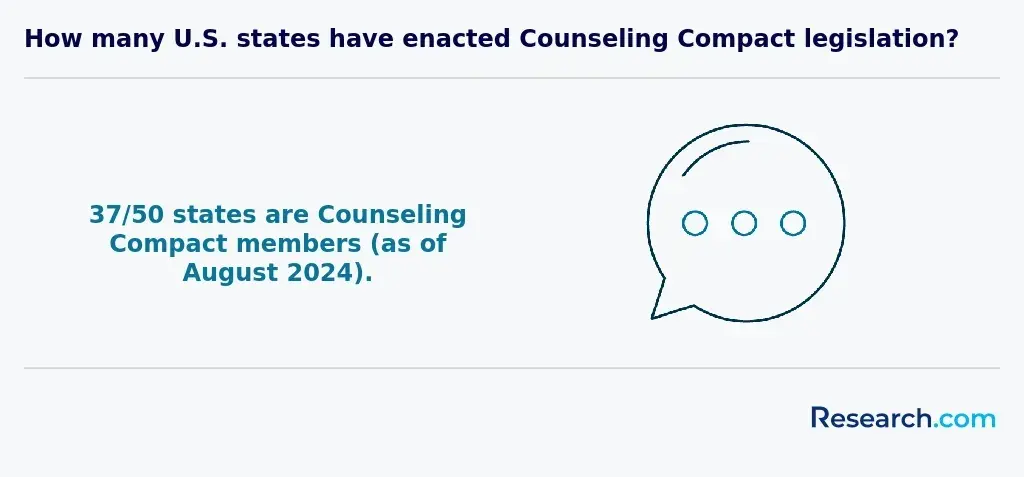
| Licensure mobility | Arkansas is a member of the Counseling Compact, which may make practice transitions easier for out-of-state counselors when the compact takes effect. | Until all applicable processes are active and recognized, out-of-state counselors still need to follow Arkansas licensure by endorsement rules. |
| Professional impact | Counselors can fill major care gaps, especially in communities with few providers. | Serving high-need populations requires strong boundaries, supervision, and burnout prevention. |
If you are relocating, review the Arkansas Board’s current endorsement process before accepting a job. If you are still exploring the profession, a broader guide on how to become a counselor can help you compare state requirements and counseling roles before committing to a graduate program.
What is the job demand for mental health counselors in Arkansas?
Arkansas shows a positive career outlook for mental health counselors. O*NET OnLine reports that the state had about 1,860 mental health counselors, with employment projected to rise to 2,360 by 2030. That projection equals around 240 openings each year.
Demand is not limited to private therapy offices. Arkansas counselors may work in hospitals, community mental health centers, substance use treatment programs, schools, universities, public agencies, correctional settings, nonprofit organizations, and integrated care practices.
| Arkansas counseling occupation | O*NET projected employment growth, 2020-2030 |
| Substance Abuse, Behavioral Disorder, and Mental Health Counselors | 27% |
| Educational, Guidance, and Career Counselors and Advisors | 21% |
| Rehabilitation Counselors | 18% |
These projections are encouraging, but applicants should still research local employers. Job availability can differ between Little Rock, Fayetteville, Springdale, rural counties, school districts, community clinics, and private group practices.
Can mental health counselors add substance abuse counseling to their practice?
Yes, mental health counselors can expand their services into substance abuse counseling when they have the appropriate training, supervision, and credentials for the work they provide. This can be especially relevant in Arkansas, where mental health and substance use concerns often overlap and clients may need integrated support rather than separate, fragmented care.
Counselors interested in this area should seek training in addiction assessment, relapse prevention, motivational interviewing, co-occurring disorders, family systems, crisis planning, and referral coordination. Those who want a focused credentialing route can review the requirements for becoming a substance abuse counselor in Arkansas.
What is the fastest route to becoming a counselor in Arkansas?
The fastest realistic path is not the same as a shortcut. Arkansas applicants still need qualifying graduate education, examination approval, Board review, supervised experience, and documentation. The most efficient approach is to choose a licensure-aligned program from the start, avoid missing coursework, secure strong field placements early, and keep exam and application materials organized.
Students comparing timelines should look for programs with clear course sequencing, accessible practicum support, and advising that specifically addresses Arkansas licensure. A guide to the fastest way to become a counselor or therapist can help applicants understand where time can be saved without weakening licensure readiness.
What jobs can mental health counseling graduates pursue in Arkansas?
Graduates with counseling training can pursue several career directions, although some roles require specific licenses, school credentials, certifications, or supervised practice status. Before applying, confirm whether a position requires LAC, LPC, school counselor credentials, substance abuse credentials, or another license.
| Career option | Typical work | Good fit for candidates who... |
| Outpatient counselor | Provides therapy for anxiety, depression, grief, stress, trauma, and relationship issues. | Want ongoing client relationships and structured clinical work. |
| Substance abuse counselor | Supports clients in recovery, relapse prevention, and co-occurring mental health care. | Are interested in addiction treatment and community-based recovery systems. |
| School counselor | Helps students with academic planning, emotional concerns, social challenges, and crisis support. | Prefer working with children, adolescents, families, and educators. |
| Community mental health counselor | Serves clients with complex needs, often in publicly funded or nonprofit settings. | Want high-impact work with underserved populations. |
| Private practice counselor | Provides therapy independently or in a group practice after meeting licensing and practice requirements. | Want autonomy and are prepared for business, compliance, and billing responsibilities. |
| Rehabilitation counselor | Helps clients address disability-related, vocational, and functional barriers. | Are interested in employment, independence, and disability support. |
Substance abuse counseling is one particularly important area. The Kaiser Family Foundation reports 386 opioid overdose deaths in Arkansas in 2021, representing 61% of all drug overdose deaths in the state. Graduates interested in recovery services can explore substance abuse and addiction counseling careers to compare roles and work settings.
What trends are shaping mental health counseling in Arkansas?
Several trends are changing how Arkansas counselors prepare for practice and deliver care. The most important theme is access: clients need services that are affordable, available outside major cities, and coordinated with other health and social supports.
- Teletherapy and digital tools: Remote counseling can help reach clients in rural communities, although counselors still need to follow state rules, privacy expectations, and ethical standards.
- Integrated behavioral health: More care models connect counseling with primary care, substance use treatment, schools, and social services.
- Workforce pressure in rural areas: Shortages can create job opportunities, but they also increase the need for strong supervision, referral networks, and burnout prevention.
- Co-occurring mental health and substance use needs: Counselors who understand both areas may be better prepared for community clinic, hospital, and recovery-focused roles.
- Credential-conscious hiring: Employers increasingly expect applicants to understand licensure status, supervision requirements, ethics, and documentation from the start.
Students who want to compare broader employment possibilities can review different types of counseling jobs before choosing a specialization.
How can counselors and school psychologists support student mental health?
Mental health counselors and school psychologists can work together to identify student needs earlier, coordinate interventions, and reduce gaps between school-based support and outside counseling. Counselors may bring clinical therapy skills, while school psychologists often contribute expertise in assessment, learning needs, behavior planning, and school systems.
Collaboration is especially useful when students show signs of anxiety, depression, trauma, behavioral changes, academic decline, or family stress. Professionals considering this student-focused pathway may also want to understand how long it takes to become a school psychologist in Arkansas and how that route differs from counseling licensure.
Can social work practices strengthen counseling services?
Social work and counseling are distinct professions, but counselors can benefit from understanding social work perspectives. Many clients are affected by housing instability, transportation barriers, food insecurity, family systems, disability services, legal stress, employment issues, and limited access to medical care. Counseling is often more effective when these outside pressures are recognized and addressed through referral and coordination.
Reviewing social worker education requirements in Arkansas can help counseling students understand how social work training differs and where the two professions commonly collaborate.
What specialized counseling careers can Arkansas LPCs pursue?
After earning experience, Arkansas counselors may develop specialized practices in areas such as trauma counseling, addiction recovery, family systems, child and adolescent counseling, gerontological counseling, rehabilitation counseling, crisis counseling, or college mental health. Some specializations require additional credentials or a different licensure route.
For example, marriage and family therapy is a distinct professional path focused on couples, families, and relational systems. Students drawn to this work should review how to become a marriage and family therapist in Arkansas before assuming a general counseling program will meet every requirement.
How should counselors manage legal and ethical issues?
Legal and ethical compliance is central to counseling practice in Arkansas. Counselors must protect confidentiality, obtain informed consent, document services accurately, recognize scope-of-practice limits, manage dual relationships, respond appropriately to safety concerns, and follow Board rules.
Common risk areas include incomplete documentation, unclear supervision arrangements, practicing outside one’s competence, poor telehealth privacy practices, failure to explain limits of confidentiality, and weak crisis procedures. New counselors should use supervision, peer consultation, ethics training, and continuing education to support sound decision-making.
If you are still planning your licensure timeline, this overview of the quickest path to becoming a counselor in Arkansas can help you think through efficiency without overlooking ethical and regulatory steps.
How do you choose the right counseling program in Arkansas?
The right program is the one that prepares you for Arkansas licensure, supports strong supervised training, fits your finances, and matches your intended counseling population. Rankings and tuition matter, but they should not be the only factors.
| Program factor | What to verify | Red flag |
| Licensure alignment | The curriculum satisfies Arkansas Board expectations for counseling education. | The school gives vague answers about LPC eligibility. |
| Accreditation or approval | The program is Board-approved or CACREP-accredited when applicable. | The program cannot clearly explain its accreditation status. |
| Practicum support | The school helps students identify appropriate clinical placements. | Online students must find sites with little faculty support. |
| Faculty expertise | Faculty have relevant counseling, supervision, research, or clinical experience. | No faculty specialize in your intended area. |
| Total cost | You understand tuition, fees, books, travel, technology, and lost work time. | The school discusses tuition only and avoids total cost questions. |
| Student outcomes | The program can discuss licensure preparation, advising, and graduate employment support. | There is little evidence of career or licensure guidance. |
Students comparing local academic options may also find it useful to review the best psychology schools in Arkansas, especially if they are still at the undergraduate planning stage.
What mistakes slow down LPC licensure applications?
Many licensure delays are preventable. Applicants should be careful with forms, transcripts, exam reporting, supervision documentation, and state-specific rules.
| Common mistake | Why it causes problems | Better approach |
| Choosing a program without checking Arkansas requirements | You may finish a degree and later discover missing coursework. | Compare the curriculum with Board rules before enrolling. |
| Assuming all online programs qualify | Online format does not guarantee licensure alignment in Arkansas. | Ask the program directly about Arkansas LPC preparation and field placement support. |
| Tracking supervised hours loosely | Incomplete records can delay approval. | Maintain organized supervision logs and confirm documentation expectations early. |
| Waiting too long to schedule exams or submit scores | Exam timing and score reporting can slow the application process. | Plan the NCE and score transmission around Board timelines. |
| Ignoring continuing education after licensure | Missing renewal requirements can jeopardize your ability to practice. | Track the 24 hours of continuing education required every two years. |
| Relying only on informal advice | Rules can change, and peers may be describing a different licensure situation. | Use the Board and formal resources as your primary authority. |
For a detailed licensure checklist, review the LPC license requirements in Arkansas.
How do marriage and family counseling licensure steps differ?
Marriage and family counseling focuses on relational systems, family dynamics, couples work, and systemic interventions. Because this area can involve a distinct licensure path, students should not assume that an LPC-focused program automatically satisfies marriage and family therapy expectations.
Prospective marriage and family counselors should look for specialized coursework, supervised clinical experience with couples and families, and state-recognized examinations or credentialing steps. Before enrolling, confirm that your program meets the marriage counselor education requirements in Arkansas.
What challenges should Arkansas counselors expect?
Mental health counseling in Arkansas can be highly meaningful, but it also comes with structural and professional challenges. Understanding these issues before entering the field can help you choose the right employer, supervisor, specialization, and self-care strategies.
- Limited access to care: Many Arkansas communities have too few mental health professionals, which can lead to long waitlists, high caseloads, and difficult referral situations.
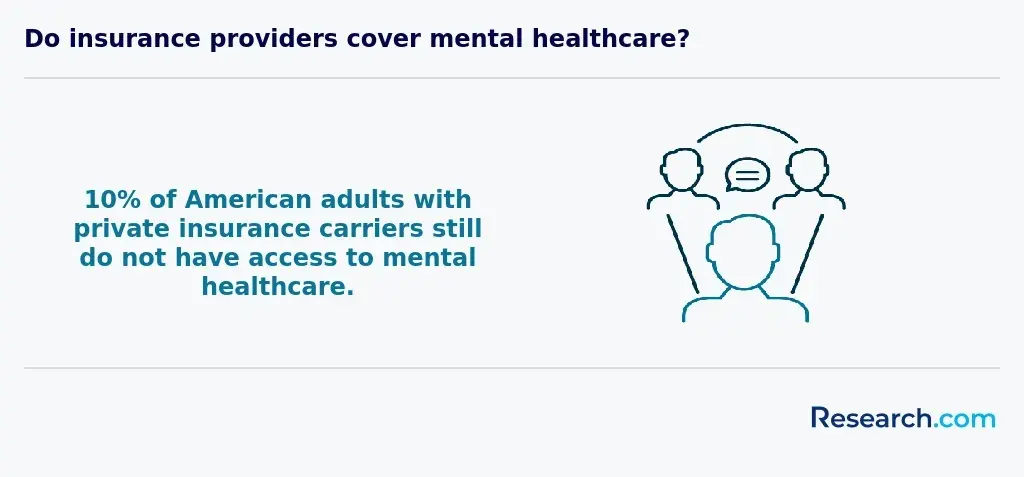
- Cost barriers for clients: NAMI data shows that 9.1% of people in Arkansas are uninsured. It also reports that 145,000 Arkansas adults who needed mental health care did not receive it, and 45% cited cost as the underlying reason.
- Rural service barriers: Transportation, broadband access, stigma, and provider shortages can make consistent counseling difficult for clients outside major population centers.
- Burnout risk: Counselors may absorb intense emotional content while managing documentation, productivity expectations, crisis calls, and limited resources.
- Professional development demands: Arkansas LPCs need continuing education, and effective practice requires ongoing learning in ethics, diagnosis, trauma, substance use, telehealth, and cultural responsiveness.
- System funding limits: A Department of Human Services study identified limited state funding as an underlying factor affecting behavioral health services and support, although recent legislative approval of additional funding for enhanced behavioral, mental, and substance use care offers a more promising outlook.
The best preparation is not only academic. Future counselors should build consultation networks, learn local referral systems, develop clear boundaries, and choose supervisors who take ethics and clinician wellness seriously.
Resources for aspiring mental health counselors in Arkansas
Aspiring counselors should use official licensing sources, professional associations, university advising, and field supervisors throughout the process. The path includes academic requirements, examinations, supervised hours, Board documentation, and continuing education, so relying on a single source of information is risky.
- Arkansas Board of Examiners in Counseling and Marriage and Family Therapy: Use the Board as the primary authority for rules, forms, licensure categories, supervised experience, examinations, and renewal.
- Arkansas Counseling Association: Professional organizations can provide networking, continuing education, advocacy updates, and mentorship opportunities.
- Graduate program advisors: Faculty and licensure advisors can help students plan coursework, practicum, internship, and exam timelines.
- University career services: Schools such as the University of Arkansas and Arkansas State University may offer career support, practicum preparation, and training opportunities.
- Community mental health and rural initiatives: Nonprofits, clinics, and state-funded programs may offer experience in areas where counselors are especially needed.
Students who want a dedicated licensing roadmap can review how to become a therapist in Arkansas, including coursework, supervised hours, and examination steps.
How can mental health and school counseling expertise work together?
Dual expertise in mental health and school counseling can be valuable for professionals who want to support children and adolescents across both clinical and educational settings. Students often need help with anxiety, depression, trauma, peer conflict, family disruption, behavioral concerns, and academic stress, and coordinated support can improve early identification and intervention.
Counselors with school-based knowledge may collaborate more effectively with teachers, administrators, families, special education teams, and outside providers. Those considering this direction should compare LPC preparation with the steps to become a school counselor in Arkansas.
Key insights
- Arkansas requires graduate counseling education, the NCE, an oral examination, LAC status, 3,000 supervised hours, and final Board approval before full LPC licensure.
- Program choice is one of the most important decisions. Before enrolling, confirm Board approval, CACREP accreditation when applicable, required coursework, and practicum support.
- Demand is strong: O*NET projects Arkansas mental health counselor employment to grow from about 1,860 to 2,360 by 2030, with around 240 openings each year.
- Arkansas counselors can work in community clinics, schools, hospitals, substance use treatment, private practice, rehabilitation settings, and rural service programs.
- Salary depends on specialization and setting. BLS data lists $66,180 for Substance Abuse, Behavioral Disorder, and Mental Health Counselors in Arkansas, $58,030 for Educational, Guidance, and Career Counselors and Advisors, and $40,620 for Rehabilitation Counselors.
- The biggest mistakes are choosing a program without checking licensure fit, assuming every online degree qualifies, failing to document supervised hours, and waiting too long to plan exams and continuing education.
- This career can offer meaningful community impact, but applicants should prepare for access barriers, cost-related client challenges, rural workforce shortages, and burnout risks.
Related Articles for Nearby States
- 2027 How to Become a Mental Health Counselor in Missouri
- 2027 How to Become a Mental Health Counselor in Oklahoma
- 2027 How to Become a Mental Health Counselor in Tennessee
- 2027 How to Become a Mental Health Counselor in Mississippi
- 2027 How to Become a Mental Health Counselor in Louisiana
- 2027 How to Become a Mental Health Counselor in Texas
- 2027 How to Become a Mental Health Counselor in Kentucky
- 2027 How to Become a Mental Health Counselor in Kansas
- 2027 How to Become a Mental Health Counselor in Alabama
- 2027 How to Become a Mental Health Counselor in Illinois
References:
- Arkansas Board of Examiners in Counseling and Marriage & Family Therapy (2021). ARKANSAS BOARD OF EXAMINERS IN COUNSELING AND MARRIAGE & FAMILY THERAPY RULES. https://www.healthy.arkansas.gov/images/uploads/pdf/ABEC_2021_Rules_Clean.pdf
- Arkansas Department of Health (2021). CONTINUING EDUCATION. https://www.healthy.arkansas.gov/images/uploads/pdf/ABEC_CE_requirements.pdf
- Arkansas Department of Human Services (April 2024). Arkansas Community Mental Health Center Study. https://humanservices.arkansas.gov/wp-content/uploads/CMHC-Report-final-04_26_2024.pdf
- Arkansas State Legislature (n.d.). Instructions for Completing the Arkansas Counseling (LAC/LPC) Licensure Application Process. https://www.arkleg.state.ar.us/Home/FTPDocument?path=%2FAssembly%2FMeeting+Attachments%2F520%2FI14157%2FEXHIBIT+E-8c+Application+Forms.pdf
- Kaiser Family Foundation (March 2023). Mental Health in Arkansas. https://www.kff.org/statedata/mental-health-and-substance-use-state-fact-sheets/arkansas
- National Alliance on Mental Illness (2023). Mental Health in Arkansas. https://www.nami.org/wp-content/uploads/2023/07/ArkansasStateFactSheet.pdf
- National Conference of State Legislatures (n.d.). Arkansas - Scope of Practice Policy. https://www.ncsl.org/scope-of-practice-policy/state/arkansas
- O*NET OnLine (n.d.). National Employment Trends: Mental Health Counselors. Retrieved from https://www.onetonline.org/link/localtrends/21-1014.00
- US BLS (2023). Occupational Employment and Wages, May 2023: Substance Abuse, Behavioral Disorder, and Mental Health Counselors. Retrieved from https://www.bls.gov/oes/current/oes211018.htm
- US BLS (2023). May 2023 State Occupational Employment and Wage Estimates, Arkansas. https://www.bls.gov/oes/2023/may/oes_ar.htm
- US BLS (2023). Occupational Employment and Wage Statistics Query System. Retrieved from https://data.bls.gov/oes
Other Things You Should Know About Becoming a Mental Health Counselor in Arkansas
Arkansas requires at least 3,000 hours of supervised clinical experience for mental health counseling licensure. This must include 1,000 hours of direct client contact under a licensed supervisor. The supervision should be documented and verified by the Board of Examiners in Counseling.
In 2027, to become a licensed mental health counselor in Arkansas, you must have a master’s or doctoral degree in counseling from an accredited program. This includes completing coursework in areas like human behavior, ethics, and counseling techniques.
The Arkansas Board of Examiners in Counseling issues Licensed Professional Counselor credentials in 2027. Applicants submit education, supervised experience, and exam documentation to this board, which sets the licensure rules and approves candidates for full LPC practice in Arkansas.