2027 What Can You Do with a Marketing Master's Degree? Careers, Salaries & Growth

Co-Founder and Chief Data Scientist
Many professionals struggle to determine the value of pursuing a marketing master's degree amid a competitive job market. Recent data shows that employment in advertising, promotions, and marketing management is expected to grow 10% through 2032, faster than the average for all occupations. However, salary outcomes vary widely depending on specialization and industry, leaving candidates uncertain about their return on investment.
This article explains the key aspects of marketing master's programs, including curriculum, admission criteria, and career trajectories. Readers will gain insight into salary benchmarks, growth opportunities, program delivery methods, and professional certifications, enabling informed decisions aligned with their career ambitions.
Key Things to Know About What You Can Do with a Marketing Master's Degree
- Admission requirements typically include a bachelor's degree and relevant experience; programs offer flexible formats such as online or on-campus to balance cost and learning preferences.
- Graduates often enter roles like brand managers or digital strategists, with median salaries near $75,000 and higher potential in specialized sectors.
- Strong job growth, projected at 10% over ten years, supports long-term earning advances; combining degrees with certifications enhances competitiveness and career mobility.
What Are the Admission Requirements for a Marketing Master's Program?
Preparing the necessary prerequisites for a marketing master's program ensures a smoother admission process and aligns candidates with program expectations. Admission standards often reflect a balance between academic achievement and relevant experience, adapting to evolving industry demands as marketing roles grow in importance. Employment within marketing and related fields is projected to increase significantly, signaling strong prospects for graduates.
Below are key components commonly required for entry criteria for marketing master's degree applicants.
- Undergraduate Degree: A bachelor's degree from an accredited institution is essential, usually in marketing, business, or a related field. Applicants with degrees in other areas may still qualify but might need to complete prerequisite coursework.
- GPA Thresholds: Most programs expect a minimum undergraduate GPA around 3.0 on a 4.0 scale. Lower GPAs can sometimes be offset by professional experience or additional qualifications demonstrating the applicant's potential.
- Standardized Tests: GRE and GMAT scores are commonly requested; however, an increasing number of institutions have made these exams optional or waived them, especially post-pandemic. Prospective students should verify individual school policies.
- Supplementary Materials: Letters of recommendation, typically from academic or professional sources, are crucial. Personal statements that describe career goals and motivation enhance application strength, and writing samples or portfolios may be required for programs emphasizing strategic or digital marketing.
- Field-Specific Prerequisites: Some schools require coursework in statistics, economics, or foundational marketing concepts, particularly for applicants whose backgrounds are outside marketing disciplines.
For those exploring flexible education paths, programs offering easy online degrees that pay well can provide an efficient way to meet these admission requirements while balancing other commitments.
What Is the Minimum GPA Requirement for a Marketing Master's Program?
Admission into a marketing master's program generally requires meeting a minimum GPA threshold, which varies significantly across institutions and program types. Understanding the average GPA needed to enter a marketing master's degree can help applicants assess their eligibility and consider how to strengthen their candidacy. The U.S. Bureau of Labor Statistics projects marketing managers' employment growth at 10% from 2022 to 2032, underscoring the importance of gaining admission to advancing a marketing career.
Key factors influencing GPA requirements and admission considerations include:
- Typical GPA Range: Most programs set a minimum GPA between 2.75 and 3.0 on a 4.0 scale, depending on the program's selectivity and focus.
- Institution and Program Variations: Private universities and those with specialized marketing concentrations often require higher GPAs compared to public institutions or general marketing tracks.
- Holistic Admissions: Many schools employ holistic review processes, evaluating professional experience, standardized test scores, and personal statements alongside GPA.
- Overcoming Lower GPA: Applicants below minimum GPA thresholds can offset this through relevant work experience, research, or persuasive application materials.
- Industry Outlook Impact: Strong job growth projections increase the value of securing admission, even when competing with higher-GPA candidates.
Prospective students interested in related educational options might also explore best associate degrees for alternative pathways or supplementary qualifications.
How Much Does a Marketing Master's Degree Cost and How Can You Finance It?
Setting a clear financial plan before beginning a marketing master's program can help students manage costs and avoid unexpected burdens. The following points summarize key factors influencing the overall expense and funding options available.
- Cost Variation by Program Type: Tuition differs significantly among public, private, and online institutions. Public universities often offer in-state tuition between $10,000 and $20,000 yearly, while private schools may charge over $30,000. Additional costs like housing and lost wages during full-time study must also be considered.
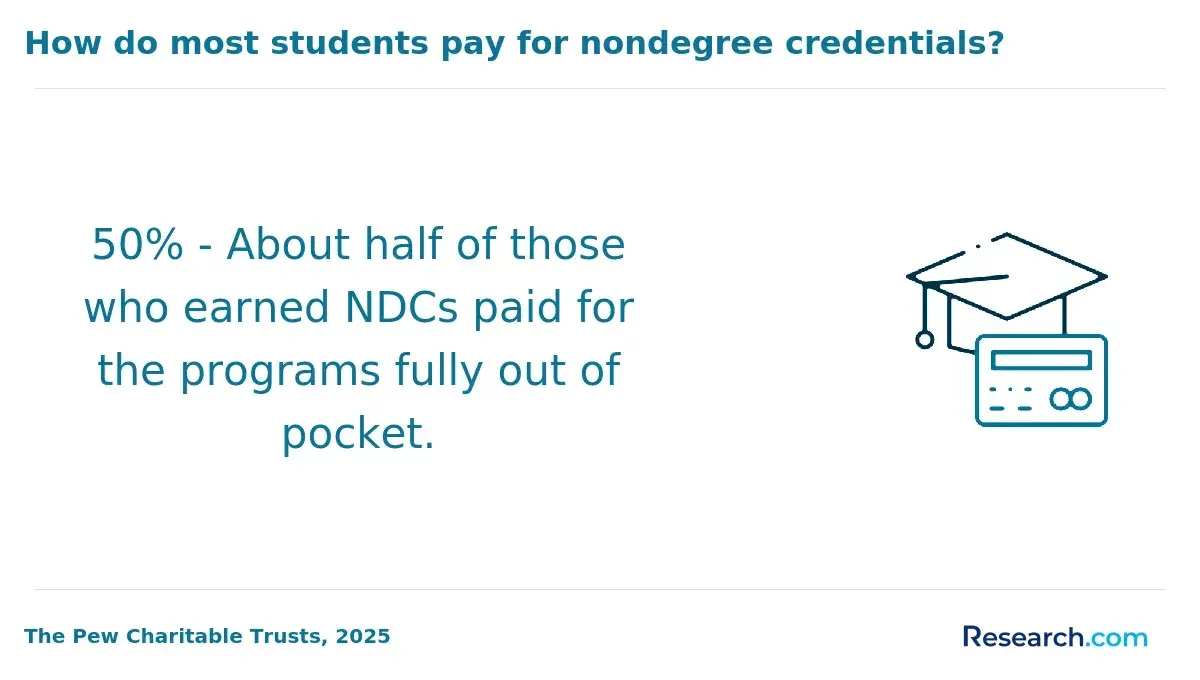
- Funding Sources: Scholarships, fellowships, assistantships, and employer tuition reimbursement represent the main financial aids. Federal loans are widely used, but early application for competitive department funding can reduce reliance on borrowed money.
- Debt Reduction Approaches: Opting for part-time, online formats, or in-state public programs allows students to work while studying. Securing teaching or research assistant roles can also provide tuition waivers, lessening financial strain.
- Evaluating Return on Investment (ROI): Calculate ROI by comparing expected salaries across marketing specialties-such as digital marketing or brand management-to total program expenses and completion time. With marketing managers earning median salaries near $135,000, a well-chosen degree can offer solid financial returns.
- Admissions Trends and Selection: Competitive rates, typically 30-50%, reflect holistic reviews of applicants considering experience, recommendations, and essays alongside academic records.
A graduate I spoke with described juggling full-time work and studies using an online program that fit his schedule. "Applying early for an assistantship was key to easing my financial load," he shared. Though balancing responsibilities was demanding, the flexibility helped him maintain income and reduce debt. He viewed the investment as worthwhile, especially after landing a role with a substantial salary increase following graduation.
Prospective students evaluating a marketing master's degree should carefully consider the program's duration, as it impacts personal schedules and career planning. The average duration of a marketing master's program can vary widely based on enrollment status, program format, and academic choices. Below are factors that typically influence how long it takes to complete this advanced degree.
- Full-Time Enrollment: Most full-time students complete their marketing master's within 1.5 to 2 years, following a standard academic calendar and a full credit load per semester. This is the most common path for recent graduates and career changers seeking to finish relatively quickly.
- Part-Time or Online Programs: Enrolling part-time or taking online classes often extends the timeline to 3 to 4 years. The flexibility of these programs accommodates working professionals but usually results in a longer completion time depending on credit load and individual schedules.
- Accelerated Programs and Combined Degrees: Some institutions offer accelerated master's options or combined bachelor's/master's pathways. These options allow students to overlap coursework and complete their degree in less than two years, making them appealing for those wanting to shorten their studies.
- Transfer Credits: Students who have earned applicable transfer credits can reduce program length by bypassing introductory courses. This helps candidates with prior academic work or certifications progress faster toward their degree.
- Thesis vs. Non-Thesis Tracks: Opting for a thesis typically extends the time needed to graduate due to research and writing demands, whereas non-thesis tracks allow for an expedited completion.
- Internships and Practicums: Programs that include internships or practicum experiences may increase overall duration but provide valuable hands-on marketing experience that can boost employability.
For students assessing program costs alongside duration, comparing offerings with related credentials like engineering online programs may provide insight into different pacing and financial structures.
This overview highlights key career possibilities for graduates holding a marketing master's degree, offering insight into roles across various industries and organizational levels. It covers both core marketing functions and closely related fields where graduates' skills remain in strong demand.
- Entry-Level and Specialist Roles: Many graduates begin as market research analysts, digital marketers, or brand managers, focusing on data analysis, campaign execution, and customer insights to support business growth.
- Managerial Positions: With experience, professionals often advance to roles like marketing manager, product marketing manager, or communications director, where leadership, strategic planning, and team oversight become central responsibilities.
- Executive Leadership Opportunities: Over time, opportunities arise to serve as chief marketing officers or vice presidents of marketing, positions requiring a mix of innovation, financial understanding, and executive decision-making.
- Industry Diversity: Graduates find employment in private sectors such as advertising, technology, and retail, alongside government agencies, nonprofits, and academic institutions, demonstrating the degree's versatile appeal.
- Adjacent Career Paths: Skills gained from the program also support roles in sales management, business development, and consulting, expanding the scope beyond pure marketing functions.
When I spoke with a marketing master's graduate, they described how the degree eased their transition from specialist to leadership roles. "Having the analytical tools and strategic frameworks from my studies gave me confidence to take on project leadership early," they explained. Navigating competitive job markets felt less daunting thanks to the practical skills and network built during the program. This preparation was key in helping them secure positions that aligned with their ambitions while adapting quickly to evolving industry demands.
Compensation for individuals with a master's degree in marketing varies widely, influenced by factors like experience level, employer type, location, and industry sector. Professionals commonly enjoy enhanced earning potential compared to bachelor's degree holders, benefiting from specialized skills and strategic insight. Total remuneration often includes bonuses, benefits, and equity, particularly in competitive private sectors and metropolitan areas.
Key salary details are outlined below.
- Entry-Level Salaries: Those beginning their marketing careers with a master's degree usually earn from $55,000 to $75,000 per year. Positions in major cities or prestigious firms typically offer salaries near the upper limit of this range.
- Mid-Career Earnings: Marketing professionals with five to ten years of experience generally see salaries between $85,000 and $120,000. Industries like tech, financial services, and consulting frequently provide the most lucrative compensation packages.
- Senior-Level Positions: Seasoned marketing managers, directors, and executives often secure salaries ranging from $130,000 to over $200,000. Locations such as New York, San Francisco, and Chicago tend to lead in pay, reflecting demand and higher living costs.
- Employer Type Impact: Private companies often offer greater base salaries and bonuses compared to public or nonprofit organizations, which may compensate through enhanced benefits and job stability.
- Degree Salary Premium: On average, marketing master's degree holders earn about 15% to 25% more than counterparts with only a bachelor's degree, according to BLS reports and industry surveys.
Projected Job Growth for Marketing Roles (2023-2033) in Percentage

Several professional certifications can significantly enhance the value of a marketing master's degree by deepening specialized knowledge and improving job prospects. These certifications help graduates better align with industry demands and increase long-term earning potential. Below is a summary of top marketing certifications that boost career growth and complement a master's program effectively.
- Professional Certified Marketer (PCM): Offered by the American Marketing Association (AMA), the PCM requires at least three years of relevant marketing experience and passing a comprehensive exam covering marketing strategy, digital marketing, and ethics. Renewal every three years involves continuing education or re-examination. PCM holders are preferred in marketing management, brand strategy, and consulting roles, especially within corporate and agency settings.
- Certified Digital Marketing Professional (CDMP): From the Digital Marketing Institute, this certification focuses on digital marketing channels such as SEO, PPC, content marketing, and social media. It has no stringent prerequisites, making it accessible to students before or during their master's studies. CDMP is highly valued by digital marketing agencies and tech companies seeking candidates with current digital expertise.
- Level 6 Diploma in Digital Marketing (CIM): The Chartered Institute of Marketing offers this respected European certification targeting data-driven marketing roles. Eligibility includes relevant experience or education, with assessments involving essays and exams. Professionals must engage in ongoing development for renewal. This diploma is advantageous for those aiming at senior positions in multinational firms.
Deciding when to pursue these professional certifications is strategic: early certification can enhance internship and entry-level opportunities, while later efforts support career advancement and salary growth. This holistic approach to professional certifications for marketing master's graduates ensures academic learning translates into tangible industry benefits. Prospective students should also consider cost and financing options carefully, as investing in credentials alongside a degree can affect overall expenses.
For those exploring program affordability, examining affordable online MFT programs may offer insights into funding strategies applicable across graduate education fields.
Identifying the key industries employing marketing master's graduates helps students align their skills with market demand. Targeting the right sectors can optimize internship choices, networking efforts, and course selections. Below are the major industries ranked by employment activity and growth potential.
- Retail Sector: The retail industry hires marketing professionals primarily in mid-to-large companies for roles such as brand managers, digital marketing analysts, and marketing strategists. Expertise in consumer behavior analysis and e-commerce technologies is highly valued for driving customer engagement and sales.
- Professional Services: Advertising agencies and consulting firms frequently seek marketing consultants and campaign managers. Certifications like the Digital Marketing Institute's Professional Diploma or Google Analytics IQ can significantly enhance a candidate's prospects in this competitive space.
- Information Technology: Rapid expansion in tech has escalated demand for marketers skilled in product marketing, customer experience, and data-driven campaign management. Marketing professionals here support tech firms' scaling efforts and user acquisition strategies, often emphasizing analytical and technical competencies.
- Financial Services: This sector requires marketing graduates for roles in market research, brand positioning, and client communications. Knowledge of regulatory requirements and quantitative analysis strengthens candidacies, given the sector's compliance landscape.
- Emerging Industries: Growth in healthcare and renewable energy has increased demand for marketers aware of shifting regulations and sustainability trends. Students interested in these areas should focus on relevant internships and tailor coursework to address unique sector challenges.
According to the U.S. Bureau of Labor Statistics, advertising, promotions, and marketing management roles are projected to expand by 10% through 2032, indicating stable and growing opportunities across these fields.
Prospective students pursuing a master's in marketing should be aware of the highest-earning career paths linked to this advanced degree to evaluate its financial benefits. These roles typically require a blend of experience, strategic expertise, and leadership, often offering substantial salaries and opportunities for growth. Below are key positions, their median salaries, responsibilities, and qualifications that influence earning potential.
- Marketing Director: Responsible for crafting strategic marketing plans and leading teams to boost brand visibility and sales, marketing directors usually earn over $140,000 annually. Success in this role demands 5-10 years of experience, leadership skills, and proficiency in both traditional and digital marketing. Top-paying opportunities are common in technology, healthcare, and financial sectors.
- Product Marketing Manager: These managers specialize in aligning products with customer needs through market research and positioning. They earn median salaries between $110,000 and $130,000, often supplemented by performance bonuses. Advanced analytical abilities and knowledge of consumer behavior gained through years in tech or consumer goods industries are crucial.
- Chief Marketing Officer (CMO): As executives, CMOs develop the long-term marketing vision, oversee large budgets, and manage broad teams. Compensation frequently exceeds $200,000, influenced by company size and location. Typically, CMOs hold a master's degree alongside extensive experience and sometimes an MBA or specialized certifications, particularly in large or multinational firms.
- Market Research Director: Professionals in this role use data analytics and consumer insights to inform strategic decisions, earning around $120,000 on average. Expertise in statistics and certifications like the Professional Researcher Certification (PRC) are often required. High demand exists in pharmaceuticals, finance, and consulting.
- Digital Marketing Manager: Focused on managing online marketing efforts such as SEO and social media campaigns, these managers earn between $95,000 and $120,000. Proficiency with digital tools, content strategies, and analytics platforms is essential. Certifications like Google Analytics or HubSpot can enhance income, especially in technology-driven urban markets.
Additional credentials-including doctoral degrees, industry licenses, or specialized certifications-can further increase salary potential. Geographic factors and industry sectors, particularly technology and finance in major metropolitan areas, often play a significant role in reaching the highest compensation levels.
For prospective students considering a master's degree in marketing, understanding the marketing job outlook and employment growth in the US is essential for making informed decisions about their career paths. The projected career growth for marketing professionals highlights a vibrant and evolving job market shaped by various economic and technological factors.
- Above-Average Growth: The U.S. Bureau of Labor Statistics projects a growth rate of about 10% for marketing managers from 2022 to 2032, which is double the average growth rate for all occupations, roughly 5%. This indicates that marketing remains a rapidly expanding field offering solid opportunities.
- Digital Transformation: The rise of online platforms and social media has fundamentally reshaped marketing strategies, creating demand for professionals skilled in digital tools and data analytics. Adapting quickly to these changes is critical for ongoing career success.
- Automation Impact: Automation streamlines routine tasks allowing marketers to focus on strategic and creative work. However, this technological shift may reduce the need for some entry-level roles, emphasizing the value of advanced skills and education.
- Globalization Effects: Expanding international markets increase opportunities across diverse industries for marketing expertise. Professionals who understand global trends and cross-cultural communication have an advantage as companies seek to grow worldwide.
- Regulatory Changes: Policies around data privacy and advertising standards continue to evolve, requiring marketing professionals to stay updated and adaptable to navigate compliance and ethical considerations effectively.
For students interested in related fields such as construction management, exploring options like a construction management accelerated degree may provide alternative pathways aligned with market demands and personal career goals.
For prospective marketing master's students, understanding the specific skills developed throughout the program is essential for assessing its value. These competencies enhance career flexibility and preparedness for various professional settings.
- Technical Proficiency: Students gain expertise in data analysis, digital marketing platforms, and market research techniques. Familiarity with tools like Google Analytics and CRM systems equips graduates to extract insights from complex datasets and optimize campaigns.
- Soft Skills Development: Leadership, strategic communication, critical thinking, teamwork, and problem-solving are integral to the curriculum. These abilities foster adaptability and effective collaboration, valued across industries such as technology, healthcare, retail, and finance.
- Experiential Learning Opportunities: Internships, case studies, simulations, and group projects provide hands-on experience that reinforces theoretical knowledge. These activities help students apply concepts in real-world scenarios, bridging the gap between academics and professional practice.
- Transferable Competencies: The combination of analytical and interpersonal skills prepares graduates for diverse roles beyond traditional marketing, enhancing their versatility in dynamic job markets.
- Employer Priorities: Hiring managers consistently emphasize critical thinking, adaptability, and data-driven decision-making as key qualities when reviewing candidates. These core capabilities remain central to advancing in a marketing career and meeting employer expectations.
What Graduates Say About Their Marketing Master's Degree
- Landen: "Applying for admission to the online marketing master's program was an eye-opener for me, especially as I navigated the nuances of different institutions. I had to sift through numerous accredited options to find a program that balanced flexibility with academic rigor. Relying on official academic catalogs helped me understand the specific course requirements and gave me the confidence to choose the best path forward."
- Nicole: "Reflecting on my journey, the landscape of accredited online marketing master's degrees seemed overwhelming at first, but thorough research using federal education resources clarified my options. I appreciated how official accrediting agencies provided transparency, making it easier to distinguish reputable programs. The admission process felt more manageable once I understood these critical factors and was able to align them with my professional goals."
- Maverick: "The moment I started exploring online marketing master's programs, I realized the importance of validating each option through trusted academic catalogs and accrediting bodies. Admitting myself into a program wasn't just about eligibility-it was about ensuring quality and relevance for my career. This careful consideration made my experience far more rewarding and positioned me well for success after graduation."
Other Things You Should Know About Marketing Degrees
By 2026, careers requiring a Marketing master's degree are projected to grow significantly. The increasing reliance on data-driven strategies and digital marketing expands job opportunities, particularly in analytics and online marketing sectors, promising robust career prospects for graduates.
Google Analytics certification, Google Ads certification, and HubSpot’s Inbound Marketing certification are common credentials for analytics-focused roles. Employers often look for proof of SQL, Excel, and dashboard skills, plus 1 to 3 years of internship or work experience in market research, reporting, or digital campaigns.
In 2027, Marketing master's degree holders can find the highest salaries in tech, pharmaceuticals, and finance. Tech companies may offer median salaries of $110,000 or more, while the finance and pharmaceutical sectors also provide competitive salary packages exceeding $100,000 annually.
- The best professional certificates in marketing 2026 from MDIT https://mdit.edu.sa/en/blog/the-best-professional-certifications-in-marketing
- What should I do after a master's degree in marketing? https://www.ipag.edu/en/blog/what-should-i-do-after-masters-degree-marketing
- 18 jobs you can get with a Marketing degree https://www.torrens.edu.au/stories/blog/business/18-jobs-you-can-get-with-a-marketing-degree
- Marketing and International Management – Servizi Internazionalizzazione e Comunicazione Linguistica | Uniparthenope https://international.uniparthenope.it/all-courses/marketing-and-international-management/
- What can you do with a marketing degree? Your career guide https://www.kingstonisc.com/blog/what-can-you-do-with-a-marketing-degree
- Fees and Financing https://www.hec.edu/en/master-s-programs/master-marketing/fees-and-financing
- How long does it take to earn a marketing degree? https://www.herzing.edu/faq/how-long-to-earn-marketing-degree
- Best Marketing Certifications for Your Marketing Career https://www.business.com/articles/guide-to-marketing-certifications/
- What is the salary after a Master in marketing? - ESCE https://www.esce.fr/en/faq-all-the-answers-to-your-questions/what-is-the-salary-after-a-master-in-marketing/
- Top 10 Professional Certifications for Modern Marketers https://www.agilesherpas.com/blog/professional-certifications-for-marketers