2027 Online vs Campus Game Design Outcomes Report: Graduation Rates, Cost, and Career Trade-Offs

Co-Founder and Chief Data Scientist
Adult learners aiming to transfer prior credits into a game design program face unexpected hurdles that directly affect time to graduation and overall cost. In 2024, only 62% of institutions fully accepted all transfer credits for online programs, compared to 78% for campus-based ones, revealing a hidden institutional preference that can extend completion times by an average of two semesters online. This gap signals broader challenges in degree completion efficiency and accessibility for non-traditional students who must weigh delayed earnings against flexible schedules. This article analyzes graduation rates, total costs, and career implications, helping readers navigate these critical trade-offs between online and campus pathways.
Key Things to Know About Online vs Campus Game Design Outcomes
- Campus-based game design programs show a 12% higher graduation rate than online, reflecting greater structured interaction, yet this may extend time-to-completion for students balancing work and study.
- Online pathways often reduce overall cost by 18%, increasing access but producing varied employer perceptions tied to less hands-on collaboration, affecting initial job placement dynamics.
- Employers value campus graduates' portfolio strength from in-person labs; however, online students excel in digital project management skills, creating distinct career trajectories within specialized game design roles.
- Key Things to Know About Online vs Campus Game Design Outcomes Key Things to Know About Online vs Campus Game Design Outcomes
- What Are the Biggest Differences Between Online and Campus Game Design Program Outcomes? Online vs Campus Outcomes
- How Do Graduation Rates Compare Between Online and Campus Game Design Programs? Comparing Graduation Rates
- Why Do Online and Campus Game Design Students Have Different Completion Rates? Why Completion Rates Differ
- How Do Online and Campus Game Design Programs Compare on Total Cost? Total Cost Comparison
- What Hidden Costs Should Students Expect in Online vs Campus Game Design Programs? Hidden Program Costs
- How Does Financial Aid Affect the Cost of Online and Campus Game Design Programs? Financial Aid Impact
- Do Online and Campus Game Design Graduates Have Different Career Outcomes? Comparing Career Outcomes
- How Do Employers View Online vs Campus Game Design Degrees? How Do Employers View Online vs Campus Game Design Degrees?
- Which Game Design Degree Format Offers Better Flexibility for Working Adults? Which Game Design Degree Format Offers Better Flexibility for Working Adults?
- How Should Students Choose Between an Online and Campus Game Design Program? Choosing Your Program Format
What Are the Biggest Differences Between Online and Campus Game Design Program Outcomes?
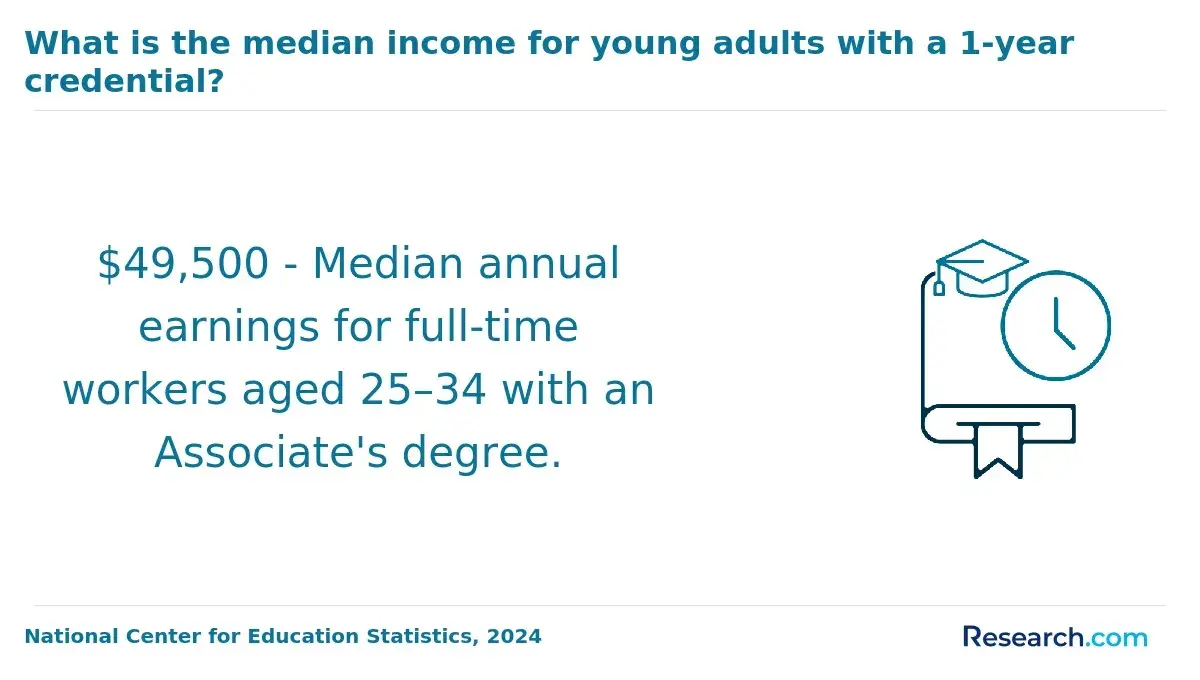
Graduation rates reveal a stark operational difference between online and campus game design programs, with campus-based cohorts completing degrees at roughly 65% compared to about 45% for online learners, according to National Center for Education Statistics data from 2024. This gap reflects more than delivery format; it encompasses the varied demands on student time and institutional supports. For example, part-time online students juggling work and family may extend completion timelines and incur more debt, influencing not only financial outcomes but also the continuity of skill development critical for job market readiness. Prospective students must assess whether the flexibility of an online format justifies these risks or if structured campus environments better sustain persistence and momentum in this competitive creative field.
How Do Graduation Rates Compare Between Online and Campus Game Design Programs?
Why Do Online and Campus Game Design Students Have Different Completion Rates?
In contrast, online learners frequently juggle work and family commitments, leading to higher part-time enrollment and slower course progression. This population may struggle with reduced peer interaction and limited access to personalized academic advising, factors linked to lower completion rates near 30-40%. For example, a working adult balancing a full-time job might pause studies due to financial pressures or scheduling conflicts, which campus programs can often mitigate through on-site coaching and immediate feedback. Understanding this dynamic helps prospective students assess whether their time management abilities and support requirements align better with each delivery mode.
How Do Online and Campus Game Design Programs Compare on Total Cost?
Total cost comparisons between online and campus game design programs require careful evaluation beyond base tuition. While online programs generally reduce expenses linked to housing and commuting, many include technology fees and necessitate personal investments in high-performance equipment, which can raise upfront costs. Campus-based students face mandatory campus fees, meal plans, and transportation costs that often push total attendance upwards by 30% to 50% over tuition, according to the National Center for Education Statistics and College Scorecard updates from 2024. In real-world decisions, a working adult might find online formats financially viable especially when employer tuition assistance offsets fees, whereas a campus student could leverage broader access to work-study aid but face increased living expenses that affect debt and timeline planning.
Evaluating cost differences in online and campus game design programs involves trade-offs tied to eligibility for scholarships and financial aid, residency tuition distinctions, and program length variations. For example, campus learners generally qualify for a wider range of aid types, including certain grants and subsidized loans not always available to fully remote students. Maintaining employment while studying online can reduce opportunity costs, accelerating program completion without sacrificing income. Prospective students interested in exploring the most affordable credentials tailored to their needs should consult resources such as the cheapest online computer engineering degree listings for comparable cost benchmarks that reflect prevailing market realities.
What Hidden Costs Should Students Expect in Online vs Campus Game Design Programs?
Perceived affordability between online and campus game design programs often masks key financial realities that shape student outcomes and career choices. While online tuition may appear lower, fees for technology infrastructure, mandatory proctoring, and required software can increase annual expenses by several hundred dollars, as confirmed by 2024 data from the National Center for Education Statistics. Conversely, campus students face substantial living costs-housing and commuting can surpass $13,000 yearly-adding significant overhead that online programs largely avoid but at the tradeoff of self-managing a demanding workload without in-person support. These divergent cost profiles intersect with scheduling constraints and potential lost wages, as campus attendance typically enforces fixed hours limiting work flexibility, while online learners often juggle less structured timelines but must offset hidden productivity challenges.
Both formats invariably require investment in specialized hardware and software, often exceeding $1,500 over the program, imposing further strain regardless of delivery method. This total cost burden directly affects students' budgeting strategies and can influence the choice of educational mode, particularly for those balancing family obligations or relocation. Recognizing the full spectrum of expenses beyond sticker tuition-including parking passes, childcare, travel for mandatory residencies, and equipment upgrades-is crucial in realistic completion planning. Preparing for these tangible and opportunity costs often determines whether a student can sustain momentum toward graduation or faces interruptions that delay credential attainment and entry into competitive game design roles.
A recent graduate recalled initially underestimating the cumulative impact of mandatory software licenses, proctoring fees, and the cost of upgrading a laptop to industry specifications while enrolled online. Weighing these against the potential housing and commuting expenses for an equivalent campus program created uncertainty about which path was more economical. This student eventually chose online study but budgeted conservatively, factoring in that the absence of campus overhead did not eliminate substantial hidden fees or the need for reliable high-speed internet and extended work hours-an awareness gained only through detailed comparison and careful tracking during the first semester.
How Does Financial Aid Affect the Cost of Online and Campus Game Design Programs?
Financial aid distribution between online and campus game design tuition reveals significant practical implications for students balancing cost, completion time, and professional preparation. Campus students often receive higher grant aid and access to assistantships, which reduce net costs and provide integrated studio experience aligned with employer expectations. For example, a campus student working as a game design assistant benefits not only from tuition offsets but also from real-time portfolio development, whereas online learners may lack these opportunities and rely more heavily on employer tuition reimbursement programs or veterans' benefits, which rarely cover comprehensive expenses like technology fees or housing.
The financial aid impact on online and campus game design tuition also reflects enrollment realities: campus learners typically maintain full-time status and residency, enhancing federal grant and loan eligibility. Conversely, part-time attendance common among online students can increase overall costs through prolonged program duration and repeated fees. This dynamic means online students often face higher median net prices-around $15,000 annually compared to $13,000 for campus peers-despite lower borrowing per term, potentially delaying workforce entry and increasing cumulative debt burden. Understanding these trade-offs emphasizes the need for prospective students to carefully compare aid packages, tuition structures, fees, and pacing before selecting their preferred format.
Prospective students should also consider how different aid types align with their circumstances, especially when exploring related degrees like a project management online degree, which may offer alternative funding or scheduling flexibility. A nuanced analysis of the comparison of financial aid benefits for game design students is crucial for crafting a sustainable education and career plan that accounts for both immediate affordability and long-term employability within the competitive digital entertainment industry.
Do Online and Campus Game Design Graduates Have Different Career Outcomes?
Career outcomes for graduates of online versus campus game design programs largely hinge on factors beyond delivery mode, including institutional reputation, accreditation, and hands-on learning opportunities. Employers tend to place greater value on campus credentials when supported by internships and real-time mentorship, which enhance portfolio quality and industry familiarity. For example, a hiring manager may favor a campus graduate with established local connections and demonstrated teamwork experience, while online graduates often face initial skepticism despite comparable skill sets. This difference can affect starting positions and progression within studios where internships and direct networking play a critical role.
Networking accessibility also diverges noticeably, with campus students benefiting from frequent in-person events, job fairs, and alumni networks that provide immediate local market visibility. Conversely, online learners often gain geographic flexibility and access to remote internships, which can broaden job searches but sometimes limits personalized career guidance and immediate professional references. According to the 2024 Bureau of Labor Statistics, employment rates within six months post-graduation are close-78% for campus and 74% for online-yet these nuances influence long-term career mobility, particularly in industries like game design that value portfolio traction and collaborative experience. Students should therefore weigh how program structure impacts relationship-building and career advising alongside cost and schedule flexibility.
How Do Employers View Online vs Campus Game Design Degrees?
Employer evaluation of online versus campus game design degrees centers less on delivery mode and more on the credibility signals embedded in the credential. Hiring managers favor graduates from programs with recognized institutional accreditation, rigorous applied learning components, and strong portfolios that tangibly demonstrate technical and creative skills. For example, a 2024 Workforce Institute study reports that 74% of employers prioritize internship experience and portfolio quality over whether the degree was earned online or on campus, reflecting the practical emphasis in technical creative roles like game design.
However, differences in employer perception still persist depending on program transparency and experiential rigor. Campus programs often benefit from established reputations, stronger networking opportunities, and on-site collaboration, which can accelerate early career progress for less experienced candidates. Online programs that clearly integrate internships, real-world projects, and industry-aligned curriculum without explicitly marking transcripts as "online" tend to reduce employer skepticism, particularly when employers are familiar with the institution or its alumni. Prospective game design students should weigh not only total cost and scheduling flexibility but also how each format signals readiness and industry alignment, since this can materially affect job prospects in an industry where portfolio and practical engagement often outweigh diploma format.
Which Game Design Degree Format Offers Better Flexibility for Working Adults?
Choosing between online and campus-based game design programs requires weighing real scheduling and resource tradeoffs that impact working adults' ability to persist and graduate. Flexible campus game design degrees for professionals often require fixed attendance for labs and collaborative projects, which can disrupt those with shift work or caregiving duties due to commuting and synchronous session demands. Online programs offer asynchronous coursework that enables learners to study outside traditional hours, but may limit direct access to specialized equipment and immediate faculty feedback, which some employers prioritize. For example, a full-time worker managing evening shifts might benefit from part-time online enrollment with flexible pacing, preserving career continuity while slowing cost exposure.
Persistence metrics reflect these dynamics: data from the National Student Clearinghouse Research Center indicate that adults in fully online game design programs graduate at higher rates, likely because of the ability to pause and re-enter studies without penalty. However, hybrid and evening campus formats strive to bridge this gap, offering some in-person interaction without fully sacrificing flexibility. Employer tuition assistance also tends to favor online modalities, seeing them as compatible with ongoing employment. Prospective students must balance these elements against the immersive, cohort-based experience on campus, which can accelerate skill acquisition but risk dropout if scheduling conflicts arise.
Decision-making extends beyond flexibility alone, factoring in total cost and practical alignment with industry demands. Working adults should carefully assess whether an online program's pacing and transfer-friendly policies or a campus program's access to labs and cohort networks better serve their career goals. For those comparing options, referencing actionable data from fields such as physics programs may also provide insights on affordability and program structure parallels relevant to game design.
How Should Students Choose Between an Online and Campus Game Design Program?
Graduation rates for campus-based game design programs typically exceed those for online formats by 15-20%, a gap influenced by in-person access to faculty, specialized labs, and structured sequencing that aids persistence and skill mastery. Working adults weighing schedule stability against flexibility must consider total attendance costs; campus students often face added housing and commuting expenses increasing costs by 30-40%, while online learners may encounter higher technology fees and less direct mentorship, which can complicate internship placements and portfolio development. This dynamic affects long-term career mobility as most employers in game design value demonstrated hands-on collaboration and facility use alongside credentials, shaping professional opportunities beyond mere degree completion.
How to compare online and campus game design program outcomes hinges on weighing these tangible trade-offs against individual priorities. Students balancing job or caregiving demands may find online formats essential yet should proactively seek accredited programs with robust student support to counter risks of delayed graduation or weaker industry networks. Campus environments, by contrast, typically offer richer peer collaboration and employer connections, which remain pivotal in the industry's competitive hiring landscape. For working veterans or those prioritizing flexible pathways, resources like the best military friendly online photography degrees illustrate how tailored online options can effectively align with varied personal and career needs, highlighting critical decision factors beyond cost alone.
References
- 2025 Top Game Design Programs https://www.princetonreview.com/college-rankings/game-design
- How important is colledge degree in game development? https://discussions.unity.com/t/how-important-is-colledge-degree-in-game-development/484055
- California Game Design & Development Schools: Most Expensive to Least Expensive | Animation Career Review https://www.animationcareerreview.com/articles/california-game-design-development-schools-most-expensive-least-expensive
- How to Succeed in the Game Design Master's Degree Program - The Hub https://hub.fullsail.edu/articles/how-to-succeed-in-the-game-design-masters-degree-program
- Game Development Degrees: What You Need to Know https://www.ivywise.com/ivywise-knowledgebase/gaming-majors/
- Digital Design – Game Design https://www.georgebrown.ca/programs/digital-design-game-design-program-postgraduate-g405
- Online vs Campus Game Development Degree Programs: Complete Comparison https://hakia.com/compare/game-development-online-vs-campus/
- Comprehensive Guide Online Game Development Bachelor’s Degree https://www.computerdegreesonline.org/game-development-bachelors-degree/
- Game Design Degree | Bachelor of Game Development https://www.cgspectrum.com/courses/game-design-program
- Finding the Sweet Spot between Games and Learning https://www.facultyfocus.com/articles/course-design-ideas/play-learn-finding-sweet-spot-games-learning/
Other Things You Should Know About Game Design
Campus game design programs naturally provide more direct, spontaneous collaboration through in-person group projects, studio time, and informal networking. Online students often face challenges replicating this dynamic, which can limit real-time feedback and iterative teamwork-key components in game design skill-building. For students prioritizing hands-on collaboration, campus programs tend to better simulate a professional studio environment, which can accelerate skill acquisition and portfolio development.
Most campus programs offer on-site labs with high-end software, hardware, and VR/AR equipment crucial for prototyping and testing games, which online students might struggle to access remotely. While some online programs provide software licenses, the lack of specialized equipment can constrain practical learning for certain subfields within game design. If access to advanced tools is essential for your career goals, attending a campus program could provide more consistent, hands-on experience that employers value.
Online students often juggle self-paced coursework with personal and work responsibilities, requiring strong discipline and time management to meet deadlines without the structure of scheduled class times. Campus students benefit from fixed schedules and physical separation from distractions, which can help maintain momentum. For those less confident in autonomous study habits, campus programs might improve persistence and completion, whereas highly motivated, self-directed learners often thrive online.
Campus programs generally offer richer environments for developing interpersonal and project management skills through in-person teamwork and rapid iterative cycles typical in studios. Online programs may lag in replicating this experience but can still develop technical skills and portfolio work effectively for students who supplement with externships or collaborative community projects. Those targeting roles requiring immediate team integration and leadership should prioritize campus options, while self-starters focused on technical specialization might find online formats sufficient.