2027 Game Design Career Outcomes by Degree Level Report: Pay, Employment, and Advancement Patterns

Co-Founder and Chief Data Scientist
Choosing the right degree for a career in game design demands clarity around how degree level influences critical outcomes like pay, employment stability, and advancement speed. Many aspiring and returning students struggle to parse conflicting information from various sources, risking costly missteps in timing their education or selecting a credential that aligns with industry expectations.
According to a 2024 study by the Interactive Digital Software Association, professionals with bachelor's degrees in game design experience a 25% higher rate of promotion within five years compared to those with only associate degrees, highlighting stark differences in career mobility tied to degree level. This article analyzes pay scales, employment trends, and promotion patterns across degree levels to equip readers with actionable insights for informed decision-making.
Key Things to Know About Game Design Career Outcomes by Degree Level
- Employment data from 2024 show bachelor's degree holders access 40% more entry-level game design roles than associate degree graduates, indicating stronger market preference for comprehensive technical and portfolio skills.
- Advanced degrees often offer specialization but yield diminishing advancement returns in indie and small-studio employment sectors, reflecting employer prioritization of proven project experience over formal credentials.
- Certificate programs provide rapid credentialing but typically limit upward mobility, causing a tradeoff where faster entry excludes deeper industry network development critical for long-term career progression.
- What Career Outcomes Can Students Expect From Each Game Design Degree Level? Career Outcomes by Degree
- How Much Do Game Design Graduates Earn by Degree Level? Salary by Degree Level
- Which Game Design Degree Level Offers the Strongest Employment Prospects? Best Degrees for Employment
- What Entry-Level Jobs Can You Get With a Game Design Degree? Entry-Level Career Opportunities
- How Do Game Design Degree Levels Affect Career Advancement and Promotion Opportunities? Career Growth by Degree
- Is a Game Design Degree Worth It Based on Salary, Employment, and ROI? Salary, ROI, and Value
- How Do Associate, Bachelor's, Master's, and Doctoral Game Design Degrees Compare? Comparing Degree Levels
- Which Industries and Employers Hire Game Design Graduates by Degree Level? Which Industries and Employers Hire Game Design Graduates by Degree Level?
- What Skills, Credentials, and Experience Improve Game Design Career Outcomes? What Skills, Credentials, and Experience Improve Game Design Career Outcomes?
- Which Game Design Degree Level Is Best for Your Career Goals? Choosing the Right Degree
What Career Outcomes Can Students Expect From Each Game Design Degree Level?
Employment access and advancement potential in game design vary sharply by degree level, with apprentice-level credentials offering quicker but narrower pathways while higher degrees unlock strategic opportunities and specialized roles. For example, an associate degree holder may rapidly enter the industry as a junior developer or QA tester, yet many employers prioritize bachelor's degrees for core design and programming positions, viewing them as foundational for sustained advancement.
According to data from the U.S. Bureau of Labor Statistics and the National Center for Education Statistics, roughly 70% of roles in game design requiring postsecondary education prefer candidates with at least a bachelor's degree, which also facilitates access to internships essential for network-building and skill refinement.
This distinction is especially relevant for working adults or transfer students, where time-to-employment and prior credits can influence the decision to pursue an associate versus a bachelor's credential.
Master's degrees in game design and related disciplines generally signal readiness for leadership, interdisciplinary project management, or research-driven roles that go beyond mere technical execution, offering career mobility among experienced professionals. These programs tend to attract individuals aiming to move into managerial positions or innovative gameplay design, with employers often expecting a combination of graduate-level knowledge and practical skillsets.
Doctoral graduates, though rare, pursue academic or highly specialized research careers in areas like AI integration or immersive technology, balancing extended education timelines against niche employment markets.
For learners weighing these paths, especially those considering the trade-offs between immediate employment and long-term growth, exploring easiest EdD programs could reveal comparable fast-track opportunities within technology-driven sectors relevant to game design degree career outcomes by education level.
Decisions about game design degree levels therefore influence practical work entry, portfolio development, employer expectations, and the trajectory from foundational roles to specialized or management positions. Certificate and associate credentials may suit those prioritizing expedited entry but limit upward mobility without further education, while bachelor's degrees remain critical for competitive pay and role variety.
Graduate degrees enhance credentials for leadership and complex project handling, making them strategic investments for professionals targeting longevity and differentiation in the field. These distinctions underscore how degree-level choices shape employment and salary trends for game design graduates in an evolving industry sensitive to both technical mastery and creative innovation.
How Much Do Game Design Graduates Earn by Degree Level?
Earnings for game design graduates vary widely depending on the degree level, specialization, and local market conditions. Bachelor-level graduates typically see median salaries ranging from $70,000 to $80,000, aligning with roles demanding technical expertise or design leadership.
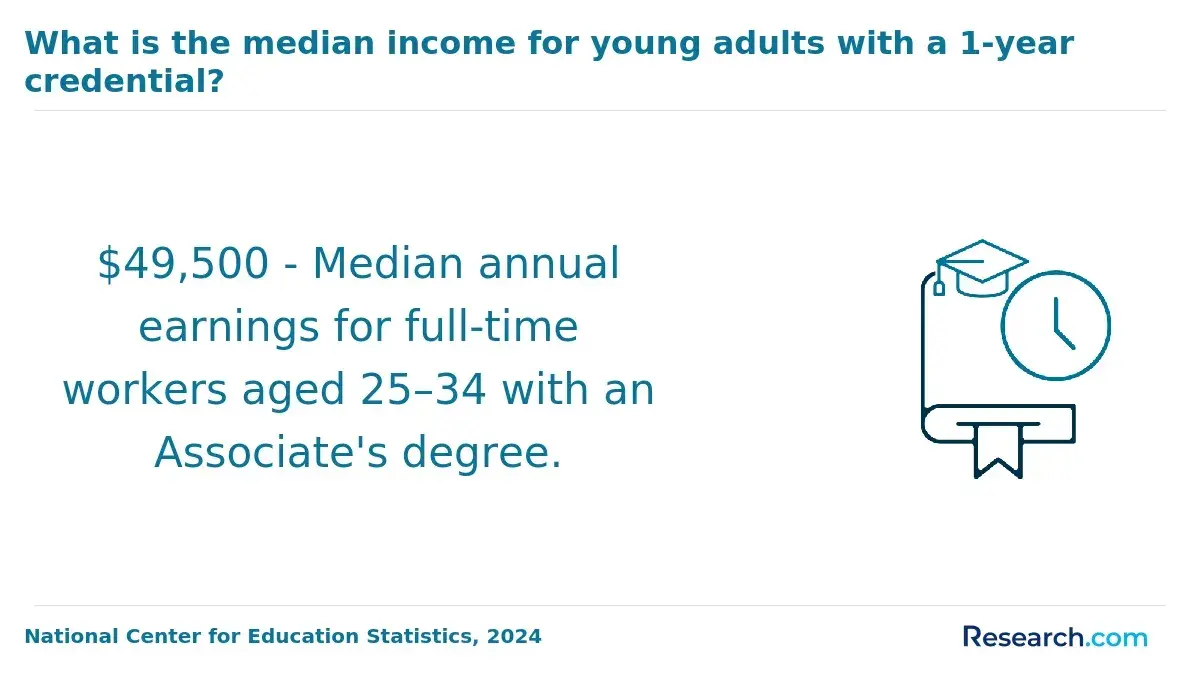
Certificate and associate degree holders often start between $40,000 and $50,000 in entry-level positions like QA testing or junior development.
Pursuing a master's degree can increase earnings by approximately 15% after a few years, but prospective students must weigh this against extra time, tuition costs, and potential employer expectations for specialized skills or geographic mobility. Employment stability also improves with advanced degrees, reflecting how many studios prioritize credential depth when filling roles that require sustained performance and complex project management.
For working adults and transfer students, these pay differentials underscore a broader cost-benefit analysis that includes time to completion and advancement ceilings inherent in lower credentials. Specializations such as artificial intelligence or immersive media command higher wages and stronger demand, particularly in competitive urban hubs where game studios prize advanced technical proficiency.
However, for those balancing full-time work or family commitments, the rapid pathway offered by certificates and associate degrees can provide crucial entry points despite wage limits and reduced upward mobility. Understanding how these outcomes intersect-with transfer credit usability or local employer hiring patterns-helps clarify whether additional education realistically supports a mid-career pivot or long-term growth within game design.
A graduate who completed an associate degree found their expected starting salary was below initial job postings in their region, prompting a reevaluation of continuing toward a bachelor's program despite concerns over time and financial investment.
Conversations with local studios revealed many preferred bachelor's credentials for even mid-level roles, especially those involving design strategy or team leadership. This realization brought cautious relief as the graduate saw the longer pathway as an investment aligned with clearer advancement prospects rather than just a credential hurdle.
Their experience highlights the importance of aligning educational decisions not only with pay data but also with nuanced local industry expectations and personal circumstances.
Which Game Design Degree Level Offers the Strongest Employment Prospects?
Bachelor's degrees in game design remain the primary credential that unlocks broad employment opportunities, with roughly 70% of industry job listings in 2024 specifically requiring this level or higher. This reflects employer expectations for well-rounded skills that blend programming, narrative development, and project management, which associate degrees and certificates often lack.
While these lower-level credentials can facilitate quicker entry into roles like quality assurance or junior positions, they come with tradeoffs in upward mobility and exhibit higher unemployment rates, as highlighted by recent federal education statistics. For example, a certificate holder may secure an initial game testing job but face barriers advancing without further education or industry experience.
Graduate education in game design-master's and doctoral degrees-tends to serve specialized career paths, often emphasizing leadership, systems architecture, or research-oriented roles. These positions generally require both substantial professional experience and a bachelor's degree foundation, diminishing their immediate impact on job access for new graduates.
Regional factors also play a role; bachelor's degree holders in tech hubs such as California benefit from faster placement and richer networks due to localized industry density. Hence, students balancing rapid workforce entry against long-term specialization must weigh whether investing additional years in advanced study aligns with career goals that extend beyond initial employment to roles demanding advanced strategic insight or academic rigor.
What Entry-Level Jobs Can You Get With a Game Design Degree?
Entry-level game design jobs in the US often reveal a significant divide in opportunity based on degree level and practical experience. While associate degree holders typically find themselves in quality assurance or support roles, bachelor's degree graduates gain access to more creative and development-focused positions, leveraging a broader skill set often including foundational coding and problem-solving.
Many employers, reflecting data from the U.S. Bureau of Labor Statistics, prioritize portfolio strength and applied experience over formal education, with over 70% of entry-level listings requiring demonstrable work, usually through internships or freelance projects, as a baseline for consideration.
This landscape creates a clear tradeoff: those pursuing an associate degree may enter the workforce sooner but often face narrower job scopes and slower advancement without supplementary experience or certifications.
Conversely, bachelor's programs frequently incorporate technical proficiencies that facilitate smoother transitions into diverse roles and better long-term mobility.
Geographic factors also affect access, as urban hubs with dynamic gaming sectors provide more entry points, including options for remote or hybrid work. For those exploring further education or advanced specialization, recognizing the practical value of each credential relative to job stability and skill-building potential is crucial, especially when aligning their choices with industry expectations and strategic networking.
Prospective and current students weighing game design degree career opportunities for beginners should consider how hands-on experience and targeted internships critically impact employability beyond the credential itself. For learners balancing work and study, an online engineering degree element can support flexibility while building relevant competencies, but industry recognition typically hinges on the quality of portfolios and real-world application rather than degree format alone.
How Do Game Design Degree Levels Affect Career Advancement and Promotion Opportunities?
Degree level in game design decisively shapes access to supervisory roles and leadership tracks. Bachelor's degrees notably broaden eligibility compared to associate credentials.
Data from the U.S. Department of Education's College Scorecard and labor market research by Lightcast indicate that bachelor's degree holders typically navigate promotion cycles within 3 to 5 years, benefiting from more extensive training in project management and interdisciplinary collaboration valued by employers.
Conversely, those with associate degrees often encounter slower advancement, reliant on accruing additional practical experience or pursuing further education to reach mid-career or specialized positions. Employers, particularly larger studios, frequently list four-year degrees as a preferred or required credential for leadership and complex technical roles, making degree level a critical factor in internal mobility and leadership readiness.
For adult learners and transfer students upgrading from associate to bachelor's degrees, streamlined credit pathways can accelerate moving into more strategic roles, though the upfront time and financial investment remain considerable.
Practical experience continues to be a pivotal complement, with many working professionals weighing the trade-off between immediate employment versus extended study for potential faster advancement.
National Center for Education Statistics data highlight enhanced promotion rates among degree holders who combine formal education with ongoing skill development and portfolio-building, emphasizing that degree level alone is not a guarantee but a significant enabler within employer credentialing frameworks.
One graduate who began with an associate degree and later completed a bachelor's shared that early on, their advancement stalled despite solid technical skills because supervisors prioritized candidates with four-year degrees for leadership openings. Faced with limited internal opportunities, they hesitated, weighing whether returning to school was worthwhile after several years in production roles.
Ultimately, completing the bachelor's created new eligibility for supervisory positions and boosted their confidence in applying for management tracks, though the decision involved balancing financial strain and time away from full-time work. This experience underscores how degree-level advancement decisions deeply influence not just pay but also career trajectory and professional self-assurance in a competitive industry.
Is a Game Design Degree Worth It Based on Salary, Employment, and ROI?
Choosing to pursue a game design degree requires weighing salary expectations, employment prospects, and return on investment across different academic levels. Entry points with associate degrees often involve lower starting pay and higher unemployment risk compared to bachelor's degrees, which typically unlock more stable roles and moderately higher salaries.
For many working adults or transfer students, the longer completion time and higher total cost of bachelor's programs may delay earning power, reducing short-term ROI despite better long-term mobility.
Master's degrees can open doors to advanced positions and leadership roles, but only if accompanied by a strong portfolio and relevant technical expertise, as employers increasingly prioritize demonstrable skills alongside formal credentials. Understanding these tradeoffs is essential, especially in localized markets where demand and employer size influence hiring patterns.
When evaluating game design degree salary and employment outcomes, prospective students should factor in more than just sticker prices. Programs with lower tuition and faster completion reduce debt burden but often limit salary upside and progression speed, making them more suitable for individuals balancing work or family commitments.
Conversely, bachelor's credentials may justify higher education costs where robust technical training and part-time options enable steady skill enhancement without career interruption. Debt repayment rates combined with regional labor demand shape realistic ROI expectations.
Notably, workforce dynamics reward those who integrate continuous learning, portfolio growth, and certifications beyond the degree itself. Adult learners considering further education might also explore alternatives such as bootcamps or certificates, which in some cases can compete with degrees for entry-level roles.
Advancement in game design relies heavily on practical skills and experience, often outweighing degree alone. Employers increasingly look for evidence of applied knowledge in coding or 3D modeling, making ongoing skill development critical.
This reality underscores why the balance between formal education expense, time-to-completion, and career trajectory varies by individual circumstances. For those evaluating the broader landscape, resources like the MFT program data offer insights into program duration and credential impact on outcomes, aiding more informed decisions about growth pathways beyond initial degrees.
How Do Associate, Bachelor's, Master's, and Doctoral Game Design Degrees Compare?
Choosing between associate, bachelor's, master's, and doctoral degrees in game design involves balancing time, cost, and access to specific career pathways. An associate degree can offer faster entry into technical or support roles, but data from the Integrated Postsecondary Education Data System in 2024 shows employment rates hover near 65%, signaling limited advancement without further education.
In contrast, bachelor's degrees unlock broader specialization opportunities such as programming or user experience design, and employers commonly require this credential for creative or mid-level positions, with over 80% employment reported within a year of graduation. The extended duration of bachelor programs typically enables students to build stronger portfolios and internship experience, which are critical for securing more stable and higher-paying jobs.
Master's degrees generally cater to those targeting leadership or specialized technical roles not usually subject to licensure, often facilitating faster upward mobility within larger studios or research settings. Their seamless credit transfer options support stackable credentials, appealing to professionals aiming for portfolio-driven innovation roles.
Doctoral degrees are largely confined to academic research, advanced simulation, or niche studio leadership, where tenure-track positions or high-level R&D roles dominate but come with limited direct industry demand and less job market flexibility.
For example, a student weighing whether to pursue a master's must consider if leadership or highly specialized roles justify the additional investment, since doctoral paths frequently prioritize publishing and education over commercial employment, making them less practical for those seeking broad career mobility.
Which Industries and Employers Hire Game Design Graduates by Degree Level?
Employment in game design varies significantly by degree level, shaping both the type of employers attracted and roles accessible to graduates. Associate degree holders often find positions in technical or support capacities at mid-tier studios or companies focusing on mobile and casual games, where practical skills and portfolios weigh heavily but advancement tends to plateau without further education.
Bachelor's degree graduates dominate hiring pools across AAA studios, interactive and VR companies, where formal training in both creative design and programming is essential, granting access to more specialized roles and clearer pathways to leadership or project coordination. According to 2024 data from the U.S. Bureau of Labor Statistics and O*NET, bachelor's degree holders experience broader employer demand and stronger upward mobility compared to associate degree holders.
Master's degrees generally align with employers seeking advanced technical expertise or managerial capabilities, such as large tech conglomerates diversifying into gaming or firms focused on user experience and systems design. This credential broadens specialization options and places graduates in positions that emphasize innovation and interdisciplinary collaboration.
Doctoral degrees, rarer in the field, are primarily valued in research-heavy settings like universities, government labs, or studios investing in AI and simulation, where the focus shifts to algorithm development, policy, or pedagogy. Meanwhile, certificates and bootcamp completions prioritize rapid entry into entry-level roles, especially within indie or niche sectors, yet they often face hiring biases that limit long-term growth in conventional gaming companies.
Choosing where to stop educationally impacts not only initial job functions but also employer perceptions and promotional possibilities. For example, a candidate with a bachelor's degree may access broader employer categories and leadership tracks, while one limiting their credential to a certificate might enter the workforce quickly but encounter restricted advancement.
Students should weigh these trade-offs in light of their targeted employer type and sector, recognizing that industry data highlights a clear correlation between degree level and the strategic, managerial, or research responsibilities employers entrust to graduates.
What Skills, Credentials, and Experience Improve Game Design Career Outcomes?
Technical proficiency in programming languages like C++ and Python, alongside expertise with 3D modeling tools and interactive design, distinctly enhances job placement and promotion potential in game design roles, particularly for those with a bachelor's degree or higher.
Candidates lacking advanced degrees often find certifications in game engines such as Unity or Unreal Engine critical for signaling practical, job-ready skills, enabling mid-career changers and working professionals to maintain competitive mobility.
Employers prioritize portfolios that go beyond standard projects to demonstrate problem-solving creativity, while internships and apprenticeships remain indispensable for associate degree holders bridging experience gaps. This dynamic illustrates the nuanced tradeoff between formal education and applied skills within the ecosystem of game design career advancement skills and credentials.
Soft skills like teamwork, communication, and leadership gained through collaborative projects or capstones are increasingly decisive for advancement, especially in cross-functional roles requiring coordination beyond technical execution. Military veterans transitioning into game design can leverage discipline and technical training credentials to secure employment advantages and faster promotional tracks, underscoring how diverse experiential backgrounds integrate with technical qualifications.
Undergraduate cooperative education and field placements provide crucial contextual understanding of industry workflows, enhancing graduates' ability to synthesize hands-on learning with academic knowledge.
For those balancing prior work experience, transferring credits, or considering further specialization, the decision to pursue higher credentials often hinges on aligning skill-building opportunities with explicit employer expectations relevant to long-term career trajectories in the game design sector.
Working adults focused on sustainable outcomes should weigh credentials for both their immediate employability impact and their role in facilitating career transitions or expansions. The practical importance of combining formal degrees with targeted certifications and a well-curated portfolio cannot be overstated.
Stakeholders exploring pathways such as child psychology master's programs illustrate how specialized credentials can diversify career options, emphasizing that careful navigation of qualifications and experiential learning remains essential for navigating key experience and certifications for game design jobs.
Which Game Design Degree Level Is Best for Your Career Goals?
Choosing the best game design degree level depends on realistic career expectations and the speed at which one wants to enter the job market. According to data from the U.S. Department of Education's College Scorecard 2024, about 78% of bachelor's degree holders in game design find work within six months, compared to roughly 62% for those with associate degrees.
This suggests that for students targeting stable entry-level employment with broader responsibilities, a bachelor's degree generally provides a stronger foundation. However, associate degrees offer faster pathways with lower tuition and less debt, appealing to learners prioritizing affordability or rapid career shifts.
However, they often limit long-term advancement and specialized roles, especially in leadership or technical niches.
Advanced degrees, such as master's or doctoral programs, tend to serve professionals aiming for executive, research, or academic positions rather than immediate industry hiring. Employer demand in game design tends to favor demonstrated practical skills and project experience over graduate credentials, making these higher-level degrees more suitable for niche expertise or career pivots.
Working professionals and transfer students should weigh opportunity costs carefully, as further education extends time to completion and may require credit transfer strategies to avoid redundancy.
Prospective students focused on the best game design degree for employment and salary outcomes must also consider credential expectations within their target job functions. For example, leadership roles or specialized fields like narrative design typically expect bachelor's degrees as a minimum. For those looking at short, intensive options, short-term certificate programs may supplement credentials but rarely replace degree-level education for higher-tier roles.
References
- For a Career in Gaming, are Game Design Degrees Worth It? https://www.gamedeveloper.com/design/for-a-career-in-gaming-are-game-design-degrees-worth-it-
- Jobs — Games and Level Design (139 vacancies) April 2026 https://ingamejob.com/en/jobs/games-and-level-design
- How important is colledge degree in game development? https://discussions.unity.com/t/how-important-is-colledge-degree-in-game-development/484055
- What Can You Do with a Games Design Degree? https://www.lcca.ac.uk/blog/gaming/what-can-you-do-with-a-games-design-degree/
- The Video Game Designer Job Outlook | NEIT https://www.neit.edu/blog/video-game-designer-job-outlook
- What Is a Video Game Designer? | Skills and Career Paths https://www.computerscience.org/careers/video-game-designer/
- Careers and your future in Games Design https://www.brunel.ac.uk/games-design/why-study-games-design-at-brunel/careers-and-your-future
- Game Designer Jobs – level design gamedev | WorkPlays https://workplays.it/en/role/game-designer
- Top Game Development Skills Employers Look For (and How to Build Them) - Champlain College https://www.champlain.edu/blog/stories/top-game-development-skills-employers-want/
- How to Land Entry Level Game Design Jobs Without a Degree https://gamedesignskills.com/game-design/entry-level-game-design-jobs-without-degree/
Other Things You Should Know About Game Design
The workload in game design programs intensifies significantly with higher degree levels due to more complex project requirements and collaborative responsibilities. Bachelor's level students often focus on individual or small-team projects emphasizing foundational skills, while master's and doctoral candidates engage in larger, interdisciplinary teams with longer timelines and higher stakes on innovation and research.
Prospective students should consider whether they are prepared for sustained, deep project engagement and leadership roles in higher degrees, as this impacts both their learning experience and employability in studios that value advanced collaborative and technical proficiency.
Employer openness varies more for graduate degrees than for associate or bachelor's credentials in game design, where foundational portfolios and hands-on experience dominate hiring decisions. For advanced degrees, especially master's and doctoral, employers tend to scrutinize program reputation and rigor, favoring traditional or well-established online programs with strong industry links.
Candidates should prioritize programs with demonstrable project-based learning and industry networking opportunities rather than simply opting for convenience, as this directly affects perceived preparedness and career advancement prospects.
The balance shifts notably from technical fundamentals at the associate and bachelor's levels toward more creativity, leadership, and innovation at graduate levels. While early degrees emphasize coding, software tools, and design principles, advanced degrees integrate theory, advanced mechanics, and project management.
Students aiming for roles that blend creativity with technical leadership should weigh programs offering comprehensive curricula that evolve with their career stage, as overly technical or solely creative tracks may limit versatility and upward mobility in diverse gaming environments.
While higher degrees can open doors to specialized roles and managerial tracks, accumulating diverse industry experience often delivers more immediate returns in employability and skill refinement. Students early in their careers should consider entering the workforce after a bachelor's degree to build a robust portfolio and professional network, then potentially returning for advanced degrees once they identify niche interests or leadership aspirations.
This approach balances theory and practice, minimizing opportunity costs and enhancing career resilience in the highly competitive games industry.