2027 Game Design Salary Trends Report: Are Wages Keeping Up With Tuition and Inflation?

Co-Founder and Chief Data Scientist
A prospective game design student stands at a crossroads, weighing the promise of a creative career against the escalating costs of higher education. The tuition fees for a game design degree continue to rise, while inflation diminishes purchasing power, complicating the calculation of a program's true financial return.
For recent graduates, understanding whether starting salaries align with these economic pressures is essential to making informed decisions about the value of their investment. Salary growth, education costs, and inflation rarely move in sync, so focusing on initial pay alone risks overlooking long-term financial realities. Assessing the interplay of these factors helps clarify whether earning a game design degree remains a sound strategy amid economic shifts.
This article examines salary trends, tuition rates, inflation, return on investment, affordability, and key influences on the lasting financial worth of a game design degree.
Key Things to Know About Game Design Salary Trends
- Graduate wages in game design have increased by only 3% since 2021, falling behind 12% tuition hikes and 5% annual inflation, suggesting real income is effectively declining.
- Specializing in emerging AR/VR technologies correlates with 20% higher starting salaries, indicating targeted skill acquisition directly boosts long-term earning trajectories in game design careers.
- Networking within niche developer communities and building portfolio diversity are stronger predictors of salary growth than school prestige, emphasizing practical engagement over institutional reputation.
- Key Things to Know About Game Design Salary Trends Key Things to Know
- What Is the Current Salary Outlook for Game Design Graduates? Salary Outlook
- Are Game Design Salaries Keeping Up With Inflation? Inflation Impact
- How Do Tuition Costs Compare With Game Design Salary Growth? Tuition vs Salary
- Does a Game Design Degree Deliver a Positive Return on Investment? Degree ROI
- Which Industries Offer the Highest Salaries for Game Design Graduates? Highest-Paying Industries
- Which States and Cities Offer the Highest Pay for Game Design Professionals? Highest-Paying Locations
- How Do Game Design Salaries Grow Throughout a Career? Career Growth
- How Do Game Design Salaries Compare With Similar Degrees? Salary Comparison
- How Is Employer Demand Affecting Game Design Salary Trends? Employer Demand
- How Can Students Maximize Their Lifetime Earnings With a Game Design Degree? Maximizing Earnings
What Is the Current Salary Outlook for Game Design Graduates?
Salary trends for game design graduates in 2024 reveal a landscape shaped by multiple factors, including geographic location, specialized skills, and career focus. According to the U.S. Bureau of Labor Statistics, multimedia artists and animators, a category encompassing many game design roles, have a median annual wage near $80,000, though entry-level salaries often start around $55,000.
Regional differences are notable: graduates working in major hubs like California and New York typically see higher nominal pay but face elevated living costs, while those in smaller markets may earn less but benefit from a lower cost of living.
For example, two graduates with the same game design degree might land jobs at different studios—one focusing on virtual reality programming in a large city with a $70,000 starting salary, and another in a smaller market concentrating on game art earning nearer $55,000. These divergent paths highlight how specialization and job role directly influence early career earnings within game design graduate salary trends.
Interpreting current earnings for game design careers requires looking beyond entry-level compensation, considering long-term progression and evolving industry demand. Emerging areas like augmented reality and project management tend to offer accelerated salary growth, making technical versatility a significant advantage. At the same time, tuition inflation, rising over 25% in recent years according to the National Center for Education Statistics, challenges new graduates by outpacing some salary increases, underscoring the need for strategic financial planning.
Prospective students should weigh these tradeoffs carefully; exploring financial aid and flexible study options, such as 1 year MSW programs online no BSW, may provide models for accelerated training while managing costs. Ultimately, realistic salary expectations for game design graduates depend on a nuanced analysis of role specialization, geographic context, and long-term job market shifts rather than initial pay alone.
Are Game Design Salaries Keeping Up With Inflation?
Nominal wage increases in game design roles have not kept pace with inflation, meaning that even though salaries appear to rise, the actual purchasing power of these earnings often declines. Data from the U.S. Bureau of Labor Statistics shows that while the Consumer Price Index has increased by around 15% since 2019, wages for game design-related positions have only grown between 8% and 10%.
This gap creates a scenario where entry-level professionals, despite earning more dollars nominally, effectively face stagnant or diminishing real income. For example, a recent graduate with a game design degree may see a small raise but still struggle to cover basic living expenses, which have risen faster than their paycheck.
Whether game design salary trends versus inflation hold true depends on multiple factors such as experience level, employer size, and geographic region. Senior designers or those working in larger studios may experience wage growth closer to or above inflation rates, while freelancers and early-career workers often feel the pinch most acutely.
Additionally, the question of are game design wages keeping pace with tuition is critical for students considering this path, especially since tuition fees for game design programs, particularly at private colleges, have surged by roughly 20% in recent years. Prospective students should weigh these cost increases against the realistic earning potential post-graduation to make informed decisions about their investment in education.
In this context, the financial strain imposed by the expanding gap between tuition and wages highlights the importance of scrutinizing educational pathways. Those exploring alternatives might consider fields with comparatively lower tuition burdens or quicker salary growth, such as a criminal justice major.
Understanding these dynamics allows students and career changers to evaluate whether the long-term benefits of a game design degree justify the financial trade-offs in today's inflationary environment.
How Do Tuition Costs Compare With Game Design Salary Growth?
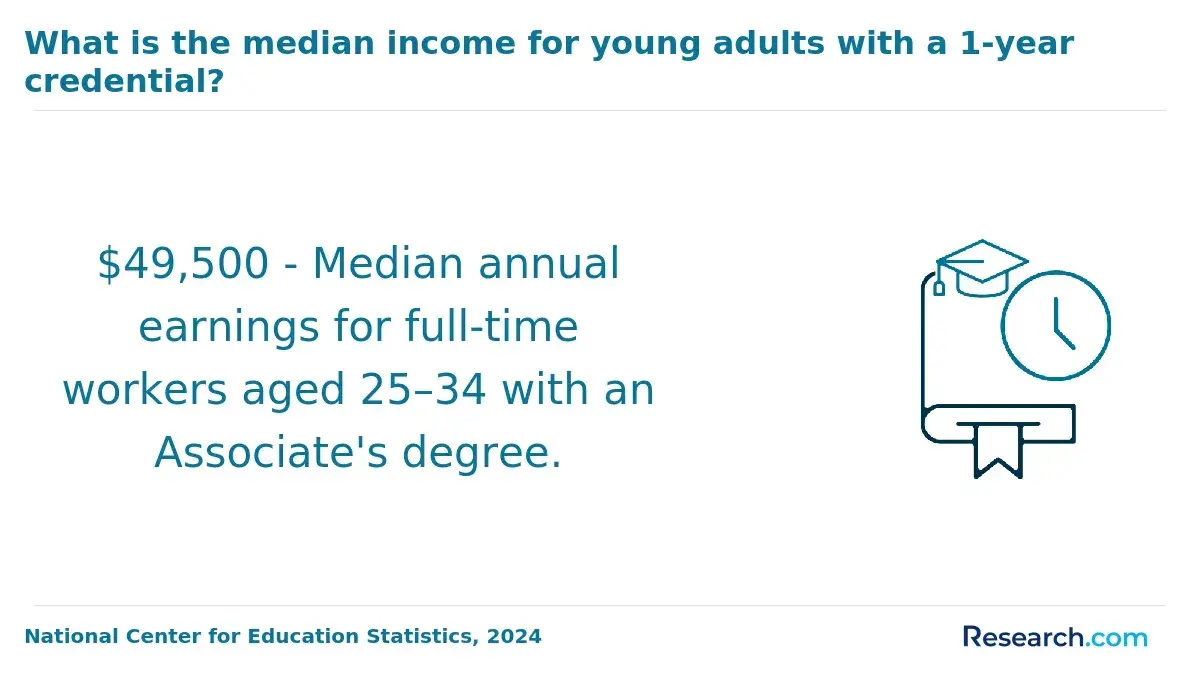
Evaluating tuition costs alongside salary growth offers a clearer understanding of a Game Design degree's financial viability than considering either figure alone. With average annual tuition running above $15,000 at public universities and often exceeding $35,000 at private institutions, total educational expenses can surpass $60,000 to $140,000 over four years, per 2024 National Center for Education Statistics data.
Early-career salaries for game design graduates, reported between $50,000 and $65,000 by the U.S. Bureau of Labor Statistics in 2024, often struggle to keep pace with rising tuition and inflation, stretching the time required to recoup educational investments. Mid-career salaries, which can reach $75,000 to $100,000, reflect experience accumulation but are affected by regional job markets and the rapid need for ongoing skills development, complicating straightforward ROI calculations.
Consider a student who attended a private institution with a tuition bill hitting $140,000 over four years. If this graduate starts in a role paying $55,000 annually, loan repayment coupled with living expenses and inflation adjustments may delay reaching a breakeven point on their education investment well beyond five years. Contrast this with a peer attending a public university at a quarter of the cost: the comparative wage growth might be similar, but the lower initial debt creates a more manageable financial trajectory.
Factors such as geographic location, employer type, and specialization within game design heavily influence how tuition expenditure aligns with salary gains, making it vital for prospective students to assess personal circumstances and local industry dynamics rather than relying on national averages alone.
One graduate, after finishing a bachelor's in game design at a private college, often reflects on how the steep tuition shaped their early career decisions. Initially eager to pursue a passionate but lower-paying indie developer path, they shifted focus to a more financially stable mid-size studio to ensure steady income for loan repayments.
While relieved to secure a comfortable salary above entry-level norms, they admit the prolonged debt load imposed a sense of urgency that shaped choices more than pure creative ambition might have otherwise. This experience highlights the nuanced trade-offs that arise when education costs grow faster than immediate earning power in a specialized field like game design.
Does a Game Design Degree Deliver a Positive Return on Investment?
Return on investment (ROI) in higher education goes beyond initial salaries, encompassing the total cost of completing a game design degree versus the evolving career opportunities and earning potential it unlocks. For example, a graduate paying $30,000 annually over four years at a private institution may face $120,000 in tuition alone.
Considering entry-level salaries around $50,000 to $60,000, those graduates might take seven to ten years to recover educational expenses, as indicated by data from the Georgetown University Center on Education and the Workforce. This timeline shifts based on variables such as geographic location, program prestige, and access to industry internships, which can accelerate skill development and salary growth.
Several dynamic factors influence whether pursuing a game design degree yields a positive ROI. Tuition escalation combined with inflation, currently between 4% to 5% annually, raises the upfront investment while the gaming industry's demand for specialized skills creates varied salary trajectories from $50,000 initially to potentially $90,000 or more mid-career.
However, the significant cost increase at private colleges versus public universities requires careful consideration, especially when weighing the potential debt burden. Ultimately, gaining relevant experience through internships and choosing programs with strong industry connections often determine whether graduates can capitalize on the expanding sectors of mobile gaming, virtual reality, and eSports.
Recognizing the nuanced relationship between cost and long-term benefit is critical for prospective students. The ROI for a game design degree is not guaranteed but conditional on personal circumstances, economic trends, and professional choices made post-graduation.
Those who strategically leverage their education with practical experience in high-growth niches stand a better chance of offsetting rising educational costs, whereas others may find the break-even point extended by lower starting salaries or limited networking opportunities.
Which Industries Offer the Highest Salaries for Game Design Graduates?
Salary outcomes for graduates in game design often hinge on the industries they enter, with some sectors consistently offering higher compensation due to specialized demands and competitive market conditions.
Data from authoritative sources like the U.S. Bureau of Labor Statistics and the International Game Developers Association highlight significant disparities correlated with industry focus, geographic location, and required technical expertise. While several paths exist, a pragmatic approach involves targeting sectors where innovation, scale, and demand intersect to maximize earning potential and career sustainability.
Below is an overview of the highest paying industries for game design graduates based on recent trends and salary data.
- Technology Sector: Tech companies engaged in software development for virtual reality, augmented reality, and interactive entertainment often lead in compensation. Game design graduates working here typically leverage advanced skills in 3D modeling, programming, and UI/UX optimization. The rapid innovation cycles and talent scarcity in this sector drive salaries above average compared to other fields.
- Entertainment and Media: Video game studios, animation firms, and digital arts companies pay premium salaries to those with expertise in user experience and storytelling. Senior designers in metropolitan hubs like Los Angeles and Seattle command some of the highest wages according to 2024 IGDA data, reflecting strong demand in creative, commercial game production.
- Finance and Simulation: Emerging uses of game design in financial simulations and training software create lucrative roles. Companies in these sectors value immersive interactive experiences for professional development and analytics, often requiring proficiency in complex system modeling and scenario creation.
- Augmented and Virtual Reality: Specialized AR/VR firms represent a growing niche known for competitive pay due to the technical complexity of their projects. Game design professionals involved must often master spatial computing and real-time rendering, skills that translate to higher salaries.
- Mobile Game Development: The booming mobile market rewards designers with innovative gameplay and monetization expertise. Given the scale and accessibility of mobile platforms, experience in cross-platform development and user retention strategies can lead to increased earnings.
- Educational Technology: Although often offering lower base salaries, this sector provides opportunities to apply game design toward interactive learning tools and serious games. While compensation is moderate, professionals here benefit from job stability and a sense of social impact.
- Nonprofit and Social Impact: Roles in nonprofits that utilize gamification for behavioral change or awareness campaigns tend to pay less but appeal for their mission-driven focus. Strong creative abilities and adaptability are valuable, yet salary growth is typically slower.
Prospective students should weigh industry-specific salary conditions against personal goals and consider how particular skills may enhance earnings. For those exploring educational paths, investigating programs aligned with top-paying sectors can optimize long-term returns.
For example, students interested in the construction or project management dimensions of digital interactive design might explore options such as an online construction project management degree to complement their game design expertise, thereby enhancing cross-disciplinary value and expanding career pathways.
Which States and Cities Offer the Highest Pay for Game Design Professionals?
The earning potential for game design professionals varies significantly by location due to regional industry presence, living costs, and local economic conditions. While high salaries in established markets may seem attractive, they often come with elevated expenses and competitive job markets.
Conversely, emerging hubs offer more balanced financial prospects but usually lower top-end wages. Considering both income and cost of living is crucial when deciding where to build a career after completing a game design degree.
Below are key states and metropolitan areas known for high compensation in game design roles, along with practical considerations for each.
- California: This state leads in average annual wages for game design, with earnings often surpassing $90,000. Major studios concentrated in Los Angeles and the San Francisco Bay Area fuel strong demand. However, high living expenses and housing costs may offset salary gains, requiring careful budget planning by graduates.
- Seattle, Washington: Renowned for its robust tech industry, Seattle offers competitive salaries that can rival those in California, driven by companies like Microsoft and Valve. While salaries are attractive, the city's rising housing market means cost-of-living considerations remain critical for new entrants.
- New York Metropolitan Area: The East Coast provides respectable compensation linked to a diverse range of entertainment and media companies. Though wages are generally lower than on the West Coast, a broader economy and cultural amenities may appeal to some candidates despite relatively high living costs.
- Austin, Texas: Emerging as a growing game development center, Austin offers a balance between salary (around $75,000) and a comparatively lower cost of living. This tradeoff can translate to greater disposable income, especially for recent graduates managing education debt.
- Denver, Colorado: The expanding tech ecosystem in Denver has begun to increase opportunities and pay for game designers. Moderate housing prices and quality of life make it an appealing option for those seeking career growth without extreme cost pressures.
- Boston, Massachusetts: Known for its strong education and technology sectors, Boston supports a smaller but competitive game design market. Earnings tend to reflect the city's high living expenses, so candidates should weigh benefits versus lifestyle costs carefully.
- Raleigh-Durham, North Carolina: This region is gaining traction with tech companies moving in and investing in creative industries. While wages are generally below top-tier markets, lower living costs mean financial stability can be achieved more quickly compared to coastal metros.
How Do Game Design Salaries Grow Throughout a Career?
Starting salaries for entry-level game designers generally fall between $50,000 and $65,000 annually, reflecting typical earnings for those with up to three years of experience, according to 2024 data from the U.S. Bureau of Labor Statistics and industry reports. As designers accumulate three to seven years of experience, salaries often jump to a range of $75,000 to $90,000, coinciding with a shift toward leadership or specialized roles.
By the time professionals reach senior level after seven or more years, earnings can reach between $100,000 and $130,000, with creative directors and lead designers in larger studios sometimes exceeding $140,000. This progression highlights how increased responsibilities, leadership roles, and the size and location of employers directly influence compensation growth.
Consider two graduates with identical Game Design degrees: one focuses on refining core design skills while another pursues supplementary project management and software engineering expertise. The former may plateau around mid-career salary ranges if remaining in purely creative roles, while the latter's broader skill set positions them for higher-paying leadership or cross-disciplinary opportunities.
Salary trajectories are not solely defined by years but are strongly influenced by continuous skill development, professional networking, and strategic career choices that align with industry demands, virtual reality, or mobile platform trends. Data from the Game Developers Conference State of the Industry suggests that these factors matter as much as formal qualifications when navigating long-term earning potential.
A graduate from a mid-sized studio reflected on how an early decision to pursue a project management certification alongside a Game Design degree significantly changed their outlook. Initially hesitant about shifting away from pure design, they soon felt pressure to stand out amid intense competition and rising tuition debt.
Within five years, this choice enabled them to move into senior roles commanding higher salaries and project oversight responsibilities, a transition they describe as "a crucial tipping point" between surviving on entry-level wages and achieving financial stability in a volatile industry.
How Do Game Design Salaries Compare With Similar Degrees?
Analyzing game design salaries reveals that graduates often face a nuanced earning landscape compared with related degree fields. Median starting salaries for game design typically range from $60,000 to $70,000, which places them below computer science but above traditional art degrees.
This gap reflects differing industry demands and technical skill requirements. For those assessing the return on investment amid rising tuition and inflation, understanding these differences is crucial.
Below is a comparison highlighting key salary distinctions and career pathways for game design graduates versus similar degrees.
- Computer Science: Computer science graduates often start with salaries between $75,000 and $85,000, driven by strong industry demand for software development and technical roles. The broader scope of application, including enterprise software, cloud services, and cybersecurity, generally leads to higher earnings than game design, which remains more niche and volatile.
- Art and Graphic Design: Art and graphic design degrees typically yield median starting salaries between $45,000 and $55,000. These fields share creative foundations with game design but generally offer fewer technical or programming roles, resulting in lower pay and slower salary growth. Game design sits advantageously above these degrees due to technical skills combined with creativity.
- Specialized Game Development Roles: Game designers who focus on advanced programming or technical aspects may see salary growth rivaling that of software engineers. Conversely, those concentrating on narrative, visual design, or less technical roles often experience more modest wage increases, underscoring the importance of specialization.
For prospective and current students evaluating these salary dynamics alongside other factors like career flexibility, opportunities in indie development, freelancing, or emerging fields such as virtual reality are also relevant. Balancing these realities is especially important for those exploring options at low GPA colleges or considering the broader context of game design salaries versus related degrees.
How Is Employer Demand Affecting Game Design Salary Trends?
Employer demand directly influences game design salary trends by shaping how competitive hiring environments become and how companies allocate compensation. For example, a mid-sized studio expanding into virtual reality may urgently seek game designers with VR expertise, intensifying competition and prompting wage increases for niche specializations.
This demand-driven competition incentivizes employers to offer better salaries to secure qualified candidates, reflecting a broader trend reported by the U.S. Bureau of Labor Statistics that game design roles have seen steady wage gains ahead of some other tech professions in 2024. However, such growth is uneven and heavily dependent on factors like experience, the complexity of required skills, and macroeconomic conditions affecting organizational budgets.
Significant drivers of employer demand in game design include emerging platforms such as mobile gaming, cloud-based technologies, and immersive experiences, all of which require fresh skill sets and innovative competencies. These demands contribute to selective wage growth, typically benefiting mid-career and highly specialized professionals more than entry-level hires. While strong employer demand supports positive salary trends in the US job market, rising tuition and living expenses often challenge whether financial returns justify the initial investment in education.
Prospective students and recent graduates should consider these dynamics alongside salary data from government and industry reports. For those exploring related fields, comparative insights such as a forensic science degree salary can offer additional perspective on how demand shapes compensation.
How Can Students Maximize Their Lifetime Earnings With a Game Design Degree?
Maximizing lifetime earnings with a game design degree requires deliberate focus on skill specialization, strategic role selection, and continuous professional growth. Recent data from the U.S. Bureau of Labor Statistics and leading industry reports highlight how expertise in areas like 3D modeling, AI integration, and user experience design correlates strongly with higher wages.
A practical scenario involves a graduate who combines technical mastery with project management skills in a major tech hub, leading to accelerated salary growth.
Below are key strategies grounded in the latest workforce analysis to help game design students optimize their financial outcomes.
- Technical Specialization: Developing advanced skills in high-demand fields such as artificial intelligence or virtual reality creates a competitive advantage, as employers value niche expertise that drives innovation and product quality.
- Strategic Industry Placement: Targeting employment in top-paying sectors like entertainment software publishing or AAA game studios leverages premium compensation offered in these markets, despite potentially higher living costs in tech hubs.
- Leadership Development: Gaining early experience in project management or team leadership boosts earning potential by positioning graduates for roles with increased responsibility and higher remuneration.
- Professional Networking: Active involvement in organizations and conferences like the Game Developers Conference facilitates connections with recruiters and access to exclusive job openings that often offer better salaries.
- Geographic Mobility: Willingness to relocate to cities such as San Francisco or Seattle where wages exceed national averages can significantly enhance lifetime earnings, provided candidates assess cost-of-living tradeoffs.
- Diversified Income Streams: Engaging in freelance projects, esports, or game monetization can supplement primary income and reduce financial risk throughout a career.
- Continuous Skill Upgrading: Regularly updating technical and soft skills in response to industry trends sustains employability and positions professionals for sustained salary growth over time.
References
- Career Path and Salary for Video Game Designers | ComputerScience.org https://www.computerscience.org/careers/video-game-designer/career-outlook-and-salary/
- The Video Game Designer Job Outlook | NEIT https://www.neit.edu/blog/video-game-designer-job-outlook
- Game Designer Salary Guide 2025 https://fastlanerecruit.com/blog/game-designer-salary/
- Does College Pay Off? A Comprehensive Return On Investment Analysis - FREOPP https://freopp.org/whitepapers/does-college-pay-off-a-comprehensive-return-on-investment-analysis/
- Game Design Jobs: Salary Expectations & Career Path Glossary https://www.nyfa.edu/student-resources/game-design-jobs-average-salary-career-path-glossary/
- Video Game Designer Salary and the Skills You Need to Maximize It https://www.dice.com/career-advice/video-game-designer-salary-and-the-skills-you-need-to-maximize-it
- For a Career in Gaming, are Game Design Degrees Worth It? https://www.gamedeveloper.com/design/for-a-career-in-gaming-are-game-design-degrees-worth-it-
Other Things You Should Know About Game Design Salary Trends
While deeper specialization in areas like level design, narrative development, or technical programming can command higher starting salaries in niche teams, a broad foundation remains crucial for adaptability over time. Graduates who invest too heavily in specialization risk slower income growth if industry demand shifts, whereas those with versatile portfolios can pivot roles more easily and maintain steady earning potential. Prioritizing a balanced education that combines both focused expertise and transferable skills often yields better long-term financial outcomes.
Additional certifications and robust portfolios can improve hiring chances but don't always lead to immediate salary increases, especially at entry-level positions. Employers in game design often value hands-on experience and creative problem-solving over certifications alone. Students must evaluate the opportunity cost of extra coursework versus gaining practical project experience, as the latter tends to have a stronger impact on early career earnings and job stability.
Programs featuring extensive industry partnerships often facilitate internships and job placements that can accelerate career entry, potentially shortening the time to reach competitive wages. However, higher tuition increases financial risk if employment outcomes are inconsistent or if the local job market is saturated. Prospective students should carefully assess the quality and relevance of these partnerships rather than assuming price guarantees salary returns, and prioritize programs offering measurable career support alongside manageable debt.
If tuition inflation significantly outpaces wage growth and the student lacks access to scholarships or part-time work, the financial burden may outweigh near-term earning prospects. In such cases, delaying enrollment until personal finances improve or exploring alternative learning routes like apprenticeships or online certifications can be more prudent. Prioritizing flexible, lower-cost education combined with real-world experience often results in better income-to-debt ratios for emerging game design professionals.