2027 Game Design ROI by Institution Type: Public vs Private vs Nonprofit Online Programs

Co-Founder and Chief Data Scientist
Imagine a prospective student weighing three online game design programs that look nearly identical in curriculum and flexibility. One is at a public institution charging moderate tuition but with a 60% graduation rate.
Another is a private school with tuition over twice as high, yet graduates carry 40% more debt on average, according to a 2024 study by the National Center for Education Statistics. The nonprofit option offers more student support but has fewer employer connections.
These differences significantly impact long-term financial strain and career prospects. This article analyzes ROI across public, private, and nonprofit online game design programs to guide cost-effective, outcome-driven decisions.
Key Things to Know About Game Design ROI by Institution Type
- Public institutions often offer lower tuition and reduce student debt exposure, but their longer average graduation timelines can delay workforce entry, affecting short-term ROI for working adults prioritizing timely credentials.
- Private schools typically have stronger industry ties and employer recognition in game design, enhancing career advancement potential; however, their higher costs require weighing immediate debt against longer-term earning trajectories.
- Nonprofit online programs balance flexibility and learner support, critical for adult learners, yet varying accreditation quality affects employer perception, emphasizing the need to verify program recognition to ensure investment payoff.
- Key Things to Know About Game Design ROI by Institution Type Key Things to Know About Game Design ROI by Institution Type
- What Does ROI Mean for a Game Design Program and How Is It Measured? Understanding Game Design Program ROI
- How Do Public, Private, and Nonprofit Online Game Design Programs Differ in Overall Value? Value by Institution Type
- How Do Tuition Costs Affect the ROI of a Game Design Program Across Institution Types? Tuition Costs and ROI
- How Do Graduation Rates Influence Game Design Program ROI? Graduation Rates Impact ROI
- What Role Do Career Outcomes Play in the ROI of a Game Design Degree? Career Outcomes and ROI
- How Does Student Debt Impact the Long-Term ROI of a Game Design Program? Debt vs. Long-Term ROI
- How Do Flexibility and Adult Learner Support Affect Game Design Program Value? Flexibility and Program Value
- How Do Accreditation and Institutional Reputation Influence Game Design ROI? Accreditation and Reputation
- How Does Time-to-Degree Affect the ROI of Public, Private, and Nonprofit Game Design Programs? Time-to-Degree
- How Can You Choose the Best Game Design Program Based on Your ROI Goals? Choosing Programs by ROI
What Does ROI Mean for a Game Design Program and How Is It Measured?
ROI for a game design program hinges on more than just tuition costs or projected salaries; it requires an integrated view of total educational expenses, student debt load, and time-to-degree completion, all of which directly influence career trajectory and financial burden.
For example, attending a public institution with lower tuition but a longer average completion time can inflate opportunity costs, whereas a nonprofit online program might offer accelerated pacing and stronger learner supports, yielding better retention and a 6-year completion rate near 58%, as noted in a 2024 study by the National Center for Education Statistics.
These metrics emphasize that decision-making around game design program ROI must weigh institutional effectiveness and graduation likelihood alongside sticker prices to avoid costly delays and maximize long-term value.
Measuring ROI in online game design education also entails accounting for qualitative factors that affect employability and career progression, such as curriculum relevance, faculty expertise, and access to industry networks or internships. A lower-cost private for-profit program, for instance, may offer flexible course schedules but often reports lower completion rates and less alignment with evolving industry demands, which can diminish post-graduate outcomes and extend debt payoff timelines.
Students with differing goals, from career changers to transfer students, must carefully evaluate how institutional support services and accreditation influence both immediate affordability and sustainable career benefits. Some students might even consider options like specialized online accelerated pathways similar to certain PhD programs online, which reflect tradeoffs between study duration and financial exposure in a broader educational context.
How Do Public, Private, and Nonprofit Online Game Design Programs Differ in Overall Value?
Public, private, and nonprofit online game design programs differ substantially in how they balance cost, educational quality, and career outcomes, impacting real-world returns on investment. Public institutions usually deliver the most affordable tuition and lower average student debt, around 30% less than private peers according to 2024 NCES data, largely due to state subsidies and standardized oversight that maintain consistent quality.
However, while private programs often promise expedited paths with smaller class sizes and personalized support, their higher tuition frequently increases financial burden without guaranteed employer preference, as industry recruiters tend to weigh program reputation and transparency over sector. Nonprofit online options typically offer flexible formats suitable for working adults, with a focus on competency and practical internships that can enhance employability, though affordability and outcomes can vary widely depending on the institution's network and mission alignment.
For students navigating choices, the decision hinges on nuanced tradeoffs between upfront cost, expected debt, institutional support, and how employers value the credential in a competitive job market. Those prioritizing minimal debt and broad acceptability might lean toward public programs, while learners seeking accelerated completion and intensive mentoring must weigh whether additional expense justifies potential advantages.
Career changers especially benefit from nonprofit programs that integrate experiential learning and flexible schedules, aligning with evolving workforce demands yet requiring careful vetting of program rigor and placement success. Ultimately, the decision requires balancing immediate financial realities with long-term career trajectories rather than assuming any one institutional type uniformly maximizes value.
One prospective graduate recalled hesitating between a highly ranked private online program with expensive tuition and limited financial aid, and a more affordable public university offering robust career services. Concerned about accumulating debt yet wary of compromising professional credibility, the student conducted detailed comparisons including graduation rates, employer reviews, and accreditation status.
Finding a nonprofit online program that combined reasonable cost, flexible pacing, and project-based assessments helped resolve the dilemma, providing a clearer path that aligned with personal financial limits and career goals without overpaying for prestige. This nuanced evaluation underscored how individualized priorities and contextual research shape practical educational investments in game design.
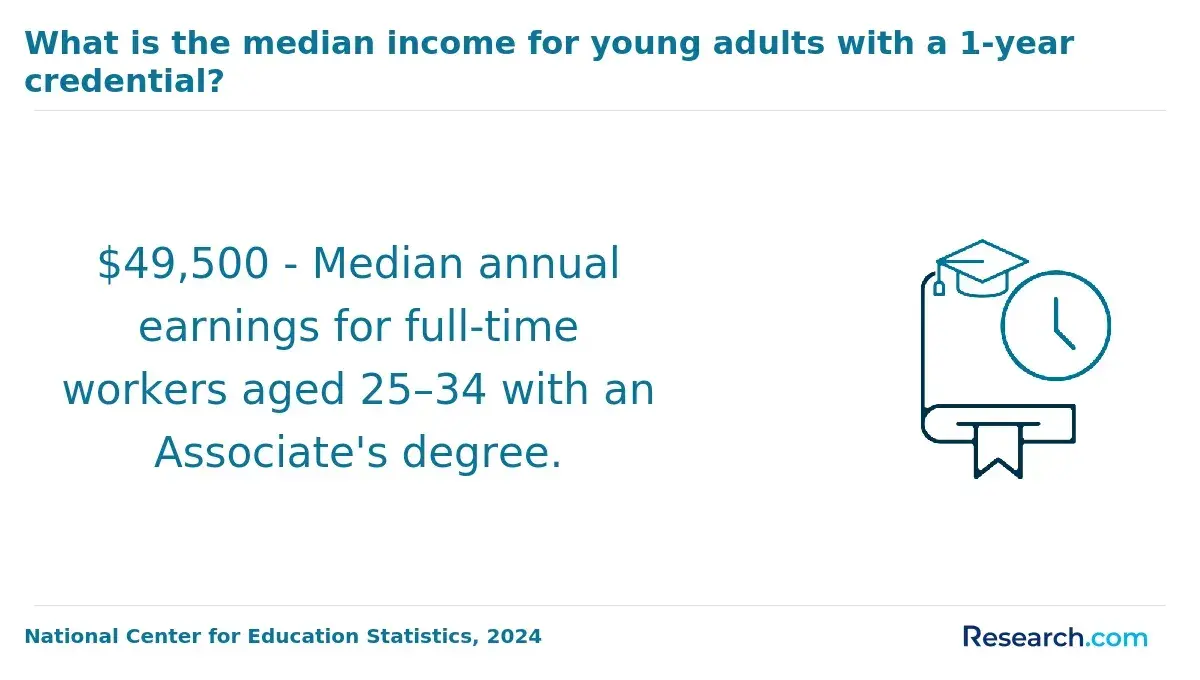
How Do Tuition Costs Affect the ROI of a Game Design Program Across Institution Types?
Tuition costs significantly influence the return on investment in game design programs, yet lower prices do not inherently guarantee better value. Public institutions typically offer annual online tuition between $7,000 and $15,000, easing upfront financial strain and reducing debt loads, which can improve ROI, especially when combined with state financial aid.
However, these savings may come with tradeoffs in terms of fewer career resources or weaker industry connections, which can impact job placement and starting salaries. A student pursuing rapid employment in a competitive market must weigh these factors alongside costs, recognizing that the cheapest path may delay earning potential if support and networking are limited.
Private online game design programs often have tuition exceeding $20,000 per year and demand greater borrowing. According to a 2024 report from the National Center for Education Statistics, graduates from private nonprofit schools carry around 30% more debt than those from public institutions. This steep debt requires proportionally higher post-graduate income to justify the expense, which not all students achieve, particularly those changing careers or with limited professional networks.
Nonprofit programs frequently occupy a middle ground, with moderate tuition and enhanced student support that can accelerate completion and reduce indirect costs from prolonged enrollment. Ultimately, the decision hinges on individual goals, debt tolerance, and how effectively a program's outcomes align with career aspirations rather than price alone.
How Do Graduation Rates Influence Game Design Program ROI?
Graduation rates fundamentally shape the return on investment for online game design programs by reflecting practical completion timelines and institutional capacity to support students. Public institutions often report rates between 40% and 60% within six years, partially due to larger, more diverse student bodies balancing work and study, which can extend time-to-degree and increase overall education costs.
In contrast, private and nonprofit programs tend to show higher completion figures, sometimes exceeding 70%, benefiting from more personalized academic support and cohort stability; however, higher tuition and different student demographics complicate direct ROI comparisons across these sectors.
Students facing persistence challenges must weigh whether quicker graduation at a nonprofit institution offsets potentially higher debt versus longer enrollment but lower direct costs at public schools, especially since many employers prioritize portfolios and demonstrated skills over institutional prestige.
While graduation rates serve as a useful proxy for institutional effectiveness, they do not capture critical nuances such as part-time enrollment, transfer policies, or adult learner flexibility, all of which influence outcomes for working professionals pursuing online game design degrees. The National Center for Education Statistics' 2024 data highlight how timely degree completion can reduce debt burdens and accelerate workforce entry, crucial for maximizing career earnings and minimizing financial strain.
Prospective students should consider these statistics alongside affordability and support services, evaluating programs holistically. For those exploring advanced educational pathways, comparing investment value also includes understanding options like leadership doctoral programs that integrate with career goals beyond initial graduation rates.
What Role Do Career Outcomes Play in the ROI of a Game Design Degree?
Career outcomes fundamentally shape the ROI of online game design degrees, with varying implications depending on the institution type. Public programs often deliver broader access and affordability, aligning well with regional industry hubs that can facilitate quicker job placement, typically around 75% within the first year according to the National Center for Education Statistics (2024).
In contrast, private institutions may offer more specialized career services and networking opportunities that enhance employability in competitive markets but usually demand higher tuition, increasing debt and raising the stakes on post-graduate employment success. Nonprofit programs frequently balance flexibility and practical experience, benefiting those who need adaptable schedules without sacrificing real-world skill application, which can improve long-term career mobility especially for mid-career changers.
Employment outcomes interact heavily with tuition costs, time-to-degree, and industry relevance, making these metrics essential in evaluating educational value beyond sticker price. Employers now prioritize demonstrable skills, portfolio strength, and practical experience over degree prestige, as highlighted by Brookings Institution data from 2024.
This shifts the ROI calculus toward programs that integrate internship and project-based learning, crucial for sustaining career adaptability in a shifting job market. Cost-conscious learners must weigh if higher fees at private schools translate into meaningful job advantages or if a public or nonprofit option might provide a more sustainable career trajectory when factoring in debt and evolving industry demands.
An online game design graduate recalled weighing program choices with a cautious eye on measurable career outcomes, uncertain if the degree's cost justified the effort. After completing a nonprofit program, this individual noted the degree had modest but tangible impact.
It facilitated a move into a lead design role within the company and prompted employer recognition that wasn't apparent before, even though the salary uplift was gradual. This experience underscored how career outcomes often unfold over years, not instantly, blending networking benefits, skill utilization, and incremental internal promotions into a nuanced ROI picture beyond simple financial returns.
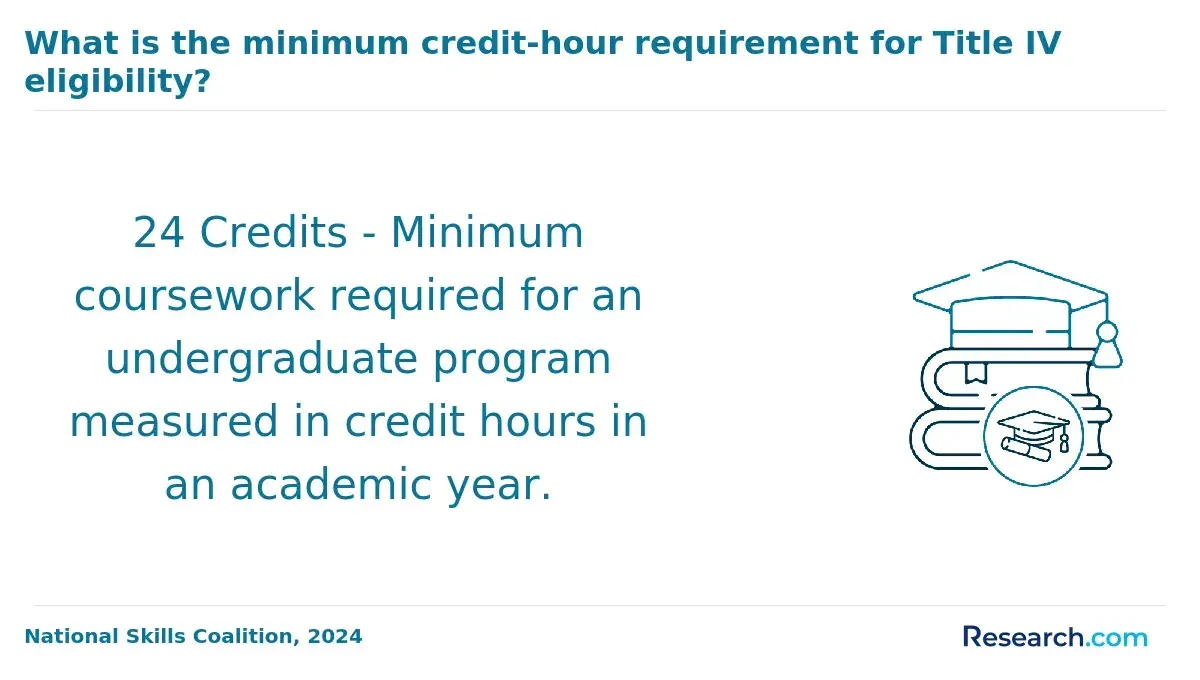
How Does Student Debt Impact the Long-Term ROI of a Game Design Program?
Debt levels critically shape the long-term financial return for graduates of game design programs, with high borrowing often constraining early career choices and delaying wealth accumulation. For instance, graduates from private online institutions, who typically incur student debt around $35,000, face a measurable risk of repayment delays or default, especially when early earnings do not keep pace with these obligations.
This dynamic underscores how student debt effects on game design program ROI extend beyond simple tuition costs, reflecting completion rates, access to aid, and career placement outcomes that differ markedly between public, private, and nonprofit schools.
Public online programs generally offer a more advantageous debt-to-earnings balance due to lower tuition and broader federal aid eligibility, often resulting in lower default rates and improved debt management over time. Nonprofit programs, positioned between public and private in cost, may enhance long-term financial impact of game design student loans through targeted scholarships and stronger employment networks that support timely repayment and career advancement.
Prospective students should integrate these factors alongside tuition and completion statistics, evaluating debt burdens against realistic earning trajectories and educational quality to make informed decisions about program affordability and lasting value. For those prioritizing cost-efficiency in graduate studies, resources outlining the most affordable MBA programs can provide useful comparative context beyond the game design domain.
How Do Flexibility and Adult Learner Support Affect Game Design Program Value?
Programs offering asynchronous coursework and flexible scheduling significantly impact working adults' ability to persist and complete game design degrees without sacrificing income or family time. Public institutions often provide broader access to such flexible options and lower tuition, which can reduce upfront costs but may lack tailored academic advising and career services critical for navigating the competitive game design labor market.
Conversely, private programs frequently offer smaller classes with more synchronous engagement, enhancing real-time faculty feedback but at a higher price point that may not justify the investment for cost-conscious students juggling other financial obligations.
Nonprofit online game design programs tend to strike a balance by delivering targeted support services like transfer credit evaluation, military accommodations, and personalized career advising, which have been correlated with a 20% higher retention rate according to the 2024 Adult Learner Success Index.
These services can accelerate degree completion and reduce opportunity costs, directly influencing long-term earning potential and debt burden. However, nonprofit offerings may have fewer degree specializations, requiring students to weigh program fit against support infrastructure when assessing overall ROI and subsequent employability within the evolving game development sector.
How Do Accreditation and Institutional Reputation Influence Game Design ROI?
Accreditation and institutional reputation directly shape the return on investment for students pursuing game design degrees by influencing credit transferability, employer recognition, and access to graduate programs.
For instance, graduates from regionally accredited institutions report 15-25% higher median earnings five years post-graduation according to the U.S. Department of Education's 2024 College Scorecard. This statistical advantage often reflects employers' preference for candidates whose education meets rigorous standards, making accreditation a practical filter in hiring decisions.
However, institutional reputation also plays a nuanced role, with private institutions sometimes commanding higher upfront tuition due to brand prestige, which may not always translate into proportional salary gains when weighed against potential debt burdens.
The tradeoffs between public, private, and nonprofit online programs reveal how reputation and accreditation interact with cost and outcomes. Public institutions often provide more affordable tuition and strong local industry connections, but may vary widely in student support and program maturity, impacting job placement and career growth.
Nonprofit online programs tend to balance cost containment with quality assurance through strict accreditation processes, catering to cost-conscious adults and transfer students seeking flexibility without sacrificing recognition. Ultimately, ROI depends on aligning these factors, including accreditation status, institutional credibility, tuition cost, and support services, with realistic labor market expectations and individual career goals.
How Does Time-to-Degree Affect the ROI of Public, Private, and Nonprofit Game Design Programs?
Time-to-degree directly impacts financial exposure and career progression in public, private, and nonprofit game design programs. For example, a student in a private nonprofit may face higher tuition over a shorter average completion time of 4.8 years, increasing immediate costs but potentially speeding workforce entry. Meanwhile, longer durations at public institutions, averaging about 5.5 years, raise opportunity costs through foregone earnings but might allow for better work-study balance.
In nonprofit online programs with flexible pacing, the 6-year average can benefit part-time or working adult learners, yet risks increasing debt accumulation if prolonging study unnecessarily. These variations shape a student's practical return on investment by affecting debt levels and time spent out of the workforce, critical factors for cost-conscious adult learners.
Transfer credit policies and accelerated pathways further complicate ROI calculations. Private nonprofits often allow more generous credit transfers and faster tracks, reducing time-to-degree and aligning better with career timelines, especially for transfer students and career changers.
However, this must be weighed against higher attrition rates in less-structured nonprofit online programs where extended timelines may reflect difficulty in maintaining momentum. Graduation rates differ notably, influencing the average graduation duration and financial return in game design, since incomplete programs increase debt without credential value. Students should consider how flexibility and program pacing affect completion likelihood alongside financial trade-offs.
Adult learners balancing family and work commitments must carefully assess how time-to-degree impacts both costs and practical career advancement. Pursuing easy certifications to get online might supplement or reduce time spent in degree programs, offering alternative ROI pathways.
Ultimately, decision-making should reflect not just speed but educational depth, completion rates, and the ability to integrate study with ongoing employment. This nuanced approach better reflects real-world workforce expectations and the complex dynamics between program length, student circumstances, and long-term value.
How Can You Choose the Best Game Design Program Based on Your ROI Goals?
The highest return on investment when selecting an online game design program hinges less on public, private, or nonprofit status and more on how well the program aligns with a student's specific financial situation, career goals, and personal obligations. Public programs often offer lower costs and more financial aid, reducing debt burden, which is critical for those balancing family or employment.
However, private programs may deliver stronger learner support and higher graduation rates, factors that can accelerate time-to-degree and improve early career earnings despite their higher sticker prices. Understanding these dynamics is essential for students comparing ROI of public private and nonprofit game design programs online.
For working adults or career changers, program flexibility and accreditation carry significant weight because asynchronous courses can minimize lost income opportunities, while institutional reputation affects employer perceptions and starting salaries. Graduates from accredited private and nonprofit programs report about 15% higher starting salaries, but this advantage might be offset by increased debt loads and longer completion times if scheduling challenges arise.
Those weighing their options should also examine graduation and placement rates alongside total cost of attendance, rather than relying solely on tuition fees or generalized rankings. In some cases, exploring alternatives like an accelerated cyber security degree might offer faster pathways to income while maintaining relevant technical skills.
Ultimately, choosing the best game design program based on your ROI goals requires balancing immediate expenses, expected debt, and realistic time-to-degree estimates against post-graduation earnings potential and career advancement prospects.
Students with demanding schedules or financial constraints may prioritize public institutions with flexible formats, while those valuing institutional prestige and robust learner resources might lean toward private or nonprofit options despite higher costs. The decision must reflect nuanced tradeoffs sensitive to each learner's unique context rather than broad assumptions about institutional type alone.
References
- Does College Pay Off? A Comprehensive Return On Investment Analysis - FREOPP https://freopp.org/whitepapers/does-college-pay-off-a-comprehensive-return-on-investment-analysis/
- The ROI of Accreditation: Why It Matters More Than Ever https://www.kramah.com/the-roi-of-accreditation-why-it-matters-more-than-ever/
- What is ROI and How to Measure It in Software Development Outsourcing? - Ambitious Solutions https://ambitioussolutions.mk/blog/what-is-roi-and-how-to-measure-it/
- The Long-Term Effects of Student Loans | ACE Blog https://ace.edu/blog/the-long-term-effects-of-student-loans/
- The Rookies - Global School Rankings 2024 - Game Design & Development https://www.therookies.co/schools/rankings/2024/game-design-and-development
- What Can You Do with a Games Design Degree? https://www.lcca.ac.uk/blog/gaming/what-can-you-do-with-a-games-design-degree/
- The Economics of Accreditation: Costs, Benefits, ROI - Course Accreditation https://course-accreditation.com/blog/the-economics-of-accreditation-costs-benefits-roi/
Other Things You Should Know About Game Design ROI by Institution Type
Employers tend to value specific skills and portfolio quality over the institution type. However, graduates of private online programs often face higher expectations regarding technical proficiency and innovation due to the typically more intensive curricula. Public programs may offer broader access but sometimes less specialized training, which can affect readiness for niche industry roles. Nonprofit programs often strike a balance but may lag behind in cutting-edge tools, so candidates from those schools should compensate with strong practical projects.
Private online programs generally provide smaller cohorts with more personalized mentorship, which can improve conceptual mastery but may come with heavier workloads. Public programs often feature larger, more standardized courses, which can limit hands-on support but offer greater flexibility for working students. Nonprofit programs vary widely, with some emphasizing community engagement and collaborative projects, appealing to students who prioritize networking and real-world teamwork. Choosing a structure should depend on whether students need guidance intensity or flexible pacing.
Yes, private online institutions frequently emphasize portfolio development through project-based learning, which aligns closely with employer expectations in game design. Public online programs may provide fewer guided projects or capstones, potentially requiring students to seek experience independently. Nonprofit programs may offer partnerships or internships but not always on a broad scale. For students prioritizing practical skillbuilding and job-readiness, private programs can deliver faster returns despite often higher costs and workload demands.
Transfer students benefit from public programs due to credit transfer policies and generally lower tuition, enabling cost-effective progression without repeating content. Career changers aiming to switch rapidly into advanced roles may find private online programs more efficient because of concentrated curricula with industry-aligned semesters. Nonprofit options can serve as a middle ground but vary widely. Prioritizing program recognition among employers and alignment with career goals is critical when deciding the institution type.