2027 Game Design Degree Completion Rates by Format: Online, Hybrid, and Campus Programs Compared

Co-Founder and Chief Data Scientist
Choosing the best format to complete a game design degree can be a complex decision for many students. One might weigh the flexibility of online courses against the immersive experience of campus programs or the blended approach of hybrid learning. Each format presents unique challenges, such as balancing work and study or accessing hands-on resources. These factors can directly influence whether a student successfully finishes their degree.
Completion rates often differ between online, hybrid, and campus game design programs, reflecting variations in student engagement, support systems, and learning environments. Understanding these differences is critical for making an informed choice that aligns with both educational ambitions and career outcomes. This article examines how each format compares in terms of completion rates, explores key determinants of student success, and offers guidance on selecting the format best suited to sustained achievement in game design education.
Key Things to Know About Game Design Degree Completion Rates by Format
- Online game design programs show a 15% lower completion rate compared to campus formats, reflecting challenges in student engagement and self-discipline that can delay skill mastery and career entry.
- Hybrid formats often yield completion rates nearly matching in-person programs by balancing flexible online theory with hands-on campus labs, crucial for portfolio development and practical proficiency.
- A 2024 study highlights resource accessibility as key: campus students benefit from direct mentorship and networking, increasing persistence and industry readiness more effectively than purely virtual cohorts.
- Key Things to Know About Game Design Degree Completion Rates by Format Key Things to Know About Game Design Degree Completion Rates by Format
- How Do Completion Rates Compare Across Online, Hybrid, and Campus Game Design Programs? Completion Rate Comparison
- What Factors Have the Greatest Impact on Game Design Degree Completion? Degree Completion Factors
- Which Game Design Degree Format Is Hardest to Complete? Completion Difficulty
- How Does Each Game Design Learning Format Affect Student Success? How Does Each Game Design Learning Format Affect Student Success?
- How Does Enrollment Status Affect Game Design Completion Rates? How Does Enrollment Status Affect Game Design Completion Rates?
- Can Transfer Credits Improve Game Design Degree Completion? Transfer Credits
- What Student Support Services Improve Game Design Completion Rates? Student Support Services
- How Do Game Design Completion Rates Affect Career Outcomes? Impact on Career Outcomes
- How Should Students Choose the Best Game Design Learning Format? Choosing the Best Format
- What Are the Long-Term Pros and Cons of Each Game Design Learning Format? Learning Format Pros & Cons
How Do Completion Rates Compare Across Online, Hybrid, and Campus Game Design Programs?
Completion rates in game design degree programs, whether online, hybrid, or campus-based, often reflect the diverse profiles and circumstances of enrolled students rather than an absolute measure of program quality. For example, students in campus environments usually have fewer outside responsibilities and access to more direct faculty engagement, which correlates with higher completion rates. In contrast, online formats attract learners balancing jobs and family, influencing their persistence. This makes interpreting game design degree completion rates by format more nuanced, highlighting the importance of student context over institutional prestige.
Prospective students can use comparisons of online hybrid campus game design graduation rates as one factor in selecting a program that aligns with their lifestyle and ambitions. Those with constrained schedules but strong self-motivation might thrive in online programs, while others may benefit from the structured environment of campus or hybrid models. It's essential to weigh completion data alongside personal study habits, resources, and career objectives to optimize outcomes. For tailored guidance on flexible credential options with promising returns, consider exploring the best online certificate programs that complement degree pathways in the field.
What Factors Have the Greatest Impact on Game Design Degree Completion?
Degree completion in game design programs hinges on a dynamic interplay of personal attributes, academic preparation, and the nature of program delivery rather than motivation alone. Prospective students often underestimate how factors such as timely academic support and learning environment cohesion can critically impact their persistence. Consider a working parent enrolled in a hybrid game design program who juggles family and work obligations while needing structured guidance to sustain progress. Such real-world complexities highlight why success is rarely the product of a single influence. The following identifies key factors that most consistently affect degree completion outcomes.
- Academic Preparedness and Early Performance: Students who enter with strong foundational skills and demonstrate early success set a positive momentum that correlates with persistence. According to the Lumina Foundation, early academic achievement is among the strongest predictors of eventual graduation, especially in disciplines like game design that demand both creative and technical competencies. Building competencies through preparatory courses or boot camps can improve retention chances.
- Engagement with Learning Support Services: Access to tutoring, mentoring, and career advising significantly enhances student persistence by providing timely assistance and professional guidance. This factor heavily influences non-traditional and online learners who lack immediate peer networks. Active use of institutional resources fosters a support system crucial to overcoming challenges intrinsic to demanding curricula.
- Program Format Flexibility Combined with Structure: Hybrid programs that balance asynchronous flexibility with synchronous interpersonal interactions tend to yield better completion rates than fully online formats. This structure supports learners needing scheduling freedom while preserving accountability and engagement. Students who optimize this balance by maintaining regular contact with instructors and peers improve their ability to navigate the program successfully.
- Self-Regulation and Time Management Skills: Across delivery methods, students who effectively manage their study time and project deadlines are more likely to persist. Game design assignments often involve iterative creative work alongside technical development, requiring discipline and planning. Those who cultivate goal-setting and routine study habits mitigate risks of attrition, particularly in online settings prone to isolation.
- Integration within a Learning Community: A supportive community-whether virtual or campus-based-enhances motivation and resource sharing. Research highlights that online students who participate in active virtual communities experience completion rates closer to traditional program students. Engaging in forums, peer review, and group projects cultivates a sense of belonging and mutual accountability.
- Personal Life Circumstances and External Commitments: Factors such as employment status, family responsibilities, and commuting logistics directly affect students' capacity to sustain study. For example, working adults often benefit from programs accommodating their schedules and offering asynchronous elements without sacrificing guidance. Realistic assessments of these factors should guide format choice to avoid undue attrition pressures.
- Clear Learning Pathways and Milestones: Programs that delineate straightforward progression routes with defined milestones help students monitor progress and stay motivated. The National Student Clearinghouse emphasizes that structured milestones combined with regular faculty interaction can narrow the completion gap between on-campus and online degree formats, supporting sustained persistence through complex projects common in game design.
Which Game Design Degree Format Is Hardest to Complete?
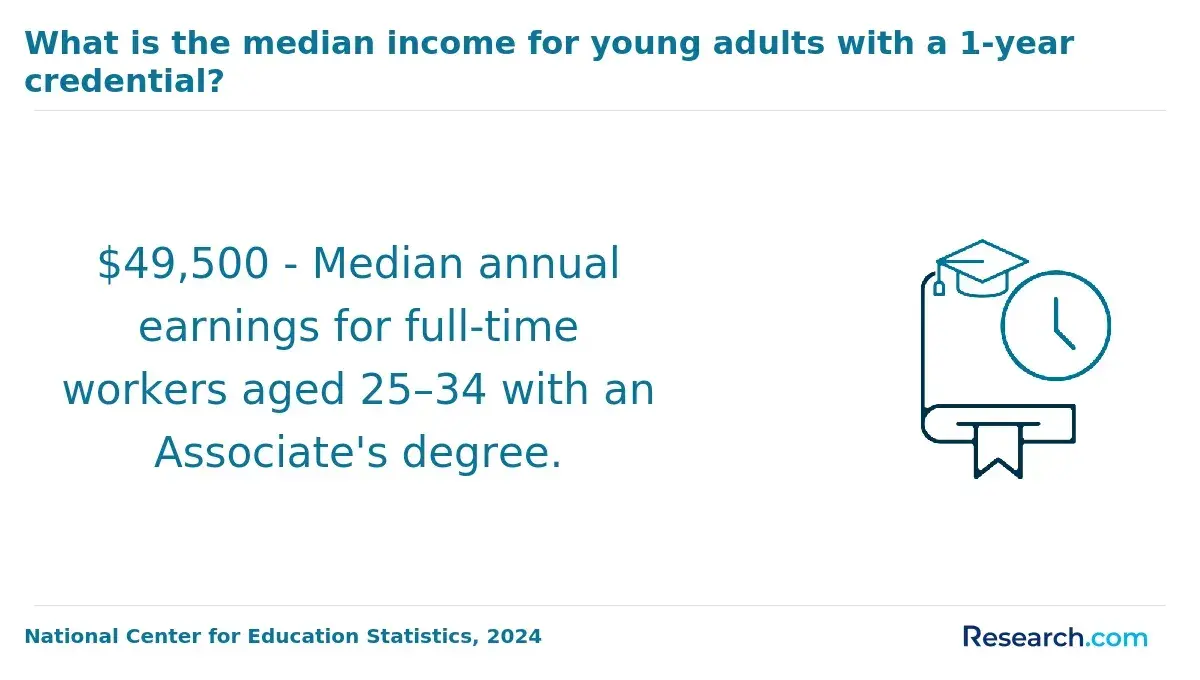
Completion rates for game design degrees differ notably across delivery methods, with fully online programs generally showing the lowest persistence, often between 40% and 55%, based on recent 2024 data from the National Center for Education Statistics. This gap largely stems from the challenges online students face, such as limited face-to-face faculty interaction and fewer collaborative learning opportunities, which are critical in a field requiring both theoretical knowledge and hands-on skills. Hybrid formats, combining in-person classes with online components, typically result in better outcomes, with completion rates climbing to 60%-70%, offering a balance of flexibility and structured support. Campus-based programs generally report completion rates above 70%, benefiting from immersive environments, real-time peer engagement, and ready access to specialized resources, though they often demand greater time and relocation commitments that can deter some students.
Choosing a format requires weighing these factors against personal circumstances. For a student juggling a full-time job and family responsibilities, the self-directed nature of an online program might present a steep persistence barrier despite its convenience, while a hybrid model could mitigate some isolation without the rigidity of campus attendance. Conversely, those seeking a deeply interactive education and the networking advantages of campus life might find on-site programs more conducive to success despite logistical challenges. The variation in completion rates signals that no single mode universally suits all learners; context and support structures play crucial roles in persistence and ultimate graduation.
A recent graduate recalled struggling to stay motivated during their fully online game design program while working evenings in retail. They described feeling disconnected from instructors and peers, which made keeping up with complex technical projects difficult. Midway, they seriously considered switching to a local hybrid program but were constrained by commute times and family needs. Ultimately, they completed the online degree but noted the experience required intense self-discipline and frequent sacrifices, underscoring how format choice can shape both workload and emotional resilience in program completion.
How Does Each Game Design Learning Format Affect Student Success?
Student success in a game design degree depends more on the fit between the learning format and individual needs than on the format itself. Factors like personal learning style, time availability, and outside commitments often dictate whether a student thrives or struggles. For example, a student with significant work or family responsibilities might find the flexibility of online courses accommodating, but could face challenges staying engaged without in-person interactions. On the other hand, those who benefit from structured environments and peer collaboration may perform better in campus-based settings. The following points outline how different learning formats influence degree completion and practical outcomes in game design programs.
- Engagement through direct interaction: Traditional campus programs typically offer higher completion rates, driven by face-to-face collaboration with instructors and peers. This dynamic supports hands-on learning crucial to creative fields like game design, where studio time and real-time feedback accelerate skill development.
- Flexibility balanced with accountability: Hybrid formats blend online convenience with some in-person sessions, appealing to students needing adaptable schedules without losing all direct contact. Success here depends on effectively managing both components, as active engagement in hybrid models often leads to better retention than fully online options.
- Self-motivation and discipline demands: Fully online programs require greater self-direction and reliable technology access. Students who excel independently can leverage these programs to complete degrees, but many face higher attrition rates due to limited immediate support and fewer opportunities for spontaneous collaboration.
- Access to tailored academic resources: Campuses provide students with easier access to mentoring, tutoring, and networking, which are especially beneficial in specialized programs like game design. Online learners may need to seek out virtual alternatives proactively, influencing their likelihood of successfully finishing the program.
- Impact of structured scheduling: Fixed class times and on-campus commitments help cultivate consistent study habits and reduce procrastination. These structures tend to promote persistence, a key factor in overcoming difficulties common in rigorous creative degrees.
- Real-world collaboration experience: In-person formats foster teamwork skills and dynamic problem-solving through immediate feedback loops, mirroring industry environments. While virtual collaboration tools are advancing, many students still regard physical presence as more effective for developing professional competencies.
How Does Enrollment Status Affect Game Design Completion Rates?
Enrollment status is one of the most important factors in determining degree completion rates in game design programs, yet its impact is shaped more by individual circumstances than course load alone. Whether a student chooses full-time or part-time enrollment influences how they balance academic demands with personal and professional responsibilities. Understanding these dynamics helps prospective students select an enrollment pace that aligns with their capacity for sustained engagement, which is crucial for navigating the rigorous project-based curriculum typical in this field. Below are the primary ways enrollment status affects game design degree completion.
- Structured Immersion Drives Momentum: Full-time students benefit from a concentrated and immersive educational environment that fosters daily engagement with coursework, faculty, and peers. This continuity helps maintain progress through complex game design concepts, reflected in data from the National Center for Education Statistics showing full-time campus students complete at rates about 20 percentage points higher than part-timers.
- Competing Demands Challenge Part-Time Students: Part-time enrollees, especially in online formats, often juggle work, family, or other commitments. These responsibilities contribute to longer time-to-degree and higher dropout risk unless students implement strong time management and support systems tailored to their unique pressures.
- Modulated Support in Hybrid Formats: Hybrid programs provide a balance, where full-time students access structured in-person learning alongside online flexibility. Part-time hybrid learners achieve better completion outcomes than purely online peers by leveraging some physical engagement, which enhances retention and social connection.
- Self-Discipline Becomes Critical for Part-Time Persistence: Part-time paths accommodate flexibility but depend heavily on students' motivation, organization, and access to resources. Without these, persistence hampers degree completion-highlighting the need for realistic self-assessment before selecting part-time status.
- Timely Entry Into Industry: Delays in completion common among part-time students can postpone entry into the game design workforce, limiting early career momentum. Full-time enrollment typically correlates with more predictable graduation timelines, facilitating sooner accumulation of relevant industry experience.
- Format-Specific Completion Variances: Online full-time students complete their degrees at rates approximately 10-15% higher than their part-time counterparts, per the Online Learning Consortium. This narrower gap compared to campus programs suggests online flexibility partially mitigates challenges but does not fully replicate in-person support.
- Program Choice Influences Enrollment Impact: Prospective students should consider how their enrollment status interacts with program format and personal circumstances. For example, those seeking flexibility might explore a UX degree online as a parallel option, where flexible pacing and completion dynamics vary distinctly from traditional game design curricula.
Can Transfer Credits Improve Game Design Degree Completion?
Transfer credits can meaningfully influence how quickly students complete game design degrees, but their impact varies depending on multiple factors. According to a 2024 report from the National Student Clearinghouse Research Center, students who enter programs with transfer credits show about a 12% higher graduation rate than those starting from scratch. This advantage often stems from reduced redundant coursework, allowing students to bypass foundational requirements and focus on more specialized game design topics.
For example, a student with previous college classes or industry certifications may avoid retaking general education or introductory design courses. This can streamline their path, especially in programs with flexible transfer policies such as many online or hybrid options. Conversely, campus programs with more rigid curricula may accept fewer credits, limiting time savings. In scenarios where credits do not closely match program competencies, students might still face the full course load or risk knowledge gaps that complicate timely progression.
Not all transfer credits guarantee faster completion. The actual benefit depends heavily on how well transferred courses align with a program's requirements and whether institutions recognize credits from the student's prior learning-be it community college classes, military education, or professional training. A student with substantial prior credits might see accelerated progress if those credits satisfy core competencies, but another with unrelated or lower-level credits could find limited value.
Prospective students should rigorously assess transfer credit potential by reviewing detailed program requirements and seeking an official credit evaluation before enrollment. Comparing the number of remaining required credits against their planned enrollment pace will clarify if transfer credits will meaningfully shorten their time to degree. Ultimately, while transfer credits often improve graduation likelihood, they represent only one of several critical factors affecting degree completion in game design programs.
What Student Support Services Improve Game Design Completion Rates?
Completion rates in game design programs are strongly influenced by the quality and type of student support services available, especially as delivery formats differ in how they engage learners. Online students often struggle with self-motivation and require adaptive, proactive support to stay on track, while campus students benefit from immersive, direct interaction. Hybrid learners need a seamless integration of both approaches to bridge challenges unique to each mode. Below are key support services that research links to improved persistence and graduation outcomes.
- Personalized Academic Advising: Tailored guidance that anticipates individual student needs helps maintain focus and course selection alignment. Students with regular access to advisors who proactively check progress see noticeably higher retention, according to the National Student Clearinghouse Research Center (2024), which noted a 15% increase in completion rates among users.
- Specialized Technical Support: Troubleshooting for complex software and tools critical to game design curriculum reduces downtime and technical frustration. This service is crucial online, where immediate hands-on help is lacking and delays can derail project deadlines.
- Cognitive and Mental Health Resources: Accessible counseling and stress management services mitigate isolation and burnout, factors shown by the 2024 EDUCAUSE report to significantly impact student persistence across all formats, particularly for those studying remotely.
- Synchronous Mentoring and Peer Collaboration: Scheduled live interactions foster accountability and build community, which helps maintain motivation and engagement. Campus programs naturally offer this, but online formats must intentionally create virtual equivalents.
- Integrated Hybrid Support Systems: Coordinated access to both digital platforms and physical resources allows hybrid students to leverage the strengths of each format while navigating potential gaps in continuity and communication.
- Hands-On Lab Access: On-campus learners benefit from dedicated spaces equipped with specialized software and peer study groups, encouraging active collaboration and skill application that contributes to sustained enrollment.
- Flexible Communication Channels: Online students especially require multiple ways to connect with faculty and support staff beyond email, including chat and video calls, enabling timely feedback that prevents delays in progress.
An online graduate recounts how early in the program, she nearly dropped out due to feeling disconnected and overwhelmed by troubleshooting game engines alone. Her persistence improved only after enrolling in a cohort-based mentoring program that provided weekly synchronous check-ins and access to a dedicated tech support line. These services not only alleviated her anxiety but helped structure her workflow effectively, making the difference between pausing her education and ultimately completing her degree.
How Do Game Design Completion Rates Affect Career Outcomes?
Completion rates for game design degrees have a direct impact on career outcomes, with differences in format-online, hybrid, or traditional campus-significantly shaping these results. Bachelor's degree completion consistently ranks as one of the strongest predictors of stable employment and earnings growth in creative technology fields. A 2024 report from the National Center for Education Statistics reinforces that graduates with completed bachelor's degrees enjoy higher rates of employment and increased promotion opportunities compared to non-completers. Here are key ways finishing a game design program influences career trajectories:
- Stronger employment prospects and marketability: Completing a game design degree signals perseverance and discipline to employers, enhancing a graduate's competitiveness in hiring processes. Employers value degree completion as evidence of skill commitment, making graduates more attractive candidates. Students who navigate program challenges and earn their degree, especially through campus or hybrid programs, often leverage this edge when entering the workforce.
- Access to internships and professional networks that foster job placement: Campus-based programs typically provide structured opportunities such as internships and industry events that strengthen connections. These pathways increase a graduate's chances of securing relevant roles, benefiting those who complete degrees in environments with active faculty and peer support.
- Graduation as a prerequisite for advanced career steps and graduate education: Many employers and graduate schools require degree completion as a baseline for promotion or admission. Graduates with completed game design degrees are better positioned for upward mobility and specialized roles, particularly when portfolios accompany formal credentials.
- Challenges faced by online students can delay or prevent timely workforce entry: Lower completion rates in fully online programs, often due to less structured support and self-regulation demands, can slow career progress. However, those who finish online degrees with demonstrated project experience still retain meaningful career value.
For example, a student balancing work and family responsibilities might find a hybrid program optimal, balancing flexibility with enough engagement to aid completion and secure industry connections. Such strategic choices maximize the practical impact of completing a game design degree on long-term career success.
Completing a degree remains paramount; the format influences not only the likelihood of finishing but also competitive standing in a dynamic job market focused on both credentials and demonstrable skills. Prospective students should assess how their learning style and external commitments affect their persistence to completion, which directly affects employment outcomes tied to a game design degree completion impact on career success. Additionally, understanding compensation trends like the SLP salary landscape highlights the importance of aligning education with career goals.
How Should Students Choose the Best Game Design Learning Format?
Choosing the right format for a game design degree requires understanding how personal circumstances interact with program delivery methods. Research from 2024 shows that campus-based programs deliver higher degree completion rates of about 70-75%, largely due to structured schedules and immediate access to faculty and peers. In contrast, online options average 50-60% completion, reflecting challenges in motivation and live interaction, though they offer flexibility for students balancing work or family. Hybrid programs combine in-person and remote learning, showing completion rates closer to campus programs and appealing to those who need both flexibility and direct support. Below are key factors to evaluate when determining the best learning format for success in game design.
- Time Management and Self-Discipline: Success in online or hybrid formats heavily depends on a student's ability to organize and stick to a study plan without direct oversight. Those with strong self-regulation tend to thrive, while individuals needing external structure may struggle without campus-based accountability.
- Work and Family Commitments: Students juggling jobs or caregiving responsibilities often benefit from the scheduling flexibility online or hybrid programs offer, which is less compatible with rigid campus attendance. Assessing these constraints realistically can prevent dropout risks.
- Need for Hands-On Interaction: Game design often involves collaborative projects and immediate feedback. Campus programs lend themselves well to such immersive practices, whereas online students may face delays or limited peer engagement, affecting skill development.
- Motivation Sustainability: Online learners frequently contend with isolation, which can erode motivation over time. Hybrid settings or campus environments provide social and academic support systems that can boost persistence and completion rates.
- Learning Style Preferences: Visual, auditory, and kinesthetic learners may respond differently to digital versus in-person content delivery. Understanding one's preferred methods can guide whether an online, hybrid, or campus format will optimize comprehension and retention.
- Career Goals and Networking Needs: Students aiming to build industry connections might find campus programs more advantageous for networking, internships, and mentoring opportunities, while online learners should proactively seek virtual communities and professional events.
- Program Reputation and Resources: Some online degrees in game design may lack the comprehensive resources or accreditation of campus programs, impacting employability and skills authenticity. Reviewing program quality through trusted sources, such as the masters degree in human resource management online listings, can help set realistic expectations.
When deciding among the best game design programs by learning format, it is critical to match educational delivery with personal capacity and goal alignment rather than assuming one universal best option. Balancing these factors increases the likelihood of completing the degree and achieving long-term success in this competitive field of study.
What Are the Long-Term Pros and Cons of Each Game Design Learning Format?
Long-term completion rates and career outcomes vary notably among campus, hybrid, and online game design programs, each presenting trade-offs in flexibility, engagement, and skill development. A recent 2024 study from the National Center for Education Statistics highlights these differences, showing campus programs average completion rates above 70%, hybrid around 55%, and online programs near 40%. These figures illustrate key factors prospective students should weigh. Consider this example: a working professional with limited local resources might benefit more from online flexibility despite lower completion odds, while recent high school graduates often thrive in campus environments with direct support. Here are major long-term considerations to reflect on:
- Immersive learning environments: Campus programs offer direct access to labs and real-time collaboration, fostering stronger practical skills and networking that enhance employability, ideal for students valuing hands-on experience.
- Flexibility versus accountability: Online formats allow access from anywhere, fitting adult learners or those balancing jobs, but reduced in-person interaction may hurt motivation and project completion.
- Blended peer and mentor support: Hybrid approaches balance flexibility with periodic face-to-face sessions, aiding those needing structured interaction without full campus attendance.
- Cost and resource implications: Campus formats generally incur higher expenses; online programs may reduce financial barriers but with potential trade-offs in support quality.
- Self-discipline and motivation demands: Success in online or hybrid programs requires strong time management, benefiting self-motivated learners; campus students rely more on external engagement.
- Long-term career impact: Completion mode can affect internship opportunities and industry connections, often more accessible through campus programs, influencing job placement rates.
- Access and inclusivity: Online programs expand availability to international and remote students, supporting diverse populations though sometimes lacking consistent mentorship critical for complex game design projects.
References
- 9 Benefits Of Teaching Video Game Design To Students https://gamemaker.io/en/blog/benefits-of-teaching-game-design
- Game Design Degrees https://www.fullsail.edu/degrees/game-design-bachelor-degree-program
- The Pros and Cons of Indie Game Development (for beginners) https://www.gamedeveloper.com/programming/the-pros-and-cons-of-indie-game-development-for-beginners-
- Game Design Requirements: Skills, Portfolio & Entry Guide | BSBI https://www.berlinsbi.com/blog/game-design-requirements-what-you-need-to-know-before-you-apply
- How to Choose the Best Game Development Lesson Plan Resources https://schools.zenva.com/best-game-development-lesson-plan-resources/
- How to Succeed in the Game Design Master's Degree Program - The Hub https://hub.fullsail.edu/articles/how-to-succeed-in-the-game-design-masters-degree-program
- 5 Reasons Why Game Design is the Best Method for Teaching STEAM in Schools | GameU https://www.game-u.com/news-and-blog/5-reasons-why-game-design-is-the-best-method-for-teaching-steam-in-schools/
- Bachelor of Science inGame Design and Development Online or On Campus https://www.albany.edu/cehc/programs/bs-game-design-and-development
- It's about ACCOMPLISHMENT, not difficulty https://discussions.unity.com/t/its-about-accomplishment-not-difficulty/599227
- Game Design Degree | Bachelor of Game Development https://www.cgspectrum.com/courses/game-design-program
Other Things You Should Know About Game Design
The workload distribution between online, hybrid, and campus programs can significantly influence degree completion. Online formats often require more self-discipline and time management since students may face compressed deadlines without the fixed daily schedule of on-campus classes. In contrast, campus programs typically offer a steadier rhythm with synchronous classes, which can improve pacing but may challenge those whose personal schedules conflict with campus hours. Hybrid models attempt a balance, but their mixed demands can create complexity that affects some students' ability to stay on track, suggesting students should honestly assess their time management skills before choosing a format.
Game design heavily relies on collaboration and iterative feedback, which impacts how formats affect completion. Campus programs provide easier access to spontaneous peer interactions and hands-on group projects, supporting real-time brainstorming and problem-solving essential for game design. Online programs may struggle to replicate this dynamic fully, sometimes delaying project progress due to asynchronous communication. Hybrid programs offer occasional in-person collaboration but can disrupt momentum if online segments reduce opportunities for continuous team engagement. Students who prioritize immersive teamwork should weigh these differences carefully as they directly affect the practical learning experience and completion feasibility.
Some students' commitment to completing a game design degree is influenced by how employers view program formats. While many studios value portfolios over transcript details, anecdotal evidence indicates that traditional campus degrees may be favored in certain hiring contexts, creating motivation for on-campus students to persist. Online degree stigma still exists in some segments of the industry, which can subtly affect a student's drive or sense of program legitimacy. Those who highly value employer perception should consider that completing a campus or hybrid program might provide an added confidence boost and improve networking opportunities that encourage degree completion.
Game design combines creative and technical skills, and the format can affect how well students juggle these demands. Campus programs often integrate studio culture and technical labs directly, easing access to equipment and peer critiques necessary for creative experimentation. Online students may find technical skill acquisition harder without real-time instructor support, potentially slowing progress and risking dropouts in courses with steep learning curves. Hybrid models can mitigate this by providing some in-person technical workshops, but inconsistency between online and face-to-face components can cause friction. For creative learners needing hands-on technical guidance, campus or hybrid programs tend to support completion better than purely online options.