2027 Game Design Degree Program Availability Report: Which States and Schools Offer the Most Options

Co-Founder and Chief Data Scientist
The concentration of game design degree programs across the United States reflects more than educational demand; it signals regional economic strategies and workforce development priorities. States with higher program availability often correspond to hubs of game development industries or technology sectors, creating a direct pipeline for talent that aligns with local labor market needs. According to the U. S. Bureau of Labor Statistics (2024), employment in multimedia and game design fields is projected to grow 12% over the decade, suggesting that states investing heavily in educational infrastructure for game design anticipate this expansion in skilled labor. This report examines where students find the most academic options and what these clusters reveal about access and alignment with industry trends.
Key Benefits of States and Schools That Offer the Most Game Design Degree Program Options
- Greater program variety often comes with higher costs and longer completion timelines due to specialized tracks, requiring students to weigh financial and time commitments against focused skill acquisition.
- Employers value graduates from states with diverse game design offerings as they tend to exhibit broader technical adaptability, directly addressing varied studio needs and accelerating project onboarding.
- States with extensive game design programs reflect regional industry investment trends, signaling shifting workforce demands; students in these areas gain timely access to locally relevant tools and collaborative networks.
- Key Benefits of States and Schools That Offer the Most Game Design Degree Program Options Key Benefits
- Which States Offer the Most Game Design Degree Programs? Top States
- Why Do Some States Have More Game Design Programs Than Others? Program Availability
- Which Colleges Offer the Largest Number of Game Design Degree Options? Top Schools
- How Do Online Programs Improve Access in States With Limited Options? Online Program Access
- How Much Does Game Design Program Tuition Vary by State? Tuition Across States
- How Does Game Design Program Demand Affect Admissions Decisions? Program Demand
- How Do Game Design Specialization Options Vary by Region? Specialization Options
- How Does Regional Employer Demand Affect Career Outcomes? Employer Demand
- What Factors Matter Most When Comparing Game Design Programs Across States? Key Comparison Factors
- Which Regions May See the Fastest Growth in Game Design Education? Fastest Growing Region
Which States Offer the Most Game Design Degree Programs?
Access to game design degree programs in the United States is highly influenced by regional economic structures and educational infrastructure. States with strong technology sectors, vibrant creative industries, and numerous higher education institutions naturally offer a broader selection of specialized programs. These conditions create ecosystems where academic offerings in game design align closely with local workforce demands, providing students with practical gateways into dynamic labor markets.
- California: California's leadership in game design education stems from its dual advantage of Silicon Valley's technological innovation and Hollywood's entertainment industry. This creates a diverse landscape of programs that integrate technical programming, artistic development, and storytelling. The state's dense network of universities and specialized institutions allows students to access cutting-edge curriculum and industry partnerships, enhancing real-world employability and role specialization options.
- Texas: Texas benefits from rapid expansion in tech hubs such as Austin and Dallas, supported by a significant population base and growing digital media sectors. Local universities emphasize hands-on skill development aligned with evolving industry standards. This practical orientation coupled with extensive institutional options makes Texas a strategic choice for students targeting employment within the burgeoning Southern US game development market.
- New York: Though geographically smaller, New York offers an abundance of game design degree programs due to its concentration of research universities and proximity to creative and media industries. This environment facilitates robust internship and networking opportunities, essential for transitioning academic training into professional roles. The state's programs often balance technical rigor with creative exploration, reflecting the metropolitan demand for versatile digital entertainment skills.
When deciding where to pursue a game design education, prospective students should consider how local industry clustering and educational density impact program variety and depth. The advantage of these concentrations extends beyond numbers; they influence curriculum relevance and availability of experiential opportunities critical for career entry. For those exploring accelerated or flexible pathways, researching options such as an accelerated bachelor's degree online may complement geographic advantages by providing alternative modes of access.
Why Do Some States Have More Game Design Programs Than Others?
Availability of game design degree programs varies significantly by state due to differences in higher education infrastructure and the scale of regional demand for graduates. States with denser populations and more developed university systems typically support a wider array of programs. This variation is shaped by how well educational institutions align with local labor markets and accommodate the specialized needs of game design students. Understanding game design degree program availability by state requires analyzing not only where schools exist but also how effectively they can attract faculty and develop curricula responsive to industry trends.
Key drivers behind these regional disparities include state funding priorities, institutional research capacity, and the presence of industry clusters that require game design expertise. States with robust tech sectors and creative media industries tend to allocate more resources to STEM and digital media disciplines, supporting the expansion of game design offerings.
According to the National Center for Education Statistics 2024 report, states with above-average employment in the tech sector add approximately 15-20% more specialized game design courses compared to those below the national median. Universities that emphasize interdisciplinary research combining computer science and interactive media are better positioned to grow program breadth, while employer demand for graduates with relevant skills drives sustained investments and program innovation.
These structural and economic differences have broader implications for student access and workforce development. Regions lacking sufficient local programs often rely more heavily on online education pathways, which have grown but still face challenges in replicating hands-on and collaborative elements critical to game design. Consequently, geographic availability impacts not only educational choice but also the regional supply of qualified graduates who can support local or emerging game development ecosystems.
Prospective students might consider program location alongside factors like industry presence and institutional capacity when evaluating where to pursue game design studies, given these complex regional education dynamics and employment realities. For those exploring alternative formats, the cheapest online EdD programs highlight how distance learning is evolving across disciplines, paralleling trends in digital media education.
Which Colleges Offer the Largest Number of Game Design Degree Options?
The breadth of game design degree options available at a college is largely influenced by the institution's scale and its academic resources rather than geographic factors alone. Larger universities, particularly those with substantial funding and research activity, tend to develop multiple specialized tracks and interdisciplinary programs. Their capacity to support diverse faculty expertise and maintain robust industry partnerships drives the expansion of options tailored to various aspects of game development and related fields.
- Large public research universities: Institutions like state universities in California, Texas, and New York often host the most extensive arrays of game design degrees. Their combination of sizable student bodies, cross-college collaboration (e.g., engineering, arts, media), and proximity to vibrant game dev industries enables a broad portfolio of majors, minors, and certificates. These schools strategically diversify curricula to include programming, narrative, art, and user experience, reflecting employer demand for multidisciplinary skills.
- Private universities with established arts or digital media programs: Although generally offering fewer total tracks than public counterparts, these institutions emphasize innovation and interdisciplinary integration. Ivy League and selective private schools leverage specialized faculty and smaller class sizes to provide cutting-edge concentration options, often linked to creative storytelling and emerging technologies, which appeal to niche student interests despite narrower scope.
- Community colleges and technical institutes: These schools typically offer a limited but focused set of game design credentials, such as certificates and associate degrees. Their programs prioritize rapid workforce entry by honing practical skills and industry-standard tools, fulfilling local employer needs for accessible talent pipelines. While variety is reduced, the outcome-oriented structure can be advantageous for students seeking immediate job readiness.
- Universities near major industry hubs: Institutions located close to prominent game development centers benefit from regional industry presence facilitating specialized tracks and cooperative education. These schools often customize their offerings to reflect current workforce competencies and maintain active internship pipelines, enhancing employability through direct industry engagement.
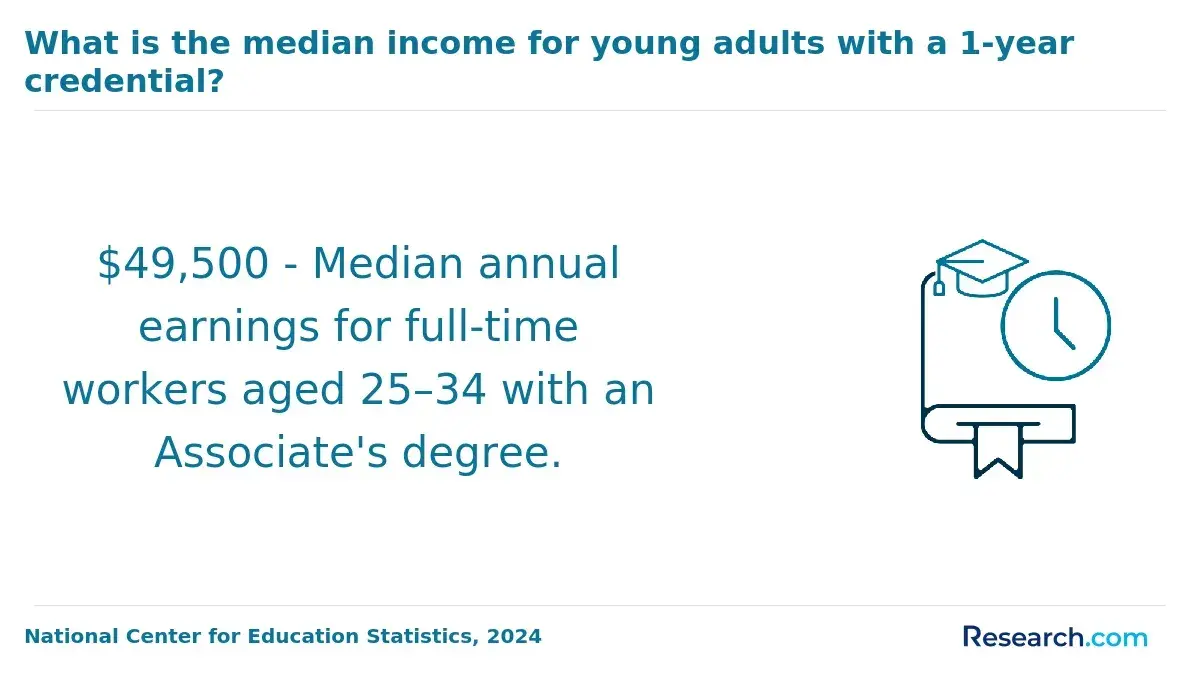
Data from the 2024 National Center for Education Statistics indicates that larger institutions with enrollment above 15,000 students are twice as likely to offer three or more distinct game design-related programs compared to smaller colleges. This highlights how institutional capacity and strategic academic planning remain central to broadening student options in game design education.
How Do Online Programs Improve Access in States With Limited Options?
Online game design programs effectively dismantle regional barriers in states where traditional, in-person educational offerings are limited or nonexistent. This expanded availability allows students in such areas to access accredited curricula that would otherwise require relocation or extensive commuting, factors that can be prohibitive for many. In 2024, data from the National Center for Education Statistics indicated that over 65% of undergraduate students in rural or underserved regions take at least one fully online course, reflecting a tangible shift toward digital enrollment as a practical response to geographic constraints. The virtual format also accommodates diverse schedules, making it possible for non-traditional students - including those balancing work and family obligations - to pursue game design credentials when local options are scarce.
The mechanisms driving this accessibility hinge largely on asynchronous course structures and cross-state enrollment policies, which enable institutions to serve a broader, more dispersed student population without physical campus expansion. Online delivery also allows educational providers to scale offerings efficiently, reaching underserved markets and reducing dependency on the limited capacities of regional universities. This model broadens institutional reach while fostering inclusivity for students economically or logistically unable to access brick-and-mortar programs. Importantly, it disrupts traditional networks of university catchment areas, facilitating a more competitive landscape where students select programs based on academic fit rather than proximity alone.
These shifts bear implications beyond individual access: state and regional workforce ecosystems may benefit from a more geographically diverse pipeline of qualified graduates who remain in their home areas or contribute remotely. Additionally, the pressure on institutions to innovate and differentiate grows as students compare online options across state lines, intensifying competition. This evolving dynamic suggests a reshaped higher education environment where program availability is less tethered to physical location and more responsive to student needs and market demands.
One graduate recalled applying during a rolling admissions cycle for an online game design bachelor's program while living in a state with no local alternatives. The extended window meant waiting weeks after submitting her application without updates, forcing her to weigh the uncertainty of acceptance against limited transfer options and financial constraints. "I hesitated to commit elsewhere because I knew relocating wasn't feasible, but waiting felt risky," she explained. When the acceptance finally arrived, it was a relief but also a reminder of how crucial timing and patience are when navigating these digital gateways in underserved regions.
How Much Does Game Design Program Tuition Vary by State?
Tuition for game design programs varies widely across states due to underlying differences in higher education funding, institutional types, and residency-based pricing models. Public universities typically offer significantly reduced in-state tuition rates subsidized by state budgets, reflecting policy choices aimed at making education accessible to local residents. Conversely, out-of-state students often face rates that more closely align with actual instructional costs, sharply increasing their price burden. Private institutions, less reliant on public funding, tend to set prices independently, resulting in higher tuition that integrates operational expenses, industry partnerships, and often additional fees, regardless of a student's residency.
Current tuition data show that in states with large public university systems like California and Texas, in-state tuition for game design degrees generally ranges between $7,000 and $15,000 annually, whereas out-of-state students may pay upwards of $30,000. Private schools across these regions typically charge between $30,000 and $50,000 per year, reflecting their distinct funding structures and market positioning. Meanwhile, states in the Midwest and South, such as Indiana and Georgia, offer fewer accredited programs and exhibit tuition in the $10,000 to $20,000 range for in-state students.
These figures, sourced from university tuition reports and state system publications, reveal how regional economic factors and state-level higher education policies materially shape program affordability. Prospective students should also consider related fields, such as online data science programs, as alternative pathways with different financial dynamics.
Such tuition disparities influence student mobility and program selection, often limiting access for those outside states with well-funded public options or high concentrations of private providers. Affordability becomes a critical factor balancing with program quality and industry connections, which vary significantly by region. Understanding the structural causes of tuition variation, rather than focusing on price alone, equips students and researchers to weigh practical tradeoffs when comparing the average cost of game design degrees across US states and making informed educational investments aligned with long-term career goals.
How Does Game Design Program Demand Affect Admissions Decisions?
Rising interest in game design programs has tightened admissions, intensifying selectivity and prompting shifts in evaluation criteria. As applicant volumes grow faster than program capacity, institutions increasingly prioritize tangible skills, such as portfolio quality and relevant project experience, over traditional academic metrics like GPA. This shift reflects the need to identify candidates prepared for the technical and creative demands of the field, especially when cohort sizes are constrained by faculty availability and classroom resources.
Program capacity limits, including faculty-to-student ratios and accreditation standards, govern how many students institutions can admit each cycle, which directly affects acceptance rates. Additionally, labor market trends for digital media and interactive entertainment influence admissions policies, with programs seeking candidates whose demonstrated abilities align with employer expectations. These factors compel admissions committees to balance maintaining program quality and industry relevance against growing applicant pools, often resulting in regional preferences or waitlists as schools manage enrollment within finite resources.
For prospective students, escalating demand necessitates strategic preparation, including early portfolio development and targeted skill-building to meet competitive criteria. The intensified selectivity can enhance program reputations and postgraduation outcomes but may also narrow access, especially for out-of-state or less traditionally prepared applicants. Understanding these dynamics is crucial for applicants navigating a complex landscape where supply constraints and workforce alignment jointly shape opportunities.
One graduate recalled applying to game design programs during a period of high demand and rapid application turnover. Their decision-making was complicated by staggered admissions responses across schools, prompting them to continuously update submission materials while awaiting final offers. The prolonged uncertainty led to hesitation about committing before all options were clear, highlighting how enrollment pressure can create a real-time strategic challenge beyond mere qualification, affecting both timing and applicant confidence.
How Do Game Design Specialization Options Vary by Region?
Specialization offerings in game design degrees closely mirror the economic priorities and industry concentrations of their respective regions. States with established game development clusters, such as California-home to over 20% of bachelor's degrees awarded nationally in this field according to a 2024 report from the National Center for Education Statistics-tend to emphasize interactive media, advanced programming, and narrative-driven content to match the demands of major studios. In the Pacific Northwest, curricula increasingly incorporate augmented and virtual reality, reflecting the regional surge in emerging technologies and startups. Conversely, the Southeast, with fewer dedicated programs, prioritizes serious games for education and healthcare, alongside gamification strategies tailored to marketing and workforce development, aligning with the specific needs of its tech and business sectors.
The variation in game design specializations is shaped by more than just industry size; it also reflects institutional focus and localized workforce demand. Programs in the Midwest often blend traditional game mechanics with software engineering and narrative design to prepare students for a diversified market that includes simulation and training software, sectors prominent in that area. Collaboration between universities and employers drives curriculum relevance, with states like Florida and Georgia emphasizing cross-disciplinary training that integrates business skills due to growing regional tech hubs. These distinctions illustrate how regional alliances between academia and industry optimize skill development to match specific labor market signals rather than adopting generic curricula.
These regional specialization patterns have critical implications for students weighing program choices relative to career goals and geographic mobility. Areas concentrating on cutting-edge AR/VR technologies may provide better pathways into innovation-driven startups, while regions focused on serious games or simulation open options in education, healthcare, and corporate sectors. Limited availability of specialized tracks in smaller states often forces students to choose between broader foundational programs and the targeted expertise demanded by competitive employers. Understanding this uneven distribution enables prospective students and researchers to strategically evaluate how location-based program focus aligns with evolving workforce landscapes and long-term occupational prospects.
How Does Regional Employer Demand Affect Career Outcomes?
Regional employer demand directly affects job availability and early career opportunities for graduates with a game design degree. Areas with dense industry concentration, such as major tech corridors and multimedia hubs, often provide a higher volume of openings and more competitive entry-level positions. This demand concentration translates to faster employment rates and greater role variety, impacting how quickly graduates launch their careers. Understanding the impact of state-level job market on game design graduates clarifies why those in regions like California, Washington, or Texas-home to multiple studios and tech firms-experience more dynamic job markets than those in less concentrated areas.
Key mechanisms driving these outcomes include how industry clusters foster specialized hiring ecosystems, which leverage partnerships between local employers and academic programs. Universities situated near active game development companies often benefit from employer-sponsored internships and career services tailored specifically to game design. Wage competition in these concentrated locales tends to push average salaries above national levels, with recent data from the U.S. Bureau of Labor Statistics indicating that states with strong software publishing sectors offer annual salaries 15-20% higher than less focused markets. Graduates in regions lacking these clusters face weaker employer networks, longer job searches, and limited mentorship opportunities tied to the local economy.
For students, regional employer demand significantly shapes long-term career trajectories by influencing decisions around geographic mobility and remote work feasibility. While remote opportunities expand options, many hiring managers still prefer candidates embedded in or near their regional industry ecosystems. Program availability in states with fewer game design educational options may compound challenges in workforce alignment, motivating prospective students to consider alternatives such as online DBA programs or relocating to stronger markets. Overall, regional employer demand and game design career outcomes remain deeply interwoven in determining where and how graduates thrive professionally.
What Factors Matter Most When Comparing Game Design Programs Across States?
Comparing game design programs across states requires assessing more than just availability. State-level differences substantially impact educational access, tuition costs, specialization options, and post-graduation outcomes. Students should consider how these regional factors influence practical experience and career alignment, beyond the surface of institutional reputation. Understanding these distinctions helps clarify which programs offer the most relevant and sustainable pathways in a rapidly evolving industry.
- Curriculum comprehensiveness: Programs that combine technical skills, like coding and software proficiency, with creative competencies such as storytelling and level design better prepare students for industry demands. States hosting institutions with broad, integrated curricula tend to produce graduates with stronger practical and theoretical grounding, aligning closely with employer expectations.
- Industry integration: Access to internships and cooperative education is often stronger in states with established gaming sectors, such as California, Washington, and Texas. According to the Entertainment Software Association's 2024 Workforce Report, graduates who complete internships in active game studios achieve a 42% higher placement rate within six months, underscoring how regional employer ecosystems directly affect employability.
- Faculty expertise and technology resources: States with advanced educational infrastructure, including partnerships with software providers and access to cutting-edge labs, enable programs to stay current with evolving platforms. This directly affects a graduate's readiness for real-world development environments and employer needs.
- Cost and financial aid availability: Tuition levels vary widely by state, but affordability must be balanced with quality indicators such as job placement rates and alumni success. Programs in states offering flexible financial aid options may enhance access but should be evaluated against expected program outcomes.
- Program flexibility: Given diverse student circumstances, states that provide part-time or online options expand access without compromising educational relevance. This flexibility is increasingly critical as demand for remote learning grows among prospective students seeking game design degree program availability by state.
Practically, these factors reveal how regional differences shape student experiences and long-term career prospects. For researchers and prospective students comparing game design degree program availability by state, evaluating regional educational ecosystems alongside program specialization can reveal meaningful tradeoffs in curriculum quality and workforce alignment. For those seeking broader comparisons across disciplines, resources like the best online colleges for forensic science also provide insight into how affordability, flexibility, and program focus vary by region.
Which Regions May See the Fastest Growth in Game Design Education?
Growth in game design education is most viable in regions where rising employer demand, demographic shifts, and consistent higher education investment intersect. Such expansion typically reflects broader economic trends, industry concentration, and institutional capacity to develop specialized curricula aligned with workforce needs. Understanding these factors offers clarity on where program availability and specialization diversity are likely to increase.
- Mountain West: States like Utah and Colorado lead expansion due to regional tech sector growth and proactive economic incentives targeting creative industries. The 15% increase in game design programs since 2022 indicates higher education's response to growing demand for graduates with practical, cross-disciplinary skills. These dynamics suggest expanded program options and stronger employer connections in the near term.
- Southeast: Georgia and North Carolina benefit from an established media production ecology that supports interactive media education. Investment from digital entertainment companies alongside growing university programs fosters workforce pipelines with hands-on experience, pointing to growing career opportunities and curriculum breadth in the region.
- Southwest: Urban tech hubs in Texas and Arizona contribute to steady program development, driven by a mix of population growth and demand for digital media talent. While less mature than the Mountain West or Southeast, the Southwest is positioned for gradual scaling of game design offerings and specialization.
These regions demonstrate how workforce needs, regional economic diversification, and higher education responsiveness coalesce to shape where game design education grows most robustly.
References:
- Game Schools Ranking | by GAMEducation https://www.gameschools.com/
- Different Types of Video Game Designers Explained https://gamedesignskills.com/game-design/types-of-game-designers/
- Are Online Game Design Degrees Worth It? | University of the People | https://www.uopeople.edu/blog/are-online-game-design-degrees-worth-it/
- Top Colleges for Game Development/Design or Animation https://discussions.unity.com/t/top-colleges-for-game-development-design-or-animation/612982
- What to Look for in a Game Design Program https://www.princetonreview.com/college-advice/game-design/researching-game-design-programs
- 5 Reasons Why Game Design is the Best Method for Teaching STEAM in Schools | GameU https://www.game-u.com/news-and-blog/5-reasons-why-game-design-is-the-best-method-for-teaching-steam-in-schools/
- Video game design and development https://www.starkstate.edu/academics/programs/video-game-design-and-development-major/
- Game Design vs. Game Development: Key Differences Explained - Champlain College https://www.champlain.edu/blog/stories/game-design-vs-game-development/
- Game Development Degrees: What You Need to Know https://www.ivywise.com/ivywise-knowledgebase/gaming-majors/
- Game Design Courses | Access Creative College https://www.accesscreative.ac.uk/pathways/games-courses/
Other Things You Should Know About Game Design
States and schools offering numerous game design degree programs provide wide choices, but quantity does not guarantee uniform quality. A larger number of programs often means varied curriculum approaches and faculty expertise, which can create inconsistency in educational rigor. Students should prioritize programs with a strong track record of industry-relevant projects and experienced instructors, even if it means selecting fewer but higher-quality options. Depth and consistency in learning outcomes often outweigh sheer program quantity when preparing for competitive job markets.
While states with more programs provide convenience and networking breadth, schools that embed internships, industry partnerships, or co-op opportunities tend to deliver more practical career advantages. Students aiming for immersive, hands-on experience should evaluate how well programs connect classroom learning to real-world employers, rather than simply the number of degree offerings. Prioritizing schools with integrated professional pipelines generally leads to better employment prospects despite the state's overall program count.
Greater program availability often reflects diverse curricular models, some emphasizing broad foundational skills and others promoting early specialization. This variation can complicate decision-making: students must assess whether programs require balancing intense core competences with technical subfields or offer flexible pathways to explore niches like narrative design or virtual reality. Understanding the workload distribution and specialization timelines helps anticipate academic stress levels and aligns study plans with career goals.
In 2027, states with the most game design degree options often provide a wide range of course offerings, including specializations such as virtual reality, narrative design, and interactive media. Prospective students can find diverse pathways tailored to different interests within the field.