2027 Evaluating an MPH Practicum in A Drinking Water Public Education Program

Co-Founder and Chief Data Scientist
A drinking water education placement can look ideal for an MPH student, yet a willing host and an interesting outreach campaign do not automatically make it an approved practicum. The work must offer supervised public health practice, usable deliverables, and a feasible schedule - while communicating water risks accurately to the communities affected.
This guide helps MPH students and early-career practitioners assess a placement before committing. You'll learn how to test its fit with academic requirements, scope a realistic project, and weigh the experience against its costs and career value.
Key Things You Should Know
- A strong placement gives you responsibility for a defined education project, qualified supervision, and permission to produce work your MPH program can assess - not just opportunities to observe outreach.
- Under CEPH's MPH applied practice experience criteria, students demonstrate at least five competencies, including at least three foundational competencies, and produce at least two practice-setting products; your school determines how to document and approve them.
- Confirm the site agreement, data permissions, deliverables, schedule, and any travel or unpaid hours before accepting. There is no single practicum length or price that applies to every MPH program.
What Is an MPH Practicum in a Drinking Water Public Education Program?
It is a supervised MPH applied practice experience with an organization that helps people understand drinking water quality, testing, risks, or protective actions. A host might be a health department, water utility, community organization, or environmental health program. The student's role is public education - not independent laboratory certification, regulatory enforcement, or a promise that the water is safe.
For example, a student might adapt an approved lead-in-water advisory into accessible materials, work with residents to identify confusing language, and develop a way to assess whether the materials reach their intended audience. The best placement has a specific audience and decision to support. "Improve water awareness" alone is too broad to guide a practicum.
Students comparing types of public health master's degrees should note that an MPH practice placement serves a different purpose from a research-oriented MS thesis or internship. Confirm the requirement attached to your actual degree.
What Public Health Skills Can You Gain From a Drinking Water Practicum?
The most valuable skills connect environmental health evidence to decisions people can make. A student may learn to interpret a utility's publicly released water information, identify what an advisory does and does not establish, and explain recommended actions without overstating certainty. They may also practice plain-language writing, accessible design, community engagement, and basic evaluation.
Skill depth depends on the assigned work. Editing a brochure demonstrates different abilities from planning outreach with community partners and assessing its implementation. If you already have environmental science experience, seek responsibility for audience research and communication. If you come from health education, seek supervised practice interpreting water-quality evidence and its limits.
Students still building broad preparation can compare public health BS programs and career preparation, but a prior public health major is not required to learn these skills in an MPH. Your project scope and supervision matter more than the title of your undergraduate degree.
How Does a Drinking Water Education Practicum Meet CEPH Requirements?
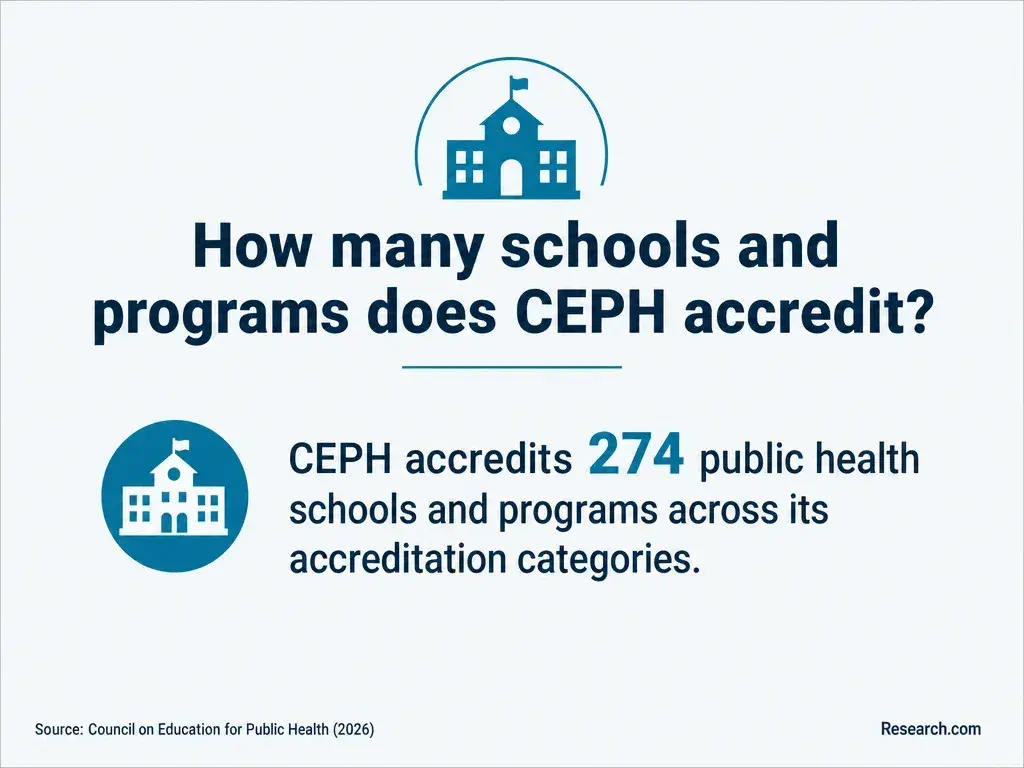
CEPH accredits eligible public health schools and programs; it does not preapprove an individual student's water education placement. Under its MPH applied practice experience criteria, the experience must let a student demonstrate at least five competencies, including at least three foundational competencies, through at least two products made in the practice setting. The MPH program decides whether the site, supervisor, competency plan, and evidence of work satisfy its policies.
A communication plan and an evaluated set of outreach materials could be distinct products if the school approves them and the host can authorize their use. Two versions of the same flyer may not provide convincing evidence of different competencies. Map each proposed product to the competencies it will actually demonstrate, such as communication, partnership, or program evaluation.
Check the exact accreditation scope for your degree rather than assuming an institution's general accreditation - or another public health credential - settles the question. If you are also considering public health doctorate pathways for advanced study, verify those programs separately; doctoral applied work is not interchangeable with an MPH applied practice experience.
Choose a project around a real host decision and an output that can be finished during the placement. The examples below are proposals, not evidence that a particular site has approved them.
These options differ in audience, permissions, and the evidence a student could reasonably produce. Use them to discuss scope with the host and academic coordinator.
| Potential project | Possible practice products | Key feasibility check |
| Plain-language advisory review | Accessibility assessment and revised message set | Can the host approve changes to official language? |
| Household testing education | Audience-specific guide and distribution plan | Are testing instructions consistent with local guidance? |
| Outreach implementation review | Process measures and findings brief | Can the student use distribution records lawfully? |
| Community partner toolkit | Facilitator materials and feedback summary | Will partners have time and authority to review it? |
Do not substitute an unapproved student interpretation for an official water notice. Ask who validates technical claims, who can authorize community contact, and whether feedback collection needs consent, organizational review, or other oversight. If a placement proves infeasible, shorter public health study formats and career prospects may be worth comparing for skill development, although a short course does not replace a required MPH practicum.
Environmental health provides the exposure and risk context; health communication and social or behavioral science help translate that context for different audiences. Program planning and evaluation prepare students to define outreach goals and assess implementation. Introductory epidemiology and biostatistics help students read evidence without treating a single measurement or a small feedback sample as proof of population-wide effects.
Sequence matters more than collecting course titles. Before the placement, aim to understand the relevant water hazard, the limits of available data, and how the host communicates official guidance. A student without that background may need an environmental health elective, targeted training, or close technical supervision before drafting public-facing claims.
For someone not yet committed to graduate study, affordable online public health degrees can provide broader foundational preparation. They are an alternative educational pathway, not a substitute for the specific coursework or applied practice requirements of an enrolled MPH.
Either format can support a strong local placement. What matters is who finds the site, who approves the work, and how faculty and host supervisors communicate. An online course schedule does not make utility meetings, school outreach, or community events asynchronous; campus students can face the same conflicts with employment or caregiving.
Before enrolling or accepting a site, ask the MPH coordinator whether students may propose local hosts, whether remote work counts, and what site agreements, supervisor qualifications, insurance, safety training, and faculty check-ins apply. Ask the host which activities require on-site attendance and whether its review cycle will allow products to be completed by the academic deadline.
If cost influences program choice, comparing lower-tuition MPH programs is a starting point - not a practicum-cost comparison. Check each program's placement support and fieldwork rules alongside its tuition.
Students generally enter an MPH program before undertaking its required applied practice experience. MPH admission rules vary: programs may assess prior degree work, academic preparation, statements, recommendations, and relevant experience under their own policies. Drinking water education experience can strengthen an application, but it is not a universal prerequisite, and admission does not guarantee approval of a preferred practicum site.
If application paperwork is a barrier, public health master's programs that omit reference letters may be useful to investigate. Confirm the current policy for the particular MPH and entry term, then separately ask when students become eligible for fieldwork and whether proposed host sites must be approved before enrollment in the practicum course.
There is no universal number of hours or standalone practicum price. The school sets its fieldwork schedule and credit rules; the host determines when supervised work, community meetings, and approvals are possible. A project that needs multiple rounds of technical and community review may take longer than its initial drafting suggests.
Build a cost estimate around tuition for required credits, applicable fees, travel, supplies, and any earnings lost to unpaid hours. Ask whether the placement is paid, whether work at your current employer can qualify, and whether a delayed host approval would require another term of enrollment. Do not assume employer reimbursement or financial aid covers every fieldwork expense.
If a prerequisite or application condition could delay your start, public health master's admissions exceptions explained offers context for questions to raise with admissions. Only the program can confirm whether an exception applies and how it affects practicum eligibility.
The placement can provide portfolio evidence for health education specialist, environmental health outreach coordinator, community engagement, or program-assistant roles with health departments, utilities, and nonprofits. Employers may value a clear explanation of your audience, responsibilities, approved products, and how you incorporated technical and community feedback more than the placement title alone.
It does not, by itself, qualify a graduate to certify laboratory results, perform regulated environmental work, or lead a water program. Those roles may require specialized training, credentials, or substantial experience. Ask the host what entry-level staff actually do and whether your project would let you demonstrate those tasks.
Advanced study is a separate decision. Comparing accessible public health doctoral programs may matter later for experienced practitioners pursuing leadership, but a doctorate is not the default next step for someone seeking an initial drinking water education role.
What Salary and Job Outlook Can Drinking Water Public Health Careers Offer?
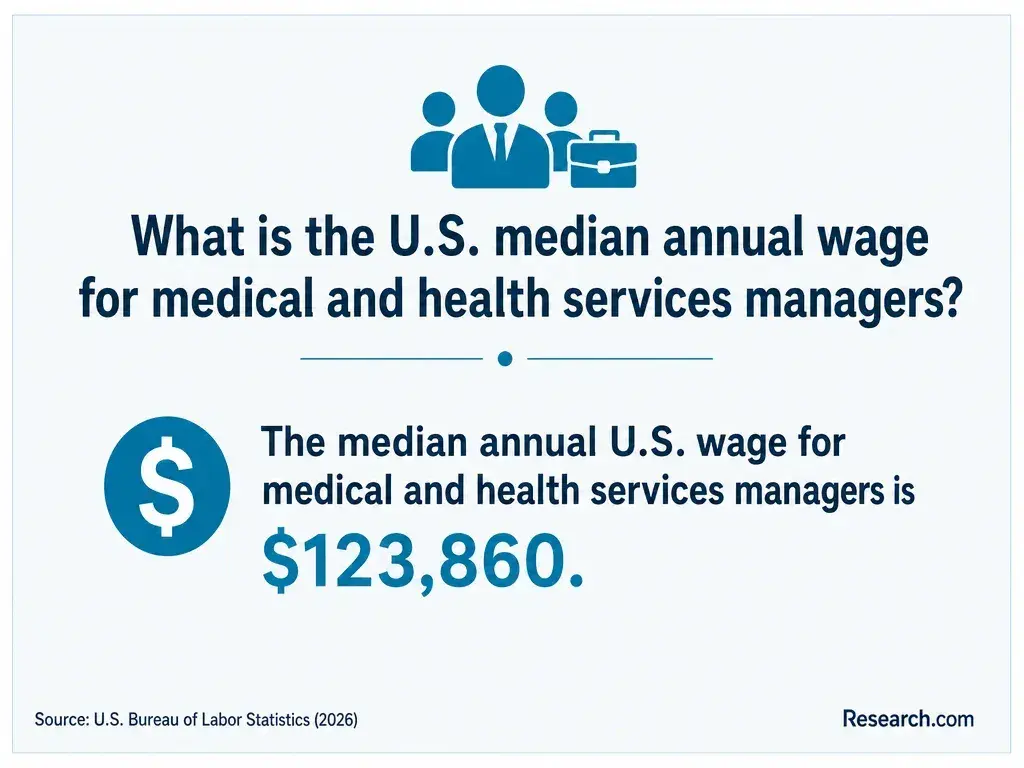
No US labor-market category measures "drinking water public education practicum graduates." The Bureau of Labor Statistics' health education specialist occupation is a closer reference point for jobs centered on developing and evaluating educational programs; utility outreach, environmental health, and program-assistant jobs can have different pay structures and entry requirements. An occupation-wide median is not an expected starting salary for an MPH graduate.
For a useful comparison, match job postings to the work you want: public communication, community engagement, technical environmental duties, or program evaluation. Then compare their stated pay ranges, required experience, location, and employer type. Public health graduate salaries by career can provide broader context, but should not replace occupation-specific labor data and current postings when judging whether this placement supports your target role.
Other Things You Should Know About Public Health
Only with the host's permission. Remove confidential information, identify your own contribution accurately, and use an approved public or redacted version.
Ask the host who controls updates and approval. Public-facing materials should follow its current, authorized guidance rather than an outdated student draft.
Do not assume classroom language ability is enough for safety-related communication. Ask the host about qualified translation, review, and accessibility procedures.
No single label fits every activity. Before collecting feedback, ask your school and host whether their privacy, consent, program-evaluation, or research-review rules apply.
- Public health practicum: a scoping review of current practice in graduate public health education - PubMed https://pubmed.ncbi.nlm.nih.gov/33958343/
- Step 4 - Gather Credible Evidence | Program Evaluation https://www.cdc.gov/evaluation/php/evaluation-framework-action-guide/step-4-gather-credible-evidence.html
- Drinking Water Public Education Program | panamacity.gov https://www.panamacity.gov/DocumentCenter/View/12532
- Drinking-water | who.int https://www.who.int/news-room/fact-sheets/detail/drinking-water
- Practicum and Capstone: COPHP MPH | Health Systems and Population Health https://hspop.uw.edu/cophpmph/program-experience/practicum-capstone/
- How to Evaluate Watershed Outreach Programs When Time, Funds, and Expertise Are Limited - Natural Resources Institute https://naturalresources.extension.wisc.edu/how-to-evaluate-watershed-outreach-programs-when-time-funds-and-expertise-are-limited/
- Practicum Examples | UW School of Public Health https://sph.washington.edu/mph-practicum/examples
- Public Health Practicum | UCLA Fielding School of Public Health https://www.mphhp.ph.ucla.edu/public-health-practicum
- MPH Practicum - Master of Public Health https://keck.usc.edu/mph-program/mph-practicum/
- Section 1: Introduction - Master of Public Health Practicum Manual - Academic Guides at Walden University https://academicguides.waldenu.edu/masters-public-health-practicum-manual/introduction