2027 Easiest Online Doctorate in Public Health Degree Programs Ranking in the USA

Co-Founder and Chief Data Scientist
Are you considering advancing your career with a doctorate in public health but looking for the most accessible online programs? This article introduces the 2027 Easiest Online Doctorate in Public Health Degree Programs Ranking in the USA, thoughtfully created by the Research.com team of data scientists.
Our ranking helps you explore programs that balance quality education with flexibility, making your journey smoother. Understanding which degrees are easier to manage online empowers you to make confident decisions that align with your goals.
Discover opportunities that fit your lifestyle and take a meaningful step toward impacting public health positively.
Key benefits of getting online public health degree in America
- Public health graduates can expect strong earning potential, such as a Government Health Program Manager making an average of $134,440 per year or a Government Affairs Director earning about $258,900 annually.
- Career paths after graduation include roles like Environmental Health & Safety Director or Senior Public Health Management Consultant, showcasing diverse opportunities in health policy, safety, and consulting.
- Online public health degrees offer flexibility and allow graduates to balance work and study, as seen in many successful alumni from universities like Johns Hopkins who benefit from learning at their own pace.
- 2027 Easiest Online Doctorate in Public Health Degree Programs Ranking in the USA
- What can I expect from online public health degree in America?
- Where can I work with online public health degree in America?
What can I expect from online public health degree in America?
The average cost of an online public health degree in America can be surprisingly reasonable, especially when you consider the savings on commuting, housing, and campus fees. Graduates from well-known institutions like the University of North Carolina or Johns Hopkins often share how financial aid and scholarships transformed what seemed like a daunting price tag into an achievable investment. These programs average anywhere from $15,000 to $40,000 for a full degree, but personal experiences reveal the real value lies in the blend of flexibility and affordability.
Students juggling jobs and family life find this model empowering rather than limiting. One graduate recalled balancing night shifts while attending virtual lectures, appreciating how the learning tools adapted to their schedule. The practical hands-on projects helped them bridge theory with community impact, making every dollar spent feel purposeful and immediate.
What challenges the old perception is seeing these degrees as prohibitively expensive when many students at prestigious public health colleges report manageable costs through aid and employer support. This reframing invites deeper reflection on the true cost and value of advancing in a rapidly growing field.
Where can I work with online public health degree in America?
Graduates from online public health programs at renowned American universities often find themselves entering diverse and impactful career paths. Many step into roles within federal, state, or local health departments, working alongside agencies like the CDC or HHS to tackle real-world health crises-from managing disease outbreaks to shaping community wellness programs. Imagine collaborating on a vaccination campaign that directly protects your community; such experiences are both challenging and deeply rewarding.
Others join hospital systems where their expertise improves patient safety and population health strategies. A graduate from a top public health college might analyze hospital data to reduce readmission rates, turning abstract numbers into tangible healthcare improvements. This hands-on approach connects policy with practice in vital ways.
Nonprofit and advocacy sectors also attract these graduates, where they develop programs aimed at reducing health disparities impacting mothers or underserved neighborhoods. Working in the private sector, graduates often guide pharmaceutical companies and insurers, leveraging skills in health economics and policymaking essential for innovation and compliance.
Whether advancing research at universities or consulting for diverse organizations, graduates consistently express pride in applying their degree to meaningful societal change across America's multifaceted health landscape.
Graduates with an online public health degree from well-known institutions like Johns Hopkins or the University of North Carolina often find their education translating into rewarding salaries across several distinct roles. For example, a Government Health Program Manager can expect a mean annual wage of about $134,440, reflecting the high value placed on managing large-scale health initiatives. Similarly, leadership roles such as Environmental Health & Safety (EHS) Director or Safety Director offer mean salaries around $129,330, demonstrating strong compensation for those overseeing critical safety policies.
Some graduates reach even higher in specialized fields. A Government Affairs Director, leveraging advanced skills and experience, can earn an impressive mean annual wage of $258,900, underscoring the financial heights accessible within public health. Meanwhile, Senior Public Health Management Consultants typically earn about $95,600 annually, a solid reflection of their expertise in guiding health systems and policies.
These figures challenge any assumption that public health degrees limit earning potential. They reveal a pathway not only to meaningful impact on community wellbeing but also to financial stability and growth, especially for those who pursue advanced roles in government or consulting sectors.
- Online public health degrees in the U.S. range from Bachelor's to Doctorate levels, with Master of Public Health (MPH) being the most popular.
- Tuition for an online Master's in Public Health typically costs between $20,000 and $50,000 in total.
- Employment for health educators and community health workers is projected to grow 17% from 2021 to 2031, faster than average.
- Entry-level salaries average around $55,000 per year, while experienced professionals can earn between $75,000 and $85,000 annually.
- CEPH accreditation is crucial for program quality and better job prospects in the public health field.
- Most MPH programs take 18 months to three years to complete and include practicum or fieldwork that can be done locally.
Completing an online public health degree in America is rarely a straightforward timeline; it's a journey shaped by individual pace and lifestyle. Many who enrolled in programs at well-known schools like the University of North Carolina or Johns Hopkins found that a bachelor's degree takes about four years if pursued full-time. Yet, for nearly 60% studying part-time, often juggling work and family, that timeline stretches, reflecting the real challenges of modern life.
Master's degree seekers, especially those at institutions like Boston University or the University of Michigan, describe finishing in two years when fully engaged, but those balancing careers often extend to three years or more. Some ambitious graduates appreciated accelerated tracks that compressed MPH degrees into just over a year, proving flexible online formats can truly cater to diverse needs.
Doctoral candidates regularly recount a demanding yet rewarding process lasting three to six years, with research-intensive DrPH programs requiring patience and dedication. The freedom of pacing courses asynchronously appeals, but it also reveals that completion time often mirrors one's commitment and external pressures more than fixed academic calendars.
Choosing between online and on-campus public health degrees in America often means weighing flexibility against immersive experience. Graduates from universities like Johns Hopkins recall the energizing campus buzz-spontaneous hallway chats with professors or hands-on field placements that deepen learning. These moments build connections hard to replicate online. Conversely, alumni from schools such as the University of California offer praise for the online format's adaptability, describing how they balanced coursework with demanding jobs or family life without the stress of commuting.
Cost also factors heavily into decisions. While some on-campus programs can cost upwards of $40,000 annually, online options frequently reduce fees by eliminating campus-related expenses. However, remote learners acknowledge unexpected tech costs and the challenge of carving out motivation without face-to-face peers.
Despite these differences, core curriculum and accreditation remain consistent across formats. The key distinction revolves around lifestyle and interaction: traditional pathways immerse you socially and professionally; online routes demand self-discipline but reward with unparalleled convenience.
The average cost of an online public health degree in America often challenges students' expectations. While many anticipate tuition fees hovering around moderate figures, the median total cost stands closer to $49,464. For those studying in-state at popular public universities known for their public health programs, the median total tuition and fees can be significantly lower, approximately $30,787. Out-of-state students, however, may encounter higher expenses, averaging around $54,716, which reflects the premium charged beyond residency boundaries.
Graduates from well-regarded universities tell stories of balancing these tuition costs with part-time enrollment and employer tuition reimbursement, softening the financial blow and providing hope. It's common to hear about students enrolling in flexible online formats and stretching out payments, making the challenge manageable. These practical approaches keep the dream of earning a public health degree alive, particularly when faced with the realities of additional fees like technology costs and textbooks.
Understanding the total tuition and fees for online public health doctorate options is crucial, as expenses can climb with advanced studies. The journey often requires aligning personal ambition with financial planning, a reality many graduates embrace proudly as they advance in their careers. For those considering accelerated education, exploring year long masters programs may offer a path to reduce overall time and, sometimes, cost.
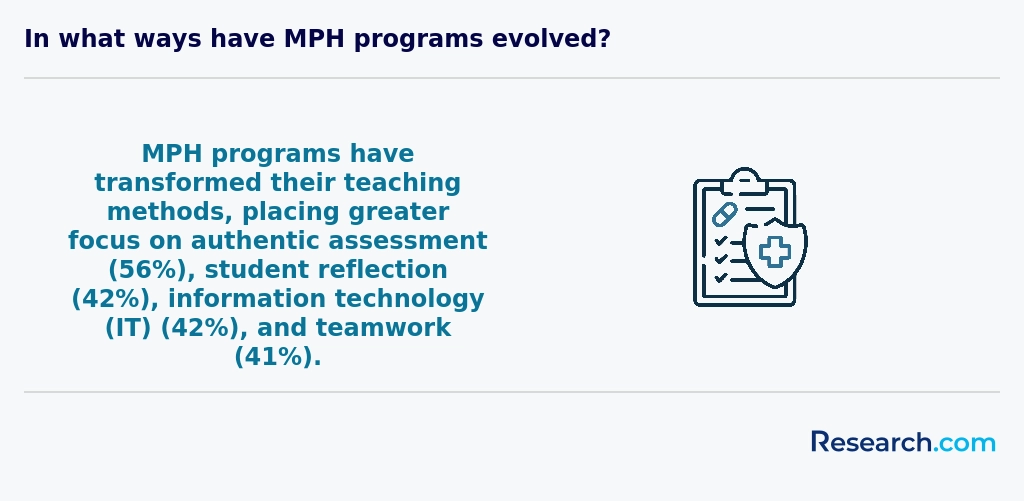
Many students pursuing an online public health degree in America discover unexpected financial support beyond the usual assumptions. Graduates from institutions like Johns Hopkins University or the University of Michigan often find that federal student loans-such as Direct Unsubsidized Loans and Grad PLUS Loans-play a key role in funding their education, despite concerns about debt. Yet, these loans are just one piece of the puzzle.
Scholarships specific to public health, from organizations like the American Public Health Association (APHA), turn out to be lifelines, reducing the burden by thousands annually. Another graduate shared how employer tuition reimbursement made continuing education feasible while balancing a full-time healthcare job.
State grants tapping into residency can feel like hidden treasures, especially for those enrolled in in-state programs at schools such as the University of North Carolina. Additionally, teaching or research assistantships at public health departments-common at universities like Harvard-offer stipends that often surprise students with how much they ease financial pressure.
These layers of aid challenge the narrative that paying for an MPH has to be a solitary struggle, inviting prospective students to explore all avenues early and creatively.
Enrolling in an online public health degree in America demands more than just academic credentials; it requires a mindset ready to engage with complex health challenges. For undergraduate programs, many students from universities like the University of North Carolina or Arizona State recall the relief of meeting a modest GPA threshold around 2.5 to 3.0 and navigating the test-optional landscape during admissions. This flexibility has allowed many to pursue their passion without the stress of standardized tests.
At the graduate level, aspiring MPH students from renowned schools such as Johns Hopkins or the University of Michigan often reflect on the significance of holding a relevant bachelor's degree and maintaining a GPA above 3.0. Their journeys remind us that submitting GRE scores, while still valued by some, is becoming less critical, especially when combined with meaningful public health work or research experience.
A graduate who balanced community health internships with coursework emphasizes how practical experience truly enhances acceptance chances. Doctoral candidates at institutions like Harvard highlight the necessity of a master's degree and confidence in presenting research proposals-real steps toward impacting public health.
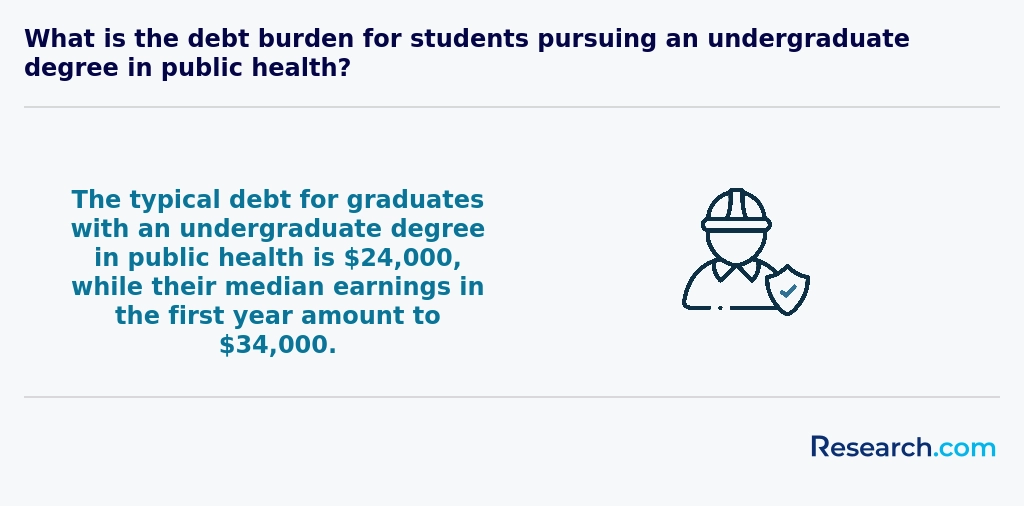
When exploring online public health degrees in America, graduates from institutions like the University of North Carolina and Johns Hopkins often highlight how foundational courses shape their understanding of real-world challenges. Courses in epidemiology reveal the detective work behind tracking outbreaks, sparking a sense of purpose as students analyze patterns that saved communities. Biostatistics, once intimidating, becomes a powerful tool for turning raw health data into actionable insights, enabling students to influence policy decisions confidently.
Environmental health classes provoke deeper reflection on how pollution or workplace hazards silently undermine well-being, making learners more attuned to their own surroundings. Health policy and management courses open students' eyes to the complex systems behind healthcare access, fostering empathy for those navigating these structures daily.
Specialized areas like global health and public health informatics transform abstract ideas into tangible missions-graduates recall projects addressing health disparities from rural Appalachia to urban Chicago neighborhoods. Across these programs, applied learning through capstones and practicums allows students to connect theory with community impact, leaving them inspired and ready to contribute to America's evolving health landscape.
Online public health degrees in America offer a spectrum of specializations that reflect the evolving challenges of healthcare today. Graduates from well-known universities often describe how epidemiology allowed them to engage directly with data on disease outbreaks, turning abstract numbers into real-life interventions. This specialization, essential in America's health landscape, confronts the patterns and causes of illnesses, demanding deep analytical skills tightly coupled with urgent social impact.
Other popular tracks include health policy and management, where students learn to navigate complex systems that shape access and affordability, a pressing issue for many American communities. In global health, graduates share stories of tackling pandemics and health disparities beyond borders, a specialization that feels both timely and necessary. Environmental health, biostatistics, and community health education round out the best public health concentration options in America, each equipping students with tools to address specific public needs.
These specializations highlight how selecting a niche aligns with personal career goals and societal priorities. For those eager to explore further, institutions also recommend looking into fast certificate programs that pay well as stepping stones within these fields.
Choosing the best online public health degree USA means looking beyond rankings and flashy brochures. Graduates from renowned institutions often share how CEPH accreditation shaped their program's credibility, making job searches markedly easier. Imagine juggling life, work, and study from a university known for flexible asynchronous classes-the relief is real. Program cost is another reality check; some found unexpected savings by verifying whether in-state tuition applies or if the school charges a uniform rate, a detail many overlook. One graduate chose a program near them to easily fulfill practicum hours locally, which proved invaluable.
Consider curriculum relevance deeply. Many graduates appreciate programs that align closely with their career aspirations, whether epidemiology or health policy. These choices ultimately influence earning potential and job satisfaction in the field. If budget concerns weigh heavily, exploring options like this cheapest master degree online might open doors without sacrificing quality. This approach balances passion with pragmatism, transforming a public health degree from a credential into a life-changing journey.
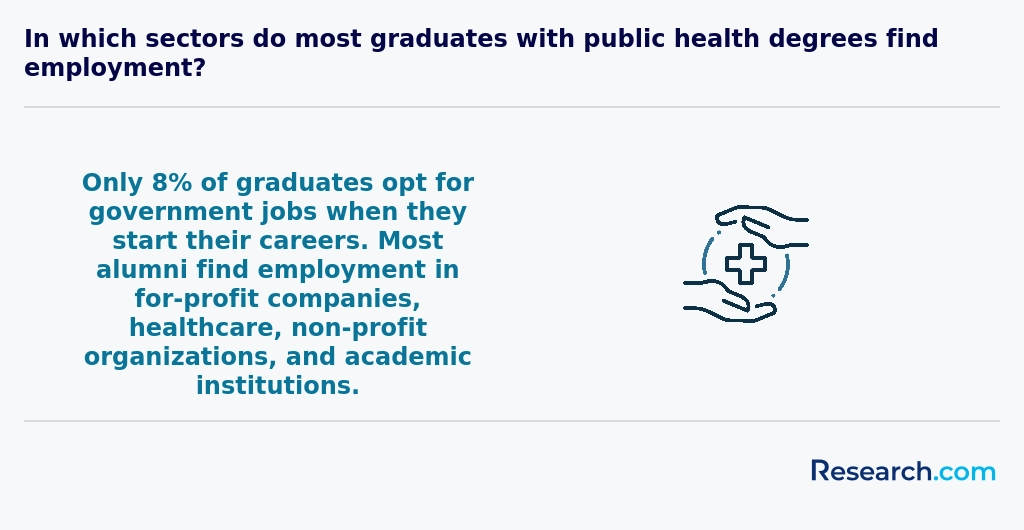
Graduates with an online public health degree in America step into diverse career paths that challenge traditional job roles and expand impact on community well-being. From becoming epidemiologists who decode disease spread, to health educators crafting compelling wellness programs, these roles demand creativity and resilience. Many graduates from renowned institutions like Johns Hopkins or University of California find themselves thriving in dynamic environments, whether analyzing health data as public health analysts or directing hospital operations to improve patient outcomes.
Such career paths reflect the evolving landscape of public health professions in the U.S., where practical expertise and innovative thinking are essential. This is especially true for those seeking leadership in policy or research, sometimes advancing through 1 year phd programs that accommodate working professionals.
Considering online public health career opportunities USA offers, graduates often experience the satisfaction of contributing to essential services in government agencies or non-profits, fueled by flexible education paths that support their ambitions in improving health at scale.
The job prospects for online public health degrees USA reveal a dynamic and expanding field fueled by growing public health challenges nationwide. Graduates from well-known programs at universities like Johns Hopkins or the University of North Carolina often share how their online education prepared them to step confidently into roles such as health educators or epidemiologists. These careers offer not only competitive salaries but also meaningful impact, from designing community health initiatives to influencing policy decisions.
Employment opportunities in American public health careers are especially promising in urban centers, where the demand for expertise in managing complex health systems is high. Many graduates describe their transition to roles in government agencies or healthcare organizations as both fulfilling and financially rewarding, with median salaries ranging from $63,000 for health educators up to $83,000 for epidemiologists.
Students weighing the cost of education can explore affordable options. For example, the cheapest online university for bachelor's degree options often provide flexible schedules and reduced living expenses, making practical training more accessible while maintaining quality.
2027 Easiest Online Doctorate in Public Health Degree Programs Ranking in the USA
Investing in your education is a significant decision that can shape your professional future, and the Research.com team recognizes the importance of making well-informed choices. To support prospective students seeking an online Doctorate in Public Health, we have carefully developed the "2027 Easiest Online Doctorate in Public Health Degree Programs Ranking in the USA." Our dedication to quality, credibility, and accuracy is demonstrated by the thorough research and analysis behind this ranking.
We utilized the following reputable data sources to ensure a comprehensive and reliable evaluation of degree programs:
By exploring this ranking, readers will gain valuable insights into accessible and credible online Doctorate in Public Health programs, empowering them to make informed educational decisions with confidence. For more information on how this ranking was developed, please visit our Research.com methodology page.

# 2 position
Walden University
Doctor of Public Health




Frequently Asked Questions About public health
Online public health degree students in America can maximize their learning experience by actively engaging with digital resources and faculty. Participating in discussion forums and virtual study groups can enhance understanding and foster peer connections. According to the Association of Schools and Programs of Public Health (ASPPH), collaborative learning improves critical thinking and application skills.
Students should also take advantage of internships and community-based projects to gain practical experience, which is essential for public health careers. Time management and setting a dedicated study schedule help balance coursework with personal and professional responsibilities, increasing completion rates.
Regularly accessing research from trusted U.S. health organizations, such as the CDC, provides up-to-date information that enriches academic insight and practical relevance in public health studies.
The field of public health in the United States is rapidly evolving, with emerging niches gaining importance due to societal and technological changes. One prominent area is health informatics, which combines data analysis and public health to improve community health outcomes. According to the U.S. Bureau of Labor Statistics, jobs in health informatics are expected to grow 17% from 2021 to 2031.
Another growing specialty is environmental health, focusing on the impact of climate change on population health. The CDC has highlighted the need for public health professionals skilled in addressing heat-related illnesses and vector-borne diseases.
Additionally, global health and health equity have gained attention, emphasizing reducing disparities in healthcare access across diverse communities in America. Online programs increasingly offer tailored coursework in these niches to prepare students for modern challenges.
After completing an online public health degree in America, it is crucial to develop a strategic approach for entering the job market. Start by building a strong professional network through platforms like LinkedIn and attending public health conferences, such as those hosted by the American Public Health Association (APHA).
Gain practical experience through internships or volunteering in health departments, non-profits, or hospitals. According to the Bureau of Labor Statistics, employment in public health is projected to grow 17% from 2022 to 2032, emphasizing the demand for qualified professionals.
Obtaining certifications, like the Certified in Public Health (CPH), can also increase job prospects and credibility.
Employers in the United States seek specific skills in graduates of online public health degree programs. Strong analytical abilities are essential, as professionals must interpret complex health data to guide policies and programs. Communication skills, both written and verbal, are also highly valued because public health workers often convey critical information to diverse audiences.
Project management and leadership abilities have become increasingly important, with the US Bureau of Labor Statistics projecting 17% growth in public health jobs through 2030. Additionally, familiarity with health informatics and epidemiology is crucial, helping graduates address ongoing public health challenges effectively.
Finding internships in America relevant to a public health degree involves strategic planning and leveraging available resources. Many universities with online public health programs offer career services that connect students with internship opportunities across government agencies, healthcare organizations, and nonprofits. According to the Association of Schools and Programs of Public Health (ASPPH), over 70% of accredited public health programs encourage or require internships to gain practical experience.
Students should also explore federal internship programs through the Centers for Disease Control and Prevention (CDC) or the Health Resources and Services Administration (HRSA), which offer placements in diverse public health fields. Networking via professional groups like the American Public Health Association (APHA) can further enhance prospects.
Online job portals that specialize in public health, such as Public Health Jobs or USAJOBS, provide listings tailored to students and recent graduates. Applying early and preparing a strong resume aligned with public health competencies increases success in securing internships.
An online public health degree in America significantly enhances career mobility and advancement opportunities. According to the U.S. Bureau of Labor Statistics, employment in public health occupations is projected to grow 17% from 2021 to 2031, much faster than the average for all occupations. This growth creates increasing demand for qualified professionals with advanced education.
Graduates with online public health degrees can access leadership roles in government agencies, non-profits, and private sectors. Online programs offer flexibility to working professionals, allowing them to upskill without interrupting their careers.
Furthermore, earning a doctorate or master's degree in public health online often leads to higher earning potential and eligibility for promotions, as employers recognize the rigor and specialization these degrees provide.
Studying for an online public health degree in America equips students with the skills needed to work across multiple disciplines. Programs emphasize collaboration between fields such as epidemiology, health policy, environmental health, and biostatistics. This interdisciplinary approach reflects the complexity of real-world health challenges.
According to the Association of Schools and Programs of Public Health (ASPPH), nearly 70% of public health jobs require knowledge spanning several sectors. Students learn to analyze data, design health interventions, and understand social determinants of health, preparing them to work in diverse roles.
The curriculum also develops communication and leadership skills essential for coordinating efforts among healthcare providers, government agencies, and community organizations, all vital in interdisciplinary public health careers.
Choosing between a thesis and a non-thesis public health degree program in America depends on your career goals and learning preferences. Thesis programs typically require original research, suitable for students aiming for careers in academia, research, or doctoral studies. They often take longer to complete but provide extensive experience in scientific investigation.
Non-thesis programs emphasize practical skills and applied knowledge, making them popular for professionals seeking leadership or administrative roles in public health agencies. According to the Association of Schools and Programs of Public Health, about 40% of master's students opt for non-thesis tracks for their focus on workforce readiness.
Consider the required time commitment, your interest in research, and future plans when deciding. Online programs in the U.S. often clearly state these options in their curriculum guides.
American students interested in studying public health abroad have several viable pathways while pursuing an online degree. Many U.S. universities with accredited online public health programs maintain partnerships with international institutions, allowing students to engage in global research projects or complete short-term residencies overseas.
The Council on Education for Public Health (CEPH) accredits numerous schools; about 30% offer curriculum components focusing on international health issues. This integration helps students gain a global perspective without leaving the U.S. Additionally, universities may provide study-abroad scholarships or exchange options linked to their online programs.
Moreover, students can benefit from virtual collaborations with global public health organizations, enriching their understanding of worldwide health challenges without relocation.
Part-time job opportunities can significantly enhance the education of online public health students in America. Positions such as community health worker, medical scribe, or health educator provide practical experience directly related to public health concepts.
According to the U.S. Bureau of Labor Statistics, community health workers held about 60,000 jobs in 2022, with a projected growth rate of 17% through 2032, faster than the average for all occupations. This growth reflects increasing demand for public health support roles, which are ideal for students gaining hands-on experience.
Other roles like research assistantships in university health departments or nonprofit organizations offer exposure to epidemiological studies and data analysis, key components of public health education.
Working part-time in these fields helps students apply theoretical knowledge while building professional networks essential for future career advancement.
Online public health students in America benefit from numerous networking opportunities despite remote learning. Many programs offer virtual events, webinars, and discussion forums that allow students to connect with peers and faculty nationwide. Professional organizations such as the American Public Health Association (APHA) also provide student memberships, granting access to conferences, workshops, and online groups.
Networking is crucial in public health careers, where about 14% growth is projected through 2031 (U.S. Bureau of Labor Statistics). Building relationships with professionals and alumni can lead to internships and job placements. Additionally, some universities partner with local health departments and NGOs, facilitating practical field connections for students.
Alumni networks play a significant role in supporting students pursuing online public health degrees in America. These networks connect graduates and current students, enabling knowledge sharing and professional growth.
Members often gain access to job opportunities in government agencies, nonprofits, and healthcare organizations, which make up over 60% of public health employment in the U.S., according to the Bureau of Labor Statistics.
Networking through alumni groups can lead to mentorship, guidance on research, and collaboration on community health projects, boosting career development. Many universities offer exclusive events and online forums that strengthen these connections across the country.
Such support is especially valuable for remote learners who may lack in-person interactions but still wish to engage with peers and industry leaders.
Many online public health degree programs in America offer customizable options to align with your career goals. Students can often select from various concentrations such as epidemiology, health policy, or community health. According to the Association of Schools and Programs of Public Health, over 60% of accredited programs provide flexible curricula and elective courses tailored to specific interests.
Additionally, some programs allow practical experiences like internships or research projects in local health departments. This hands-on approach helps you gain skills relevant to your desired role. Customizable formats also include part-time study or accelerated paths to fit professional and personal schedules, important for working adults pursuing advanced public health careers.
Online public health students in America often face challenges related to balancing coursework with personal and professional responsibilities. According to the American Public Health Association, many students are working professionals, which can lead to time management difficulties. Limited face-to-face interaction with faculty and peers may affect networking and mentorship opportunities, which are crucial in public health careers.
Additionally, technology access and learning platform familiarity can pose barriers. A 2023 report by EDUCAUSE noted that around 17% of students experienced technical difficulties impacting their studies. Lastly, some programs may require in-person internships or practicums, creating logistical challenges for online learners.
With an online public health degree in the USA, graduates can pursue several key professional certifications that enhance career opportunities. The Certified in Public Health (CPH) credential, offered by the National Board of Public Health Examiners, is widely recognized and demonstrates mastery in essential public health knowledge and skills.
Additionally, graduates may qualify for Certified Health Education Specialist (CHES) certification through the National Commission for Health Education Credentialing, ideal for those focusing on health promotion. For specialized roles, the Certified Public Health Administrator (CPHA) credential is valuable in management and leadership positions within public health agencies.
These certifications often require a mix of educational background, work experience, and passing a standardized exam. According to the U.S. Bureau of Labor Statistics, credentialed public health professionals typically have better job prospects and higher salaries.
When applying to an online public health program in America, start by carefully reviewing each program's requirements. Many U.S. public health programs, accredited by the Council on Education for Public Health (CEPH), require a strong academic record and relevant experience. Highlight your background in health, science, or related fields, using clear examples.
Emphasize your commitment to public health by discussing specific goals or projects. Use your personal statement to explain why you want to pursue this degree and how it fits your career plans.
Include strong letters of recommendation from professors or employers who can attest to your skills and dedication.
Standardized test scores, like the GRE, are sometimes required, so check if your chosen programs need them and prepare accordingly.
Public health careers in the United States hold significant global importance due to their focus on health promotion, disease prevention, and emergency preparedness. According to the U.S. Bureau of Labor Statistics, employment in public health is expected to grow 17% from 2022 to 2032, highlighting strong demand.
Globally, public health professionals collaborate through organizations like the World Health Organization and Centers for Disease Control and Prevention (CDC). These partnerships emphasize the value of culturally competent skills and data analysis, which U.S. online public health programs often emphasize. The global perspective encourages U.S. students to understand diverse populations and international health policies.
Furthermore, degrees accredited by the Council on Education for Public Health (CEPH) prepare students to address health disparities worldwide while working locally. This international outlook enhances career opportunities in research, policy, and humanitarian efforts.
Gaining practical experience while pursuing an online public health degree in America is essential for career readiness. Many programs integrate internships or practicum opportunities, often coordinated with local health departments, hospitals, or nonprofit organizations. These hands-on experiences allow students to apply theoretical knowledge in real-world settings.
The Association of Schools and Programs of Public Health (ASPPH) reports that nearly 85% of accredited programs encourage or require such practical engagements. Students can also seek volunteer roles or part-time positions within public health agencies to deepen their skills.
Additionally, virtual simulations and case studies are becoming popular tools to enhance applied learning remotely while building essential competencies.
Choosing the right concentration within an online public health degree in America depends largely on your career goals and interests. Common concentrations include epidemiology, health policy, environmental health, and biostatistics. For example, epidemiology focuses on disease patterns and control, relevant for roles in disease surveillance and outbreak response.
The U.S. Bureau of Labor Statistics projects a 17% growth in public health jobs between 2020 and 2030, especially in health education and policy sectors. Selecting a concentration aligned with these growth areas may improve your employment prospects.
Consider how each concentration's coursework matches your skills and desired work environment. Accreditation by CEPH ensures program quality and recognition across states.
- Public Health Graduate: How Can you Gain Experience Before Your First Job? - Global Health and Education Projects | GHEP https://globalhealthprojects.org/public-health-graduate-how-can-you-gain-experience-before-your-first-job/
- What Can You Do With a Public Health Degree? https://www.publichealthdegrees.org/careers/what-can-you-do-with-public-health-degree/
- Students and Alumni associations - Europubhealth https://www.europubhealth.org/students-alumni-associations/
- How to carve a niche in your public health career | PH SPOT https://phspot.org/carvinganiche/
- 20 Best Online Bachelor's in Public Health - MPH Online https://www.mphonline.org/best-online-bachelors-in-public-health/
- Areas in Public Health https://www.publichealthcareers.org/areas-in-public-health.html
- A Medical Student's Perspective: Why I'm Studying Public Health, Too - Northern Area Health Education Center, Inc. https://northernahec.org/a-medical-students-perspective-why-im-studying-public-health-too/
- Master of Public Health https://online.une.edu/public-health/master/
- Public Health Challenges – IPA SDG Dashboard https://sdg.internationalpublishers.org/sdgaction/public-health-challenges/
- Letter of Intent for Admissions to Masters of Public Health - how this program fits to my goals? https://essayforum.com/graduate/intent-admissions-masters-public-health-64817/