
2027 Fastest Online Master's in Public Health Degree Programs Ranking in Missouri

Co-Founder and Chief Data Scientist
Choosing the right online Master's in Public Health program can be overwhelming, especially for Missouri students eager to advance their careers quickly. This article introduces the 2027 Fastest Online Master's in Public Health Degree Programs Ranking in Missouri, created by the Research.com team of data scientists.
This ranking helps you discover which programs offer the fastest completion times without sacrificing quality, making your decision easier and more confident.
Obtaining a public health degree opens doors to meaningful work and community impact. Exploring these top programs could be the first step toward a rewarding future.
Key benefits of getting online public health degree in Missouri
- Graduates with a public health degree in Missouri can expect strong earning potential, with roles like Public Health Program Managers and Healthcare Administrators earning a mean annual wage of $134,440 and Epidemiologists earning around $90,430.
- Career options are diverse, including positions in health administration, epidemiology, and health informatics, offering opportunities to make a real impact in community wellness and policy development.
- Online public health degrees from Missouri universities provide flexibility, allowing students to balance work and study while gaining the same valuable skills and credentials as traditional programs.
- 2027 Fastest Online Master's in Public Health Degree Programs Ranking in Missouri
- What can I expect from online public health degree in Missouri?
- Where can I work with online public health degree in Missouri?
What can I expect from online public health degree in Missouri?
When it comes to the average cost of an online public health degree in Missouri, students often find it surprisingly affordable. For example, graduates from the University of Missouri system typically pay lower in-state tuition rates, which can make a big difference when budgeting. Many share how saving on commuting and housing costs really helps stretch their dollars, especially when juggling work and study. Plus, some programs offer accelerated tracks that shave off months of tuition and time.
Around Missouri, the typical tuition for these online programs usually falls in a moderate range, making it a smart investment without breaking the bank. Washington University, although pricier, is well-known for scholarships and employer tuition assistance that ease financial stress. Past students often mention feeling supported by flexible payment options and scholarship opportunities, which adds to their confidence in finishing strong.
All in all, the costs are manageable if you explore your options, and the opportunity to grow your career in public health while saving money is something many find really motivating.
Where can I work with online public health degree in Missouri?
If you're earning your public health degree online in Missouri, there are plenty of cool places you can work. Graduates from schools like the University of Missouri and Saint Louis University often find jobs with the Missouri Department of Health and Senior Services (DHSS), where they help manage disease prevention and health programs that really make a difference in communities across the state.
Many grads also love working at local health departments in Missouri's 114 counties. Imagine running immunization drives or community health workshops - that's the kind of hands-on work that feels meaningful and rewarding.
Hospitals and health systems like BJC HealthCare and Mercy Health also hire public health pros for roles in patient education and quality improvement. One alum mentioned feeling proud contributing to community wellness programs that reach thousands.
Plus, nonprofits focused on things like substance abuse or food security often seek passionate public health grads ready to create impactful outreach programs.
And if teaching or research is your thing, universities across Missouri offer opportunities to dive into public health knowledge while helping train the next generation.
If you're thinking about getting an online public health degree in Missouri, you're probably curious about the kind of paycheck you can expect. Graduates working as Public Health Program Managers or Healthcare Administrators can earn around $134,440 a year, which is pretty impressive for those coming out of programs like the ones at the University of Missouri or Saint Louis University. It's a solid reward for all the hard work coordinating health initiatives and managing resources.
Epidemiologists in Missouri, often MPH grads from local schools, pull in about $90,430 annually, digging deep into data to track health trends-that's both impactful and well-compensated. Meanwhile, Health Informatics Specialists, who combine tech with health expertise, make roughly $70,260 a year, showing you don't have to pick just pure research or admin roles.
Many recent grads tell us they love the flexibility of online programs and appreciate how their Missouri-based credentials open doors to roles where they can make a real difference and still enjoy a good salary.
- Missouri offers accredited online public health programs designed for working professionals and students with personal commitments.
- Undergraduate tuition ranges from $7,000 to $15,000 per year for in-state students, while graduate MPH programs cost between $15,000 and $30,000 total.
- The job market for public health professionals in Missouri is projected to grow by about 10% over the next decade.
- Entry-level public health salaries average $50,000 annually, with experienced specialists earning between $75,000 and $90,000 per year.
- Programs often require local fieldwork or practicum experiences, helping students gain relevant skills while studying online.
- Look for programs accredited by the Council on Education for Public Health (CEPH) to ensure quality and better job prospects.
If you're wondering how long it takes to finish an online public health degree in Missouri, it usually depends on whether you're going for a bachelor's or a master's. For example, students tackling a Bachelor of Public Health at schools like the University of Missouri or Missouri State University often finish in about four years if they stick to full-time classes. But some folks speed things up by taking summer courses or heavier loads, wrapping up in three years instead. On the flip side, part-time students might stretch it out to five or six years while juggling jobs or family.
For a Master of Public Health (MPH), the average full-timer finishes in around two years. A lot of online MPH programs in Missouri, like those offered by Washington University, also give you the flexibility to take your time and study part-time over three or four years. Plenty of graduates share how this flexibility felt like a lifesaver, letting them balance work and school without feeling overwhelmed.
Many students find they can shave off time by transferring credits or testing out of some courses, which is pretty common at Missouri's public health programs. Plus, the joy of moving at your own pace really helps keep motivation high when life gets busy.
Navigating the application process for Online MPH programs in Missouri involves clear steps and key deadlines to ensure a timely submission. Plan at least six months ahead and follow these guidelines:
- Research deadlines: Fall admissions close by March–May; spring intakes often end by October–December.
- Gather official transcripts from all postsecondary institutions.
- Draft a 1–2 page statement of purpose highlighting your public health goals and fit with the program.
- Request 2–3 letters of recommendation from academic mentors or professional supervisors.
- Verify GRE requirements-many Missouri programs waive the GRE for qualified applicants.
- Prepare your resume or CV, focusing on relevant health or research experience.
- Pay application fees (typically $50–$100 per school) and submit all materials through the online portal.
- Strengthen your administrative profile by completing complementary training: consider a low-cost medical coding and billing online program to boost your expertise.
Choosing between online and on-campus public health degrees in Missouri really comes down to how you like to learn and live. Online programs, like those offered by Missouri State University, give you the freedom to study when it fits your busy life-whether that's late at night after work or during the weekend while taking care of family. Graduates often mention how much they appreciate skipping the commute and juggling real-world responsibilities while still earning a respected degree.
On-campus programs, like the ones at the University of Missouri-Columbia, offer the chance to connect face-to-face with professors and classmates. Students enjoy hands-on experiences, like local public health internships, and the buzz of campus life. Many say the live discussions and group projects really help build confidence and leadership skills.
Both paths cover the same core public health topics and are equally respected. It's really about finding what fits your vibe and schedule best in Missouri.
Applying to an online Master’s in Public Health (MPH) program in Missouri involves several strategic steps to maximize your chances of acceptance and streamline the process. 1. Research and Shortlist Programs Begin by identifying CEPH-accredited MPH programs in Missouri that align with your career goals. Consider program flexibility, specialization options, and tuition rates. If affordability is a priority, you may also explore the Cheapest Online Public Health Degree Programs Ranking in the West for additional cost comparisons and scholarship opportunities. 2. Prepare Application Materials • Official Transcripts: Request transcripts from all post-secondary institutions. Aim to submit them at least six weeks before the deadline. • Resume or CV: Highlight relevant public health experience, volunteer work, and any research projects. • Personal Statement: Craft a 500–800 word essay that articulates your passion for public health, career objectives, and why the specific Missouri program fits your needs. Use concrete examples-such as community initiatives or epidemiology projects-to demonstrate impact. • Letters of Recommendation: Secure two to three strong references from academic mentors or public health professionals who can vouch for your analytical skills, leadership, and commitment to community health. 3. Standardized Tests and Prerequisites Verify if programs require GRE scores; some Missouri institutions have waived them for applicants with strong academic records. Ensure you meet prerequisite coursework in biology, statistics, or social sciences-many programs list these requirements on their admissions pages. 4. Application Timeline and Submission • Fall Intake: Applications typically open in September and close by March. • Spring Intake: Deadlines often range from August to October. Submit your application through each university’s online portal, double-checking for completeness and accuracy. Pay attention to application fees or fee-waiver options for qualifying students. 5. Interview and Decision Some programs conduct virtual interviews to assess fit and communication skills. Prepare by reviewing common public health scenarios and articulating how your background contributes to cohort diversity. By following this step-by-step guide and tailoring each component to Missouri’s leading online MPH programs, you’ll position yourself for a smoother, more competitive application process.
If you're wondering about the average cost of an online public health degree in Missouri, you're looking at around $13,265 for in-state students, which is pretty reasonable compared to many other states. Graduates from popular universities like the University of Missouri have shared how the lower tuition rates really helped them focus more on their studies and less on financial stress. Most programs require about 36 to 45 credit hours, so the total expenses usually fall within a comfortable range without breaking the bank.
Now, if you're considering a private college in Missouri, keep in mind that the fees typically run higher, pushing the total closer to $26,460 or even beyond. Still, many students find value in the specialized courses and connections they gain at those places, which can be a big boost for career growth in public health.
One thing to remember is that aside from tuition, there are additional costs like technology fees and textbooks, but these generally add just a few hundred dollars. It's great to see many Missouri students take advantage of state-specific scholarships or federal aid options to help lower the total bill.
For those weighing Missouri online master's in public health total expenses against national averages, Missouri's costs tend to be more budget-friendly while providing solid education quality. If you're interested in healthcare fields generally, don't hesitate to explore nursing career options that many public health grads pursue for broader opportunities.
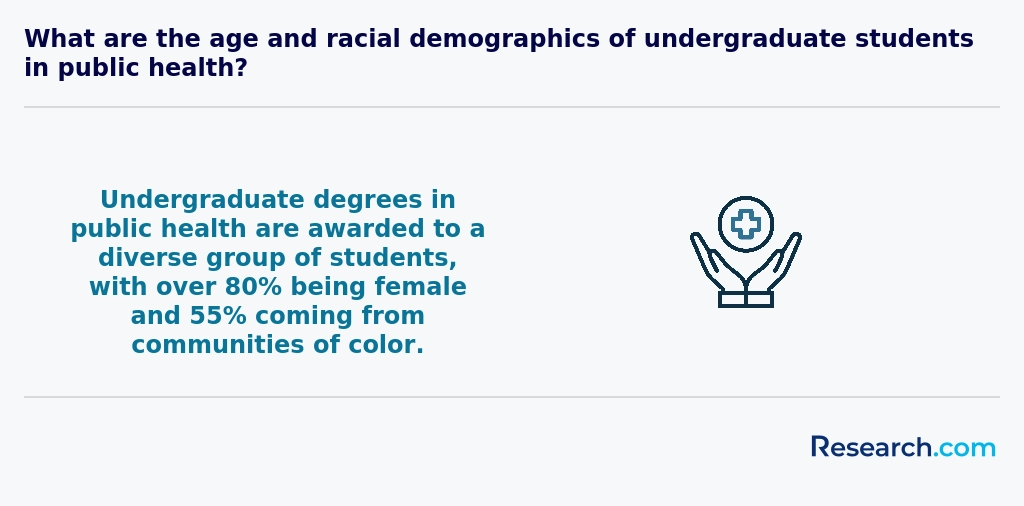
As the landscape of public health continues to evolve, experts are highlighting key trends that are shaping the future of online Master’s in Public Health programs in Missouri. Industry leaders emphasize the increasing integration of telemedicine, advanced data analytics, and digital health platforms in course curricula. These innovations not only enhance learning outcomes but also prepare graduates to address modern health challenges with cutting‐edge solutions. Forward-thinking institutions are now offering flexible pathways that incorporate real-time case studies and interactive virtual collaborations, ensuring that students remain current in an ever-changing field. For instance, leveraging programs from an affordable public health school in missouri can provide prospective students with access to technology-driven resources and expert mentorship. By staying informed about these emerging trends, you can make strategic decisions that both advance your education and boost your career prospects in public health.
If you're going after an online public health degree in Missouri, there are some solid financial aid options that really make a difference. Many students have found that filling out the FAFSA opens doors to Pell Grants, which don't have to be paid back-something that's a huge relief, especially since Pell Grants can cover up to $7,395 a year depending on your situation. Missouri residents studying at popular schools like the University of Missouri or Saint Louis University often appreciate the lower in-state tuition, plus state scholarships like the Access Missouri Financial Assistance Program, which targets students with real financial needs.
Lots of graduate students also share how merit-based scholarships at their public universities seriously cut down costs, or how assistantships provide both money and valuable experience. Working professionals attending online programs love taking advantage of employer tuition reimbursements, making education affordable without piling on debt. Plus, it's worth checking out scholarships from groups like the American Public Health Association to snag a little extra support while you focus on your studies.
Embarking on an online MPH program in Missouri offers a blend of academic rigor and flexible learning designed for working professionals. You’ll engage in a mix of asynchronous lectures and live webinars, participate in discussion boards, and collaborate on real-world projects with peers across the state. Expect to dedicate 10–15 hours per week to coursework, including readings, case studies, and group assignments. Most programs structure modules in 7–8 week blocks, allowing you to focus intensively on one topic-such as epidemiology or health policy-before moving on to the next. Key components you’ll encounter:
- Interactive Case Studies: Analyze outbreaks, design intervention plans, and present findings to classmates.
- Virtual Labs and Simulations: Apply biostatistical methods and environmental health assessments in a controlled online environment.
- Capstone or Practicum: Complete a supervised field experience with a Missouri health department or non-profit, ensuring hands-on application of your skills.
- Peer Collaboration: Foster a professional network through group projects, discussion forums, and virtual study groups. To manage success, establish a weekly schedule, set clear milestones for assignments, and leverage student support services-like 24/7 tech help, writing centers, and career advisors. If you want to plan your career trajectory post-graduation, check out how long does it take to become a public health administrator for insights on timelines and credentialing steps. By understanding these expectations up front, you’ll be well-prepared to balance your studies with work and life commitments while maximizing the impact of your online MPH experience.
Jumping into an online public health degree in Missouri usually means you'll need a bachelor's degree first, often from a school like the University of Missouri or Saint Louis University, which are well-known for their health programs. Most grads say having a background in areas like biology or nursing really helps, but don't worry if your undergrad was in something different - some programs let you catch up with prerequisite courses.
A solid GPA around 3.0 is the norm, and while some schools ask for GRE scores, more are skipping that, especially if you've got relevant work or volunteering experience. One graduate shared how volunteering at a local health clinic gave them real-world insights that boosted their application big time.
Also, schools want to see that you're serious, so they ask for a couple of recommendation letters and a personal statement explaining why public health fires you up. Reliable internet and being comfortable with online learning tools are a must, too, since you'll be connecting digitally throughout your studies.
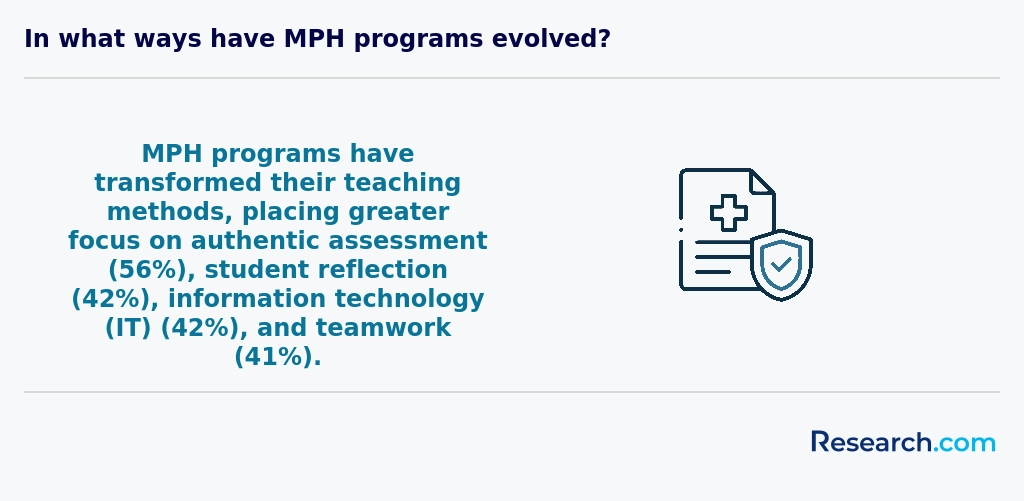
To finish your online MPH in Missouri faster and align with your career goals, consider these proven tactics:
- Transfer eligible graduate or professional credits to reduce total credit requirements.
- Enroll in summer and intersession sessions for year-round progress.
- Choose programs offering accelerated 12–16-month tracks with condensed terms.
- Maximize your course load each term (e.g., 9–12 credits) after consulting your academic advisor.
- Leverage Prior Learning Assessments (PLA) or competency exams to earn credit for real-world experience.
For cost-saving alternatives and stackable credentials, explore the cheapest medical coding certification online.
If you're diving into an online public health degree in Missouri, expect a lineup of courses that really prepare you for the field. Graduates from places like the University of Missouri or Saint Louis University often talk about how foundational classes like Introduction to Public Health and Epidemiology gave them a solid grip on understanding health trends in communities.
You'll get hands-on with Biostatistics too, learning how to make sense of data - something that students found invaluable when tackling projects focused on Missouri's unique health needs, whether that's urban challenges in Kansas City or rural health gaps out by the Ozarks.
Environmental Health courses bring eye-opening insights about how air, water, and even local industries impact people's well-being, a topic many graduates said helped them connect theory to real community issues around them.
Electives let you zero in on what moves you, like emergency preparedness or maternal health, often inspired by the state's health priorities. The mix of policy, behavior change, and management courses means you're ready not just to learn, but to lead in public health wherever Missouri takes you.
If you're looking into online public health degree specializations Missouri offers some solid options that really fit the state's needs. Many students at well-known schools like the University of Missouri or Saint Louis University find themselves drawn to Epidemiology, where you dig into tracking disease outbreaks-super relevant given Missouri's health challenges over the years. Others love the Health Policy and Management track, learning how to shape healthcare systems to better serve communities right here in Missouri.
Graduates often share how focusing on Environmental Health helped them tackle both urban and rural issues, like pollution or workplace safety, which feels really hands-on and meaningful. You'll also see courses in Community Health Promotion, Global Health, Biostatistics, and Maternal and Child Health, giving you plenty of ways to specialize depending on what sparks your passion.
All these fields come alive for students because they connect to real local problems, making your studies feel practical. And if you're curious about related career options in medical coding, those pathways also align well with healthcare insights from MPH studies.
When picking the best online public health degree Missouri has to offer, it really helps to focus on one thing at a time. Accreditation is key-graduates from Missouri's well-known programs always recommend choosing schools with CEPH accreditation because that stamp means your degree will be respected by employers and can open doors to certifications.
Another smart move is checking out the curriculum and how flexible it is. Many working students appreciate programs at local universities that offer tons of asynchronous courses and part-time options so you can study without losing your job or family time. Plus, Missouri schools tend to offer affordable MPH programs in Missouri, especially if you're a resident, making it easier on your wallet.
Finally, listen to grads who share how their choices tied them to local health departments or nonprofits, giving them a solid start in the field. And if you want to get a feel for how some programs prepare you for hands-on work, look for those that cover administrative and clinical tasks-it helps a lot when you move into real-world public health roles.

Graduates with an online public health degree in Missouri find themselves stepping into a variety of rewarding career paths. Many end up as health educators or community health workers, creating programs that truly make a difference in local neighborhoods. Others become epidemiologists, tracking down disease outbreaks and helping to stop them in their tracks-something that Missouri public health degree job opportunities make especially crucial given the state's diverse communities.
Some graduates take on roles as public health administrators, managing programs at places like the Missouri Department of Health and Senior Services, a major employer in this field. Environmental health specialists also get involved, focusing on issues like clean water and air quality, which are big deals in both urban and rural parts of Missouri.
Students from popular universities appreciate how studying online fits their busy lives and prepares them for these roles. Plus, if you're exploring nursing career training, adding a public health degree can open even more doors in healthcare.
All in all, pursuing online public health careers in Missouri means joining a passionate community ready to improve lives across the state.
The job market for those with an online public health degree in Missouri is looking pretty promising. Graduates from popular universities here often share how their degrees open doors to roles like health educators or public health administrators, especially in cities like St. Louis and Kansas City. Many find themselves involved in community health projects or data analysis that really make a difference locally. If you're thinking about online public health jobs Missouri-wide, the demand tends to be strong, particularly as the state focuses more on prevention and emergency readiness.
One graduate from a well-known Missouri college mentioned landing a position managing substance abuse programs shortly after finishing their degree online. Salaries start around $45,000 but can rise quickly with experience, making it an encouraging path financially. Also, if you want to find an affordable public health school in missouri, check out options that balance cost and quality - some offer tuition between $10,000 and $25,000 annually.
2027 Fastest Online Master's in Public Health Degree Programs Ranking in Missouri
Investing in your education is a significant decision that can shape your future, and the Research.com team understands the importance of making informed choices. To assist prospective students in Missouri, we have meticulously crafted the "2027 Fastest Online Master's in Public Health Degree Programs Ranking in Missouri." Our commitment to quality, credibility, and accuracy is reflected in the extensive research and analysis conducted to compile this ranking.
We utilized the following reputable data sources to ensure a comprehensive evaluation of public health programs:
By exploring this ranking, readers will gain valuable insights into the fastest online Master's in Public Health programs available in Missouri, empowering them to make informed and confident educational decisions. For more details on our methodology, please visit our Research.com methodology page.

# 2 position
A.T. Still University
Master of Public Health


Frequently Asked Questions About public health
Online public health degree students in Missouri can maximize their learning by actively engaging with course materials and participating in virtual discussions. Research indicates that Missouri faces specific public health challenges, such as higher rates of chronic diseases, making local context important for study (Missouri Department of Health and Senior Services, 2023). Using Missouri-focused data allows students to connect theory with real-world applications in their communities.
Building a network with peers and professionals within Missouri is also beneficial. Students should seek internships and volunteer opportunities with local health departments or agencies to gain practical experience.
Finally, leveraging digital libraries and staying current with state health reports enhances understanding of evolving public health trends in Missouri.
Emerging niches within public health are reshaping career opportunities for students pursuing online degrees in Missouri. One key area is health informatics, which combines data analysis and technology to improve health outcomes. Demand for specialists in this field is expected to grow nationally by 16% through 2030, according to the U.S. Bureau of Labor Statistics.
Another expanding niche is environmental health, focusing on how factors like pollution impact community well-being. Missouri's Department of Health reports rising interest in mitigating health risks related to industrial exposure.
Additionally, public health professionals experienced in emergency preparedness are increasingly valued, especially after lessons learned from recent pandemics.
After completing an online public health degree in Missouri, preparing for the job market starts with gaining relevant experience through internships or volunteer opportunities within local health departments or nonprofit organizations. Missouri's Department of Health and Senior Services offers numerous resources and potential placements.
Networking is essential; joining professional groups like the Missouri Public Health Association connects graduates with employers and industry events. Familiarity with key competencies such as epidemiology, biostatistics, and health policy, which are highly valued by Missouri employers, also boosts employability.
Additionally, obtaining certification such as the Certified Health Education Specialist (CHES) can enhance job prospects in Missouri's competitive public health sector.
Employers in Missouri value public health graduates who demonstrate strong analytical skills to assess health data effectively. Proficiency in epidemiology and biostatistics is essential, as these skills support evidence-based decision-making in programs that address local health concerns.
Communication abilities are also critical. Professionals must convey complex information clearly to diverse audiences, including policymakers and community members. Familiarity with health policy and program planning helps graduates design interventions tailored to Missouri's unique public health challenges.
Additionally, leadership and cultural competency are highly sought after. Missouri's diverse population requires sensitivity to different cultural perspectives to ensure inclusive health strategies. According to the Missouri Department of Health and Senior Services, these combined skills improve outcomes statewide.
Finding internships relevant to a public health degree in Missouri involves strategic research and networking. Start by exploring internship opportunities through Missouri's Department of Health and Senior Services, which often offers placements supporting statewide public health initiatives.
University career centers and faculty advisors connected to online public health programs can provide localized internship leads. Additionally, organizations like the Missouri Public Health Association frequently share internship openings and networking events for students.
Internships may also be available at local hospitals, health departments, and nonprofits focused on issues such as epidemiology or community health. Using platforms like Handshake and LinkedIn with Missouri-specific filters can increase chances to find roles.
Obtaining an online public health degree in Missouri significantly enhances career mobility and advancement opportunities. The Missouri Department of Health and Senior Services highlights growing demand for public health professionals due to regional healthcare challenges. Graduates with this degree often qualify for diverse roles such as epidemiologists, health educators, and community health managers, which offer higher earning potential compared to entry-level positions.
According to the U.S. Bureau of Labor Statistics, Missouri's public health job market is projected to grow by 10% through 2031, faster than many other sectors. Employers increasingly prefer candidates with advanced degrees for leadership and specialized roles.
Online programs allow working professionals to upskill without interrupting their careers, facilitating promotions and salary increases within public and private health organizations.
Studying for a public health degree in Missouri equips students with skills to work across multiple disciplines, essential for addressing complex health challenges. Missouri's programs emphasize collaboration between fields like epidemiology, health policy, environmental health, and social sciences.
The Missouri Department of Health and Senior Services reports ongoing needs for professionals who understand how social factors impact community health. Online degrees often include training in data analysis, communication, and management, preparing graduates for roles in government, nonprofits, and healthcare.
Students learn to work effectively with diverse teams, using evidence-based approaches with local and national health data. This interdisciplinary focus enhances their ability to develop comprehensive health solutions.
When choosing between a thesis and a non-thesis public health program in Missouri, consider your career goals first. Thesis options typically suit students aiming for research roles or doctoral studies, requiring original research and a formal dissertation. Non-thesis tracks focus more on practical skills through coursework, ideal for professionals seeking leadership or administrative positions.
The University of Missouri System reports that about 40% of public health master's students select thesis tracks, reflecting the state's growing demand for research skills in health policy and epidemiology. Online programs in Missouri offer both paths, allowing flexibility.
Evaluate faculty mentorship availability and your time commitment. Thesis routes often need 1-2 more semesters.
Students based in Missouri interested in studying public health abroad have limited direct options through Missouri institutions offering fully online global programs. Most Missouri universities with public health programs focus on domestic public health issues and partnerships. However, students can explore study abroad opportunities by enrolling in Missouri-based online public health degrees that include international practicum or research components.
Missouri's public health focus, supported by data from the Missouri Department of Health, emphasizes regional health challenges, but some programs provide global health specializations. Nationally accredited online programs often incorporate case studies or virtual collaborations with global health organizations. This approach allows Missouri students to gain international perspectives without traveling, aligning with current trends where over 80% of public health students prefer flexible, remote study options (Council on Education for Public Health, 2023).
Students pursuing online public health degrees in Missouri can greatly benefit from part-time jobs that supplement their academic knowledge with practical experience. Positions such as community health worker, public health assistant, and health educator are commonly available and align closely with degree objectives. According to the Missouri Department of Health & Senior Services, these roles often involve outreach, data collection, and health promotion, vital skills for future public health professionals.
Employment in local health departments or nonprofit organizations allows students to understand Missouri's specific health challenges, such as rural healthcare access and chronic disease prevention. The Missouri Economic Research and Information Center notes steady growth in healthcare employment, indicating expanding opportunities for public health students.
Online public health students in Missouri have access to a variety of networking opportunities despite their remote status. Many universities offer virtual events, webinars, and discussion forums where students can connect with peers, faculty, and public health professionals. Organizations such as the Missouri Public Health Association frequently host conferences and workshops that welcome student participation.
Students can also engage with local public health departments through internships or volunteer work, which provide valuable real-world contacts. The Missouri Department of Health and Senior Services publishes reports and offers collaborative projects, encouraging student involvement.
Additionally, professional networks like the American Public Health Association include Missouri chapters that online students can join to expand their local connections and career prospects.
Alumni networks play a crucial role for students pursuing online public health degrees in Missouri. These networks connect current students with graduates who are established in public health careers, offering guidance and mentorship. Access to experienced professionals helps students navigate job searches and internships effectively.
In Missouri, where public health sectors are growing due to recent funding increases, such as the $75 million allocation for health initiatives in 2023 (Missouri Department of Health), alumni connections can be particularly valuable. They provide insights into regional public health challenges and job market trends specific to Missouri communities.
Moreover, alumni often share opportunities exclusive to network members, enhancing career prospects. They also foster a sense of community, which can alleviate the isolation sometimes felt in online programs. This support system is an asset for professional development and lifelong learning.
Customizing an online public health degree in Missouri allows students to align their education with specific career goals. Many Missouri universities offer concentrations such as epidemiology, health policy, or community health, enabling learners to focus on their interest areas. Elective courses let students deepen skills in areas like data analysis or environmental health. Additionally, practical experiences such as virtual internships or capstone projects tailored to Missouri's public health challenges can enhance job readiness. According to the Missouri Department of Health, specialization in emerging areas like chronic disease prevention is increasingly valuable. Flexible online programs facilitate balancing work, study, and professional growth.
Online public health students in Missouri often face challenges related to balancing coursework with professional and personal responsibilities. Many students juggle full-time jobs while managing demanding class schedules and assignments.
Connectivity and technological access can also be obstacles, especially in rural parts of Missouri where reliable high-speed internet is less common. According to the Missouri Office of Broadband Development, about 15% of residents still lack adequate internet access.
Additionally, a lack of in-person interaction can affect networking opportunities and peer collaboration, which are critical for public health fields. Students may find it harder to secure practicum placements in competitive local health departments.
Lastly, understanding state-specific health regulations and policies requires focused effort since online programs may not always tailor content to Missouri's public health landscape.
With an online public health degree in Missouri, you can pursue several respected professional certifications that boost career prospects in the health sector.
The Certified in Public Health (CPH) credential, offered by the National Board of Public Health Examiners, is popular nationwide and recognized across Missouri. It validates your knowledge of core public health sciences and practice.
For those interested in health education roles, the Certified Health Education Specialist (CHES) certification, through the National Commission for Health Education Credentialing, is a valuable asset.
Additionally, hospital and health systems in Missouri often seek professionals with the Certified Healthcare Environmental Services Professional (CHESP) or Certified in Infection Control (CIC) certifications for specialized public health functions.
To write a winning application for an online public health program in Missouri, start by clearly demonstrating your commitment to improving community health. Missouri faces unique challenges such as rural healthcare access issues, so highlight any relevant experience or volunteer work addressing similar public health concerns.
Strong academic credentials are essential. Most Missouri programs require a bachelor's degree with a competitive GPA, typically around 3.0 or higher. Be sure to include official transcripts and detailed resumes.
Letters of recommendation should come from professionals familiar with your work ethic and passion for public health. Also, craft a clear, concise personal statement explaining your goals and why you chose Missouri.
Check the Council on Education for Public Health (CEPH) accreditation for your target programs to ensure quality and recognition.
Public health careers are increasingly viewed through a global lens, emphasizing collaboration to address widespread health challenges. Professionals with online public health degrees from Missouri gain skills relevant worldwide, including disease prevention, health policy, and emergency response. The U.S. Bureau of Labor Statistics projects a 16% growth for health educators through 2031, reflecting rising demand, which aligns with global health workforce trends.
Missouri, home to organizations like the Missouri Department of Health & Senior Services, participates in global health initiatives, encouraging graduates to engage with international data and public health crises. These global perspectives prepare students to work on issues such as pandemics, chronic disease control, and health equity.
Students pursuing an online public health degree in Missouri can gain practical experience through internships and fieldwork opportunities. Many Missouri universities partner with local health departments, non-profits, and healthcare organizations to offer virtual or in-person placements. These experiences allow students to apply classroom knowledge to real public health challenges.
The Missouri Department of Health & Senior Services frequently collaborates with educational institutions, providing resources and internship spots focused on state-specific health issues, such as chronic disease prevention and infectious disease control. According to the Missouri Economic Research and Information Center, the state continues to invest in expanding the public health workforce, increasing opportunities for student engagement.
Additionally, some accredited online programs may incorporate community-based projects or research initiatives, enhancing practical learning while accommodating a remote format. Students should explore program-specific offerings and local partners to maximize hands-on experience.
Choosing the right concentration in an online public health degree in Missouri depends on your career goals and local health needs. Missouri faces specific public health challenges, such as high rates of chronic diseases and rural health disparities, which influence program focus areas. Common concentrations include epidemiology, health policy, community health, and environmental health. Reviewing Missouri Department of Health & Senior Services data can help identify pressing issues where your skills may be most impactful. Additionally, consider job market trends from the Missouri Economic Research and Information Center, which forecasts growth in healthcare management and public health roles.
Recognizing your interests and matching them with Missouri's public health priorities ensures your education aligns with regional demand. Many Missouri universities offer specialized online concentrations to address these areas, allowing for tailored expertise. Evaluating curriculum details, faculty expertise, and internship opportunities in Missouri-based organizations further guides your decision for a meaningful public health career.
- 2027 Fastest Online Master's in Public Health Degree Programs Ranking in Illinois
- 2027 Fastest Online Master's in Public Health Degree Programs Ranking in Michigan
- 2027 Fastest Online Master's in Public Health Degree Programs Ranking in Texas
- 2027 Fastest Online Master's in Public Health Degree Programs Ranking in Florida
- 2027 Fastest Online Master's in Public Health Degree Programs Ranking in Virginia
- 2027 Fastest Online Master's in Public Health Degree Programs Ranking in North Carolina
- 2027 Fastest Online Master's in Public Health Degree Programs Ranking in Pennsylvania
- 2027 Fastest Online Master's in Public Health Degree Programs Ranking in Maryland
- 2027 Fastest Online Master's in Public Health Degree Programs Ranking in New York
- 2027 Fastest Online Master's in Public Health Degree Programs Ranking in Massachusetts
- Public Health: A Global Perspective https://www.routledge.com/Public-Health-A-Global-Perspective/Singh/p/book/9781032644226
- How Much Can I Make With an Online Bachelor's of Public Health? - MPH Online https://www.mphonline.org/salary-bachelors-public-health/
- Missouri - Public Health https://www.publichealthonline.org/missouri/
- What Can You Do With a Public Health Degree? https://www.publichealthdegrees.org/careers/what-can-you-do-with-public-health-degree/
- Young WFPHA Initiative – Empowering Young Public Health Professionals https://www.wfpha.org/young-wfpha/
- Best Online MPH Programs in Missouri | 2026 Rankings – PublicAdministrationPolicy.org https://publicadministrationpolicy.org/public-health/missouri/
- Public Health/Global perspective - Wikiversity https://en.wikiversity.org/wiki/Public_Health/Global_perspective
- Students and Alumni associations - Europubhealth https://www.europubhealth.org/students-alumni-associations/
- Master of Science (M.S.) Major in Public Health Education and Promotion (Non-thesis Option) https://mycatalog.txstate.edu/graduate/education/health-human-performance/public-healthed-promo-nonthesis-ms/
- Public Health Jobs https://publichealthjobs.aspph.org/










